Don La Greca: Finding His Voice in New York Sports


 Apple Podcasts

 Spotify

 Castro

 RSS Feed

 Youtube Music
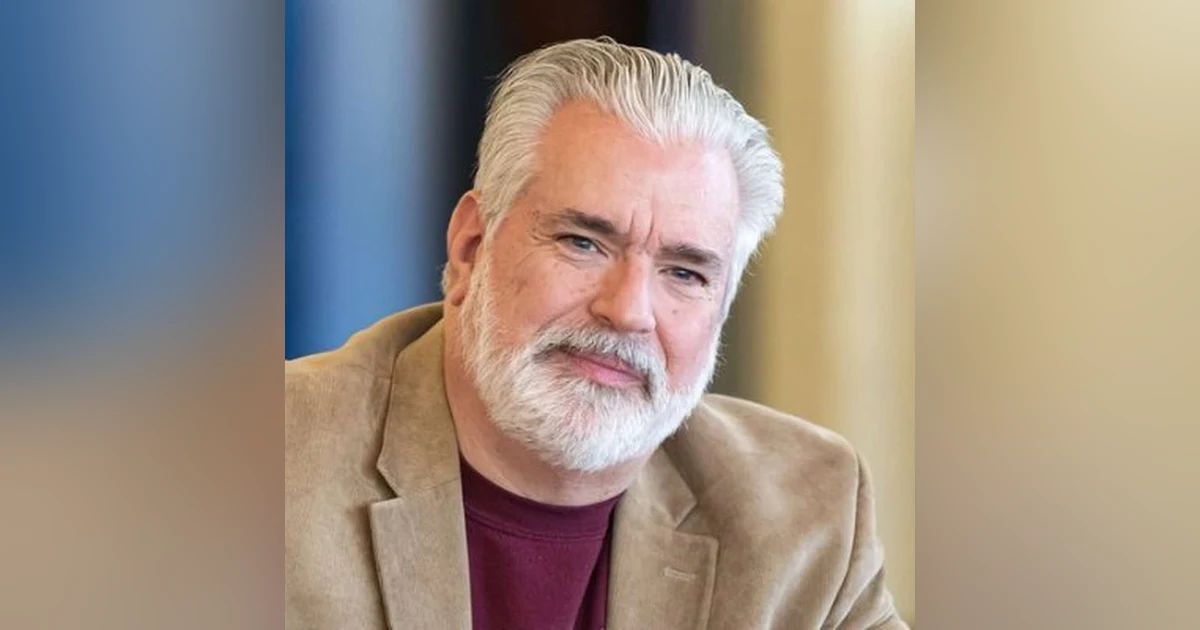
Don La Greca dreamed of playing professional baseball. Instead, he became one of the most recognizable voices in New York sports, building a career that would eventually bring him back to the team he grew up cheering for.
From ESPN Radio and The Michael Kay Show to becoming the television voice of the New Jersey Devils, Don has built a remarkable career fueled by passion, persistence, and a genuine love of sports.
But his journey was anything but predictable. After his baseball dreams ended, Don threw himself into college radio, took every opportunity to develop his skills, and learned that building a successful career sometimes means making unexpected choices and being ready when opportunity knocks.
In this episode of No Wrong Choices, Don shares the pivotal moments, influential relationships, and lessons that shaped his career. He also takes us behind the scenes of his legendary on-air rants, reflects on his longtime partnership with Michael Kay, and shares the remarkable story of how he eventually landed his dream job.
Along the way, Don offers valuable insights about preparation, perseverance, building relationships, and turning a lifelong passion into a profession.
To discover more episodes or connect with us:
00:00 - Welcome And Guest Setup
01:17 - Falling In Love With Radio
03:05 - Baseball Ends And The Pivot
04:40 - College Station Reps And Hustle
07:52 - Sports Phone And Early Career Breaks
13:03 - Devils Dinner Full Circle Moment
15:19 - Fanhood Versus Professional Choices
20:14 - WFAN Updates Into Hosting Chances
25:08 - Building Chemistry With Michael Kay
31:32 - How Great Rants Actually Work
34:02 - Criticism With Accountability In Person
36:01 - Learning Play By Play On Air
38:08 - Career Advice On Networking And Work
40:45 - Host Takeaways And Closing CTA
Welcome And Guest Setup
Don La GrecaI was told by a program director a long time ago he's like, I don't care what you talk about, I care how you talk about it. I don't care if you talk about zucchini. If you do it passionately, you do it with education, people will listen to it. And I was a fan, people that are listening are fans. They're feeling what I'm feeling. You know, so uh it was an easy thing to do.
Larry SamuelsHello and welcome to No Wrong Choices. I'm Larry Steinmils, and I'll be joined in just a moment by two star stack scene up and Larry Shaff. This episode features the veteran New York sports personality, Don Lagreca. Before we bring Don in, please be sure to like, follow, or subscribe to the show wherever you're listening right now. Let's get started. Now joining No Wrong Choices is the Veteran Sports broadcaster Don Lagreca. Don is currently the TV voice of the New Jersey Devils on MSG, co-host of ESPN Radio's Don, Hahn and Rosenberg, and one of the most recognized voices in New York sports. Don, thank you so much for joining us. Oh, it's my pleasure. How are you doing?
Tushar SaxenaAll right. So just uh just to fully full full disclosure here, Don and I have known each other for nearly 30 years. Yes, he's a very good friend of mine. So thank you, Don, for popping on with us, especially now right before a game. All right, so Don, let's just get
Falling In Love With Radio
Tushar Saxenaright into it. So you've you're obviously you've obviously been a broadcaster in the industry for a long time. What made you want to get into broadcasting?
Don La GrecaWell, what made me want to get into broadcasting was when I was growing up as a kid, and a lot of the younger audience is not even going to be able to understand this. Not every game was on television. And I was a diehard Met fan growing up, and I'd run to the TV, and when the Mets had eight o'clock first pitches, and I'd run to the uh run to Channel 9, pop on the TV, and if the million-dollar movie came on, I knew that the Mets weren't gonna be on TV. I'd have to go run to the radio. And I'd listen to Bob Murphy, and I just was infatuated with radio. I was infatuated with what was going on, how they made it work, where they were calling the game from. I was just always I always wanted to know the inner workings of the sports that I love. And I just got the bug to be into broadcasting, and it was something that was like a goal of mine. My high school senior year, we had electives to help us prepare for college, and the elective that I took was communication, which ended up being what I majored in at Ramapo, and I won the award at graduation. They gave me an award because I did the best in that class, and that just gave me the confidence that when I went to college that it would be communications that I would major in. Um, but my dream was to be a baseball player. I was a pitcher, and I was recruited by a rampo. They didn't have scholarships back then because they were only a division three school, but they did win the 84 Division III World Series, and so they were a pretty good baseball team. Um uh what was it? Mark Leiter went to Ramapo. They had a little bit of history, you know. So I was still hoping that I'd have a baseball career. Um, and
Baseball Ends And The Pivot
Don La Grecamy my my freshman year spring training, I got cut. Apparently, three kids from Army transferred over to Ramapo and they were pitchers, and I was out, and the reality finally struck me that the baseball dream was over. I marched right into the radio station, and I never really looked back. Um, and I spent more time than I should have at the radio station. That's why it took me six years to graduate because I was cutting classes, you know, somebody somebody wouldn't be able to do a show, or I'll do the show, or you know, um, so it ended up working out for me. But that that's that's how it all kind of got started. Once the baseball dream ended, it just I quickly pivoted to radio and uh I never looked back. Nice.
Larry SheaLarry Shea here. Good to see you, Don. Always glad to see you. Um, was it a hard transition for you? Was it hard to turn the page or not at all? Because you just loved the broadcasting stuff so much.
Don La GrecaI I think I knew that you know I wasn't gonna make it as a pitcher, um, but it was still disappointing. Yeah, you know, that now for the first time since I was like eight, I wouldn't be playing baseball when baseball season started. But going to the radio station and you know, calling baseball games for Ramapo and it it it was it listen, it was disappointing, but it wasn't it wasn't a hard transition because, like I said, it was always the bug that I had. I always felt like growing up, I was either going to be a baseball player or I was gonna be in radio in some way, shape, or form. So as I was starting to get older, I figured the better chance was probably gonna be radio anyway. So it was disappointing, but not shocking
College Station Reps And Hustle
Don La Grecaat all.
Larry SamuelsSo, how did you focus that? You're you're on the stations at Rambipo, you're getting your reps. What did you do to make this a real thing?
Don La GrecaGrandpa had a hundred-watt radio station called WRPR, and it was it was on from like six in the morning to like midnight. And and but not everybody was into radio. You know, I remember when I was there, Andre Perry was my advisor, and he tried to make it an initiative to get more people interested in the radio station. But it worked for me because that meant that there was more time I could do, I could be on the air as long as I wanted to. I could do any job. I was news director, I was sports director, I was program director. You know, um, so I just spent like every waking moment I could at that radio station. So I just did everything because I I didn't know, I knew I wanted to be on radio, but I didn't know what the best avenue would be. You know, I did some play-by-play, but I also loved heavy metal. I had a heavy metal radio show called The Beast is Unleashed, that me and a guy by the name of Scott Sylvaji did from like uh six o'clock until midnight on Friday nights, and we'd interview bands, and we we really did it as professional as possible. We would um we'd go to local places and I said we we'd mention their name on the yeah, we had to be very careful because we're a college radio station. Um so we would mention their name on the radio for in exchange of putting a flyer up in their window. So I learned marketing, I looked, I learned promotions, and I just spent all the time there. And like I said, it came at the expense of a lot of classes. It took me six years to graduate. Um I was there from 86 to 92. My life. Well, I it was right to the end. I was able to walk um graduation in May under uh under the stipulation that I had registered for the six credits that I was sure. So my parents got to see me graduate, but I had to spend the summer of '92 getting six credits to graduate. I had held off algebra two to the very end. That was a four credit course. So I needed a two-credit course and it was karate. So I was going algebra two one day, karate the next day to finally get the six credits to graduate.
Tushar SaxenaHow are your credits? How are your karate skills?
Don La GrecaYeah, not bad, not bad. It got me the two credits I needed to graduate, you know, and um, but but but still, it was um it was just really important to me to just spend as much time as I could trying to figure out what in radio I was gonna do. And I was fully convinced when I graduated that I was probably gonna be a DJ someplace, because that's pretty much the majority of what I did at the radio station. But, you know, um phone program slash sports phone came a call in and ended up being sports instead of music. But uh um knowing what I wanted to do and how important it was, I that radio station, that little 100-watt radio station where I'd have to turn the transmitter off myself and turn it back on, and only having a handful of people in their um in their dorms listening was where I was able to cultivate my career.
Tushar SaxenaSo at that point, so
Sports Phone And Early Career Breaks
Tushar Saxenaso 1992, you graduated. This what's the first gig you get out of college?
Don La GrecaUh well while I was in 1990, so I was still in college, I got a job at phone programs. Um, Tim Reed, who I think you know too, sure, got me the gig. And what phone programs was was 976 numbers, 976, 970 numbers, 800 numbers, um, that pretty much had like uh the Samantha Fox line, dial a Santa, dial a joke. You could talk to the Easter bunny. Um, it had um it had uh porn numbers. Now I didn't get the voice of the porn. I I would put the cassette into a Marance that attached to this thing called a television machine, which was basically a glorified answering machine, and I would download the the programs. And so that was on that was on third and 53rd in the city, and I would go there and I'd work overnights and and loading this in. They also owned sports phone, but sports phone became so big that a little bit before I started working there, they moved the operation to Long Island, Elmont, Long Island, which is right next to Belmont Park, where UBS is now. And so I but I so I started up phone programs and was sending tapes to Sports Phone that they'd eventually hire me. Um so that's where I started. That was my first gig. Um of I remember the the there was the there was the Twin Peaks line. I had that whenever the show was over, we'd have to load information after the Twin Peaks was on. And and what was that um Lynch? Was it uh David Lynch?
Tushar SaxenaWho was the yeah, David Lynch was the director on that? Yeah, yeah.
Don La GrecaAnd I and now and I was told, like, if you screw this up, David Lynch is gonna call and he's gonna rip you a new. Oh my god. You know, and listen, uh, you know, and uh and a lot of it, there was like there was like fetish porn, there was like there was there was Spanish porn, so you know, a lot of I think you spent a lot of time seemingly in the porn area. So that's where the money was. I don't think sports phone would have made it if it did they weren't making the money from that. Let's face it, the the two vices men have a sports and in that, you know, and this is before the internet, so somebody calling up a 900 number to get, you know, whatever, they got to do what they gotta do. Um, Howie Carpen was the guy that was in charge of sports phone at the time. Howie Carpen, you probably know him. He he he scores games for the Mets and the Yankees, he's been a reporter for a long time. He he didn't want to hire me because he felt like he had enough people. The way sports phone worked was that you just worked, they had a few full-timers, but a lot of the part-timers would work to try to earn some extra money while they had another job. And he didn't want to take hours away from those guys. When Howie got let go, this guy by the name of Ken Martin took over and he hired me. So in May of '92 is when I started to work at Sports Phone, and that's when it all kind of came together. Um, where now I was focused on sports and and and fine-tuning my voice to do updates because we did updates every 10 minutes, every two minutes during the NFL. So I got more reps than I would have gotten at any radio station. And because it didn't pay a lot of money, this was my rite of passage. This was my you know taking a job in Nebraska, except I got to take it on you know do it in Long Island and and get all those reps and cover games and and and learn to do all that stuff. So that was a big break for me, uh Sports Phone in '92.
Tushar SaxenaAll right. So just so folks know, sports phone, you know, not just having Don LeGrecke as an alum, but Howie Rose, who was the longtime voice of the of the New York Mets, a guy from was was an alum of Sportsphone. I did it. Gordon Damer did it. So they've had a lot of big people. Not that I'm saying that I'm a big like like them, but they had a lot, a lot of big voices who who came through sports phone.
Don La GrecaWell, the big Al Troutwig. Yeah. You mentioned Howie Rose. Linda Cohn, I believe, was part there too, yeah. Michael Kay, Linda Cohn, uh they're just because it was a great place to kind of get started. And when I got made a full-time supervisor, that was in 1994. And what that meant was I got to do New York sports run. There was New York, there was Detroit, there was Chicago, and there was a national line. And since New York was the most important, the supervisor would do the New York updates and also supervise the staff. So that was in probably sometime in the middle of 94. And they paid me $19,500 with benefits, which was nice. But I lived in North Jersey, over by where Tushar is from. And even though it's only like 35 miles to Elmont, you still had to pay, you know, $11 at the time in tolls, drive across George Washington Bridge, you know, to which was the road from hell, which is across Bronx to the Throgsneck, Cross Island, the Hemstead Turnpike, and it cost an absolute fortune, but um, but it was still worth it. And I I ended up working there until it folded uh in 2000. And the only reason it folded is because now once the computer age started happening and people got beepers and all that, that they didn't need to pay to get them to the scores. Uh, but that was uh I I was I was working part-time at Sports Phone when I was at the fan. So I I
Devils Dinner Full Circle Moment
Don La GrecaI stayed there for as long as I could.
Larry SheaWell, um, we like to go linear on the show, but there there's a moment in 1989 that I want to bring you back to when you go to the Devil's Dinner Do you remember? Can you lend credence to this story? Is this true?
Don La GrecaWell, what happened was my you know, my my girlfriend at the time, now my wife, was um a partial devil season ticket holder, and we both belonged uh the fan club. And um so one of the things that the fan club did every year that they had a dinner with the devils. And you can go and sit down with your favorite devil. My favorite devil at the time was the guy by the name of Jim Korn. He was a goon. Um, but I I liked him for some reason. I wanted to sit with him. And what happened was he didn't show up. So they said, Well, listen, we really feel bad for you. What we're gonna do is we're gonna put you at the broadcaster's table. And the devil's broadcaster on TV at the time was Gary Thorne. Wow, I'm sure you're crowded legend. Um, Chris Moore was the radio guy, Peter McNabb was was the color commentator on television. And I was like, this I this if I knew that this was an option, this would have been my choice to begin with. Right, right, right. And I still have and I still have it at home, and and I've showed it in different stuff that I've done. You know, it was the the the table marker, I was able to keep it, and I had, you know, I I it's Gary Thorne saying good luck in broadcasting, an autograph from Chris Moore, autograph from Peter McDaman. I still have it hanging in my man cave. And to to be doing devil's hockey on television and and and going back and being a part of that, I think was just the symmetry of that was just unreal. And and when when I got the job, um the the the because the fan club still exists, and the same people run it that ran it when I became a um joined it in the late 80s, and they they went back and they found the card that I filled out to become uh the become a member and um and they put it up on the TV and everything. So that was that was kind of cool. So uh yeah, just uh kind of full circle moment there.
Larry SamuelsYou know, I I was gonna try to stay linear, but but uh as Larry jumped, I I think I'm gonna jump for a second also. Oh, keep jumping, man. Yeah. One of the things I'm curious about is
Fanhood Versus Professional Choices
Larry Samuelssort of the crossover from being a fan to a professional. So like you're at the broadcaster table, you're with these guys that that you respect and and love and admire. Um, and then it's this huge amazing vision of what could be. Well, now you're actually doing it. Like, are you still a fan? Is it still fun? When it becomes work, like do things change?
Don La GrecaWell, it changed for me. When I first started, like it were started coming together for me. The first decision I actually had to make was back in 2002 when I became the pre- and post-game post for the Jets. And to be sure, I'll tell you, I'm a diehard Giant fan. Yeah. Um, and I it it was it was a it was a tough thing to do because hey, and not only am I gonna be doing the Jets, who I didn't like because I'm I'm one of you you guys know my fraud history. If you're a Giant fan, you're supposed to hate the Jets, if you're a Met Band, you're supposed to hate the Yankees, all that stuff. Like, so not only not only that, but now if I'm gonna be doing the Jets, I'm gonna be missing Giant games. And and up until that point, I don't think I had ever missed a down of Giants football since I was years old. But I was like, this is what I want to do. And do I have the arrogance to think that it's all gonna go my way, that I'm gonna get job opportunities with the teams that I grew up with? I'm only gonna be working for you know the devils and the Mets and the Giants, or am I gonna have to make you know certain sacrifices? So that was the decision where you know Michael Kay's got a line, he's mentioned it on the air. And when I ever asked him for advice on jobs, he would always say the same thing. You know, you're rooting for you. Like that ultimately that's what you're rooting for, right? As big a fan as you are of teams, you're gonna be a bigger fan of yourself. And you know, and maybe if I didn't, if I turned down the jet job because it wasn't it wasn't the Giants, then maybe none of this would have happened. But that's what I realized. Okay, and then opportunity to do Rangers. I was a double fan. I hated the Rangers, they they tore my heart out in '94, '97, and now I'm going to be working doing pre-imposed for the Rangers. Well, good thing I did that because then the opportunity to back up Kenny Albert came, and you fast forward 20 years later, the devil job would have never happened if I had said no to that. So finally, at 57, when I got the double job, I'm finally doing a team that I grew up rooting for. 16 years pre- and post for the Jets being a Giant fan. You know, um, I've 15 years of doing uh almost 20 years of doing Rangers hockey being a double fan. I was on the Michael K show for 20 years. I'm the Yes Network, the Yankee announcer, and I'm a Met band. You know, well finally it's great that it's all coming together, but listen, uh, you you don't invest all this time and make these sacrifices to be the best announcer you could be to turn down gigs because of your fandom. So to answer your question, I'm a bigger fan of me than I am of the teams that I root for. I put too much time and effort. So and the the the story I'll tell that it really came together was in 2012. Now, people knew that I was a devil fan before I took the Ranger job because I would talk about it on the air, on the K show and everything else that I did. So I get the Ranger gig. Um, and I I think I did it well enough that even Ranger fans accepted me because I was always fair and I didn't use my fandom um as a as a crutch or anything. So in 2012, they're playing each other in the conference final, and it's game six, and Adam Henrique scores in overtime a game six to send the devils to the Stanley Cup final. And during the playoffs, I would be the third announcer. So Kenny and Dave would call the games Dave Maloney, and I'd be down ice level and give updates on certain players, whatever. They score on the on the side of the ice that I'm standing, you know, and I'm what I'm watching Henrique score. And the young Don LeGreca would have been pounding on the glass, excited that my team won the Eastern Conference. And I'm standing there and I'm like disappointed because now the season's over and the Rangers are out, and I've I I don't have a job anymore that season. Like, so they're crystallized. Like, I'm if I'm rooting for the Devils, I'd be excited, but I'm rooting for me because now my season is over. The Devils are I wasn't working for the Devils at the time. I wasn't gonna make any money. I wasn't gonna forward my career with the Devils going to the Stanley Cup final. Sure, I was happy they went and and I rooted for them to win the cup when they when they got there, but that's when it's like, no, I'm I'm I'm rooting for me. Um now finally I get to root for me and the team at the same time. So uh that's good. But uh, you know, you just learn to put that stuff aside because to be a professional and the work that we put into it, it
WFAN Updates Into Hosting Chances
Don La Grecaended up being a lot easier than people think.
unknownRight.
Tushar SaxenaSo, Don, the first time I met you was over at WFAN many years ago. You walked in as an update guy. So I kind of want to talk about that juxtaposition a little bit. Obviously, I think a lot of people know you as a talk show host, and now obviously as the voice of the devil's play-by-play guy. When you first got that, when when you first started, did you see yourself more as a talk show host, as an update guy, or was the ultimate goal to do what you're doing now, which is calling games?
Don La GrecaWell, the ultimate goal, well, calling games wasn't even like I wanted to call games, but most of the guys that got a chance to call games, they go down to the minor leagues, they go to another market, and I wasn't doing that. And my only experience doing play-by-play was in college. So I that dream kind of faded on me. Um, so now it just came down to doing updates and hoping that I'd become a host. That was the ultimate goal for me, was to be a host. And I remember doing updates at the fan for Anne Ligory on Friday nights to the Saturday. You and me. Yeah, and we we we and it was like it was crazy, but you know, you got the reps every 20 minutes. But during that time, I kept feeding tapes to Mark Chernoff, the program director, about you know, doing shows. I remember when Jerry Recco was do was running the board on like Ann Ligory's show. Jerry Recco is now on um on Boomer and Geo on the fan. And we would because we both lived in Jersey, we would then drive to Redbank, New Jersey. Too sure you were there too. Yep. And we because we'd buy time at a radio station in Redbank and do a show on Saturday mornings after working the whole night before on the fan, and and I'd give those tapes and I'd give It to Mark Chernoff and Eric Spitz, who also worked at the fan at the time, and just trying to get a chance to be a host. So yeah, the ultimate goal was to be a host, to have my own show. And then I finally got my big break when Joe Benigno's house burned down. And I'm sure you remember that. I don't listen, I don't mean the language. Who role did you play in that? Where was I? I was doing updates. I was doing updates. Um and I uh it was the day, it was the day that uh Dale Earnhardt died. So that was you know February of what was that? February of oh geez, 2000. I'm trying to think of when he passed.
Tushar SaxenaLike 99, right? 98, 99.
Don La GrecaIt was somewhere around that time, and and I'm you know, I'm doing updates and and unfortunately Joe Bodingo's house catches fire. He can't work. So I stayed and I hosted. And I I was a bit of an ASCAR fan, so I felt I was kind of like prepared for what the big story was. Um I got another opportunity to host um when Richard Near kind of lost track of time and was late for a show, and I had to jump on for 20 minutes. And my two topics, my two topics to choose from. I mean you might have been there too sure. I'm trying to probably was that we were airing the WNBA All-Star Game. I was not there for this. And and the the so this would have been in the winter time, and the MLB umpires were threatening a strike for the upcoming baseball season. I chose the WNBA All-Star game. It was bad, it was a poor choice, and Chernoff let me know that. And I remember Mark Chernoff telling me, because my excuse was, Mark, I had no idea I was gonna be doing a show. Richard Neer was supposed to come in, and all of a sudden the uh the update's over and Richard Neer's not here, and I had to jump on the air. He's like, he's like, Don, I don't want to hear it. You've been giving me tapes, you've been begging for an opportunity to be a host, you've been waiting for this opportunity your entire life. You can't say you're not ratting because you never know when that opportunity is gonna come. Now, listen, I I think I did a good job. I just made a poor choice of opening a show with the WNBA All-Star game, which would have made sense now, but 25 years ago was not the right choice to make. But it gave me it it opened the door for me to do some shows and and um between that and and and what happened with Joe, then I started getting some regular gigs. Um and um and then ESPN came and and I jumped at that opportunity in um September of 2001. But to answer your question, I always wanted to be a talk show host once I started working in sports radio. So updates were a means to an end. Uh, but um I was really happy it did open the door for me to be a talk show host.
Tushar SaxenaSo before you before we get into your time currently now with Donhan and the Rosenberg show, your your hosting time began with Michael K, and you guys were together for 20 years. What
Building Chemistry With Michael Kay
Tushar Saxenawas that experience like for you? What were some of the and what and were there any tough points during that during that the relationship?
Don La GrecaRight out of the box, there were tough points. Um because when we first were put together, it was like before Michael was given the show, and the the show started, it was 10 to 1. Because Michael had Yankees on the nobody nobody f could figure out how he could do both at that time, so he was doing he was working 10 to 1. And before he started, they they wanted to test Michael out. And so Michael was doing shows from Yankee Stadium and he was doing it by himself. They needed me back at the studio just in case the line dropped. I wasn't even doing updates, I was just there as insurance. That's what they told Michael. They told me I was co-hosting with Michael. It was two days. The first day, he brings me in once in a three-hour show. And what he says to me is, Are you done? I heard you're a hockey fan. I said, Yes, I am. He goes, you know what? I put harness racing out of hockey. That was it. That was the only time I talked. Now I'm thinking I'm a go-host, he doesn't talk. But the next day, he did bring me in to ask me what I thought about the ESPN movie about um Bobby Knight. Remember, they did that?
Tushar SaxenaIt was like back in 2001.
Don La GrecaIt was um Brian Dennehy played Bobby Knight. Yep. And I said I thought it was horrible. And Michael goes, Oh, look at you going after the company. And that was it. So I'm ranting and raving, going, This Michael K is a piece of garbage, man. I'm supposed to be co-stam with him for two days. He doesn't talk to me. But meanwhile, Michael was told, hey, Don's just there in case the line drops. So it's just a misunderstanding. So when Michael Kay does get his show, 10 to 1, originally um it was Erica Herschwitz who was doing updates, and I was still working at night. And they decided, again, I this is what I hear, that they switched me and Erica, moved her tonight, moved me to the afternoons because they wanted to have somebody that had a little bit of talk show experience, again, for the same reason. Because when Michael's on the road and the line drops or whatever, that you could you could jump in. So then I got there. And to give Michael credit, you know, it started out me just doing updates, and Michael would talk to me occasionally. But over time, he would start talking to me more and more and more. And this is this is where I really think that it shows the the real lack of ego that Michael Kay has, is that he had no problem if there was a hockey story, if there was a Met story, or something he wasn't like as caught up on, to have me talk about it. And we just gradually became uh uh partners, and then eventually they decided to drop drop me from doing updates, and I became the co-host of the show. And that would not have happened unless Michael had the confidence to bring me in and talk to me during the course of it. So um we never really had any problems after that. Um, we really always got along and say we were the best of friends because we didn't have a ton in common. He's a basketball guy and baseball guy. I'm a football and hockey guy, and um he's a little bit older than me, but we always got along. And uh that's really uh that really helped the relationship. And it was it was a it was a crazy ride of what ended up being you know close to 22 years on the air together.
Larry SheaGreat show, great show. Speaking of ranting and raving, uh you will go in the hall of fame as one of the best ranters of all time. Um, and I always hear hosts say, you know, I don't want to go on a rant here. I don't want to, you know, the holding themselves back. I mean, you have a plethora of gorgeous rants that I would just listen to on repeat. Do you have a favorite? And do you hold yourself back or are you okay just letting it go?
Tushar SaxenaAnd is Nancy ever worried about your blood pressure? Correct.
Don La GrecaWell, yeah, sometimes I tell people too, Shaw, you bring that up. A lot of people brought up, I I I've I tell people, do you really do you really want to keep that in? I think that does more damage to your health keeping it in. You want to be able to when we first started doing ESPN radio, and it was a startup radio station, there'd be times I'd do three hours of radio and we wouldn't get any phone calls. And so there were times where you kind of have to kind of create, and I've always told be passionate, but I've never faked it. Most of my rants come from a place of just real anger and just it it just going. Um, sometimes it's like old school where it'll be like I I'll listen back to it and go, That was me.
Larry SheaI don't even remember saying half the things that I it's like zero to ninety in a second.
Don La GrecaBut you see, but but I I was told by a program director a long time ago, Mike Thompson, he's like, I don't care what you talk about, I care how you talk about it. I don't care if you're talking about zucchini. If you do it passionately, you do it with education, people will listen to it. And I was a fan, people that are listening are fans, they're feeling what I'm feeling, you know. So uh it was an easy thing to do. Um, probably my favorite is the Ed Crane pool because it it lives forever. And I somebody had asked me if was I ever excited to meet somebody, and is there anybody on my bucket list that I haven't met? And unfortunately Ed passed away a couple of years ago, but like I was always interested to see to meet him and ask him if he ever heard the rant and how he felt about it. Because, you know, if if he heard the rant, he would know it came from a place of a of a Met fan and an Ed Cranepool fan, but it was just a little fed up that they just never were able to keep any of these players. And this is before Pete Alonso, so you can imagine what it would have been like after Pete Alonso. But I always had this feeling that he probably was told about the rant, and if you didn't hear it, you would think I was being negative to Ed Cranepool. I never got a chance to meet him, but that's the one that resonates the most with people, and it also shows the age of people because I get so many people that will tweet about the Ed Cranepool rant and and then spell Ed Cranepool with a C, which tells me who
How Great Rants Actually Work
Don La GrecaEd Cranepool was, you know. So it really that seems the one that that that resonates the most. Although recently, because the Mets because the Jets played the Bears last week, I did get a lot of feedback on my Matt Forte one. I don't know if you ever heard that one.
Larry SheaYes, heard that one.
Don La GrecaYes, and then and then from what I was told, somebody I guess had tweeted the rant to Matt Forte, and then Matt Forte got back and like laughed, so he got a chance to hear it. So I I got a kick out of that. I I mean I'm it's interesting because I do think that sports radio has gotten a little out of control. It's less, it's less journalistic integrity, and it's just fans kind of going crazy. And I do think that sometimes we need to get back to a little bit more conversation. It comes from a place of of knowing the sport and not not just being a fan, but also being somebody that understands the game and has been in locker rooms, has talked to players, and that will rip players and then go into the room and talk to those same players, like have some accountability for what you say. Um, but then people will like throw back, well, look at my rant. So I'm as guilty of as anybody, but I never did it to go viral. I never did it for any other reason, but I would just lose my you know what in that moment and then just not know how to control myself.
Larry SheaZero to 90. So it just for context for people, Ed Cranepool was the Mets were bringing him back, and you're ranting, not Ruth, not Garrick, Ed Cranepool.
Don La GrecaEd Cranepool is a forever match. Forever Met. From the time he was 17 years old until he was 40. Yes, he played for the Mets from 1962 to 1979. And so all these great players, you know, that the Yankees have had that were forever Yankees are forever guys at Cranepool. And because he was there for so long, he had the record for home runs, he had the record for hits, and and it's like so sorry.
Larry SheaYou were incredulous, man. It was beautiful.
Larry SamuelsIt was beautiful. Donnie, you lead me into something I've always wondered about. Yes. Within a local market, whether it's Buffalo where I grew up or New York, whatever it may be, you're crossing paths with the players and the coaches and the GMs, I think, uh on a maybe not a regular basis, but but from time to time. What are the dynamics like between you and those people who have you've criticized, you've been hard on? Like, what is that dynamic?
Don La GrecaWell, I think the dynamic
Criticism With Accountability In Person
Don La Grecais is that because I I show my face, I think they can have fun with it. Um, I I've never had, I can try to remember if there was a player that I ripped that I got to see, and there was never any confrontation, but I've gotten to know players. I've had players love my rants. When I first got the double job, um uh Tommy Fitzgerald, the general manager, like saw me at the arena and he's he starts talking about the Ed Creampool rant. He's like, like, so some of them were fan. But what I was always told, and and good and getting back to Joe Benegdo, like I learned a lot from him, and he was also somebody that when I did updates on his show, he would bring me in. Is that the players are never gonna get upset with you if you're there after you rip them, right? Like if you criticize them, and you're always fair. I was always told be fair. Like when I was doing the Jets, it was never the Jets, the Jets offensive line sucks. It's the Jets offensive line is struggling. It's all in the wording, it's all trying to be fair. Don't take it personal. But if I rip a player or I go on a rant, and the next day I'm in the locker room or I'm I show my face, they respect that. It's the guys that don't go. That's why I said that sports radio has kind of changed to where you're throwing, you're throwing bombs from afar and you're never showing the accountability of being there and going into the room. And I think the players respect any writer, any journalist that criticizes them but yet is right there or interviews them or says it to them. You remember, we don't say things in a vacuum. When we're on the air, it's out there, it's in the ether, people hear it. Um, but it's different when you could say it to somebody um that you're gonna talk to or you might run into. I think it has more value. Um, so there has there's there's never been that awkwardness because I think I've always been somebody that uh has stood by what they said and was not afraid to say it and then you know talk to that person or or be around that person after it's set.
Tushar SaxenaAll right. So before we wrap it with you, before we wrap up with you, Don, your
Learning Play By Play On Air
Tushar Saxenatransition to play-by-play mode, play-by-play voice. Even you said that you weren't uh you weren't big into the notion of doing play by play. So what was that transition like? And what was the hardest part of that transition?
Don La GrecaWell, the the the hardest part, like I I didn't, as much as I loved it and as much as I grew up around it, I hadn't done it. Um, and so they go they I auditioned for Kenny. Bob was shoes and was Kenny's backup. And if you know anything about Kenny Albert, he he misses more games than he does sometimes for the Rangers because he does so other so many other things, you know? And so they needed a backup for him, and Bob started doing more college basketball and football for ESPN. So they auditioned me and I got it. And I just it it it was rough because it's one thing to be around it and hear it, but then actually do it. So there were some there were some bumps in the road. I I give a lot of credit to Dave Maloney. He kind of held my hand those first uh few games that I did. And and the great thing about what I do for a living is I got to talk to Baba Schusan, I got to talk to Kenny Albert, I got to talk to Michael Kegg, people that did play by play, you know, what can I do better? And and it was location, location, location. Always tell them where the puck is, always tell them if the shooter is left-handed or right-handed. Is a wrist shot, it is a slap shot. You know, where on the but where on the ice is the puck. And then I just and I give MSG a ton of credit for being patient with me, but there was an adjustment. Um, the one thing that people ask that never was an issue of do I ever feel like I need to rant while I'm doing play-by-play? I haven't had that. That would be interesting, and maybe because I've never called until last year, I've never called games for a team that I was passionate about. So maybe now they're doing devil games. Maybe if they if they lose to Vancouver today, uh maybe I'll have a rant on the I don't know. I guess anything's possible, but uh no, but uh the the adjustment was smooth too because you know I had people around me that wanted me to succeed and help me out and were patient, and uh I thought that was really nice. It's amazing.
Larry SamuelsSo I guess speaking of uh mentors, uh we like to end the show on
Career Advice On Networking And Work
Larry Samuelsadvice. So um, as somebody who has been there, who has been down this road, obviously you came in during a different time, but young broadcasters who want to break into the business today, you know, what what can they learn from your experience? What should they know?
Don La GrecaWell, just to network, get to know people. I mean, that's I've got a lot of people who give me, give me uh you know, I got I'm I'm showing my age. Like then nobody's handing me a tape or a CD anymore, but they'll they'll send me their work, and and I always try to make sure I listen to it and give feedback because people did that for me. You know, people like Steve Mulzberg, who hired me to do updates on 1010 wins, which then led to WFAN. Um, and Steve was the guy that was doing the hiring at ESPN, so that came full circle. Um those those are the types of people that I got to know. You never the the person that you're hanging with might be the person that decides your fate down the road, you know. So network, get to know as many people as possible. Um, so if you if you want to be a play-by-play guy, talk to people that do play by play, get to know them. That's what I did when I was at that table with Gary Thorne. I picked his brain. How did you get in this business? I used to go to devil games when I was younger. Um, when I worked at Sports Phone, my credential, and I would talk to Mike Miller, who was the radio voice of the devils. How how how do you get into this? But just talk, ask questions, get to know people. We have so much, it's so much easier now because you can email people, you can DM them on social media, just network, get to know as many people as humanly possible. Nobody is gonna help you better than you can help yourself. But the best way to help yourself is just to get to know the people that are in this business. It's a small community of people that all end up knowing each other at the end of the day. You've got to get your foot in the door, and the best way to do that is just get yourself out there, go to games, talk to people, introduce yourself. That that's some of the best advice, and then work your ass off if you can, because it's gonna take a lot of work to get where you want.
Larry SamuelsThat's great advice. It's a much smaller business that I think people on the outside realize. We've all known familiar people, et cetera, et cetera. So get in, hustle, and and make it count. I think that's exactly right. Well, Don Lagreca, thank you so much for joining us. Everybody out there, make sure Don Hahn and Rosenberg, weekdays from three to seven. Is that right, Don?
Don La GrecaThree to seven, yes.
Larry SamuelsThree to seven weekdays, ESPN radio. Make sure you check that out. Go Devils, I'm a Sabers fan, but I'll say it for now. Go Devils. And Don, thanks so much for joining us.
Don La GrecaOh, it's my pleasure, man. This was a lot of fun. Thank you.
Larry SamuelsSo that
Host Takeaways And Closing CTA
Larry Samuelswas Don Lagreca, one of, I'm gonna be honest here. I don't think I'm exaggerating, one of my favorite New York uh sports personalities. Tushar is a friend of Don's of of many decades at this point. Thank you so much for bringing him in.
Tushar SaxenaWell, you, as you said, he's one of your favorite sports personalities, but he's one of my favorite people. Uh, I've known Don for a long time, as I said before. Uh, I'm very I'm very proud to call him my friend. And the one thing I will always say about Don, he is the epitome of the local boy makes good, right? So he grew up a devil fan. Now he is the television voice of the devils. And uh I remember when when he got that job, when it was announced he got that job, I was driving somewhere in my car. I just called him up. He picked up. I was like, dude, I could not be happier for you. I am so it's it was like I got the devil's television job because this is one of my close friends getting such a huge job. You know, uh I was so proud of him. And you know, his story is one I think that so many can take a great deal of inspiration from. It's not simply a matter of, you know, getting as many reps as you can. Because he you, you know, to get better, you need to get reps. It's like going to the gym, right? You got the more the more times you flex that muscle, the easier it gets to flex that muscle. And that's what he's been able to do after all these years. And even though he had, you know, he had his own, he had his own, you know, doubts as to whether or not he would be a good play-by-play guy. He has proven to be one of the best play by play play-by-play guys in the business. And that's all because of reps and all because of what he did. He kept himself very open to criticism from those who knew him, from his friends, from those in the business. And he's one of the he's one of the absolute just best people I know. Uh, he's I'm proud to call him my friend. He has worked so hard, and his story is so inspiring. And his story is one that everyone can kind of latch on to. Work hard, do your best, and good things will happen. And if there's a rant hall of fame, he's a first ballot hall of fame. He's right there on the Mount Rushmore.
Larry SheaMount Rushmore. I mean, no, I, you know, sometimes like a rant will go viral, you know, and I'll see like Don LaGrecka, blah, blah, blah, blah, blah. And I'm like, oh my God. I I I run. I don't walk. I run to press play. And that usually how it happens too, right?
Tushar SaxenaRant, rant, blah, blah, blah. Don LeGreca. It's never someone else. It's Don LeGrecka.
Larry SheaI, you know, I learn words like clown show. I learn words like garbage. Rant, he's banned. Like, I mean, he's just the best. So um, you know, I always hear hosts being restrained from doing rants, but like, Don, let it loose, man, because he's just the best all time and um and does it professionally. You know what I mean? Like, it's not contrived, it's not a show in the sense of, I'm just gonna rant to rant. He literally goes from zero to 90 because he's pissed off about something. And it's it's classic. And um, it's done with love because he's passionate. He's done it himself. He's a passionate host. And I just truly appreciate that about Don. I love everything he does. And thank you, T, for bringing him to us.
Larry SamuelsYeah, it's funny. I I hadn't thought about this until just now. I remember years ago going to the U.S. Open, walking down those wood planks from the subway towards the stadium, and Don was doing a remote, and he did a rant while at that remote. And I remember standing there watching him going through one of these things, and it was absolutely fantastic. I can't believe I didn't remember that until now. Um, anyway, uh my key takeaway, you know, for people out there who want to break into the business, uh, Don brought up a good point at the end, which is it's a much smaller community than you might think. And if you can find a way to break down that door, get that internship, build that relationship, and get in, there's no telling what can happen because it's a small community that kind of takes care of its own in a way. So if you can get in and if you can get those reps, anything is possible. And that's something that uh Don is living proof of. So with that, you know, Don, thank you so much for joining us today. For everybody out there who who wants to check him out and wants to get to know him better. Don Hahn and Rosenberg, airs weekdays from three to seven on ESPN radio in New York. And of course, he is the voice of the New Jersey Devils on MSG. So I'm sure you'll hear him there too and catch a highlight every once in a while. So, Don, thank you so much for joining us. We also thank you for joining us. Please be sure to like, follow, or subscribe to the show if you enjoyed the conversation. Five-star ratings are helpful too. You can also connect with us on LinkedIn, Instagram, Facebook, and YouTube. If this conversation inspired you to think of somebody who could be a great guest, please let us know via the contact page of our website, which can be found at NorongChoices.com. Be sure to check out our blog while you're there. On behalf of Larry Shay, two stars taxina, and me, Larry Samuels, thank you again for joining us.