The Spelling Bee Whisperer: Meet Scott Remer

 Apple Podcasts
 Spotify
 Castro
 RSS Feed
 Youtube Music
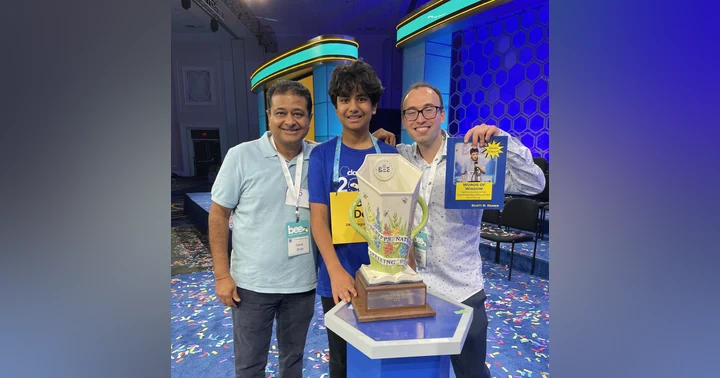
 Even spelling bee champions need a coach. Scott Remer has coached five Scripps National Spelling Bee champions—and turned a childhood love of words into an unexpected career.
On No Wrong Choices, Scott takes us inside the surprisingly competitive world of spelling bees, where contestants decode unfamiliar words under bright lights, parents have their own rivalries, and a single letter can change everything. With humor and a teacher’s perspective, he explains how young spellers prepare, why winning takes much more than memorization, and how he helps students handle the pressure while keeping their love of language alive.
Scott also traces his path from national finalist and teenage author to full-time coach, including the pandemic-era decision to make his growing tutoring business his main career—even after the national bee had been canceled.
Along the way, he shares lessons about recognizing the value of an unusual skill, helping others grow, and staying open to unexpected opportunities. His own twist? The championship he didn’t win may have given him the best reason to stay in the game.
To discover more episodes or connect with us:
- website: https://www.nowrongchoices.com/
- instagram: https://www.instagram.com/nowrongchoicespod/
- LinkedIn: https://www.linkedin.com/company/no-wrong-choices-podcast/
- YouTube: https://www.youtube.com/@nowrongchoices
- Facebook: https://www.facebook.com/profile.php?id=100086704773105
00:00 - Welcome And The Bee Name
02:20 - What A Spelling Coach Teaches
04:52 - From Classroom Bee To Nationals
14:50 - Turning Unfinished Business Into Books
17:55 - How The National Bee Works
19:34 - Yale, Cambridge, And Career Detours
27:55 - Coaching Style, Pressure, And Passion
32:56 - Stage Nerves And Words You Remember
45:52 - Failure Lessons And Final Takeaways
Welcome And The Bee Name
Larry SamuelsWe should point out before Two Shark gets going here that Scott is wearing not and not everybody can see him because most of you are listening to the conversation, but you should know that Scott is wearing a shirt right now covered in bees, so he was definitely prepared for us today.
Tushar SaxenaAnd that and that's the pattern of the shirt.
Larry SamuelsHello and welcome to the Career Journey podcast, No Wrong Choices. I'm Larry Samuels, and I'll be joined in just a moment by two Sharstax Cena and Larry Shay. This episode features the spelling bee coach Scott Reimer. Before we bring him in, please be sure to support the show by liking or subscribing to it wherever you're listening right now. Let's get started. Now joining No Wrong Choices is a man who might have the most unique background of anyone we've spoken to on this show, the veteran spelling coach who has coached five national spelling bee champs, Scott Reimer. Scott, thank you so much for joining us.
Scott RemerThank you so much for having me. It's a pleasure to be here.
Larry SheaYou know, Scott, I was doing all my prep last night getting ready for this, and um, I put my notes away and I was just sitting there watching TV and I'm like, why the hell is it called a spelling bee? So I think we need to start right there.
Scott RemerWhat is a bee exactly? Great question. Um, yeah, so actually I was looking into this too. Um every year I write an op-ed for the guardian, you know, right before the spelling bee. And uh I don't remember quite why, but this year I was like, you know, where does the term spelling bee come from? And so um apparently they don't really know for sure, but Miriam Webster, which is the official dictionary for the spelling bee, believes that it comes from an English dialect word that means like a communal effort. And so some of the first spelling bees were quilting bees, where people colonists would come together and they would, you know, knit. And I think that sort of by extension, they they decided to apply it to contests where you know kids would spell. Personally, though, I kind of like the idea of it being related to bees, the insects, because it, you know, they're they're communal, they work together, they are studious. You know, I I think it kind of fits.
What A Spelling Coach Teaches
Tushar SaxenaYou know, we said before you have a very unique background and a unique profession. What do you do?
Scott RemerRight. So I am a professional spelling bee tutor, and what that involves is training kids who are competing um for the national spelling bee. Usually they are between the ages of like nine and fourteen. The age limit for the national spelling bee is eighth grade. What we do in our classes is we we work on three things. Um, we work on studying vocabulary because the national spelling bee actually has a vocabulary component. We work on the Latin and Greek roots, which are you're allowed to ask them at a spelling bee. So if you got a word that was from Latin, like a word like prescient or something, you could say, does this come from the Latin pre meaning before? And then you could say, does this come from the Latin ski re meaning to know? And they would say yes to both of those questions. And so the kids are actually able to break the words down live. Um, and if you know how to spell the roots and they say yes to your roots question, then that gives you like a really valuable piece of information in terms of spelling the word. So a lot of what we do is we we drill the Latin and Greek roots, we make sure that they they memorize them, we make sure that they are able to recognize them in the words and ask about them appropriately. Um and then the third thing that we do is we work on the language rules. So each language has rules for how you would spell each of the sounds. And although the spelling bee only asks words that are in English, our dictionary has words that come from tons of different languages, so Latin and French and Spanish and Portuguese and Italian and German and stuff like that and Greek. And so a big part of what I do with the kids is we we train them on how do those rules work? How can you recognize an exception to the rules? Uh, and and so that's that's the third component of what we do. So those are kind of the three pillars of what we do in our classes.
Tushar SaxenaAll right. So before we get back to like, you know, you as a kid and you as a student as a kid in your academic life, my next question would be you know, considering the amount of success that you've had with students under your tutelage, is it fair to call you the spelling bee whisperer?
Scott RemerI'm certainly not gonna reject the name. Um it might not be the humblest thing in the world to accept it, but uh, you know, I I think I've had a pretty good run thus
From Classroom Bee To Nationals
Scott Remerfar.
Larry SamuelsWell, Scott, take us back to the beginning. Like, like how did this all get started? What where did this passion come from?
Scott RemerYeah, so it's interesting. Um, in fourth grade, uh I came into English class one day, and the our teacher said, Does anyone want to do a spelling B? And uh I was like, sure, why not? I mean, you know, and they didn't give us any lists, they do like there wasn't any advance warning. And and so, you know, I I won the classroom B. Uh, and then in that school, you it wasn't a school-wide B, I think it was by grade. So I ended up winning the fourth grade B. And I was like, wow, that was cool. I I enjoyed that. Um, I, you know, I'd love to do that again. But initially it was, it was just like year by year in elementary school. And I won the spelling B all three years, uh, you know, in fourth, fifth, and sixth grade. But there wasn't the opportunity to advance further uh because our elementary school wasn't in enrolled with like the regional B. Um, and for reasons that are still unclear to me to this very day, the Cleveland Plain Dealer refuses to allow kids who are not in seventh and eighth grades to do the regional B, which in my opinion makes no sense because you're basically like handicapping the entire, you know, you're you're you're like making it so that kids from Cleveland only have two chances, um, where there's no there's no lower age limit for the national spelling bee. So it really kind of doesn't make sense. But anyways, then when I went to middle school, they actually weren't enrolled either. But my mother was very persistent. And actually what happened was in sixth grade, I um I was taking a couple of classes at the middle school, and my mom went to the the principal and and said, you know, my kid technically is a middle schooler. I think he could do really well. Um, you know, would you consider enrolling the middle school? And he was an old dude, he was like on his way out, and I think I think it was actually his last year before he retired, and he he was not interested in new initiatives, so he kind of was like, no. Then when I made it to middle school as a seventh grader, we uh my mom tried again with the new principal, and the new principal was much more receptive to that. And so I ended up winning the school B and then advancing from there to the regional B, ended up winning the regional B and then went to nationals. Uh and that was sort of how it all began, you know. And the joke is that like I was stung by the B. Uh, you know, I feel like you know, once you once you kind of get into it, if you're a particular kind of like nerdy child who enjoys words and language and who also is kind of competitive, um, it's it's kind of an ideal activity. Uh, and so once I went the first time, uh, I I you know, I got I got out in the fifth round, I placed 34th. 34th out of how many? It's usually around like 240 or something.
Tushar SaxenaThat's great. It's still pretty damn good. Scott, we didn't ask you what years are we talking about here?
Scott RemerSo 2007 and 2008. I was in seven seventh grade in 2007 and eighth grade in 2008. And so, you know, after that that finish in 2007, I I knew that I like wanted to come back stronger um and and give it another try. And it's kind of funny because one of the things about sp spelling bees is there's a ton of contingency to it. Like there's there are no guarantees and there are no prohibitive favorites, um, which is one of the things that I like about it because in some sports, right, it's kind of a a foregone conclusion who's going to win. Whereas with a spelling bee, even if there are kids who have been doing it a while and who are like quite good, uh, there's never a guaranteed champion. And so I think that like that makes it more interesting and exciting. So, you know, basically in seventh and eighth grades, um, I competed at scripts. Uh, in eighth grade, I got I got fourth. Uh, and that was my last year of eligibility. And, you know, and I was so close to winning, I knew like all of the other words, which is like a very frequent thing that spellers say they're like, you know, especially if they're in the finals, they're like, I just didn't know my word, I knew all of the other words. You know, so it's it's just kind of it happens. Uh, but I I felt like I had unfinished business. Um, I felt like I had gotten so close. Uh, and it it just felt like I needed to do something more. And so after that finish in eighth grade, I said to my mom, who was my coach, you know, you were an amazing coach, you should write a book. And she kind of laughed because she was a doctor. She had never studied English, like, you know, literature or like linguistics or anything. So she said, No, I'm like done with this, but if you want, you could write a book. Um, but I took her very literally. So I was like, okay. So I sat down and I started um compiling all of the lists that we had gone through. I started trying to organize them, think about what I had learned about each of the like, you know, think about how to structure a textbook. And then 16 months later, I I presented her with the Word document and I was like, can you format this and help me get it published? How long was that book? Um, so that that was the the first edition of Words of Wisdom, which was my first textbook. It was um initially it was like 250 pages, now it's it's like 400. And you're and you're how old when you wrote this book? Uh so I started writing it when I was 14 and I uh you know I published it when I was 16.
Tushar SaxenaWho got the wait, hold up. Who got the author's credit? You or your mom?
Scott RemerOh well, she got a credit for like editor. I you know, I was the author. Uh there you go.
Larry SheaOkay. You know, usually we're like, what was the dream to win the spelling bee? You know, what was the dream to write a book about the spelling bee? What was the dream? Like, I don't know, man. I don't know what your dream is at this point, but it's great. Uh, you know, Larry Shea here and the fellas talking with Scott Reimer. I have to write say this because I wrote it down last night. You have unparalleled orthographic knowledge. That is just so cool to say, is it not? Unparalleled? I mean, come on. I I want to know how your you know your process works essentially. Like, are you amazing at like studying facts and figures, or is that a totally different skill set? Like, how does your brain work? How do you map out, you know, how you learn and how you process? Is it do you see the word and then read it back? Like, how does it work for you?
Scott RemerYeah, um, when I was in high school, I really loved to do quiz ball, like trivia. Um, so I think that there's probably a relationship. Um in terms of spelling, uh I don't have a perfect photographic memory. Uh, I think I have like elements of it. So, and it really only is specific to words. So, like if some and it's not all words generally, it's like if someone says a word that I find interesting, or if it seems like it's a good spelling B word, um, I usually do actually see it. But if it's just like a normal word, I don't. Like, for example, right now I'm not like seeing the sentences in my head. Um, and so I think that also sort of applies to words that I used to study when I was studying for the B. Like I would actually have like an image of like the dictionary entry, um, you know, which is usually online because you like you're not really looking at like the actual print dictionary. There's an online you don't use books anymore? Yeah, it's just very heavy. I mean, you know, it's heavy and you can't really search very easily. You have to flip, it's just not worth it to do the print version. Um, but yeah, so I would say that that's kind of that's kind of how it works for me. And and I think that's how it works for a lot of spellers. Um, not all of them, you know. So some kids I think are much um like less visual and maybe more auditory, like they knew it's more about hearing it. For some kids, they have to like write it in order to have it in their muscle memory. So I think it kind of varies from person to person.
Tushar SaxenaAll right. So you said a moment ago, um, which I which I kind of wanted definitions to, which was, you know, if you've been doing the spelling B for a long time, what constitutes a long time? And then obviously I think you said that you age out of it. What is the age cutoff?
Scott RemerThe cutoff is grade. Um, so it's eighth grade. Um, and then there's also like a secondary cutoff of um like age 16. I kind of feel like if you're 16 and still in eighth grade, you know, you may not it may not necessarily apply to a lot of people.
Larry SheaDid you ever see bad words with Jason Bateman?
Scott RemerUh yeah, I think I saw it once at a plane. Um I I I don't, it was like a long time ago, but I thought it was funny. Yeah.
Larry SheaHe technically never graduated eighth grade, so he's allowed to go back and do the spelling bee.
Tushar SaxenaBecause you said because you said about like people who've been doing this a long time. Like, you know, I see I can picture like you know, veter baseball veterans and football veterans, but like a veteran of the spelling bee, like what does that mean? Like, you know, you're sitting around drinking, drinking juice boxes.
Larry SheaLike I remember back when they grizzled nine-year-old.
Scott RemerYeah. Um, so it it usually I would say kids often start at the age of nine or 10. Um, and so that gives them generally, so that's like like fourth grade, fifth grade. Right. So a kid who starts in fourth grade has, you know, I guess five years of eligibility. And then a kid who starts in like fifth grade would have four years. And uh, and so that would be, I guess, what I would mean by a long time. So you're right, it's it's not really like a long time, but like rather than sitting around by like year three, yeah, sitting around drinking juice boxes. I remember back when. Yeah, even though it's not a long time for us, it is of course a long time for like a preteen. And oh, sure. At that age, it a year feels like forever. Exactly. And you and you go through a lot of changes and like developmentally as well. Uh, you know, so I I definitely notice a difference when I'm teaching the kids, right, between a kid who's in like fifth grade and a kid who's in seventh or eighth grade. Um, there's like definitely a shift that takes place, I think, starting like fifth, sixth grade. Yeah.
Turning Unfinished Business Into Books
Larry SamuelsSo I feel like we glossed over something that that I don't want to miss. So you finish the spelling B, you write a book, you hand it to your mother who edits the book. Right. Then what did you do with the book? Like who did you take it to? How did you get attention for this?
Scott RemerSo basically we both chopped it around. We like tried to go to some you know different publishers, I think like mostly educational publishers, although I think we tried like a couple trade presses. And and they were, you know, they said this is great, but like this is not in our wheelhouse, or it has like such a kind of small market that we we can't really take it on. So after doing that for a while, we just decided to self-publish it. Um and and I don't know if this was like explicitly something we thought at the time, but the idea was that we could do like our own marketing. Um, and so we did self-publish it. Um and I and I've self-published like all of the subsequent textbooks that I've written. So uh it's it's now like a series of four. Um, initially I was a little disappointed. I was like, oh, like I want like the the impramater, like the stamp of approval of you know of an official publisher, but actually I feel like it's worked out really well because um obviously a real publisher takes a lot bigger of a cut of you know of your sales. Um and I think that we actually do, you know, uh quite a good job marketing it. So I think it worked out.
Larry SamuelsDid that open doors for you? So you put this out, like like what was how did you put it out and and what happened on the other side of putting it out?
Scott RemerYeah, so kind of concurrently with that, um, in in 2009, the uh so that was the year after I was no longer eligible. The girl who won the regional bee in Cleveland, her family reached out to us and they were like, We're we're very new at this, we don't know what we're doing. Like, can you help us? Um, and so they actually came over for tea and we like met them and we sort of gave them some of some words of wisdom, as it were. Um, and uh, and this was like when I was still writing the textbook, and I actually offered to tutor um the girl whose name is Anamica Virimani. I offered to like sort of tutor her informally. And so we started working together. And that first year she did pretty well. Uh, and we continued working together the next year. And and this in 2010, she won the National Spelling B. So at that point, uh, you know, and obviously that wasn't all me, but you know, at that I sort of said to myself, you know what? Like I could, A, I could charge money for this, and B, I could like sort of start doing this more formally. And so kind of concurrently with like uh publishing the the textbook, you know, when Anomica won, I think by word of mouth, you know, kind of the word spread. And so I started taking on like students to to coach them. Um, and so that was kind of the beginning.
Larry SheaAnd how old were you when this happened? How old were you when you were aged out of the bee itself? Started teaching?
Scott RemerWell, when I aged out of the bee, I was in I was in eighth grade, so I was 14. And then I started like tutoring the next year and when I was 15, and then I started like really tutoring, I guess, when I was 16, like in 10th grade.
Larry SheaNice.
How The National Bee Works
Larry SheaSo tell us about the bee itself, like the etiquette involved, the procedures involved, like you know, going up on stage, obviously the last stage is televised. Are there earlier stages that aren't? Like, what is the protocol? What is the etiquette and and what's involved? Okay.
Scott RemerHow long of an answer do you want?
Larry SheaBecause I don't know. I um inform us.
Scott RemerYou know, I also I have um funny B stories. I don't know when I'm gonna get to tell those, but uh you can ask me later on. Um, so informationally, basically the national spelling bee is three days long, um, and it's at the end of May every year. So it's like the last week in May. And it's divided into like the preliminaries, there's quarterfinals, semifinals, and finals. The uh the entire thing is actually like streamed/slash televised, but uh it the later rounds, like the semis and the finals, are kind of what get the most attention. To get to the national spelling B, kids usually have to go through at least three stages. So you have your school B, right? I mean, technically you have like a classroom B, then you have your school B. Um, then you depending, you you may just go straight to a regional B from your school, like I did, or you may have a city B and then a regional B, or if you're super unlucky, you have a city B, a regional B, a state B, and then nationals. So it really and it really varies from state to state and place to place. A kid could end up going through like five B's before nationals, or they could just go through like two, and it really sort of depends. Um, obviously, the earlier state, you know, the the regional bees usually are not televised, although in some places they are.
Yale, Cambridge, And Career Detours
Tushar SaxenaAll right, so let's bring you back a little bit. So you've written your book at 16, you've self-published, but now you still actually have real schooling that has to happen. So, where then, obviously, after you're done with high school, where'd you end up going to college?
Scott RemerUm, so I went to Yale um for undergrad, and then I did a master's at Cambridge um in England. Uh and the master's was just a year. And so throughout that, like high school, college, um, and then my master's, I was like sort of doing the coaching part-time.
Larry SheaUm, studying language? What are you studying?
Scott RemerUm I studied ethics, politics, and economics for undergrad. So it was kind of like a combined major. Um, and I kind of was looking at like social movements in American history, and that was like what I wrote my um thesis on. And then for my master's degree, I did political thought and intellectual history. Um, and so that was like also kind of a combined major, and I was um looking at like uh Eric Frome, who is a was a German Jewish like psychoanalyst and um political thinker and the Frankfurt School, um, which was a a group of philosophers who um were actually like the first ones to really analyze the psychology of fascism and authoritarianism.
Tushar SaxenaSo what was the ultimate goal for you then? For obviously at that point, I'm gonna say you weren't thinking that I'm going to be a spelling bee coach as a career. What was your what was your career path at that point?
Scott RemerYeah, I think the idea was to do something either in academia or politics, um, or maybe like international relations. After I finished my master's, I worked as a research associate at the Council on Foreign Relations in New York. It was clear that it was like only a two-year position. And so I was kind of like, well, this will give me like a good behind the scenes view of kind of like what like what what is American foreign policy like? And would I enjoy kind of working in this arena? Um, and so I think that was like my initial thought.
Tushar SaxenaSo did you enjoy working in that arena?
Scott RemerYeah, and what was your thought? It was it was instructive. Um, I enjoyed elements of it. There were parts of it that I did not love so much. But afterwards, I was kind of looking for a job that was a little bit more in line with like my political commitments um and sort of my interest in like making the world a better place. Um and so. So I took a job as the communications coordinator at um one of the world's only LGBTQ synagogues in Manhattan, Congregation Beitsum Chat Torah. And that was super interesting. I took that job in October of 2019. And so obviously, you know, the world's about to change.
unknownYeah.
Scott RemerThe world changed quite dramatically at the end of January, beginning of February. It was a good job, but I think it was it was different from what I was expecting. And by the way, right, like when I was in New York, I was, you know, so I was working in a full-time office job 40 hours a week, and I was doing like 15 to 20 hours of tutoring a week because the word had spread. I had like gathered a lot more students. And I was, I was, it was, I was all doing, it was all one-on-one. My mother eventually had the brilliant idea of saying, why don't you do group classes? And I and I was like, Why have I never thought of this before? Mom's always right. You know, she kind of is. Uh, she well, she calls herself my momager, the mom manager. Um and uh and she was right. And I don't know why it took nine years for for it to sink in. But anyway, so I you know, I was working like 60 hours a week, which and when the pandemic hit, I like went back to my parents in Cleveland because I was like, New York City's probably not the best place to be right now. Um and and I sort of got to thinking and I said to myself, you know, why am I working so much? Especially if the world is like going to end, I might as well focus on the things that I actually enjoy. And so it was at that point that I said, you know, I'm gonna try to just dedicate myself like to the tutoring and and see if I can take it full time. Um, and and when I made that decision, I had no idea how it was gonna play out really, right? Um, they canceled the national spelling bee in 2020. I think I had made that decision in actually after they'd canceled the spelling bee, because I think I think I I resigned from my my job at the synagogue in in July. And uh and they, you know, they canceled the spelling bee in March, uh, because it's at the end of May. So it was very unclear what the future of the national spelling bee was. It was also unclear what the future of the world was. And uh and it was also like, you know, from my point of view, unclear what the demand was going to be. Like what was this the kind of thing where um people were gonna continue wanting tutoring, like even though the economic and political outlook was was so unclear? Was this gonna be the kind of thing where like it was very dependent on like it being good times? And and if it like wasn't good economically good times, then um, you know, I wouldn't have students. Um and so it was a little bit of a leap of faith, I think.
Larry SamuelsSo how did you take that leap? How did you put yourself out there and tell the world that I'm here and I'm ready?
Scott RemerUm well, you know, so I think one of the things that I did was in 2020, uh, when they canceled the national spelling bee, it left a lot of kids in the lurch, um kids who were eighth graders, who it was like their final year of eligibility, um, because the the spelling bee announced that there was gonna be like no do-over, the eighth graders were not gonna get an extra um opportunity. And so one of the girls I was working with, Simone Kaplan, she she so in 2019, by the way, there were OctoCamps. So it was like sort of a once-in-a-lifetime thing where basically they hadn't prepared hard enough words. The finals had gone really long. There were, you know, nine kids, and then Simone was the last one to get out. And then after Simone got out, um, the eight kids who are left had to spell like their words correctly, and then they were declared octochamps. So that was kind of like a crazy thing. So, anyways, I was working with Simone and it was her last year of eligibility, and she was like absolutely devastated. Um, because you know one thing that people sometimes don't know about this is these like for the the kids who are really serious about this, it's like a almost a full-time job. You know, they'll study five to six hours a day on average without like breaks, like every day for a year, for two years, you know, like like they really, really take it seriously. And so, and so Simone was devastated. And I knew that like there were many other spellers in in her same position. And so I had the idea of doing a Zoom spelling B, an online spelling B. And so um 2020 was the first year that I organized that. Um, there have been six of them so far. Um it's every year at the beginning of December. Um, and so I think that was like one way that I, you know, one kind of was able to get the word out. Um the other thing is I do kind of like a targeted marketing campaign because obviously when the kids win their regional bees, there's usually like press about it. Um and so I uh using those articles, I'm able to like send them postcards, like informational postcards about you know who I am, what I do, just introducing myself and being like, hey, if you're if you're interested in in coaching, like here I am.
Larry SheaYeah, I imagine this world is very um incestuous. You know, you know, word gets around that you're here and you're offering services and everybody can kind of like, but marketing has to be a big part of what you would do, I would think. Let's talk about your style a little bit, because you know, I read an article that said that you're a very demanding um coach or or tutor, and that, you know, word origins and you have a method that you really want to impart to students, and then it's not necessarily for everybody because you are very demanding. Do you find yourself very demanding? I mean, obviously you want the best for your students, but and you get what you pay for, right? You're like, you know, the champion tutor at this point. So how do you feel about yeah, the spelling bee whisperer? That's right. So, how do you feel about your style? Um, have you softened? Have you stayed firm? Like what what do you what do you think about
Coaching Style, Pressure, And Passion
Larry Sheathat?
Scott RemerYeah, um, it's a good question. Uh, you know, I I that article I think misrepresents um who I am and sort of how I behave in the classes. I I think the the reporter was interested in sensationalizing it.
Larry SamuelsSo he kind of you don't seem like a taskmaster to me, but that's just who's the drill sergeant from Platoon R. Lee Ermy or something like that. Yes.
Tushar SaxenaGonna be Sergeant Hartman, right? Yeah. Um and let's be on and let's be honest, Scott. Like, no one would ever write an article like this about, let's say, a college football coach or a college basketball coach. Those guys are called old school throwbacks, right? So this is uh so like I understand the idea of being like a tough coach, right?
Scott RemerRight. I mean, you know, I I try to strike a balance um because from my point of view, like I I take it seriously. Um, I take this the spelling be seriously, and it is a high octane intellectual sport. And just like any sport or, you know, like a degree in music, or if someone's studying to play piano or something like that, and be like a really competitive pianist, you have to put in a lot of work, you have to put in a lot of time. And there are certain elements of the process that you there there aren't shortcuts, like you can't just skip over them. Like if you want to be an amazing pianist, you have to learn your scales. You have to practice your skills, you have to, and then sort of go from there. And I think it's similar with spelling. So, you know, I give homework, I give a lot of homework. Um, and my expectation is is that the kids do the homework. And, you know, and sometimes you gotta motivate kids to to to do the work. Um and so, you know, I try to I try to do that, especially if it seems like maybe they're they're not necessarily doing the work or not doing it to the standard that, you know, I would hope for. Um obviously, though, they are kids. Um, and you know, at the end of the day, like this is a spelling bee. It's not it's it's supposed to be fun. It's also nobody's going to die if you can't spell, you know, the Wusseinslaga. So, you know, at the end of the day. What are you talking about? Or say it right. You know, so at the end of the day, like I also try to keep that in mind. And and so I I try to balance it. You know, I I the I am this is about creating excellent spellers, but it is also about nurturing them as you know, human beings. And so I try to strike that balance.
Larry SheaYeah, it seems like a good time to ask that too. That sometimes the kid might not be into it, but the parents are pushing them to do it. Like, do you do you have a lot of tug-of-war with like, I don't think this kid's heart is even into this? And here I am wasting my time, I'm getting paid, but they're gonna really they don't want to do it. And you gotta really kind of want it, I would think, right?
Scott RemerYou really do. Um, so like in terms of the kids who are most successful who end up being champions or or finalists, like one of the indispensable elements of that is passion and love for words. Because if you don't have that, you're just not going to dedicate the time or the energy and the and it's not gonna stick. So even if some even if someone is standing over, if a parent is standing over your shoulder for you know six hours a day, making sure that you're looking at the computer screen and studying the words, it's not gonna stick right. So the kids who are really successful at this do have a genuine love of it. Um, sometimes you do get kids who initially don't, and then over time they grow to. That can be a little tricky because how do you tell a kid who just point blank is not interested and will never be interested from a kid who is not interested at the moment, who maybe will become interested over time and who maybe at and therefore maybe at the moment isn't a fantastic speller, but has like the chops to potentially become one. Um, and sometimes that has to do with age as well, right? If the kid starts and they're in third or fourth grade, not a surprise if they, you know, aren't super enthused about doing the spelling B. Um but then maybe when they're once they're in sixth grade or seventh grade, suddenly a a um like a switch flips and and they're like, Yes, like I want this. So I try to strike a balance there too, because I don't want to like reject anyone out of hand. Um and and and I my educational philosophy is also that like I don't think talent is fixed. You know, I think I think that to a certain extent there is an innate talent for spelling, um, but there's also a good percentage of it that just is down to grit and hard work and and studying. And so I also don't want to like pigeonhole someone or peg them as as not being good, because I that sort of goes against everything I believe as a teacher, which is that like this is a skill it can be trained um and and and it can be developed over time.
Larry SamuelsI'm
Stage Nerves And Words You Remember
Larry Samuelsalso curious about um the ability to communicate and the ability to communicate in front of a camera. So, you know, these are kids and you were a kid, you know, how did you prepare yourself? It it was there stage fright. Like, how did you prepare yourself emotionally and mentally to put yourself up in front of those bright lights?
Scott RemerSo I didn't do this. I mean, this is something I tell my kids to do now, but like breathing exercises are super useful. So like just inhaling for two seconds and then like out for four and doing like box breathing or something like that can be super handy. Um in in my case, I feel like it was just when I was in front of the microphone, you just got tunnel vision. Like everything else just sort of faded away. And so even though there were very bright lights, cameras were clicking, like you can hear it. Like if you're in the ballroom, you can hear the cameras clicking, it's it's audible. Um, there was even a boom with a huge microphone that was literally like a foot away from your face. Oh, you didn't even notice, you didn't even notice it when you were when you were at the microphone, um, which is crazy because obviously you noticed it when you were sitting down watching it like come in and almost hit the other spellers in the face, but you you don't even notice it. Like, like truly, the only thing I noticed when I was actually spelling was the pronouncer, his mouth, what he was telling me. That was like it. Yeah. Um, and I don't know how I was able to do that, um, but it just sort of came naturally. Um, one of the reasons why the I encourage the kids to do as many practice spelling bees as they can. So, I mean, I have my spelling bee every year in December. There are other like minor league spelling bees. There's like a whole circuit. Um and, you know, I encourage my students to sign up for as many of them as they can because the more spelling bees you do, even if it's virtual, the less stage fright you get because the more accustomed you are to the entire procedure or to managing your nerves. I mean, I do think that just sort of repeated exposure to situations where you're nervous does kind of help you to um handle it and like kind of take it down a notch. So I think the kids learn that through doing the spelling bee. And obviously talking to media is also something that you learn over the course of your spelling bee journey because um whether it's local media or when you're at nationals, you you do end up talking to you know reporters, whether that be like newspaper reporters, like you know, radio reporters, TV, um, podcasts. Yeah. Uh like it's a lot. I mean, for a for a young person, it's a lot. It's a lot for a grown-up. It really is, yeah. Um, you know, and I I I think yeah, you you just you just kind of you kind of learn how to do it as you go. Um, you know, my mother's a grizzled veteran in this, right?
Tushar SaxenaI mean a grizzled vet.
Scott RemerYeah. Um, you know, if you're a grizzled vet who's in who's 14, you've been around the block a couple times.
Speaker 3Handle it.
Scott RemerUm you know, my my mother's words of advice were basically just don't ever say anything that you wouldn't want to see printed tomorrow morning. Uh that's good advice. Goodvice. Mama jer.
Larry SheaIs it just inevitable at this point that these kids, for lack of a better term, teenagers' kids, are gonna be tormented for the rest of their life with whatever the word was that they misspelled?
Scott RemerIf they don't obviously, if they don't win. Well, I'll say, I mean, you know, you never certainly you never forget the words you get out on. I um in 2007, I got out on the word straminius, which means straw colored. And it's funny because um at the time they had this thing called the comfort room, and it was this like antechamber. You would like go, you know, you would take like the walk of shame off the stage and you would like scuttle into the the comfort room. And the comfort room had these enormous pictures of lemonade, like brownies and cookies in the sides of your head. You know, amiable teen teenage decompression like amiable, like middle-aged like ladies wandering around who you could like grab and cry into their shoulder.
Larry SheaOh my god.
Scott RemerYou could you know, grab grab them, cry on their shoulder until your parents came to collect you. Um, you know, I went to the comfort room and and uh my mother uh came and her the first words out of her mouth were you know, jokingly, semi-jokingly, she was like, What the hell happened? We did that word. Um we actually had that word, uh, but I forgot. Um and so, you know, it was it was pretty funny. Um I kind of laughed through my crying. Um uh and then um in eighth grade I got out on Thimolee, which is an altar to Dionysus, uh placed at the center of an ancient Greek orchestra. Interesting. Well, when I Googled it, like like there were like three, three web, like you know, end hits that came up on Google. I was like, this is not a real word, come on. Um but so and I continue to believe it's not a real word, um, because I went to Athens a couple of years ago, uh, and I said to myself, hmm, I should go to like the national, I don't remember what it was called, the some the national museum or something like that, you know, one of the big museums there. And I was like, if if anywhere's gonna have a thimblee, it's going to be here. I went to the front information, you know, booth and I said, Excuse me, I have a bit of a strange question for you. Do you have any thimblees? And she was like, What? And I I, you know, I I I like pulled up the the Greek for thimbley, just like, thumele, mmm. And she like went in the back and she, you know, conferred for five minutes with her colleagues or whatever. And she came out and and very apologetically said to me, I'm sorry, sir, we don't have any any thumelist here. Because she still doesn't know what it is.
Tushar SaxenaIsn't that a real word?
Scott RemerYeah, but so but but then actually that speaking of dealing with media that year, right? Yeah, the week after I got out, um, you know, I was back in Cleveland and I was invited to be on some like sports radio show. And uh they invited you know said hello, you know, whatever, did like the intro. And then they asked me, so like what was the word you got out on? And I said, Thimile. And they were like, Simile, that's an easy word. And I was like, That's why it's a sports show. It was like it was like who's on first? They like weren't listening, and I kept trying to like convince them that I was I didn't have a lisp, and um, I was in fact saying thimily, and they just didn't get it. And finally, after two minutes, like two very frustrating minutes, they were like, Well, thanks so much for being on, Scott Reaver.
Larry SamuelsOh, geez, straight over their head.
Larry SheaYou bring up something important though. What does somebody do if they have a lisp and they want to compete in a spelling piece?
Scott RemerI'm sure they make accommodating, they make accommodation. They must, uh but it is funny because in 2007 there was a girl from New Zealand and she had a very strong New Zealand accent. And uh they gave her the word jardonnier, which um is is spelled with a J, J A R D I N I E R E.
Tushar SaxenaI learned how you give us these words and then you spell them as well.
Scott RemerI couldn't have, you know, I don't want to leave people with he actually isn't a legit coach so that you can learn. Uh I don't want your listeners to be, you know, searching fruitlessly online. Um but so so she got the word jardiniere and she started spelling and she went j, I, are and they literally could not tell. They could not tell whether she said J or G. They had to pause the competition for five minutes. They listened to the instant replay because they, you know, obviously they have it recorded. They listened to the replay, they couldn't figure it out. Finally, after after five minutes, the head judge comes to the microphone. She says, Honey, could you give us another word that starts with the your spelling, you know, the same letter that your spelling starts with? And the girl said, giraffe, and they went ding, because it's not with a key.
Larry SamuelsOh wow.
Tushar SaxenaI would have actually had her just kind of write it out on like a tablet and just like show it up. Yeah, write it. Yeah, just write it.
Scott RemerYeah, that's a fair point. Cause because maybe she would like she would change it, right? You it seems like she could she could theoretically change it. Um that's so interesting.
Larry SheaWe also want to leave some space here. You said you had some funny stories. So we want to be able to leave you a little space to just, you know, if you need me to prompt with a question or if you just want to go into one, that's fine too.
Scott RemerYou know, it's interesting because I I feel like doing this, you do you come across a lot of different kinds of people. And, you know, the parents can vary quite a lot. Like some of the parents are extremely high strung, uh, and then some of the parents are very chill, uh, you know, ditto with the kids. Um, and so it it it it's just interesting because you you get this like cross-section of humanity, um, and and it's always kind of fun. There was one time um where a a a woman um who was very interesting, I mean, extremely interesting, like a poet, a writer, um, an adult, an adult, I should clarify, you know, contacted me and she was kind of like, I want to learn all of Merriam-Webster, like the entire dictionary.
Tushar SaxenaAnd I was like, they were lacking.
Scott RemerAnd she, yeah, she I was like, okay, um, you know, and so I I tried to kind of um convince her. I I tried to gently suggest that that maybe wasn't the right goal. Um, you know, and and and that's actually something for the kids as well, right? Is sometimes the kids have this ment, you know, kids, adults or or are just casual watchers of the spelling bee have this like incorrect idea that it's just about rote memorization um and and nothing else. Take us behind the scenes, uh in terms of competitiveness.
Larry SamuelsLike I'm sort of like wondering, like, you know, Scott, are you looking at you know that guy over there saying, Oh, that that's my competition? Like, is there a cutthroat nature? Is there a competitive nature? Like, like what are those dynamics?
Scott RemerYeah, I think it's actually not so competitive. You know, I think the kids gener generally get along. Um, and and I think that they kind of like it sounds very cliche, but you know, you're basically competing against the dictionary, and the kids really do generally root for each other, even if on some level, on some level, of course, they are your competition, right? But um but not exactly because each kid gets their own word, right? Like it's a you know, it's not really someone else's performance is is impacting yours. Um, that being said, of course, you know, all the kids are human, and I'm sure there are like petty rivalries, and I'm sure that there are kids who just rub each other the wrong way. And yeah, this is not what I remember from bad words. They were very competitive. Well, you I think it a a lot also depends on um your, you know, your demeanor, right? Some kids sometimes I think come may they may not intend to, but they sometimes come off as being like conceited or like, oh, like I'm gonna win. I mean, actually it's funny because in two thousand seven, um, so they used to have this like picnic thing to start off the the the B week. And uh my mom and I were were sat with um just like some other speller and and his mother, and and she was like, Oh, you know, is this your first time here? And we were like, Yeah. And and she was like, Oh, well, Bobby's been here three times before, and you know, it's just so great that you're here and you should just be so happy. And um uh and then, you know, Bobby and his mother went to get like, I don't know, more barbecue or something. And my mother turned to me and she said, I don't care how far you get in this competition, but you need to beat Bobby. And indeed, we looked it up later, and I I did go one round further than Bobby.
Larry SamuelsSo that's what I was imagining.
Larry SheaDoes autocorrect on your phone piss you off more or less than the average human?
Scott RemerUm, that's a good question. I I you know, I think I have autocorrect turned off on my phone because uh you can do that? I didn't even know that. I know, like, where's that button? I can't find that button. Well, sometimes it'll like suggest stuff to you to me, but I think it's also very confused because I type in Spanish and English. And so like it's not always sure what language I'm typing in. Um on my computer, yeah, I definitely have it off because I think at a certain probably after like 500 words of me typing a list or something, it would just go on strike. It would be like right.
Failure Lessons And Final Takeaways
Tushar SaxenaAnd now we get to the advice portion of of the interview, which is okay, so if you had to tell someone who wanted to go into your into your line of work, what do they do? Now, your line of work is so unique because you are probably the only person doing this. I think the better question to ask is, you know, what advice do you have from those who who can, you know, and you're only dealing with like you know 14, 15-year-old kids to begin with. So it's not like, you know, how do we uh what are the lessons they take, not only from the bee, but from your teaching? What are these pieces that they can glean and then use throughout their lives for whatever career they go into?
Scott RemerGreat question. Yeah. So I think that the bee teaches a lot of things, it teaches uh the importance of hard work, it teaches uh like delayed gratification, because this is something where it's a multi-year journey. Um, and it it is not guaranteed. You know, so a kid could start in fourth grade and say, I want to win the national spelling bee, and they could have five bites at the apple, and they can still not. Um, and that that's tough. You know, that's really tough, especially for kids who are, you know, 9, 10, 11, 12, 13, 14 years old. Um, so that's that's that can be a really bitter pill to swallow. But I think that you learn something from that. You know, certainly with me, I was, you know, one of the things I didn't say when I was telling you about Thimily is, I mean, thank God I got out on it. You know, I mean, if if I had won the national spelling bee that year, I I can almost guarantee you it would have been, okay, this chapter's over and I would have been on to other stuff. And I I wouldn't I would not have books. I wouldn't have done the tutoring and and my life would be completely different. You know, not only my life, the entire spelling bee world would be completely different. Um so, you know, it teaches you sometimes that like there are unexpected benefits to failure. Um, and to no wrong choices. Yeah. No, exactly. No wrong choices. Um, so I think that that's we're obligated to try and fit that phrase you guys every interview. I think it fit perfectly. Um you know, so I think that that's a really valuable life lesson to learn. Um, you know, the kids learn applied linguistics. Um, I I don't think it's a coincidence that a lot of them end up becoming lawyers and doctors, and you might say, well, maybe they were already gonna do that, which is possible. But I think that there's a certain style of thinking and a s like, because you you basically each word is kind of like a case, right? Like a medical case or something, or a legal case. And you you learn um a kind of mental architecture and a kind of procedure for grouping the different cases and kind of making sense out of things, finding patterns. Um, and so I think that that's like an extremely valuable skill in a ton of different academic disciplines um and and in a lot of professions. I think that the kids, like you say, they learn a lot about how to deal with the media, um, which is you know extremely valuable, public speaking about maintaining grace under pressure, uh, because you know, God knows there's a lot of pressure um when you're when you're on stage and throughout the entire competition, right? I mean, I never sleep well when I'm there at B Week because I'm always so jittery and nervous and I'm not even competing. But you remember, like your body remembers. I, you know, I I I I remember because it's like it's almost Pavlovian, like it triggers this like response as if I was back to seven. It's like the Super Bowl. Right. It is the Super Bowl. It is a super bowl. It really, it really is the Super Bowl of spelling. Um, but so so I think that you learn a lot from that. Um, you know, from my and failure too, right? Failure. Absolutely. I mean, there's only one winner. There's only one winner. Um, there's only one winner every year. Uh, you, you know, and what I tell the kids as well is you know, your goal should not be to win every spelling bee you compete in, because that's just not realistic. Your goal should be to learn as much as you can from each bee that you compete in, and there's going to be ups and downs, and you might, you know, you know, you might completely bomb a bee, right? You might you might just you know get really nervous, flub something super easy, get out, you know. And the important thing is to just dust yourself off, pick yourself back up and and and keep chugging away with the faith and the confidence that, you know, it's a it's a momentary setback, it's a minor setback, and and you know, any journey worth having has those. And so I think that that's something that's that's super, super valuable. Um, you know, and I try I try to really convey that in my lessons. I also try to convey to them that this is really like about the beauty of words and language and about finding those connections, discovering these like bizarre and interesting anecdotes and stories about some of these words. Um, and you know, I hope that they take that that love of language with them as well.
Larry SamuelsWell, that's that's a great view of not just spelling, but but of life. So those are just great words that you just passed along. Scott, this has been fantastic. Um, such an interesting and as I said at the beginning, unique story uh that's been unbelievably valuable. For people who want to get to know you better, I want to make sure I don't want to do the promotion for you. I want you to do it yourself so I don't screw anything up. How do people get to know Scott Reimer better?
Scott RemerSure. Um, so my website is uh spellingbeebook.com. I have a Facebook page, which is you know www.facebook.com slash uh w o w tutoring. So it's like wow tutoring. Um and then if you are interested at all in any of my books, um, you can find them on Amazon if you just type in Scott Reimer, S-C-O-T-T-R-E R-E-A-Z-Mary, E R S N Robert. So R-E-M-E-R, um, they should you know pop up pretty easily there. Um and then my email address is s-r-e-m e r eight eight eight at gmail.com and people can reach me there.
Larry SamuelsAwesome.
Larry SheaAnd if anybody need a scrabble partner.
Larry SamuelsAnd if anybody wants to get that fantastic B shirt that you are wearing right now, where do they get one of those?
Scott RemerOh, is that custom? I I don't think it's custom. I think it's I I don't know where it's from though. I think it's like um, because I think my either my mom or one of my one of the mothers of one of my students got it for me as a gift. Uh perfect. But it is it is quite lovely. It's actually very comfortable. It looks comfortable.
Tushar SaxenaYou need to you need to lock up these two so the your social name of of Spelling B Whisperer on TikTok or Insta. Get that done, and you're in like Flynn, baby.
Larry SamuelsScott, thank you so much. It's been a real pleasure. So that was Scott Remer and uh Tushar, first off, thank you for for making that happen. Yeah, you got the bee in your bonnet, I guess is the right thing to say here. That that you wanted to bring this to guy in. Did you mean to say that? And you tracked him down and you got him for us. Great job.
Tushar SaxenaI appreciate that. And let's be honest, that's by far and away. We've had a lot of unique people on the show. This is maybe the most unique position or career path anyone has ever had. And yeah, I'm I was very impressed with Scott with where where he was coming from and saying that little like for all of us, like COVID changed the world for all of us. And when he was like the rest of us, kind of trapped in our homes, he decided that I'm gonna go a different way. And if I'm going to do if I'm going to be trapped in my four walls all day long, at least I'm gonna do something that I'm going to enjoy. Um, and I thought that was very I was really impressed by his uh his thoughtfulness about how he went about his career, his his next career. And and even maybe even thought to a point to a point like, look, I'll just kind of do this as a side hustle. I'll have to eventually get back to my real job. But the I but the fact that he was able to now parlay this into an actual real career, I think it's so impressive. This may also be like the first career path we've ever had on the show where we really should say, don't go down the same path. You can't. How many people can actually he's such a unicorn? He's such a unicorn in that sense. But I think the lessons, as he talks about, the lessons that you take from the from learning can be catapulted into what you do as a career as a career path in any career path down the line. So I mean, I I love Scott, I love talking to Scott Reimer, and I gotta be honest, I was I was very jazzed to be able to not only reach out and not only reach out to him, but to have him be so positive about hey, yeah, I'd love to speak to you guys. And I'm very, very impressed by what we were able to get get get from him in that sense.
Larry SheaYeah, I was super entertained by the whole conversation. I I don't know what it was about it, but it was just such a fascinating career path. And he's so serious, right? He seemed very like serious guy. And I want you both to know I am still looking how to turn off autocorrect on my phone, and I have not found that button. So I don't know if you could do it, man. Um yeah, but I think the biggest thing I took away from this though is something interesting that he talked about and said um that you know, hey, no wrong choices, right? The unest unexpected benefits of failure. Like, had he won the spelling B as a contestant, he probably wouldn't have chosen this career path because he would have been like, been there, done that, over, I accomplished, I climbed that mountain, that peak, and now I need to move on to other things. But he kind of stayed in the world and found a way to like make a career out of it, and that's pretty impressive. So uh yeah, impressive guy, unique career, and I agree with you, T, like such a unicorn. Like, I would say take what he did and do it with something else, because there's probably not a lot of room for this particular profession, but you can use his accomplishments and and failures and tools. And uh yeah, I just I really took that out of it.
Larry SamuelsFor sure, and and willingness to keep an open mind and sort of follow the river where wherever it may lead. Uh, for me, I I just love getting a look behind the spelling bee. I was always curious about the competitive nature , between kids, what's it like to be up on the stage under the bright lights? I just was deeply and thoroughly entertained by the look into that world.
Tushar SaxenaSo are we at least going to take him up on his offer and and try the adult spelling bee when he when he puts that forward?
Larry SheaI can spell, I'll give it a shot. Why not?
Larry SamuelsYes, and I'm also going to get one of those shirts. I have to have one of those shirts.
Tushar SaxenaI have a whole closet full of them. Have no fear.
Larry SamuelsSo, with that, if you'd like to learn more about Scott, make sure you go to his website at spellingbeebook.com or check out his book, Words of Wisdom. Scott, thank you so much for joining us. We also thank you for joining us. Please be sure to like, follow, or subscribe to the show if you enjoyed the conversation. Five-star ratings are helpful too. You can also connect with us on LinkedIn, Instagram, Facebook, and YouTube. If this conversation inspired you to think of somebody who could be a great guest, please let us know via the contact page of our website, which can be found at NorongChoices.com. Be sure to check out our blog while you're there. On behalf of Larry Shea, Two Star Saxena, and me, Larry Samuels, thank you again for joining us.