Alex Fredericks: Seeing What Others Miss
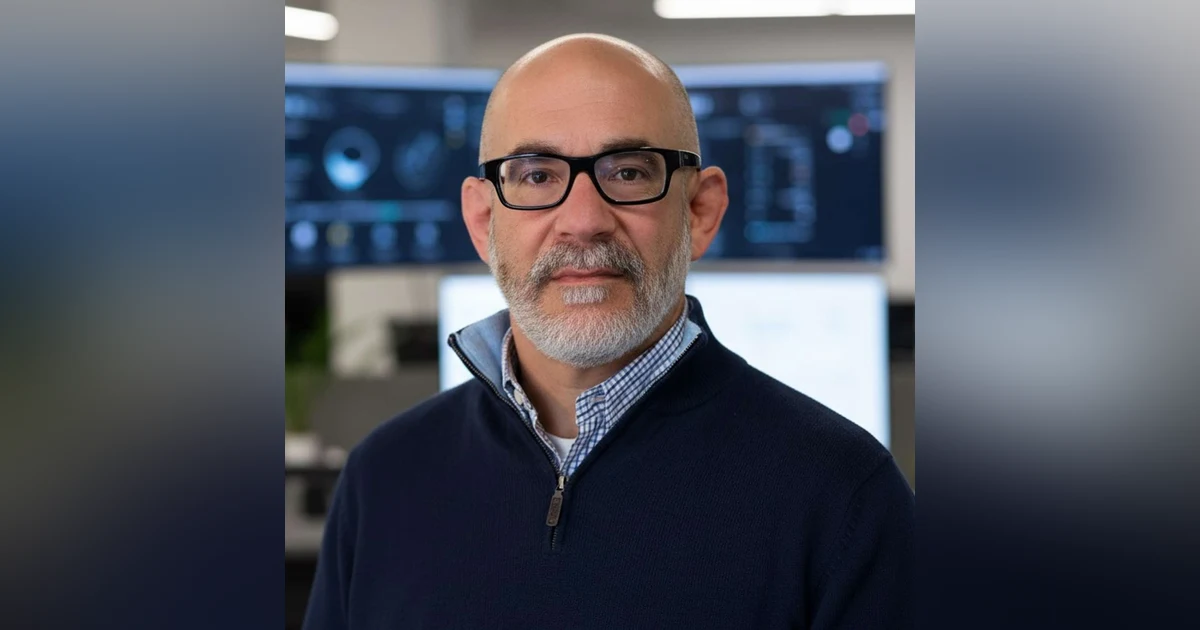
What allows some people to see opportunities where others see obstacles? For Alex Fredericks, the answer lies in the unique way he experiences the world. As a young student with dyslexia, he struggled to read, repeated third grade, and often felt like the traditional classroom wasn't built for him. But instead of letting those obstacles define him, he learned to embrace the way his mind recognized patterns, solved problems, and connected ideas. That shift became the foundation for an extraord...

 Apple Podcasts
 Spotify
 Castro
 RSS Feed
 Youtube Music
 What allows some people to see opportunities where others see obstacles?
For Alex Fredericks, the answer lies in the unique way he experiences the world. As a young student with dyslexia, he struggled to read, repeated third grade, and often felt like the traditional classroom wasn't built for him. But instead of letting those obstacles define him, he learned to embrace the way his mind recognized patterns, solved problems, and connected ideas. That shift became the foundation for an extraordinary career.
In this episode of No Wrong Choices, Alex shares how that perspective led him from the music industry to celebrity branding, consumer products, wellness technology, and ultimately to becoming CEO of ToneWell, a company using voice analysis to help people better understand their well-being.
Along the way, Alex reflects on discovering bands before they became famous, navigating career pivots without fear, learning from painful setbacks, and why he believes success comes from leaning into your strengths rather than trying to fit someone else's definition of success.
Whether you're navigating a career transition, raising a child who learns differently, building a business, or simply wondering how your own experiences have shaped the way you think, Alex's story is a powerful reminder that success often comes from seeing the world differently—and having the courage to build your life around that perspective.
To discover more episodes or connect with us:
00:00 - Welcome And Quick Housekeeping
00:27 - Meet Alex Fredericks And Tonewell
05:05 - Childhood Moves And Dyslexia Lessons
12:34 - Finding Music Without Being A Musician
27:00 - Leaving Music For Consumer Products
37:21 - Dyslexia As Pattern Recognition Advantage
47:16 - How Tonewell Reads A 30 Second Voice
01:00:49 - Leadership Style And Career Advice
01:06:40 - Host Takeaways And How To Connect
Welcome And Quick Housekeeping
Larry SamuelsHello and welcome to the Career Journey Podcast, No Wrong Choices. My name is Larry Samuels, and I'll be joined in just a moment by Tushar Saxena and Larry Shea. This episode features Alex Fredericks, the CEO of Tonewell. Before we bring Alex in, please be sure to support our show by liking, following, or subscribing to it wherever you're listening right now. Let's get started.
Meet Alex Fredericks And Tonewell
Larry SamuelsNow joining No Wrong Choices is entrepreneur and growth strategist Alex Fredericks. Alex is a co-founder of the company Tonewell, which I can't wait to learn more about because it sounds both fascinating and like something straight out of the future. The platform uses AI and voice analysis to tell us how we're feeling and how to better focus and leverage that energy. Alex, thank you so much for joining us. Appreciate you guys having me on. So I read an intro, which I I I think I wrote uh to make me smile. Hopefully it worked for others as well. But was that an appropriate setup? Tell us a little bit about yourself and a little bit about what you do.
Alex FredericksSure. I mean, I'll take any setup, whatever gets me here, right? Um so I am a consumer goods person. I started in the music business uh for about the first 18 years of my career, uh what I like to call head chef and bottle washer. I I have no talent. Like I wasn't trying to be in the business. I was I found a band in college, I closed my eyes, I literally saw it in my mind's eye. I was like, oh, I know what to do with this. 18 years later, I woke up one morning and said, Wow, I will never be the president of Columbia Records. I should probably go do something else. So I did. Uh and I went into consumables, skincare, cosmetics, fragrance supplements, vitamins, pretty much anything that had somebody else's DNA. You were already a such and such, and why don't you have a skincare, a fragrance, whatever? And I did that for a good period of time, short sojourn back into the music business, CMO of the first MP3 music server to the Middle East, lived in Bahrain, wonderful experience, woke up to Arab Spring, so that wasn't happening. Clearly, the music business was not for me. And I gotta hear more about that portion of the story. Back to New York, where I ran an agency until 2018, helping people transition from terrestrial into the digital space. And that led me into where I am today, which was I first started with products that were green, and then green became organic, and organic became wellness, and wellness is now longevity. And I literally just mean that by sales category, not by efficaciousness or the point of them, but just sales category. And when I left the agency world in 2018, I specifically went headlong into things that were wellness technology based: neurofeedback, uh, QEG machines, uh, PEMF, red light therapy, hyperbaric, NAD, anything that was kind of in that world until I was very fortunate enough to have what I call a chocolate and peanut butter moment, meaning where two things slammed together and something better came out. And it's I was working with an amazing PEMF company called Ampcoil, and their technology allows the ability to change the sine wave and the frequency that bundles on it for a great delivery. And having a conversation with their science team for one of the very specific things they did, I came across what is now tonewell. And the way that happened was because when I was in the music business and started making records in the late 80s, early 90s, there would be an oscilloscope on the mixed desk. So a circle with a cross in it, and there would be this infinity symbol. And when the infinity symbol was fuzzy, you would say to somebody, that's out of phase. And then you would start at the bottom of your stack and go to the top and turn knobs until it was a nice smooth symbol and say, Wow, that's totally in phase. We can move on. So fast forward 30 years, I'm having a conversation with somebody about frequency resonance, and I just implicitly got it. And I said to them, Oh, cool, you're going up the road, meaning you're delivering something to somebody. Can I come back down the road and have you analyze my voice? And they said, Yeah, of course. People have been doing that for 30 years. We just haven't. And I said, But we are going to. And that's where my entrepreneurialism, I've always said to people, like, I've been a solo practitioner, a solopreneur, right? I've been an agent, agent of change. But that's where the entrepreneurial side of me went, you know what? I can do that. And so here we are today.
Larry SheaSo let's all digest that for a second. Peter's like so safe to say an eclectic career journey, I think is the way to put that.
Alex FredericksI I like solving problems. I'm a problem solver, period. So like if I can see it, I know what to do with it. If I can't see it, I'm the first person to tell you I'm not that guy, I'm not the person for you. But I legitimately believe I could do like a like a puzzle upside down and backwards with no with no photo because I'll just see the patterns and then start putting it together. Sure. Now, mind you, if you turn it over, it could be completely wrong.
Larry SheaIt's the wrong puzzle, yeah. Um, so let's talk about the beginning because you obviously shaped this throughout
Childhood Moves And Dyslexia Lessons
Larry Sheayour life. So let's go all the way back to the beginning. Uh, where did you grow up? What was your childhood like? Um, and I know something that we're gonna talk a lot about here because it affected your whole world and how you see the world is your dyslexia as a child. So let's talk about and jump into what shaped you in the very beginning. Talk about your early life.
Alex FredericksSo I am a Generation X latchkey kid, nobody's coming to save you type generation. I was born in northern New Jersey in Bergen County. I moved into Manhattan in seventh grade, uh, into a neighborhood where I was the only kid that looked like me. So when I moved into New York, uh, you know, I became uh what I like to think of like rock on tour. It was this it was the 70s, the 80s, the 90s. Like I was a latchkey kid, meaning I was a child of divorce. I'm the youngest child in my family, and it was I was legitimately when the streetlights, come on, come home, kind of kid. And when I got to New York, it was actually it moved to as long as you make it to school tomorrow, kid. So I did that. It was a lot of fun. So to the dyslexic point, which is like to me a superpower, and I mean this generally, I can explain it in many places. I repeated third grade, and when I showed up for the second time to third grade, I'm on the playground with all of my friends, and they're like the school bell rings, and they all went that direction, and I just stood there because I had to go that direction. Like, Alex, come on. I was like, nah, I gotta go that way. So it was like the biggest moment of embarrassment I'd had at that point in my life. And when I walked into the school, into the classroom, it dawned on me that I actually shouldn't sit all the way in the back. That what I should start doing is sitting all the way up front and just paying attention because I actually can't read. Like until sixth grade, letters were jumble, they would jan, dance, and jump. And I say to people now professionally, I'll happily look at that. But if you want me to read it, you have to leave me alone and I'll come back to you because I can't. If you just looked at my reading comprehension score, you'd be like, Wow, there's something going on with this guy. But if you looked at everything else at me, you'd be like, Wow, there's something going on with this guy. So when I when I did third grade the second time, I I just started paying attention. It's actually that simple. And that also led me into music. I had three older sisters and they were huge music collectors. And I just sat down listening to albums and it taught me vocabulary and how to tell stories and meter and rhyme and getting your point across in short stanza, which I don't do because I like to speak. But, you know, with inside of that, that it allowed me because it was a problem, so to speak, and I didn't want to go through the same thing I was going through, I started developing my skill set for overcoming the issue. And I've applied that straight through. It's how I got into the music business because I literally see things in shapes and colors. So, as I said earlier, when I found a first band in college and I closed my eyes, I saw it as clear as day. Now, I had no idea how to do that thing, but I saw it. So I just started working backwards, and that has made all of the difference.
Tushar SaxenaSo, how did your parents then uh uh treat your dyslexia when when you were a younger child? Was it was it a matter of, was it a matter of simply saying, okay, you know, you're a Latchkey kid, kind of deal with it, or were they or were they trying to find solutions?
Alex FredericksSo trying to find solutions. My my parents were great parents, they just didn't like each other. Right. So my father, who was a very successful litigator um as an attorney, wildly successful person, also was incredibly dyslexic and kind of just brute forced as somebody born in 1936, just brute forced his way through the world, um, to the point that he now can read like a history book that's thicker than you know your encyclopedia type thing. Um, so he understood it. So I went to, you know, every afternoon after school, I was at the learning annex trying to deal with flashcards, and I did first they thought it was weak eyes because that was the 70s. So I did all these prism exercises, follow the prisms, right? Everything that was available. The funny thing, and I will give my parents full on credit for this. I'm also relatively rambunctious, known as hyper back then. And when the doctor was like, we should put him on whatever the heck it was in 1978, they're like, oh no, absolutely not. We'll just put him into sports and he can burn off that energy over there. You're not going to affect the way that he thinks because you're saying that he's hyper, right? So I had really understanding parents. They're like, we're we're all very good friends now. Again, they just uh they got divorced after 23 years. I just happened to have been in sixth grade. You know what I mean? Like right, right, right.
Tushar SaxenaUh so the question then becomes okay, well, um obviously you had an issue uh learning visually, or learning in terms of when it came so when it came to let's say words and and reading a comprehension of that nature, but you were able to learn in other aspects. So, what kind of a student were you?
Alex FredericksI was the type of student that was asked to never go back to that school, but they couldn't get rid of me because my grades were confused. Interesting. So when I graduate, I I graduated from the Hunts School of Princeton, uh, because I went to a lot of schools. And uh I was in all AP classes uh my senior year, with a notable exception of like had there been one more year, they'd be like, Yeah, can we not get this kid back here? Um, because I have a really weird, you unique ability of being able to split what my ears are doing so I can hear three or four conversations, which means I can participate in one I probably shouldn't be, while this one's actually listening to what you're saying. And then when you hand me, when you hand me the test, I can actually just straight regurgitate to you the thing that you said, and you're like, I'm gonna get this. You are the best and worst friend a person can have. Right. Exactly. And uh and I'm exceptionally good at like math and sciences. Right. So you where do you what do you do with that? I'm good at history because you told me the story, it's a story. But math and science, I can actually look at and be like, oh, I was the I was the obnoxious kid in the physics class, like riffing with the with the teacher, because I just got it. Like I just there are some things that you can just see. Like I do Brazilian jujitsu, right? I'm a black belt add and I train every day and I drive people crazy because as soon as we're rolling, I close my eyes. And they're like, What the hell are you doing? I was like, Well, my eyes are lying to me, one, but two, far more importantly, they're just a shape and a color. So as soon as my hands are on you, I know exactly what you're doing, and I don't need my eyes any longer. And that's the same thing of paying attention in a class. When somebody says something, you can put a value to the importance of it, and now it's that shape, right? And how many times they repeat it is the color code, so to speak. And then now you have a picture, so I just have a filing cabinet in my head that I know how to like Dewey Decimal System, I know how to cross-reference all of the parts and pieces to make it always active for me. Reading completely does one of my favorite albums of all time is a band called Tangerine Dream. They have an album called Ricochet. For about 10 years, I called it Rico Chet. Because I just it until my very dear friend, and I tell the story because I find it funny, until my very dear friend was like, dude, I got I got that Ricochet album. I was like, I don't even know what you're talking about. He's like, You recommended it to me. I saw it at your house. And I was like, I have no idea. He's like, Oh, that one I was like, Oh, that's Reicho Chet. He's like, That is not Rico Chet. Right.
Finding Music Without Being A Musician
Larry SamuelsTalk to us a little bit about the music. So you eventually pointed yourself in that direction. You figured out how to be a good student. When did you feel yourself start gravitating towards music? Like, like what was that discovery process? And did you become a musician?
Alex FredericksSo I I play the trombone and I have no talent. But when I went to trombone playing, like Touchar.
Tushar SaxenaYeah, trombone player as well.
Larry SamuelsAnd no talent at all.
Alex FredericksRight. I uh I ended up at the University of Vermont. The one school I wanted to go to was Colorado College and Colorado Springs because of how they teach. It's like intensive for six weeks or something like that, and then you move on. And I ended up at a big university, Division I University, University of Vermont, not the biggest, but big enough. And the first day that I walked into it like a 300-person lecture hall, I went, I'm screwed. Because you're not actually teaching me anything. And then you said something like, and go home and read these 85 pages for tomorrow. And I went, Oh, I'm in a lot of trouble. So I became a philosophy major because I really like philosophy. And I could take forever to read whatever book. And by the time my sophomore year rolled around, I literally just I was skiing a lot and I just found a band that I went, you know, that makes a lot more sense. And I'd rather be a pirate. Like I'd rather go out on the open road. I'd rather be Jack Kerouac. You know what I mean? Like, I'd rather just be an actual existentialist as opposed to reading about it in some book being taught to me, no offense to the professors, by a guy that's working on his tenured paper for 35 years. So he's been in Vermont for 35 years and is teaching me philosophy. Yay. So I just, you know, damn the torpedoes, just type of mentality. I'm uh let's just get into it.
Larry SamuelsSo what what does it mean you found a band? You found a band to be in, you found a band to manage.
Alex FredericksWhat does that mean? Uh I found a band to manage. Again, I have you you don't want to hear me sing. And though I used to play trombones with bass pedals because it was really interesting, it was just because I was bored. Um, so I was at a uh I was at a like party, like a fraternity party one night with a friend of mine who brought me there because he said to me, You need to check out this band. I think you really might like them. Okay, I'm not really a fraternity house guy, but I'm happy to go. I walked downstairs and I legitimately had a I can see this moment. So, like anything that you want to bring to life, and any sort of product, any sort of idea, if you can't see it in your mind's eye, I hate the expression fake it to make it. I hate it. It should be if you can see it, you can be it. Because as soon as I saw this band and closed my eyes, I I'm a kid from New York, I know how to dance, I have good enough rhythm, I was moving great, but no, I saw it in my head. I could see where they should be. I think that I can get you on tour with X. I think you could be at Madison Square Garden. I think that we could how? I don't know. I just see it. Believe me, I see it. And then I literally just started working backwards. How do you get a booking agent? How do you and I was proficient enough at that that my first job was being a booking agent for a big company because I was up in Vermont and there wasn't anybody north of Boston. So between Boston and Montreal, there wasn't a guy. I can be your guy. Like I let me be your guy. I'm your guy. And then I started booking bands. So if I'm booking you into my territory, I would start saying, How do I book my band into your territory? And it just, you know, I was a music producer. I didn't want to be a producer, but I had bands that needed somebody. You have a demo? Yeah, I'll go do the demo. First, I had to learn how to plug in the cables, you know, and then yeah, and it's just it's it's that type of process with almost anything. People just like most people just don't want to do the work. Work doesn't scare me that way because I know that I'm not having applicable skill, right? And even though I may never be a master producer hanging records on my wall, I do know that when I walk into a studio, you can't lie to me about the buttons. And that's all I wanted was like the understanding of being like, oh, you mean when I do go get producer XYZ, fundamentally I understand what's going on. And that's the building block to the next and the next and the next. So I ended up being a retail forecaster for a label, and that took me to the next level. And I was unfortunately run over a bunch of times, meaning like I found huge bands and I didn't get to go on for the ride, like the almost famous story. But because I genuinely mean this when I say you're gonna actually have to kill me to get me out of the game, I just woke up the next day and went, okay, learning lesson. Let's not do that again. And let but I can apply all of the things that were good until it went terribly wrong, and know the things that went wrong to the next set of challenges. And that's what I mean. When I found I like, you know, you if you find yourself lost in the woods, you might want to stop for a minute and start recognizing the things around you, maybe build some shelter. You know, I don't know. And that's how I go about it.
Larry SamuelsCan you give us an example of one of those bands that that took off that you just missed on?
Alex FredericksYeah. Uh, so yes, I will gladly do so, though. I am paid for discretion, so I never talk about the bands that I toured that weren't mine. So I was fortunate enough, and they're wonderful human beings, so I will leave everything other than that as the caveat. So I was fortunate enough, or had the misfortune of discovering the strokes. Um we I produced the parts of the album that became the modern age, which was the EP that blew them up. And myself and my friends at the time booked their first, I don't know, 15, 20 shows in New York City, like the Mercury Lounge and CBGBs and all of those things. Yeah, and I just I woke up dead one day to one of the funniest conversations that I've ever had in my life, to their attorney, a woman that I dislike, which is fine, um, because she called me and said, Alex, you're not allowed to be the manager, which is all I wanted to be, the producer, the booking agent, and the agent. And I said, Well, I don't actually want to be the agent, don't have a license. I could care less about being the booking agents, just something you need to do. Believe me, they're much better producers than me. I just want to be the manager. And she said to me, Sorry, they signed a manager this morning. Oh man. So welcome. I think it was actually karma, to be honest with you. Um, I had broken up with the girl that introduced me to Julian, who's the lead singer. So I just took it as the universe giving me a giant smack in the face. It's not true at all, it's just a rationalization. But but I've lived with the rationalization, like you just move on. And there are a couple other ones like that that I was you know, but here's the thing I I am a big believer of the universe puts you where you're supposed to be. So I I never took it as a woe is me. I just took it as like, wow, that's in the rearview mirror. I hope it never catches me. Right. And I just kept going forward.
Larry SheaI love this. So help me connect the dots and unpack the layers of the onion here. So you're in college, you see this band. How are you breaking through to get people to take you professionally? You're still in college at this time. Yes. You're just cold calling? Like, how does that process work?
Alex FredericksSo this is pre- in this is pre-email. Okay. This is pre-email. This is 1994. Uh, and uh I started I was very good at voices for a while. So I would call on behalf of you know, like I'm calling from Alex's office, please hold that type stuff. I did it really well. Um I was and I still am adamant about homework, which is funny for a guy that can't read, but like I am a savant for information. The more I can get, the better my processor works. So, like all things, you start at the top and you work your way backwards. I want to be band X. Well, okay, who did they start touring with? Where did and you just do thought trees, you know what I mean? Like strings and pins and stuff like that. Love that. And then I recognize I was in the University of Vermont, which meant that Boulder or Madison or College Park or University of Maryland, like they're all the same, like, right? And this band happened to have come out of a fraternity. One of the one of the guys was in a fraternity, so I said, Hey, give me all of your chapters, you know, that type stuff. Like, just how do you do information architecture? And then you start connecting the dots. For me, it was actually simple because Burlington was like not a major market, but an important college town market in the time when college radio was king. So I became friends with the club owner. I don't drink alcohol, so I'm never I've never been a threat to somebody in their club. Seriously, like you you can let me in, you can put X's all over my hand. I don't actually care. I don't drink. Like, I it's just not my shtick at all. Right, right, right. So I just started going out and like I met Buddy Guy or BB King, you know what I mean? Like Toots in the May Tower, whatever, because it was a college town in the 90s, right? Blues traveler, who I knew since high school, so that doesn't much count. But like, you know, bands like that, they would just come through and you would hi, my name is. How are you? What if you were me, where would you go? How did you do and the entirety of my life, even in today's world? I've always carried a notebook. I always will. Yep. I I never won't, and I have a pen and I would just take notes. It's just it it would be that simple. And then you were like, okay, what's the reference guide for that? Because this was back in the day when I'd have to go buy literally the blah blah blah guide to da-da-da, whatever. And you get it, and you would take a highlighter and it just worked, like that yellow, that pink sticky note that's sitting right over my shoulder.
Tushar SaxenaOver your shoulder, right?
Alex FredericksYou know what I mean? Like it's and until I've done that task, that sticky note's gonna sit right there. And then you take it to it's it's funny, like the world that we live in today with the ease of stuff, but people still make cat videos when you're like, you know what you could do with that, right? And they're like, No, I don't. You're like, cool, I'm gonna go do my thing. Which is like how Tonewell came in. Like for me, so tonewell isn't AI on the analytic side, that's actually a static database that we use an algorithm to match against. It's looking for outliers. But but after that, AI makes the template that delivers to you our report, not the information. Information is a static database, that's how it's FDA and HIPAA and scalable and defensible, and you can audit it, fine. But once that happens, I can make a billion templates for anybody that wants to look at it. And I understand product flow because I've made an enormous amount of like skincare and fragrance. Go look at any average fragrance bottle and recognize there are like 50 parts in the thing, and you didn't think about it. So you have to recognize in what order and how and to how much, and to and that's so for me, I've built a pretty agentic business. There's myself and three people. If I get to eight, wow, that's a lot of people. Because the way that we're looking and pivoting and trying to get to folks, and you know, so the same thing has always been true. When I found a band in the 90s, and I say this to people, and I mean it genuinely. When I first started touring bands, I had to make the postcard, which meant somebody had to draw the front, draw the back, had to go to Kinko's, had to mimeograph, had to Xerox the front and the back until it was one, and then I had to print them all out on a huge sheet so you had to cut them all. And then you had to label the front, stamp it, even if it was a wet stamp or I got a stamp from UPS, uh USPS, excuse me, and you stamp, still stamping, go to the mail, put them in the mail, send them to you. So anyone that came back to me, return of address, da da da, no return to sender, whatever, if I wasn't smart enough to go onto FileMaker and remove it, I was wasting 27 cents, 30, 30 cuts, all of those things matter in process. So now today, like when you're writing something and it's about writing the right prompt, if you can't write 15 prompts, then get out of my way. You know what I mean? Because I want how to go to Kinko and make postcards, you know.
Tushar SaxenaSo the question then becomes okay, um, obviously you did a tremendous amount of work in your early career in music. So was that the goal essentially to become president of Columbia Music, or did you want to go into another aspect of the business? I think I think you had mentioned to me in when we had a chance to speak ahead of time was that you actually just wanted to be a DJ.
Alex FredericksBut I wanted to be Wolfman Jack. Not it true story. Because the first album, seriously, the first album that changed my life was James Brown Golden Hits. It was a cassette, and I played it at nauseam until my sisters used to kick the door in and turn it off. Because I was impressed with it. Because Wolfman Jack, I don't remember what radio station it was, had played it, and I was like, I didn't even know you could do that on record. So I went to the record store and I was crazy young, like fifth, fourth, fifth grade, and I found this cassette and I would just play it at nauseum. So Wolfman Jack is who I wanted to be, honestly. I wanted to be a DJ until such time that Arbitron happened, which is where the automating of radio stations became. So then I wanted to be a producer, but I recognized I actually can't read music, so that was the end of that. And then I just went into the business because like GE, I bring good things to life. It's all I wanted to do. No, but it's all I wanted to do. It's all I've ever actually wanted to do. It's why I say that I'm good at solving problems. It until tone well, I've I've been perfectly okay with building other people's stuff. Perfectly okay with it. There is a satisfaction in it. I have failed a lot of times. I've been thrown out of a lot of moving cars. I've oh, I wish that would whatever. It's all learn and move forward. But when I had tone well, it's why I call that chocolate and peanut butter moment. Like, boom, here's the rhesus. Oh my God, rhesus, right? Like that was why I'm doing what I'm doing because I was perfectly happy. I'm totally good with answering phones for clients and being like, what's the problem? Oh, I got that.
Larry SheaLove this. So we're
Leaving Music For Consumer Products
Larry Sheamoving through the eclectic array of various careers here. We're in the music business. How long were you in the music business for? And what happened next?
Alex FredericksI was in the business. I'm gonna give it 18 years. Uh and then I legitimately I was in a planning meeting one day. I saw that the guy on the other side of the table was exhausted. I said to him, I had you have two options. I can sell you this entire budget, or you can fire me. He just fired me. I would have also. And then I told him what I wanted, why I'm okay with that, and how to use the plan. I happened to at the time have been running a uh a label group with Phil Ramon, 16-time Grammy winner, one of the best human beings of all time. And we were doing uh reissues essentially. Albums, albums that had been messed up by some other administration or whatever, and we could come in and fix them. I did one-way product sale, meaning like I'd find Scion or some hospital and we'd sell it one way, and nothing was ever coming back. And it was cool. I I just knew that I'd hit the glass ceiling, so I left. Um, and then I went and started working for a wonderful guy that was like the number one fragrance packager and and developer on the East Coast. There's really only three in the world. One was in Paris, one was in LA, and my guy in New York.
Larry SheaAnd uh was that scary though, moving from a totally different world?
Alex FredericksFor me, no. Uh I I at the time was totally unencumbered. I wasn't married at the time. We didn't have children at the time. Uh, I am willing to bet the house on myself any day of the week. I have I have gone home in my drawers, so to speak. You know what I mean? Like, whatever. That was a bad night of poker. Right, right, right, right, right. Figuratively, but like that's like if life isn't the adventure that you make of it, whose life are you living? And that's just me. It's why I said earlier. Like, I wanted like when I read and I did read on the road, and I did read Dharma Bones, I went, Oh, you mean you can do this? Right? Like you can hop on your motorcycle and just go?
Larry SheaYes, this is a certain generation with uh dreams of Kerouac in our in our sleep, right?
Tushar SaxenaYeah, would your would your attitude have been different if you had a young family at that point? Would you have had a different attitude, or would have, or would you still have been gung-ho and adventure, etc.?
Alex FredericksWell, my wife and I got married, uh, she lives where I am now. Well, she's from the area that I live in now, which is outside of Philly, between Philly and Princeton. And the notion of like, do we move you to New York where I'm still doing 200 days of the year, or do I leave New York and go down to where you are? And it was a half a second decision. There are there is nothing uh there is nothing more important to me personally than feeling the fulfillment that I get from being with my partner. So everything else is just Jimmy's on the ice cream cone to me. Seriously. I mean it very seriously. So um, yes, I would have made different choices, but I didn't have to at the time, so it doesn't matter. And honestly, there's an actual liberation in walking away from golden handcuffs. It's why more people don't do it because they're scared of, well, what if? If if you're not willing to be the change you want to see in the world, as trite of a sentence that is, then like just that's cool, just get out of the way. And I I just felt a need to go into the world and do something that I wanted. I only want to be the best version of me.
Larry SamuelsSo, what was the bet? You pivoted towards fragrance, fragrances. What does that mean? What was that the next part of your journey?
Alex FredericksThe bet actually was what I specialized in when I was at Sony. It wasn't what I was doing, it was people coming up to me and quietly because I was one of the few people, like I literally lived in the elevator. I know it's a crazy thing to say, but in huge corporations like that, where everybody's sequestered to their floor and their divisions, the guy that's just going up and down in the elevator talks to everybody. And I learned that from one of my dear friends, Ralph, who was like a big DJ promoter for Sony. And I was like, What do you used to call me Carnal? I was like, What are you doing? He's like, Carnal, I just sit in the elevator, and then sooner or later, the either the artist or the executive whatever comes in. He's a Dominican kid from Queens. He's like, Nobody looks at me until the door's closed, and then I get the thing that I want because he was a big promo guy.
Larry SamuelsOh, that's so smart. I went, This is networking one-on-one.
Tushar SaxenaThat's the craziest, smartest thing I've ever heard in my life.
Alex FredericksIt's why I give him credit because it was genius. So I started doing that. But I got the other side of it. I would have people look like look look left and right and then go, okay, Alex. So I just spent a million dollars on Artist XYZ, and I don't have any money left to do promo. If you were me, what would you do? And I would say things like, Oh, you should call Frito Lay, because they have 600 billboards in the tri-state area, and your artist would look great on their billboards, and they just they just want the association, and they would say, How do you do that? And I said, I'll do it. I'll figure it out. I'll do it for it. So I say that to say when I left, and I was sitting in somebody's office one day, and they introduced me to this guy. His name is Brandon Kahn. And Brandon, who is one of the most incredible designers ever, particularly in luxury goods, looked at me and said, You just left Sony. I said, Yeah, he said, I have an enormous plate full of celebrity product people want to do. I don't want to deal with them. I want to be the designer. Do you want to deal with them? And I said, Yeah, I'm great at dealing with people because I genuinely don't care. Like, I'm not trying to go out to dinner with you and I don't want the invite to the kids' party. Right? Like, I'm good. So we started building and building. There was a period of time that if you were in New York, so it was New York, LA, and France, that in Paris, that was it. If you were in New York and you were a such and such, so you were a you know, yeah, I don't know, you were KISS, or you were Paris Hilton, or you were Nicole Simpson, or you were whatever, like whatever it was, and you were a celebrity at DNA, and you were moving into that world, we were the people in New York that got it. And what I was very good at was translating your DNA, right? Like you're Carol Shelby, right? And you're famous for the Cobra car. How does that fit into your packaging? How does that fit into your smell? What shelf should that be on? Where are we trying to sell it? Who are we talking to? How are we talking to them? It has to be an extension of what they already know you for. So if you're Paris Hilton, uh, if you're Jennifer Lopez, if you're KISS, if you're Tommy Bahama, I can just keep going down the list. How does your DNA translate into the next product? It could be toothpaste, it could be fragrance, it could be skincare, it could be a vitamin. I did stack or two for Paula Abdul because she was very famous as a dancer. So nothing against her at this point, but like it made sense to put speed in a bottle and sell it through GNC.
Larry SamuelsBut I guess what I'm trying to figure out is as you're laying this out is like, what do you have access to? So you're dealing with these performers, you're dealing with these artists, and you're trying to connect them to different product deals broadly, and you and it's up to you to brainstorm what you're going to connect them and attach them to. Yes. Or are you, or do you have a portfolio that you're pulling from and you're trying to connect the portfolio brands to an artist?
Alex FredericksThe river flows both ways in that conversation. One, you're a licensing company. I'll just put this into context. You're a licensing company like TPR. They're a licensing company in that space. And you're like, hey, I want to go approach, I don't know, Toby Keith, whatever. And because I think he would be great for our distribution retailers. Okay. They then say, Could you put a perspective, you know, like a mood board and a thing together for Toby so we can go approach him and do the deal. Yeah, sure. That's easy. Let me do some homework. Red Solo Cup. The packaging should be red, whatever, right? Like, not, and you put it together conceptually. This is what it looks like. It feels like that. It has a hint of. We did a project for Lou Reed that was hysterical to me because he's a he at the time a very, very, very grumpy man. And uh at the time, isn't he always? He was always particularly because like we wanted to talk to him about luxury, and he's like, I only wear Rick Owens, and you're like, oh crap. You know what I mean? Like it was like board, the mood board that we made for him was like a billion-dollar looking thing in that weird homage. And I had to be the person to explain to him, sorry, Lou, we can't do fragrance for you because nobody wants to smell like a 65-year-old homeless man. So, what we ended up doing for Lou Reed, no, but what we ended up doing for him was like a really chunky jewelry line that went incredibly gangbuster as well for where we sold it and who the buyer was, because it made perfect sense to make like a chrome heartsy, chunky thing. Nobody wants to smell you, look like a homeless man, nobody wants to smell you, right? And that's what I mean. So that's one way down the river. The other way up the river is you are a somebody, right? You are a fill-in-the-blank celebrity, and your management, your agent, your team says, I think it's time for you to start doing brand extensions, not product endorsement, brand extension. So then you come to a company like us again, and we brainstorm what the concept is, and then we can say, you know, there's only five companies for you. There's actually only three because I can tell you what the other two are doing. Matter of fact, let's start with these two. I'll get this first meeting, right? And and that's the going in and pitching. I have a client, my client is X, you know them because of Y. This is all of their accolades, this is what they bring to the table, this is what it should look like, this is how it's good. And then after that, you become an agency. What can I what can I keep on the table? The design, the packaging, the logistics. Am I doing the marketing? Are you doing the market? You know, like then it just becomes agency. That's really interesting. Volleyball.
Dyslexia As Pattern Recognition Advantage
Tushar SaxenaYeah. All right. So, in this aspect of your life and business, um, I kind of want to get back to what you said before about the notion of dyslexia as a superpower. So, how are you using your dyslexia in this and in this aspect of your life in your business life to A, read people, but then B, problem solve seemingly sometimes on the fly is to say, okay, so you know what you belong uh with X product, or someone comes to you and you drop a diamond on them and say, Hey, look, I got I got free to lay out there. So are are when you're solving problems like this, are you solving them in a in a linear fashion or in a very visual kind of shotgun pattern kind of way?
Alex FredericksIt's not linear at all. It's some of it is placement association. So, for example, if I ever met a guy named Jared and he had a red tie on, I could never forget his name for the rest of time. Jared. Red tie, Jared. Right. Okay. So it's thing it's things like that, and then it's the ability to play association with yourself, right? Because it's easy to get a ma uh a monosyllabic word. I couldn't spell dinosaur if I wanted to. Seriously, I've tried it a million times. It just doesn't come out in my head. There's a jumble in the middle. But with that said, I can recognize what a dinosaur is. Yes? So therefore, you're playing, I'm playing association, not definitive. Right? So I could never have been a good attorney, because believe me, I wasn't actually reading the whole contract, but I know how to find the clause that I need to read. Right? There's a little bit of difference in that. So when working with people, most of the time it's like there's a difference like being funny and being witty, right? I probably not funny at all. I'm pretty witty because I'm really fast. Right. Like I can recognize my processor and my and my random access memory, the RAM. Okay. And if I can keep my RAM, which is super expensive these days, if I can keep my RAM high enough with enough acuity, that's all you need. Random access memory. So when you start seeing patterns, which is really how dyslexics get by, I guess at the rest of the sentence. It's like F9 predictive texting, right? So as soon as I get enough information, I'm already at the period. Because I know that I can't nuance the middle, right? So in dealing with people, one, always be prepared, do your homework, take your notes. Most I don't ask questions because most people tell you anyway. And when you start asking questions, they start shutting down the information and they quantize it in a way they they pretended or whatever, practiced either way. Um and what I find though is that conversationally, like I'm only married to my wife, everything else is a good idea. And what I mean by that is like if I can just get you to start talking, you're gonna tell me this is what I really like. Oh my god, I wear that. Ugh, my favorite scent is and then you just have to take the pieces and you know make the puzzle. And that's to get that's problem solving.
Larry SheaIt's yeah, it's so funny. We're getting to know you, you know, as our audience is getting to know you. Um and we often talk about how people are built for a certain thing. And I'm just talking to you, and man, you just feel it feels like you were built for this, you know what I mean? And I guess the question is, is it safe to say that if that dyslexia was not a part of the equation, I I don't think you'd be doing any of this.
Alex FredericksI wouldn't be. I would be so I have I I've I've said before I have three sisters, and the fastest way for us to drive our mother crazy, who's like a complete learned, only classical music type person, is my three sisters and I just talk in in film and music quotes. Now we know exactly what we're saying to each other because of this. You know that game? You know the game, right? Because of the stuff. I do know the game, right? And where you put the emphasis is really what you're saying. You know what I mean? And that game is a game that I've played my whole life. So I still play it with people. Again, another thing I do when it drives people crazy in jujitsu. So when I'm rolling and we're having like a really aggressive match, I'm actually listening to the music and I'll start talking to you in the song lyrics, and everyone, what are you talking about? I'm like, nothing, dude. It's the lyric right there. It drives it drives people nuts. But that disarmament, that ability to like make somebody shake a second, that's actually when you get somebody. And that's in conversation the same thing. It's why, like, you'll say, some, oh man, those are really nice shoes. Do I actually care about your shoes? Probably not. I mean, I might if they're super nice, but it's just to get you to start talking about oh yeah, you know where I got them? No, I have no idea where you got them. Tell me about it, and then you know that it it unfurls. Sure. And that sure that it opens the door to other avenues thing.
Tushar SaxenaYeah, it opens the door to other other avenues, right.
Larry SamuelsI'm I'm curious about the jujitsu. So um with your wiring and and with the way you're put together, uh, did you gravitate towards that type of a sport versus other sports? Because it it it just the the um uh stimulation and everything else was just better for you.
Alex FredericksMy uh actual like sport as a child was judo. Okay and uh I wrestled in high school just because it got me out of gym class. But my actual sport was judo, which is essentially jujitsu standing. Um and I started jujitsu when I was 40, mostly because I had like a groundhogs day moment. I was sitting on the couch and I kept watching my wife go to the gym, go to the gym, go to the gym. And I said to myself, man, this is not gonna end well. So I found something to do. Um, I was fortunate enough for a period of time to work with some really big kind of UFC jujitsu fighter combat sports guys. And I said to myself, dude, you love that. Why aren't you doing it? So I found a jiu-jitsu gym, and here I am a bajillion years later. But I gravitate towards that type of that is high speed consequence problem solving. You can't think about anything else while you're doing jujitsu. You are doing jujitsu, right? Like the rest of the world has totally faded away. And its shapes and colors and high speed consequences and questions and answers and problem solving all wrapped up into a bow. And now in my 50s, like I was rolling with some kid this morning that's like a 21 year old police officer who wrestled in college. And he came at me like a whirling dervish, and I just sat there at half speed, like chewing gum. Like I really hope I was annoying him, like chewing gum and dropping bubbles as I was like, you know, sweeping him and throwing him across the room. And he was just like, and I wasn't paying nothing against him, very nice guy, but I wasn't paying any attention to him. It so that ability, like it's the same thing as like in most situations. If you can keep your calm, right? If you're able to push through the like again, repeating third grade is exceedingly embarrassing in a small school in northern New Jersey, the Orchard School in Bridgewood, New Jersey. It was embarrassing. It was really devastatingly embarrassing. Fortunately for me, I had an older sister, so nobody made fun of me per se, but it was very embarrassing. So you begin to start saying to yourself, Well, I don't want that to happen again. I can't actually fix this thing. My eyes just aren't doing their thing. What can you do? What's the oh, I can pay attention and just be nice to the teacher. And when they ask me the question, I just literally say back to them the thing they said to me, just in a little different phrasing. I can do that. And that got me along the path. And then you start finding things that you actually are interested in. So it's not that I have a problem with school, I just couldn't read. I really like math, I really like sciences, I love history, but I needed to understand contextually how to get it in my noggin because the eyes weren't doing that. And as soon as you do that, you're like, Wow, I love geometry, I'm pretty good at chemistry. Physics is fun, you know. Like, and you just and I still couldn't, you know, believe me, I couldn't read it. I just couldn't figure it out, and that's like it's super important. Like it's the thing that bothers me about most people that give up after the first try. You're like, dude, if you could do that already, you have to learn it. You know, it's it's another thing. So the best piece of advice I've gotten as an adult, Bar Nunn, was actually at a jiu-jitsu seminar. I had a uh he was like 15-time world champ, and I was a white belt in my 40s. And uh he said to me, Brother, you really have to learn to flow with the go. And I looked at him and I said, Don't you mean go with the flow? And he said to me, No, I speak five languages, though English might be broken. I'm okay, explain this to me. And he said, Well, if you go with the flow, you will fall for anything. Now, mind you, he was talking jujitsu. So good luck with that. However, if you learn to flow with the go, you will wait for your opportunity. Doesn't matter the pressure, doesn't matter the pain. And when that opening happens, you will attack and then you will win the day. And I carried that, like literally, it blew my mind, not just for jujitsu, but how I also try to approach life. Like, what am I gonna try to run through that wall? I it's moving. If I just wait long enough, there's the opening, go right. It's the same, it's why dyslexia, though, was like embarrassing, it never stopped me. It was just the thing that was beating me up. Okay, I gotta wait for the opportunity. There's the opportunity, I'm gonna take it. I found a band, my eyes closed. Literally, I saw it. I know what to do with these guys. Go.
Larry SamuelsWell,
How Tonewell Reads A 30 Second Voice
Larry Samuelslet's let's go flow with the go uh towards tone well. So your chocolate, your peanut butter, how does this come onto your radar screen? Give us some background on that.
Alex FredericksSure. So, as I said earlier, I was working with a PEMF company, uh Pulse Electronic Magnification Frequency, and it uses a magnet with a Tesla coil wrapped around it, and they deliver it's for uh uh like healing modalities. And this particular one was an FDA-approved company that that specialized in uh autoimmune, specifically Lyme's disease treatment. And as I said earlier, what made them special was the waveform that they're able to change the shape of to carry the frequencies that are important. So there's a difference between like my nisc, my meniscus is torn, I have Lyme's disease or Crohn's, or I'm in a bad mood because there's a new moon. All things you can talk about, but totally different opportunities. So, as I said, in having that conversation with their team, I came across technology that has become tone well. And what we do is we take a 30-second voice clip, we run it through our through our analysis, we extract a couple thousand biomarkers, and then we deliver a wellness report to our clients in under five minutes. It is, I think that the world is drowning in data. I should start with that. And I think that because the world is drowning in data, you still come up short with two very important yet basic questions. Why don't I feel well? Why aren't I functioning well? And you can have all the data and all of the information, and it can come to you in piles and piles and oceans full. But unless you understand how to translate it into an action plan, none of it matters. You're just tracking problems. So, what we do with tone well is we take our output, our analysis, our couple thousand biomarkers, and we turn them into an actionable report and answers with actions, okay? Because I believe if I can help you build a better relationship with yourself, you'll start living a better life. And then I can talk to you about your well-being as opposed to wellness, which is a sales category. So, what we do is we deliver a report. It's like your top five things you should understand that's going on right now. It's a snapshot in time right now. We're not a diagnostic, we're in we're in an analysis, we're an analytic. They're a little bit different. A diagnostic is telling what's going wrong with you, is what I diagnose. And an analytic is telling you what's going on with you. So I'm telling you what's going on with you in this time and place. And what we do is we give you a top five. These are the things to look at. They're color-coded, red, yellow, green. Green's pretty simple. It's going well for you. Oh, should always lead with something that's good. Yellow is stuff that's on your radar. Pay attention to this. This is what you should understand. And red is full stop. This is what you need to deal with today. It could be your sleep, your hydration, your stress, your pathogens, your toxins, your inflammation, your digestion. We have eight major categories. And inside of that, most things are actually relatively manageable. I'm not sleeping well tonight. It could be something like your GABA receptor of your magnesium glycinate is low. And if I could say to you, hey man, you know, maybe just take 300 milligrams of magnesium glycinate, you can get that anywhere, legitimately anywhere. Doesn't need to be the best version, the best spoke private. I've made it myself. It could just go to any pharmacy, any supermarket, start there. And if you can do that, and I can help you feel better, it's like the one argument you can't ever win with somebody, how they feel.
Tushar SaxenaRight.
Alex FredericksBut if I can start changing your perception of things and helping you make little tiny choices, the choices you make limit the choices you have. That is not bad. It could be great. If I'm making great choices, bad choices just start going away. Right? So if I start making better choices, then I make better habits, and better habits have better results, and better results is your better wellness, and you know, and and that's what got me into it, just because I saw in the marketplace that is hot, flat, and crowded. There's no question to it. There's a million wearables and new AI health ports. And I had somebody ask me yesterday, because I'm raising capital right now. Well, aren't you scared that Google and Fitbit just put out a $99 Fitbit and it's run by Google and your scan is just $99? And I said, No, not really. And they said, Why not? I said, Because they're different opportunities, like they're right, right? They're they're not it's chalk and cheese, they might actually be the same shape, but believe me, bite into both of them, they're totally different, right?
Larry SamuelsSo I've never heard that before. I like that one.
Tushar SaxenaI'm gonna see we're gonna steal that one.
Alex FredericksYeah, go for it. You know, so I I just say that to say, like, for us, what we're trying to do in tone well, as I just said, is like help you build a better relationship with yourself. I'm willing to bet you that at and I use this as my own example because I had no idea and I still actually know what it's for. Um, when I did a tone weld months and months ago, it told me my boron was low. Now my wife happens to be a nurse and a wellness practitioner and rent her own practice, and I was like, What's this? And she explained it to me. I still don't know. And I said, Wow, it tells me I I should do it. She's like, I'll go get it for you, like right up the store. Came back and I said, Now I now take it. And she's like, I had I known, I would have gotten this for you earlier. I it could be in your zinc complex or your whatever. I just didn't know.
Tushar SaxenaRight.
Alex FredericksBecause how would I have known? Who knows? Right. Why would you have thought about boron?
Larry SheaYou know, of all things, right? So help me understand the nuts and bolts of it because I understand sine waves and out of phase and all that stuff. Are you saying that the 30 seconds, it's not important what the content is? You're just taking biomarkers of whether your voice is in phase or out of phase.
Alex FredericksSo we're not listening to the words at all. I say this to content is not important. Use it as a conventional, doesn't matter.
Tushar SaxenaThere's no point in me saying I'm feeling sick today, etc. I can say I'm a little too sharp and then.
Alex FredericksSo okay, so let's back this up for a second. Yeah, please. I should start and say that your nervous system and your physiology are broadcasting at all times. So for us, there's 30, 40, 50 years, starting from Wilhelm Reich and Tesla before that, all the way through the CDC, Harvard, the Mayo Clinic, John Hopkins, have all been studying how voice is a marker, right? Because if you sent to somebody, I don't have the bandwidth for that. That didn't resonate with me. I don't really vibe with that. Or my favorite, you better watch your tone when you talk to me. Right? Those are frequency words, but we're just not taking them on their face value, meaning that I don't have the bandwidth means I can only go from A to B. And if you're on the other side of it, I can't hear you, like a radio dial. That didn't resonate with me. It's like me saying to you that piece of music made your hair stand up because it literally resonated your cells and made the hair stand up. I didn't vibe with that as saying our vibrations are different, and tone is tone, right? So what we're doing is we're taking the temporal, the acoustic, the hertz, because it is a wavelength, peak and valley, right? Right. We are taking the cadence, and so in cardiology, where they use voice is for what we'll call the tremolo, right? Because your voice should not be doing that, which means that there's an inconsistency, and that's a very fast marker right now, as opposed to blood that takes a while to the lab and back. Or kids with ADHD, the American Um Medical Association in 2015 put out a study that you can they use the word diagnose, not mine, diagnose ADHD because of the patterns by which kids speak, right? So these things have been used for a long time. But we did, and why I make the distinction that we use a locked database, very important, and I'll get to that in a second. So we've been using computer learning for 10 years, we being the my group. And inside of that, we said these are the things that we want to look at. I want all of the hormones, all of the all of the cannabinoids, all of the organs, all of the whatever, and a huge list, 100,000 plus. And when they became exactas, we then locked them into place. So our company doesn't use computer learning. That would be in my research lab. What we do is we have a static database. What I mean by that, it's locked in. This number represents that thing, right? That way it's scalable. I can do a thousand people in a minute, it's defensible. I can show you where it comes from, and you can audit it, which is the important part here. How do I know that's true? Well, let's move you backwards, right? And then in that, just to make this simple techie, my output is a JSON script out of my cloud. So once I have a JSON script of the information baked into that, I can make it look like anything. You want nutrition, you want hormones, you want mindfulness, you want, I'm looking at your vitamins and your minerals and your hormones and your organs and the pathogens in you and the toxins in you and your musculature. The musculature one is the one that freaks people out. When I can literally be like, oh, I get it. Your L1 is sore. And you're like, How the hell did you do that? And you're like, Well, I guess you should maybe understand that every like the primal meridian grid of your entire body is like the garden hose in the backyard, and where there's a kink, there's no water, you know, so the energy isn't flowing. Or if you talk to people that meditate and they're like, I'm in my root chakra trying to get to my crown, and you say something to them like, oh, 748. That's the actual frequency from this one to that one. Unless you hit it, which goes back to me being a music when I produce music and somebody said, Well, I need to limit that because it's the frequency is fighting the other one, you would say to them, Cool, we can just put a compression gate on it so it locks, it hits a certain number and then locks. So that actually is your chakra, right? You need to get the gate open so that it flows up and through. So since all of the metaphysics and the reality of what we live in is based upon waveform and frequency, that's what we're measuring.
Tushar SaxenaAll right. So um you kind of uh took a question away that I wanted to ask, but uh gave me another one. So have you moved from being a music DJ to a health DJ is at this point? Is that what you are now?
Alex FredericksI like that. I am a uh how can I help you kind of human being? Always happy. Right. So yes, what I it's funny because I have a unique ability to have a conversation, and I'm pretty good at like relevant, you know. Let me give you an analogy for that. Um, I have absolutely no desire in the world for anybody to know who I am, which is a strange thing as a founder, as an entrepreneur, particularly sitting on a podcast being interviewed. But there is a, unless you ask me the question, I don't actually answer it type person. Um, because I believe that everybody's on their own individual journey. I think that where we're left off, though, on like the where am I and how do I get home is kind of where we come in. It's what I was saying earlier. Like I'm watching the world drown in data, right? I am in my because I have tone well and I'm running a startup, it's not paying my bills, right? I have a business business. And where I'm consulting for people is in agentic workflows. I obviously use a lot of them. So like in having conversations with people, they're stuck on like things that aren't actually the problem. It's not actually a problem. Matter of fact, you'll have a much better time with Chat GPT if you stop typing, which is thinking, and just hit the microphone and talk to it. I do it all day long. Yeah. Right? But there are people who are like, oh, I don't know what to write. And you're like, yes, because you're thinking paragraph sentence structure. I probably save 45 minutes a day by talking to it rather than typing to and you come up with a much better solution, actually, because you're actually engaged in a conversation, as silly as that sounds to an inanimate object, but those type things are where people get stuck. So for me, on like the wellness side of things, like I was a philosophy major that left the University of Vermont early. Like you don't, like, I'm not giving you any advice. I'm simply telling you what I've seen in the world. I've been to 50 countries, I've I've watched enough things fall apart. You're kind of killing the last question of our show. Sorry. Look at that. I have a crystal ball, and I can tell you what you're gonna ask next.
Larry SheaYou know, it's just I you know, I gotta say, for somebody who has trouble spelling words and seeing words, you know a lot of big ones.
Alex FredericksYeah, sure. I also I was also raised by a parent. This is the one knock on my parents that I'll put out there. I was not allowed to speak as a child unless my grammar and syntax were correct. And I mean, which is why I had very few foivals in the way that I speak. Um umms, you know what I'm saying? Likes, yeah, like it was as a broadcasting.
Larry SamuelsThat's one of the things we have to work on to make sure that we don't use those because it's it's it's a killer.
Alex FredericksIt was beaten out of me. And I, as I said earlier, I was I I my formative years in New York, I was the only kid that looked like me in New York City, and I actually like to fight. And you'd be amazed how easy it is to get somebody to punch you when you insult them with big boy.
Tushar SaxenaShot, shot, right?
Alex FredericksYeah.
Tushar SaxenaI think we found the name of the shit. I think we found the name of the episode. It's really easy to get people to pick. How do you get people to punch you in the face? How to get people to punch you in the face is the name of the name of this episode.
Leadership Style And Career Advice
Tushar SaxenaUm, my last question to be will uh question to you will be what's it like now for you to be a boss? You you've worked for a lot of people, worked in a lot of organizations, now you're the boss. So what's that like?
Alex FredericksYou know, I was having a conversation with a friend of mine that is helping me build this out the other day, and he said something to me that actually kind of made me chuckle. He said, Man, you are so much calmer as as as the guy running the show than you are as the guy not running the show. To which I said to him, Yeah, I am, because this one matters to me. Right. Doing it for you. Yeah, I'm like, I I and I'm here to listen. Like I was talking to one of our one of our biz dev guys today, and he he brought me a course that he wants to go take. I said, Yeah, we'll pay for that. He said, Really? I said, Oh yeah, like I'm I'm in for continuing education. Had you asked me that for on behalf of a client, I would have been like, Yeah, tell them to take a fucking walk. Excuse my language, tell them to go for a walk. You know what I mean? Like, because you have to I want to be successful, I want my company to be ubiquitous. I want, I want everybody to use it because I think that we can make a difference in people's lives. So even though I get the opportunity to run the show, I actually have removed myself from it. And I'm looking at it like I'm just driving somebody else's car. I'm the steward to this thing. Meanwhile, when I represent clients, I've always been bad cop. I'm and I'm happy to do it because I'll go home and I have a dog and two cats, and my wife loves me and I can go for a walk. It's cool. I I don't take it personally, you know.
Larry SamuelsWell, I I do have to ask the advice question whether you want me to or not.
Alex FredericksDoesn't mean I won't give you some.
Larry SamuelsSo a kid or a student, young person coming out of school right now. I mean, that the world is flipping up and upside down and changing so fast. Um you you have kids, I'm sure you've thought about this. What advice are you giving a a young person who's coming into the world today?
Alex FredericksDon't pay any attention. What does that mean? It means exactly that. Turn off the news, get off the socials, recognize that you are just a rat in a cage, and I'm not trying to be flipped. You are stuck in somebody else's maze. It is not your maze. You did not create the maze, you will not change the maze. The maze was actually designed to keep you exactly where you are. The world, the universe, and whatever goes beyond it is a magical place. If you want to go create something, go create something. It is always chicken little. The sky is always falling. They are coming for us. Nobody will ever save you. All of those things are true. So why are you going to dwell on them? Know them. It's what I say to most people is, and I said this at some point about rear view mirror, I live through the windshield. What I mean by that is the rear view mirror is the size that it is proportioned to the windshield because you're just trying to keep the objects behind you. It's just so you know that the thing behind you doesn't chase up and catch you. That's what it's there for. Not staring into it because then you'll crash into the thing in front of you. It's that you glance at it to make sure it's there. So don't live in the mistake, don't live in the past, and definitively do not listen to the noise. You will never do anything that way. Now, the other side of it is choose something, follow your bliss, go chase it to the end of times because you don't know. I happen to have been on my way to 9-11, and because of the universe tapping me on the shoulder, I missed my train that would have put me under from Hoboken, New Jersey into New York. I missed my train that would have put me under the World Trade Center, and I was on my way to a meeting in that tower, and my roommate at the time had forgotten his wallet, and I decided to wait for him. And that one insignificant choice made all of the difference, right? It's the road less taken. It made all of the difference. So I will say you will never know the amount of time. You'll know exactly how much money you have in your bank account. You have no idea how much time is on your watch. So if you wait, if you think about it, if you don't, now make good choices. Make good choices, Kim. Yep. But there's no wrong choice. You don't go do it, nothing's gonna happen.
Larry SheaYou know, no wrong choices.
Alex FredericksThere are no wrong choices, actually.
Larry SheaBecause you have to just keep making choices.
Alex FredericksNo, there are no wrong choices. It's a very apt name for your podcast. There are, I don't want to do that again, but it's not a bad choice. As I said earlier, my father said to me in the entirety of my life, the choices you make limit the choices you have. That is not a bad or a good thing. It is the truth. So just there are no wrong choices, just recognize that there are consequences, and maybe you're not gonna do that again, right? And that's what I that's the only advice I give to people is like it if it's if you can see it, you can go be it. If you want to go do something, go do something, particularly as the world is getting smaller and flatter and hotter. If you're not willing to be an outlier, then you have no complaint ever. So it's like get at it, go do it. And go to trade school. Right advice.
Larry SamuelsAbsolutely true. If people want to learn more about Tonewell, where should they go and what should they do?
Alex FredericksSo Tonewell can be found at tonewell.co, t-o-n-e-w-e-l.co. I am alex at tonewell.co. I have no unread emails, text, messages. It's like the O C D that I have. So if anybody has questions or would like just to say hello or, you know, challenge me to a jujitsu match, whatever.
Tushar SaxenaToo short. That's you.
Alex FredericksYeah.
Tushar SaxenaCheck out your portrait. Check out your portrait collection. Is that possible? Yeah.
Alex FredericksUm, but yeah, so that that's where to find us. And uh we're always here to help.
Host Takeaways And How To Connect
Larry SamuelsSo that was Alex Fredericks with a remarkable story of a kid having some really meaningful challenges, finding a way to to push through and to create a journey for themselves that that was really remarkable. What an interesting guy. I'll I'll say this.
Tushar SaxenaHe's definitely a character. Um one of the one of the real characters we've had on the we've had on the program with us before. Um, yeah, I think that I think the best way to describe him is as someone who has who really understood, like he was dealt a bad hand, maybe to start with, but he understood how to play his cards right, and he's turned himself into a rather big success because of it. Um he's very visual. Let's be honest, he's a very visual guy. He is not, as you said, he's not much of a he's not much of a someone who can kind of maybe if you ask him to sit down and read a contract, he's not gonna know how to do that straight away. But he will be able to pick up the concepts easy enough and then translate them back to what he needs to, and then translate them back to what you need as well. It was really quite remarkable. Um, his entire story, I was very impressed with. He is one of those guys that you know we want to have on a show like this that talk about there are no wrong paths when you're trying to be successful.
Larry SheaYeah, no wrong choices. That's what we talk about all the time. Exactly. I was trying to think if he would be good at Scrabble or not, because he knows all those triple word score words, but I don't think he could spell them. So that might be a Yes.
Larry SamuelsRicochet was a problem, right?
Larry SheaIf I remember correctly. Um, I love the way he, as you said, found a way. He worked his way in and out of these various worlds, you know, kind of flawlessly and seamlessly, you know, into the music business, out of the music business, into the health field, out of the health field. Uh, he really knew how to work people and work magic in these fields. And I I think it's really inspiring um to hear him talk about, you know, how he helps people and how he likes to get uh things across to people and help their lives and transform their lives. It was really fascinating. We've never really had a guest like this, and um I I guess he's really impressive in that he found a way, you know, with the dilet dyslexia and everything. He found a way that worked for him to become successful, and that is really admirable.
Tushar SaxenaI was very impressed with this one thing is that the notion of him being a maybe not so much of a straight uh straight up problem solver, but someone who is a big concept guy. Like, you know, we have we've had plenty of people on who've been who have been problem solvers, like you put problem A in front of them, they solve problem A and move to problem B. He is more along the lines of, okay, I see problem A, but I want to try and solve problem A through problem through problem M all at the same time. And that's the kind of big thinkers that we kind of need at times. And he really has used, as you said before, uh Shea, is that you know, he used that dyslexia to kind of, you know, maybe have a wider view of when he had to come in to solve problems. Maybe someone's asking him to solve problem A, but he's like, okay, I can do that, and then solve 10 more problems down the line as well.
Larry SheaYeah, and he said it himself. He wouldn't be the person he is if he didn't have this dyslex dyslexia because it helped him fix his world and have it work for him instead of against him, which is really cool.
Larry SamuelsThat's exactly right. You know, I've I've worked with some really remarkable people who deal with dyslexia, deal with other learning disabilities. And I've found it truly amazing how it's almost like a blind person develops better hearing, or a deaf person develops better sight. Um, learning disabilities work very much in the same way. I worked with somebody who was extremely dyslexic at one point in my journey, and his memory was absolutely unbelievable. It was the most uncanny thing I've ever seen. And his ability to connect with people and to build relationships and the way that that person gravitated towards where they fit and where their strengths were was something really remarkable to see. And they became unbelievably successful. And it's clear that Alex followed a very, very similar path. So for anybody out there who is dealing with you know these types of challenges, just look to Alex to know that anything is possible and that you can become incredibly successful. So, with that in mind, Alex Fredericks, thank you so much for joining us today. And if anybody out there wants to learn more about his company, it's Tonewell and go to tonewell.co to learn more. On behalf of Larry Shea, Tushar Saxena, and me, Larry Samuels, thank you so much for listening to this episode of No Wrong Choices. If our conversation inspired you to think of somebody who could be a great guest, please let us know via the contact page of our website at Norongchoices.com. While you're there, be sure to check out our blog that provides a deeper look into all of our guests. We also encourage you to connect with us on LinkedIn, Instagram, Facebook, and YouTube. Your support enables us to keep bringing these great stories to life. Thank you again for joining us.
