Mark Rampolla: Building, Selling, and Rethinking Success with ZICO Coconut Water (Part 2)
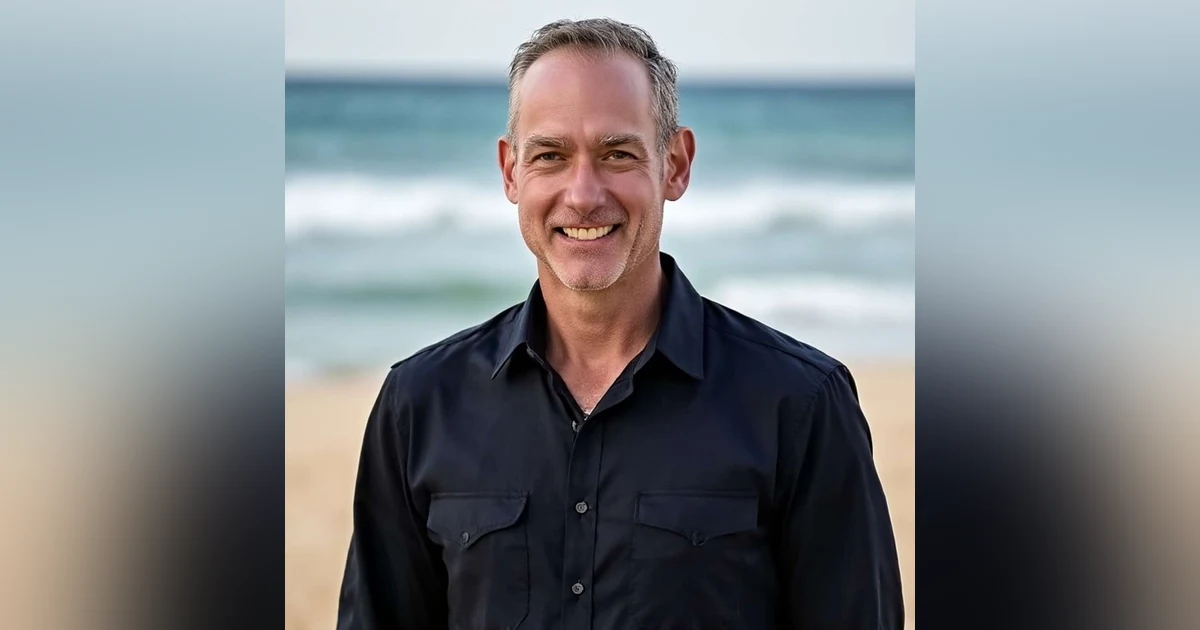

How does a simple idea become a successful company—and what happens after you “win”? In Part 2 of our conversation with Mark Rampolla, the founder of ZICO Coconut Water, we explore the full entrepreneurial journey—from launching a startup to scaling it, selling it to Coca-Cola, and ultimately rethinking what success really means. Mark shares how he moved from a corporate role at International Paper to taking the leap into entrepreneurship, building ZICO from the ground up—starting with early ...

 Apple Podcasts

 Spotify

 Castro

 RSS Feed

 Youtube Music

 YouTube
How does a simple idea become a successful company—and what happens after you “win”?
In Part 2 of our conversation with Mark Rampolla, the founder of ZICO Coconut Water, we explore the full entrepreneurial journey—from launching a startup to scaling it, selling it to Coca-Cola, and ultimately rethinking what success really means.
Mark shares how he moved from a corporate role at International Paper to taking the leap into entrepreneurship, building ZICO from the ground up—starting with early product testing, selling out of a van, and finding traction in unexpected places like yoga studios in New York.
But the story doesn’t stop with the company’s growth.
In this episode, Mark discusses:
- How he identified coconut water as a market opportunity and positioned it as a next-generation sports drink
- The early struggles of launching ZICO—including moments when the business nearly collapsed
- How focus and momentum in a single market helped the brand break through
- The process of selling the company to Coca-Cola
- Why achieving financial success didn’t immediately lead to the sense of freedom he expected
Along the way, Mark shares the deeper lessons that shaped his book, An Entrepreneur’s Guide to Freedom—including the realization that the traditional formula of “build, scale, and sell” doesn’t guarantee fulfillment.
This episode is both a founder story and a reflection on what success really looks like, offering insights for entrepreneurs and anyone navigating their own career journey.
To discover more episodes or connect with us:
00:00 - The Success Myth And Its Cost
01:04 - From International Paper To El Salvador
06:35 - Learning Yourself Through Hard Management
11:55 - Fear Sparks The Startup Decision
16:55 - Screening Ideas And Finding Coconut Water
21:50 - The Leap And The Near Collapse
26:10 - Selling In Vans And Finding Yoga
31:20 - Momentum In New York And Big Geyser
35:40 - Negotiating Coca-Cola And The Exit
41:10 - Money Without Freedom And The Wake Up
45:40 - Buying Zico Back And Building To Last
49:05 - Discipline And A Playbook For Freedom
54:10 - Host Takeaways And How To Support
0:02 People talk about like there's three things you need for success. A mindset, skill set, and tool set. And the concept is well, skills and tools are your business and your training and your industry and whatever. Just have the right mindset. Well, how? I'm frankly drinking a ton. I'm working my ass off. My investments are all over the place. My marriage is falling apart. My health is not great. I kind of wake up one day and realize, wait, this is success? Like, what happened? I, like many entrepreneurs, believe the myth.
0:45 Have a great idea, work really hard, scale your business, make a lot of money, then you'll be successful and free. And it's a beautiful myth. But it's a myth. I believe the most powerful journey, and really in many ways the only journey we're on, is learning about ourselves. Hello and welcome to No Wrong Choices. I'm Larry Samuels, two charts taxena, and Larry Shea will join in just a moment. This is part two of our conversation with entrepreneur Mark Rampola, the founder of Zico Coconut Water, and now co-founder of Ground Force Capital. In this chapter, Mark shares the story of launching Zeko, building it into a successful brand, and eventually selling the company while continuing a journey of self-discovery that shapes how he approaches both business and life.
1:35 Before we jump back in, please support the show by following or subscribing wherever you're listening. We'll pick things back up with Dushar as the conversation turns to the moment that set this next chapter in motion. Were you with the paper company at this point? Yeah. So I was there for um, I was uh I had met my um then wife, Mora, in in grad school. She was uh at at uh Chapel Hill and we had met through some mutual friends. We moved to Memphis, Tennessee, together. And so I was I was with International Paper in Memphis for about two years, where I I I traveled a ton. I was in Europe, Latin America, and Asia supporting the businesses.
2:17 I I worked for a great guy that kind of ran the division. So uh it was sort of a generalist, you know, catch-all strategy type role. But it was great. I I learned a ton, I really loved it. And then an opportunity moved up to uh uh opportunity opened up in El Salvador. El Salvador. And once again, in a company of, I don't know, they must have had 200,000 employees at the time. There's probably, you know, how many? There's probably one person in the company that is excited, jumping up and down, but also speaks fanists, has lived in the region, you know, works in the division, has an MBA.
2:58 So I I got a chance to move to El Salvador. And so I moved with my then, by then she was my wife, Mora, and ran a little first a little business that was beverage packaging. So we made like gabletop cartons for milk and juice companies in Central America. And I had 50 people, I was the general manager for that little business. What did that experience teach you? Oh man, that that taught me, or let's say that teached me, I learned so much. That that five, that was five years, but even particularly that first year was transformative for me because I I had to transform.
3:41 I had to become a person that I that I wasn't. Fortunately, that's one thing I I liked, and I did have this insight at some point, probably in grad school. I I remember I remember looking around at my classmates at at Duke and thinking, oh my God, I'm never gonna be as good in finance as this guy, ops as that woman, this marketing as that person, you know, all these people are way better than me. What do you do if you love all of them, but you're not great at any of them? Oh, that's the that's the manager. That's right. So you realized, oh, I want that.
4:22 It wasn't like power or anything. It's like, oh, I actually I think I can probably do that. And then I also realized, well, wait a second, like these big corporations, IBM, Coca-Cola, you know, wherever, you get on this program and then you rotate around, and then you're doing this. It's like it's like 20 years until you're really running a business, and then it's not really a business because the back office does uh does accounting and the legal department does legal. The the place where in big corporations where you really get to run a standalone true business is international. And so I set my sights on that.
5:04 That's one of the reasons I went to international paper. So when I got that opportunity, it was amazing because it's it's a standalone legal entity. It's actually a joint venture, international paper owned 80%. Some local families own the rest. It's got legal and employment and country representation. I need to know the ambassador and I need to know the trucking company, and I got to deliver dividends at the end of the year, come higher, hell water. I got to report to a board of directors. So I learned a ton and mainly about myself. I I believe the most powerful journey, and really in many ways, the only journey we're on is learning about ourselves.
5:45 And so I learned where my strengths are, where my challenges are, what I'm good at, where I get, you know, run in the fear, where and and so that process was one of the most powerful of my life. And I look, I almost failed. Like it, it was, I had a couple times where I thought, man, I don't know if I can do this. I don't know if they're gonna let me keep doing this. Um, but I but I but I did, and I wound up doing a really good job there. And that became the foundation uh for what came next. Can you talk to us about you know Zico and where the idea came from and how that all came together? No, you're right. That was that was the seminal, that was the seminal sort of professional development opportunity for me for sure.
6:30 Fast forward five years later, now I've been yeah, or uh four years later, maybe six years with international paper. I'm now beginning to think, okay, we've El Salvador is like, we've been there for five, 10 to five years, like it's time for a change. It's a small country, it's uh it's it's great, but we want to we want to do more than just this. And so yeah, I started talking to the company. I was getting, you know, internal development conversations about next jobs, and a couple came up. One was um to move to Brazil, um, another was to move to uh Europe and and do uh actually an HR role, but but for run human resources talent for a billion-dollar business there.
7:11 The other one was they wanted me to be the global manager for tobacco packaging business. And I said, Yeah, you guys don't know me that well. That one's not happening. And I started to realize, like, oh man, I love this company. They've done great things for me, but they're headquartered in Memphis. I I loved Memphis. We loved Memphis, it's not where we wanted to be forever. So it was hard to imagine, oh, if I stay with this company, you know, I'm moving around, great career, but then I wind back in Memphis. And at the end of the day, it's paper and packaging. Like it's I I love my job, I love the company, but that that's not exciting me that much. So I started to realize I think I got to go find another job. And I got in the fear.
7:53 Like, oh God, how do I get a job? What am I gonna do? You know, uh I'm um the job I'm probably best suited for means I live in Miami and I travel 150 days a year, running some business in Latin America. I don't really want to do that. And I started to wonder, and it was actually out of fear, like, man, I wonder, I think I need to start something. I just think I need to start something. And it wasn't like an excitement at first, it was fear, but that that's okay. Fear can be a beautiful motivator, right? A beautiful motivator, and it also came from understanding who you were as a person. That took which is huge. That took time to emerge, but yes, and I and I will tell you that it it uh looking back, I had until that time, I had no interest in entrepreneurship.
8:42 I thought it was weird, like I didn't get it. I remember in grad school, people that were doing that were a little bit on the odd, you know, side of things. It just didn't make sense to me. But in Latin America, I started to meet some family businesses, I started to um uh provide some, you know, uh uh work with some family businesses, entrepreneurs. And by now I'm in my early 30s, probably. So I'm I'm meeting enough people and seeing enough different experiences that I'm I'm starting to think, oh, there's something out there. And I'll give you one little example too. I'll never forget International Paper acquired another small packaging business. And and um that the person that ran that business, it's a family business, was gonna be peers with my boss.
9:30 And I remember my boss telling me, oh, Mark was his name, oh, he's not gonna show up at our next off site because he just made a pile of money. He's gonna be skiing out of his place in Vale. And I remember thinking, uh uh, I like that, I like that scenario. What's that? Yeah, what's that scenario? So I started to get interested. And then I then I I this is where I think my ADHD helped me develop one skill. I am really organ, I'm a planner. And so I started to lay out, okay, if I'm gonna do this, how what criteria do I want to use? What is a good idea?
10:12 Is it you know about the size of the market, the uh margin opportunity, but it's also about what I want, what what excites me, what I think I'll be interested in for a decade or two, something my girls might think is interesting years from now. So I actually developed a set of screens that then when I would have ideas, I would run them through the screens and could sort of rank them and compare them. So I had a ton of ideas, but uh coconut water was on the list because I'd first discovered it in Costa Rica as a Peace Corps volunteer, just drank it like everybody else. But then when I was in the beverage industry, I'm supplied, you know, reading the beverage magazines. Remember, vitamin water was taken off in maybe 2003.
10:55 And I remember thinking, like, okay, great branding, interesting, but you know, it's not that healthy. Meanwhile, I'm drinking coconut water all the time, you know, having it for uh, you know, after a workout as a you know, hangover cure, just as a great beverage. I was super active and I'd gotten off a gator eight years ago, and I had learned about the electrolyte properties over the years, and just to realized, wait a second, wait a second. What if we could position coconut water as a as sort of a next generation all-natural sports drink? And that got me excited, like, okay, that could be big. That's exciting, fits with my lifestyle.
11:38 And that began, that began the process. I love how you're bringing us right through the brainstorming process because that's something that we we often don't get that little window into seeing. So you're telling me essentially in our audience that it wasn't really a Eureka moment. This is something that you were planning on and working on and striving towards. And you're doing this while you're still an international paper, correct? So we talk about courageousness with entrepreneurship, and like at a certain point, you had to take that leap of faith. What was that decision-making process like? And when did that happen? Oh man, yeah, great question. Let's see. At that point, I would have been when I started, what did when I quit, I would have been uh 35.
12:24 You remember the day? No, good question. I'm sure I'm sure I could find it, and it was a kind of a series of moves telling different people. But I do remember, I do remember flying up to um to the my the headquarters in Memphis, and I met with my boss. I think actually that's when he told me, I told him I was leaving, and he said, Are you kidding me? I was just about to put your name in for the global head of tobacco. And I said, Yeah, perfect. Have you met me before?
13:05 Yeah, I met the head of HR and I, as a debrief, yeah, she wanted to know what was going on, and that's I told her, I told her what's happening. And she she said, What did she say? Something like, um, I'd love to tell you that we could compete, like we could offer you so many, so much potential because you do have a lot of potential here, but something tells me it's not gonna matter. And I said, Yeah, you're right. I've made I've made my decision. So that that was a process, right? I I I have a high tolerance for risk. I have a little bit of a you know, leap before you look uh uh approach, ready fire aim type of stuff, right?
13:46 Yeah, exactly. My um my ex-wife more was still very amicably separated, you know. She did not, and she's very rational, very adventurous, but she had some legitimate concerns and cautions. Like, uh, yeah, we have two little babies. Like, uh, what are we gonna do? How do we take care of insurance and stuff like that? She's from New York, and and I had concluded I wanted to move to New York to launch the business. And she's like, look, I got out of there for a reason. Like, I I'll go back for you, but like uh it's gonna be for a window of opportunity, right? So so it took a it took a while, it was a process, but at some point, and I actually launched the business before I I I I think I quit, gave notice, but then it it was like a three-month period of time because I I had a pretty big job and it took some time to manage the transition.
14:41 So there was sort of a three-month window until we moved um to uh so I think we launched in. I probably gave notice in. In fact, I'm certain. I I can find the date. I gave notice after a first trade show. That would have been fancy food 2004, probably June or something like that. In uh in New York? In New York at the time. I feel like I might have actually been there then. No kidding. I think I knew I was actually there. Why? Why were you there? And I remember, I remember the response was so good.
15:21 People didn't know what the hell it was, but we had a beautiful booth, beautiful branding. Not only what it was, but that just there was there was so much excitement about something new here that I realized, okay, this is it. So I think I may have flown from there to Memphis and given notice. But then it took three months until we, I don't think we moved until probably September or October. Um, and I'll can bring you up to speed on the whole thing, but we were uh bankrupt by by uh December. Really? Wow. So my next question was going to be so what was year one Zico like? Year one Zico was like, I'll give you one one little glimpse.
16:02 Probably, yeah, definitely within a year. Um we had uh realized can't afford New York, can't afford afford Westchester, where where my wife was from, so we got to go to Jersey, which my wife was not you know uppity or anything, but you know, you get in New York as well. Relax. I live in WSU. Nobody. So we're we're in a nice little house in New Jersey, and I am it's late, late at night. I'm in our garage taping boxes of Zico for Amazon to pick up the next day, or for uh FedEx to pick up the next day, or UPS to ship to yoga studios around the country.
16:46 And my wife comes out, and I know I can't remember, she didn't even have to say it. I know she's thinking, wait, wait, wait, wait, wait, wait, wait. A year ago, you're managing 300 people, you're traveling business class, we're renting beautiful houses anywhere we go, we've got more money than we can, we know what to do we can spend, and now you're taping boxes in the garage, and we're not sure how we're gonna pay our mortgage this month. Like, what happened? Where did the name come from? I'm curious. I um my my sister is an architect, and she was involved, she did the original branding for us.
17:33 And she and I um I again I set criteria. I want it to be short, memorable, um, non-offensive in the nine nine major world languages, and have either co in it, something referenced to either coconut or health and wellness. So she and I developed a spreadsheet of every possible combination of three to five letters, right? Pre-AI or something just manually, and then sort of went through the process of elimination. Oh, and and could it be registered? Could we get a URL or a trademark or something like that? And so um there were um, and Zico just sort of stuck short, memorable.
18:14 We could trademark it, um, and had co in it for coconut, and it just sort of took on a life of its own. So talk to us. I I'm now imagining you in the garage, wrapping boxes, taping things up, sending them out. But even getting to that point must have been incredibly hard. How do you get started? Yeah, you've got the name, you've got the product. How do you start to get it into the marketplace and begin to scale your business? Yeah, you know, when I when I look back, one one thing I did really well. I I I think I was I was aware of what I didn't know, and and I was aware of myself enough to know where I had some big blind spots.
19:01 And so what I knew I knew quite a bit about the supply chain because I was a provider to the beverage industry. So I knew packaging, I knew processing, I knew equipment, I didn't know anything about coconuts, but I knew a piece of the business. I knew nothing about the brand building, the go-to-market strategy. So I studied. I remember researching, I I researched every major beverage brand that had launched in the previous 20 years. Um, Red Bull, Monster, Honest, uh, no, this would have been pre-Honest T, uh, Snapple, you know, uh, Vitamin Watt, all those brands. I read everything I could to understand how did they go to market?
19:43 How did this industry work? One thing I I wish I had done more of is really find some experts. I found a few, but I really just kind of did what people might call desktop research, right? Just what can I learn about this industry? And that was hugely helpful. And where I did leverage some of my network is I had a really good network of advisors and consultants we used for international paper because we also not just sold the packaging, we sold all the equipment as well. So I hired a guy that I knew to help me develop a supply chain model and and and including potentially building our own facility, but then also looking around the world, okay, where do they grow coconuts?
20:24 Where who is doing what where? And we found some people in Brazil. So went through that whole process. And then I can, you know, sort of concluded, all right, you start in one market, like that seems to be the conclusion of all of this research. I didn't, I was cautious. Uh, in fact, I think I was cautious and confused. Like, okay, there's these distributors go to specialty stores like Fairway or Dagostinos, these distributors go to convenience stores, these distributors go to Walmart. Like, how do you do this? So I decided, you know what? I'm gonna get a van and and hire a couple guys, and we're gonna start selling out of the van and we're gonna figure it out.
21:04 Wow. Do you remember your first sale? Do you remember the first person to hand money over? We we did, in fact, before we even were selling, we did a a trial run of product um with a couple flavors and and stickered a label on. We brought it to New York, maybe it was one pallet load. We had to ship in from Brazil at a fortune. And then I hired a small team to go out into the market and basically sample and demo. And we identified, I don't know, 10 different segments. Um, okay, we want to check out the Latino community, we want to check out the Asian community, we want to go after athletes, runners, basketball, dancers, um, natural food consumers, college students, and yoga studios.
21:58 We try out all. All of them. Just, you know, get a cooler, go out, sample, you know, hey, yoga studio, you want to try some of this? Hey, at a end of a basketball game, try some of this. It kind of gathered all that feedback. And it was very mixed. You know, generally speaking, Latino community said, well, wait, this is supposed to be in the can, it's supposed to be 99 cents. I don't, it's not sweet enough, right? Like, okay, well, that's gonna be a challenge for what we wanted to do. Um, but the place where it really stuck was these yoga studios, hot yoga, bickram yoga at the time was just taking off. And and what I realized is, oh God, it makes sense.
22:38 It's active, you know, 90 minutes, 108 degrees, right? And 26 positions or whatever it is, it's active. Um, they are it's predominantly women. They're, you know, of a certain means, you know, they've got a certain amount of disposable income. A lot of them are probably travelers, right? They're traveling to Latin America, they're they're eating at Thai restaurants, they're going to natural food stores, and and they um um are obsessed about health and wellness. And at the time, the yoga studios had vitamin water and smart water. Smart water during class and vitamin water after class. And I I realized, oh, there's no question we can convince people to drink this funky coconut water versus vitamin water in these yoga studios.
23:27 So I remember the first yoga studios, I'm not even sure I met them that first day. Somebody else that I hired had, but then I met them soon after. Uh, but the feedback I got is these yoga studios want to buy it now. Like they want whatever we have. And I'm like, it's not even allowed to sell, like it's not marked to sell. Just give it to them. And so all of them, like then I met some of the owners, and they're like, We want this. So, so as soon as you bring it in, we'll take we'll take it. And those were our first customers. All right. So when did Zico? I mean, I mean, I don't want to say, yeah, I guess, but on a large scale, break through. Like, what was that breakthrough moment?
24:09 Look, it's I I wish I could tell you there was one, it was uh it was a process, right? Yeah, it was a process. It was probably four years and and a lot of pain, a lot of difficulty. But I think the the thing, the thing that helped us was you know life and business and entrepreneurship is a momentum game. And momentum you see in concentration, right? It's hard to see momentum spread across you know too many data points. And so one thing we did good early on, I got some interest and sold some product elsewhere, but it never worked out well in terms of repeat sales.
24:51 So I I I coined the term New Jersey's International. We sell in New York. That's it. And it's New York City. And so, and even then, we were really selling in and around these 15 yoga studios from Upper East Side, Upper West Side, Brooklyn Heights, you know, the you know the two, you can imagine the spots. So, but given we we were so concentrated, it started to like click. And so, and and what I remember, and that was both our sales, but by this point, we had a major distributor in New York. There's a big distributor in New York called Big Geyser. They're independent, they've put a ton of brands on the mark on the market, net tucked nectars back in the day, vitamin Water, smart water, and muscle milk.
25:36 They took on Zika. And and I remember some of their distributors, because they're all at the time they were these little independent distributors running, you know, one route on a couple streets. And all of a sudden, I remember the first one took a pallet, 200 and something cases, to put on his truck. Wow. And I'm like, okay, this is now happening. And I and I remember um soon after that, you know, uh Koch had bought vitamin water, I forget what year, maybe 2007 or something like that, for like 4.2 billion. They were public, they never wanted that to have to happen again.
26:19 So they formed this new group called Ventures and Emerging Brands to kind of get brands early. And I met somebody from that group. They were in New York checking out brands, they went the big geyser to see what's kind of trending there. And the guy told me, he said, Mark, you're not gonna believe this. We did nationwide research of trends, not just beverages, overall trends. And Zico showed up, not coconut water, Zika. And he said, Can you believe that? And I said, Yeah. And I said, he said, Why? Why would you believe that? And I said, Well, let me guess. You targeted, you know, New York, um, LA, Miami, Boston, and those cities.
27:00 Yep. Okay. You targeted, you know, sort of 25 to 35 year olds. Yep. You targeted people that were in the health and wellness and and uh, you know, probably shop at Whole Foods, they're probably runners or cyclists, you probably included some yogis because that's trending right now. Yep, yep, yep. So that's our audience. So we targeted them for the same reason you are targeting them as trend makers, because I wanted you to conclude to find us this way. You know, wow, brilliant. Was your intention always to sell? It was, and to sell to Coca-Cola, for better or worse, from the beginning, very first, you know, strategy document or vision document, I wanted to sell to Coca-Cola.
27:43 And the conclusion, the the logic was very simple. I don't want to run this forever. I don't want to pass it down to my kids. Um, and I want to scale scale to a point, sell it to them, and let them make billions selling something healthy. That was the audacity to think I could actually change the Coca-Cola company. That's pretty cool. Yeah, you did it. Really? Not a bit. Not a bit. We'll come back to that. Yeah, right. Sort of, right. Um so you you obviously we want to know all about this process. You know, we're gonna run out of time here eventually, but I mean, how what are the negotiations like? What did you like? Talk about when you knew it was imminent.
28:23 Yeah. Um, did you feel good about it? What what was that like? Were you a thousand percent involved? Did you bring in people to help with the with the sale? How did that work? Yeah, it's it was an interesting process. So this was a unique process. Uh, it happened sometimes, but you know, I was clear, I I we were still really small. We were, I don't know, we were probably we were less than 20 million in revenue. So we were very small. And and you know, I I knew it was early, but I also knew, man, these things don't come along too often. There's only one Coca-Cola and one PepsiCo.
29:06 And they also were interested in sort of invest early and have a path to ownership and help along the way. And I was naive enough to think, oh, great, they're gonna be so helpful. It's gonna be great. So, so conceptually, what we aligned on was a multi-step process where they would make an initial investment um and and uh you know, we'd get the capital we need to grow. Then we would start to figure out where they could be helpful, and then eventually they would have an option to buy it. And and uh so and you know, I I I pretty much negotiated that deal myself.
29:50 And I I I did have a great lawyer, but I didn't have an investment banker, and the lawyer wasn't doing the negotiation. And I remember um, and there was a third party involved as well. There's a a guy, um, New York guy named Jesse Itzler, um, who uh founder of Marquee Jet. And so he was trying to start his own coconut water, he was talking to Coke as well. So I wound up structuring a three-way deal. And you know, two-way deals are tough enough, three-way deals are typically impossible. I think what helped was I I sort of set the stage like, look, here's the minimum it's gotta be, here's the kind of structure it's gotta be.
30:35 So it it took me kind of carving a path and then allowing that all to structure. Now, this is where I will acknowledge like, look, I think having an MBA, having worked at IP, having international paper, having done all I'd done, I had what probably most entrepreneurs don't have. And I'll tell you in hindsight, I wish I had a partner at my side. I do. I wish I had either a bank or a private equity firm or a growth equity partner, because I think I could have got a lot better, a lot better um deal. You know? I'm curious when you structured that first deal and you took the money in and you set up the milestones. Did you negotiate a price that you were going to sell for then, or did you leave it open-ended to figure out later on?
31:21 And we did we did a multiple. So so it so the price wasn't fixed, but the multiple of revenue was. So the good news is it was a multiple of revenue. The bad news was it declined over time. And their argument, you know, typically now I'm on the other side of this, multiples usually go up. The bigger the business, the more it's worth on a multiple basis. But usually it's not a multiple of revenue, it's a multiple of profit or ibita, right? But so, so it was, and their logic was look, we're gonna help a lot, we're not gonna pay extra for helping to build it, right? So it was a structure that that worked. At the time, I looked at this and said, Well, God, this is more money than I ever thought I'd make, or anybody in my family's ever made.
32:09 You know, now I look back and say, Wow, I should have structured that completely differently. But whatever. No wrong choices, right? Maybe that was the best thing that ever happened to me, you know. So I'm curious about the other side. So you get the deal done, you now have more money than I'm sure you've ever imagined having in your life. You've caught the car, so to speak. Um then what? Like, like what are you feeling? What are you thinking? Uh how do you probably answer that question? How much did you sell for? Uh if you don't mind me asking. First of all, no, no, not at all.
32:49 So so so um there this was a multi-step. So the part I'm talking about was an initial investment, right? Then they had the option to buy. That took another couple years. So 2013, they did buy the whole company and we sold it for a little over 200 million. Oh man. Um and and so um, yeah, and I, this is interesting as well from sort of a career standpoint. You know, I didn't want to work for them. I respect them enormously. I've got a lot of great friends that are there. I had enough of five years of dealing with them. So I structured it so I was out day one. And that that I didn't expect to happen really. So it was a delight.
33:30 So in many ways, it was amazing. I've got money in the bank, I've got um, you know, sold the company, we're building a beautiful house on the on the beach, and I'm, you know, how old am I then? Uh uh 43 or so, you know. And you know, if I'm not an idiot, I don't ever have to work again. Of course, of course, right? Um even if you were an idiot, I don't think you'd ever have to work again. I've learned I've learned. There you go. You know the stories. This is this is no joke. You know how many athletes, right? How many I know people that have blown through I know people that have blown through many, many tens of millions of dollars.
34:17 I don't know people that have blown through hundreds, but I know they're out there. Hundreds, right? So, so, and I I will, I honestly, I can look back and see I came close. There's a there's a non-zero scenario where I'm broke because I was not prepared. I hadn't done a lot of the inner sort of emotional work. And so the first couple of years were amazing. You know, I'm taking time, I'm surfing, I'm traveling, I'm partying, we're renting houses, everything's great, you know. But then um, little by little, I I think I felt like, you know, oh wow, now people people are interested in my advice.
35:00 They want to, they want my help. Well, they also want my money, you know. So I started investing in businesses and not a lot of discipline or process or methodology. So very quickly, I wound up investing in 40 companies and not small investments. Wow, not small. And so, you know, six figures and and some a couple even bigger. And and uh and I realized some a couple years later, like also I'm frankly drinking a ton, I'm working my ass off, my investments are all over the place, my marriage is falling apart, my health is not great.
35:40 I kind of wake up one day and realize, wait, this is success? Like, what happened, you know? And and so that that began a whole life transformation for me that took about seven years. But that's um, you know, it wasn't wasn't all it was beautiful, it was wonderful, but it was definitely not all that I had thought that the myth would would would deliver me, you know, this fantasy would deliver for me. Yeah, and this is a lot of what the genesis of the book is, is right learning these very valuable and difficult lessons. Just before we move on to some other stuff, can you put the bow on Zico?
36:22 When did you go back and reacquire that and why did you do that? Yep. So 2013 sold it all, and then um became an angel investor, then started our first funds under the name of Power Plant Partners, then raised a bigger fund under ground fourth capital. But along the way, I think this was before we were at the tail end of our second fund. I now have you know institutional investment firm. I've got partners and a and a and a team. We're looking at investments. We're looking at growth stage investments. And I get a I I get a call from from someone um in Coca-Cola that's basically giving me a heads up that the following morning, there's gonna be a Wall Street Journal article.
37:05 This was 2010. No, 20, sorry, sorry, 20, 2020, post-COVID. Wall Street Journal article is gonna leak. Coke is selling off for shutting down 200 brands globally, and Zico's among them. So they decided to focus on their core. A lot of big strategics did this post-COVID. Forget all this little stuff, just sell Coke. And so um, they were gonna sell off Zico. And so I talked to my business partner, Dan, and said, Man, should we make a run of buying this thing back? And so we put together a thesis and a team and and bought it, bought it, bought the brand and the brand only, meaning we didn't buy an ongoing business, and then put a team in place that started to build back, build back the business.
37:51 And that's been so that's been since 2020. So we're we're five years in, and it's been it's taken longer, it's been harder, it's taken more money than I we expected. But by next year, it'll be big, it should be bigger than it was when I sold it to Cook the first time. And I could tell you one big difference. I I I don't love this, admitting this, but I can own it. Once Cook made a minority investment, the game was on and it was built to sell. Now it's built to last. It's built to last forever. Maybe somebody buys it, but it's built forever. And you took your baby back.
38:32 I took my baby back. You've got two daughters. There you go. And and little Zico, he was a rabbunctious little guy. I was happy to get him out of the house. But you know what he came back? He came back. I love it. Uh, I'd be remiss if we didn't ask this question before this interview ended. Um, because I you talk about it so much in your book, and I took so much out of it. Um, can someone without discipline achieve these things at the highest level? Oh god. I haven't seen it. I haven't seen it. I I I I see, I used to believe, I think whether it was a true belief or just this sort of unconscious myth, if I make enough money, then I could do whatever the hell I want, whenever I want.
39:14 I don't have to be disciplined. I don't have to. I know the lazy one in me. I know the one that wants to, you know, the prior me. You know, have champagne in the morning, you know, work out, do what I want to do, have a glass of wine at lunch, you know, um, and just do whatever the hell I want to do. I don't even have to worry about managing my money. Like it just, it just flows in, right? And and uh and I realized, yeah, it doesn't quite work that way, at least not for me, and very few people I know. Very few. And and I I've learned that that's been a painful, painful lesson. Like when I look back on my early personal investing track record, it's not great.
39:58 Thank fortunately I had a couple big wins, but like I got way over my skis. I got way over source, and I hear this story all the time from entrepreneurs. When I share this, I have people come up to me or call me up and say, Oh my God, me too. Me too. It takes discipline. And that that there's a way to build it. And I go into that in my book, but no, I don't think that's possible. Let's talk about the book. So we've all you know poured through it. We've all been inspired by it. We could all frame it in our own way, uh, but nobody could frame the story and frame the key message better than you. How would you tell the world?
40:40 You know, just just tell us, just set up the story for us. I would say that the way the way I like to set this up is I, like many entrepreneurs, believe the myth. Have a great idea, work really hard, scale your business, make a lot of money, then you'll be successful and free. And it's a beautiful myth, but it's a myth. And in my journey, I realized that I technically won. I I did that and sold the business and had the success. And but I but over time I started to realize I didn't really feel free.
41:21 I felt trapped by the same emotions and limiting beliefs and more desire for more in the next car to chase, as you said, right? And I see this all the time with entrepreneurs, and whether it's millions, tens of millions, hundreds of millions, or billions, it is absolutely no guarantee of freedom. And that's for the successful ones. And then you have the 90% plus of entrepreneurs that are either quote unquote fail or somewhere in the middle. And what kind of setup is it? Like what they can never be free, right?
42:02 Ever? Right. So so I when I started to realize that, I started the question, God, is there a different way? What if I started with freedom first? Start with the end in mind, we're told, right? Okay, this is what I want, this is what I'm gonna start with. What would that look like? And could it in fact deliver even better results in business? Could I still be active and competitive and driven in business? And what I found is, in fact, yeah. And in fact, I started to realize myself, and after talking, you know, work with hundreds of entrepreneurs, uh there's this there's this gap in our like mental programming and software that traps us in this ideal way to be an entrepreneur, to be successful, to be a man, to be a person, uh that is so ingrained in us that we f we we we just follow it.
43:01 Little things like there's no place for emotions in business, right? That to be successful, you have to do but bub but versus let's talk about Larry, what Larry needs to do. How does Larry build his life? How does Mark build his life? They may be completely different, right? And so I went on my own journey to say, how do I break free of all this prior beliefs and myths I had to chart the life I want? And I learn by writing. That's how I carve, carve. I'm not great at as great learning by reading, believe we talked about experience, but I do work things out by writing.
43:42 So I came up with my own system. I sort of hacked my own operating system, picked up some tools and techniques from, you know, and worked with a ton of world class coaches, therapists, neuroscientists, psychoanalysts, you know, uh uh um spiritual teachers and guides. And then consulting and working with hundreds of entrepreneurs came up with this methodology that works for me. I started using it in my business with my partner and my team and started getting feedback like, wow, this is amazing. And what has happened? What are you drinking? Like what shift is it? Coconut water. What is in that coconut water?
44:23 I I started to I decided, you know what? I'm going to share this. If it if it resonates with anyone, amazing, but at least for me, it I wanted to, to your point, put a bow on like this chapter of my life as I prepare for the for the for the back half of my life. Well, I will share that it's been you know very helpful to me. You know, I'll share. I sold a company, you know, six plus years ago, and I went through part of what you went through. And I caught the car and I came out the other side. And I have personally been going through this process of, okay, now that I'm safe, know that I'm now that I'm no longer driven by fear or all those other things that that were driving me for so long.
45:09 It's like, okay, now what? And to your point, I thought that that freedom was going to be right in front of my face on the other side. And you take a deep breath, you'd take a step back. But if you're wired in a particular way and you're used to striving and driving and doing all those different things, it's impossible to shut it off. And there's this discovery process that that you go through and that I have gone through to figure out, you know, what creates meaning on the other side. So sitting down reading your book, um, it's like, oh yeah, that's me. That's me. Like it it's so resonated. So I thank you for putting everything that it's been in my head on paper. You're welcome. I appreciate hearing that.
45:50 Look, you you said a couple things that that I think are so powerful. One is meaning. I do think that's that's a powerful concept that gets lost, the distinction between success and meaning. And the other thing I'll say is, you know, you you said it's impossible, but yet you're finding your own possibility to rewire, right? Yep. And the other thing I'd say is I I I hear from a lot of um, you know, younger entrepreneurs or people that are kind of in the weeds. Oh, look, that sounds great, but like I don't have time for that. You know, maybe later. That's great for him or Larry because they sold their businesses. I'm in the grind, right? I am telling you the the applications for this, it is designed and built for people in the weeds because that is it is a trap to always push this stuff off.
46:36 And I and I offer some really specific tools and skills. Yeah, people talk about like there's three things you you need for success uh a mindset, skill set, and tool sets. And the concept is well, skills and tools are your your business and your training and your industry and whatever. Just have the right mindset. How right? I get into the how. How are the things, what are the little tricks and hacks one can use immediately today? You don't have to study, they're just really simple little things that can help you feel more at peace, more free in the moment, and that actually leads to better results.
47:16 All right, so I'm gonna go kind of back to my initial question to you at that we started, but I want to ask one thing is that so your book, which is called An Entrepreneur's Guide to Freedom, is it really for just for entrepreneurs? Because I mean, you know, I've seen so many of the uh so many of your own little sayings, like you know, consistency is the refuge of fools, right? That is something I've used myself as a show producer, right? I hate being consistent when it comes to doing shows. Just roll out of bed, get yourself up and going, things of that nature, emotions or teachers. This is very much like what I use in my own my own daily life, in my own career. Life lessons. Yeah, these are great life lessons. So I'll go back to my initial question. Are you a life coach or are you someone who is someone who just is giving advice to entrepreneurs?
48:01 What am I to you? Right? Um I mean I say that facetiously, but but like, look, I I uh know this isn't just for entrepreneurs at all. I I was very thoughtful, or I think I was, in you know, this is the audience I know, this is the crowd I know. In many ways, I think this is the the audience that needs it the most. 80 plus percent of entrepreneurs will have a mental health crisis in their journey. 80% of producers will have a mental health crisis in their journey. So, so it's not only for entrepreneurs at all. I chose to be specific to kind of you know get through, but my hope is and belief is that it can speak to anyone.
48:47 And and I I I I feel like I I would be I would be excited about doing this work anywhere with anyone. I just happen to work with entrepreneurs. That's where I am, that's what I do right now. And so why not why not them? Why not them? As we close things out, uh young person, MBA, whoever they are, who has an idea, uh young entrepreneur, what advice do you have for somebody who's just getting started? Yeah, there's probably one little one little tool I would offer them, which is ask yourself in pretty much any situation, what's the story you're telling yourself?
49:33 What's the what's that story? Could it be a fantasy, could be a negative talk track, could be whatever it is. Write it down. This business is gonna be huge. Oh, I'm not good enough to really do this. Whatever they are, write it down, and then ask yourself a couple questions. Am I certain percent certain it's true? What if the opposite were true? Can you allow for that possibility? And just that little that little gap between between not always believing what we think, not always believing the story we tell ourselves, is the beginning of a breakthrough that I think is both one of the powerful, most powerful ways for freedom, but it's the most powerful way for entrepreneurship, too.
50:20 Which is we tell ourselves these stories all the time. And if we can catch ourselves and reframe them, we've got a better chance of sitting in possibility and finding the best outcome. Great advice. Great advice. Incredible advice. Mark, we're we're so thankful you joined us. Everybody out there, get the book, an entrepreneur entrepreneur's guide to freedom. It is absolutely fantastic. Mark, thank you so much for joining us. You're welcome, fellas. Thank you. I really, really enjoyed this. Fantastic questions, and uh I I understand uh now the gift, the gift you bring. So thank you so much. We appreciate that. We greatly appreciate it. Thank you for that. Oh, and for those of you who are watching the video, look in the background of uh Larry Samuel's uh little man cave right there.
51:04 It is on the chair, it's on the chair. There you go. Good placement. It is really in pro in process. That is the need, Larry. I should I should like to have it right here. There you go. I should have them. I should have them. There you go. Drink this eco. Ooh, love it. Love it. That might be that that photo might be what we use for the episode. That concludes our two-part conversation with Mark Rampolla. We we typically run one and and we uh usually try to keep them somewhat tight and organized, but this conversation was just so darn interesting.
51:45 It was impossible to do that. This was just such a fascinating discussion. Larry Shea, what are your what are your some of your takeaways? Yeah, first of all, truly inspiring story. I mean, yeah, you're just so uplifted like hearing his story and reading about his story. And I just want everybody to listen to both these episodes again and take notes because he literally gave you a front row seat to, you know, how to take an idea and bring it to fruition. And that is just invaluable. So listen again. We love the listens, yeah. And take notes. Um, but yeah, he talked about so many interesting things. I I feel like working in international paper really set him up to conquer all of the obstacles that he was gonna face when he started his own company.
52:31 So, you know, your experiences lead you to another experience, lead you to success. And I think that's super important. Um, he said it was out of fear that he started Zico, right? Like what a motivating factor fear can be. Yeah. I I think it's fascinating that he had no idea what that big idea was gonna be. You know, he knew he wanted to do something big, but he had no idea it was gonna be coconut water and Zico. So that's pretty interesting. Um, and that and advice advice at the end, you know, what's your story? What story are you telling? And then write it down. And then ask yourself, am I certain? You know, what if the opposite were true? I mean, I love his analytical approach to conquering obstacles.
53:14 It just makes so much sense to me, and I'm truly inspired by the story. Well, you know, for me, Shay, it's it's kind of similar in many of the ways that we we look at our conversations we've had in the past with folks, and that the notion of no wrong choices. And in this case, it's the path that is not the traditional path to success. And I think for a lot of, in a lot of ways, you know, that is the real story here. It's not so much that, you know, he had the idea, he had an idea, he had a job, et cetera, et cetera, et cetera. It was that even in his early schooling, it was unconventional, right? He goes to the Peace Corps, he comes back to get an MBA. Here, the people there look at him and are like, well, why are you doing this?
53:55 You know, you went to the Peace Corps, you want to get him, you want to get a business degree. I think some of that story to me is inspiring because in a lot of ways, it does motivate you to kind of prove people wrong. And at the same time, you have a great, uh, you have so much more of a fuller background than those people who you would say are there on the traditional path, right? They go from high school to college, do all the business degree stuff in college, then go on to business school, but with no real practical world and work experience. Here is a man who went to overseas, got to see parts of the world, was able to formulate ideas about what I can do next, and then bring those into the business world with him.
54:36 And it made him a richer candidate, not only for not only for his MBA, but obviously for what he could, what he was going to contribute in the future as well. Uh to me, the this conversation is not simply about having the plan, fear is a motivator, you know, dreaming big, but it's also the notion of you know what? Not every path has to be the same way. And I think that's been like that's been an overriding arc in all of the guests that we speak about is that the path is not the same for everyone. There is no wrong choice a lot of the times. And everything that we do on that pathway to success will add tools to the toolbox. For sure. You know, and I think I feel like normally I'm the business guy and the analytical one, and not necessarily the the softy, so to speak.
55:23 Yeah. Um, but uh, you know, this conversation, I found it fascinating for personal reasons to a certain degree, because there are some commonalities between our stories in terms of, you know, running a company, selling a company, um, dealing with ADHD. It's something that um I discovered in my late 40s, similar to him. And it was quite the revelation to look back at my journey and the things that I did and gravitated towards and the strengths and weaknesses and everything else. And and and he went through the same thing. And and uh it was sort of helpful to me because he wrote down on paper a lot of the things that you know I had experienced personally and thought about.
56:09 And not a lot of people have gone through a self-discovery process in the way that Mark has and and and found a way to really understand himself and get to know himself and to leverage that, if that's the appropriate word in this situation, for the future and and to really put things back together in a way that make a lot of sense and provide meaning, et cetera, et cetera. Like it was just such an incredible story that connected with me on so many different levels. Um, he's such a fascinating guy. And for everybody out there, I highly recommend that you read his book, um, An Entrepreneur's Guide to Freedom.
56:49 We've all poured through it. It's fantastic. I learned so much. Too short and Larry did too. Um, I strongly recommend that you check it out. Is it still in the background on the couch? It is not. Well, you know, there it is. It is, there it is. It actually is behind the room. So important it is. So important it remains in the background. So that is the perfect sell piece right there. Pick up the book, An Entrepreneur's Guide to Freedom. Mark, thank you so much for joining us. This has been such a fantastic conversation. We also thank you for joining us. If you enjoyed our conversation, please support No Wrong Choices by following us wherever you're listening right now. You can also join our growing community by connecting with us on LinkedIn, Instagram, YouTube, and Facebook, or by visiting NoWrongChoices.com for great additional content.
57:38 On behalf of Larry Shea, Touchar Saksina, and me Larry Samuels, thank you again for joining us.