The Life of a Hollywood Stuntwoman: Heidi Germaine Schnappauf | Replay
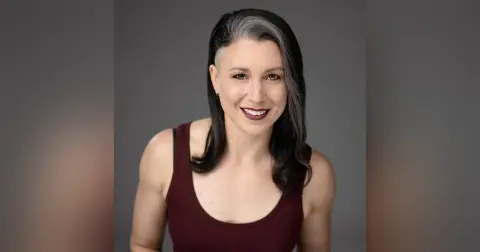

What does it take to build a career doing things most people would never dare to attempt? We're revisiting one of our favorite No Wrong Choices conversations, featuring Hollywood stuntwoman, actor, writer, and director Heidi Germaine Schnappauf, whose credits include Blindspot, The Amazing Spider-Man, and Jessica Jones. Heidi shares how her childhood passions for martial arts and performing led her to a career she never knew existed. She recounts selling her possessions to attend stunt school...

 Apple Podcasts

 Spotify

 Castro

 RSS Feed

 Youtube Music

 YouTube
What does it take to build a career doing things most people would never dare to attempt?
We're revisiting one of our favorite No Wrong Choices conversations, featuring Hollywood stuntwoman, actor, writer, and director Heidi Germaine Schnappauf, whose credits include Blindspot, The Amazing Spider-Man, and Jessica Jones.
Heidi shares how her childhood passions for martial arts and performing led her to a career she never knew existed. She recounts selling her possessions to attend stunt school, contacting hundreds of industry professionals to break into the business, and overcoming extraordinary challenges along the way.
From a rooftop sword fight in Tokyo to spending a night atop a swaying 60-foot tower to conquer her fear of heights, Heidi takes us behind the scenes of a profession where preparation, courage, and trust are essential.
It's a fascinating and entertaining conversation about persistence, pursuing your passions, building relationships, and embracing unexpected opportunities.
To discover more episodes or connect with us:
00:00 - Childhood Fighting and Karate Dreams
05:42 - School Days: Finding Her Performance Path
11:32 - From NYU to Discovering Stunt Work
20:03 - Breaking Into the Stunt Industry
30:55 - Conquering Fear of Heights
38:46 - Fight Scenes and Tokyo Rooftop Dreams
45:13 - Learning to Fall: Training and Safety
53:27 - Being Buried Alive and Underwater Stunts
01:07:30 - Evolution to Director and Future Plans
01:12:36 - Career Advice and Final Thoughts
Childhood Fighting and Karate Dreams
Heidi Germaine SchnappaufI saw Karate Kid and immediately was like, I can kick his butt. I kind of was questioning my life and was faced with the decision of what do I really want to be? And I remember watching a behind the scenes of one of the Tomb Raider movies with Angelina Jolie. I was obsessed with her, by the way. And I saw Angelina Jolie was doing martial arts kicks to a pad to someone that like looked like her. And I was like, oh, what's that? Oh, wait, that's a stunt performer. And I remember that clicking in my head, like, oh, that's a job. I have a fear of heights. We put on a climbing harness, went to this 60-foot tower, and we slept on the tower overnight. The tower swayed back and forth in the wind. So I'm up there and I'm freaking out. My all-time favorite, to this day, stunt opportunity was going to Japan for several weeks, learning a sword fight on a rooftop in Tokyo, overlooking the Tokyo Tower.
Larry SamuelsHello and welcome to the Career Journey podcast, No Wrong Choices. I'm Larry Samuels, soon to be joined by Tushar Saxena and Larry Shea. Today's episode features stunt woman, actor, writer, and director Heidi Schnappoff. Before we bring her in, please be sure to like, follow, and subscribe to the show wherever you're listening. Let's get started. Now joining No Wrong Choices is Heidi Schnapoff. Heidi has appeared as a stunt performer in countless TV shows and movies, including Blind Spot, Meravy's Town, and both the Teenage Mutant Ninja Turtles, and Amazing Spider-Man franchises. She has also acted in films such as Hereafter, which was written and directed by one of our favorite previous guests, Harry Greenberger. Heidi, thank you so much for joining us.
Heidi Germaine SchnappaufHey, glad to be here.
Larry SamuelsSo that was a mouthful that I just went through, but uh I can put together a list, but nobody knows the list better than you. Was that an accurate description? Heidi, how would you describe what you do and and who you are?
Heidi Germaine SchnappaufOh, geez. I mean, I would it depends on the day, to be honest, because this list is kind of like never-ending. It's funny though, because I'm usually introduced first as a stunt woman because that's what I've been made to be known for, I suppose. And I feel like that kind of encompasses pretty much everything else that you mentioned, which is kind of interesting now that I uh this is I can't believe this is the first time I'm actually thinking about it, but the the whole stunt woman thing combines a lot of acting, sports, film, all that kind of stuff. So all rolled into one.
Larry SheaHeidi, thank you so much for joining us. This is uh Larry Shea. How did this start? I mean, what was the dream? We always ask what was the dream, but are you dreaming of being a stunt person or is it something else that catches your fire as a kid?
Heidi Germaine SchnappaufBut it's funny because I now realize my dream has changed so many times. I mean, when I was a kid, I I I didn't realize what I was doing as a kid was being a stunt performer. Like I would have friends, little like friends in the neighborhood, and we would, you know, get together and mainly boys, sometimes like some of the girls, but I like to like roughhouse it. I was in karate when I was a kid, and I would get all my friends in the neighborhood together, and we didn't have a camera, but we made up fight scenes in the whole scenario where there's a fight and a shootout, and we have like all these like fake guns and like bow and arrows that we made out of sticks and things. And I would set up a scene as if we were filming it for a film almost.
Tushar SaxenaYou were directing even as a young kid. This is uh two sharps being there.
Heidi Germaine SchnappaufI was definitely bossy and directing all the neighborhood boys and uh doing like fight scenes when I was like eight or nine, didn't even realize it. Wrestling, and I remember the neighborhood, there's like a neighborhood lady who would be like, Yeah, stop your rough housing, and I'm gonna tell your parents. And I have like a guy in like a full Nelson. I'm like, That's fine, Nancy.
Speaker 4We're fine.
Tushar SaxenaAs a young kid, there must have been that one that one movie that turned you on to be okay, I want to try and do this. I want to get the kids together. I always had that one movie that I was for me, it was always Jaws. Was Jaws or Star Wars? Those were the two flicks that I loved. My friends and I, we would act out scenes from them. What was that one movie then for you, one movie or show for you as a kid, which was like, okay, we're gonna we're gonna put this scene on.
Heidi Germaine SchnappaufIt's funny because I don't know that there was necessarily one movie that I wanted to reenact, but it was like a combination of seeing Karate Kid when I was a kid. That was super influential in both the acting and the martial arts. I saw Karate Kid and immediately was like, I can kick his butt, you know, I could I could do that. And then there was a I think there was a I think it was called like three ninjas, a little kid.
Tushar SaxenaOh my god, absolutely. I remember that.
Heidi Germaine SchnappaufUm, yeah, right. And I think I had maybe already started karate by then because I started my brother, I have an older brother who's eight years older who was a brown belt in a style of karate that very similar to the one that I ended up training most of my life in. My brother is pretty much the reason why I'm doing what I'm doing, because he taught me how to play basketball. He taught me karate, he kind of got me into all the sports I ended up doing, which kind of led to the athletic side because doing stunts in general. You're basically a professional athlete. You're paid to use your body and perform all sorts of athletic things, including running, jumping, sometimes even sports-related martial arts, driving, stunt driving. And um so yeah, my brother got me hooked pretty much, and my dad said, All right, you're you're doing this, we're doing this, and signed me
School Days: Finding Her Performance Path
Heidi Germaine Schnappaufup for a karate. And that was the majority of my life was in that dojo at Sakura Martial Arts.
Tushar SaxenaWhat was school like for you then as a young kid?
Heidi Germaine SchnappaufI definitely was one of those kids that kind of got along with everybody. I got along with the jocks, I got along with the artsy kids because I loved to, I would make like fight scenes and things, but I I had it I had this idea that maybe one of my dreams would be to be an actor. And I would watch like Rosie O'Donnell and pretend when she had her talk show, and I would pretend that I was like being interviewed by Rosie O'Donnell as an actor. I was very bored in school a lot. I got good grades. My dad was very much a stickler of getting straight A. Like there was no second place. Same thing with my martial arts school. There was no second place, it's first place loser. But my dad was just very much so like all A's, no excuses, however, we need to do it. My dad would even help me sometimes at, you know, study or whatever. I I had really hard time reading and but really easy time with math as far as like scholastics go. But I realized much later in life that ADHD really is a thing, and I was just freaking bored. I would arrive late and I wouldn't really it was more of a a penalty to arrive to school late than it was to not show up at all. So I would get to school and I'd be late and I'd hide in the band room, in the soundproof room with like hide behind a drum set until they would do like homeroom and account people either absent or not for the day, and then write music, play music, a band director at the time. I guess I could say it's not one getting him in won't get him in trouble, but he knew I was there sometimes and he'd be like, Oh Heidi again, really? You're late.
Larry SamuelsSo did you hang out and play music all day, or did you eventually wind up in science class?
Heidi Germaine SchnappaufWrote, played music. Second half of the day I would show up to classes whenever I could. And I got the assignments and I did them, and I wrote the papers and I did all the things. I just didn't really show up to class a lot, but I was very active in band, in both choir band, did theater outside of school. Kind of leads me to uh me sneaking into my first audition. My dad did not, did not want me to be an actor, but my dad was also a musician, so it's kind of weird. He he hated the idea of um someone going to school, I guess, to become an actor, thinking like, you know, I want something stable. I want you to be a doctor.
Larry SamuelsWe've heard that before. I'm sure. Other guests, it's always the father saying, no, you can't earn a living. You can't, you gotta be focused and driven, and and um everybody seems to somehow find a way around that.
Heidi Germaine SchnappaufI mean, ask a doctor now what they make. I'm just saying, it's not great. It's hard. It's hard to just not anyway. I when I was a kid, he was very excited that we had like the the the bunny ears, or is that what it's called? The rabbit ears.
Tushar SaxenaRabbit ears on the TV, right.
Heidi Germaine SchnappaufEvery now and then, like I don't know how, but we got like TLC, the learning channel, they had a show called Operation. And in Operation, they literally would operate on people, and you'd it'd be like a warning, like whatever. I'm like eight or nine years old watching this show about like a tubal legation or vasectomy. And I had these notebooks. My dad was so excited because I had like a regular, like rule, regular ruled notebook, and I would write on the front of the notebook and of Sharpie tubaligation, Dr. Heidi Schnophoff, and then I'd take scotch tape and I'd laminate it with scotch tape and writing down all this stuff, and I had like complete surgeries. I remember for sure, I remember three. One of them was a laparoscopic hernia repair, one of them was a tubal legation, the other was a vasectomy.
Larry SamuelsSo in high school, you're an athlete, you're into martial arts, you're in the music room, you're doing theater. Like, were you in all the high school productions and stuff like that?
Heidi Germaine SchnappaufSo my freshman year, I did the it was bye-bye birdie, and I'm not sure why. I just I had a feeling that the musical director had it out for me, and I'm not sure. And I hear this story all the time. And I'm, you know, I'm 41 41 years old and I'm still thinking about my high school musical director from my high school play. I remember the cast list came out. I auditioned, whatever. I thought I had a pretty good audition, but I'm a freshman, so whatever. The bottom of the list, there's all the ensemble members, and then there are like two extra names in the bottom. They're like, okay, these two people are in it too. And I was one of the two, and I'm like, really? I didn't even make it to like the ensemble. So I see my name at the bottom of the list. And of course, me being the smartest that I am, I um I wrote my own part into the play, into Bye Bye Birdie. I gave myself lines. Um, I became friends with the director, may she rest in peace, Elaine Bower. And I ended up doing a lot of the straight plays because the musical director wasn't involved. I went to community theater and I ended up like being in, I think it was something like 125 plays throughout my high school career. I loved being in the ensemble, actually. It was one of my favorite things in theater was to contribute in that way and to, you know, create a character, don't steal focus, but still be involved. Like, and even to this day, when I go to a Broadway show or something, I'm very, I'm very like intrigued or very interested in seeing the ensemble and how they interact with the leads or the people that you're supposed to kind of pay attention to. The high school musical is a combination of all of it. I don't know if it's like that in most high schools or in your high school, but you know, all the jocks come out and then it's kind of a big melting pot of all the different freaks and geeks in the school.
Larry SheaSo it it it sounds like the performance stuff came pretty easy. Oh yeah. And did you have anxiety or any kind of like performance anxiety or anything that was associated with that?
Heidi Germaine SchnappaufThat's a really good question. And I played Anne Frank in uh production of The Diary of Anne Frank, and I just would get so nauseous I would vomit before every performance uh because I was so into it, but also like the stress of being on stage and realizing that's a lot of you know it's a lot of pressure because it didn't you screw it up, especially when you're Anne Frank and the Diary of Anne Frank.
Larry SheaYou kind of
From NYU to Discovering Stunt Work
Larry Sheait sure isn't a happy story, that's for sure.
Heidi Germaine SchnappaufYeah.
Larry SheaSo how did you how did you deal with it? How did you deal with the anxiety? Did you face it head on? Because obviously we're gonna get into the stunt woman and the other stuff. I mean, I'm sure there's anxiety that comes with that as well. But how did you face that head on? Did you just push through it? What did you use in terms of tactics?
Heidi Germaine SchnappaufWell, um I had a little bit of disordered eating because that was something that I could control. And it was something that as I'm sure a lot of high school I shouldn't shouldn't just limit this to high school girls, a lot of high like in high school is when you start noticing things happening to your body. And so I know that that caused like an extra layer of anxiety, but I would try to control myself or try to control things in my life in that way, or any anxiety I have by what I was eating, and um but as far as like thing with practical things that you would probably should do, like breathing and whatever, I just I just made sure I knew my lines if it was a play, I just over-rehearsed. I just kind of powered through and dealt with it at the time. And I definitely definitely now wish that I had someone to coach through that stuff. And that's what I'm trying to do now to the younger people to help them with any any anxiety, whether it be, you know, their looks, their performance anxiety, whatever. But it's actually a really good question because that's something I didn't learn until much later in life how to deal with. I still can't, I mean, I still have issues, but at least I have tools now.
Tushar SaxenaSo, what was life like after the high school years? What what was next? Did you continue with community theater? Was college the next role, or was it uh, you know, I'm just gonna go full bore into the acting world?
Heidi Germaine SchnappaufI'm definitely the black sheep of the family. I'm like the weird stunt lady.
Tushar SaxenaYou went against your father's wishes and actually acted. Everyone else seemed to go into music.
SpeakerYeah.
unknownYeah.
Heidi Germaine SchnappaufMy and my brother was pre-med before he changed over to film, film or communications. But my my dad got my brother.
Speaker 4Yeah.
Heidi Germaine SchnappaufYeah. We're all in the creative worlds in in some way. And my brother, I look up to immensely because he's just my brother, you know, some people are like pretty good at a lot of things. My brother's like a jack of all trade, master of all. He was just so amazing.
Larry SamuelsSo you went to NYU, you're in New York, and you're at one of the best acting schools by reputation.
Heidi Germaine SchnappaufWell, first of all, my SAT scores sucked because I'm bad at testing. As I've told you, I don't like going to school. I was terrible at testing. Fine, I I had knew all the information. I was very slow. Realized later I just I had like I had a learning disability. I was dyslexic, um, which I did know actually. I knew that I was dyslexic and you know, ADHD and all this stuff. Um, so I applied early decision to NYU because I knew I wanted to go there, but immediately it was just it was just not an option because I did not have the SAT scores. So, but I got uh a scout came to see my senior musical, The Hello Dolly, and I was Ermingard. I don't know if you know the show. Um, and I made a meal of it because I was like, you guys suck. I definitely I'm not I'm not egotistical in any way, but I knew the talent that was at the high school, and it was my senior year, and I was barely throwing a bone, and I was just kind of pissed. So I was like, you know what? I'm gonna dye my hair orange and I'm gonna, you know, I'm gonna play this part. I didn't, you know what? I say I made a meal of it. I didn't go beyond what that part, that part is pretty annoying. She's uh supposed to whine all the time, and I really like leaned into it. I'll say that much. So somebody uh came from local college Wilkes University, so he scouted the show, and they ended up giving me nearly a free ride. And I was like, well, maybe I like this acting teacher, maybe this is the route to go. And as soon as I was at uh uh Wilkes for the first year, I was like, I am a big fish in a small pond here. I I need an ocean, you know, I need to I need to see the ocean. So I applied to NYU as a transfer student, went to NYU, got into Lee Strasberg Theater Institute for film and television, theater, film and television. And uh that was my my primary studio, and then the liberal arts education as well with NYU.
Larry SamuelsSo you're working at NYU, you're learning your chops, you're getting degrees that you don't necessarily need, which you know you totally want. Good for something, I'm sure.
Heidi Germaine SchnappaufReal expensive pieces of paper. But uh so while I was at NYU, I was also working job. I again I was like one of the poor kids. So I also remember being very hungry a lot. Um, but I did have uh a couple of extra odd jobs while I was still in college. I was uh babysitting, I eventually worked at a restaurant. I don't know when I slept because I worked like really late at night. I worked really early in the morning at a gym. I went to school, I did projects, I did um like a ton of like independent student film projects um using both the martial arts stuff. And even this is before stunts, not even realizing what stunts was or how you know how it would play out in my life in the future. But I would do fight scenes, I would do driving because I grew up in Pennsylvania, so I was you know doing donuts and doing stunt driving without realizing it. What was it? The New York Film Academy uh would always post stuff at NYU for the actors to to do stuff. So I hopped over there and did some New York Film Academy stuff and both acted and did fight scenes and did whatever.
Larry SheaSo at this point, you're you're obviously doing the performance stuff and that's the the focus. So you're starting to slip in some driving stuff, some falling scenes, fighting scenes, and things of that nature. Did you ever think at any moment at this point I could make a career of just this? Or were you always gonna do both at all times?
Heidi Germaine SchnappaufI didn't register that a stunt person or some performer, stunt woman was even a job. I was also directing. I was directing a lot of theater, directed a show at the producer's club in Manhattan. Um, I loved directing. I loved, like I said, bossing around the kids, but uh when I was a kid, but I really loved that creative aspect of it, and I brought that into my performance side. I noticed being on the performance side, what went into the direction, if that makes any sense. And it also carried over into stunt coordinating down the line.
Larry SheaI assume you're a method actor, which for people who don't know is complete immersion into the character for authenticity and things of that. You could probably explain it better to better than me. I I've studied acting, but I did more like externals and things like that. So tell people what about like Lee Strasberg, like what was that experience like?
Heidi Germaine SchnappaufSo actually I went to the Lee Strasberg uh institute as part of my like it was associated with NYU as the uh conservatory. So the conservatory program at NYU Tisch School of the Arts, the acting program had uh at when I was there, it was Stella Adler Studio, Lee Strasberg, uh it at the time it was Cap 21, which was the musical theater, uh, Playwrights Horizon, which is actually where I kind of wanted to go because I wanted to do more directing, but was able to do more performing and acting and directing and musical theater and kind of like dip my toes in a bunch of things. And film that was a really big draw to to to go into Strasbourg. Um so I was there So you're everywhere. I mean, like if there was performance anxiety, like you must have beat the hell out of it by this point because you're well, and that's the good thing about directing too, was I got to do all and same thing with stunts in in a way, stunts and again, we're gonna get there very shortly, but yeah, it it was a way of um performing and having a little bit less of that that anxiety because I was it wasn't my face generally, if I was being like a stunt double or something. There was a task at hand, like get through the window, like the my brain, my ADHD brain was doing 25 things at once, which is amazing. By the way, being a stunt performer is probably one of the best things for someone who has ADHD uh stunt performer. It is great if they have ADHD because you can think that's what's happening all the time. Like currently, I didn't take my Adderall today, so I'm thinking about 50 things at once right now. But you know, you got to go through the window, you have to have your hand protecting your face with the gun. Your feet have to know what to do, you have to remember how high that ceiling is, you have to know where your mat is on the other side. You've crashed through this glass, you have to make sure that when you land, you don't hit somebody else because they're over there. That's a camera over there. You have to hide your face when you go. So it's all these things you have to think about at once. So it kind of that in and of itself kind of alleviates some of the anxiety, even though it sounds super stressful to the normal human to me.
Breaking Into the Stunt Industry
Tushar SaxenaGiving me anxiety just hearing this stuff.
Heidi Germaine SchnappaufAnd I I realize now that I'm saying it out loud, I'm like, oh, this does sound pretty complicated. And oh my god. But it gives a a space for all that anxiety to spread out.
Tushar SaxenaMakes sense. So what was the first real gig that you had then? I mean, you know, obviously you've done your time in school. It sounds to me like you, you know, I've not not only were you a director, but it sounds like you did like you did some stunt coordinating as well.
Heidi Germaine SchnappaufYeah, eventually. Yeah, and I didn't even realize I was stunt coordinating in college, but that's a whole other thing.
Tushar SaxenaI so what was the first real gig?
Heidi Germaine SchnappaufSo the first real gig, so I was training to be an actor, right? So I I think the first uh oh, third watch. Third watch. It was like uh an under five on that, and it was like a beaten, battered girlfriend.
Larry SheaUm they still have the under five, right? Just so people know that's under five lines. Yeah, that's not a thing anymore. It's not a thing anymore.
Heidi Germaine SchnappaufNot really, no, not with stack.
Larry SamuelsI mean, does that mean they don't have to pay you because it's less than five lines? It's a certain thing.
Heidi Germaine SchnappaufIt's a tier, it's like a tier of God, that's a good way to say it.
Tushar SaxenaYeah, I thought you I thought everyone gets their start essentially uh with the under five. I mean, look, uh was it uh law and order? I mean it's famous for that, isn't it?
Heidi Germaine SchnappaufAbsolutely law and order. That is one of the biggest like under five shows because it's usually like someone's like, they're over there, you know, but they talk, so they have to get a contract.
unknownRight.
Heidi Germaine SchnappaufUm or not my mom, yeah, or something, you know, whatever.
Larry SheaEasy to remember your lines at least.
Tushar SaxenaThese pretzels are making me thirsty.
Larry SheaNice.
Speaker 4That was a great line. Exactly.
Heidi Germaine SchnappaufBut uh, but first I would consider like my first real gig the one that I got residuals for paranormal activity too.
Larry SamuelsSo you go to Tish, you're you're doing all this work, you're working with these legendary coaches, and then you start to audition. And and were you auditioning for acting roles? Like how did this whole stunt thing happen?
Heidi Germaine SchnappaufSo I did a bunch of Actually, a bunch of theater still. I was doing some regional theater. Um, and I did uh I even did like a couple community things like in between. Like I'd I'd jump back to Pennsylvania um for like a month and I would um do a community theater show. I did I Love You Are Perfect Now Change was musical. I remember auditioning for some national tours I got called back for, but never ended up booking. One of them was You're in Town. And I I just remember I got called back because I told a really dirty joke and two dirty jokes. And another show called East Meets West, that I started to actually become one of the developers for this Broadway show, and then it got shut down for whatever reason, probably money. But it was like a martial arts musical. It was like right up my alley. But these things just kept getting shut down, and I just never really fit into very cleanly a musical theater box. I decided very early on into going to NYU that I was not meant to be a Broadway ensemble dancer. So stunts came about. I was doing Anne Frank and playing Anne Frank in and when I was 20, early 20s. And she's, you know, 13 in the play. But I looked very young. I think I look pretty young still, besides.
Larry SamuelsYou still do, absolutely.
Heidi Germaine SchnappaufI don't look like I'm in my 40s. Um, so doing Anne Frank, I I had like a life-changing thing happen to me where I kind of was questioning my life and was faced with the decision of what do I really want to be? And I remember watching a behind the scenes of this is a pivotal moment, behind the scenes of one of the Tomb Raider movies with Angelina Jolie. I was obsessed with her, by the way. And I saw in the behind the scenes, Angelina Jolie was doing martial arts kicks to a pad to someone that like looked like her. And I was like, oh, what's that? Oh, wait, that's a stunt performer. And I remember that clicking in my head, like, oh, that's a job. It involves acting, it involves being physical. It also involves not being the star, which is I I don't, I never really wanted to be the star, even though I like I said, I I pictured myself like being interviewed for being an actor, but the reality of it stressed me the frig out. I don't know, it just seemed kind of perfect. And I immediately was like, How do you become a stunt performer? What is a stunt double? Blah, blah, blah. I found a stunt school. Um, of this is like this dirty backwoods, Florida kind of grow gross. I don't want to say gross. It was just like just like dirty and raw. And I was like, that's cool. I want to learn how to jump off this thing and um do fights. I want to fall. I want to learn all like the basics, and like it looked like a pretty comprehensive. Although it was kind of like quick and dirty, it was like very comprehensive. It looked really safe for for uh all intents and purposes, but uh it was Kahana stunt school, and I found that one and I found another one that was in Seattle, but um this one was cheaper. And uh in closer in closer, Florida, you know, it's an easier drive it in a day or two kind of thing. I basically sold everything that I could. I eventually did, I sold everything. I bought this little like Toyota Matrix so that I could drive down there and got to stunt school. And my teacher at the he he actually just recently passed away, Kim Kahana in his 90s. Um, but he uh he said, you know, you have to pick something. You can't just be doing everything all at once. You he said eventually you can get to it all, but you're never gonna truly succeed at something. If you can't water, you can't water all the plants at once. You gotta really to make it grow, you have to really tend to your garden. That was definitely a pivotal moment. I was like, all right, I'm gonna commit myself to this. I'm gonna do it. And I just put all my energy and focus into stunts, and sure enough, he was absolutely right. I honed in on my skills. I started watching movies and writing down the names of all the stunt performers that would come in the credits, and I'd look them up. I'd send letters. I sent close to like 500, I think, and all said and done, like letters and emails and to directors and coordinators and stunt performers, like a long list of stunt performers, and like four or five wrote me back. Of the four or five, I was like, what do I do? So they after going back and forth, and I'm still of those five people or four or five people that I reached out to. I can think of four off the top of my head, but I'm pretty sure there might have been another one. Anyway, I know who I know who all of them are. I'm still in contact with them or friends with them. One of them has actually become a really close friend, and then that web of people you know, they know somebody and they show you this person, that person, that person. So it started at five, and then ten, then like you know, 50, and then start to you when you're committed to something and when you show up, people see that as long as you're not an idiot and you just show up and you have at least uh you have to have like a modicum skills are implied at this point.
Tushar SaxenaSure, sure. So that's a mantra on this show. If people can like at least deal with like tolerate you for more than let's say 15-20 minutes, that's half the battle you're gonna do fine.
Heidi Germaine SchnappaufWho do you want to hang out with, to be honest? Yeah, basically, right? That's right.
Larry SheaYeah, that's it. So I'm glad you're talking about like the various types of stunts though that you have to learn the basics, right? You said that a few minutes ago. Because what you don't realize about this profession until you dig into an interview like this is there's firework, there's fighting, there's weaponry, there's driving, there's all sorts of different types of stunt work. And just from hearing what we've heard so far, a lot of these were threads in your life already. The martial arts stuff and the fake fighting when you were a kid and things like that. So, how do you obviously you're gonna learn the basics, but how do you particularly find what you're good at, what you want to focus on? Do you you think that when you're going to school at this point? Or is it like I'm just gonna do it all and whatever I'm good at, I'll start to focus later?
Heidi Germaine SchnappaufI went to stunt school, right? So you kind of go over all these things, and I'm like, oh, actually, because of my martial arts background and because I like to direct and because of this, that, the other thing, I'm actually very well suited for this direction. So I kind of became known as being a fighter. Ground pounder is kind of one of the terms that is used for someone who's not afraid to take a fall, which I think all stunt performers should be, but that's my own thing.
Larry SamuelsA round pounder?
Heidi Germaine SchnappaufGround pounder. So someone that you can just throw around. You don't have to worry about them breaking, they're gonna fall correctly, and that's the thing.
Larry SheaPound them into the ground.
Heidi Germaine SchnappaufExactly. But so I'm the thing that's getting pounded, I'm pounding the ground with my body. So, like from the time I was, you know, I think I started karate in classes when I was, you know, seven. So six or seven, I'm already in karate classes. By the time I'm 12, I'm teaching adult classes, teen classes, all that kind of stuff getting thrown around. So my body, um I've been thrown around from the time I was a kid until, you know, into my well into my twenties. And that became an asset in stunts to know that I'm not fragile. I'm not that breakable. You can throw me down. And that was like a really good break-in point for me in stunts. Um, and that coupled with the fact that I did martial arts and I could dive roll over something because that was pretty karate. You're always doing like rolls on either side, you're, you know, getting uh just safe ways of breakfalling, uh, was just an everyday thing for me. So that was kind of a really good break-in point. And then because I did like track and field, I could run fast, I could play basketball, so I could jump, and I had very good accuracy because of because of martial arts, because of basketball, because of this. All right.
Tushar SaxenaSo when you go to stunt school, obviously, uh as your teacher told you, you can't water all the plants at once. So there must have been like that one stunt that you kind of honed in on and said, you know what? I really enjoy this. Was it falling? Was it holding weapons? Was it playing with fire, so to speak? What was that one stunt that really kind of connected with you?
Heidi Germaine SchnappaufI mean, just honestly, like fight scenes in general. I ended up on a show called Blind Spot, and I was on that show for all five seasons. I came in about halfway through the first season as a character. The main lady on the show, her lady, the main woman on the show, her stunt double ended up having an injury that took her out. And I became kind of close with her while we were doing that episode, and she's like, How tall are you? And I'm like, Why do you ask? So by the end of that first season, I ended up switching to I kind of fed her out and me into being the stunt double. And I was afforded an opportunity, many opportunities, but my all-time favorite to this day, stunt opportunity was going to Japan for several weeks, learning a sword fight on a rooftop in Tokyo, overlooking the Tokyo Tower. So I had like two major fight scenes. One was with four on one, me and four guys, and then me with a girl with two swords. It was incredible to this day. I nothing could beat it. And I when I left Japan, I was like, I could get hit by a bus tomorrow and be happy.
Larry SamuelsHow do you train for that? Like, is there a choreographer there?
Conquering Fear of Heights
Larry SamuelsWhat's that process?
Heidi Germaine SchnappaufThere are always fight choreographers for anything you see on film and TV because it has to be repeatable and it has to be shot from different angles. For those of you who don't, who are maybe listening and don't know that when you shoot a television show like uh like a Law and Order or Blind Spot, every scene you do, you shoot it multiple times. So anytime you do a fight scene, you have to it has to be repeatable, has to be something that they can get from different angles. And that's where fight choreographer comes in. And we often do now what's called a pre-vis or pre-visual, where the stunt team will get together and do this choreography and shoot it from what we think the angles should look like so that when we get to set, we're not wasting time shooting angles that don't work or things that might not blend together. So fight choreographer has a really choreographer has a big role in in doing that. And in Japan, I got there, they had all this choreography ready, plugged me into that. Uh, I did not speak Japanese, they did not speak English. This was fun. I spoke uh luckily, because I studied uh Japanese martial arts, I was able to kind of communicate with them. At least, like, I was like, oh, front kick, sidekick, you know, migeri, uh, yokogeri, moashi. So like I knew all like the Japanese terms in fighting, which was actually super awesome because I could at least communicate with them with choreography. Uh so they had it all planned out with their stunt team, plugged me into the choreography in a couple weeks, and then the rest of the crew came to Japan, to Tokyo to film it.
Larry SheaLet me ask you though, after stunt school, like what I assume you're auditioning for these stunts. Like, what is that breakthrough, like holy cow moment of I just got this job. I what was it? An audition, a recommendation, like how was what was that moment for you?
Heidi Germaine SchnappaufIt's funny because stunts is very much so a by recommendation type of thing. You want to work with who you want to hang out with, right? So you don't know that until you get to know the person. So the first thing I did was find out all these stunt people. And then the people that did get back to me, like I was saying, they kind of told me what to do, which was a thing called hustling, where uh it's a little different protocol these days, but back in the day, you'd go to a set, you'd find the stunt coordinator, you'd wait patiently on the side, like if they're shooting like in a downtown area or if they're shooting in a public place. You'd never really want to break into a studio that's not really good for them. Unless you're working on another project and you can scoot over, but that's kind of like later in your career. So you'd find the stunt coordinator, you'd have your resume, and you'd wait until they were like, you know, whatever. And then you say, excuse me, Mr. So-and-so. Uh, I just I hope I'm not interrupting. I just wanted to introduce myself. And it, you know, you get your face out there enough and they see that you're committed, see that you're around. All right, well, tell me about this girl. You train with this girl, is she okay? So that's how you get hired in stunts or how you used to, anyway. And then you get an opportunity, uh, grab that mat over there. You got it, sir. Can I help you with anything else? And I carry pads and mats and build boxes for box catches. And I remember hustling a set once and they were building box catches, and I was like, Can I help you guys out? And they're like, Yeah, grab some boxes. So I'm there and I'm like, building boxes for some of these. What's a box catch? Basically, you build boxes, like empty boxes, you fold them up like um into their shape, and then uh layer them in a specific way so that you can do a high fall or a fall into the boxes as opposed to an airbag. And you've probably seen uh movies or or maybe behind the scenes of like people jumping into these big pillowy things. Well, box catches are used. I prefer a box catch actually, uh, to an airbag because airbags you can bounce out of and it's kind of weird and they they actually feel like cement sometimes depending on how high you are and how stiff and full the bag is. Anyway, there it's a very nuanced thing, high falls. That's a whole other thing. So box catches would be, you know, you're jumping off of something, you're not really exactly sure where the landing's gonna be. So it's a great way to land safely, or they do it for vehicles as well. Sometimes they'll have a car go maybe off of a ramp into like layers and layers and layers of boxes to catch it. My first time into a box catch, I was like, great, I feel great. Fuck, how do I get out of here? Like in the middle of a catch.
Larry SamuelsDo you remember the first time you fell like that? I mean, i i in a show, in a movie, what are those emotions when you're finally taking that leap?
Heidi Germaine SchnappaufLet me just uh this I know I'm not gonna get into like a deep story here, but in stunt school, the when we first do high falls, you fall into a um like almost like a pad, a reszi pad. So think of like a big gymnastics like foam pad off of a kind of a low, a lower, like up, not even 10 feet, maybe eight to ten feet. Like if you think about it, your ceiling is eight feet. Jumping up doesn't feel like it's too high. Putting your feet on something eight feet high and looking down is actually kind of terrifying if you're not used to the height, I guess, or or even just like looking over a balcony over a second story, that's only 10 feet. But when you're standing up there, you're like, oh, I don't want to fall. You know, you get little a lot of people anyway. I have a fear of heights. I didn't realize until I went to Sun School. And standing at the 10-foot mark, I was like, all right, I'll get over this. And I did, and I got went into the pad and I just kind of like talked myself into it, get up to the 20 feet. They had a small airbag. Airbag has a running fan through it. Think of like a bouncy house kind of situation with a fan that runs in, except this has flaps on the side, so it absorbs when you hit the bag, otherwise you'd bounce out, or you'd like a bouncy house, you'd bounce out. So these flaps open up and you have to know, like, okay, I'm going from this height, I'm this much weight, I want the flaps to be open a little bit more so you open more tabs. It's a whole thing. So I realized I was terrified, and you learn how to fall on the bag certain ways. There's a thing called a suicide, which is strangely enough, like the safest, the easiest one to teach people. They call it a suicide. Uh header is head first. We always land the same way, always land on your back, whether it's that or face-off is where you start to go and face first, and then you turn your body and you end up landing on your back last minute. So you learn all this kind of stuff like on a trampoline, so you know how your body moves in the air. So then we learn to do it into an airbag or into a box. So you're talking about my first time doing it was at stunt school, thankfully. One of the instructors I was talking to, I'm like, dude, like I can't. I get I climbed up to the third story on the day that we were one of the first days we're doing high falls, and I was like, can't do it, can't do it. I know I'll be fine, but I just can't do it. So what he did was we put on a climbing harness, went to this 60-foot tower, and we slept on the tower overnight.
Larry SheaOh my god, harnessed off. Wow.
Heidi Germaine SchnappaufAnd it there was about, I want to say maybe six by six foot. The top of it was uh very small. And there are two of us up there. Tied off. Like I was very, very safe, but the tower swayed back and forth in the wind. So I'm up there and I'm freaking out. But I was like, no, I'm gonna do it, I'm gonna do it. I'm gonna do stunts. I I trusted him. I trusted the fact that I was tired.
Larry SheaUm, I mean it's get over your fear of heights quickly, I believe.
Heidi Germaine SchnappaufI honest to God, I'm I I shit you know. I woke up at the top of the 60-foot tower in the morning, I looked over the edge and I was like, okay. And I went down, went back down to that 30-foot thing that I was freaking out about. I was like, nothing. Nothing. This is fine. But I remember that was like that was like uh you know, breaking the horse in that that night.
Larry SheaSo yeah, it's so funny. We have so many of these interviews where like you can't have a bad day at the office, like bad things are going to happen, right? But let's get back to that breakthrough moment real quick, because I want to know what that first like someone's gonna pay me to do all the stuff that I just learned how to do. What was that moment? What was that thing?
Heidi Germaine SchnappaufWell, aside
Fight Scenes and Tokyo Rooftop Dreams
Heidi Germaine Schnappauffrom paranormal activity too, like I said, was the first kind of major movie visual stuff. Like it was just uh some tackling, there's some like uh basic kind of movement things and fight things, but I'm gonna I'm trying to think of like what the first high fall I did. I did a bunch, I did a bunch of high falls. I did some into I did one on uh on Jessica Jones.
Larry SheaOkay. Now these are just phone calls that are happening to you. You go, you introduce yourself, you put your face in front of them, you you hand the resume, and then what a random phone call?
Heidi Germaine SchnappaufSo then it and then it goes to those like carrying the mats and building the boxes, and um you get a shot. And I think one of the first shots on television that I got was on a show where the character was barbed wired to a ceiling face down, and she was dead and hanging out up there in a harness, like you don't realize like how hard that is because all the blood's rushing to the front side of your body. You can't have an actor do that. Um, I mean, you could, but it would be very, very difficult.
Larry SamuelsThey wouldn't like it.
Heidi Germaine SchnappaufThey wouldn't like it, no. So it was like a little bit of acting, and exactly. So, you know, just being in a harness for that long. That was probably one of my first stunts and one of my first big major things. And I know you're trying to break through moments, and it's funny because I feel like I was just sort of cracking the surface little by little as and just chipping away until I was given that shot, you know. Um, you gotta earn it, you know. So I started off small. I started off actually, I remember hustling a set once, and the coordinator was like, You ever been in a harness? And I was like, Totally lying. Yeah, totally. Um, he's like, You afraid to be upside down? And I was like, Nope. He's like, All right, um, the stand in, we're gonna we were gonna put the stand-in in a harness, but she's scared. So we'll put you in a harness. We're gonna hang you upside down in this car so they can set up this next shot. And uh he was testing me, totally testing me. I was just hustling, I wasn't working. There was no reason that the production should have allowed someone who was not working to be in a harness in a car upside down while they set up a shot. But I remember that that was a test for me. And there were pieces of glass, like uh tempered glass, um, which is great to break through because it it breaks into a million pieces, so you don't get like shards of glass um doing glass work. I don't know if you know that. Um, but also they had a lot of fake glass around, but there were still some pieces of tempered glass from this windshield that broke. And I remember climbing into the car, and as I climbed in, a piece of glass sliced my hand off. I started bleeding. Oh wow. Son of a bitch. I'm like, I'm trying to impress this guy, and I'm trying to hide the fact that I have this gash in my hand from this glass, just like crawling into the car. Um, put the harness on. And I remember one of the, it was either the stunt person or it might have even been the coordinator at the time who was like, if you feel like you're gonna pass out, it's too late. And I was like, Oh, okay. He's like, Have you been upside down before? I was like, Yeah. He's like, Well, so you know that if you start seeing stars, it's too late. So when you feel like it might be getting close, let me know. And I was like, shit, I don't want to be a wuss and say too early. I don't wanna, you know. So that was a huge test. I ended up working for that coordinator down the line, and he was he ended up being my one of my huge major mentors. His name is Norm Howell. And I don't think he even knows that I cut my hand that day because I don't I didn't tell anybody.
Larry SamuelsDid you see stars?
Heidi Germaine SchnappaufI was fine during most of them, the very, very last um setup that I was up there. I was like, I'm gonna okay, good. I saw them coming over. I'm like, okay, we're good. But talking about that, the job where I was face down, yeah, definitely when the person came, it was supposed to be tested it out and we we did uh 30 minutes, and then that's when I started to feel things go numb. Um in the in the test for that one. And then he's like, All right, so if we needed to go to 45 minutes, we could. I was like, Yeah, definitely. Like it'll all be numb, but it'll be fine. Two and a half hours later, on the day that we shot it, I recalled, I remembered Norm Howell saying, Well, if you see stars, it's too late, right? So I'm up there and the I had like this like gash in my head of somebody carved in this like demonic thing into my head. Right, right, right. And in the scene, like they they wanted to put a blood tube so like that it would like drip onto the camera. So the last shot was the makeup person came up to put this tube in so it looked like the blood was dripping down onto the camera. And she came up and I said, Hey, can you just tell Valerie? Valerie was one of the stunt girls, the stunt girl that was on the side, is like, Can you tell Valerie I'm starting to see stars? And she goes, and I'm going to pass out soon. And the makeup girl, I remember she's like looking up at me and she's like, um, okay. And they're like, Okay, let's go. And she's like, uh like now she has this responsibility and she doesn't know what she should do to tell who to tell. And I I realize now that was probably not a good idea.
Larry SamuelsDid she save you?
Heidi Germaine SchnappaufUh she just backed away. They did the shot. And I I think I s I'm not I I'm a little unclear as to what happened after this because I did pass out. But she went around and I remember as they were lowering me, the second the m the like because it was I was on um there was like a a crane thingy that was holding me through the ceiling. So there was this Wires holding me and then there's wires up in the ceiling sucking me to it and then the barbed wire thing on me. So then they started lowering me down. As I'm lowering down, all I was thinking was, Oh, bye-bye. And I woke up and Valerie was there, and she's like, You're okay, you're okay. I covered for you. So pulled me aside. I had oxygen. I had to put oxygen on. They asked me like who the president was, where I lived, and I was like, I live in a house with bricks. And they're like, Oh, put the oxygen on. They put the oxygen on my head. Well, so let it know. 20 minutes later, they're like, Okay, where do you live? And I was like, Kingston, Pennsylvania. My pharaoh is from there, and I live in New York. And they're like, Who's the president? And I remember being like, Obama. And they're like, Okay, you're good.
Larry SamuelsAnd your takeaway was, I want to do this again.
Heidi Germaine SchnappaufPretty much. I was like, this is awesome. And now I know it's true. If you start to see starts, it's too late.
Tushar SaxenaAll right. So you've done all this work now as a essentially as an individual of hustling, hustling gigs, hustling on sets, hustling getting that next gig. So you've built a career at this point. You've gone from being essentially a student to now becoming a real teacher. So
Learning to Fall: Training and Safety
Tushar Saxenawhat was that first stunt coordinating gig for you? Because obviously you said you've gone on to stunt coordinating. I have a I have a whole bunch of other questions I kind of want to build off of that. But what was the first time you were being a stunt coordinator?
Heidi Germaine SchnappaufSo actual paid for a show of my own. So I did Blind Spot. On Blind Spot, there was a unit production manager who really believed in me because as a stunt performer, you're working with set designers, you're working with construction because you're going to need them to build something for you to, you know, complete the stunt. You're going to need to talk to wardrobe because you're going to need to cut holes and things to put wires. So being a stunt coordinator is more than just coordinating the stunt. It is being able to have open dialogue and talk to the other crew members. So she really had faith in me, and she did this show called At Home with Amy Sederis. And she gave me this opportunity. She's like, look, I'll hold your hand through it. I know you've never really done the meetings and all this stuff. And I was like, well, I just got to get the okay from the other coordinators in New York to like get their blessing. Because I was in New York at the time. I back in New York from LA. So I started in LA, ended up back in New York, be closer to family, and started my blind spot career there basically. And uh got the blessing from other uh coordinators that I set up lunch meetings with them so that I was like, hey, I I really want to take this job. You know, do you think I can do it? And can I maybe ask you questions along the way? So had this really good backup references or people that I could call if I needed to. So that show it was a sketch show, kind of like a Saturday Night Live type sketches. The Sodera show.
Tushar SaxenaYeah, it was a sketch comedy show. I remember, yeah.
Heidi Germaine SchnappaufIt's so it was so it was a great first show to do too, because it was a lot of fun. Amy Sidera said it was so much fun. I think I ended up spending more money than I made on that show because I would be like, I just want to make sure my performers that I hire are safe, and the production did not have a big budget. Like they would have major, like uh Rose Byrne came in. Like, there are so many amazing actors, and they were working on these like $200 contracts, you know. So, like it wasn't nobody did this show for the money. However, it was one of the most educational. I did three seasons. I was probably one of the only crew members in general that lasted all three seasons. Um, but learned so much um and got to coordinate some really cool, fun things. Like Amy Sideris in one of the scenes runs onto it, it was in a meat freezer, and there's like a life-size whole ham or cow or something in this meat freezer. And she wanted to run and grab onto it and slide, you know, like how they have like in butcher shops, I guess, in the meat freezer in a butchery. Butchery? Butchery, I don't know, is that what you call it? Butchery, butcher. I don't know.
Larry SamuelsI think it's the butcher.
Heidi Germaine SchnappaufButcher. All right. She was like, I want to do this. I want to run and I want to jump on a big slab of meat and slide across. And I was like, all right, let's do it. So, you know, some fun stuff like that. And she had to do a stairfall. She had to be in a jazzy and crash into, you know, an armoire. It was fun stuff.
Larry SheaI want to ask you um about your proudest moment on set. I'm sure it's not jumping onto a big meat slab and sliding across the room. But sounds like fun though, I gotta admit. Do you have like a moment where you're like, maybe even the the stunt was intimidating, and you're like, I think I can do this, and then you pull it off, and it you were just like, whoa, an amazing, proud moment like that.
Heidi Germaine SchnappaufI I favorite moment anytime honestly, in Japan, just getting through that was that's right, so I was very proud of myself for just surviving. No, it's I I was actually so gifted. I was so lucky and so grateful, and so it was such a gift, is what I'm trying to say, to to have had the people um that I had in every step of the way. Now, I'm I'm talking about like any stunt I've ever done, it's never you're never alone. You're always relying on other people.
Larry SheaRight. I read it was like 90% talking and planning and 10% doing.
Heidi Germaine SchnappaufYeah, maybe even less. Yeah.
Larry SheaOkay. There you go.
Heidi Germaine SchnappaufAnd people think, oh, it's such a cool job. I'm like, yeah, the 3% you see is like the coolest stuff. But that other 97% is the training, is the setup, is the this, is the talking, is the other people, like the people that build the boxes, you know. And I'm there the day that I'm doing a high fall, I'm building boxes too until I have to go prep or do whatever I'm doing. Um, Jessica Jones, like I broke my neck, I had a pretty bad neck injury from a high fall into boxes, actually, but it had nothing to do with the setup, had nothing to do with the people, it was just like very unforeseen. But that is actually one of my most proud moments because I rehearsed, I went, I knew knowing the stunt, went to my friend's house. We blew up the airbag. I kind of got a rough estimate about how high I was going to be because the stunt was jumping over a balcony into the bank, and I knew I had to do a face-off. So it had to look like she was gonna land on her feet, but then the last second I turned over and landed on my back in into boxes. So I had practiced this on my friend's rooftop enough so that I felt super confident when I got there. And when we get there, they're like, oh, you have to jump on this bench and then a banister that's like the size of half of the width of your foot, and then do the high fall over the thing. Um but because I had been super diligent and practicing, I was super confident in the stunt itself. So like adding on those two extra elements were fine. It wasn't like I was showing up and I had to do the jump and the leap and the this and to figure out where I'm gonna go. And you know, I already had that stuff planned out and as as best as I could. Always I all people think that sometimes they're like, Oh, you you know, you're really over preparing. I'm like, that that is kind of uh what is over-preparing when it's not for a job like this.
Tushar SaxenaExactly. When you're talking about not trying to break your neck, yeah, over-prepare.
Heidi Germaine SchnappaufYep. So when I landed, it was just an unforeseen stiffener in the boxes, like the upright of the box had a thing in it that nobody knew was there, and it caught my shoulder blades, and I was going at such a high height that when I hit it, it slid from my shoulder blades and got stuck on my neck. And this is where that martial arts um background comes into play too, where I every time you fall as a martial artist, you want you tend to go slightly to the side because you don't want to. If your chin were to go straight to your chest, in theory, you could snap your spinal cord. But if you're off to the side, at least you have a sh you have a ch you have a chance. Chance or shot? I said shot. That's weird. A chot, chance.
Larry SamuelsLet's go with shot. That sort of fits the theme, I think, for uh for today. Can you tell us what your scariest moment was?
Heidi Germaine SchnappaufI don't know what that would be because I feel like they're all kind of scary in their own way. Um, and also I don't think I would do something if I was truly genuinely scared. However, oh, I actually know. I um I have a I'm terrified of drowning. I drowned when I was 12 and I had I got to get like resuscitated uh from a lake because it was dark and I couldn't see. I dove really deep in a lake and I couldn't figure out which way was up. And I finally like let a bubble go and I figured out, but by the time I got to the top, I had inhaled water and there was like a fish head with a scale, like you see in the you know cartoons.
Larry SheaOh my goodness.
Heidi Germaine SchnappaufTerrifying. Uh after that, I and I used to be like a water bug, I used to be in the water all the time, but uh I I had to get drowned. I had to get, was it yeah, I had to get drowned on blind spot, and the guy had to shove my head into water. It was terrifying. And every night but leading up to that stunt, I actually started off by putting my face just in in a bowl of water in my sink. I filled it with water and put my face in. And then I went in the bathtub and did it, and I held my breath, and then I I tried to get myself to breathe a little bit of water to see what it felt like so that I I was doing, I did like everything I could possibly do to alleviate what like the initial shock on set. Like when when I trained martial arts, they train you getting choked so that you know what it feels like and you get over that initial, that uh, you know, your central nervous system like freaking out, your parasympathetic uh nervous system like freaking out. So I did that like for the weeks leading up to it. And I still had a little bit of a panic moment on set, and it was just terrifying. But I thank, thank the Lord, I did the prep work for that because I would have that and getting buried alive, actually. I
Being Buried Alive and Underwater Stunts
Heidi Germaine Schnappaufhad to be put in a box in the ground.
Larry SheaIt's called being human. Oh my god.
Heidi Germaine SchnappaufSo let's see. I trained by waterboarding myself. I did, I did, I trained myself. Actually, waterboarding was one of the things, and Jamie was like, I got this. I'm like, Are you sure? Because they put the towel over her face, right? And she was like, I literally drowned. I'm like, Yes, because that's what happens when you put a wet towel over your face and pour water on you. You drown. That's the whole thing.
Larry SamuelsYeah. Can we go back to buried alive for a second? What happened there?
Heidi Germaine SchnappaufUm, so I in the storyline, they put her in a coffin in a wet. Which show is this or which movie spot? Okay, okay. And I knew it was coming. And so I prepped myself for that too, like mentally. I used to have like so afraid of heights and claustrophobic. So bunk beds were like out for me when I was a kid. Um, and I just remember being like, okay, I need to like breathe. And I went through this whole like breathing thing. I knew I was gonna be in a box. So it was like a pine box. I had to lay in the box and I knew that he was gonna close the box and throw dirt on me, six feet in the ground. And that was like a real thing that was happening. Oh my god. And they had the medic there and they had everybody and they had everyone ready to like because and then of course I rabbit holed and like went on the internet and buried alive. And how long do you have in a box?
Larry SheaAnd like, how another day at the office.
Heidi Germaine SchnappaufAnd so, like having like a code word, if I was really freaking out, or you know, that was helpful, but also like, well, what if I pass out and I can't see the code word and I died? And then I was like, Well, they're not gonna let me be in there that long. So, worst case scenario, I pass out.
Larry SamuelsYeah, easy for you to say, how long were you down there?
Heidi Germaine SchnappaufNot it was seriously not that long, but it was terrifying for everyone else to watch. And it was also the lead up to it. I had finally come to peace with it, like come to terms with it myself throughout the day, but leading up to it, everyone's like, Oh, are you are you freaking out about getting buried alive and all this stuff that could go wrong? And I'm like, You're not helping.
Larry SheaYeah, I have now.
Heidi Germaine SchnappaufThanks for making me aware of that.
Larry SheaWhy does somebody have to be in the box at all? Could do because they're shooting inside the box.
Heidi Germaine SchnappaufOh, and then they did a whole other thing where we did like on the stages, we created like stuff inside the box, but they needed to see her body go in. Right, they thought this would be a really good shot of her no no cutaways of her getting in the box, the box shedding the dirt going on.
Larry SheaRight.
Heidi Germaine SchnappaufOh my god, it did it look really terrifying because you're like, there's no cut, there's a person in that box.
Tushar SaxenaYeah, someone's in the box. Yeah, you did you ever see the movie Buried with Ryan Reynolds? No, oh my god, watch I'm probably glad I didn't see it. Watch this movie, it freaks you out, man. That's such a great story, though. Wow. You you kind of lead us into our next question, which is the training involved, the lifestyle that's involved in what you do. Obviously, you can't train for I or maybe you do, maybe you can train for to try and uh train for every injury so you don't get it, but it's still injuries are going to be part of the the day-to-day. So, what is that lifestyle like? What is that training like?
Heidi Germaine SchnappaufSo I like to say we get hurt a lot, we try to avoid injury. So you're gonna get hurt because that's your job. Your job is to do the dangerous stuff that people don't do. Uh, but your job is also to not get injured and become a liability. So you're right in in a sense that you do train to not get injured. And the more experience speaks volumes because experience over time you see what could go wrong, unfortunately. You see the bad things, and there are always going to be more bad things, but the more experience you have, and the more you take in from people who have experience, so you have your own experiences. I try to talk to as many people as possible before doing a stunt. Hey, have you done this? Have you done this? What's your experience? Like doing um like a bail out of a car. You have your own experiences and you can train it. You can like when I did my first car bail, which is a moving car, you jump out the door. The first time I did that, I went to my friend's farm. He had a uh a four by four, uh what's it called?
Larry SheaFour uh yeah, like a four-wheeler type. My boss. Yeah.
Heidi Germaine SchnappaufDid I mention I got hit in the head a lot? No. Um, so so we like timed it the quad. I had this the speedometer on it, I did different speeds and marks. So if I jump out here, if I see the mark, then it's eight feet from the time I see the mark and the time I jump if I'm at 15 miles an hour. It's 10 feet if we're at 15 or 20 miles an hour, whatever the thing is. So I had a little notebook, I had my own experiences. I asked people, like, how do you fall out of the car? How do you do it? And I've got, you know, you layer on these experiences. So you do prevent, so you can prevent yourself from getting injured as opposed to getting hurt. I have a huge scar in my hand. I call it my blind spot tattoo because we changed the end mark for one of these car bales. And I was like, if my calculations are correct, I'm gonna land right on that manhole cover. But I'm gonna protect my head. So when I land on it, it'll be my hand, not my head. Nothing I can do about it. That's just where we're gonna land. I'm telling you, because if this is the mark and we move the mark up eight feet, I know where I'm gonna land. So luckily I was prepared for that. I did hit the cover. They tried to put dirt on it. We tried to do the best we could with what we had, and I have this nice little hole in my hand now. Oh, geez. My blind spot. I say blind spot tattoo because in the show, the blind spot uh, the character I doubled was covered in tattoos.
Larry SheaJamie Alexander, right? Yes, Jamie Alexander. Yeah.
Heidi Germaine SchnappaufShe's incredible, one of the most amazing human beings on this planet, by the way.
Larry SheaVery cool.
Larry SamuelsYou know, as you touch upon her, I was gonna ask about training and how often you have to be in the gym and stuff like that. But before we hit that, as long as you bring up Jamie Alexander, um, are there actors you've worked with who like to do their own stunts, are more brave than others? Who are some people that stand out in that realm?
Heidi Germaine SchnappaufWell, Jamie really in the beginning, and I only say this because her body just got trashed after a while, but in the beginning, she was really gung-ho about doing what she could. But also, the good thing about Jamie is that she knew that uh this is a stunt thing. Like, you do this. But she wanted to be as authentic as possible. And not only did she want to do her stunt, she wanted to know what I was doing so that we could seamlessly go in and out. So, like I would do a role and she'd be like, How did you come out of this? And I'd be like, and how are you gonna go into this? And I would see what she was gonna do, she would see what I was gonna do, and we would really we worked really well together in bridging that gap, which I think is paramount to creating a realistic performance. So she, I have to commend her the most on that for really wanting this to look good and to do it right and not just say, I did the stunt. You know what I mean? So she was always gung-ho for doing whatever she could to make it look as best as it could to the best of her ability and knowing where her abilities lie. So I I have to like say that that was probably the best person. And you know, we worked together for a really, really long time. We would work out together so that because I she was vegan, I was like, I guess I'm vegan now because I gotta look like her. Um, so that that really, I mean acting, that's right. That's not acting, that's biology. That's just like I learned something today.
Larry SheaThere you go.
Heidi Germaine SchnappaufUm and and yeah, I have to say also Kate Winslet was really wanting to do a lot of things, but again, was like, if if this looks better if you do it, I don't care if you do it. And there were things where I had to like fall down the stairs, and I'm like, you don't want to fall down that you're not even gonna see you, they're gonna see my legs like get it.
Larry SamuelsBut she debated it, she thought about it.
Heidi Germaine SchnappaufUh, I don't think she even thought about it. I think she was like, Yeah, go ahead. She was like, If I don't need to fall down the stairs, I don't know, I'm not gonna. It just kind of had her at the bottom, like you know, the last like b-bump with her butt. And even that, she was yeah, but she was she's a badass. She's Kate Winslett was just a a doll to work with.
Larry SheaThat was a great show, too, by the way. That was a really good, yeah. Yeah. Oh, so mesmerizing. Um, this seems like an appropriate question, but I don't want to put you on the spot. Um, but if you could have any superpower that would make your job easier, what would it be?
Heidi Germaine SchnappaufAny superpower to make my job easier? Like as a stunt woman?
Larry SheaYeah. Maybe no pain.
Heidi Germaine SchnappaufWell, not no pain, because I think pain is a good indicator of reaction and being a good actor, but maybe like a regenerative superpower.
Larry SheaOh, okay. Like Wolverine.
Heidi Germaine SchnappaufLike a Wolverine, yeah.
Larry SheaI like that. That's good. That's a great answer.
Heidi Germaine SchnappaufBecause then you could still do the job and then just like be like, good for another take.
Larry SheaI have to ask, like, after a crazy day on set of you falling downstairs and jumping out of cars, what do you do to unwind? Like, how do you like get back down?
Heidi Germaine SchnappaufYou know, you have to understand that social life doesn't exist. Like, I I have missed many a wedding, funeral. I mean, this if you're and this goes back to like watering the garden, you're committed to your job, you get hired because you're reliable. You're hired because they know they can count on you. And in order to make a living and to be that reliable person, you can't just be like, oh, I can't do the rest of this job. I have to go to a wedding. It's like that's your life, you know, it becomes your life. But as far as like unwinding, uh honestly, my job is so at least up until now in my career, the job itself is so fulfilling that oh, I do like to eat. I do like food, and that is actually the one thing, like the one reward. And I found a group of other stunt people that the the share my my love of food and like they're all foodies like you true foodie. When I got like my first big paycheck, uh, the first thing I wanted to do was to go to Blue Hill at Stone Barnes and and do their tasting menu.
Tushar SaxenaSure. That place is great.
Heidi Germaine SchnappaufOh my god, it was worth every penny, every penny.
Tushar SaxenaI assume you're no longer a vegan.
Heidi Germaine SchnappaufOh no. I was, I mean, and honestly, like it is crazy how I I saw her body changing, and I'm like, oh, I gotta, you know, get a little thinner in certain parts of my body, and I'm like, I guess I'll just I couldn't think of what else to do, so I just started being I started eating like she did, and I did start looking like her, but then I noticed I was getting like thin and things started hurting when I was falling because I wasn't as built and I figured it out eventually, but it's true.
Larry SamuelsSo I'm curious, and I don't want this to be a downer question because it's certainly not intended that way, but I feel like I have to ask a realistic question. So you're in a business that's all about your body and your strength and your training and your ability to take a punch, so to speak. Um how long do people typically stay in your profession? Are there stunt actors who are 50, who are 60? And if not, what do people tend to transition to?
Heidi Germaine SchnappaufSome people do transition into coordinating or directing until the day she died. Jeannie Epper, who was Wonder Woman stunt oval, uh Linda Carter uh Carter, right? Yeah, from Linda Carter? Okay, well, I'm again hitting it. Uh Linda Carter's stunt uh worked until like the day she died. I was in Amazing Spider-Man 2 with her when she was in, I want to say her 70s.
Larry SamuelsOh wow.
Heidi Germaine SchnappaufUm, but like, you know, you you're not gonna be doing full-on car hits when you're 70, but like you get hit in the face and fall down. And you were saying earlier about like all the different stunts, like the fire, the fighting, the driving. You're leaving out the things like protecting the camera or being the person that buffers this background to the the main action, or there's a fire and you're just on the perimeter. That's the job of a stunt performer as well, because there's risk involved, and there's a one in one and maybe a hundred chances that something will happen. But in that case, that stunt performer is worth every penny because you catch somebody, you you, you know, you just happen to catch like a butt a bullet shell to your face as opposed to a background person or somebody else, which has happened onset near me with stunt performers. So all this, I again like that that's where like the experience comes into play and seeing what could go wrong and trying to prevent all that. And that is another aspect of being a stunt performer, is being that I they call it the not hot hot spot, is what uh Jill Brown used to say. So yeah, it doesn't seem like much, but it could be you're saving grace in the scene.
Tushar SaxenaAll right. What Sam asked was actually a really good question, which was, you know, the the idea of the shelf life. I want to ask you a little bit more about the transition of what a stunt uh performer or coordinator has now become because You've said you've done some directing. If you look at, let's say, movies like and I think this is like the golden age of stunt performers/slash directors, because John Wick, obviously, in my opinion, John Wick is one of the most influential films in the last 20 years easily. Because you cannot have an action film these days without putting in the work of uh it has to look like John Wick, right? Because and that was essentially a stunt coordinator who then moved to the next uh next uh evolution of his career, which was a director. Right.
Heidi Germaine SchnappaufAnd then second unit up to actually being yeah.
Tushar SaxenaYeah, to the guy. It takes that that realism to a whole new level. Obviously, Keanu Reeves is one of these guys who's all about trying to do his own stunts. Uh Tom Cruise is another one. He does all he does lots to do a lot of his own stunts, almost to the point where I think he, you know, he might have a death wish. Yes, if you watch some of his if you if you watch some of his other movies. Are you a lot more impressed now to see the evolution of your profession where it was essentially just you're just a person who falls off the building to now you're calling the shots in many cases? Like you are as important as a director in many cases because you make a movie look realistic.
Heidi Germaine SchnappaufOh, the stunt, yeah, stunt coordinator for sure, and moving into that role in those kinds of films. Absolutely. I mean, if there is going to be an evolution, I'm glad it's it's going in that direction. You know what I mean? Like someone that has the eye and has the sensibilities of a director. I don't think every stunt coordinator does, to be honest. Um, Chad's a really good
Evolution to Director and Future Plans
Heidi Germaine Schnappaufexample of someone that sees it. He he gets it, you know, he gets the the visual, he gets the storytelling, very much so. And there are there are many, even within the stunt community in New York right now, a lot of people that are it kind of came in when I did and who are my age. There's a guy named James Newman, uh stunt guy. He went to film school and made film. So he already has this like sensibility of how to direct and how to put stories together and tell a story. He's also a very accomplished martial artist, so he can tell stories through that. And now I'm really happy to see that he's doing that on a smaller scale for now, but he's also coordinated, at least, and uh some other things and to have that storytelling capability. And yes, that they're putting more responsibilities in a good way on stunt coordinators and fight coordinators to do that. And it's funny because when I was in Japan, I spoke with one of the writer producers on that about directing. I said, you know, I really, I really am mad that I didn't do more directing. And they were like, Well, why don't you direct? I'm like, I don't know, uh I'm too old, I'm too young, I'm too like not experienced. He's like, you have just as much experience as most of the directors that come in on this show, if not more.
Tushar SaxenaAbsolutely, absolutely.
Heidi Germaine SchnappaufAnd I just was you know, a little head scratcher. And before the end of that, before I even left Tokyo, I was like, I'm gonna do it. I'm gonna, I'm gonna direct the movie and then get it, just do something. And I thought, I'll find a short movie and direct it, which turned into I'm gonna write a feature and direct and produce it. So that happened.
Tushar SaxenaAnd then what was your feature? What was your feature?
Heidi Germaine SchnappaufI had a co-writer with me. Uh my feature was called F-Word. Um, it had it was not a stunty movie whatsoever. There was one stunt in the movie, but it's I I'm very much so like I love bridesmaids, I love um those uh, you know, those kind of movies. I'm very much so into comedy and also into storytelling. And I had a friend at the time that he was a straight dude that did like Rocky horror and he would dress up for fun and people would be like, Oh, you're gay. This I'm like, it's so funny how just looking at someone, they'd call him the F-word. And throughout just talking about it with him, I'm like, Do you want to write this movie with me? Because I can't seem or I was supposed to be a short, and we started brainstorming. I'm like, this is too much to be a short, ended up turning into a feature. I didn't go to school for screenwriting whatsoever. So of course I like went to master class and did Aaron Sorkin's screenwriting class. I got Save the Cat. I got all the books that you're supposed to get to screenwrite. So one summer I just like read everything about screenwriting, did practice runs with like little little stories. And then as I went through it, one of the same guy that was like, you can direct, he was a writer, and he was like, If you, I'm I will script doctor your script, which is for those of you who don't know, you just people get hired to specifically do that, to look at scripts and make sure that it makes sense to say that your your points in your story happen when they're supposed to happen. You have your villain, you have your your antagonist, you have all the people that you need to have. Make sure it happens on the pages that it should happen on, just whatever. And he did that for me, and voila. I'm saying it like it was easy. It was one of the most difficult things. Voila. One of the most difficult things I've ever done in my life, and one of the most rewarding things, and one of the things that made me realize it was a passion beyond compare because I would go days without sleeping and have boundless energy, like storytelling in its pure form and having that creative freedom.
Larry SamuelsWhere could people find this?
Heidi Germaine SchnappaufIt is currently in my computer because uh I have to pay for some rights before I can get it out.
Tushar SaxenaIf we want to see, we gotta come over. You gotta come over.
Heidi Germaine SchnappaufNo, but it will it will be we are definitely planning on distributing it for sure. It's uh it's in the works for actually uh in because of one of the songs. I'm actually going to be recording my own voice singing this song and then paying for the rights for it for that. And you'll see what it is if you uh check it out when it comes out. But it will it will come out. So I will say F-word, written and directed by Heidi Dream Schnappow.
Larry SheaVery cool. You're so built for this. We could just see in this conversation you light up when you talk about your work. Um, I just have to ask you one more before before we get to some advice. What's something, and you've told us so much, you've shared so much already, but what's something that we would be surprised to know about being a stunt woman? Just your life in general, like what your day-to-day is like, and and those types of things, or just something that your inner circle knows and the rest of the world does not.
Heidi Germaine SchnappaufWell, wouldn't that defeat the purpose of us knowing and you not?
unknownNo.
Heidi Germaine SchnappaufUm We're trying to get that out of you.
Larry SheaMaybe there's nothing. Maybe the answer is you it is what it is.
Heidi Germaine SchnappaufWell, here's the thing: there's that famous quote of Fred Assair and what's her face? Ginger Rogers. Ginger Rogers. I I had it had Rogers in my head. I'm like, Judy, uh, where she's like, we do everything men do, but we do it backwards and in heels. So that is being a stunt woman is and even to this day. I was gonna say sometimes not so much, but no. Uh we do everything the guys do, but in a nighty and without pads. There are dudes that have done like
Career Advice and Final Thoughts
Heidi Germaine Schnappaufnaked stunts. I'm not gonna get you know take that away from them. But in general, women's wardrobe just happens to be not as uh covering, much more revealing, you know. I've done many more, many, many very difficult, hard-hitting stunts in very little clothing, um, just hits a little harder, literally.
Larry SamuelsLarry, that was a great question. Well done. We did get there. So, Heidi, um, at the end of the show, we always like to ask our guests to sort of lay out a roadmap for somebody coming up behind them. So if there is a younger person who wants to break into the business, become a stunt person, a stunt woman, what advice do you have for them?
Heidi Germaine SchnappaufAdvice I would have for someone who truly wants to be a stunt performer is to be specific, to commit to it, and to find who you look up to. Like find the genre, find the things that you like, find the people that do what you want to do. If you want to get into stunts in general, I would definitely say to find somewhere to learn some martial arts, whether or not you want to be a fighter, because again, like I was saying, that you're gonna fall, you want to know how to fall, right? Be humble. And I think this is kind of like general life stuff. The same goes for stunts as it was for would for anything else. Always ask people's names, write them down, you know, these simple little things, like if you truly want to do it. Also, my number one thing I tell any young person, whether you want to be a stunt person or not, have your dreams and follow them and don't be afraid to let them change. Don't be afraid to say, Oh, I always wanted to be a stunt driver or something, and like you see people doing fighting, you're like, Well, I'll never do that. No, you're allowed to change your mind. What I would advise against is changing it too quickly and to give up on something. But allowing that to shift, you find something new in the thing that you're doing, follow it. Don't be afraid, don't be afraid to allow your dreams to change.
Tushar SaxenaHow much of it is don't be a can't?
Heidi Germaine SchnappaufIf you think you can or you think you can't, you're right.
unknownRight.
Larry SamuelsThat's right. That's what I've always said. Somebody says, I can't do that. I agree. Yep, absolutely. You've already made up your mind. That's great. Well, Heidi, this has been incredible. Thank you for for all of this time. And and before we say our final goodbye, if people want to learn more about you, what are you working on? Where can they find you? Is there a website that people can go to? How do people learn more about Heidi?
Heidi Germaine SchnappaufAh, yeah. Well, I have uh, if you want to know about the directing direction I'm going in, I'm on Instagram at the Other Heidi. If you want to check out some of my stunt stuff, I'm at stunt girlheidi on Instagram as well. Uh and I have a website, theotherheidi.com.
Larry SamuelsWhich I have been to and I found it very, very interesting.
Heidi Germaine SchnappaufI gotta repair some links on there, but at least, you know, it's a good uh helpful. Yeah.
Larry SamuelsSo Heidi Schnapoff, did I say it correctly? Excellent. Thank you so much for joining us.
Heidi Germaine SchnappaufThank you for having me. This was fun.
Larry SamuelsSo that was Heidi Germaine Schnappauf. Just an incredible conversation about being, I mean, literally a fearless self-starter. Larry Shea, what are your takeaways?
Larry SheaYeah, I mean, she's so courageous. I mean, just that's what I take away is she's brave, you know, she's truly brave and passionate about what she does. We talk about it all the time that some people are just built for what they become in this world. And between the martial arts and the acting out the fight scenes when she was a kid and the the athletics and all of it, you could just feel like that was what was gonna make her happy, and she was gonna find it through hell or high water. And it was really cool to see. And there's a couple pivotal moments in her life, right? When she sees the behind the scenes Tomb Raider, she's like, Oh, what's that job? I could do that, you know. I just love the fact that she sent like 500 letters to people. You can use this in any profession. Find the people that you admire or want to become and contact them. Get to know who they are, what they look like, what their names are. Because if they're sitting on a bus next to you, you could have that conversation with them, but you don't know it unless you know who these people are. So smart of her to do that. And great advice, you know. Obviously, be good to work with. We talk about that all the time, right? Um, but be specific, commit to it, and find the people that do the stuff that you want to do. I loved her approach and I loved how she built a world for herself that is truly remarkable. She's an incredible person.
Tushar SaxenaOne big thing I took away from this is you know, there's a line from a Dirty Harry movie with Clint Eastwood, which is a man's got to know his limitations. And it applies in this case because she was very much looking for her niche in the world of movies. And we've spoken to other people before in this kind of world. Some are producers, some are directors, and that in that sense. But we rarely get to glimpse this portion of this kind of world, television and movies, where you're in front of the camera, but not the quote unquote star. You're doing something different. And she learned early on in her career that she didn't think she had the makeup to be the big star. Like she didn't have the makeup to be Angelina Jolie, but she had the makeup to be the person who kind of subs in for Angelina Jolie and is still in front of the camera. So, in many cases, she kind of understood what her role would be in the world of making movies, was more than content to follow that dream and follow that dream very gung-ho, making sure she builds out this world of people who do the same job that she does, getting advice from them. That's what we all kind of have to do. And we we try to, you know, put that forward in so many of the people that we speak with, that it's not simply going forward and pushing forward with a dream. Sometimes you want to try and get a bigger picture, a more realistic picture of what the job actually is, what it entails. So to do that, you have to ask people who are actually doing it. And once you get that base of people who kind of are in that world with you and give you and can give you advice, it better informs your choices moving down the line.
Larry SamuelsAbsolutely. You know, and uh building upon all of that, we were joking that she was wearing this t-shirt during the interview that said, Don't be a can't. And I'm giving serious consideration to titling the episode, Don't Be a Can't. So it might already be that way. We'll see. Um, but that was this overarching theme of of everything we discussed. And I found it so interesting. And I think this came up when we were talking before and after the interview, about she wanted to start a podcast. She learned how to do that. She wanted to write a screenplay, so she took a course to do that. Um, she wanted to be better at martial arts, so she she did that. Like throughout her life, throughout her journey, she has been continuously learning, which is one of the most important things for anybody out there to learn. Always be curious, keep learning, keep growing, keep evolving. And, you know, one of the key things she talked about with her advice was don't be afraid to change your dreams. And um, I just thought that was so interesting. It's like you have to see them through, make sure that you give them an honest chance and to see things develop, but don't be afraid to pivot as you start to open your mind to what some of the different possibilities in life can be.
Tushar SaxenaYeah, Pete Dominic said the same thing to us, right? I think he was like, you know what, there is no shame in changing the direction of your goal, right? No one says that when you're five years old and you say, I want to be a fireman or want to be a tree, then at 35, if you're not a tree, you screwed up. No, that's not the case, right? No, that's not the case. You can always be something else, and there's no shame in that, especially if you especially if it's like the overarching goal is okay, I want to be in the movies, but I'm not gonna be Angelina Jolie. So how do I be in the movies without being Angelina Jolie? So that's really just shaping the goal to the surroundings that you're in. I think it's great advice, totally great advice.
Larry SheaI agree wholeheartedly, and I'm telling you, if you're gonna steal one thing from this interview and use it for whatever your dreams might be, it's her resourcefulness. She wasn't afraid to put herself out there and find people who had the answers to the questions that she had. So, whatever your profession is, do that because look what it did for her.
Larry SamuelsThat's exactly right. And and she's still going. She she talked about a writing project. We know that she uh was an actor and she acted. And we talked about Harry Greenberger off the top. Somebody was on one of our previous episodes. She was in one of his movies as an actor. So just keep going, keep evolving, keep growing, and follow your dreams. Heidi Jermaine Schnapoff is a perfect example of doing exactly that. Heidi, thank you so much for joining this episode of No Wrong Choices. Thanks again for joining us. If this episode made you think of somebody who could be a great guest, we'd love to hear from you. Please reach out to us through the contact page of our website at nowrongchoices.com. While you're there, check out the blog for a deeper look at our takeaways from each episode. You can also connect with us on social media or on LinkedIn, Instagram, Facebook, YouTube, and X. On behalf of Larry Shay, Touchar Staxenup, and me Larry Samuels, thank you again for listening. We'll be back next week with another inspiring conversation.