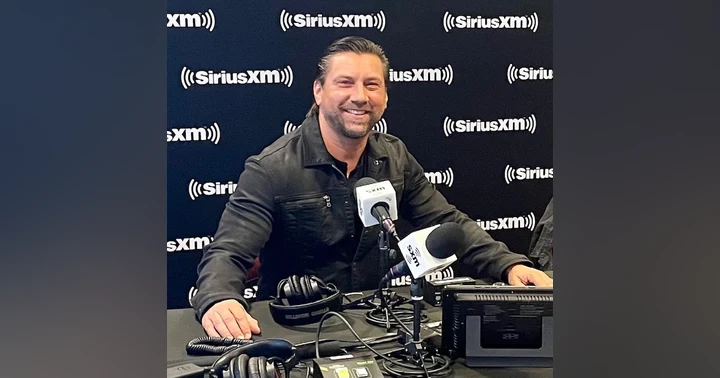
Replay: GREETINGS FROM…Jim Rotolo of E Street Radio
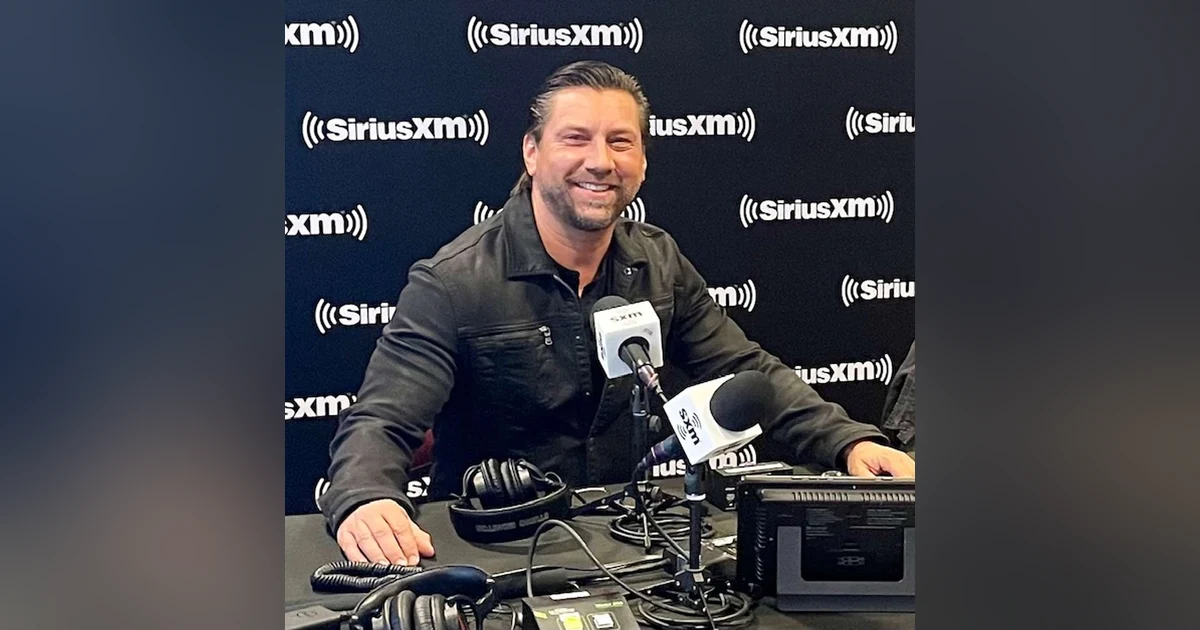


 Apple Podcasts

 Spotify

 Castro

 RSS Feed

 Youtube Music

 YouTube
Hustle, reinvention, and a love of music define how Jim Rotolo became a favorite voice of Bruce Springsteen’s passionate fan community. In this special Holiday Replay edition of No Wrong Choices, we revisit our conversation with Jim, tracing his inspiring career journey through the twists and turns of the radio industry to becoming a key figure at SiriusXM’s E Street Radio.
Jim’s path was far from easy—he navigated the ups and downs of the industry with persistence, creativity, and an unwavering commitment to his dream. During times of reinvention, he even took on jobs like bartending to pay the bills, all while laying the groundwork for what would become a thriving career. Along the way, he built a vibrant fan community and created The Wild and the Innocent, a radio show that has connected Springsteen lovers across the globe.
Whether you’re a Springsteen fanatic or someone seeking inspiration for your own career, this episode offers an unforgettable story of resilience, creativity, and following your passion.
To discover more episodes or connect with us:
0:02 How does somebody become the voice and, in many ways, the glue for a passionate rock and roll fan base? We'll uncover the answer to that and much more, in this special holiday replay edition of no Wrong Choices the Career Journey podcast. I'm Larry Samuels, soon to be joined by my co-hosts Tushar Saxena and Larry Shea. Before we kick off, I have one request If you enjoy what you're about to hear, please follow and like our show. It really helps us grow and to keep bringing these great stories forward. Now here's our original episode from January 26th 2023. Joining us on today's episode is a talk show host, dj, producer and leading voice of Sirius XM's E Street Radio, Jim Rotolo.
0:48 As you know, typically this is where I throw the conversation to either Larry or Tushar, but as the resident Springsteen fanatic on this podcast, I'm going to keep the microphone for a moment. I take some offense to that With no offense to that whatsoever. I take some offense to that With no offense to that whatsoever, I take none. So you know, to me this is a meaningful conversation and one that I've really wanted to have, because I've been listening to E Street Nation or E Street Radio for years and I've really enjoyed Jim's work and he does such a great job interviewing people and digging into so many great things tied to Bruce Springsteen. But the thing that I haven't heard is his story.
1:28 So this to me felt like a wonderful opportunity to bring Jim out there a little bit out front, so we get to know him a little bit better. And look, of the three of us, I am the only one who actually lives in Jersey. I was born, I was, you know, bred. I was raised here in Jersey. I was raised here in New Jersey, so it goes without saying that Bruce is in the blood. Now, I'll grant you, I am not. I am not as big a fan as you are you are. You are an Uber super fan. I am a fan of Bruce Springsteen and, look, it's part of it's part of the resume. If you live here in Jersey, it's part of the job description. You got to be a fan of Bruce. But, with that being said, the other thing I'm a big fan of is Jim Rotolo, because Jim is a radio guy.
2:12 Radio guys love other radio guys and love to have that story. It's all about the war stories when it comes to radio people. So I'm really looking forward to getting some of Jimmy's backstory because I've known him since Sirius. But I got to be honest, I don't know much of Jim's story prior to Sirius. Yeah, I'm also a big, big fan of Jim Rotolo. I mean, I still work at Sirius and so does Jim, so we're colleagues still. But one of the things that's happened because of the pandemic is we're not going into the office and seeing each other anymore, you know. So I used to bump into Jim in the hallways and and it was never a two minute conversation we would always, you know, hang out and talk about his Raiders or my Buffalo bills or whatever, and just he's one of the good guys in the business.
2:52 Like you said to. You know, he's just a great guy and we did a show together and I'm hoping it comes up because I was really proud of the show that we did together guys, uncensored, um, and it was a lot of fun to do it. And he's just, you meet a lot of people in this business. Jim's one of the good guys and it's going to be super great to catch up with him, for sure. Well, here's one of the good guys. Jim Rotolo, now joining no Wrong Choices, is a talk show host, dj producer and leading voice of Sirius XM's E Street Radio. I'm of course referring to Jim Rotolo. Jim, thank you so much for joining us. Thanks, guys. Pleasure to be here, hey, Jim, I've had this is too short, Jim I've had the opportunity to know you for a long time.
3:34 And like all old radio people. We love to talk war stories and you and I probably talk more than our fair share. At whatever local bar we had a chance to sit down and share a couple of drinks. Now, obviously you're a big shot over at E Street Radio. But I'll say this I don't know a great deal of your backstories. To be honest with you, I'd love to know, much like a lot of us, how you got in the business. Where was your start in radio? So, I started at the hot rock and flame Throwin' Z100 in New York City the top 40 station as a phone screener. It was a part-time phone screener, shift at night and I was answering request lines and then also phone screening for Love Phones, which was, if you guys remember What- year was that.
4:23 That was 95, 94, late, late, 94. I started in December of 94. So you met Carolla and all that stuff? No, that's a different show. That's the funny thing People confuse. There was Adam Carolla and Dr Drew did Love Line in. LA Love Line okay In New. York City. There was Love Phones with Dr Judy Kuriansky and Chris Jagger, and that was what I was part of. I do remember that one. I do remember that one. Okay, and so wait you were a call screener for this. And what is the show about? It was about love connections and problems with relationships and things like that. What are we talking about?
5:04 It was love, sex and relationships. Yeah, that's what it was, and I was screening the call. So I was on the front lines like listening to these people tell all these stories and you know some of them were fake, of course, but you know my job was to figure out, make good radio. You know I don't, it didn't matter if your call was fake. Can you pull it? off. Yeah yeah, it's a highly entertaining subject, to say the least. Let's go back a little further, though, cause I do want to know did you study radio in college? You said you got this job a little after you graduated. Was the dream always radio, or or did you fall into it, and how did that happen? How was the transition, and did you study to become this? Well, I did, yeah. So when I was in high school, I really didn't have an idea of what I wanted to do, until maybe about my junior or senior year, and I was sort of I played sports.
5:54 I played football and baseball in high school and I knew I wasn't going to be good enough to get scholarships and move on to the next level, so I started. I had to start thinking about what do I really want to do? And I wasn't quite sure. But something about performing was always something I was interested in, like whether it was on a baseball field or on a football field. So I started thinking about acting and then I thought, well, I want to eat, so maybe acting's not a good idea. So I know what I'll do I'll go into radio. Well, really, my thoughts were to be somewhere in the TV production or radio production.
6:37 I was always a big music fan and so that was really the goal to maybe be a cameraman. I didn't even know what those jobs were. I knew nothing about the industry. I had nobody, I had no help. I didn't know. You know, I thought DJs played their own records, you know, or their own songs. I didn't know anything about program directors or anything like that, directors or anything like that. So I went into. I went to college for communications at William Patterson College, which is now a university in Wayne, new Jersey, and just tried to absorb as much as I could. And it's funny, I during that time I commuted, I didn't live away at college.
7:21 I once a week I would go grocery shopping for my grandparents they were getting up in years and weren't really moving around much and my grandfather, who was this old Ukrainian guy, would sit in the living room and listen to the radio, like many of that generation did, and he would listen to talk radio and he'd have me sit there and listen to this guy and listen to this guy and I was kind of captivated by it because the people that he was listening to were powerful they had. They had a command of the English language and they were also just. They were very good storytellers and I and I said to myself, that's something I would be interested in doing as well, as you know, maybe playing music.
8:03 So that's sort of where I started leaning towards radio. And did you leverage that at William Patterson? Were you on the air there? Did you do a bunch of shows? I did. So the real funny thing is and this is, as all of us are radio guys, you'll appreciate most college radio you get to do your own show and you get to bring your own music in and kind of create your own little you know niche show. Not at William Patterson. We were a supposedly a. We were run a professional like a professional radio station, which meant a program director, a music director, sales team. I was actually sales manager. We had commercials and the format that was selected was adult, contemporary, so so now you have these, I'm you know.
8:53 So now I'm 20 years old and I'm playing. You know, michael bolton said I love you, but I lied and I was like this is not when you had to sell that or ace if I ever, ever hear ace of base I saw the sign and one more time I mean these were the songs that I was playing and I was doing a 6. Am Shift and it was just like torture. But I do like. Don't turn around by ace of base. I can't, I can't but Michael Bolton at 6. Am. That's got to be tough, and Meatloaf. I'd do anything for love. I mean, it was all that. It was that Brian Adams song from the Robin Hood sound like all of those songs, one after another, and every shift. We played them and you could not deviate the program director, who was a professor on the campus.
9:38 He would pull you off. You know, you and I have a very similar story in that sense, jim, is that I started off obviously same way college radio. I was over at Fordham, so for me it was WFUV. Fuv was the same way. It was a professional station. I was part of the student staff for sports and the same thing. We had a very specific, we had a hierarchy there as well and we ran a professional station. We ran as close to a professional station as possible, I think at some point. I mean, I was obviously one of the on-air hosts and a play-by-play guy. I never got to be the sports director over there, but I understand where you're coming from. And yes, william Pat, even a couple of the other schools in the New Jersey area had that same type of format. So your time there really set you up well to move into the big New York market.
10:23 Did you do any internships then during your time at William Pett or no? I did not. I guess it's ignorant now to think about it, but I didn't quite grasp the concept of working for no money. I just refused to do it. It's not ignorant. I don't know why you did it either. Yeah, and also I was bartending five days a week, pulling in you know some serious money. So the thought of giving up a bar shift where I could have pulled a few hundred bucks in to go, you know, get coffee for somebody or you know whatever be a seat filler on a TV set, you know talk show, just seemed ridiculous to me.
11:06 It just, I just didn't understand the concept. You know, at least pay me something, I would have taken nothing, you know, I would have taken a few bucks, but just don't don't. I never grasped that concept, so I just never did an internship. So how do you get the job at Z100 then? Is this just radio? Experience of college lent itself to you being hired. How do you make that transition? Well, it's funny, you know, because we're talking about a time before the internet, and that was one of the toughest parts of that was. I graduated college and the one thing my college I can't say this about other universities or whatever I was there was no preparation for what the job market was like.
11:49 They just sort of said well, good luck. Yeah, send you out there. Yep, there you out there on your own. Yep, there you go. Yeah, so I was. I had no direction whatsoever, you know, and I remember coming to New York city just basically getting dressed up and walking around New York city and trying to find where the record companies were and where the you know the TV stations were. I'm just seeing with resumes in a briefcase, just trying to figure out how to get my name in if I can just get past the reception desk or whatever. This is what you had to do or make phone calls, and I didn't have much success. I did get an interview with Atlantic Records once, but the funny thing was records once.
12:35 But the funny thing was in that summer that I graduated college, there was a job fair at a hotel near where I live, like a ballroom kind of thing, and Z100 happened to be there. Now, it was funny because it wasn't anything any other radio stations, it was all like you know, local warehouses and factories and corporate stuff NZ100. And they were looking for salespeople and it just so happened that I was a sales manager, which was in title only. I don't think I actually sold a single thing. That's what I said. It says it the title says it all. Sales manager Looks good on a business card. Exactly so I sent, I gave them my resume and that was it. I didn't get a call until that December and they said you know, it's not a sales job, but it's a phone screening job, it's part-time, it paid minimum wage.
13:24 And I said absolutely, you know, that's all I wanted. I just wanted to get into the building. I'll figure everything else out once I get in the door. But that was the goal at that time was just get in the door and learn as much as you can, and that's sort of what I did. I tried to take full advantage of that when I was at Z100. It's just such a different time today. So you get in the building, you're working, love phones. When did you start to create, you know, a path for yourself, like, when did you start to take on bigger assignments, bigger projects and become Jim Rotolo, or at least get onto that path?
14:04 Well, the funny thing is Z100 actually became nationally syndicated and through a series of changes that happened in the show, within two years I was the producer of a nationally syndicated top-rated talk show. Love Phones was on 55 stations across the country and I was the producer. And I was the producer at that time and that was a big accomplishment and for me I thought it was and that was great. And then things kind of changed. You, you know, the show ran its course, it died out and my, my feeling was always well, keep moving and stay employed no matter what, because if this show gets canceled you're out and you know you may not get back in.
14:49 So I had learned a lot of production. So I learned, learned how to do editing, I learned how to do pretty much everything behind the scenes, and that's sort of what I did for many years working for Westwood One and Premier Radio Network and MJI Broadcasting. I went behind the scenes for many years. I ended up producing some talk shows again in the late 90s on an Internet radio company called E-Yadacom, like yada, yada, yada, with an E in front of it, which was a lot of fun and except that we didn't get any phone calls because everybody, because everybody was still using a dial up.
15:30 We were about a year and a half away from the technology. How long? were you at IATA for? Almost a year, I would say. I think we did a year, I think 1999 to 2000, right before, yeah, I think we were there for the turn of the century, Jim. I'm going to tell you this. You and I may have met at some point over there. Were you at IATA, did you work there? I worked there for like a year, and part-time, a little bit here and there, but I definitely did some work over there. I worked with you. Remember Ellen Roberts? Yeah, yeah, sports, yeah, she was doing a show, I forget with who at the time. Was it Don McGreca?
16:13 Yeah, doing a show. I forget with who at the time. Was it don mcgregor? Yes, you did a show a show with don. Yes, I would board off that show on occasion, okay small world. So, yeah, probably you and I probably met over there yeah, so I was over there, I did, I produced a whole bunch of shows there, I did, and I ended up producing another sex show called sex bites. I was hosted by bob berkowitz. Uh, I did that show. I remember that show. Yes, I remember that show. Yes, I remember that show I produced that at one time and then I did a couple of health and fitness shows which I really enjoyed. That was my favorite thing. We had a health channel and it was a lot of fun. It was a great time and you know that ran its course. I think they laid half of us off, you know, when they realized we weren't making any money.
17:02 You know, typical startup internet company at the time. And then I landed back in the syndication companies behind the scenes and I'm trying to think you know that's right around the time Sirius Satellite Radio started and that was a goal to get to work at Sirius, because I heard so many cool things about that place and I interviewed like five times and every time I and I was promised a job being a producer. I think Maxim Radio, I always think all these places were promising me jobs as a producer and every time they were about to bring me in and sign the papers there was a hiring freeze. So I had to wait and I had to keep waiting. I ended up over at another short term company called Air America Radio in early 2004, which was basically I think it was just basically a Democrat Party funded political AM channel.
17:53 You know it was right around the time of Bush Kerry. So we had Al Franken, we had Janine Garofalo, we had Mark Marin, you know Chuck D from public. Lin Samuel, I think, was there too. Right, lin was there. Yes, lin was there, we had Chuck D from public enemy. I remember that, yes, yes, there, we had Chuck D from Public Enemy. I remember that. Yes, yes, yes. We did. We had that. Now I wasn't producing any shows, they had brought in their own people each of the hosts. Rachel Maddow was there. She was nice. I really liked her and we did that. I did commercial production, which was interesting because I sat in the studio all day and we had no commercials. Good job, which was interesting because I sat in the studio all day and we had no commercials.
18:35 So I thought Good job yeah. I did great. I got to go. It was nice in the summertime. The summertime was nice. I went out for two-hour walks in the city. It was fun. And then Perfect radio, job yeah exactly. And then, at right around that point, I got a call from a guy named John McDermott, who I know, you guys know, we all know John, sure, a program director at a talk station in Long Island and I drove all the way out like way out on the island which was far from me in Jersey, to be the morning show producer and he liked me and we had a good conversation, but that never materialized, which turned out to be a good thing.
19:26 So then John McDermott, a year later, is at Siriusatellite Radio and he remembered me and he called me in and he said we have a brand new show with a brand new host. His name is Dave Marsh, you know the rock critic from Cream Magazine and all that. And I'm like, yeah, I'm like oh, wow. So they say he's going to do a Sunday morning show. There's a producer position for you. He's never done radio before. You have a lot of radio producing experience. Teach him the ropes, get him through, and that's what I did. And 19 years later I'm still producing that show. Wow. So Dave's still at it, he's doing great. We've got, you know, still doing the shows there and that was sort of my beginning into and I'm still producing.
20:11 I don't really jump on the air till about. I mean I was on in pockets, but I guess this is where the on-air part comes in. I ended up getting hired full-time as a morning show producer for the LGBT channel that we used to have called OutQ OutQ, sure, yeah, yeah, yeah. So they need they again. Had two hosts that had never done radio before, and so I started teaching them how to work as a team morning show, how to create topics, you know, get phone calls, get people invested, interested in your lives and all this kind of stuff, and we had a lot of fun and it was a great time and I really, really enjoyed it, except I hated getting up at four in the morning, of course, and and and so I was.
20:56 I was on air with them. We were like a team, you know. It was like Larry, cheryl and Jim and it was fun and we were all playing, you know, like a typical morning team, you know ribbon on each other and having different topics that we would bring in. And we in and we talked about our lives. Was that Larry Flick? Was that Larry Larry Flick? That was Larry's show. Okay, I know. Yeah, I know, great guy. Yeah, he moved to England, I think. Yeah, yeah, wales, yeah, wales, that's right. Yeah, it was a lot of fun and and you know, and it kind of took its, it ran its course as well and I started to get really comfortable on the mic. You know, I've started really feeling my own and you know, and I had people that would call in and I had fans and stuff and it was really nice.
21:38 But I knew that, you know, it's an LGBT channel and I'm not going to get my show. I'm not going to get a show on this because I'm not. You know, I don't fit into that. So it's, it felt to me I needed to move on to something else and it just so happened that we had another channel at the time called Cosmo Radio, which was Cosmopolitan Magazine, and they had a new morning show, two young girls who were great, and they needed somebody to teach them radio. So I sort of found this role at Sirius at the time, teaching talk radio to people who had never done it before. And it was and it was great, and I had um a great time with uh Taylor Stricker and uh uh Tia, who I forget her last name, but Taylor's stayed for quite a while.
22:30 She did. She had a show for a long time there, yeah. Yeah, yeah, she did. I think she's got a podcast now and that was a lot of fun. You know, I had a great time with them and I learned a lot. I know more about makeup than I ever thought I ever would. And that's where, like I met, that's where I met Larry Shedd. Yeah, let's jump in there Because we were working together, that's right. And your life changed. That's right. Your life changed in that very moment. Straight downhill, that's right. So one of the shows that they came up with on Cosmo Radio was a show called Guys Uncensored, and the concept was for the listeners, which was predominantly female.
23:10 This is what guys talk about when women are not around. Okay. This was perfect. You want to talk to Larry Shea about that? Yes, you want to talk to. Larry. Shea about this. What does he? know, Without question. So they said to me how do you you know, this is your thing Round up your friends like three or four guys, do it someplace on location if you want, and just you know, just make sure you kind of keep the topics to a certain thing and that that could be somewhat related to the magazine each month or whatever, so topic topical. So I said, okay, fine, I had a connection at mickey mantel's bar and grill. That is no longer there on west 56th street. So we did the show at mickey mantles once a week.
23:52 We taped it, I had portable equipment and I asked larry to be a part of it and it was. It was us and I had a friend, andrew, who was there I mean this was the best gig ever. Can I just jump in here? Because you know you go to mickey mantles. You order a beer, you have a burger or something. They crack the mics and you're talking about. You know a bunch of guys hanging out at mickey mant's you know it was the best man drinking beers. I mean, what could go wrong? And we had a good, we had a good deal. We had a good deal because the beer was free. We just had to pay for food. That's all we had to pay for. That's right. So the best part of this. So this is really my debut into hosting something, so I'm hosting a roundtable once a week and we're talking about topics and we're recording all this.
24:36 So I think we recorded about 15 episodes and I want to say maybe five aired because the truth of the matter is they didn't want to hear what guys say when the girls are not around. That's right, and I remember having these arguments with the team, you know, like my bosses, and they were like we can't air this. And I would say why? And they said because women don't want to hear this. I said, well, this is the concept of the show, this is what men talk about. I said this is what men talk about. And they were like yeah, but they don't want you to talk about that.
25:20 But I said that's not how this. Anyway, the whole thing was frustrating and it was great we had a great time doing it. It was a good time, Jim. It was a. It was a great time. In fact, my friend Andrew still sends me text messages. He has, he still has the recordings and he plays them. I do too, he has the recordings of them and he plays them. I do too. I'll have to dig those up one day, and so here's where things turn a bit, and I don't know if you guys knew this, I quit. I did not know that? No, I didn't know. I quit you quit serious or you quit the show. I quit serious for the well. So here's what I did. There was no.
26:16 I was at a point where I couldn't do this anymore. I was doing the morning show at Cosmo and the girls were great and it was all fun, and I was doing Guys Uncensored. But I got to the point where I was stuck. There was no place for me to break through and do this, and so I voluntarily stepped down, with the exception of I still want to produce Dave Marsh's show on Sundays. So I went from full-time status just down to working one day a week and I needed to do that. So I went and I said, okay, I need to do that. So I went and I said, okay, and I need to reinvent myself. I'm tired of being a talk show producer, because I did get to the point where if I'm teaching everybody else how to do radio and and I'm telling them what to say, and then they're just saying it well, then they're not not the talent, they're just doing what I'm telling them to do. Well, I can do that myself.
26:57 And that's sort of like that light bulb went off in my head and that's where I decided I need to do this stuff on myself. So that's why I had to get away from Sirius for a little bit. So what was the plan? You want to get away, but you must have had a game plan. How am I going to reinvent myself? What did you do? Yeah , so the plan was to to to get it into music, and I wanted to. So I initially tried to get it on the music side at Sirius and there just wasn't anything happening at the time, which was fine. I uh, there was a. There's a local rock station along the Jersey shore called WRAT the rat 95. Everybody goes to the rat. The rat is where, like you, you know where you make your bones.
27:39 You know you get a Carl craft. It was still the program director for over 20 years. I knew a few people there. I sent an audition tape in. He gave me a, an overnight shift, like midnight to 5. Am. He sound checked me and he said well, the place didn't burn down in the overnight, so we'll put you in the weekend rotation and that was that's all I wanted, you know. So I was doing weekends at the Rat. I had Sunday mornings with Dave Marsh and I went back to bartending for a little while to make ends meet. You know that's what I had to do, but it was all worth it. It was a strange time but it was worth it because my relationship with Dave was good, really good, and this is where the Springsteen portal ties in for people that don't know.
28:29 So Dave Marsh wrote several books about Bruce. His wife, barbara Carr, was one of Bruce's managers, and so I was spending time with Dave, was able to go to a bunch of the concerts and I've met people there and they had come up with this idea of E Street Radio for Sirius XM, which was only supposed to be a temporary channel for Bruce's Born to Run anniversary box set. Bruce came up to Sirius Dave and him did a nice interview. I engineered it. It was wonderful, not thinking long term. Well, the channel disappeared after it ran its course but Dave Marsh and Bruce's management and management at Sirius XM decided to bring the channel back as the first artist-based 24-7 channel on the platform, and so now there was a place for me to come back to and Dave had a show of his own called Live from E Street Nation.
29:31 I was producing that and I was back full time with the company and I'm still doing the RAT W-R-A-T and I think I moved over to WDHA, which is another station in Jersey at the time and I was trying to think of something I could do on my own and I had this idea. Now we're all sports fans, right, so we love you know we go to games. I know you're Bills fans with Giants. I don't know what other teams you guys like. Giants over here Giants. Okay, right, so I was. I had a jet. I'm not a jet fan, but I had jet season tickets for many, many years, me and seven of my closest friends. And we, when I tell you, we tailgated hard, man, we had some crazy stuff, but we, we took it seriously.
30:18 It was important to us. You know, we looked forward to those Sundays and much like going to a concert, you, you tailgate, you know, in this big stadiums or arenas and you, and what do you do with those tailgates? Well, you drink beer and you eat and you talk to the people that pulled up next to you and to the left and to the right, and you talk about if it's sports, you talk about the games. You know all the different details. What place are they in that? You see, last week, I hope this week this guy kicks better, all that kind of stuff. And the same thing with concerts you talk about. You know, oh, I saw the band on the last tour or I hope they play this song tonight. So I had this idea of a tailgate party on the radio with Bruce Springsteen fans and it would be a request show where people would request songs, but I would have a topic every week, much like if you were in a parking lot talking amongst people you had never met before.
31:12 Anything from favorite opening song of a Bruce Springsteen album lot talking amongst people you had never met before you know anything from you know favorite opening song of a bruce springsteen album, or you know a favorite female character, or you know best live version of whatever thunder road you can. There was all these different topics you could come up with and I I said we, I can do this, I can build this community because it's there and, thankfully, sirius XM and Dave Marsh and John Landau Management they all gave me the green light to create this show and in 2011, I debuted the Wild and the Innocent with Jim Rotolo on Sunday nights I'm sorry on Friday nights at 6 pm Eastern time with Jim Rotolo on Sunday nights I'm sorry on Friday nights at 6 pm Eastern time, and I knew the audience was there and they showed up almost immediately, which I couldn't believe, and it's been quite something.
32:05 I've been doing the show for over 10 years now and there's a community of fans, actually a community of friends. I just did an event last weekend and people had come up to me. This woman came in from Montana and she said I'm here with and she mentioned three other people and she said we're all friends and we all met because of your show. Look at that, Jim. You know it's interesting, jim. I am a member of that community. I have been listening to your show since the very beginning. I'm a Springsteen fanatic. I've always followed along very closely and one of the things that I wanted to get to was you know, how does it feel to be the voice of a community?
32:54 I mean, is there a pressure that comes with that? Is there a sense of responsibility with that Like? What is that like? You know it's a good question. I I didn't. I knew I could build something and I knew that I could bring people together. I mean, it's, you know it helps to have Bruce Springsteen music to do that with, but I didn't. I don't see myself as any kind of like leader or kind of. You know, I'm the creator of this. I mean I did create it, but I created the show, but it's, you know, it's just this nice community of people it's. It's a bit overwhelming at times because, especially when you go out to shows or events and you know you meet all these people and they, they want to tell you their story and it's and it's, it's beautiful.
33:43 I do my very best to listen to everybody and give them their time because they have something that they want to share with me and it's important to them. You know I meet families of Bruce Springsteen fans. You know generations. We've got a tour coming up, so I'll be out on the road seeing some of these shows and we'll be doing some live broadcasts and things like that. It's amazing, it went far beyond what I ever realized it would be and and I'm very grateful for everybody that's that, you know, invests in the show and invests in E Street Radio. You know, like I said, it's it's, it's a dream come true. And I and I, I just I just knew I could make something, like I could make something happen and I could just do something more than play songs on the radio.
34:36 That's amazing and that's that's great that's kind of what I wanted to do it's amazing. I think it's a good time to ask this question because we're talking about the community and I don't want this to sound weird. But like, do you get asked to get messages? Do people treat you as a bit of a conduit to Bruce and like, if so, how do you handle that? Like, obviously you're nice, but how do you handle it is a responsibility, right, you're representing a little bit yeah yeah 100%. I get asked a lot of favors. Uh, people ask you know, can you get this to Bruce? You know I. I get asked a lot of favors. People ask you know, can you get this to Bruce? You know I get that and you know I tell people as nicely as I can. I don't have that. I have a line to the management company and I do have a line to Bruce for certain things.
35:22 But it's not like I can text him and say you know what are you doing for the giant game this Sunday? You want to go? out. Like I can't. I can't I can't do that and then I would never do that. There's a there's boundaries, you know you have to have certain boundaries and you have to respect people's privacy, and so as much as I would try to really like to help everybody but that's not my job I can't help everybody's request. Can you have Bruce call in to my mom's birthday this week? No, I can't. I can't do that. But Jim Rotolo can. Are you on Cameo? Am I on Cameo? No, I'm not. Could be an opportunity.
36:03 Why do you have a Cameo dude? All right. I'm writing that down after we record this, check out Cameo. Cameo link or whatever. I need to do that. So, jim, like for the vision of the channel. You know you've brought forward different programs. You're obviously the lead voice on E Street Radio. The Wild, the Innocent Growing Up is now out there. Like, what is your role? What is your participation? Or just what is your role when it comes to content vision? Who puts that forward for E Street Radio? And are other people like John Landau and Bruce like, like, how does all that work? It's myself, vinny Uscerello, who has the title of channel director.
36:47 I am considered the executive producer and on-air host of the channel, if you want to go in titles, and Vinny and I work really well together as a team. We're a great partnership. We both have a lot of different ideas that we put together and you know we talk about what's coming up in the in the world of bruce calendar, wise anniversary, special guests, all those kinds of things and we just always have different ways of taking the music and making it fresh again in some way, like repackaging it in certain ways, and and everybody at john landau and Bruce himself have been very, very supportive. You know Bruce did 19, I'm sorry, 29 episodes of his own show that he created during the pandemic, called From my Home to Yours, and he recorded those at home.
37:37 I helped produce those shows. So Bruce and I had lots of conversations during the pandemic about putting those shows together. They're all on him. I mean he picked all the music and all of that. I just kind of put them together and seen whatever, like you know, little fine touches it needed. So I mean it is a team effort. My role is just to kind of keep the forward momentum on everything. You know there's lots of things going on. There's the Springsteen Archives and Center for American Music. They're building a whole museum in Long Branch on Monmouth University, so that's under construction and they have like all of it's officially certified from Bruce, so they have all these great archives and stuff and memorabilia.
38:24 So there's that, you know. I mean, the guy is 73 years old, he's still making albums and now he's going on a world tour. That helps, you know for sure, you know it helps that he's active and he's busy and he's doing things. So you know, we, we, we just keep moving along and and, and now that we've got this tour that's about to happen, or by the time this airs, we'll have already been underway. So, and I don't think that's going to, I think that's going to last for the next couple of years. So I'm excited about that. It keeps me busy and I get to go see Bruce Springsteen concerts, which isn't a bad gig. You mentioned the pandemic just a few minutes ago. Would you say the show was more important or as important during pandemic?
39:09 Which show? Bruce's show or my show. Yeah, or the channel in general your show, Bruce's show, etc. One of the things that changed during the pandemic was I had only been on air twice a week. I had only been on air twice a week. I was doing the Live from E Street Nation with Dave Marsh, and then my Wild and Innocent show on Friday nights. Once the pandemic started, I started going on the air every day and that's what I'm doing currently. I'm on five days a week. In the mornings I do 9 to noon Eastern and then I come back and do 5 to 8 Eastern time. Why the mornings? I do nine to noon Eastern and then I come back and do five to eight, you know, eastern time. Why the change up? To keep in contact with people I guess a friendly voice, you know to kind of keep the community, you know.
39:55 So you know, during the pandemic everybody disappeared, everybody went and locked, you know, down and you know. I think the great thing about what we did with E Street and Sirius XM in general is just, we kept, we found ways to keep the connection there between our subscribers and the music. You know we were live on New Year's Eve of 2020. I did the countdown to midnight. I had Bruce call in and, you know, southside, johnny, we, we, we, we tried to comfort as best we could during those times and Bruce definitely stepped up by doing these radio shows from my Home to Yours and the fact that he wanted to get out there and stay connected with his audience, and especially during there were some rocky times during that period.
40:42 So you know he had his own commentary on what was happening and you know he had his own commentary on what was happening and you know it felt comforting and that's the word I think many of the fans have said to me that during the pandemic it was so it felt good to hear your voice, which was a really sweet compliment. So that's, you know, that's what we did during that time and Bruce released an album during that period as well, but he really those From my Home to Yours shows really made a huge difference and then I was kind of there doing my thing as well. So we really we upped our game during the pandemic and I think we did a really good job. Yeah, I think it's suffice to say this community and what you do is very special and unique among fan bases and you are that conduit, right.
41:29 It's super important. I love hearing about your story and how you got to where you are. I mean, do you have a professional highlight at this point? Is it a moment? Is it an interview? Is it a concert? Is it what's give me a professional highlight? Because you're living a dream right now. It sounds like yeah, well, it's interesting. I, you know, I I don't really feel like I work for a living, so I, but it took me a while to get there. But you know, as one, as one of my close friends said to me one day I had him on the radio, we were doing an on location show in Asbury Park. He turned to me afterwards and he had said you did have a plan, didn't you?
42:12 I? said Well, I did, it, just took a while as far as a career highlight, you know I can't single out one particular thing. I, like you know, I can't single out one particular thing. I just there are moments where you could be at a room or at a show or in somebody's home and you kind of step outside yourself or you kind of say to yourself, how did I get here, how did this happen? And those are, like, my favorite moments. You know whether it's a time. You know I tell a story about having a turkey sandwich with Bruce at his home, which is a very long story that's kind of surreal, right, exactly, and that's one of those moments where it's like, how did this happen?
42:59 You know, like you know I was, I was like making martinis like five years ago or whatever time it was. So things like that are sort of, I guess, my personal highlights. I mean, yes, you know, being around the Bruce world and all these years and the backstage stuff, the family of people, that it's a family backstage. They're great people and they've been so welcoming to me. You know, those moments have been great. You know meeting so many famous people and having conversations, like I do now with my new show growing up, and, you know, having these one-to-ones with people that you know were known throughout the US, some throughout the world.
43:44 I mean these are all great moments. I think the best is just the fact that I've been able to have some ideas and bring them to fruition, that they've been able to. You know, I could take something that I was thinking about and actually make it happen. I think those are the best career highlights creating two radio shows. All right, let's talk the flip side of that. So obviously, as you said, at one point you did quit from Sirius and you had some low lights in your career. So was there because it's not, you know, for those who want to get into the business, it's not all champagne and roses right. So there's also the point where you say to yourself is it even worth it and do I want to quit?
44:26 So was there a moment, or a couple of moments where in the career, you said to yourself I'm done, I can't take it anymore? No, the one thing that I've always prided myself on in this industry is persistence. I guess that's sort of my sports upbringing is if you want to be good at something, you have to keep working at it. So that was always I. There are times when you're like, why am I doing this? Especially in the beginning, when you're making no money and you're working. You know you're missing holidays and you're missing events because you know you're working Christmas Day or you're working Thanksgiving and you're not with your family and everybody and all your other friends are celebrating with their families and stuff.
45:10 But you're doing this because you love what you do. I don't regret anything. I just I think the only thing I might have done differently would be I think my education should have been different. I think I don't. Really I wish I went to a better school. I wish I had a little more knowledge of how the industry worked before I tried to go out and pursue it. That was a very yeah well, that was a very frustrating time because I had no direction. So this is no secret. Many people in our industry went to locally here in the New York metro area.
45:54 Well, you either went to like Seton Hall, which was known for their radio station, or everybody went to Syracuse University because Syracuse had this or Fordham. Or Fordham right. What the hell did I? know I didn't know any of that existed. I didn't know any. When I tell you I knew absolutely nothing. I knew absolutely nothing and I had no. You know people looked at me like you want to like people. How do you get into? Like people like me don't get into radio, you know. That's sort of how it was looked at or perceived and I, just like I said, I wish I had done more research. But it was hard to do research back then for things like that because you didn't know, I didn't Like.
46:44 I said that might be the only thing I wish I might have done differently because it might have given me a different head start in the in the career. But listen, it all works out. For a reason, right For sure, and you know I think it's been my experience that people with heart, confidence and passion, things find a way of working themselves out, and clearly you're one of those people who wound up in the right place, as you. You know, look forward, um, and I know you're in a wonderful place right now, but you know what? What is the? what does the future hold for Jim Rotolo? well it's funny you say that, because I was sitting down and, um, I've sort of found myself in this hobby. I don't know what, I don't know if it's a hobby, I don't know how you describe it, but it's something that I've been kind of passionate about over the past few years personal growth and development and it's something that's not very popular here in the US, and it's something that I think is very important for people that struggle with different things and I have friends of mine that have gone through some stuff, and myself included and it's something that I think more people should be aware of and how there's ways you can take care of yourself better, both mentally and physically and I've been talking with a lot of different experts and I'm thinking about starting my own podcast in regards to that Something different you know, Yeah, I mean much like the same.
48:13 You guys, you know, talking with me and others about their stories. You know there's a journey that we all go through and there's a lot of people that don't get to achieve things for many different reasons. And you know, you can change your mindset by doing a few different things with your, if you look at things a lot differently. And there's ways to go about doing that, but a lot of it is taking ownership on yourself and learning how to focus away from negative aspects of your life and turning them around and working at it. And that's what I mean by personal growth and development. And you know, a lot of people choose not to do that.
48:54 They rather, you know, take pills or, you know, avoid the uncomfortable stuff, and that's sort of where I want to maybe go into. I mean, I love music and I love what I do right now and I will continue to do that. But this is sort of something that has piqued my interest over the past few years, you know. So I've talked with several doctors and other experts in this industry and I just feel like it's something that's not been talked about here in the U? S. So I'm thinking about bringing a podcast and bringing some of these people on and having some of these conversations. So stay tuned for that.
49:36 It's a great topic. Yeah, that's a great topic and, and you know, I personally have, you know, been touched a couple of times recently by, by similar stories. So, um, it would certainly be be valuable and interesting to hear, um, all kinds of different perspectives around that. Um, so, jim, you know, good luck with that and good luck with with everything you're doing. Can you, can you quickly go through a list of the different programs and the different places that people can find you? Sure. So uh-request show the Wild and the Innocent with Jim Rotolo is Friday 6 East, 3 West. We do that for two hours every Friday. It's a lot of fun. You call in at 877-70-BRUCE, which is 782-702-70.
50:20 Yeah, 8. I only say it every day 877-702-7823. That's a lot of fun. I have a show called Growing Up where I sit down and have a conversation with Bruce's more notable fans. I just talked with Allison Williams. We had a great conversation that's going to be coming up soon. I talked with Penn Jillette, ralph Macchio, judd Apatow All hardcore Bruce fans, and that's always fun, talking with them, and I get a little bit of their story as well Along the way. So that you can find It'll be. All those shows are on demand on the SXM app. Just search E Street Radio and you'll find the listings there.
51:03 And then you can hear me a weekdays nine to noon East and also five to eight East and, uh, everything else that comes along the way. I'll let you guys know Jim Rotolo on Instagram, at Jim Rotolo on Twitter, and the wild and the innocent with Jim Rotolo is the show's Facebook page and you can always find me on Facebook as Jim Rotolo. Awesome and uh. The one question I have to ask you as the resident Bruce fan on this program yes, you may or may not air before the first show coming up in Tampa. Do you have a prediction for what the first show or first song of the tour is going to be? It's funny you ask that, Larry, because that was a topic a few weeks ago.
51:45 So I will tell you what I think the opening, and not only will I tell you what the song is, I'm going to give you the scenario of how it's going to open. This is in my own little warped mind, and the best part about this is that it might air after things happen, so we get to see if you're right. Right, I could be, completely, not even close. Do we want to? put money on this? No, but who knows? So here's what I'm thinking. Right, the crowd's there, Everybody's, you know, super high and can't wait for this. You know show, the walk-on music's happening. Lights go down, Arena's completely dark Band takes the stage.
52:26 You can kind of see them, but you can't they all get to their spots. You hear the opening drums, the crowds building up, building up, and then all the lights go on and you hear. You see Bruce sing the opening lines. I hear the sound of your guitar. Ghost will be the first song Of the tour. Okay, that has been my thought too. I think it will be something from that album, and what else would it be other than Ghosts, burn and Train? possibly I love that song. Me too Love that song. Yeah, we start the Wild and the Innocent every week with that. I've made that song sort of the unofficial theme of the show.
53:07 Love it, look at you two. So. Ghost is the prediction. That's my prediction, yes, okay. Well, we will circle back around and find out whether or not you called it right very, very soon. All right, I hope so With that thank you, thank you. Thank you for joining us, jim. thank you guys, it's great to talk with you and hopefully we'll get together get a beer, let's get some drinks. Yeah, we gotta. We gotta get together real soon, jimmy all right, sounds good guys. Thanks again for having me all right, thank you for coming on. Take care well, uh, another great conversation for us. Thank you so much to to jim for joining us and for all the Springsteen fans out there.
53:48 I think we're going to hold him accountable and we're going to come back around to see whether or not he gets his prediction of ghosts right. My guess is that he is, so I guess we'll see, but I'm obviously very excited for the tour. I'm telling you, you guys should put money on it. We should put money on this. I'm inside of a text right now. Yeah, jim is. He's impressive, isn't he? I mean, we talked about what a great guy he is. I heard so many lessons in this interview. You know he wasn't afraid to pound the pavement to look for a job. I mean, nowadays you would do that differently. It'd be internet, it would be contacts, linkedin, things like that. But man, he just had this perseverance that he deserves everything he gets at this point in his life.
54:30 Because here's a guy who kind of was giving it away for free, teaching other people how to be great radio talk show hosts, and he had the gumption, the wherewithal to kind of step back, step away, reassess and reinvent himself. And I think that's impressive when you talk about a career path, because he already had his foot in the door but was smart enough to take a step back and and look at it from a different perspective, and I think that's a great way to go and it's a, it's a real lesson there for you. The one thing I was very surprised that he said was you know that that there are things he would change, right? I mean, we've talked to a lot of people thus far and most of them say you know, I really wouldn't change much. I really wouldn't change much of anything. But he said, yeah, I think there are changes that I think I would make, and one of them would be where I went to school.
55:16 He's absolutely right. There are three schools in this area, three or four schools in this area where there is an alumni base which has deep roots in media in this area. I went to one of them and that was one of the reasons why I went into the business, because I knew there were people there who could get you in the door. So what he did in a lot of ways is pretty remarkable being able to bang the door down and get his foot in the door. Actually, you know what Jim Rotolo is a really good guy, but what he really is is a guy who shows a lot of perseverance. There aren't a lot of people who have a lot of spirit to do that. I have all kinds of respect for Jim Rotolo and what he's done, because he really has turned himself into one of the better broadcasters in this industry, being a good guy and staying true to who he is.
56:01 For sure there's something to be said for keep moving your feet, keep going, et cetera, et cetera, and things will break your way. And that certainly happened for Jim. He made this opportunity happen for himself by just keeping at it. Conversation was the sense of responsibility, in a way, that he has for this Springsteen community. I mean, he's in a very unique place where he's a facilitator and he's sort of like this glue between all these different people who have such a love and a passion for Springsteen and his music and he's in a unique spot that very few people are in.
56:45 So to hear that perspective and to hear what that's like to me I found very, very interesting. I think that's a great point. I'm glad you brought it up and I also think you know taking a concept, the whole, you know tailgating concept right for this venue and kind of having that vision. I think is super interesting that that was his vision. I never would have considered that, but now it all makes sense. That he said it gives you the real story right, having that tailgating vision of how can we all get ready and get amped up for this together and then bringing it to fruition. I think it says a lot about who he is and how he was able to take a vision and make it reality.
57:25 You about who he is and how he was able to take a vision and make it reality you know, there is one question I did want to ask which I never had a chance. You wonder what it was go. What is it so I forget? Someone say something yeah. So the question is how many times have you met bruce down the jersey shore? during this time of year because I'm telling you there are so many pictures of people from jersey who meet this guy down the shore and it is down the shore, I'm saying it correct, I'm saying it correctly. There are so many people who meet bruce down the shore this time of year because he's there this time of year walking, walking down the jersey shores, because nobody's around, he's not gonna get, he's not gonna get mobbed.
58:08 And it's unbelievable how many pictures you'll see of bruce fans or just you know, people from jersey etc. Who put up pictures up on social media of just meeting bruce, just randomly, just meeting him. It's unbelievable. He's so accessible, he's so accessible to his fans. He, he is Jersey through and through. That's why I love the guy, and I think Jim hit on one of Larry Samuel's biggest dreams, which is to share a turkey sandwich with. Bruce Springsteen no, no, no. His dream is to have the bat phone number. He wants the bat phone. That's right, that was going to be my question If he's on air, is there like a bat phone in the corner of the studio?
58:52 Or if it rings, you know it's Bruce and you've done something wrong and uh-oh, you got to work out whatever your problem is. So, anyway, with that, you know, jim. Thank you so much for joining us today. What an incredible conversation. On behalf of Tushar Saxena, larry Shea and me, larry Samuels, thank you again for joining this episode of no Wrong Choices. If, after listening, you've thought of someone who could be a great guest, please let us know by sending us a note via the contact page of our website at norongchoicescom. While there, please be sure to check out our blog and explore other great episodes while signing up to become a member of our community. You can also follow us on LinkedIn, facebook, instagram, youtube Threads and X. Tiktok is up and content has begun rolling out.
59:35 We'll be back with another episode next week. Before then, always remember there are no wrong choices on the road to success, only opportunities, because we learn from every experience.