Musical Odyssey: Greg Luttrell's Unconventional Journey from Detroit to Shanghai


 Apple Podcasts

 Spotify

 Castro

 RSS Feed

 Youtube Music

 YouTube
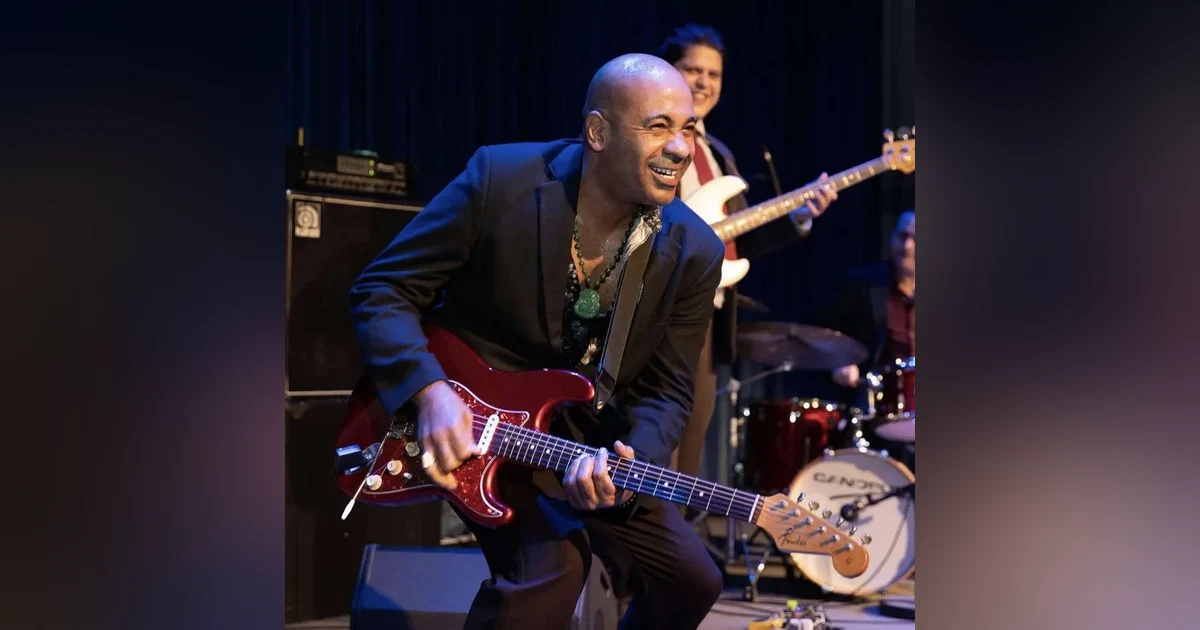
What does it take to thrive as a musician on a global stage? In this episode, we meet Greg Luttrell—a singer, guitarist, and harmonica player—whose career journey took him from Detroit's Motown influence to performing and teaching in China.
Greg shares how his roots in Detroit’s rich musical heritage and his time at UMass Lowell shaped his craft. He reflects on the mentors who inspired him, the hustle it took to go full-time as a musician, and the leap of faith that led him to Shanghai’s House of Blues and Jazz.
This conversation is packed with insights about resilience, adaptability, and finding joy in unexpected places. Whether you’re an aspiring artist or someone curious about life beyond borders, Greg’s story offers valuable lessons about embracing change and following your passion.
Highlights Include:
- Motown Meets Metal: How Detroit shaped Greg’s eclectic musical influences.
- Finding Opportunity Abroad: The surprising twists that led Greg to China.
- Life as a Global Musician: Navigating cultural differences and building connections through music.
- Mentorship Matters: Greg’s journey from being inspired to inspiring others as a teacher.
Tune in to hear Greg Luttrell’s inspiring story about perseverance, creativity, and making music a lifelong career.
To discover more episodes or connect with us:
00:03 - Unconventional Musical Journey
10:29 - Musical Journey and College Shenanigans
19:51 - Musical Journey and Growth
28:27 - Transitioning to Full-Time Musician
33:35 - Musical Journey in Shanghai Blues Club
40:59 - International Musician's Journey in Shanghai
53:03 - Musical Persistence and Determination
57:51 - Embracing Unconventional Paths in Music
01:02:23 - No Wrong Choices
0:03 How far would you go to land your dream job? Is music truly the universal language? We'll explore the answer to those questions and much more, during this episode of the Career Journey podcast, no Wrong Choices. Thank you so much for joining us. I'm Larry Samuels, soon to be joined by my co-hosts, Larry Shea and Tushar Saxena. A quick ask before we kick off - if you enjoy what you're about to hear, please be sure to like and follow our show. This helps us grow and to keep bringing these great journey stories to life. Now let's get started. This episode features a conversation with the singer, guitarist and harmonica player, Greg Luttrell, who has taken a very unique path towards achieving his dreams of being a professional musician.
0:48 Larry Shea is somebody who's been friends with Greg for years and has seen this journey come together. You are certainly the right person to set this up for us. Yeah this was a great conversation that we had with Greg about his career journey and how he got to where he is today, which is, in reality, a world stage performer. You know, some people are just built for certain things. Greg is a built. He's built to be an entertainer and, you know, through hell or high water, this is what he was going to do with his life and I couldn't be more proud and I love anytime I get to see this guy perform. I'm just I'm on cloud nine. So super fun conversation and we're going to hear his journey and how he got there.
1:29 So really excited to share it with everybody. First of all, anytime you call yourself a professional harmonica player, it is an unconventional journey to success. And that is really true in the case of Greg here. I mean, you know many of us want to pursue our career paths and have a very linear way to get there. This is not the case with this guy. There is a lot going on, you know. He's put the work in. But the one thing you can say about his path to success maybe he didn't find it here in the States, but he found it more on a global stage and that works for him. Might not work for everybody, but it works for him. It's unconventional and it's really, really fun. Yeah, this really falls into the category of, you know, find what you love and figure out a way to get paid for it, right?
2:12 So he was not going to be denied. He was born to be an entertainer and I hope everybody gets to check him out based on this. Whether you have to go to China or not. Here is Greg Luttrell to tell his own story. Now. Joining no Wrong Choices is the singer, guitarist and harmonica player, greg Luttrell. Greg has the unique distinction of being a blues, soul and classic rock performer who, of all places, is based in Beijing. I've never really thought about that before. Greg. Thank you so much for joining us. Thank you so much for having me. Greg, this is my buddy, so I'm going to get us going here. What's going on, Larry?
2:53 We always say full disclosure. This is your full disclosure. My guy, my guy, you're going to take the rap for this one. Huh, larry. I'm going to take the rap for this one, greg. No, but I've been looking forward to this for a long time. I mean, you know, I even said, can we do this while you're in China? Like how could we do this? Lucky enough to get a window here, great to talk to you. I've always been impressed with what you've done professionally, playing all over the world. Really, I mean, let's just be frank about it, so tell everybody. Just start off like who's Greg Luttrell? What do you do professionally and tell us what you're all about today. Wow, who's Greg Luttrell? Well, I've been singing and playing R&B and rock and roll and blues for a long, long time and I came up in Detroit and then moved over to Boston, massachusetts, and I was lucky enough to somehow find my way to Lowell, massachusetts, to go to college with the great Larry Shea, don't say that.
3:51 Another music degree. You guys know him too well for me to still call him the great huh, greg. Every once in a while I got to pull up my music performance degree just to show them. Just to show them I actually did get this that he has some sort of credibility that's right. That's how they put it up to the flashlight and everything like that. Very good don't tempt me pull out the lighter with it too. Uh, let me see. Let me keep it going, I guess, uh. And then, yeah, went to college with larry. I've been playing in bands and just, uh, lucky enough to to get the chance to go over to china in 2009 a lot of adventures before then with an original band and just playing rock and roll, all any place where they'd let us set up.
4:36 For a long time, of course, when we were young and, uh, and actually I kind of been teaching as long as at the same time, uh, in a few guitar stores and everything like that, starting out in Lowell same time as I was going to school with Larry, started out at the Music Mall and Tewksbury Music Center, teaching as a private teacher. So I've kind of been teaching undercover the whole time and now it's up, long story longer, that I'm over in China and I'm playing with bands quite a bit, but I'm also teaching in an international music or international school, foreign school, but I'm the music teacher, which is a great tool, great time. All right. So obviously, detroit native means that music's in your blood and I've got to know.
5:22 So then, is that what it was always about when you were a kid? Yeah, that motown, feel that motown vibe. I wanted to grow up and be a musician. There was a lot of a lot of rock and roll going on too and I I dug both sides of it. You know the motown stuff was happening, absolutely, but also I was into, you know, the bob seger stuff and mc5, whatever, you know, some of the other detroit music that was going on. Detroit's always been a really important us city, I think, for music and continues to be today, although today it's like more with the dj. You know it's not really my particular vibe, but all the guys I know that are really into the big edm scene are telling me I say I'm from detroit. Oh, you know, do you know? It's very influential catch still to this day, but more on the dj side.
6:04 But of course with analog music detroit's always been an important city in the usa. So hope I'm doing it a little bit adjusted to the music that I'm playing and the shows that I did well, I've seen enough clips to that that I can say you are at least. I enjoy it. Thank you, I appreciate it. When did you start playing? I started to play when I was maybe seven or eight. My dad bought me a guitar, but I didn't really take to it. I was like my lessons were on Saturday mornings and that was when the cartoons were on and I was like I don't think this is going to work out. So I picked it back up when I was about 12. But yeah, I could have started about four years earlier, but I couldn't get in the way of Bugs Bunny.
6:49 You know I describe you as a natural performer, you know, just because that's all I've ever known you to be, but I know it's in your blood too, you know. So I want you to talk a little bit about your grandfather in Detroit and how he influenced your music and your dad. Just the entertainment that he provided in the Massachusetts area, because he was an entertainer as well, was he not? In a way, you know, he was like a news guy. You know he was a field reporter and he was absolutely an entertainer in the way that he was on TV. He was a personality, but he was, you know, more of a news guy and he had a talk show as well when we were in Detroit. Actually he had, he had a.
7:31 He had a talk show as well when we were in detroit. Actually he had one in boston as well, uh, but yeah, my grandfather had a long history of. He was a dj from wjld in detroit for many, many years and he was one of the first guys to kind of incorporate rap into his vibe. He used to always rhyme his words. He's ernie durham was his name, a frantic ernie d and he was like the afternoon drive guy. He was really big in detroit, really really big, and uh, he's still, you know he's in the detroit radio hall of fame and all this stuff and uh. But he was very influential. And then he happened to own a club club we'd be part owner, part owner of. Uh, if you've seen the movie with the, the motown guys um standing in the shadows. You know they um standing in the shadows. You know they. They. They're standing on the grounds of where the hundred grand was. He was one of the guys that was involved with that. So he was very influential to me in the way that I I kind of knew what he was doing.
8:16 Um, and he was he used to. You know, he used to. He used to work for. He used to work for Casablanca Records back when Kiss and Parliament were the two biggest bands. So after the club would close he would come by the house in Detroit and he would put record albums of course record albums in between the front door and the screen door. So in the morning I would go out to run out to play and boom, here comes Kiss Records, funkadelic Records, parliament Records. So from that and then I would go march right back inside. I'd never even go outside. My mother would be like get outside, I'd go play outside. I'm listening to Kiss and Funkadelic, you know, because they were the two big bands on that label.
9:01 So what would you say were your influences then growing up? In terms of your music influences, would you say you grew up more of a rock guy, you grew more of a motown guy, an r&b guy I was like a rock and roll guy but I liked, I've always liked, all kinds of music. You know, once, once I was like 14 and I started getting into deep purple, uh, and then I had read that richie blackmore, obviously, and you could hear by his solos and his ideas that he drew a lot from classical music. But when I saw him read him at that time, read his interview, and they said how influenced by classical, so I wanted to go listen to all the classical music that he listened to and so I've always listened to a lot of kinds of music. But for my early years of rock and roll guitars 15 to 18, I was definitely a metal guy, hard rock guy.
9:47 You know some blues, I like blues, hendrix, sabbath, yeah, that kind of stuff, the classics, rainbow, michael. Shanker yes, so how did you learn? I mean, you started young, but what is that process? You know who gave you your first guitar and what happened after that. And how do you go about getting good and getting this good? You know what? That's actually kind of a cool story. I've had many, many wonderful teachers over the years, many really cool teachers, insightful and patient and good connections, you know. But I'll tell you the funny story about my very first guitar teacher, my second guitar teacher when I restarted, restarted guitar age of like 12, right.
10:29 So this lady, she's a really cool, like hippie. She was a hippie lady, really curly, frizzy hair, was silver. She's an older lady and she was teaching like a group guitar class. So I think it was cheap because my parents, like I didn't do it the first time, so we're not gonna pay a lot of money. So I think it was cheap because my parents were like, well, you didn't do it the first time, so we're not going to pay a lot of money to start a talk around. So they put me in a group class and this lady, she comes in. She's got these big glasses on, this big hat, you know. She's got a vest on and she's got like remember people used to wear pins, remember the pins with their band? She's got a Rush pin and Led Zeppelin in all these bands, you know. But she's like your grandmother for sure. You know what I mean. So she comes in and she starts she plays like a couple of like I'm 12, you know, she plays a couple of pretty impressive licks.
11:10 It's like Ooh, oh, that was cool. And so the first thing she taught us was fly by night, by rush, and so that's how we started it out, and I was like I think she was just had such great energy, you know what I mean. I'm like this is cool man. So she got me back on track. And once she got you on track, I mean was I mean because you're living the dream man, you're a musician performing for a living? I mean, was that the dream when you were that age? Ah, you know, at that time I think I still wanted to be a professional baseball player too, but I hadn't figured out that I wasn't good enough yet, like the rest of us. That was part of the dream. I always had a special thing for music.
11:52 Ever since I was a very young kid, I always had a very special feeling, like a lot of people, for music. I guess I was a lot of a ham, so I wanted to perform. So then in school, that was the goal at that point. Were you a good student, or was it all? Or was everything then just poured into your music, whether it be band classes and theory classes? I was kind of lazy. You did not care about the rest of it. I was kind of lazy. I did well in the classes that were easy for me, like English and stuff, and then I kind of struggled in science. But I was like most of it came a little bit easy to me. So I can't say I was a good student. But I got good enough grades usually not to get in trouble too much trouble.
12:34 Is high school when the first band came along. Actually I had a band in the seventh grade and I wrote an original song and our choir teacher, mr Jim Smella, who's a really wonderful man, he really he wrote down all the I mean we could barely play in an album like 12, you know. But I had written a little song, he wrote out all the parts. We learned them, we performed it at an assembly in the seventh grade, you know, and it was like a big deal at the time, whatever. But you know, kind of gave me some encouragement, you encouragement, but he was a big, big, huge help. He went way out of his way to help us and it was really big. Were your parents supportive? Were they always like hey, whatever you want, greg, as far as the lessons and stuff?
13:16 Yeah, they always paid for the lessons and stuff like that. I know my dad wasn't real excited about rock and roll as a choice, I'm sure Until I got wasn't real excited about rock and roll as a choice until I got a little bit you know more successful. Did he know you? wanted to do it for a living. Uh, he did, and he wasn't psyched about it. But once, you know, once he realized I wasn't going to give up, do it for a living. I mean, did you know you wanted to do it for a living at that point? I was trying to see if it was possible. You know what I mean because you know, for a long time I had little temp jobs and side jobs and I was doing it at the same time. But of course I wanted to make all my money doing music, you know, and just you know, doing little different combinations of shows and trying to make it happen.
13:56 Now, when did you move to Massachusetts? When did that happen. I moved to Massachusetts in like just after my junior year of high school, okay, and so I did senior year here in Boston and then went to a little bit of college. Was that tough? Was that tough making the move from Detroit to Massachusetts? It was a little bit weird, but it wasn't. I wouldn't say it was that tough because I met some people right away. I still got a lot of good friends from my Wellesley days, which was only one year of school. Got a lot of good friends from my wellesley days, which was only one year of school. A lot of good friends and I still hang out. So I gotta say I kind of fell into it pretty easy. You know, I I like people, you know what I mean. So I feel like I yeah, you're a people, person so when you got out there, did you get into a band?
14:42 When you got into massachusetts? I'm curious about the high school performing greg latrell we did have a band, but we didn't. We didn't really. I wasn't really like slamming with a band. I I was kind of the brakes got put on that we were playing guitar like we were just playing guitar down in the basement, you know what I mean doing that, the high school thing cruising around. We were developing our taste in rock and roll, but we weren't gigging. I had a couple bands actually though senior year One of them we were doing some Rush and some Maiden and some Priest. Yeah, I actually come to think of it, we had a few bands going on, but it wasn't voracious.
15:22 We played at the high school and we know. See, that was why. That's why I say we didn't really have a band. We, we jammed and there were cool jams and I was playing with good guys Glenn hell, regal on bass, rob McEachern on drums, rich Smith, you know, yeah, I was playing with some good guys, for sure, but uh, we weren't doing gigs in the springtime. We did one gig and that was a different band, uh, at the, at the, at the auditorium at the high school, but it wasn't like a big deal yeah, so was college really the place where, when you met larry shea, obviously, and everything changed, everything changed, everything changed.
16:03 It seemed to take off right from there. That's where it all happened, that's where the magic kicks in, right there, your whole life changes? I don't know where I'd be without Larry Shea. Your whole life changes, so much you say, I have to get the hell out of. America no. What do I put up with this? I do. I would not want to have not known Larry Shea, though I'll tell you that he's my deep brother. No doubt about that. We've had so many good times, buddy. Let's talk about Lowell, though. Lowell's a good jumping off point, I guess jumping off the bridge right, we could tell them about the jumping off the bridge story.
16:47 I think the statute of limitations on that one might have run out, so I hope so I hope so, but greg, no, to be fair, to be honest, you know you were a couple years ahead of me um, I think two, two years ahead of me. So you know you were at lowell causing a lot of damage before I even got there. Let's be real about what it is. I was telling these guys about dime slot and mattresses and putting fish in between mattresses and box springs and the shenanigans that you used to be up to. But do you remember jumping in the canal? I absolutely remember that one. Yeah, that was a crazy one. I don't know if you want to tell the whole story, but I can set it up for you. You can set it up. You can set it up Because we have a mutual friend, ray Big tough, ray Clough.
17:31 Rough tough Ray. Clough A bunch of months ago and I had completely forgotten the story. I said, ray, what do you remember about college? I don't know if you guys are like this too, but college you forget so much. There's a reason, for good reason. He's like I remember you had like a $20 bill and we bought a case of Schlitz, but we had to jump into the canal if we were going to get it. So in Lowell, massachusetts, they called it the Venice of America because there were all these canals that ran through the downtown. And so these guys you and who else? Four other guys oh man, get down to their skivvies, go up onto the bridge, their tighty-whities.
18:12 Yeah. And jump in and someone driving by thought they were committing suicide. Oh geez, they did. They did, it's true, and they got the spotlights out. Looking at the canal trying to dredge looking for the delinquents who just jumped in, Anyway. So yeah, that was exactly the story. But we wanted that beer. We were thirsty. Did you get the beer? We were thirsty, did you get it? We got the beer. We got the beer, absolutely. The ones who weren't detained, got the schlitz. Let's put it that way, okay I'm joking um, but lol, I tell these guys, a good test for treading water. It is a good test yeah it's hours of treading water while I was shaking my head.
18:54 You know um lol was a tough music school, though you know it had high standards. It's a music performance degree. And then I know you were music business. I was sound recording technology, that's right. But talk about Lowell and what you learned there and what you were able to learn professionally to take on to the next level. You know I'm so thankful for my time at Lowell. I felt like I was a really good music school at the time that we went there. You know I haven't been keeping up on how they're doing now, but I really felt like not only was the school really good, but we are all still. There's so many of us still in touch and still working together and making money and advancing our careers together in different kinds of ways, but I still.
19:36 I just played with Dan Abreu and Mick Mercer a couple of weeks ago. Those are guys that we went to college with Jazz Lab with them. I almost played with Yaa Uba and so to be still in contact with these guys. We don't have an official fraternity or anything like that, but we have a definite brotherhood. You know what I mean. All those things that we all came up together from wherever we were all at musically and developmentally you know what I mean to where we are all now and it's great to see everybody doing so well. You know what I mean. Everybody. We know all those guys just guys before us and the guys a few years after us that are on our radar. Everybody's doing great and so I feel like it's a good testament to what a strong school that was and the kids that went there.
20:23 We were cool kids, man. You know we really. We were there at a good time. We've actually had. We've had another guitar player, a friend of mine from a few years ago, and he talked about the notion of the 10,000 hours. The 10,000 hours of practice is necessary to really become, like you know, to get, to get proficient. Did you have your 10,000 hours? When was your 10,000 hours? I'm not sure what I've probably put in 10,000 hours? I wouldn't. I think the original concept of that is for not proficiency but more mastery really, which is, I mean, I'm not sure how many hours it takes anybody to do it. Some people are quicker than other people and some people are on a slow burn.
21:06 I wouldn't consider myself a master of the guitar. If I put in 10,000 hours, it's probably just because I'm old. Like you hit 10,000, like last week. No, but I mean it takes a lot of dedication, especially if you really want to become someone who's a master. No, but I mean it takes a lot of dedication, especially if you really want to become someone who's a master. I think, every day, the real journey for being a musician is that we all try to want to put our thoughts through this instrument or through our voice, and to be able to connect with it as quickly and as immediately and as emotionally as possible is the goal, so I don't know how many hours it takes. I'm still definitely working on it. Well, talk to us about the moment where you were taking it that seriously.
21:48 You're at Lowell and you're starting to play out. You're starting to really focus on this as if it's going to be your career. Talk about how that all came together and the steps you took to really put yourself out there in that way all came together and the steps you took to really put yourself out there in that way. Well, you know, I think I think in my junior year cause my first couple of years, man, we were having a lot of fun. But then I realized, you know, hey, man, at some point I got to get out of here and actually I had a couple of friends of mine that were a little bit older than me that were really playing. Well, you know, Dean Siropoulos, rememberos, remember Dean just absolutely destroying the classical guitar. We were hanging out a lot at that time with Dean and he was older than us.
22:30 So I got a lot of inspiration from how hard he worked, because we went there for his senior recital and watched him absolutely just tear it up in the little music hall for his senior recital, in the little music hall for his senior. So a lot of the guys that I was around and people that I was around, sorry, were very influential at that time because a lot of other people were taking it very seriously too. You know guys like Kareem and John Doyle that really put in the hours big time. You know what I mean. So those guys that were friends of mine and obviously classmates, those guys, I think, influenced us to like kind of get ourselves, to get our act together and really try to finish strong.
23:10 You know, yeah, which I was able to do and I would say also and you know I want you to expound on this Music was such a part of our daily lives. I mean, you had to shred for your lessons, they made you perform. You were always doing something with the performance, the music performance school, but also instrumentally. You know, greg, you lived in an apartment where you had a basement set up right With the drums. Yep, I had the jam room ready to go all the time. You were the person that kind of took me in and taught me how to play with 20 different players in the course of a night. You know what I mean? We would just jump in, yeah, yeah. Someone would grab the drumstick, someone would grab the bass, the guitar, whatever, and we would rotate in and out.
23:54 Yeah. So we'd be partying the whole time, right, but music was just such a part of our daily existence. You taught me how to shred. You know that 10 000 hours. That that was part of it for me. And also, you were my first band, because you got the house band at mr tips. Mr tips and bill ricka, we called each other, we called the band lazy galoot after, uh, yosemite Sam, that's right, yep, and we would go and we got paid in beer, which was a big mistake for us. It really was. It really was and they realized after a few weeks like this is how it works guys.
24:35 We've got to change the deal, man. We've got to change the deal. You guys were a step ahead of the Blues Brothers right. We were like you know. That's exactly I want. Uh, joking, all joking aside, I want you to talk about like how shredding was a part of our daily life. And that's kind of where you are. You know, your chops are getting honed at that point that's the beautiful thing you're learning how to perform true, true, true and and, yeah, and everybody's learning together too. You know, I mean, that's the beautiful thing about music school. I suppose it could be any kind of school that's specified, but you know just when, whenever I wasn't too busy, it would be either you or ray, like totally just like oh, this, this srt thing is killing me and then kind of talking to you about what you were going through and your major, and I know that ours wasn't as technically demanding as yours, but we were all still just so submerged and emerge in music all the time and, you know, and we used to duck our duct tape ourselves into the room and be watching the videos of our guys.
25:31 Yeah, yeah, had to, had to you know. But yeah, we were just. You know that was the positive thing about music school is we were just, so everything was about music, you know? Yeah, we were engrossed in it. So when did you really start to push it to get into those top-notch bands? Yeah, there was a point where you started to say, okay, I'm good enough, I can do this. I'm going to these auditions, like how did you get yourself there and what was that moment? Man, I don't think there's ever a day where you're like I'm the guy. Things just fall into place. Then you just try to do a good job and keep it going. You know what I mean. Like like any of these entertainment jobs. You know what I mean. It's can be flighty and it can be dicey and it can be, you know.
26:11 A different manager comes in the next thing. You know you're out whatever. You know what I mean really. So, but I don't. I don't know if there's ever a point where you're like I'm right, I think you know. Just, you feel lucky to play with certain guys and get certain calls. You know what I mean and you feel right, you feel fortunate to like okay, and then you feel confident when it goes well, you know, and then you just try to keep on being positive so, um, let's lowell your lowell's finishing up. One of the things I loved that they did was internship programs. You were music business we already talked about before, so you're studying music business. Talk about the internship you got from there and um what it taught you. Yeah, man I uh through another mutual friend and another little graduate, mr rich fatalo.
26:56 He was interning at wbcn, which was one of the big, big radio stations in the usa. Not just it was for sure, it was the biggest around boston and, uh, at that time it was always ranked one of the big, big radio stations in the USA. Not just it was for sure, it was the biggest around Boston and at that time it was always ranked one of the best stations in the whole state or whole country. So Rich got me the opportunity to intern there. So I spent a couple of spent that semester of senior year with Carter Allen and Steve Strick and other BCN guys. I learned so much about radio. For me that was the end of the era of radio because just as I was starting to leave there was when the Howard Stern era was coming in, which obviously changed radio completely.
27:36 You know what I mean. So I feel like I was like on the very last edge of the old school radio before things changed pretty drastically, you know. So I really really, really enjoyed my time at that station and I feel so super lucky for all the experiences I had there. I got to see some great bands I got to learn about some of the inner workings of the radio industry at that time, although now I got to say it's probably so different. Now, you know, this is when people were promoting records in a totally different way than music is is experienced today. So but for me as a life experience and and uh, for what it was and like just to get my house a lot and stuff like that for my own band at that time and stuff, it taught me a lot and I made I made a lot of great relationships from that era.
28:27 You were driving the van right, I was driving the van. Yeah, I remember the. BCN van. I remember a magical day. I got a phone call from Greg Luttrell. He said clear your afternoon, you're coming with me, and he brought me down to Boston and I met my rock and roll idols, gene Simmons and Paul Stanley and Kiss, and got to shake their hand. That's right, conversations with them and it was magical. But I love that Lowell did that right. They made you do an internship. It was part of your curriculum, yeah, and we tell people on this show all the time you know if you can get an internship. You could, you could dedicate your time. That door could crack open for you and that's an opportunity.
29:08 Now it didn't happen in your case well, you know, I wasn't really really a radio guy. You know, I did my internship and then I wound up working there for a year and a half, you know what I mean. Sure, there you go a long time. So I wasn't really really a radio guy. I was trying to push my pan but I was so thankful just to be around that vibe and, like you know, of course he's somehow in the back of my mind. Without being like sleazy about it, I was like I don't get my radio, I don't get my music on the station, right, right but you know so, but you want to be near the fire, you know you want to be near the fire and it turned into something for you then obviously so. But how do you, how do you graduate Lowell and then just go out professionally? Were you ever like shit, I'm gonna have to be a plumber for a minute, something like I was dude, I was doing landscaping.
29:50 You know I was, I was working. I was working the day, I did landscaping for years and then I was a. I was a painter for a little while and then I put on a tie and I did some temp jobs and then I would be doing the temp job at Thursday, friday, saturday. I'm in the bar and then yeah other nights rehearsing and um, and then finally I got to that pivotal point where it was like, okay, I think I can let it go and just try to jump in the water. All right. So when was that? I can let it go, point and say, okay, now I'm 25 years old when I stopped 25. How old Age I was? 24, 25. Okay 24, 25. And what were the? circumstances around that Describe that moment.
30:33 It wasn't really a moment, it was just like I was doing temp jobs, so I just stopped pursuing them and just went for more, like okay, I'll play this on a Tuesday night. I and just went for more, like okay, I'll play this on a Tuesday night, I'll play on a blah blah blah night, you know. So you were gigging with bands and you were just Gigging with bands and doing solo acoustic gigs. Once I had moved into Boston from Lowell I was doing I had a couple of buddies that you know. Boston's a super rich music scene. There's so many pubs and clubs and I know a lot of guys very talented but they make their full living doing music and they're not famous, they're just local guys. They're not looking to jump on planes and everything like that, they just do it all around Boston but they're doing great and they're killing musicians.
31:14 So they get a lot of gigs and there's just a lot of music opportunities in Boston. So that's the case no-transcript.
31:54 you know, I'm living in boston, I've got a lot of buddies that are just great players and a lot of gigs are coming my way and I want to be able to say yes, so I just stopped, you know, really contacting the temp agency about day jobs. I never really quit. So you're 25. The tie has been put in a drawer. Describe the next five years to us Like what happens in that next window that propels you to where you are today. Oh, man, just play, you know what? Just play, and show after show after show, you know so many, so many people. Not that I'm a huge, I'm not an star or anything like that, I just just playing, playing bands with people that I know and taking calls from people anybody that would call.
32:38 So I just I had it in my heart that this was what I wanted to do, and playing music was what I wanted to do. so yeah, you weren't going to be denied. You know, I think one of your strengths too is is your networking. Right, you already said we already established you're a people person. But networking, you know, like gigs were never shy man, you were always taking a gig and, like you said, you could do a solo thing or you could do an ensemble thing. You could jump in and do a couple tunes and book, like, you had a lot of versatility, I believe, when it came to performing. That allowed you to take on, to be a professional musician full-time is that, is that accurate?
33:21 oh, thanks, man, I mean you know I just I hope so. You know what I mean. You know I just I hope so you know what I mean. Like I keep getting, I kept getting the calls. My, my book was busy man, so you know what I mean. I used to work so much in boston. I'm so thankful as well. I don't think I ever took it too much for granted. You know what I mean. I got to play with some great people on some great shows and great, great records. I think you yeah, so how does the China thing come about? Let's start to cover that piece. Okay, I had been playing with a band called Mother's Favorite Child and they have an absolutely great saxophone player, leon Silver. Very cool guy. He had been over in China for the Olympics in 2008.
34:03 And when he came back you know he's no he was still in China and he hit me up. Hey Greg, how you doing Blah, blah, blah. I think we've got a gig for you over in China, and I was like, ah, come on, get out of here. That seems like an odd gig. Yeah, I didn't know he was over there because we'd been a little bit in touch, and then he said I'm going to put you in touch with this lady from Australia. She's booking this blues club in Shanghai. They're looking for a blues singer. So I recommended you. So he's the one I got to give all the credit for Leon for originally bringing me to the House of Blues and Jazz in Shanghai, which is a very magical place, man. And this is 2009 the House of Blues and Jazz in Shanghai, which is a very magical place, man.
34:44 So we did like. And this is 2009? . This is 2009, yeah, okay. That was the first time. Man. So what is the rules here? You sign up for a certain period of time Is that how. The first one was three and a half months that we did and eventually, as we got further along and they liked us more, our longest contract was six months, but originally they would do four bands for like three, three and a half months and you come back to the States and we come right back to the States, Yep. So the first three or four times I went over there I never knew if I would come back again, you know, but I was really enjoying it. I'd say by the third or fourth time I was over there I was yeah, I need to spend more time and what are you doing while you're there? are you the house band?
35:25 Are you playing every? day, six nights a week, and we do a, we host a jam. We were at that time I mean, they have a different format now, but at that time they would bring over all foreigns but there was like the only blues club in town that had all foreign musicians and they really bring over the best people they could find from america and germany or, sorry, europe all over the place. So, uh, they really liked our band and we really liked that club. We just said we're a good, good mix right from the start. You know, from the first time contract we did over there it's like magic for us, amazing city. At that time to 2009, in shanghai, the place was on fire, economically so good.
36:08 Everybody had money, tons of foreigners around spending money all over the place and then and we were the house band like the premier blues club. It was crazy so I guess that's a good way to put it. So what was the biggest difference between playing at clubs in america and playing at clubs overseas? And in china? the biggest difference is that you know in America and playing at clubs overseas in China, the biggest difference is that everybody in the room spoke a different language. You'd have people from Europe, you'd have people from Africa, you'd have a few Chinese people. So the crowds were so international and diverse and, as reflective of Shanghai, shanghai at that time was super, super diverse city within the expat community. Did they all know the music Meaning? Music is the universal language.
36:48 Were they all connecting with what you were doing? They were connecting as music. They weren't like that's Howlin' Wolf, that's Buddy Guy. You know what I mean. Some people you'd have some people that were in the blues and they'd be like I can't believe we found this place and some other people, just you know. I think that they connected. We had a strong, strong band at that time. So I think they were connected with the energy we were putting out and our love for the music. I think you know, the music brings people of any languages to a brand new, beautiful place. That's one of my best memories and one of the reasons why I stay is because you sometimes just go to these places when you're in this foreign land and you got all these people, and music is really creating something special for a group of people that are gathered, gathered together.
37:35 So that still continues to like be a driving force. For me is that, that moment when everybody's just like, yeah, really in it together. Then the room is moving. Um talk about the culture shock. Was it like? Were you like like the first tour, for instance, like communication, uh, food, money, like all the things that we just take for granted in our day-to-day life? Now you've got to go over there and kind of figure that piece out and I would have a hard time, I would struggle with it. I mean, you've been there 15 years now. I'm sure it's different now, but in the beginning was it like I don't know.
38:19 I think I gotta go home, I don't know about this I mean for me, it wasn't for for the guys in our band. I have known some people to come over and I've helped a couple guys to come over that didn't love it and I felt bad because I had like talked it up and blah, blah, blah. But it's not for everybody. It's very, very different and it's not, you know. You know the language is very different. You know it's not like going to europe or going to, you know, a place where it's a little bit different, but you can kind of hang in there and the culture is very different. But for me, I right hit the ground running. I was like this place is amazing. And when I look back too, of course this is before we had our cell phones and we had our like, you know, now I have the. You know, if I need to, I have Google.
38:59 Translate on my phone. We never had that. We barely even had cell phones. I think I had a Motorola Razr and like a pocket snap phone, you know what I mean. I love that Motorola Razr. Camera, camera, razr right. I keep telling you to get a new phone too. It's about time. Love that phone. I had a little. Nikon camera. You know you have to put it in the camera so, but you know also, the big difference is that they had a lot of systems set up for you to succeed in Shanghai if you didn't speak Chinese. It was such an international city that it just seemed like in the early days you could always find somebody in the back of the shop that could come out and dust off enough English to like get you through ordering your dumplings or whatever you were trying to get.
39:42 You know, when I got to Beijing there was a big different story. It's this capital, so not nearly as many people, and they did not have. In fact, in Shanghai they had the thing called Shanghai call. Call this number and they ask you, what's your, what's your language, and you push a button and then the person comes on in that language and you tell them where they want to go. They look it up on the internet. They say hand the phone to the cab driver. They tell you hand the phone to the driver, and then they give you the phone back and boom, you're on your way. That's amazing. So I moved to Beijing and I'm like, hey, what's the number for Beijing call? And they're like jeez, there is no. Beijing call Good luck, all right, so let me delve in a little bit deeper on that.
40:24 So you said you had obviously spoken to others trying to convince them to come to China, and some of them who came over did not enjoy the experience. What was the main thing they didn't like? Was it homesickness? Was it simply trying to get past the culture? and the language barrier. Yeah, I think for some people, you know, uh, it was the language barrier and the culture. It just didn't appeal to them as much as I had maybe talked it up to me. But I I was really enjoying it. So I mean, and I would never invite anybody over who I thought might- not enjoy it. Would you say that you're just more naturally independent in that sense? I don't know. I think some people I don't know, I think some people maybe are more easily acclimated, like I'm down to go wherever.
41:10 You know what I mean. As long as the place is peaceful, you know what I mean. I want to be there if they want me there. You know I want to check out as many countries as I can, so when I happened to go to this one, I felt very lucky for the opportunity and then for me it was very easy to love. It was like magic from the start for me At that time. The city I mean Shanghai is this incredibly vibrant city. It's like New Orleans on crack, especially at that time, really just all night long. Whatever you want to do, as long as you're being cool no one's going to bother you and there's no, you don't have to worry about your safety at this. I'm still today now, but at that time, like you know, it was just really.
41:54 And you've got all these international people that are here for a few months, so like everybody's got an exciting story why they're there and they're only there for a small amount of, or then you've got the people that have been there forever. Then they want to show you the ropes. Let me show you this secret bar over this way, part of town over here. All right, let's go. So it was just such an intense experience from the start for me. Now like I said, it's not for everybody. Like I said, a couple of buddies are very good friends of mine. I was leaving a gig and it's like I can give you guys this gig and they just a couple of guys didn't. They didn't take to it.
42:40 Now I'm curious about the, the broader journey, and you know, some of these things that I'm about to ask about may have happened in Shanghai. They could have happened anywhere. What are some of your greatest memories of being on stage and possibly being joined by somebody who you know, you looked up to or who was a hero? Tell us some of those really special moments, if you can, that really stand out as a performer. Wow, I've felt lucky to play with such great musicians for a lot of the times in my life. Yeah, I mean gosh. One time we got to perform down in saint bart's we were, uh, with jimmy buffett on his birthday. Oh, cool nice yeah, which was right near christmas.
43:21 I want to say it was christmas. So, yeah, we were in a gig down there in the gym with him, which was a big honor and a big like. He's such an easygoing, cool guy. You know, I met Jim with a lot of people who were, I guess, famous, but a lot of my friends that I feel like should be famous, some of my champs with them, I feel have been even more breathtaking than Grant. And Buffett is a pretty good top of the list, if that's. uh, like I said, you know, some couple times just looking out at the place in shanghai and just seeing people from every single country, just absolute, or not every single country, but many, many different countries in the bar together, 100, peaceful, everybody going for it, toasting each other, trying to get to this very cool, musically spiritual place, you know, with a little alcohol, but all love, you know, it's all about love man.
44:11 You know, with a little alcohol, but all love, you know, it's all about love man. You know what I mean. That's what it is, no matter what kind of music you appreciate or listen to when you go out together, we've all bought a ticket to this show. We're there for the same reasons. So when you see a place get and you're a part of the place getting whipped up into a frenzy, those moments that have happened have been special. I mean, I can see them flash in my mind. I don't know if I can name the venue or the night. We have been lucky. You know, one time in Shanghai we were joined by the great Hazel Payne, you know, and she joined us and she actually had been in town. So I performed with her a couple of times, but I remember the first time was just like we we had an immediate uh music energy connection together, saying singing really just easy to get in, making it fun um, when you were, I kind of remember some rules you weren't allowed to gig at other places, but you were gigging at other places in china.
45:04 Uh well, were you allowed. When we were under contract at the blues and jazz. We were going and jamming at many places but we weren't getting paid. They had a place that was called Jay-Z and all the musicians. They had a jam that started at 3 am on Saturday nights and all the musicians would get done with their gigs and then everybody would show up at Jay-Z and there we had some nights that would just went until noon the next day. You know just absolutely Because you know just absolutely because it you know over there they don't have to close. They don't have to close, they close when people stop drinking. You know, yeah, so if you keep going all night, it's not a big deal. Nice and uh, and we did many, many, many. Well, we had a, we had a wonderful drink over there, so it was absinthe, gold tequilaquila and tomato juice and we called it a stoplight.
45:53 You got the green one, the yellow one, the red one. Whoa man, that thing would get you charged up. You'd be playing licks. You didn't thought you knew. Breakfast, lunch and dinner on that one. Greg, that was a really special time, too, at the Jay-Z Club. There's a new location in Shanghai now, which is still a beautiful venue, but this place that we were at was a vibe there. That was like wow, and there was. You know, you've been there now. So you've been gigging in China now for, I guess, a better portion of a decade, 15 years. Yeah, would you consider yourself at this point? Do you still see yourself as as an american citizen, or?
46:33 an expat. I mean it's kind of the, it's kind of the same thing, but you know it's very. Do you feel more comfortable when you're in the us? I feel great. I'm in the us right now. I feel great, feel great, absolutely, you know? Um, in fact it's such a short time that I get to be here. I'm trying to squeeze every every minute of fun and give every hug and do every gig that I can while I'm here. But I mean, I feel comfortable over in China, but they don't. They're not very. It's not like here where you can really. Even if I married a Chinese girl, then I guess I would get the marriage citizenship, but you still got to renew that, I think, every five years or something, I don't know. But it's very, very difficult to actually get the chinese version of a green card.
47:13 I already know a very scant few people that have it and most people that I know wouldn't even think about trying to get it. The criteria is pretty high so how? how does permission work then? What do you do? you get a visa to go over there for a certain period of time yep, my, my employer gets me a visa to uh to be able to work there. So, whether it's a hotel or the bar, the club or the school, whatever, whatever it is where you're working, they make you a visa and you're working under their umbrella so when you go back, when do you go back? we'll start with that. I'll go back in the end end of august. So end of august, you go back and, and what is the routine? So you're playing x number of nights a week and I think larry mentioned that you're teaching now as well I'm teaching now yeah yeah, talk about how that that came about that came about because, uh, of covid.
48:03 So I've always, like I said earlier, I've been a private teacher. I was usually just one-on-one. I taught a little while uh, rock school, sort of like the jack black thing, where I had like a band full of 12 year olds. It was awesome giving them to know how to be in their first band. That was really good time. But usually it's been one-on-one. So, anyways, when covid hit, they stopped making entertainment visas. So at that time covid was just getting really bad in the states. I was like I don't want to go back to america. So my mother was like, hey, you should just get your t-saw and start teaching. Yeah, so I went on line, paid a small fee, got my t-saw and studied up for like three days.
48:45 I was trapped in the house. Anyways, I had nothing else to to do. So I studied up, got my license and then I started teaching and I just happened to fall into it. I did like a year online because everyone was trapped in a house and I taught at one school and then I wound up getting a job as a music teacher at an international school. So this job has really been great. The kids are great, the administrators are great, the program is really cool. So I really been great. The kids are great, the administrators are great, the program is really cool. So I really enjoy helping these kids with music. So I'm playing a little bit less than I used to be, but I still. I still play quite great and have some private students yeah, I have to interject just because you know, I always love when I get a message from you, because you're halfway around the world and I'm like, oh, craig, craig sent me a message about I don't even know a couple weeks ago.
49:33 I go and and look at my messages, like through facebook messenger or whatever, and there's this video of this young chinese girl yeah, one of your students right who's who's like really good english reading the lyrics to kisses rock and roll all night. I gotta teach these kids right. You know what I mean proper corruption being done by greg latrell halfway around the world. I mean it is classic video. So yeah, man, um she's just cute as a button and she took right to the song. She had the little like she had the melody going and everything it's great. Yeah, and halfway through she kind of to the song. She had the melody going and everything. It was great, yeah. And halfway through she kind of stopped Greg's like no, no, no, keep going, keep going.
50:16 I was like this is priceless. Such a good kid. Her name's Aria Good kid. So what that was. At the end of the year, we had a summer concert where each one of the classes did a song for rock and roll. I had them doing. I love rock and roll, rock and roll all night I had them doing all kinds of yeah, we will rock you, just all rock-themed songs. That's awesome. She's a first grader but she took right to it. She loved that song. You've obviously taken your role as a teacher very seriously. You can see that you were influenced by teachers. That very much pushed you to want to push you to want to be the best that you can be.
50:57 How is that? How have you been able then to uh, to give your students that kind of encouragement, that kind of enthusiasm for playing? but you know it's. It's. It can be a challenge a little bit. You know, with every teacher you know just a teacher, so so same as everybody else. So it's general music. So you know a lot of the classes that I was into. I was in choir because I was into music, so it's easier to reach those kids. You know some of the in general music. You've got to try to. I just want them to enjoy music. Some of the kids already play. They're really into it. I know, know who they are. We can get a good connection. Some of the kids would way rather be playing video games. It's general music. You know what I mean. So it's it's fun and it's challenging to bridge that gap and try to.
51:37 Just I'm just trying to latch on to each kid in some way to enjoy music and have fun with it, and you know you don't not have it be they. These kids have a lot of very difficult studies as it is. You know english is their second language, you know. So they want to learn. Their parents want to learn music through english and english through music, right, so I want it to be fun as well. You know they've already got a lot of science and blah, blah blahs. You know stuff that doesn't have to be fun. So I like to have as much fun as we can and then also like, show them like that's here's actually what a good tune is. Let's get them going with the kiss so I can make Larry proud, you know.
52:18 It was better than Love Gun you know Come on. You got to be careful with it. It's Love Gun you got to be careful, craig, you got to be careful. Hey, just you know real quick before we get to advice and out here and we thank you so much for your time. How fortunate do you feel to just be playing music for a living and teaching and doing what you love to do every single day of your life? Just incredibly fortunate. And, like Tushar was asking me just now, when I come back to the States I feel also fortunate to just have so many good friends like you that I can reconnect with. You know, I'm headed on the plane tomorrow to go see one of our other college buddies, Scotty Coppola, going to Nashville and look at some guitars and listen to some country music and some great musicians Cause some shenanigans, I'm sure.
53:03 Probably cause some shenanigans. If I know me and Scotty, you know what I mean. Most definitely, most definitely. But it makes coming back all that sweeter and you can't miss me if I don't go away. Do you need to? be missed? I don't know we all miss it. What time are Lions games on over in China? Oh man, it's tough to watch. It's in the middle of the night. It's pretty much a 12-hour difference during during, uh, during football season. So yeah, I was telling larry and tushar earlier you know, the bills and lions are both good. The world is the world is upside down because the rest of the world giants.
53:45 Giants are bad. Oh, the Giants are bad, oh my. God, cowboys don't even have a chance, right? Thanks, you know talk about, you know friends in college and stuff. Man, I was in college for the four straight Bill Super Bowl losses and every year Big Tough Ray Clough would just destroy me. I remember being there with you for all those losses and just feeling so bad for you and just you know those cats, this is our year. It's like I can't even pile on. It was Charlie Brown with the football and Lucy. It was awful. Oh man, Our time will come, Greg, for both of us it was close. For us this year it was close, let's see. Let's see.
54:25 So, greg, as we start to wrap, we always ask our guests, you know, if somebody wanted to follow in your footsteps which feels almost impossible because you've taken a very unique route but if somebody that you bumped into shared that they want to be a professional musician, they want this to be their life, what advice would you give them? I would say I mean, if the kid was young, I would say play with people that are older than you as much as you can. And then I would also say if you want to make money, do something else. Plenty of musicians doing.
55:06 Well, I'm totally joking and I'm doing just fine. I'm very, very thankful and fortunate. But it did take a long time before I had it. Yeah Well, that's great advice, but I was happy I was really just happy playing music. And that's got to be all of it, right? I mean, that's what it's about. Everybody's got a different angle. There you go. So, greg, if people want to discover your music and to get to learn more about you beyond this conversation, where should they go? Uh, I have a Greg the trailcom G R E G L U T T R E L Lcom. Or you can find me on the trail music on Facebook or Instagram. Perfect and, uh, you know, I I was there today.
55:48 I watched a bunch of different videos. I really enjoyed what I saw. So anybody out there listening who wants to learn more about Greg, it is absolutely a great destination, so greglatrellcom. Thank you, the legend. Thank you, larry, the legend. Thank you, come on. Thank you, larry, larry and Tushar, I appreciate you. Thank you so much for joining us, greg. Thank you. Ray, it was great. I'm sorry you guys had to be subjected to Larry and I catching up. This is like it felt like we were recruiting at the time. Not really If we were taking several hard lefts. it would have been private, though I think there'll be one version that goes out to the world, and there'll be another version that goes to the two of you, only to us. There'll be no takes.
56:31 As well. There should be Greg. Thanks, man. So that was Greg Luttrell, with an incredible story about having an open mind and just following your dreams, no matter where they take you. Larry Shea, thank you so much for making that introduction. Yeah, I'm so glad that he was able to share that with everybody because it's such a unique story. It's such a unique tale. It is so interesting that you know there were people who were pivotal in his life that, you know, got him to play music. You know the teacher taught him the Rush song and things like that. I thought that was so cool. But you know, you never know if one thing changes, if it's going to be different.
57:11 With Greg, there's no doubt he was going to be an entertainer, a performer through hell or high water, and it's just. You know it the minute you see him Again and I said it in the beginning find out what you love and figure out a way to get paid for it. And I thought what was interesting about Greg's story is there was no pivotal, seminal moment where he, you know, reaches that destination. It was determination, it was hard work. It was getting up on that stage night after night after night and figuring out how to keep a room moving. You know that's what he does, so I really love that. He shared that part of it with us.
57:51 I also just want to talk about his advice a little bit. It was smart, especially for musicians out there aspiring musicians If you're young, play with people who are older than you, because you learn through experience. And myself, other musicians that went to UMass Lowell, we were playing every single day and those were your chops. T. You mentioned the 10,000 hours thing, you know, for mastery of something like. I don't know if I put in 10,000 hours, but I'm sure Greg did and that's why he's still playing right now. You know and again, this is not the first time we've heard this advice If you want to make money, do something else, right Because very few people, I know I know, but you know what chase your dreams.
58:34 People don't worry about that part of it. But I also want to touch on this last bit, which is just how adventurous and brave he is, how courageous he is to go to another country and embrace it the way he has and I would get homesick. You know other people, I think may not feel as comfortable, but any culture, as long as the people are good and you're safe and you're happy like that's who Greg is and it just came through in this interview and I'm super proud of him and if you get a chance to see this guy perform, you won't regret it. I'm going to take the flip side to what you said there. Shea form, you won't regret it. I'm going to take the flip side to what you said there. Shay and I was yeah, I was sam, and I have spoken about this off. Uh, when you know, when we were done is about the lack of advice that a lot of times right hey, who are your influences?
59:21 oh, I didn't really have an influence. Hey, what did you? What would you have for that? What would you say to this person? I don't know if I was, and that maybe is part of the real story here. And, like we've talked about the, the notion of an unconventional path, right is that? Yeah, in a lot of senses, you kind of have to carve your own niche out in the world. You kind of have to figure out who you are as a person. Right, we talked to a lot of folks who on this podcast, who have pretty much figured it out, who figured it out at a young age, etc. This is what I want to do. He had a notion of what he wanted to do, but he didn't have the pathway forward and so what he did was figure it out along the way. He didn't have a roadmap, it was not a straight line roadmap. This was a lot of lefts and rights along the way to make it to where he is today, and maybe it's not the path for everybody.
1:00:03 It's definitely the path for him, but what it does allow for us to do is give us a good deal of insight into. You know, there are other ways to make it to be happy to fulfill yourself. If you say to yourself, I want to be X we say it all the time there's no wrong choices in this one. Move forward. That's the biggest piece of advice that we can give to anybody. Move forward, and that's what Greg did. He moved forward. Yeah, very true advice that we can give to anybody move forward. And that's what greg did. He moved forward. Yeah, very true. And you have to find that day when you don't show up at that temp job you have or whatever right, put some what do? You? Made a joke about putting the tie in the drawer and that's it, not coming out again. I I also just don't want to um, sugarcoat a really important part of greg and who he is, which is he's a people person.
1:00:49 We joked about it. But you know part of Greg and who he is, which is he's a people person, we joked about it. But you know, part of the reason Greg is so successful is because he forms relationships with people and people want to be around him and want to show him the stage and be entertained, you know. So don't ever underestimate the social aspect of putting your career together, whatever that might be. You know, because people like Greg and it shows, because he gets opportunities because of these social networks that he's built around them and it's super important. And we've said a lot on the podcast Tuesday. Look, you know, sometimes getting that next job or being able to get the next job, it's just not being a jerk, right.
1:01:30 If people enjoy being around you, they're more likely to want to work with you in the future, and that's really what this is. That's really what it's about. Absolutely. Relationships are everything. I have often said. The only thing I have anything in this world is because of my relationships and the friendships that I've been able to forge along the way. My key takeaway goes back to an episode that we did with the voiceover artist and actor, etc. Etc. Shelley Shannoy, whose theme was just say yes. She just kept saying yes, and in this case, greg was very similar. If an opportunity came his way, yes, and it took him all the way to China. So there's certainly a theme here Follow your heart, just say yes, and opportunities will find you if you make yourself available to them.
1:02:16 So with that, greg Luttrell, you have such a fascinating journey. You're such a good guy. Thank you so much for joining this episode of no Wrong Choices On behalf of Tushar Saxena, larry Shea and me, larry Samuels, thank you again for joining this episode of no Wrong Choices. If, after listening, you've thought of someone who could be a great guest, please let us know by sending us a note via the contact page of our website at norongchoicescom. While there, please be sure to check out our blog and explore other great episodes while signing up to become a member of our community. You can also follow us on LinkedIn, facebook, instagram, youtube Threads and X TikTok is up and content has begun rolling out.
1:03:00 We'll be back with another episode next week. Before then, always remember there are no wrong choices on the road to success, only opportunities, because we learn from every experience.