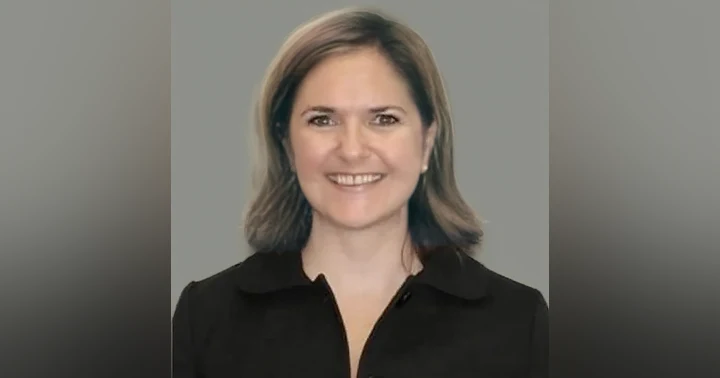
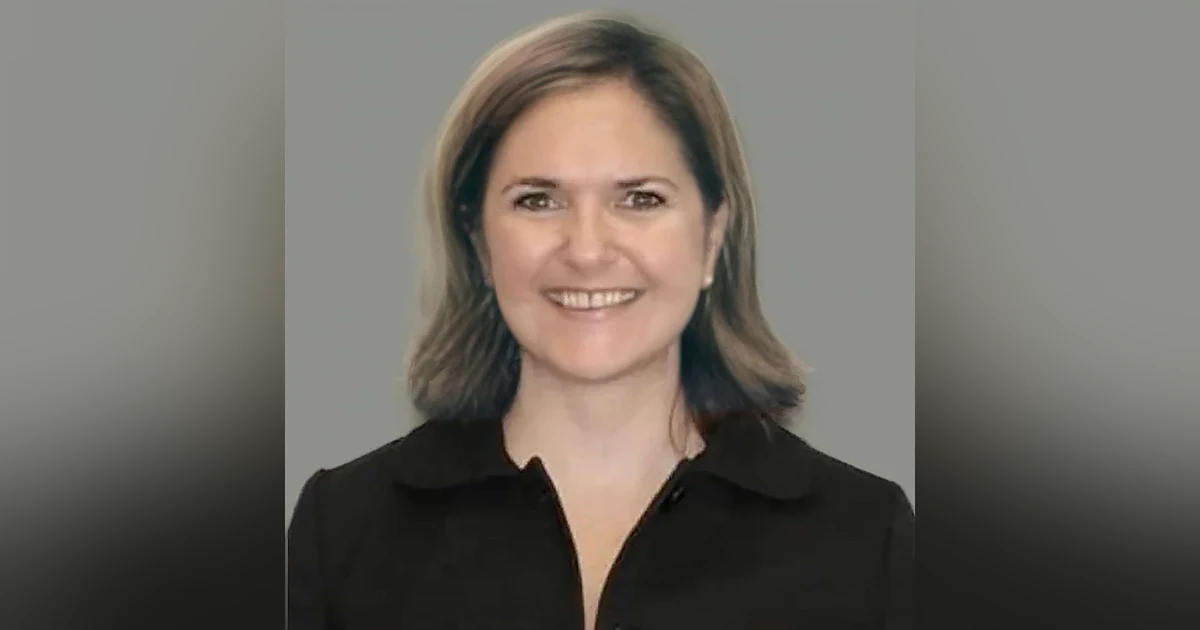
Living On The Edge with Foreign News Correspondent Jessica Golloher


 Apple Podcasts

 Spotify

 Castro

 RSS Feed

 Youtube Music
Street smarts, courage, and commitment define the journey of foreign news correspondent Jessica Golloher—a reporter who’s built a career on the front lines of some of the world’s most dangerous conflict zones. From Ukraine to Moscow, Jessica’s work has been featured by major outlets including NPR, Fox, and the BBC.
In this episode, she shares unforgettable stories: escaping from “little green men” in Crimea, navigating life as an American reporter under constant surveillance in Moscow, and embracing the chaos that comes with reporting from war zones.
Key Highlights:
- Living on the edge—what it really means to cover conflict zones.
- The unique challenges of freelancing for top networks like NPR, Fox, and the BBC.
- Personal tales of danger, resilience, and adrenaline that shaped Jessica’s career.
- The emotional and physical toll of reporting from war zones—and why she keeps going back.
- Insights for anyone drawn to high-stakes journalism.
Listeners will walk away with a deeper understanding of what it takes to thrive as a foreign correspondent—living life on the edge, with a passion that defies the risks.
To discover more episodes or connect with us:
00:00 - Drawn to Danger Zones
05:38 - The Unconventional Path to Foreign Correspondence
17:16 - Life as a Foreigner in Russia
22:48 - Under Surveillance in Moscow
34:36 - Navigating Crimea's Annexation
40:08 - Confrontations with Separatists in Donetsk
48:15 - The Toll of War Reporting
54:31 - Foreign News Coverage Crisis
01:00:15 - Reflections and Advice for Aspiring Journalists
0:05 I am not like the average individual. I love being in a conflict zone. I love that sort of work. Most people wouldn't exactly do that for a living. Russia had decided to hit Kiev six times and all of the hits were within less than a kilometer from me. I'm in the elevator one day and there's all these guys with machine guns and it was basically a place where pro-Russian separatists would stay. It was like a hotbed. I don't know how I got this lucky, but all of these Russians were there with very Muscovite accents, and before I can reach for the buttons on the elevator, the guy says in Russian oh, the American journalist, seventh floor.
0:55 And I was like, oh well, thank you. If they really wanted to mess you around and screw you up, they could. It's just a way to harass. Yes, you have to be careful, but what are you going to do? I was freelance for a lot of different networks. They don't. You know what? If you're freelance, they don't owe you anything. That's the beauty of a freelancer who, you know, speaks the language. Sure, we'll sponsor you. Sure, you know what you're doing. Sure, you're a great reporter, but we are not responsible for you, missy, and that's part of the beauty of it on their end. Of course, they don't want anything to happen to you. If you're a woman with literally no security and you're not getting the amount of work that you're getting, it's probably not a good idea to stick around.
1:44 And you're not getting the amount of work that you're getting, it's probably not a good idea to stick around. And you know, the one-year anniversary of Russia invading Ukraine is coming up and I am so angry that I'm not there and I'm so like I have FOMO, fear of missing out, and it's like I can't even watch what's going on because it upsets me so much. Hello and welcome to no Wrong Choices. I'm Larry Samuels and I'll be joined in just a moment by Tushar Saxena and Larry Shea. Today's episode features the foreign correspondent, jessica Gallaher. Jessica has reported from some of the world's most dangerous conflict zones, including Ukraine, for major media outlets like Fox News, npr and the BBC.
2:25 This incredible conversation that it sometimes feels like an action movie was recorded a little ways back. We needed to hold it until now, but it still feels as current as ever. Before we kick off, please be sure to like, follow and subscribe to our show. Here's Tushar Saxena to lead us in. Hey, golly, it's Tush and you know just to, for full disclosure here, I've had the pleasure of working with Jessica Golliher for I don't know, at some point on and off for about 10 years in another location. We worked together at Fox. She was the Moscow reporter and I got to know Golly personally for many years over there. Golly, I want to know this. I mean, I never got to really ask a lot about your backstory when we were working together.
3:09 Being a foreign correspondent, has that always been what you've wanted to do? Yeah, absolutely. I can remember being like, oh gosh, like 10 or 11, and standing in front of my brother's mirror in his bedroom because he had this giant mirror and talking to the mirror pretending like I was a foreign correspondent, and it used to drive him crazy because he's like can't you do this in your own room? I'm like not now, I am very busy. Which country are you broadcasting from? I'm actually in the Estados Unidos right now. No, no, I mean like when you were a kid oh correspondent in front of the mirror.
3:50 Where were you broadcasting from at that point? You know what, some days it would be Sweden, some days it would be Switzerland, because I liked to ask countries back then. But yeah, it just varied depending on my mood. And it sounds like you prefer to be in the field out getting that story as opposed to behind a desk or something like that anchoring. You much prefer to be out there getting your hands dirty a little bit. Absolutely. I think it really has to do with I like talking to people and that sounds so stupid and so banal, but I like to be on the ground and listening to people's stories, because that's what it's all about.
4:32 I mean, you can sit behind a desk in New York or wherever you are and anchor and talk about what's happening in Beijing, moscow or wherever, but it's more important, I think, to be with people, find out how they're feeling, and that's really the main story Because, quite frankly, you can get information from news services and just do the bullet points and the facts, but that's not the real story. You need to find out what's happening on the ground and that's much what I prefer to do. I don't mind anchoring. I love anchoring. A lot of people hate my voice, but that's fine and it's just.
5:13 I prefer to be out of the office, if you will. For sure. So, jessica, this is Larry Samuels, by the way, thank you so much for joining us again. Take us back to the beginning. You know you jump forward from being in your room looking at a mirror having a conversation that was driving your brother crazy, like how did you go about becoming a foreign correspondent school, et cetera, et cetera. That's a really good question. It was not a direct path. I graduated from Southern Methodist University in Dallas with a degree in German and Russian, and my mom and her then husband had both been in the broadcast business.
6:00 My mom was a producer for a long time and my stepfather had been an anchor and they always said don't do it. You can't make a lot of money until you hit a certain level. It's just not worth it. You know communications at school is kind of a joke. It's like a belly button. Everyone's got one. You know you need something that's going to set yourself apart from other people, and I'd always really, really liked languages. I had gone to school in Sweden as an exchange student and I'd learned Swedish. So I thought you know what, why not just try some languages and see if that won't help things? So I graduated and went to work for a German film producer in Los Angeles and he was just an awful individual.
6:45 I mean, I just wanted to be a reporter. He was an arrogant jerk that made fun of my German and I thought this is not going to get me anywhere. So what I did is I took a delivering the news on camera class at UCLA Extension and I loved it. And I met this girl there who was reporting in Santa Ana California and she's like, hey, listen, why don't you go down and talk to them and we'll see if we can't use you? And I was like fantastic, and they were really nice. I did television there. It was like cable access and so I got my reel started there. And then I had to move back home to Oklahoma for a little bit due to some family issues and I was like you know, I really want to continue with the reporting and I saw an ad in the paper for a traffic reporter and the only experience I had was doing these little rinky dink stories out of Santa Ana California and magically I got hired.
7:47 The guy was really nice, he was one of the main guys that was doing traffic reporting and was kind of like a legend. They called him Hawkeye and for whatever reason, yeah. I mean, he's amazing and he had been doing it for like 8,000 years at that point. So for whatever reason, he took pity on me, I don't care. So he gave me the job and I really liked the traffic reporting. They refused to let me use my last name, which is Gallagher kind of hard to pronounce, so my name was Jessica Lane, as in like changing the car lane, oh look at that. That was pretty awesome. Hawkeye was a genius. He was, and he's actually still doing what he was doing 85,000 years ago, which is pretty amazing.
8:32 That's longevity for this industry anyway. And so while I was there, I also got to work at one of the oldies stations, which was in the same complex, and I was terrible at that I'm going to be the first person to admit it because it was like I had no idea about oldies music and people would call in and they're like you're mispronouncing the songs, what? are you talking about? You sound like Lisa Simpson, how old are you? But I really liked it and so I was done there in Tulsa, decided if I wanted to get like I wanted to get obviously get to a bigger market, no offense, no one wants to stay in Tulsa, oklahoma.
9:13 I mean, I'm from there, I love it, but that ain't exactly the big time. So I decided to go to grad school in Boston for journalism, even though my parents had said no, that's really stupid. But I thought you know, I need something that's going to help me and I really think I'm going to make some contacts there and I did. I met this kid in my class in my graduate class who was working at the NPR affiliate in Boston, and so he brought me on there and I did producing and directing for their newscast unit. They refused to let me? What year was that? Are you going to date me?
9:53 I mean, this is going to make me seem like. I'm 75 years old now. That's a good question. That was I graduated grad school in 2000. Okay so, this is 2000. Oh my gosh 23, you were far from very grown up if it was in 2000 that is not a terrible answer by any stretch of the imagination I'm happy to be like 1965 in 1937 I was in baston. And then I know and I'm sorry this is taking so long, but it literally was not an easy trajectory for me. So anyway, I'm in Boston. I did that for like two years and they refused to let me report and I was getting frustrated because I was the lead producer.
10:42 I was, you know, like doing really well in the newscast unit, but it seemed like every person that came in after me which was pretty much every Tom, Dick and Harry was allowed to to go on air and I wasn't. So I talked to a colleague and I was like, listen, I want to go back to anchoring, Can you help me out? And so he suggested um, it wasn't Metro, yeah, it was Metro Networks. So I was, I got a job there and they were really great to me. So I would anchor for various stations throughout Massachusetts and I really liked to anchor. It was fun, but obviously I don't sound like I'm from Massachusetts and those people are really like they're born, bred, go to school there and they stay there.
11:28 So it was like anything west of Worcester was like complete, like they didn't understand me. So it was like I gotta get out of here. I did traffic reporting there too, and that was for serious, like nationwide, and I thought, okay, this is great, but I don't want to stay here. And a colleague from NPR in Boston had moved down to DC and she was working at the NPR affiliate in Washington and so I ended up on as the reporter, the lead reporter for Washington DC.
12:10 So I was basically covering the mayor at that time, who was Adrian Fenty, and I loved it. It was great. I mean, it really was a fun job, a good market. Another friend of mine who worked at the station was anchoring at NPR on the weekends and so I went over there and bugged them and they decided to let me produce for the newscast unit and then report from Washington DC. So I'm getting to the good, exciting part now. When I was sitting editing one day in the newscast unit, I was talking to one of the correspondents that would file for the newscast unit who lived in Toronto. He was like Gala, are you thinking you're going to stay there? And I was like well, you know, I'm always looking.
12:52 And I was like I want to use my language skills. And he's like well, what are those? And I told him German and Russian. He's like you're. And I was like, hell, yeah, sign me up. So I mean, that's just how it happened One Saturday night at 2am, Gallaher, you want to go? And I was like yes, and I lined up some other strings and I went and sort of. The rest is history. So that was what year. Now that's a good question. That was 2003. So from 2000 to 2003, you're essentially just I'm not saying spinning your wheels, but you're building. No, no, you weren't.
13:32 I mean, you were kind of building your reputation. Obviously, you're going through the NPR ranks, you're doing the producing thing, but you're obviously building a reputation. At that point till, finally, you're able to kind of land that, land that one, that one conversation which says, yes, now I can make that one move. So you've now, you're now saying, okay, I'm going to make that move to moscow for the cbc. So what's that moment like? it was great, but I have to correct you I I lied, it was 2008. I was five years off. Okay, oh, wow Okay. So I spin my wheels for another five years. It was great. I mean, they were very, you know, it was almost like I was a little shocked at how easy it was, because the reporter who put me in touch with the CBC International desk I had known him for like the two years that I'd been working for NPR and he was like, you know, you need to contact and just sort out the details.
14:33 And I thought it was going to be one of these things where, like, okay, we'll use you once or twice or whatever. But I got on the horn with him and he's like, hey, do we still have an apartment there? And he was yelling out to the people in the bullpen of the newsroom and they're like, no, we got rid of it. Oh well, that's too bad, we could have given you a flat. And I was like, oh my gosh, I it was. It was unexpected, it was great. And they used me. I mean, I was their person in Moscow and the former CIS countries for nearly a decade for television and radio and they were so great and so kind and it was a wonderful opportunity. You know, at first I was just like, well, it's not going to be that much, but they were. They meant business, you know, and I appreciated that.
15:14 So I guess I guess that would be my question like making that jump from the US and then saying, yes, I'll take this job in Moscow. So like what is that culture shock like? Because you know, obviously it's just I'll stuff everything in the bag, grab my passport and go. But like what is that culture shock like? You know, for me it wasn't. I mean, russia is a very spectacularly strange place and I like that. I like weird. I'm not exactly normal. I think I had experience with just sort of moving around. I went to like boarding school when I was a kid. I never really spent a lot of time at home. I always kind of did my own thing, so that part was easier for me, I think, than most people.
15:59 I literally packed two giant suitcases and I told my friend before I left, I'm like how am I going to carry this? And she's like that's the least of your worries, my dear. And I'm like what do you? mean I'm worried about you, know, but I got there literally with two suitcases and I had already been to Moscow before because I spent a semester there when I was in college at Moscow State University, so I knew the lay of the land. College at Moscow State University, so I knew the lay of the land. But we're talking like the difference between 1995, when they're selling meat on the street and Levi's jeans, and you know, going back in 2008 is completely different. So I was a little nervous because I thought, well, I don't know anybody here.
16:40 And I just got really lucky. I found a flat with wait for it, two girls from Texas how strange is that? Yeah, I mean, it was amazing and one of them now she became the first female director at the Bolshoi. I mean, just I, it was kismet. I got so lucky and they basically took care of me. They showed me how to negotiate bribes, they showed me how to get my passport registered, because as a foreigner you have to do that and a lot of you know, like landlords won't do it. It was a culture shock. But I was immensely, immensely helped by these people who had already been there for years working, and their Russian was 8,000 times better than mine.
17:26 But you know, once you get used to how things work and you can get yourself settled legally if that makes sense like worrying about the Russian bureaucracy, which is by far worse than the French bureaucracy. You know you can worry about the other stuff later, and then I was very lucky with work. But you know Russia is not an easy place to live. People are cranky, you know. Nobody smiles at you on the street and they have this great saying that it's like if you're smiling it means you're an idiot, like there's something wrong with you. What? do you have to be happy about you know? what I mean Sounds like New York City. You know what kind of happy about. You know what I mean Sounds like New York City.
18:06 You know what kind of is it prepared me for that. I think the most unfriendly place I've ever been is Boston, quite frankly. But you know, that's why they call them mass holes. you know, Excuse my French. But I was okay once I got the bureaucracy settled and the rest came into play, because I had the support. Yes, it was difficult, but I knew the language and I had the support. That's exactly my question. You knew the language, but were you shocked at how good the communication was with the people around you? Were you immediately terrified? Oh my God, my Russian has to get a lot better quickly. How did that go in terms of the communication aspect of things?
18:47 You know that's a great question. I will give you this perfect example. I think the first week that I moved into this flat with these girls, the landlady decided to come over to meet the new American and she looks at me and she says something and I had no idea. I looked at my friends and they were like she said what's your name? I was so like such a there's a term for it like even though you speak the language, you're just not. I was in shock. I guess I didn't you know. You weren't fluent with the conversational aspect of it, maybe. Yeah, but I mean, even though I had passed all the tests and I had a degree in Russian, I was just sort of like a false beginner.
19:34 I guess is what they say. Right. And so I was like holy guacamole, what a goober I am. But then within like a couple of weeks, I'm fine, I'm doing interviews in Russian, but that just tells you like you have to immerse yourself. You know what I mean. Here's the goofball that has a degree in Russian who doesn't even know what your name is. I think I was just, you know, out to lunch and I had just gotten there and I was like, oh my God. But then you know, I mean, my Russian is fine, I do interviews, but people really have a difficulty with my accent Ukrainians specifically. I was interviewing a guy on the street one day and he goes, hey, let me ask you something.
20:14 And I was like yeah. And he's like, are you an immigrant? And I'm like, well, yeah, kind of like I'm from America. America, oh my God, I thought you were from Bulgaria. What kind of Russian is that? And it was just like they don't. You know, they think I'm from like Bulgaria or Moldova, which I take as a massive compliment. That's better than Oklahoma in this regard. Right, Come on Closer. I think it's a huge compliment. You know where'd you learn that Russian? And I was like you know. Of course I have to be snarky. I'm like at your very prestigious Moscow State University, sir. You know, I mean Go polar bears.
20:54 So, jessica, as you're there, you're getting established, you're learning the language, You're learning the ropes, you're developing a network. But, like, let's move forward from there a little bit to. You know the news coverage, you know what was the political climate. Like, you know, how did you develop a network of contacts? And you know, was there a point ever that that you began to feel like you were suddenly on the radar screen of others? Like, like, sir, let's dig into that and the bribes. We want to hear about the bribes, yeah. Oh yeah, well, there's a saying that there is an etiquette to the bribe in Russia. I, you know. There are certain places you know you can go for a quote, like the Carnegie Center excellence.
21:40 There were a couple other think tanks that hadn't been thrown out at that point. That didn't come for years later, maybe about five or six years later. So you knew that you could go to those people for good information, solid information, because you're always going to need that for a story, and that was an easy thing to do. But editors would get frustrated. They're like, oh my God, isn't there somebody besides Masha Gessen that you can talk to? Or the other people that you keep using? Well, yeah, I could, but they won't talk to me, and a lot of other reporters had the same. We all use the same people. That's just how it was.
22:21 I ended up cultivating friends who were in Russia at that time on various fellowships. They were professors, assistant professors, and so they also had insight. That was excellent. So I could use my friends that were coming from London, that were university professors there, which is also really good, or other friends who were diplomats, and you can get information that way. But it has to do with, like you know, sure, you can get your basic quote from the Carnegie Center, but you also want to cultivate that and I think you know having these two girls who really helped me from Texas meet everybody and meet all of my friends that's how I got information was through meeting people and, if you know, maybe if I would have rented a flat on a Thursday instead of a Friday it would have been a completely different career trajectory.
23:13 So I was very, very lucky with that. And to answer your question about being on radar, you know that didn't take very long to be on. I'm assuming you're meaning like Moscow's radar. You know, like if you were covering politics and news and hard news like when did they start to sort of monitor your behavior? If at all. Well, I mean they still do. I mean I have a lot of weird. We can get into that later, but that started relatively quickly. Weird, we can get into that later, but that started relatively quickly as soon as, because you have to be accredited with the foreign ministry in order to report there. So I was sponsored.
23:54 They have all of your information, they know where you live. The first or the set no, it was the second Christmas that I'd stayed there to work because, you know, obviously a lot of correspondents go home and there's more work. So I was like, yeah, I'll just take everybody else's work. And I had gone to the store and before I left the apartment I would, you know, always close my computer, obviously lock the door. Nobody was home and I came back from the store and, I don't know, something was just off. I just felt really weird. It's going to make me sound like a crazy lady, but I was like something is not right and I leaned against the door to put my bags down and the door opened and I was like ew, I know.
24:36 I locked it. You know, like I'm one of these people, safety first, you know, even though I spend half of my time in war zones. So I went to my office where I was working and my computer was up and my Gmail was open and I was like, yeah, yeah, yeah, and I do. I did everything through Gmail, all of my scripts, everything. So that's just a friendly reminder, you know it's how early did that happen? That was within the first year that I was there. But all of our phones are tapped. You can hear it Like you know. You're on the phone and you hear someone tap in twice right.
25:16 So you're talking and it's like click, click. Then they can listen to your… Literal tap in. Yeah, literal tap in. Yeah, it's a tap in and I guess that's why it's called the phone tap, so they tap in and then they can listen to see what you're complaining about, what you're doing, are you reporting whatever, and then, if it's boring, vladimir has something else to do They'll tap, you'll hear another click and they'll be gone. So that would happen all the time, or? I think one of my favorites was and the CBC got really frustrated, understandably, during the mass demonstrations in 2011,. I'd be sitting there waiting for my live hits and we did all phoners at that time. So we're talking like 20,000 people in these mass demonstrations against Vladimir Putin and they're like all right, gallagher is out in the streets amongst the protesters, what's happening now?
26:05 And they cut the line right before I was getting. Yeah, and this happened like gazillions of times, and they were getting upset with me and I'm like I can't control it, and they're like we're hearing tapping on the other end. I'm like, well, welcome to Russia. What do you want, you know? What do you want me to do about it? So those sort of things would happen. But it's, you know, it's not. It's annoying, it's nefarious to a point, but it's only just to let you know that they're there. If they really wanted to do something to you, they would have. You know what I mean? It's just, it's a way to gently harass, if you will. Okay, so then how do you protect yourself from that?
26:47 Obviously, you've got the network which is going to try and protect you. You've got the consulate which is going to try and protect you. But how do you then protect yourself from obvious, covert, overt harassment like that? You? can't, you can't. And to answer your question, the network, listen. I mean, I was freelance for a lot of different networks. You know what, if you're freelance, they don't owe you anything. That's the beauty of a freelancer who speaks the language. Sure, we'll sponsor you. Sure, you know what you're doing. Sure, you're a great reporter. But we are not responsible for you, missy. That's part of the beauty of it. On their end, of course, they don't want anything to happen to you.
27:32 But at the same time you're getting all the good stories and you're standing out there in a crowd of 20,000 people and they're getting great sound. And you know, sorry if you get bumped around, if they break your arm, too bad. You know, nobody wants it to happen, but that's part of the job. We were half joking about whatever room you go into, you're sweeping for bugs and stuff, but it sounds like, since we're in this territory, we need to talk about it. I mean, everywhere you go, are you checking for surveillance? Are you looking for bugs? Did you have a method to how you would I don't know make sure a room was not touched, or did you just understand that whatever you said was going? I understood because, first of all, I mean I'm not going to lie.
28:13 I did Google like what does a bug look like If there, if there's a teddy bear randomly in my hotel room, I would turn it around and see if there's like a camera in it. I'm not going to lie. I did little stuff like that because that did happen? If you found one, what would you do? Like would you try that I'd take it out, or wave, or whatever? you know but. I mean, I'm not stupid to think that, you know, I can do anything about it. I mean, it was, for instance, when I was in Donetsk in 2014,. I was there on the ground when Russia had started their little operation and I was doing a lot of tweeting and I was just basically tweeting the facts and there was this one guy who kept like coming back to me and disputing everything I said.
29:04 And I'm looking at his name and I'm like God, why does his name sound familiar? And so I look him up. I'm like, oh whoops, that's the head of the pro-Russian separatists. I should probably I mean like oh my, you know that like, and I was just like, oh golly, you might want to pay a little bit of attention. You know, it was weird stuff like that. Or I took a vacation in 2014, like after, you know, crimea was annexed, and all of a sudden, I'm getting like check-ins from Donetsk. You know like, I'm apparently in Donetsk on Facebook and I'm, you know, I mean stuff like that. It was just like, well, first of all, I love Donetsk, especially in the spring.
29:46 It was beautiful, but I am not there. I mean, it was. It was weird stuff like that and it's just something that you have to be prepared for. And, like I said, if they really wanted to mess you around and screw you up, they could. It's just a way to harass. Yes, you have to be careful, but what are you going to do? You know that's part and parcel for the job. Did any of that stuff ever influence how you covered a story or hold you back from doing? anything.
30:28 September I was in. I mean, it necessarily wasn't the harassment, but it was just the whole like journalism industry in general for me. I was in Kyiv in September and this was my third trip in. I was there when the war started. I mean, I spent pretty much all of 2000, um, all of last year in in Ukraine in various parts, and it was right after Ukraine, um blew up the Kerch bridge, which is the bridge from the mainland to um, to Crimea. I mean, of course they say they didn't do it, but yes, okay.
31:10 So, um, I had been filing a lot for this one network and I had made a lot of money for them and I really loved it. But this time that I went, the last time, I wasn't being used very much. I was like what's going on? I used to be on television every single hour. I was making buku bucks, what's happening here? And I was just like, well, maybe it's a money issue or whatever. And this was one random morning. I'm sleeping on the sofa, couldn't use the bedroom, but that's a whole other story. And I hear like one explosion and I'm thinking, okay, maybe it's like a power outage. And then another, and then another, and they're like massive, massive explosions.
31:54 And I'm in this Stalin building right and I'm like holy crap, what's going on? Are they bombing the city again? Because they hadn't really done that since the beginning of the war when they had to retreat back in March. And the first thing I do stupidly, I mean not is run downstairs to the bomb shelter. I grab my phone and I look out the window and I see other people like hanging out the window taking pictures. Um, there were just explosions everywhere and smoke and Russia had decided to hit Kiev six times and all of the hits were within less than a kilometer from me. And, yeah, and the guy downstairs from me, sparkle Joel, appreciate this screamed, which is like not a very nice thing to say.
32:39 Like you, know, I mean like we're literally being bombed. And he like gets on the horn. I can hear everything. It sounds like he's on like a 1949 rotary phone. I'm not leaving these bastards, you know. I mean, and I just thought to myself this is, you know, galaher, if you were making buku bucks, you should stay. But literally, like, I went outside when I thought it was all over and I was just like there's, you know, stuff has been blown up everywhere and I just happened to be in the middle of it and I was like it's okay if I'm making a lot of money, but, you know, but at some point something's got to give right. And I think that was my not necessarily harassment, but sort of well, okay, this is dangerous.
33:25 I mean, I've been doing it for a long time. Of course it's dangerous, but if you're a woman with literally no security and you're not getting the amount of work, that you're getting. It's probably not a good idea to stick around, okay. So I kind of want to stick on that point for just another minute and and because I was, you know it's good that you hit on that, because I was I wanted to kind of touch back on crimea, because you were there during the invasion of crimea as well and did you see a similar type of danger? Because I remember speaking to you at Fox and you talking about how you know you were harassed by, as you said, by separatists, by little green men, and how you felt that intimidation and danger in the Crimea as well.
34:09 Yes, you know what, and I wanted to touch base on that earlier, but Grandma here forgot. Yes, yes, you know what, and I wanted to touch base on that earlier, but grandma here forgot. Yes, I was so. Essentially, I was really lucky when I was in Crimea. I stayed at this great Black Sea resort and the people were really nice to me. They basically took care of me. I had made a mistake and I was supposed to stay in the capital of Crimea, but I picked a different locale and I ended up in this resort along the Black Sea. And so I'm in the elevator one day and there's all these guys with machine guns and it was basically a place where pro-Russian separatists would stay.
34:55 It was like a hotbed. I don't know how I got this lucky, but all of these Russians were there with very Muscovite accents and before I can reach for the thing to do the buttons on the elevator, the guy says in Russian oh, the American journalist, seventh floor. And I was like, oh well, thank you, hello. I mean I was like, oh, good morning, senor, you know. I mean it was just like guys with machine guns were at the breakfast buffet, right? I mean it was just like, okay, and it was right, after the referendum, when Crimeaa quote-unquote or crimeans quote-unquote um yeah, voted to be part of yes, I walk in and there are I don't know, probably 200 men with crew cuts in the lobby and I see my favorite girl who works behind the front desk and she's like jessica, and I'm like and she's like Jessica, and I'm like yes.
35:55 And she's like, okay, so you're checking out tomorrow. And I said no, ma'am, it says I should be here for another week and a half, so you're checking out tomorrow. Oh, my goodness. Right and I said no, what's happening? So we've got you checked out for tomorrow. And then she started looking around the room at these Russians who all had crew cuts. So she basically saved my arse, this lady. Yeah, to get the hell out of Dodge. Right, she did. And I was like oh yes, I am, thank you very much. And then she I mean, she really had this look of like you better be paying attention to me.
36:37 It was all. It was a mix of fear and hey, goofball, you're not getting it. You know what I mean? And I was just like okay, so I left. But another thing I wanted to mention is, right after the pro-Russian separatists had taken over the municipal building in Donetsk, I went down there and I'd been down there before and I'd interviewed these pro-Russian separatists and they were like little kids, like 18-year-olds with machine guns, bandanas. The place looked like. You know, it didn't look good. There was barbed wire everywhere, there were pictures of Obama and like dogs defecating on Obama. It was not a good place to be right.
37:17 But that's where you get the good interviews and I didn't have a problem when I had first gotten there and I interviewed these two guys and it was hilarious because one was little like little. He looked like he was maybe 18 and weighed a buck 05 max, maybe 18 and weighed a buck oh, five max. And this guy that was with him was a little chubbier, which is very unusual for Eastern Europe, and I was like so what's going on here? Can you tell me everything? And the little guy was like she has this accent, I just can't understand anything. And so the bigger guy had to be my translator, and it was really just like sort of one of these moments where it was like, well, these are nice fellows, you know, they're interviewing me, they're translating, this is a good place.
38:01 I'll come back here. So I came back again for the last time and I was taking pictures of the Donetsk People's Republic flag that had been raised over the municipal building and all of a sudden, out of the corner of my eye, I see like six guys like running towards me, with machine guns, of course, and they're like what are you doing? And I was like, well, I'm taking a picture of your beautiful flag. You know what else am I going? to say Paid them a compliment, yeah. I was like, oh God. And so I didn't think anything of it because the guys before that I had interviewed were so nice to me, right I mean, I seriously thought everything was going to be fine.
38:42 And they got closer and they were like give me your phone. The leader guy. And I was like no, I'm not giving you my phone. I told you, I'm just taking a picture. Give me the phone. And so I handed him the phone and my phone was in Swedish, because I like to keep up my language skills and whatever. And he was like is this? What language is this? You're not American, are you? And thank God, I mean, yeah, I have an accent in Russian, but they don't know the difference between Swedish or American. And I said I'm Swedish. And he's like show me the pictures, open the phone. So I opened the phone and he's like I want you to delete these right now. And I'm like I'm not going to delete the pictures, I'm not because, you know, my thought was they're not going to do anything.
39:26 They had just kidnapped a guy, an American guy, but they weren't gonna like mess around with a lady in the middle of a meeting. They're not going to do anything. They just kidnapped somebody. No but I mean, you know what I mean. Maybe that was stupid, right, but I'm in the middle of a square, a public square. We got grandmas to the left, a tank, other reporters were using this place to report because it had great views, and I said no, and then they got closer and started like manhandling me, like pushing me and stuff, and I was like, okay, like I didn't expect that. I mean, I call me stupid, whatever, and it was actually my birthday that day and I screamed at the both of them and both of them.
40:14 I screamed at all of them and I said, listen, today is my birthday. I am a lady, I am alone, my family is not near me. I want to have a good day. And shame on you. Your grandmothers would be so disappointed and they literally gave me back my phone, wished me happy birthday and left me on my way. Now that's a way to get like a russian man shame a russian man. To tell them that their babushka would be disappointed. And that's how I got out. I was like, oh my god, I mean golly oh, my god, it was not. I can't you know? People are listening to this and um, I would have for the airport, I don't know about anybody else.
40:54 They had blown the airport up at that point, oh great. Yeah, but let's talk about what you're feeling Like it sounds like you weren't scared. It sounds like you were more emboldened by this and I really want to touch on because you mentioned it being a woman. It sounds like you felt almost empowered that they wouldn't do anything to a woman. I would feel that in a place like Russia, that would be a point of vulnerability because of how they treat women. You know what. You make a very good point. There is a fine line. To give you an example, there is a phrase in Russian that says To beat means to love. It's not unusual for a man to smack his wife or smack his girlfriend, but it's also very common for a Russian man to carry a woman's purse.
41:41 You see it all the time. They bring women flowers. They respect women. They do not shake a woman's hand Like when you meet them, and a lot of times they will not even address you. You know that could be seen as a sign of disrespect, but there's also a line of respect that's there and I guess I'm just stupid. God protects babies and fools. I didn't think it was going to be an issue. I didn't think I was going to get roughed up. But I also have to point out when I walked away I didn't run because I thought that would be like a bad sign. You know what I mean. Like they could have chased me down. I, stupidly, was wearing a mini skirt in a war zone with a backpack on. I mean, I guess I'm just a moron. But there were these guys that were foreign correspondents, that were there with their security, that watched the whole thing, and so I then screamed at them.
42:31 I was like what the is wrong with you? Didn't you see what they were doing? And they just were, like, wanted nothing to do with that. They were more scared. Do you know what I mean? Then I was, and I was just like that was more insulting to me than the Russians. I got lucky. I insulted them, saying that their grandmothers would be ashamed of them and it is my birthday. They're very big on birthdays. You know you played every card. You knew I did. I mean I don't know. It just came to me because I thought, okay, they're not. What are they going to do? Are they going to drag me into the municipal building? All of these people are watching, right. I mean I really didn't think that they would do anything. I was more mad about the correspondents that were like standing there, mouths open, watching me get pushed around by like seven guys with machine guns, you know.
43:21 So, Golly, you touched a moment ago about this notion of, obviously I would say, male counterparts, male foreign correspondents with their security kind of watching and you being a woman being roughed up by these Russian guys. I want to kind of maybe touch on that a little bit and just ask this notion of female reporters in the field, and has it gotten easier or harder for a woman to be a foreign correspondent? um, it's more accepted now. I think, um, but it it's not easy. I think a lot of it as a woman, you know, just in general it's the same.
44:02 Has it ever been easy just going from Moscow to Kiev when they had the Orange Revolution, obviously, crimea and also in eastern Ukraine? That was easier, not because I was a woman, but because the war wasn't as bad as it was, if that makes any sense. It's never going to be easy, you know, I mean I. For me it's a lot of I hate your voice. I mean I get that all the time, like if it's on radio, I apparently irritate people, but if it's on television and they can see me, it's a different story. It's never going to be easier.
44:43 I hope it gets easier. But you know, I mean I look at all of my girlfriends who are foreign correspondents and none of them have children. None of them. None of them are married. And then you look at the guys and the guys have all of this, you know, support at home with their wife and their children. It just is an easier road to navigate for men, if that makes any sense. And I'm not saying being married is a better deal, but you have more support and you have people to back you up when you're pissed off, you know, for getting roughed up for the day, you know. I mean, who do you talk to, who do you call? And I think that's one of the main things is there seems to be more of a support system, if that makes sense.
45:31 This is your spark. I could hear it in your voice when you're telling these stories that this is what makes you feel alive. Almost Did you get homesick at all? Did you have any? Like I, just, I, just, I don't want to be in this environment anymore. I want to go home. Did that ever cross your mind? You know, no, not until I didn't have a lot of work this last time. You know, other than that I love it and it's like you know I think some people need. Maybe there's something wrong with me, but I know other people that are actually. Golly, that was gonna be a question. Do you have to be a little bit Honestly, do you have to be a little mentally unbalanced to do this, you do, you do, and I'm the first person like I don't.
46:16 I am not like the average individual. I love being in a conflict zone. I love that sort of work. Most people wouldn't exactly do that for a living. But I get severely, severely depressed when I'm not doing something that I love. You know, I was going back and forth from Ukraine to my place in Warsaw and I think I was talking to Sparkles about this. I'm like I am so bored. I mean, what has happened to my life? I'm drinking Heineken on my sofa because they don't have Bud Light here, and I'm watching Little House on the Prairie and Real Housewives with my Middle Eastern street dog, who was a rescue. What has happened to me, you know?
46:57 I mean like if I'm not doing what I love, it really it affects me. You know, and I know other journalists that are like this they have this club called the Vulture Club and it's like I think, maybe kind of self-explanatory. People just go from war zone to war zone because they get off on it. It's a drug. It sounds like a drug, right. Like the adrenaline rush right. Yes, you get that itch, yeah, yeah. Do you seek out excitement in other ways? I do. I do, I used to. Like I'm not a person of non-extremes. Like you know, I'm one of these people that I either eat a lot or I don't eat because I'm too excited I'm working. Or if I go out and have a drink, I'm not going to have one drink and call it a night, I'm going to have like five or six.
47:43 Right, I don't have happy mediums. I love to exercise, I love to swim, but you know my drug is work and if it's not there readily available, I have to find ways to self-soothe, if that makes sense, and I'm not good at that. I'm working on that. I'm actually like to be honest with you trying to find a therapist to say to help me. Like you know, I mean it's not like you're 15 anymore, like you're getting older and sure I could be 60 in a war zone. I hope to be. I really really hope to be. But what are you going to do after that? I have to find ways to be a productive individual and that does not include drinking Heineken on my sofa at three in the afternoon, watching Little House on the Prairie with my dog.
48:33 You know what I mean. Like I have to learn how to self-medicate without, you know going to war zones, or you know exercising too much or eating too much. I mean, these are very real things. I think that people do, you know. Okay, so I want to ask you about that. So what has the physical toll been on you being in all these war zones and we haven't even touched upon your time in the middle east? I mean, we've only really touched upon your time essentially in moscow, but I mean you have spent time in the middle east as well. What has the physical toll been on you at this point? you know, I don't notice the physical toll because I love it so much and that's my. You know, I would talk to friends and they would say you know, Gala, I think maybe you need a vacation.
49:18 What? do you mean I don't need a? vacation. You know, like I'm not very I'm self-aware, but it doesn't, it doesn't matter to me because I love it so much. So there definitely is a toll when you or when I come back from Ukraine, like the last time. I mean, getting in and out is a blankety, blank show. So it's like 20 hours on a bus. You know, there were several times when I was going in and out when there were like explosions within like two kilometers. So it's a lot of stress on your nervous system and your body, but you don't really notice it until you get back. So my whole point is is you take these like 20, 20, 20, 26 hour trips in and out and I would get back and I would sleep for like I don't know a week, not consistently, obviously, but like I would go to bed and then I'd wake up 23 hours later and my poor dog hasn't gone out and I would just be out like a light.
50:19 So I think it really takes a toll and most networks rightfully so only put their people in for three weeks. But since I mean, with the exception of Fox I've always been freelance and so I would never listen, you know, I would always just go and go and go and when I wasn't there, I couldn't decompress. Do you know what I'm saying? Like, even if I was on vacation, I'm still checking the news over and over again and you know, the one year anniversary of Russia invading Ukraine is coming up and I am so angry that I'm not there and I'm so like, I have FOMO, fear of missing out, and it's like I can't even watch what's going on because it upsets me so much.
51:01 You know what I mean. It's difficult for me to relax when I'm not doing that, because it's like what am I going to? do you know I mean how Right, right, right. Have you thought of contributing in other ways? Are there? You know I'm working. I wrote a book on Russia a long time ago. It was like sort of a memoir, just like funny stories on Russia, and when I signed a contract with Fox they wouldn't let me publish it unless their legal department had read it. And I was like no way, I'm not, you know, I'm not doing that. So the book was on hold and then, after I got canned from them, I tried to get it published and it was just rejection after rejection, or I did get a publisher but then he ended up having, I think, a substance abuse problem.
51:55 So I stopped working with him and so now I have this book. That's finished, but I have to change quite a few things because of the invasion last year. So, to answer your question, I have that book, I'm working on that, and then I'm working on another one. So that really helps, but it's not. I'm not going to lie, I'm not. Unless I'm on a deadline, I can't function. So I need to discipline myself, since I'm not filing every morning, like, let's say, you know I'm on a deadline, I can't function. So I need to discipline myself. Since I'm not filing every morning, like, let's say, I'm not filing all day, every day. The more I work, the more I do. So if I was working a lot and filing a lot, the books would be finished. But since I don't have that deadline, I'm slow, and so that's essentially what I'm doing.
52:39 You know, obviously still filing for um other networks, um, mostly in Europe on Ukraine, and that's great, I mean, I've had longstanding relationships with them, um, but it's it's, it's difficult, and so the books make me happy. I'm doing it because it still is on the conflict and things like that, but, um, it ain't easy. Do you think that foreign news in general regardless of whether it's the war in Ukraine, but foreign news in general gets enough of the importance that it needs to here in the States? Absolutely not. No, I think it's a real shame. I mean, everything is so cookie cutter. That's why it's easy, you know, for an anchor to sit in New York and just dole out three points from the wires.
53:23 You know, I mean, everything is about big bucks, saving money, advertising. It's not about in-depth reporting. Sure, there's excellent reporting in the New Yorker, the New York Times, but if we're talking about, you know, television or radio, unless it's a long form podcast, it ain't there, and I think it's a detriment to the people in the United States. And it's not only foreign news but even regular, sorry domestic news in the United States. You know, I mean, that's why I remember, when USA Today came out, people were like, oh, that's just never going to fly, it's just little tidbits, they need more information. No, I mean, that's basically what's happening is everything is bullet point, and I really wish, if wishes were rainbows, that we could be like Europe.
54:09 You know, like, for example, the Süddeutsches Zeitung, which is a newspaper in Germany. You know it's left-leaning. When you pick it up, you know you're going to get in-depth reporting on information and stories, and it's left-leaning. You know, if you pick up another newspaper, it's going to be a little more right-leaning and everything is in-depth, and it's mostly because journalism isn't private, it's public, it's like the BBC, the CBC, and it's important for people to get information. It's not controlled by big business, and I really wish it was like that in the States, but it's not, I mean, and thank goodness it's not because I have work, do you know what I mean?
54:53 And because people are interested in things that are going on everywhere and people are very well read and things like that. So, to answer your question, it's really changed and even within since two, you know, like 10 years ago or five years ago, a lot of networks have pulled their foreign correspondence back and just started everything out of London, you know, I mean, and then the reporters have to fight or pitch for a story and they go wherever the story is, but no longer are there bureaus everywhere. You know some networks do it, like NPR, for instance, but the building that we used in Jerusalem was the Jerusalem Capital Studios.
55:39 The AP has gone out of there, at least to my knowledge, and I'm not sure if even CNN is there anymore. I know Fox is there, but so many of the networks have gone out of the building. The CBC is gone and it's no longer the place for the live shot. People are working remotely, if they still have jobs or if they haven't been called back to London. So it's really changed. That venue is not there. And you know, on one hand I understand business-wise it is so expensive, so expensive. But it's a shame, I think, and I think it really doesn't serve the people. Well, because if you flip channels which I've been doing here, let me tell you, you know, it's the same story, every channel, doesn't matter what network you know.
56:25 And why is that? Well, because you don't have anybody on the ground and you're all reading the same wire copy. So golly, I mean, I guess that's a weird way to kind of wrap, to kind of not say wrap up, but I guess if you had advice you wanted to give to a younger journalist out there, younger female journalist or younger journalist who wants to go into becoming a foreign correspondent is it still worth it to be a foreign correspondent and if so, what is the best way to go about it? Don't do it. No, I'm kidding. I think, I'm a firm believer. A firm believer If you love something, then you're good at it. Maybe I'm an idiot, I don't know. But if you really want to do it, I say, get started early.
57:08 You know these. I don't want to call them kids, but I think that's what they are. A lot of the reporters that were in Jerusalem with me were like I don't know 10 years, 15 years younger, and they were young kids and it was their first big posting the Middle East, which I thought was so odd. But obviously you're going to pay a younger person with less experience a lot less money, right? And these kids had been working for a while at you know, know, interning at different networks and what have you, and I think that was really good. They had gotten experience. So if you want to do this, I'd get started early and I'd make sure, if at all possible, harass, bug anybody to get at a major network.
57:52 Like, do an internship at NBC if you can afford it. But that's also a double-edged sword. Like, if you want to do this, you have to have some sort of comfort and help, right? You know who's going to pay for your rent in New York City. If you intern and you're not getting paid. How is that going to happen, right? I mean, that's a problem too. So you know, I mean, is the news industry an industry of nepotism and rich kids? I think in part yes, because how in the world do you get in at ABC or CBS or NBC or Fox at 22 after college? How did that happen and how did you afford to stay there? So my advice is you just got to keep after it.
58:36 I mean, hello, I was in Tulsa, oklahoma, and then ended up overseas. And just don't take no for an answer, because believe you me, I mean, how many times have I been told no? I mean I get more discouraged now than I did before, and I don't know if that has to do with maybe I'm smarter now or it's just I've gotten lazy. But don't take no for an answer and really reach out to everybody and anybody and people are going to be jerks. I will say that I hope they aren't and I wish people all of the best. But you have to get a thick skin and just because somebody says you're not good, don't believe them, because if you believe everything that people tell you, you're going to be in trouble.
59:22 Golly, how many languages do you? know, let's see Swedish, German, Russian, Spanish and English on a good day, and Ukrainian kind of, but not very good. How's your French? It's terrible, it's absolutely. I mean, yeah, I tried to order French fries the other day and the guy was like quoi, what? And I was like pommes frites. Well, with that question, I'm trying to think of creative ways to say thank you in many different languages. Only thing is I know English and a little bit of Spanish, so I guess I can say gracias for joining us today. I can't really go any further than that.
1:00:03 De nada. That is all that's needed. My pleasure. I'm happy to give my sage advice, or I'm not sure if it's sage, but it's advice anyway. It's advice on the line Advice inspiring might have scared a few people, but a little bit of everything, jessica. Thank you so much for joining us today. Oh, it's my pleasure, thank you. Well, I tried to figure out how to say thank you in multiple languages. I'm now trying to figure out how to say adrenaline, junkie, crazy and all those other things. What an unbelievably exciting, scary and over-the-top story. Yeah, we learn a lot from these interviews, and I think the thing I've learned the most is that I do not want to be a foreign correspondent.
1:00:46 Here is the one wrong choice for most of us. No wrong choices, people no. But you could feel her courage. I mean we talk about courage when it comes to your profession a lot. You know leaving a job or or you know going, going, starting your business or something of that nature. This takes courage of a proportion that I don't think we've discussed on this show at this point, and I have such admiration for what she does and it is like a drug, I think. I do think there's an adrenaline that comes with it and she says she sleeps for a week when she gets home. I mean I could imagine, because you're so wired and then you get home and everything must seem so mundane or or down right, and then you seek it again.
1:01:32 I could see. I wonder if it ages out at a certain point where you don't want to be on a battlefield at the age of 70 trying to corral kittens. You know what I mean. Like at a certain point you have to find a different way to to have this adrenaline feed something. So I just have such admiration for her story and you could hear it in her voice when she's telling these stories how much it means to her and how important it is. I'd have ptsd she's seeking more of it. Well, and I would add to your thought, I think you also have to be in shape, you know, based upon what she described in terms of running around, hustling, moving, needing to be able to protect herself, and things of that nature. I mean, not only do you have to be street smart, you've got to be physically adept to be able to do what she was talking about look, uh, golly's a little bit crazy uh, plain and simple um, and I've known her for a long time and I can't I tell her that all the time I, you know, I don't pull any punches with her.
1:02:31 I was like you know, you've got to be a little bit nuts to do what you do. And look, she and I are roughly the same age. And you're right, you know it, let's're right, you know, let's not pull any punches here. Being in a war zone doesn't matter how physically fit you are. It takes a physical toll on you and especially if you're in it for you know, as she said, she's essentially been in a war zone for the better portion of a decade. You know that ain't easy on anybody. You know even warriors have to step out of that, have to step out of that arena for a while, but she's essentially been in it almost consistently for 10 plus years. That's not an easy thing to do and it takes a. It takes a toll on your body, it takes a toll on your mind and you were said it before. The notion of PTSD, you know what?
1:03:12 Maybe there are elements of that in there. Right, because there have to be elements of that in there, because you're correct to say that she's a bit of an adrenaline junkie in that sense and you know I think about this notion of, like you know, movies all the time. I like to hearken back to movies and whatnot and think about. You know, there's a movie that's out it came out a few years ago with Rosamund Pike, about a foreign correspondent. The movie is called A Private War and how the journalist there there it's a very famous journalist. I can't remember her name at the moment, but she was one of the most famous foreign correspondents who ended up being killed in, uh, in syria. Uh, she was. You know, she was caught in a bombing by. She was caught in a bombing by by syrian forces and she felt it was her duty to kind of tell the stories of what was happening to people.
1:04:02 And this is what Jessica does, right, she feels it's her responsibility to relay those stories and that is a real burden in some senses. Right, when you think about it is that you have this unbelievable responsibility. You see all this destruction around you. You see all these very human, human emotions and human stories around you and it touches you and you feel a real responsibility to relay that in some way, shape or form. And she's right, the news business has changed and I've seen it right, because I was there when we had a Moscow bureau, we had a Japan bureau, we had a UK bureau, which we still do but those have been pared down. Those have been pared down to just being one foreign bureau who takes care of basically everything.
1:04:45 At this point, and that's the real shame of it, that the foreign correspondent, which has been such a stalwart position in so many newsrooms for so long, has now it's not becoming a dinosaur, but it's becoming an afterthought, which is a real, real shame. Yeah, the news business has really become about entertainment and opinion, more about transparency and stories, and she's not making a million dollars doing this, right. Like she's out there which is crazy, right, right, putting her life on the line, risking her life. She's literally risking her life. That's exactly right, and she talked about it herself. Like at a certain point, something's got to give. Because I'm not making a million dollars out here, I'm putting my life on the line and I'm making a living, but you're also subjecting yourself to, as you said, the physical and mental wear and tear of being in a war zone in this particular instance.
1:05:32 So this isn't for everybody, it's not for me, but I just have such admiration for what she does and I'm really just, I'm inspired by her story because you could tell that she just loves it and needs it, and that's that's what you want out of your profession. It has to be a pure passion for you to go and chase that dream. She does not need to write a book. She should just do it. She should just do a movie on her life. Jump right ahead. She wants to write a book. No, don't write a book. You could write a screenplay on your life. It would be just as exciting. Because the simple story she told us on just to get out of you know, just a simple story on how to get out of some situation in a square in Crimea when you're surrounded by seven guys with machine guns you don't think that's harrowing.
1:06:18 That was harrowing when we're just listening to it. That's right. Why did I just picture the Idiot's Guide to Foreign Correspondence by? Jessica by. Jessica Gahler. How many times do? you think they role-played that in her Boston College graduate class, Exactly Okay. there are guys with machine guns all around you. Tell them it's your birthday and Tell them it's your birthday and tell their grandmothers to be ashamed. Right. Their babushkas should be ashamed of themselves. You'll get out Well with that. Hopefully, jessica will get back out there and she will pursue all those things that she wants to be doing. Jessica, thank you, thank you. Thank you so much for joining us today. Thanks again for joining us. If this episode made you think of somebody who could be a great guest, we'd love to hear from you.
1:07:01 Please reach out to us through the contact page of our website at norongchoicescom. While you're there, check out the blog for a deeper look at our takeaways from each episode. You can also connect with us on social media. We're on LinkedIn, instagram, facebook, youtube and X. On behalf of Larry Shea, tushar Saxena and me, larry Samuels. Thank you again for listening. We'll be back next week with another inspiring conversation.