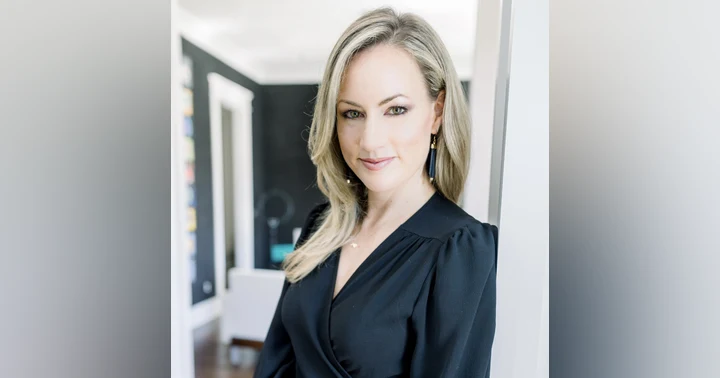
Laura Hutfless: Turning Initiative Into Impact
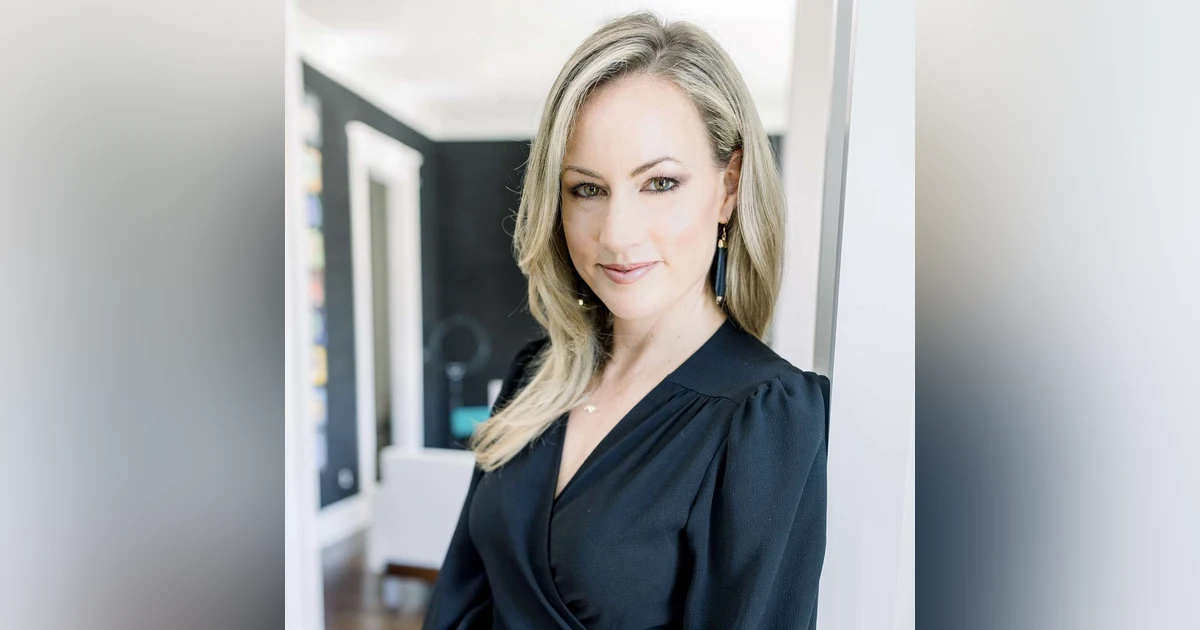

Growth doesn’t wait for permission — and neither did Laura Hutfless. In this episode of No Wrong Choices, we explore how a childhood shaped by both discipline and creativity prepared Laura to build a career defined by initiative, resilience, and purpose — a path that ultimately led her to found FlyteVu, an entertainment marketing and creative agency. Laura rose quickly in the entertainment world by selling bold ideas, building powerful brand-talent partnerships, and turning creativity into st...

 Apple Podcasts

 Spotify

 Castro

 RSS Feed

 Youtube Music

 YouTube
Growth doesn’t wait for permission — and neither did Laura Hutfless.
In this episode of No Wrong Choices, we explore how a childhood shaped by both discipline and creativity prepared Laura to build a career defined by initiative, resilience, and purpose — a path that ultimately led her to found FlyteVu, an entertainment marketing and creative agency.
Laura rose quickly in the entertainment world by selling bold ideas, building powerful brand-talent partnerships, and turning creativity into strategy. Her biggest leap came when she recognized a market gap — that brands needed guidance navigating culture just as much as celebrities did — and decided to build something new.
What makes her story especially compelling is how she brings different worlds together — structure and imagination, business rigor and creative expression, success and impact. At FlyteVu, giving back isn’t something added later — it’s built into how the work gets done.
Along the way, we explore the turning points that shaped her leadership, her commitment to mentoring others, and campaigns that proved marketing can create real impact — from a groundbreaking Super Bowl collaboration to a Make-A-Wish moment that changed lives.
We also talk hiring, AI, life’s unexpected chapters, and how motherhood reshaped her perspective as a leader.
This is a conversation about growth, purpose, and building a career that reflects all of who you are.
🎧 Listen now for insight from a leader who believes meaningful work — and meaningful lives — are built one intentional choice at a time.
To discover more episodes or connect with us:
00:03 - Jumping To Growth Over Money
00:47 - Host Intro And Guest Setup
01:12 - Founder To CEO Transition
02:17 - Childhood: Military Meets Art
05:44 - College And The Pivot From Design
08:27 - Nashville Hustle And Early Breaks
11:42 - Cold Calls, Big Wins At WME
14:40 - CAA: Leveling Up Beyond Country
17:25 - Hard Feedback That Built A Leader
19:36 - Spotting The Brand-Agent Opportunity
22:07 - Launching FlyteVu And Early Clients
25:24 - Scaling Smart And Staying Nimble
27:55 - Leading By Empowering Others
30:04 - Purpose As A Business Advantage
33:02 - Make-A-Wish And Real Impact
36:06 - Serena Williams And Bumble Super Bowl
39:10 - Mentorship, Chapters, And Timing
42:01 - Adoption, Resilience, And Support
45:22 - Hiring For Soft Skills
47:39 - AI’s Role In Creative And Strategy
50:09 - Closing Reflections And Takeaways
0:03 When I think about my career and all the jumps I've made, it's always been jump into growth. Money has followed. I don't hire at that level based on resume, based on skill set, based on whatever degree you have. I hire based on resilience, based on hustle, based on how you communicate with me, how you show up, executive presence. I can teach the rest. Now my role is to find really talented people, place them in their gifting, give them the tools they need to succeed, and then get out of the way.
0:47 Hello and welcome to the Career Journey Podcast, No Wrong Choices. I'm Larry Samuels, and I'll be joined in just a moment by Tushar Saxena and Larry Shea. This episode features the dynamic CEO of FlyteVu, Laura Hutfless. Before we bring her in, please be sure to follow the show wherever you're listening right now. Your support enables us to keep bringing these great stories to life. Let's get started. Now joining No Wrong Choices is Laura Hutfless. Laura is the CEO and co-founder of FlyteVu, a creative and entertainment marketing agency that connects brands to pop culture with purpose at the core. Laura, thank you so much for joining us.
1:29 Hi, thanks for being here. I'm excited. So to get all of that right, uh I often write these intros and assume that I've I've gotten things correct. Was that a the proper setup? Yeah, that was perfect. Those were my lines. Perfect. So if you would, please, you know, tell us who you are in your own words. Uh I'm Laura. I'm the founder of Flight View, as you mentioned. Started the agency about 10 years ago. Uh I actually uh sold the agency about six months ago. I'm still on as CEO. So now I've transitioned from founder to CEO, which is a very different role. I was gonna say, is that better or worse? Uh it's just different.
2:10 There's uh it's it's just different. And it's it's exciting and new and fun in different ways. Uh and so our agency uh helps our clients who are brands connect to pop culture in many different ways from celebrity endorsements to commercials to experiential activations, um, integrating the pop culture moments and conversations. And so uh we do something different every day. Sounds fascinating. Um I'm Larry Shea. Nice, nice to uh meet you and and thank you so much for joining us. Um, I get the fun part. I get to bring you all the way back to the childhood because so much of our career journeys are influenced by who we were from the beginning.
2:50 So, where did you grow up? Um, was this always the dream, or was it something else? Well, I grew up all over the country. My dad was military, so he was the commander of an aircraft carrier, and my mom was an art teacher. So I have worked between the creative worlds and uh bureaucracy my whole life. Yeah, you are very well versed in both, right? Somehow made that into a career now. Uh, but I was a really creative child. I think I was naturally gifted in art. Uh, that was really encouraged in my household. Um, and so I wanted to go into an art-related field. Um, my dad said I had to make money, so that became graphic design.
3:32 Um, and I was a graphic design major at North Carolina State University. So decided to pursue school design. I didn't know what that meant. I just knew I got to do art. So, Laura, I'm Tushar, by the way. Um, and you know, that sounds really interesting. So, growing up, um, obviously you have that the military background, your military background through your father. Um, how did you see yourself? Do you think that your father's leadership skills, and we'll get into a little bit more about the childhood in a moment, but you know, it's very interesting to say that, you know, obviously you were founder, CEO now, which means you are a leader of people. And is I I would have to think that so much of your leadership skill now was influenced by your father, being obviously the man who is a Navy man himself, a commander, etc.
4:14 Yeah. Uh after he retired from the Navy, he became a venture capitalist. Uh so I very much followed my father's footsteps. I am very much my father, just in my personality and even my sense of humor, or sometimes lack thereof. Like that is my that is my dad. Um, and so I definitely did follow in his footsteps, uh, took the business route. He really taught me a lot along the way. Um, and so that's been a really special, special relationship that I have with him. Talk, talk a little bit about the art stuff though. Did you ever want to just pursue that professionally, or was it always gonna be in a business capacity because, as he said, you need to make some money?
4:56 Yeah, I don't think I knew what opportunities were out there for kind of art or I only knew drawing and painting. Like I didn't really know anything beyond that. I knew graphic design. And actually at that time, there weren't as many fields in that space as there are now with kind of video game design and experimental design and all the things that um have come about in the last 25 or so years. Uh, and so I just I only knew that was the path. And so I went to school, just knowing I loved art, knowing I wanted to create things. Um, and then that's where I learned there were other opportunities. I started getting into film, uh animation.
5:39 Um, pretty much everybody in school wanted to be a Disney animator. That was the dream. Um, and it was mine actually for maybe the first two or three years. And then I fell in love with country music. Um, I was in North Carolina, big hub for country. And so I started taking internships in anything in country music. So I worked at the country radio station, I worked at Sugar Hill Records, which was a label based in North Carolina, ironically. Uh, and so I just started networking in the industry, and then I decided I wanted to be an art director at a record label. That was my dream, and that's why I moved to Nashville. What was your time like in in high school and college, especially in those formative type of years when you kind of began to, you know, maybe say to yourself, okay, I want to make, I want to make a career out of, you know, being an artist.
6:26 I mean, and I guess that kind of follows to another question, which is, you know, do you see yourself or did you always see yourself um going the route of becoming a maybe a musician or an artist? I mean, you know, after doing a little bit, obviously we've all done research on you. It seems that that kind of really jumps out at me that you know, you in many ways wanted to be an artist in some sort of in some way, which you've now obviously turned into a career in another direction. Um, I was definitely entrepreneurial when I was young. Uh and I made art uh a job, meaning, I mean, I was always making things. Like I was making pot holders and selling them in front of the grocery store. Like I remember having a babysitting. It was a really much pyramids game.
7:07 Like oh geez. I really could. I was 12. And I you can say that now. Yeah, I would draw the flyers. I mean, I hand drew like a hundred flyers and would distribute them around the neighborhood. Like I was always using art to make money in some way, uh, which also I think is part of my dad, you know, like you want to eat, you gotta work. Like that was drilled into me. You refuse to be a starving artist. I understand, right? Yeah. So I was always finding ways to kind of build things or make money using my creative skill set. Um, and so that just naturally, I think that was natural. No one really taught me that. Um, and that was really driven. So I loved art, but I also was competitive.
7:49 And so I played sports, I was in a lot of team sports. Uh, I was a figure skater, competitive figure skater growing up. So I had these two sides, like the artist in me, but then the competitive business side that I think I get from my father. So combine the two and kind of that's and here we are. Yep, here we are. So, how did you focus all that? You talked about the design, passion for country music. We know that your first job, I think, was in the talent agency world. How did you enter that? How did you pursue that? How did that job come about? It wasn't the first job in Nashville. So this was again a long time ago before LinkedIn and social media.
8:30 So the only way you were able to get a job is if you networked, you knew somebody. So I moved to Nashville, knew very few people, just tried to meet everybody I could. I think I worked a retail job on Music Row. Uh, and I just would try to meet some people for coffee. I finally uh had an interview at a record label, and I walked in and I showed them my portfolio, and I was so excited that maybe I could start a career there. And I'll never forget the uh art director there told me he looked, took one look at me and said, you should be in a music video. Oh, geez. Where is this conversation going? Um yeah, this comes back around because he later applied for the a job at Flight View.
9:12 So it always comes back around. But very funny. Okay, this is gonna be a little more difficult than I thought. So that didn't work out. Uh, but through a connection, uh, ended up getting an interview at Willie Morris. Big talent agency. I had no idea what they did. I just knew it was in music. Again, I took in my portfolio, and this time a female head of HR looked at it and she said, Man, you're really creative. And I know, look at your resume, you are top of the class, valedictorian. If I gave you a job as a booking agent, you would do it well, but you wouldn't love it. It's not your gifting. I cried because I wanted the job.
9:55 Right. Uh, but she sent me away. And a few weeks later, she called me back and she said, We just hired our first sponsorship and endorsement agent. She said, to be honest, I don't even know what that means, but she needs someone who can create PowerPoints. And I saw your portfolio and I think you could do that. And I said, Yes, I can. And so they hired me. And the beauty of that is I went straight onto a desk. And as you know, I avoided the uh the mail room, the legendary mailroom. The legendary mailroom. Uh so I rem I remember that because it was so formative. Like she really gave me the role that fit my gifting instead of just placing me in a gap that she needed to fill.
10:35 And so I owe her a lot for really directing my career. You're the one that skipped the line. Yeah. There are many. For those who don't know, we should interject. So that there's this, I don't know what to call it, that this this legendary way to enter the world of being a talent agent. And one of those writs of passage, one of the famous ones, is um young people getting a job, pushing a mail cart for like $12,000 a year at William Morris just to get in the building. And that's how countless really powerful, famous people have gotten started. And what we're discovering is that Laura didn't have to do that. So she's more creative than uh Michael G lettes on, right?
11:19 Pretty special. Um, let's so let's talk about like getting in the door though. But would you say that networking is probably one of your greatest skills? Is because that's a lot of how these amazing jobs come about and how our career path is is built journey by journey. Was that a huge part of what you were doing when you were younger? Um I would say it was required. There's no other way to meet anybody. I didn't have a family connection, I didn't live in the market already. Like there was no other way than just to meet people. Um, every meeting I took, I would ask that person for two more connections. That's how I built that network. And that that's advice I give to my team now.
12:01 Don't ask for a job, right? Don't ask for something that's hard for them to do. Ask for something easy. Can you make an introduction for me? And even if they made one out of the two, that's your next person. So just always take the next step. Like you're always just trying to ask for the next thing. Um, don't go in asking for the whole world. Something that they can easily get you. So that led to a lot of connections in the industry. Did did that come easy for you, or was that something that you had to work on? I think that came easy because I'm going back to my days of selling pot holders and going door to door with my babysitting business. Uh, you know, it's a sale, it's sales.
12:41 You're selling yourself, like you're making connections, you're figuring out how to connect with people, finding something in common, right? And and also growing up uh moving every three years because of my dad's job. I had to adapt to the new city, the new environment, the new kids. As a kid, that was hard, but that taught me a lot about how to relate to people so that I could fit into that culture or that group. Uh, so I look at kind of how life prepares you as you do on this podcast, which is why I was so excited to be on it, is kind of everything in your journey prepares you for, you know, the next try. That's right. What was your time in North Carolina State like? Go pack, by the way. Um, what was your time at NC State like?
13:24 Um you know, obviously where you found your your real love for graphic arts. Um what was that? What were the what were those years like? Was did you go in knowing that this is what I want to do, or was art essentially the baseline for what I wanted to do with my life knowing and then finally finding that that one passion there? Yeah, well, the way their design program is set up, at least back then, the first year it was fundamentals. So you didn't actually have to decide graphic design, animation, interiors, and any of the subgroups until everybody went through that first year. So that first year gave everybody a chance to really focus on creativity, like how to think outside the box, how to use mediums you've never used before.
14:06 Um, and I was coming, I just graduated from a high school in West Virginia. So this was like small town to big city. So that first year was probably the most formative. I had a great professor uh who really took a liking to me and really gave me lots of opportunities. Um, and so I just got to explore. And I I chose North Carolina State and that design school because of that fundamentals program. The other school, like Savannah College of Art and Design, like you had to go in knowing what you wanted to do. And I didn't know. I didn't have a lot of exposure to the world or to arts. Again, I was in West Virginia. So I think that was so important that first year to understand.
14:47 Wow, I love to draw, I love illustration. I probably don't want to just be an illustrator. Let's try graphic, let's try animation, let's try all these other things that I haven't even been exposed to yet. So that time at North Carolina, and obviously um, you're at NC, you're at NC State. What what what years are we talking about here? Like right before 2000, right in the mid-90s, correct? Oh boy, you're gonna give my age away. Um 2000 to 2004. All right, so 2000, 2004. So you're talking about like the the beginnings of new technology coming into such a field, right? So, you know, uh we always talk about sometimes it's not it's better to be lucky than good, but sometimes it's always good to be lucky as well.
15:27 Um, so here is one of those instances where it's like, you know, you're kind of basically coming into a field where you can become really step on the vanguard of new technology coming into this field, right? Okay, yeah. And here's where it went south for me is I realized through my first internship in graphic design during college at Huffy Bicycles, by the way, that I did not want to be a graphic designer. Oh, interesting. But that's important too. Yeah, I could not sit at a computer all day and move fonts around or images. Oh my god, that sounds terrible. By the way, this was back when I think the programs we had were illustrator paint and Photoshop.
16:09 Like that was it, right? I realized I loved art, I could visually see it, but the act of just doing that work was not as satisfying to me. Um, and so I think that's what led me to see what could I do in music as an art director versus just a graphic designer where there was more strategy and there was uh, you know, just a lot more challenge in some of those other elements. I didn't have any idea or I wasn't even aware that there were such things as ad agencies or making agencies, sure was all I knew. So I think that's why I focused there. Um, but I learned that through that internship of uh making green machines and Disney bicycles.
16:53 Well, you mentioned agency. Let's jump jump to the future, uh so to speak. So you entered WME. We know you eventually wind up at CAA, but but tell us what it's like as a young person entering that world. I I can't imagine how exciting it must have been. It was really exciting. I was also working for one of the only female agents uh in the national office at the time. And she was new into the field. So this was again 20, 25 years ago. Uh, there were few artists or celebrities who were willing to take endorsement deals because they still considered it selling out.
17:35 They would take deals in Europe, right? As you recall, a lot of celebrities were in Schwarzenegger famously did so many commercials in Japan, right? Correct. But in America, especially for music, they they still frowned upon deals. And the first deals we did were for John Mayer and Blackberry. I think Brad Paisley was the first country artist. Like it was it was just starting. That world was just starting because there wasn't social media either. So the sponsorships were tour sponsorships, bus raps, like very traditional kind of tour signage, especially in music. And we we handled mostly music. Um, so uh she just said, Listen, I'll take the A-listers on the roster.
18:15 You can take everything else, which was great. Wow. It's amazing. I know. Wow. Very few get that opportunity because most sit on the desk as a booking agent. They just take phone calls and they help with routings. But this was really an open book to say, go out and sell whatever you can sell, because it's only the two of us managing this whole roster. So if you disclose something, it's better than nothing. Um, so true story. I took the phone book and her sponsorship book. So she would go to these conferences and come back with these binders of names of everyone who attended. Right. So I would take the phone book, I would take the sponsorship books, and I would highlight brands and brand names and I would cold call.
18:58 So one of my claims to fame and how I kind of escalated my career quickly was I called Suzuki, cold called the head of marketing, and pitched a Christian rock band named Cutlass. I look back at that and I'm like, that was crazy. I don't know why I did that. But the band was, they were really big motorsports fans. And so we pitched it, sold it. It was such big news in the Christian music space. Yeah. Got the cover of Billboard, and it got so much press uh around this deal, obviously huge in in in that world. Um, and then that elevated my career.
19:40 So that's how it's uh to Tushar asked the question before, which got us into trouble with figuring out your age. But but I have to ask, in this moment, are you 23, 24, 25 years old? Oh, that's incredible. 23. Yeah. Wow. Yeah. And I give her a lot of credit for empowering me to do that and coaching me along the way. And I think I had a lot of protection from her in that space. And, you know, you know, the atmosphere and the culture of agencies two decades ago uh for a young woman coming into that space. And and looking back, I was very lucky that I had an agent who really empowered me in that way. So 23 years of age, you're on the cover or your hands on the cover of Billboard magazine.
20:25 Yes. Nice way to start. That's wild. Um, I'm glad you talked about that aspect of it too, because how pivotal, how monumental was it that this was the person who brings you into this world, and how differently could your career have gone had you been under uh, you know, a man's tutelage or what have you. It just seems like it was a perfect storm of conquering mountains. I was really lucky. Um, didn't realize that uh until much later in my career. Uh but yeah, she really empowered me. And there were there were quite a few brands too who uh so brands were the folks we were negotiating with, you know, for these endorsement deals who uh gave me an opportunity.
21:08 Uh there was one particular meeting where we were selling our roster to a particular brand to sponsor. Um, they were looking for a tour to sponsor. Um, and I'll never forget, I was still an assistant, but I was in the room because my agent brought me into the room. She always gave me opportunities. And uh the CEO of the brand, after we had presented everybody, uh, he turned to me and he said, Laura, who should I pick? And this is the table with the most powerful agents. And I was like, I can't get this wrong. Not riding on this. And I gave him my real opinion and he ended up sponsoring that band. Um, and I'll tell you, it was Rascal Flats. Uh wow.
21:48 You know, at the height of height of Rascal Flats. And uh it was just great to be given the opportunity to be in the room. And I always say, if you're given the opportunity, walk in the room, but be prepared. It had to be so empowering for you. Um I I have to ask though, did this early start in your career, did it satisfy the creative part of you that like half entrepreneur, half creativity, was it satisfying enough to, you know, know that you were taking care of your own vulnerabilities, your own self, and this is creative enough for me. This is okay for now. Or was there more, there needs to be more on that side of things?
22:31 Um, no, it satisfied it because there's so many challenges in those deals and putting those deals together, even how you pitch the opportunity to the manager have to be like honestly a study of human psychology because you have to understand you're doing two sales, like you're selling to the brand, like the idea to the brand. And then once they buy in, then you've got to go sell it to the talent. It's a two-step process, and you've got to understand how to shift that sale or the that positioning to appeal to them. Um, again, working between the creative and the corporate my whole life. Um, and I think that takes a lot of creativity in how to do that.
23:13 So that was even like next level challenge. Like I could make a PowerPoint. Great. But now how do I come up with an idea and sell it to two different parties who have two different goals and objectives? And how do I come up with a campaign or deal that's going to accomplish both of those, get their feedback, tweak it, you know, like that was a that was a challenge. And so I loved that part of it. I loved coming up with the ideas and selling them. You were at uh you were at William Morris for I I want to say just under a decade, if I'm if uh if I'm correct in my research. Just under a decade. I was only at William Morris for about two years as an assistant. Right. I left and went to a company called Echo, uh, which was a startup in Nashville and eventually sold to Ticketmaster, right?
23:57 Which is when then CIA came and made me an offer. And I was at CAA for about eight years. Well, your time at CAA, why make the jump to CAA? Good question. So I had just left Ticketmaster that gave everyone kind of packages when they bought Echo, um, and I had to book a business. So I was in the middle of negotiating a lot of deals, which didn't transfer over to Ticketmaster. So I took that business on. I was negotiating, making the commission, making the best money I've ever made in my 20s. Uh, I think anything was better than the $28,000 I had been making as an assistant at William Morris. Uh so I was even with even with landing deals. Oh, yeah. Assistant pay was capped.
24:38 Yeah. Okay. Assistant pay was capped. Um, which is fine. I learned a lot. Like, don't have any complaints about that. Just learned a lot. Uh anyway, was working on my own, had taken this book of business, didn't have any intention of going back to a talent agency. Right. Um, and Rob Light, who was the head of the music department or still is a partner there, uh put in calls, and the head of the national office kept putting in calls. And as I'm sitting there brokering these deals on my own in my little apartment at 25 or 26, it's incredible. I realized I could do this, but my I can't grow here. Right.
25:19 Right. Go to CIA. I can learn about book deals and I can learn about movie deals and I can make connections. And it's really hard to make connections at 25 in a little apartment in Nashville by myself. So I eventually took the job at CAA, not because of the money. I was making better money on my own. It was for the opportunity to grow and connect and to learn. And when I think about my career and all the jumps I've made, it's always been jumping to growth. Money has followed. Um, and so I'm really glad I made that jump. I learned so much at CIA. I always say, if you're gonna start your career, like that is such a wonderful um school. It is like a school for entertainment.
26:00 Sure, sure. What's an example of an early success or a meaningful success that you had at CIA? A meaningful success. Uh well, I was hired in as an agent. I was the first sponsorship agent in the Nashville office. There was one in LA already. Um, and so I had the whole country, country roster. Uh and then as my as I closed deals, then agents in LA would want you to work on their business as well. Um, so I had been working in country a long time, uh, but then a pop artist by the name of Michael Bublé on his team, which was a big step for a country artist from Nashville, right?
26:44 For um an agent in Nashville. And I sold a deal to uh Behringer Wine. So it was Michael Bublé and Behringer Wine. It was a massive deal. Um, I was so excited because I was a fan of his music. Um, and that was a pretty big deal because Rob Light represented Michael. So it was a talent represented by a partner, right? And I landed endorsement. Right, right, right. Um, he had a really fun manager. And so just to be able to get that deal done uh and be respected by like these men in the music industry who are older and have you know so much experience, for them to trust me with that and to lead that was a big deal outside of the Nashville market.
27:28 Um and I never forget we we uh went over to Napa for a week with Michael to kind of shoot this campaign. And we went to all the wineries. And so just from an experience standpoint, that was pretty cool. Wow, that's amazing. Yeah. So what about? So we've talked about forward, we've talked about highlights, we've shared great stories. What about a setback? It seems like everything is going right at this point. You're you're on the climb, you're on the ascend, you're killing it. Um, was there a moment when you were at CAA where something went really wrong or not the way you expected, where you had to overcome something?
28:09 I don't know that I had major any major setbacks at CAA. I can talk about setbacks all day long in building Flight View as an entrepreneur. Okay. I want to keep protecting. But I will tell you a moment that it wasn't a setback, but it did knock me back. Um or maybe my ego. I'll say that. Uh you know, I was I was a top performer, top earner, worked really hard, uh, always got great reviews, always got great bonuses. Uh and then one year Rob flew in to give me my review. Now he's two steps above and I thought I'm getting promoted.
28:50 And I thought in my head, I thought, this is it. This is the year, I'm gonna be partner, you know, all those things. And he comes into my review and says, You're doing a great job. You're obviously, you know, your numbers are great. Uh but you're not gonna get promoted. And here's why you're a great independent uh earner, right? Like you're great working independently. Right. People don't want to follow you. And to be a good leader, you have to earn the respect of your team. And you're gonna have to figure out how to do that uh to be a leader. And I thought, no, a leader is a title. Give me the title, and then everyone will respect me. Right, right, right. That is exactly what I thought. And he was so right.
29:33 Like now I I didn't realize it in the moment. I was really disappointed in the moment, but he's a great leader, and he really like leaned in to say, look, you need some more time to figure this out. How do you win people over? How do you accomplish things through people instead of yourself? Like, that's all the things he was trying to teach me, which does make me a leader. I didn't know how to do those things yet. Um, and so he was right not to promote me. But as now I'm running a company, you know, of 40, 50 people uh and and growing. Now I'm not doing the work. I'm accomplishing results through others. And so that's what he was trying to tell me. And that is maybe some of the best advice I'd ever received, but it was the first time I ever had anything negative, or I didn't get the promotion, or I didn't get what I wanted.
30:19 Um, and that was, and and now I appreciate the gift of feedback. Right. Yeah. So much more. So that was such a gift that he gave me. What did you do with that information? How did you take action? My initial response wasn't great, I'll be honest, which I don't think it was. I don't think I realized again, I had never had the gift of feedback. It had always been good up until that point. So I didn't maybe really understand how to take that. Uh but thinking through that, he was right, right. And at the same time, we can get into this, but the opportunity for Flight View was starting to arise. And so I think how I used how I used that was when I started Flight View is really understanding how to build teams and how to lead.
31:05 Um, were all tools I had to, I had to learn and I had to get a coach to teach me because I didn't know how to do it. Yeah, that's where I was gonna go. At this point, you started to think about starting your own business, or were you just trying to grow with the company and learn as best you can and and it's not a part of your daily thought process at that point? I the thought of running my own business had never crossed my mind uh until several of the brands that I had been negotiating with started asking me to come work for them. At the time, social media had kind of come into the space, influencers were starting to pop up, uh, lots of brands were trying to figure out how to get into the space, and they were very confused about how to uh navigate pop culture and all the rights holders, because there's agents, managers, publishers, actually in music, labels, all the things.
31:57 And I saw an opportunity. The entrepreneur in me, which I didn't didn't know that's what it was called, started to see that talent had agents, but brands didn't. And brands aren't doing this often enough to most of them to have kind of a full-time team at this point. Uh and so I thought, well, I could go be the brand's agent. Like I could go represent the brand in these deals that that really hadn't been done before. And so I told all the brands, I don't want to come work for you. There are three or four at the time. I don't want to come work for you, but I could start my own shop and you can hire me. And they all said yes. So, well, I have business.
32:38 It's enough money that I can live off of it. Like I have business coming in from the get-go. And maybe this is a real opportunity that I should consider. And can you define for us what that means? You're going to the brands and exactly what are you doing for them? Yeah. So the brands are all trying to accomplish something. They're trying to be more relevant, they're trying to attract a younger audience, they're trying to sell a product. Um, and they're all wanting to do that through celebrity or through pop culture because these celebrities are speaking to the audience that they want. Um, and so they're all trying to find what I call the right megaphone for their message.
33:21 Um, and they needed help figuring out how to identify that megaphone or megaphone moment, um, what it is, how to how to structure the deal, how to negotiate it. And so those are all things I could help them with because I'd been on the other side for so long. Um, and I think for me, I was ready for the next challenge of not just finding the right talent, but let me help you build the program. Because you're not gonna get the talent you want unless the program is good, right? Talent are getting they're getting smart about this. Like they want to be aligned with good programs that elevate their brand. It's not about just holding a product and endorsing it anymore.
34:01 Like they got to be co-owners owners in this program now. For sure. So that's where brands were starting to realize that um and where I could help them navigate that, having been on the talent side for so long. Is that your is that where you can uh came up with the idea of pop culture and purpose that it's not simply it's not simply the you know the product that you're trying to sell, it's also the story behind it, right? Yeah, so purpose has always been really important to me. It's my why, right? Everyone has why. Right. Um, and I realize the power of pop culture and brand, uh really when combined, like power or pop culture celebrity with money behind it really can have a lot of impact.
34:43 We've seen we see that even in the election. Like we know the power of that, and even more so now than it was 10 years ago when I started. Um, and so I just said, if I'm gonna do this, I want to create campaigns and programs that impact people for good. So whether there's a give back component integrated into the actual campaign, um, whether a portion of the proceeds go to a nonprofit, um, whether actually changing something in culture. There was one program we built actually for Bumble, um, where we did a deal with C3, which is a festival group, um, and they committed to equal representation on festival stage stages, male-female, um, instead of the stat was only about 17% of women.
35:26 So they connect to 50-50. So, like that would that to me is a brand using their dollars, right, in sponsorship, but creating real impact for the future and real change. So those are the campaigns that I wanted to create and build. Um, it wasn't fulfilling for me just to pair celebrity A with product, you know, to sell product. Um, and so that's where I knew there was an opportunity, and I knew it would connect with consumers. So who, I mean, obviously you were so successful, and you know, you're uh with what William Morris, you're landing your fur essentially landing that first advertising deal there. Who was your first who was your first client here with FlyteVu that you were able to really, really explode with them?
36:10 Yeah. Uh there were two, two first clients. Uh one was Cracker Barrel, and we were their agency for seven years. Did you tell them to keep the keep the guy on the barrel? Uh we were not involved in that. Uh, and Red Cross. And two really great brands, strong brands out of the gate, uh, where we did a lot of great work for several, several years. So those were the first two. So those are your anchors. How do you scale your business? Well, I had a business partner. So a man by the name of Jeremy Hawley uh started the company with me.
36:50 He was at Warner Brother, Warner Brother Records. And so together, I was really lucky to have a partner. That was helpful. Uh, but we each brought an employee. So I brought my assistant from CIA, he brought somebody in. And so the four of us started. Uh, we had let our respective companies know. In fact, I had brought them into this plan months before we started. Uh, and again, Rob Light, such a mentor of mine, had said, you need to do this. I see the opportunity. Um, you can't do it here at CAA because that's not our model, but you know, go fly. Um, pun intended.
37:30 And he was nice enough to give equipment and office space. And at the time, like I didn't fully realize the value of that, right? For the first six months, we worked out of CAA's offices until we could afford our own space. And so that early gift, truly just a gift, uh, was really helpful in getting started. Yeah, I think that's always the hardest part, right? The transition from I have this safety net, this this position, and now I'm gonna go out on my own. It seems like that whole platform was a really smooth transition for you. And I don't think that's normally the case. Did you feel that way? Yes, because we were really intentional.
38:13 Relationships mattered to us. And my relationships with Rob and the team at CA mattered because I knew we were all gonna still be working in the same space. So, you know, we we communicated our intentions. I rolled out the model of what I wanted to build. Um, I believe in transparency and trust. And so Jeremy did the same on his side. And so there I mean, we even spent months wrapping up our work with our respective companies at the same time. We were building Flight View and putting things in place because we wanted to leave well. Right, that was important to us.
38:55 Relationships, it was really important to us. So there wasn't an abrupt gap. In fact, if anything, we were exhausted because we were trying so hard. We had immediate work. In fact, this is a true story. So, uh, again, what in that overlap? Uh, Cracker Barrel had asked us to come pitch and they had a brief. And I said, Jeremy, why don't we answer this? Like, we can try. I didn't even know what answering a brief meant, to be honest. So we put it together. Him and I went to pitch it. Uh, a few days later, the CMO calls and says, I want you to know that we're awarding you the business. This is a retainer business. And she's, and we didn't have the name Flight View yet.
39:36 And she's so what's the name of your company? And I looked, did you said a completely different name that it's not the name now? And she said, Well, okay, who's on my team? And I said, Well, who do you need on your team? Yeah, I don't know. I have to build this. So that's really how we operated. Like brands would come to us and I would say, What do you need? And then I would just build it. Okay, so you're so your initial staff seemed like it was just you, your partner, and two other people, right? So four people total. So what have you scaled up to now? Like how many people now are under your umbrella? Uh, we're probably around 45. Uh, and now we're scaling very quickly. So I think our intent was to keep it small and nimble. So we always hovered around 2530.
40:17 Uh, I I liked that number because we were able, we called ourselves the SWAT team for our clients. We could come in, we could do a project quickly, efficiently, effectively. Uh, and in pop culture, you have to move fast. And and not only would brands hire us, but agencies, because the big WPPs of the world can't move as quickly as we could. So to turn quick talent deals, to turn quick activations, a lot of the big agencies would hire us and white label us. So that was an effective revenue stream for us too. So we always stayed somewhat small, but we were doing big campaigns in global work. Um, we would contract out to other teams for projects.
40:58 And then in April of this past year, uh, a uh private investor with a holding company, DMG, um, Driftwood Music Group came in and acquired us. Uh, and now we've been scaling. So we've doubled in size in the past six months. Congratulations. Congrats, that's great, unbelievable. Yeah, amazing. How do you view yourself as a leader now? Uh yeah, as a leader now. My job has shifted from, as I mentioned, doing the work. From founder to CEO, actually, right? Uh and now my role is to find really talented people, place them in their giftings, give them the tools they need to succeed, and then get out of the way.
41:41 And have the self-confidence to be able to do that. Yeah. That you've hired the right people. Yep. I think when you trust your team, it's real easy to do that. And we've been really lucky to hire some really exceptional folks in the last few months and folks who have taught me so much. Because remember, I never came from a ad agency. So I don't know how it's supposed to be done or how it how it's done other places. Um, so bringing in all of that knowledge has been really fun the past six months to take kind of the best of and continue building. So I then I need to revisit an earlier question. Does that satisfy the creative part of your world?
42:22 Because that's very different than your earlier upbringing, where you're very much involved in the creativity. Yeah, it does. I'm still involved in the create creative side. That that is my love. It always will be. So, you know, I still get to speak into campaigns and I get to see them presented. But I will tell you now, you know, I've looking back, like I've had I've had the fun. I've been to the award services, I've been backstage, I've hung out with celebrities, I've traveled. Um, now it's really fun to see others get that opportunity and to be able to provide them that opportunity. Um, I get more joy out of that and giving back than I do doing it myself.
43:02 And they there's a quote, I can't claim it. It's like, if you want to get there fast, do it alone. If you want to get there, you know, and be successful, do it together. Um, and so that's my, you know, as an agent, I got there fast, but I got there alone. And it's so much more rewarding to get there as a team now and see everybody win. Wow. Can you talk to us about uh a campaign or an initiative? At the beginning, we talked about how you're really focused on giving back and everything needs to have a purpose, and you're very involved with music cares and all sorts of other things. Can you give us an example of a campaign or an initiative that you were a part of that that you were incredibly proud of?
43:47 That just like a a success or a highlight in terms of giving back and helping others. I'll give you a campaign. It's not it's not the most well known. It's not a Super Bowl ad, like it's not the the shiny uh sparkly one that everyone that gets ad weight coverage. Yep. Although I have to ask you for that afterwards. That shiny key, right? That comes next. That next. But one that was really meaningful that I think speaks to what's important to us as an agency. Yeah. Uh was one for a campaign called uh in a brand called Zilla. It's a reptile brand. They provide uh pet supplies for reptiles, small brand, small budgets.
44:34 Uh, and we had aligned them with uh a big A-list celebrities uh bearded dragon. I did a deal for a bearded dragon. Wow. Um make a long story short, that deal fell apart. Um, and everyone was devastated because it was huge. It was gonna be huge for the brand. And I'm a firm believer that when something doesn't work out, just let the universe go. Like it's meant there's something better. So we ended up working with another celebrity called 24K Golden. He's a sm like uh he's a rapper, but not a RBR. Yeah, absolutely. Yeah, um, really good kid, really nice. Uh, and so we did the campaign, and one of the ideas during the campaign was we were trying to find uh a make-a-wish for some child who wanted a bearded dragon.
45:25 Couldn't find it during the course of the campaign, but we still executed. It was great. Uh, right at the end, I get a call for make-a-wish, and they're like, We have we have a wish. And it's a little little boy. Um, prognosis is not good. Uh, but he wants, and we have to move fast. This is one of those urgent wishes, and he wants a reptile zoo in his garage. And I was like, called the brands, you know, hey, it's not in budget. We're gonna do that. Like agencies, we're gonna come in for free. If you want to do this, we're in, we'll execute this. She said yes immediately. Um, just so happened that this child, this is in Michigan, small town of Michigan. Uh, the date that we were gonna do this, that 24K, his tour uh would be at a city about an hour away from this location.
46:13 Oh, wow. Called him up and said, 24K, there's this kid. Would do you even think you could get in a car and drive over and meet this kid? And he was like, you know what? I'm gonna do you one better. I'm gonna fly my beard to Dragon In and I'm gonna give it to this kid. Wow. Oh, wow. Talking about it. So he did. Um, looking back, man, if we had partnered with that original talent, none of that would have happened. It wouldn't end up. I know they wouldn't have done that. Uh, and so he he drove an hour and a half each way to farm town and to this uh to this child's home and gifted him the spirit of dragon. The child could not speak at this point. He spoke through a computer. Um, and he just cried and was so overwhelmed um with this moment.
46:57 Uh, and all the kids in the family, several others had health issues too. And it was just this moment of wow, like we got, we got to really change this kid's life. Like sure it did, absolutely. What an incredible opportunity and a gift we have. And just everyone came together. And it wasn't about the money, we didn't get paid, you know, it wasn't about any of that. It wasn't about celebrity, we didn't even do press around it, like it wasn't anything. It was we have this opportunity and we're all gonna say yes. So those are the those are the campaigns or the programs that again have purpose. Like there was a repeat. Absolutely. And and and why you do what you do to it to a great degree. I I have to ask the other question, uh, because we teased it coming into this.
47:39 The Super Bowl. Um, you did put together a Super Bowl campaign. Can you talk to us about that a little bit? Yeah, we did. It didn't start out uh with kind of the dream of Super Bowl. Uh, it started out because we were working for a brand called Bumble, and the founder of Bumble, Whitney Wolfheard, wanted to work with Serena Williams. Uh the time Bumble, uh, everyone knew them for dating, but they had launched Bumble Biz and Bumble BFF, so three other or two other verticals of the app. Uh, and so she felt Serena really represented uh kind of success in all areas as a really strong, strong woman and strong female role model role model.
48:21 And so she said, Laura, I want to work with Serena. Go make it happen. And I said, Well, challenge. Sure, no problem. Sure. Yeah. We don't have Nike money, right? Like, not even close. And as I started to think about it, again, this is the creative side. Like, how do I overcome this challenge? Yeah. Having worked on the talent side, I know at that level, money doesn't always mean everything to that talent. Like Serena doesn't need another million dollars or five. Like Serena is really maybe wanting to be positioned differently, or maybe there's something else that we can help her accomplish.
49:04 Yeah. Um, so kind of after some phone calls, I realized Serena had never been positioned as a businesswoman, only as a tennis star. She's an incredible portfolio of investments. She's very smart. Uh what if Serena came in as a partner in Bumble's VC fund that invested in women of color? Right. That was the pit. Great idea. Um, that was a three-year commitment. Uh, we brokered that deal, and then we decided to launch the partnership at Super Bowl. It was a male-dominated event. Uh obviously lots of eyeballs on that space. Um, and we decided let's put together the first all-female team to create the spot, which would be making Super Bowl history that had never been done before in a very male-dominated field and space.
49:54 Uh, so that's where Super Bowl came about, but it really was a much larger partnership that we decided to kind of make a big impact in that moment. Obviously, you see yourself now, uh, or I'll assume you see yourself now as a mentor for so many others. Uh, you know, those who have worked underneath you. Um, and uh it seems to me, if uh correct me if I'm wrong, that so much of the experience that you've got that you gained during your during your career's ascension is due to that. You know, your first, obviously, your first mentor over William Morris is a woman who uh was a woman who who obviously you know really put you out there to to work. Uh, and then obviously your time at CAA. What is your what's your philosophy now as a mentor for other women?
50:36 Or for others in general? What's my philosophy? Oh, so many, so many, I can think that so many ways. Uh yeah, it it's even hard for me to think of myself as a mentor because I'm still learning. You know, like I I know I am, and I know I do, but I don't know, there's something about it of like I'm still learning from others, and I'm still like so like if I use the word mentor on you, it's like what are you talking about? I'm still looking for mentors. Like I'm still learning. We all are, I think. No, we often say here is that you know, mentors need mentors, right? So we often say that a lot.
51:16 Yeah. Um, I think what I if I'm if I'm mentoring somebody or I'm leaning in, you know, I say now I lean into those who also lean in. Like there's my team is awesome, but it's like in order to get mentorship, you know, it's a it's a relationship where you're both leaning in and giving. Um what's my philosophy on mentoring young women? Uh my biggest philosophy is you can't have it all at once. You know, the chap we talked about chapters. Right. And I think for women, it's really encouraging them to think about chapters and planning ahead.
51:57 So for me, I I made the jump to start my own company when I was in my early 30s. I did that because I knew I wanted to adopt. We haven't talked about that yet, but I wanted to adopt, I knew most likely that maybe on my own. And in order to do that, I would need financial freedom and I would have to be able to control my own schedule. The only way to do that was to own something, right? And be in a position to do that. So that's one of the reasons I started my own company too. I had the business, but that was the real reason is I decided, let's take the risk.
52:37 In my early 30s, that was the time to do it. Right. It wasn't the time to do it when I already had two young children, because you don't have the time then. So, like, think about the chapters in your life and when you have more time for it to dedicate to your job, or when you want more time for your personal life or other pursuits. And I think for my team, I'm always talking to them about chapters. Like, what chapter of life are you in now? And, you know, how do you balance? And I hate the word balance, but how do you prioritize, you know, what it is you want in this chapter that will set you up for the next chapter? Um, so just being intentional with the choices you're making and thinking ahead. I I do want to talk about work-life balance too, because that's so important.
53:20 Um, but while we're on this subject, very quickly, um, talk about uh uh empowering women in this industry. It's probably a male-dominated industry. Are are we better? And how much further do we have to go to empower women in this industry? Well, my company is about 90% women. All right. So you're doing great. Opposite. We really try hard to hire some more men. Um, so yeah, I I think maybe because I'm a female leader and women are attracted to that, I hear that a lot in interviews. You know, why are you looking to leave? Well, I'm looking for female leadership so I can see what it can look like ahead.
54:01 Uh, so I think naturally people, uh, women are attracted to my company because they see me and they see a very female-led leadership team. Um, so I don't notice it as much now because I'm a little insulated in in my flight view bubble. Right. Yeah, it's a good thing. And you're doing your part, which is great. Um, so talk about the family life. How do you um balance? You brought up um um a very personal thing for you. If you want to talk a little bit about that, that would be wonderful. And then how do you balance a very full career with your life outside of work? Yeah. Uh so when I turned 40, I decided to adopt.
54:45 Um, and uh I was paired with a birth mom. Uh, he wanted to make a birth plan and she picked me. Uh, and so Evelyn, my daughter, was born uh unfortunately premature, a little unexpected. And when we talk about hurdles and running a company, that was definitely a time that was a challenge. Uh, we spent several months in the hospital. Um, she overcame several health challenges and kind of became healthy enough where I could bring her home. Uh, but those first two early years were really difficult uh to run a company and uh to be there full time as a single mom. Uh I was really lucky to have a business partner who just is the most wonderful human uh that exists, I believe, that picked up a lot of a lot of that work during that time, and then also a team uh that was really supportive during that time.
55:42 So I think again, having a community, having support, everybody needs it. Um, because you never know what's gonna pop up. Best made plans. In fact, I had made a plan, knowing I was gonna adopt, um, we had made a hire uh that could be a GM while I was gonna be out. Right the day my daughter was born, uh, again early. This was unexpected, he let me know he had taken another position. Oh, wow. So my plan uh to be able to take some time off didn't happen. Uh and that's entrepreneurship, right? That's running a business. And so I I couldn't control that decision, uh, but I could just control my attitude about it.
56:24 And everybody else pitched in and we made it work. How's your daughter now? She's so good, she's so feisty. She's she's my hardest boss yet. Uh you have now two jobs, obviously. You have two or three jobs at this point, right? I have multiple jobs, yes. Uh, I tell people, you know, it's it is all about priorities. Yeah. Um, you can't be a mom, full-time mom, be a full-time CEO, you know, be at the top of the game in your health journey. You know, you can't uh you can't do it all. And so you have to have priorities.
57:05 And in this chapter, my priorities are my job and my daughter. And so I'm doing a really good job at those two. I was gonna ask. So like how has that now influenced you as a leader within your own company, being a being a parent and being a full-time parent, and obviously being the leader of your company? Well, how how's that how's that influenced you? It's given a lot more empathy, right? It has given me a lot more empathy. Um, now that I've been through some really hard challenges, uh I now recognize, you know, in others when they may need a break or we may need to make adjustments. And we really try to do that at Flight View again for those different chapters. Um, and as partners, my business partner and I, you know, we were constantly talking about he had things in his life where I picked up more.
57:51 There were times when he picked up more. I think that's what makes a team. So I think within Flightview, we're always like we have the team mentality, right? There are some days when you might have to cover for somebody, but then there are days and they're gonna have to cover for you. And that's how we get there as a team. And that's uh the benefit of having a partner with uh who you have a long-standing relationship with that you can completely trust. You're you're very lucky. I am very lucky. And I realize that now we kind of went into the partnership not really knowing each other well. Yeah. And now that I've seen so many other partnerships not work, oh, and and I understand I am so lucky.
58:33 I I would just say God gifted me with a man of integrity who has values and morals. Because listen, you know, we talked about generosity. 10% of all profits would go to charity. We decided that from day one. But there were many years I called him and said, Okay, look, I think we should give double. I think we should give back. Now that's his money too. And his was sure, do it. Didn't even ask any questions. There was a time, um, it was right after the Super Bowl campaign, uh, is when I realized I'm on this treadmill and I can't get off. Like I'm really worried, like I'm chasing something and I don't really like where this is going.
59:16 I said, I need to take a break. And I went to this wonderful place called On Site, which is an emotional wellness retreat. Um, and I called him and I said, Listen, I'm gonna cancel all the press I have. I have to go here. Like I I really just need a break. Um without missing a beat, he said, I'm proud of you. Wow. It's more like a family than a partner. Yeah. I I'm telling you, he was the best gift in this journey that I could have. So many, he's so gifted at being a partner. He should, he should teach a master class and so patient with me along the way as I learned how to be a better one, too. That's incredible.
59:56 Yeah. Speaking of a a master class, um, so to speak, we've entered uh a very interesting time uh in terms of technology and the workplace and industry, et cetera, et cetera, where things are are changing so fast that it's sort of difficult to make heads or tails of things. And young people who are entering the workplace today are justified and being a little nervous about what the opportunities are in front of them when things are changing so fast. As somebody who's been down the road, who is established, who is in a uh an evolving marketplace, what advice do you have for young people who are entering the workplace today?
1:00:41 Uh back to relationships. Um, I actually don't interview young people entering the workforce. I don't interview for skill set. No, I think they've been taught, they go to college, they learn a skill, and they're going to be hired based on their resume or what they can do. I don't hire at that level based on resume, based on skill set, based on whatever degree you have. I hire based on resilience, based on hustle, based on how you communicate with me, how you show up, executive presence. I can teach the rest, or you can teach yourself the rest, because there's so many programs now that you can just learn on your own, especially when we're talking about design and AI tools and all the tools that are out there.
1:01:28 Yep. Um, so I'm hiring based on soft skills. Uh, and so that's my advice is practice speaking, practice presenting, show up well, network. I just had a interview, best interview I've had in a long time with a young woman out of college, and she'd had some internships. And I said, What's what's kind of the hardest challenge you've had in that? She said, first day, they give her a project and she's supposed to animate some content. She said, I didn't, I wasn't an animator, I didn't know how to animate. So next 17 hours, I taught myself how to animate. And I now I'm the animator. And I was like, You're hired, you know, because that's the attitude.
1:02:10 It's like, great, let me learn, let me teach myself. There's so many tools out there to learn it on your own. Back when I was in school, that wasn't the case. You had to go to school to learn the programs. Now you can do it on your own. So I look for people who are proactive, who are entrepreneurial, who are honestly kind of breaking things, trying new things, taking risks. So that's what I look for when I hire. Um, you mentioned uh artificial intelligence just a moment ago. So obviously we see all over the place about how AI and you know, most recently we've heard a number of large tech companies talking about how they're going to down the how they're you know laying off, they're laying off employees for the for wanting to essentially make their jobs more uh they're AI friendly, so to speak.
1:02:57 Um, how do you see artificial intelligence in your field influencing the future of the field? Yeah. Definitely in the creative space. Uh creates a lot of efficiencies. And I'm talking about visual work, um, back work. So when we are pitching concepts to brands, it's not about keynote slides and storyboards anymore. We can actually show them the commercial spot. By the way, it took us half the time to make that than it did the keynote deck, right? Right, right. Because even in concepting and being being able to pitch and sell an idea has completely changed that space. Uh as far as identifying kind of opportunities for brands, we're actually in the middle of creating our own technology, um, AI software that will help us do that at a faster pace.
1:03:49 Um, so I'm really excited about that, and I'm happy to share more when we when we roll it out. But I think AI has completely transformed, you know, our work uh versus even a better or worse? Uh better. Yeah. Okay. I think better. Uh I think it's challenged us that we now have to think bigger. We have to be more creative. Um, AI is a great research tool, just even from an ideation perspective. Like great research tool, um, great for creative. Uh, but AI will only pull from what it knows. So I think that's where the challenge is, is we've got to come up with ideas that it doesn't know. And so that's the push for the team.
1:04:29 So I think it's made us better. It will make good creatives better. It'll make average creatives go away. I think it'll make it'll make it'll definitely divide um uh the crowd. And so I'm I'm really excited about it. I like to adopt new technology. Um, it's again what I look for in my team is how do we innovate, how do we get ahead of it, how do we use it. For sure. Well, you you've clearly been doing that throughout your entire journey from one step to the next. And um, this has truly been a remarkable conversation for for those people out there who want to learn more about Flight View. What should they know and where should they go? Yeah, you can go to the website.
1:05:10 It's flightview.com, FlyteVu.com. Perfect. Our work is there. Well, Laura, thank you. This has been great. This has been absolutely fantastic. Thank you so much for joining us. Yeah, thanks for asking great questions. That was fun. So that was Laura Hutflist, who is a great example that, and I guess living proof that it is possible to turn creative passion or transform it into an incredibly successful business career. Larry Shay, what are your takeaways? Yeah, fascinating conversation. Really, really uh good advice, great advice. I mean, she talks about resilience and hustle in in candidates, right?
1:05:50 Like today's today's people who are trying to get jobs. I love what she said about you know, practice speaking and presenting, because that's Everything, right? How you carry yourself, your executive presence, as it were. And she talked about that quite a bit. Um, but also just taking all your opportunities to learn, you know, don't wait for somebody to show you the way. Figure out what needs to be done and doing it, learning how to do it. Even if you don't know anything about being an animator, they taught themselves in a day, you know, like go get it, man. So yeah, she had some great things to say about just the hustle, you know, aspect of things. And it was really, really great conversation.
1:06:42 For sure. You know, I think one of my takeaways, and Larry, I'm glad you brought up the soft skills uh aspect in terms of being able to deal with people and present and have presence. Um I'm I'm a college professor now, and it's sort of interesting. I hammer that point every single class. A class doesn't go by that I don't bring up the word authenticity or the phrase soft skills all the time. And she has both of those qualities uh, which are clear, and uh, and obviously it's carried her a long way. Um, you know, beyond that, one of the things that that caught my attention was the fact that she grew up in a naval household.
1:07:25 Her father was a naval commander, and and I'm I'm curious, and and I guess intrigued by the fact that it clearly instilled this discipline and drive in her that has carried her a very, very long way. So, you know, with that, uh just an inspiring conversation. I'm so glad that we had this opportunity. Laura Hutfliss of Flight View, thank you so much for joining us. We also thank you for joining us. If you enjoyed our conversation, please support No Wrong Choices by following us wherever you're listening right now. You can also join our growing community by connecting with us on LinkedIn, Instagram, YouTube, and Facebook, or by visiting NoWrongChoices.com for great additional content.
1:08:08 On behalf of Larry Shea, Tushar Saxena, and me, Larry Samuels, thank you again for joining us.