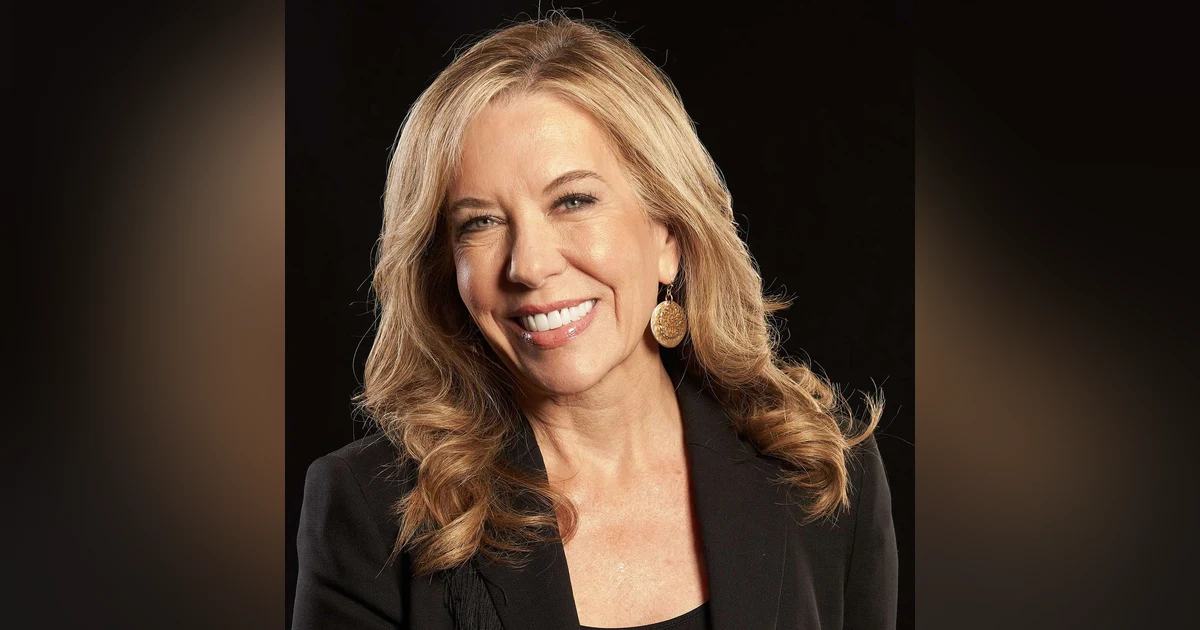
Joy Atkinson: Breaking Barriers as a Beauty Industry CEO


 Apple Podcasts

 Spotify

 Castro

 RSS Feed

 Youtube Music
What does it take to lead a global beauty company? In this episode of No Wrong Choices, we explore the career journey of Joy Atkinson, President and CEO of Presperse—a cosmetics company recognized as a certified Great Place to Work. With decades of experience in the beauty and cosmetics industry, Joy shares her hard-earned lessons on leadership, resilience, and breaking barriers in a field where 90% of executives are men.
From her early days working in retail to navigating international business with Japanese and Swiss companies, Joy’s story is filled with practical insights for anyone striving to lead with authenticity and purpose. Learn how she overcame imposter syndrome, harnessed the power of mentors and sponsors, and cultivated a leadership style built on collaboration, positivity, and excellence. Plus, discover actionable advice on negotiating salaries, managing stress, and aligning your career goals with your passions.
Key Highlights:
- Breaking Barriers: How Joy navigated a male-dominated industry to become a CEO.
- The Power of Mentors and Sponsors: Why both are essential for career growth.
- Leadership Lessons: Joy’s approach to inspiring teams, building trust, and leading with empathy.
- Negotiation Tips: Proven strategies for negotiating salaries and business deals.
- Personal Growth: The importance of continuous learning, self-care, and aligning your career with who you are.
If you're looking to elevate your career and lead with confidence, this episode offers valuable lessons from one of the beauty industry’s most inspiring leaders. Tune in to No Wrong Choices—available wherever you get your podcasts.
To discover more episodes or connect with us:
00:03 - Exploring Leadership and Beauty Industry CEOs
15:21 - Ballet, Leadership, and Childhood Influence
19:35 - Leadership Development in the Beauty Industry
24:30 - Navigating Career Opportunities and Success
30:36 - Navigating International Business and Leadership
39:51 - Career Journey and CEO Traits
48:38 - Negotiation Strategies and Stress Management
54:30 - CEO Insights on Leadership and Success
01:00:42 - Finding Success Through Authentic Leadership
0:03 What makes a great leader and what does it take to become a CEO in the beauty business? We'll seek out the answers to those questions and beyond during this episode of no Wrong Choices. Thank you so much for joining us. I'm Larry Samuels, soon to be joined by Larry Shea. Before we dig in today, we do have one request Please be sure to like and follow no Wrong Choices on your favorite podcast platform. Your support enables us to keep bringing these great stories to life. Now let's get started. This episode features the president and CEO of the cosmetics company Presperse, Joy Atkinson. Joy is a remarkable leader and genuinely inspiring person who has thrived within that industry for decades.
0:44 Larry Shea is my partner in crime for this one. Please lead us in. Yeah, sometimes you know we're really lucky. We get to talk to these amazing people and dig into things and get access when you know other people don't. We get to talk to the CEO and she's amazing. She's a quote, a second. She's going to give you amazing insight on this episode. I think there's more advice packed into this episode than maybe any other episode we've ever done does how she gets there. This is an amazing episode. It's one of my favorites. And Joy she just gave us a lot of her time and she really you could hear the joy in her voice.
1:31 Joy has joy in her voice as she speaks to this episode of no Wrong Choices, so thank you. Joy for the access. We really appreciate it Absolutely. It was a chance to dig into a type of company and industry that Larry and I literally knew nothing about beforehand. We learned a ton. It is so interesting and Joy is one of the most authentic and inspiring people I've come across in our journey. So, with no further ado, here is Joy to tell us her story. Now joining no Wrong Choices is Joy Atkinson. Joy is the president and CEO of the beauty company Presperse, an innovative firm that has the unique and hard-earned distinction of being certified as a great place to work.
2:16 Joy, thank you so much for joining us. Thank you so much for having me, Larry. It's great to see you. I imagine you had a lot to do with the fact that your company Is a great place to work. Oh, wow, I appreciate that compliment, but I actually have to say it's our employees. They are the ones who get to vote on that actually, and I promise no payment came from me, no bonuses in advance. I didn't pay off anybody but, funny enough, that came as a part of us joining the UN Global Council and wanting to really achieve on some global metrics, actually to make our company a really good company from a sustainability and corporate social responsibility standpoint.
2:59 And I didn't want to just, you know, walk and not have the talk or walk the talk. I wanted to have the statistics behind us and under this, one of the metrics is the opportunity to go out and test your corporation as a great place to work. So I was a little like when they suggested it. I thought, should I really do this? Ok, well, you know, it's a metric and we can set a bar and see how we do. And I was really scared. It's about 30 questions completely open-ended for employees to answer, and I was so excited the first. I'd been in job for about a year and then we did this, and so the first time out we got a score of 86 and, and there's so five really key questions around, things like would you recommend your friend to work here?
3:51 Wow. Yeah, would you, if you had the choice to leave your job and go to another job, if maybe money wasn't so much a factor, would you want to leave? So really deep questions like that. And the first year, out of the employees we got 86%, and then this year we had 93% participation of all of our employees and we got a score on those five important questions out of the 35 of 100%. That's amazing. Yeah, that puts us in the Fortune 100 of small to medium companies and I was thrilled. But I have to give the credit to them. They're the ones because I also feel like I work at a great place, so I have to give the credit to them.
4:34 Well, as somebody who worked at Dish Network for a period of time where we ranked last, I believe, year in and year out, for employee satisfaction, I greatly respect and admire, and perhaps am a little jealous of the circumstances and environment that you have created. Oh, thanks so much. So Joy with that set the stage for us in terms of what Presperse is, and I hope that I'm saying the name correctly. You are saying it correctly. And what you do there. Yeah, so the name presperse is a chemical. It's kind of derived from a chemical word, which is predispersion, which is something that many chemists bench chemists have to do.
5:16 When they're incorporating a powder base into a liquid, they have to predispers that powder into something and then put it into the base that they might be working with. And the Blacks who started this company over 50 years ago, they were good friends with the Lauders. Yeah, that name is familiar. They had an in. Exactly. Apparently, jeanette Black and Evelyn excuse me, estee Lauder herself were friendly, and so Estee said hey, your husband's a chemist and we could buy from you guys if you guys have some cool chemistry. And so that's how this whole thing started in New Jersey, in Somerset, new Jersey, many, many years ago, and I joined the company four years ago as president and CEO.
6:01 So I am I mean, I'm thrilled. I always wanted, had in my sights for my career, to be a president and a CEO and now I finally have that job. And I have to say I admire all the past president and CEOs who I was highly critical of. So now I'm like, know what goes around comes around yeah, so this is the other larry joy. So nice to meet you. Um, you know, I never thought about the the actual substances that make up beauty products. It's, it's a fascinating field. I mean, I don't even know what we're talking about. Is it oils, plants, powders, like?
6:42 Is it expensive? Is it rare, like? I think a good place to hit this is right now, while we're on this, so tell us a little bit about what these actual things are. Sure. And so to your question is it all of those things it actually is? So, at Presperse we have over 450 different raw materials and if you look on the back of anything your mints, care products, products that you might be using shampoos, hair conditioners you'll see those list of all those materials and what's called inky terms, which is basically is an ingredient nomenclature. So those are words that, depending doesn't matter who manufactures them, those terms all have to be the same, and then there might be some items on there that are specific to those particular brands, and typically those are all spelled out.
7:32 Sometimes they're really complicated, but the reality is we're all chemicals, even us, and so, even though that word chemical or chemistry is scary sometimes, once you start understanding even what humans are made of, it's kind of all understandable. So we supply materials that are in the back of those packages and mainly we focus on cosmetics. So we do personal care, which means things from, say, your neck down, but we do a lot of beauty, so a lot of color, a lip, we do really wonderful active materials that hopefully keep us younger, and so we work on all kinds of things.
8:15 But we also do sun care, body lotions, facial lotions and we're in hair care now, but we're always staying on top, top of the materials, in the forefront of the materials because they do get regulated out. Some of them and some of sometimes consumers just like think sulfates. You've heard of sulfate free shampoo. Nothing really necessarily wrong with sulfates, but consumers who may be like me. I don't want to do the whole wicked hair toss, but there you go. At least you can as I rub my shiny head. He's follicly challenged. I was working on that with my daughter.
8:56 She's 21 and she was like laughing at me, really, mom. Anyway, so sulfates might dull our colored hair, so you might want to use sulfate-free hair. But anyway that's just an example. So that's what we supply. We supply those raw materials, but there are a few competitors in our industry, but we have exclusive materials. Many of our materials come from overseas. They might come from Japan you hear of J-Beauty or Korea you hear of K-beauty, or Korea, you hear of K-beauty. Some of them come from Europe, from France, from all over the world. But we go out and seek for those really wonderful, beautiful, exclusive materials that can go into skincare products and color products.
9:39 Super cool. That's fascinating and a question that neither of us have ever asked before, so thank you for that. Now let's make this about you. So, joy, we want to dig into your journey and how you got to the point where you are now running this amazing company. So take us back to the beginning. Who was Joy when she was younger? Were you organizing the kids on the playground, like? Who were you when you were a kid? And just tell us a little bit about yourself. So first off, I have to shout out to my folks I have incredible parents. My dad was an executive with the railroad and my mother was a ballerina in New York City.
10:21 Oh, wow, yeah, how about that? So I come from a very numbers and disciplined background completely. So you merge numbers, you merge discipline together and voila. And creativity too. Yeah, yeah, creativity Exactly, I have to say. And my daughter's a ballerina, but it did skip a generation. But there's a funny story tied to that. So my mom, she did try to coerce me and force me to become a ballerina. So from a very early age I was taken off to her ballet classes and she was teaching us not really ballet, but in first grade I think. She told me the story. She was teaching us how to do the hula.
11:02 She told me the story. She was teaching us how to do the hula and then all of a sudden half the class was missing and my mom was like where'd everybody go? And she has to teach her. And apparently I was teaching my own hula class in girls' bathrooms, oh geez. So I think leadership skills maybe came out there and my mother obviously got very upset with me because clearly, I had no idea what I was doing. That is very funny. It wasn't going to be a ballerina. What was the dream? What did you want to be when you were? Did you have a dream when you were that age? Some people don't. So when I was really young, my uncle was an attorney and I was just. I thought he was the coolest guy because I would listen to those conversations at the dinner table when they think you're not listening and I was like, wow, that is so fascinating, I think I want to do that.
11:46 As I got older, I kind of started changing my mind and at 16, I worked in a bank as a proof operator, if you can believe this. So I really wanted to redecorate my bedroom. So I got a job where I could make some money and proof operators we, back in the dinosaur era, we put those little magnetic ink numbers at the bottom of checks, those things that people used to write. Crazy, but I made great money at the bank. So then of course, I wanted to be Jamie Diamond. Although I didn't know who Jamie Diamond was, I said I wanted to do that. I wanted to be the big boss of banks. I graduated from Georgia State University with a degree in business and with the goal of thinking.
12:28 I worked all through college at the bank and wanted to do that. Unfortunately and this does show my age a little bit but when I graduated and I went back to that bank and I said, hey, I'm here, I have my degree, I'm ready to go management training program. And I said I want to be in corporate lending. And they were like, nope, we're putting you in the branches. And when I couldn't get them, I was like why? And he said because we don't have women in those jobs. Oh, wow, wow. Can you? imagine. But here's me. I go now and I'm from the South, accent a little bit. But I said now, if you don't give me the job that I want, I'm going to get right up out of this chair and take my talents elsewhere. You know what he? Said Good for you no, he said you do what you got to do.
13:12 Wow. So off I went, panic stricken that I had to go home and face my folks and say had a job offer and I walked out. And so I went and got a job in a department store at Christmas time and I could not believe that people were getting paid to have that much fun. So that began my journey into cosmetics and fragrances and department stores and understanding consumers, and that's how it all started. I need to dig into that for a second. Yeah, sure, the guy who said that to you. What did that plant inside of you and how did that direct you going forward?
13:54 Well, I did grow up with a brother who was a little bit older, who got to do everything, and I, because I was a girl in a very conservative Southern family, was told, like you know, you need to be in at 10 o'clock, yeah. So I think funny enough having an older brother who kind of had free reign and he's wonderful, love him, he's great and we're still very close. But I think I was a little bit like that's just not fair, and so I think I was always kind of looking at what was fair and a little bit righteous, probably for a youngster, and saying that's not right, that's not fair, I should be allowed to do anything that a guy can do.
14:38 So I think that's might been where the seed was planted. And when he told me I couldn't do that, of course that just made me like, oh yeah, watch. This Took me a while, but I will say funny story, not to go back. But my university, georgia State University, honored me, which I was so surprised and thankful, but as one of their outstanding graduates, and I went back to meet the dean of the business school and it was in the same building in Atlanta, georgia, where that guy told me Wow, what a poetic moment, that's amazing. I was shocked. I was like are you kidding me? Georgia State had bought that bank building.
15:18 Yeah, that's amazing. I'm hearing so many things that I because I want to define this about your childhood. It sounds like your family was super supportive, um, and it sounds like you were self-motivated in a lot of ways, but that they also kind of pushed you to achieve in a lot of regards. Is that, is that accurate about your childhood? It sure is, and I think a lot of that has to come from, uh, probably my mom. Um, she grew up in, up in Virginia, in Portsmouth, virginia, a small town outside of Virginia Beach really, and to achieve the heights of dancing in New York City at the School of American Ballet, at the time of Balanchine, you know, and she took lessons from Balanchine as part of the School of American Ballet.
16:01 She just really planted in me you can do anything that you can really me. You can do anything that you can really put, you can dream it, you can achieve it. You know that poster we all see so much. I think the biggest, funniest thing, though, the joke was, you know, I think my mom and dad both hoped that I would be this aspiring little ballerina, but I but you know, god gave him a gift or a joke. I'd say and say like no, but we're going to put your dad's mathematical brain in that, and I wanted nothing to do with ballet. I was like this is the most boring. I mean I really I got, I have to say. My mother finally ultimately kicked me out of ballet class for making fun of her when she was like doing some of her ballet routines.
16:46 Oh really it's. That is so funny. It's super ironic that you know people who are, you know, want to be an artist or dancer or singer. Like the parents, like no, you're going to be in the business world and you are exactly the opposite. That is astounding. Yeah, it was funny. I mean we did love music. We still love to dance. We do something now called the Shag. We're in South Carolina, not that Shag, it's a fun kind of swing dance, but we still love doing all that together. Yeah. And my folks. I've got a blessing. There's still a lot. My dad's 91. My mom's 88. And they're still swinging and having a great time.
17:27 That's incredible. We didn't talk about this aspect of it, but it sounds like you were a good student, like you liked school, you liked to achieve and you were a good student. I'd say I was an above average student. I was probably stubborn, the things that I didn't want to learn I didn't really focus on, and and I remember taking a class even in university and one of my professors asked me to stay after class and she told me how disappointed she was in my performance. And I remember, like looking at her, thinking, and finally I told her I said you know what I I'm really, I'm in an overload situation. I'm working probably too many hours right now because the holidays and I made a conscious decision to take a B in this class and she was not happy about that.
18:14 She really got mad at me. But I think that I was one of those. I think, yeah, the classes I loved. I did surprisingly well in calculus and I don't know how bad happened. Yeah, how does that happen for anyone? I don't know. I think I had a great teacher, quite frankly, but yeah, so I'd say I was okay. I wasn't a straight A. I mean I would have never been a professorial candidate, for example. Yeah, and my daughter now I look at her and she's Phi Beta Kappa at USC and I mean I'm good for her. Go girl. But also a ballerina. Skip the generation. It is.
18:54 So let's move forward to Georgia State. You're coming out of school. What was your vision as you stepped off of campus into the real world? Where did you see yourself going 20 years down the road? I really loved leadership and so I really and I did have this really I would say drive to be the best. And again, I think maybe that has a lot to do with my mom, her influence, because ballerinas are incredibly disciplined and they're always striving for something they probably will never achieve. And I always would look at people around me and say, gee, who is the best at this job, whatever job it might have been, and then I would try to understand how they got there and what could I possibly do to get there myself or to maybe even improve it a little bit.
19:53 I made a lot of mistakes along the way, definitely had a lot of bosses yell at me, but I say yell at me because back then they could, but then I had. I remember, yeah, and I say yell at me because back then they could, but then I had. I remember, yeah, one store manager just screaming at me about leaving a ballroom, which was his way of saying put a T-bar in the middle of this open space. Oh geez, I had one boss throw a book at me, so I think I'm from a similar generation. Yeah, right, but it was, yeah. I think I just always wanted to say, well, okay, so what does the best look like here, and can I achieve that, and could I maybe even do a little bit better, or how could I creatively bring something in a dynamic that will be unexpected?
20:37 Um, and I would get noticed, and I don't think it was my intent. I don't remember thinking to myself, I just want to be noticed. I think it was just kind of drive for doing things, a drive for excellence, quite frankly, doing things in really an outstanding way. Did you realize at that time that you were kind of cultivating your leadership style? And what exactly would you say your leadership style is? So I have to. I'll confess. When I was in high school, my class voted me class president. Leader. I had a lot yeah, a lot of leadership lessons where I totally screwed up and thought to myself, well, that's not really good.
21:18 And I had some really good close friends who would tell me that you know, that wasn't a cool thing to do. And I had some teachers who were really wonderful and would encourage me. And I think that's where I started understanding that collaboration with others and also achieving it. I think I really learned it wasn't about me as a leader, it was about other people really bringing their best, and together we created something where we could collectively bring our best, and so it was about inspiring others to bring their best. And then, when I went into that department store environment when I was really young and I had a group of 15, 20 people working for me, here I was, I was a kid.
22:02 I was 23, 24 years old and the people who worked in that department store environment very diverse in their age most of them were two and three times older than I was and I had to lead them, I had to bring the best out of them and it certainly wasn't going to be from demanding anyone respect to me. I really had to earn that respect and I think I realized that and continued to bring that throughout my entire career. And also I just I have to say I love to have fun. I love to have fun at work. So I like to see people and I like to be around happy people who are enjoying themselves. So I try to create that environment of fun.
22:43 And you know, and every problem can be solved and we can bring it together and you know, we'll, just, we'll get it done somehow, not to say that there aren't times when I'm, you know, I'm like, gee, this mountain is hard to climb, how are we going to get this done? And now I have to check myself right in this leadership position that I'm in, I really have to watch my you know how happy. I have to be happy, I have to be positive, but also have to be authentic, and when there's problems, I have to bring it out like hey guys, you know we're facing a storm now, but we're going to get through the storm together. So that's great. So when we look at your journey you're leading people at the department store it feels like that might have been your first formal management role, so to speak.
23:29 How did your career develop so you learned from that experience? Eventually, you started to get your eye on the beauty industry because you spent a lot of time in it. Talk to us a little bit about the progression from the department store forward. Sure, okay, and you'll laugh, but I was a buyer of men's fragrances and cosmetic accessories for a division of federated department stores, so I was buying for 35 stores and like 80 different brands. Each brand had, you know, 10 SKUs and there was no exception, and how old were you? I'm sorry to interrupt. How old were you at this time? I was probably 26, 26 years old. Wow, that's a big job for a 26 years old, that's a big job for a 26-year-old.
24:12 I know and I remember the guys I say that the vice presidents from New York City would come down and I mean I was just this little Southern kid and my bosses who were from iMagnons and from Bloomingdale's and Saks Fifth Avenue. They are running riches. I would be. At first I was really afraid Like, oh my gosh, these guys are going to be negotiating with me. What am I going to do? And what they told me Joy, just stick to your numbers. You have all your spreadsheets, you know what you're doing. If you feel intimidated, look down at your numbers. Stick to your numbers. Can I tell you I still do that today. Wow, I will look down when I get in front of a board and I'm like, okay, you know what you're doing, stick to your numbers.
24:55 It still works. But I wasn't getting paid much money and I always saw the person on the other side of the desk. They were driving a nicer car, probably paying their bills on time, and they were always much better dressed and that kind of made me question what am I doing here? And I got an opportunity to actually interview for a job and one of the young women who was sitting on the other side of the desk for me. She's the one who encouraged me. She said you know what? You should apply for this job. You'll be my boss, but that's okay. And I was like they're never going to give me that job. So what I did is I put together a portfolio of how I would approach the job if I were given it, and it was a complete strategic portfolio because I knew the job from the other side.
25:46 Yeah. And so when I sat down for the interview I had a complete strategic book done for the guy who was interviewing me and of course he said at the end of like wow, because I had basically did a strategic plan for 35 stores in his, in his group, he said can I keep this? And I was like no, only if you hire me. And then he said well, how much is that going to cost me? And I was like, oh, and I think number. And he goes John, and I threw out the number and he goes done and I was like, oh, I didn't have you, so you didn't have the market intelligence going into the room. Yeah, it did turn out to be a great job. And then what happened was, from that point on, the bosses the people who I worked for could see the quality of my work and then they became really, I would say, mentors to me and also sponsors.
26:37 So I love to tell people the difference between that. A mentor is someone who really has nothing invested in your success other than wanting to see you succeed just because they believe in you, they see your potential and they're in there coaching you. And then a sponsor is someone who actually is going to benefit from your success. And so I, along the way, had these sponsors, mentors but I would say every job I got after that was probably a sponsor, somebody who said you know what? I want that person to be coming into my group because I think that person has potential and can add value and is going to make me, the boss, look good. And another thing I think I learned early on from one of my other bosses really was the more I helped her look great in my role, the better she did, and I did well in doing that.
27:34 So I encourage young people that I mentor for directly like think about the person that you're working for directly, and what obstacles do they need to overcome and how can you help them? How can you make their load lighter? What can you do to help them look great? Because when you look great, if these are really good people I mean there are some selfish people in the world, we have to be careful of them but if they're really great people, they're going to appreciate that from you and they're going to bring you along with them or they're going to sponsor you for maybe the next job when your name comes up. I love that the distinction between mentors and sponsors you just literally defined. Preparation plus opportunity equals success.
28:17 I mean I love that you just spelled that whole thing out for us. Would you say that that first job, where you prepared, you know the door cracks open. You got to be ready to run through it right, and so it did for you in that moment. Would you say that's your biggest break? And so it did for you. In that moment. Would you say that's your biggest break. That first gig right there, like jumping, was in the Southeast part of the United States. You know, here I am working in Rich's department store, which is now Mace, but it gave me exposure, yes, in an international company.
29:01 So in fact, what happened was Japanese ended up buying. Japanese conglomerate ended up buying that company because they wanted to expand here in the United States and the Japanese leader of the company that acquired them. He met me and started asking questions about my background and he was looking for someone who had an understanding of retail and product development and how products worked in the cosmetic and personal care industry. I probably was not qualified at all, but from that job that I had, I then was offered a job to do Japanese product development and bring those products from Japan into the United States.
29:46 Now, funny story about that I actually, when I was offered that job, I turned it down because I was like are they crazy? I don't know anything. First of all, I turned it down because I was like are they crazy, I don't know anything. First of all, I don't know anything about Japanese products. I would not call myself a marketer, so clearly they must have misunderstood. But actually told my boss no, and my boss was so funny at the time he told me he goes. Joy, you don't understand. The chairman of the company has offered you a job and it is a promotion. You don't have a choice. I was like oh good, and as my father taught me a long time ago never talk past the close, Stop talking and move on.
30:32 Yeah, I think I learned that lesson late in life. What did you learn from that experience? Working for a Japanese company? I have my MBA, so I'm going to spit out a couple of terms. With Lean, six Sigma and efficiency and everything else, I imagine working for Kaizen exactly working for that type of a company must have given you all kinds of new tools that you use going forward. Yes, incredibly, it was understanding how the world works differently, you know. So that is the company that said to me you need to have a passport. I was like, oh okay, because you're going to be going back and forth from Japan, from Tokyo, to the United States, bringing back Japanese products, interpreting them for the US market and, interestingly enough, they these were bath products, bath additives and then bringing them back to the United States.
31:27 Big problem in the United States Back then in the 90s, we didn't take baths, that's right, we took showers, so it's like all right now, what do I do? So the people who were soaking, which was the methodology used in Japan? Of course, the onsen, the hot mineral springs, bring those back into the United States, and where we soak is in a jacuzzi, a hot tub. Right. So that's where we brought the product into the pool and spa industry. And again, let's go back to the fact that I like to have fun. And where were those meetings? All the trade shows for the pool and spa industry are in Vegas. Oh boy.
32:07 Vegas hot tub. And so what did I do for promotion? I went and hired showgirls and had them dress in string bikinis and lay around the hot tub. I sold a lot of products. I was thinking you might. Cool as spa guys. Yes, you did. That's smart At that point, are you? You know what's the learning curve there? I mean because you're talking about an international yeah. I mean, like, how did you get your sea legs and, and you know, deal with the travel and the communication and the business aspect of it? I mean, you are in charge. How did you deal with that? Yes. So, first off, the cultural difference. And so one of the things I think that growing up in the Southern part of the United States very conservative family was the respect for people, you know, just in general.
32:53 So I was very respectful, very quiet, believe it or not, and not, you know, speaking until I was spoken to, and it was also the Japanese culture. It was very respectful. But what they called me Joy-san, and they still do, and I was here, I was, you know, early thirties and I would listen and I actually I was in so many meetings where they were speaking Japanese and I actually started picking up the Japanese language and that was great until I corrected someone who said something not quite on point in one of the meetings. They were speaking Japanese and they realized they understood what I was saying. They were like, wow, so yeah not so many.
33:37 I wasn't invited to so many meetings after that, only the part where there was English was being spoken, but it what it did is gave me an incredible appreciation for international business, for being for listening skills, for understanding cultural differences and really just being respectful in general. So I think in the South we're very respectful of our elders and then we share that with the Japanese culture, also very respectful of the elders. So that was, I would say, serendipitous for me and I just had I had great sponsorship from from those jobs, which then led me into interviewing for another job, an international job, working for Furmanish, which is now DSM Furmanish, a Swiss based company, and interviewing with Patrick Furmanish, who of course, was very interested in my international business and what I was doing.
34:34 And even though it wasn't we were developing product, there was adjacencies in fragrance and so I was able to move into the fragrance development side of the business and working for Furmanish, which has been a large part of my career and incredibly amazing, because there one of my main clients was Avon and Avon at the time was in 147 countries around the world and my job was to make sure that Avon was happy with Feminish around the world and that the Feminish organization understood how to service Avon at the time that was known as the company for women. So I really had an amazing career working with those two companies in an international job.
35:20 I love this, so let's dig into the. Being a woman in a male dominated industry. When you went to Japan and you go to all these international places, did you feel a difference in the way they treated you compared to the United States, or was it kind of, across the board, like men will be men and I'm going to have to fight for my place in this world? I would say definitely could see a difference. The good news is, I was always treated with great respect because I was probably I was always the first, believe it or not, which was strange. I was even the first sales lady on Patrick Furmanish's team, um, in that international sales job on the fragrance, in the fragrance industry, even though I was assigned to companies where they were women led and when I had Avon in the beginning they were not women led, uh, I Andrea Jung came in later, but everyone was very, very respectful.
36:15 Did I see that my, maybe aspirations of leading an organization were very far away? Absolutely. But I would say I was satisfied in leading the organizations and the groups that I was responsible for and again, like I did when I was younger, it was always groups that I was responsible for and again, like I did when I was younger, it was always who is the best at this job and how can I be? Just, maybe even a little bit better, a little bit improved at whoever is the best? I even did that. I did that everywhere Out of really just curiosity what does the best look like?
36:57 And so I think that helped me quite a bit and it didn't become such a gender issue. Have I been told many times because of my sex, that I wasn't going to have an opportunity? Or maybe did. I feel that, yes, but I think I had that fight in me that said well, you know, I'm just going to prove that I'm deserving of this job and I'm just going to keep working hard and I'm going to ignore that and I'm going to keep plowing away, and it's not been easy. There's times, you know, and there have been some people along the route, who have said to me you know, I don't believe in you and I don't think you can do this and I don't understand what all the hype is. I don't think you're that great. And does it hurt when you hear that You're like oh, okay, and and? But I also had to say well, you know, everybody gets to have an opinion, that's right.
37:39 That's yours. You know, while we're here, I do want to ask this question. So you know, as Larry and I were, we're doing our research for this interview. Neither of us realized that 90% of the executives within the beauty industry are men. We never would have thought that in a million years. What are some of the unique challenges that you do face as a woman in that environment, and can you give us an example of a unique set of circumstances that we never could have thought of being men, that you kind of had to work through and push through? Well, the funniest thing I'll tell you that comes to mind is, whenever I go to an executive board meeting or high level board meeting, I never have to wait for the women's restroom.
38:26 Okay, there's a win. Like there's could be a line on the midstream, like there's could be a line on the midstream but um, um. So I would say, probably for me I I'm this is sounds maybe, uh, a little bit strange, but I think I'm used to this and I think it's been more of a surprise on for the mint um, and looking at saying, okay, why is she here and what does she bring or what does she have to offer? And I'm going to go back to those sponsors again, those people who know what I'm bringing and who give me the opportunity to show my stuff, to lead, and so that usually is what opens doors.
39:09 And the other thing is because I really do try to make sure that I'm an expert in my, my job, in my industry, um, and my, my knowledge, if it's for presperse um, for or whatever it is that I'm working on, um, when I have the opportunity to show my stuff and to lead um, usually that's when I'll win over both men and women. They're like you know, she knows what she's talking about, she's an expert, she's been there and she's seen a lot of different things and been in a lot of different situations and has succeeded. So let me talk to her and see how she can benefit me, and that's usually how I win in winning over people. I love that.
39:49 Let's talk a little bit about the timeline here and stay on the career journey path a little bit. How long are you staying in each of these positions before you're moving on to another place, Cause you obviously have to soak it in and learn that job and then all of a sudden you're going somewhere else. What are those? What are those stops like along the way? How long are they? Sure. So it's funny. I was talking to my own kids about this recently. We talked about the seven year itch and they were like what is the seven year itch? I was like, hey, look it up on Chad GBT and see what it says. But we've talked about, you know, basically it either. Every job that I've had, funny enough, is somewhere between five to seven years, maybe a little bit over, I think.
40:32 My last position, I was there for 10 years but quite frankly, even at 10 years I was definitely getting that seven-year itch earlier going okay, what's next? What's next? So I would say, the jobs that I've stayed in Now, the promotions have come along the way, obviously even when I've been in a company. So it could be the company is about seven years and then I would. If another opportunity came along, then I would, I would move. Now I know that that seven years today is unheard of. People are moving companies quickly and moving jobs quickly, it seems, jobs quickly, it seems.
41:17 But I would say, especially as you become more senior, it takes at least a year to start kind of feeling like you have your arms around a job, as I like to say, and then you've got an anniversary yourself, so that's another year. And then you're like okay, I had my arms around it. Now I've anniversary myself. I've seen where my shortcomings are, I can see how I can improve. And then you get on a roll and it's like that flywheel If you read Good to Great a wonderful book, by the way that flywheel starts to go and then it takes on its own momentum and you just get to enjoy the ride if you're doing it that way, and then other opportunities seem to come along between six and seven years. I've been in my job now for four years as a CEO. I still have a lot of things that I want to do. I'm very ambitious and sometimes my team tells me you need to slow down.
42:04 If you have what it takes to become the CEO, you're not going to slow down. That's not part of the fabric. So, when did you start to see CEO or president on the horizon and when did you start to point yourself in that direction, and what steps did you take to get there? Yeah, sure. So back to in leading. I was at that first job at Firmanish and I had been in that job for about eight years, seven, eight years and I really knew. You know, I was at that first job at Firmanish and I had been in that job for about eight years, seven, eight years and I really knew. You know, I'm ready for the next thing. I've kind of done this and I've mastered it to the point of boredom, quite frankly, and that's bad when you have an executive who's like all right, this is a little boring, now I need to do something else.
42:49 I was striving and asking for the next job, but they really loved me on that job and that's when I realized I got to move on and I don't want to lead, but I'm going to have to go get something else. I went to the next position and it was to be in more of a leadership, managing more people, and what happened was an executive in that position saw my talent and said you know what? We are going to select you as president of this North America company and we're going to take this company public. Wow. And you're going to be a part of the organization that takes this company public. Now we talked about imposter syndrome before I have to tell you and I don't think I've told anybody this but I turned that job down, wow, because I didn't believe enough in myself and I wasn't convinced the person who was offering me that job believed in me enough.
43:45 And so I came back and I said you know what? No, and I was stubborn, unlike your. No wrong choices. That was a wrong choice. But you learned from it, right. Well, the person thank goodness, the person in the bigger job said to me not accepting your. No, I believe in this, I believe in you and we're going to make sure you can do this job. And so, thank goodness, and I mean, for years I stayed in touch with that, the guy who was the CEO and who took the company public and we were in a private equity environment and he believed in me and it was just so.
44:32 That was the first time I think I had somebody that high up really see what I brought to the table and as a leader. And from then on, I think the biggest aha was because I had to do a turnaround in North America and they gave me this young McKenzie guy to work with me and I told him when he and I were talking about that turnaround that I had to do, I said, yeah, I don't think I can do this. And he looked me square in the teeth and he goes Joy, if you don't do it, they'll find somebody else who can, so might as well be you. I love the fact that people are recognizing what a great job you're doing as well, and that's how you're kind of maneuvering and getting these positions and so forth.
45:14 You know, we all have an image in our brain of the personality traits of what a CEO is or should be, or whatever the case may be. Do you have certain personality traits that you think are important for a CEO to cultivate, and what are those traits? Yes. So, first off, I want to be authentic, I want to be approachable, I want and something was told to me really, really early in my career when I was that young buyer and those intimidating VPs were coming down from New York City to Atlanta and my boss told me she goes, Joy, don't ever forget they put their pants on the same way you do.
45:55 That's right. So I tell people all the time look, I put my pants on the same way you do. And I've been there, I've struggled, I've come out through every job. I've had people tell me to my face you're not worth anything, but yet I've had those other people that believe in me and I have to say thanks, big shout out to my folks Because even when I was, you know, at those times they were the ones who always said you got this, you got this. And I'm mentoring a young woman now, sophia, and she's wonderful. I was privileged to be able to talk to her parents and I could hear them say to her she's got this and she's a young student at High Point University and just amazing to see her and how she shines as a young leader.
46:39 But having other people believe in us and tell us that you've got this and as a leader, I think that meant so much to me and for my own team and the people that I work with. Sometimes I can see that they're struggling and I'm the one that comes along and says you know what? I believe in you and you've got this, and if you have any issues, if you have any questions, we're all here to help. You are an expert in what you're doing, but you are surrounded by greatness and we are here to help you achieve and be your best and bring your best every day, and they do it. I mean, and also a bit of the golden rule do unto others as you want them to do unto you. So, as old fashioned as that is, and maybe you know it's hard nowadays, but I truly do try to remember treat others like I want to be treated and remember the power of my words to be treated and remember the power of my words.
47:37 Sometimes, when I'm dealing with people and with my team, that's probably the hardest part of this job is that I can't. Sometimes I'm tired, sometimes I might be a little frustrated and I have to remember to myself you can't show that, and I have to remember to myself you can't show that. You know that's my problem, that's not their problem, and I think as leaders, that's what we have to be so careful about is inspiring others to get the greatness from them as well, and so that they can bring it. And happiness in job is another thing. If you love what you do, I feel like you'll never work a day in your life. You might need a break, but you will bring it and when you get that break you'll come back.
48:20 You'll be excited to get up every day and excited to do what you're doing. And I mean, do we face mountains? Absolutely, is every day fun? No way. But I keep coming back and saying, okay, let's figure out how we can have fun with this, or how we can do this slightly different. And I laugh too with my. I call him my OS, my office spouse. He's our CFO and he and I have been through some crazy battles together and he's wonderful. He's got a beautiful wife and family. So that's why I joke he's my OS. But we really get each other through. Sometimes it's not easy.
49:02 I report into a board of directors they're all wonderful, all men, and sometimes don't necessarily understand what my vision is or where I want to go, and I'm relentless, probably, and tiresome in that I keep bringing it back and bringing it back and telling them again, because I also believe in the power of seven. You got to see, hear or see somebody seven times before it sinks in. So my board. I'm like I'm coming at you again before it sinks in. So my board. I'm like I'm coming at you again. You've alluded to part of this answer, but I'm curious what your response to this will be.
49:43 So you have a glowing personality, you're a cheerleader, you're up, you're inspiring, you're all of those things, but you're also human. How do you manage the stress of the day-to-day of being a president and a CEO? So I advise this also. I have hobbies that I love and I am an ambassador for the Global Health and Wellness Institute and I truly believe that, in good health and taking care of yourself, and I also believe in strong mental health and emotional health. And that's hard, you know, sometimes, especially when we're dealing with stressful situations.
50:27 Each one of us, I think, can find a way to deal with stress in a healthy way. For me, the way I deal with it is to go for walks in nature and listening to inspiring podcasts like yourself, all right. How about that? I mean honestly, that is it. That walk in nature is just. I think you know nature speaks to us. It's something, it's spiritual, and it can just be healing and seeing the sun or smelling the fresh air or the crisp air if it's cold outside. But just go outside for 45 minutes, take a walk. There are times even during the day, I might have a very, very stressful, hard morning, and I am famous for working through the entire day, but I will put everything down.
51:19 I will put on some earphones, maybe, and listen to some chill music and go for a walk for 45 minutes. Turn off my phone, though, so that the ringer because the ringer and text message tones will come through, but that, for me, is how I manage to deal with stress. I also love a good Netflix series. You know, I have to say, don't we all Netflix series? you know, I have to say, don't we all? To make me completely forget about you know and just pick on something that has nothing to do with my life, it's somebody else's problem. That's great advice, though I love I do the same thing In the middle of the day. A great walk can just clear the mind and it resets your whole perspective.
52:00 I imagine you do a lot of negotiating, presenting things of that nature, which can be cause a lot of anxiety for a lot of people. How do you best prepare for those things? Do you use affirmations? Do you see it in your mind's eye? Is it just preparation? You know, soothes the anxiety? What's your approach to doing these kinds of things? So I am lucky in that I have had three different high-level executive trainings in negotiation. So the number one tool is preparation. And also I'm going to say well, first off, prepare, prepare, prepare and make a list of all of the things that are important to you and then put yourself in the other side, other party, whoever you're negotiating with.
52:45 Make a list of all of the things that are important to you and then put yourself in your other, the other side, other tape, other party, whoever you're negotiating with. Make a list of all the things that you think that they are going to want. Find the common threads, because you'll have common threads. It could be like increasing sales. You know less. If we go to business, I want to increase sales, they want to increase sales. Right, we're in negotiation. So the first thing you do once you are in a negotiation situation discuss those common threads and say, hey, we're here for the same reasons. You're here because you want to increase sales, I'm here for that reason. Go through those things, and then what happens is what you have to negotiate becomes a very small list. It's just what you want, maybe, and what you anticipate they want.
53:26 Another thing that I think is important is the first question to ask in a meeting always is what does a successful meeting look like for you? So once you get that at the end of this meeting, then you know they basically told you what their points of negotiation will probably be. You know they basically told you what their points of negotiation are probably be. And then, of course, you know, be prepared, understand in advance your topics, the things that you're negotiating for, and if you're negotiating for salary or for something personally for yourself, I always say think of yourself as a brand. So do the brand research, understand what you bring as your brand as you, what talents you have, experience that you have, your success in the marketplace.
54:10 And then do the research on different salary websites on the range of your salary. So I would even look and say, if your brand, you believe you're highly successful, great track record, you're going to be above average. So look at those salary ranges from the middle to above and be prepared to negotiate. And if somebody says, what do you, which they have said to me a lot there is no way we're going to pay you, that I'm like well, I've done the research and blah, blah, blah, blah, blah and I I believe that I'm above average, and I think so. You might agree with that too, because we're sitting here discussing my promotion. So, based on my research, this is what the pay range is.
54:51 I'm going to give you some time to think about it and let's come back and discuss it again. Wow. I love it. Because a person doesn't want to sit on the other side and be like oh, I've been cornered. I love it. I'm going to listen to that like 20 times Just so you know, I just hope it works. Total, repeat, repeat. Um, what does a typical day look like for you, or is there no typical day? Um, probably no typical day. I travel a great deal for my job. Um, because at Priestverse, like I said, our materials come from all over the world. Our suppliers are extremely important to us. We have about a 21-step process before a material gets introduced into our palette of materials, so taking those suppliers through those 21 steps is a critical part.
55:35 I have incredible team members who help with that as well. At my level. It of course becomes a, I would say, negotiation on really people do business with people they like. Yep. Here at Presperse, I have to go in and work with suppliers and make sure that they like doing business with us, and with me in particular, and the same works, like our team members, and luckily we get these outstanding scores from our manufacturing partners of 100% based on have we delivered on time and full, and so that's what's really, really terrific about, I think, dealing with people, but at my job I travel a whole lot and really high level meetings so that I can get the best for pre-spurs.
56:30 So finish this sentence for me, because I know people are listening to this and they're like I want to be a CEO. So if I'm going to become a CEO someday, I should blank. I should really love what I'm doing. I should really love working with others and inspiring others. I should really be good at negotiating. I should be a continuous learner. I should understand how to take care of myself, to be physically, mentally, emotionally strong and help others take care of themselves, including their families, which is very important.
57:14 I should have some hobbies outside of my work. I should enjoy travel and not mind it. I should be really good at time management. I should like to have fun, work hard, play hard. Yeah, I should also bone up on my financial skill set, because when you talk to the CFO, they are way smarter. That is great advice and I guess I'll follow that up with. If you are talking to I think you mentioned your daughters.
57:56 If you're talking to a young person who's just getting started, what would you tell them? Yeah. So I have a son who's 25 and a daughter who's just turning 21. And I do give them that advice all the time Love what you do and you'll never work a day in your life. Although I said you will need some vacation, I still tell them that all the time. I tell them to understand the core of who they are and then find jobs or careers or goals in their lives that align around who they are. And then find jobs or careers or goals in their lives that align around who they are. So don't put yourself. If you're a square peg or a round of whatever you know, make sure you fit in to the job.
58:36 Don't try to do something that's not aligned with values and your skills and the things that you love, because you just won't be happy. And so that's what I encourage them and tell them. But I also say to them you know it's tough out there, right? Yeah? And because my kids I always say you always have a place, you always have a net, you have a safe place to come home to. I don't want you living with me, not forever, but you always have a safety net. And I know that my children are privileged and I'm very privileged to be able to give them that. But and it's not always the way you know my parents kind of said the same thing, but my parents were a little bit harder about it, like we're here for you but don't come home, oh geez, which may be a little like probably a little fear.
59:29 So maybe I need to add a little couple of drops of fear. Well, following that before we part ways and this has been an incredible conversation, unique. So many different insights have come out of this, so thank you so much for this time, Presperse, I want to make sure that we give you an opportunity to tell us about the company, what makes it unique and what do you want our audience to know? So I first off, thank you so much. There are so many things that I'm proud of about Presperse, that we've transformed the company over these past four years, and the first and foremost is the fact that our corporate social responsibility platform is the strongest in the industry.
1:00:12 I mean, we modeled after what we thought were great leadership companies. We researched everything in the entire cosmetic field and we benchmarked ourselves from the top companies and then, like I said earlier, we set that bar really high and then we said what more can we do? How can we be better, even in the top? So, first off, thank you for the opportunity to talk about Presperse and the incredible work that we do in that corporate social responsibility platform. We are walking the talk every day. We make sure the products that we bring into the United States are safe and that we sell nothing out into the industry that hasn't been 100% researched for its purity, its safety, its efficacy.
1:00:56 We take that the consumer use it really is top of mind and making sure. So thank you for the opportunity to say that. And also, we created this amazing business to business site called let's Make Beauty, and it's an opportunity for innovators and startups, people who are dreaming of the cosmetic industry to have access to small quantities of these raw materials, in just the right amount so that they can play in their own little labs and maybe is in the kitchen, but at least they can play and they can get. They don't have to buy a pallet or 170 kilo drum. They can buy small quantities and and then, as these companies start and they maybe find their way and they get purchased by a big organization, they don't have to reformulate because they're using the same materials that Chanel or L'Oreal or Estee Lauder are using.
1:01:48 As a startup company, we provide, through our let's Make Beauty website, all of the documentation, the safety data sheets, all of the things, the formulary suggestions, all of the things that they might need. And I just want to also big shout out to Sumitomo, who are our owners. They are our sole shareholder. They let us run the company independently, but they support us and they allow us to invest to create a company or a division like let's Make Beauty. So it just and all the 56 employees we're not huge, but 56 employees at Presperse, but we're one of the 900 companies at Sumitomo and it's been fun and wonderful and I am just so proud of them and of the work that we're doing together.
1:02:39 It sounds amazing and, for those not seeing the Zoom, I can see the smile on Joy's face as she's saying all of this. And it's real, it's genuine. That was not a sales job, that was from the heart. So, joy, thank you for the time today. This has been such a wonderful conversation, amazing. My pleasure To the Larrys. You guys are great. Keep those podcasts coming so when I need to unplug from my stress job I can go off and walk in nature and be listening to you guys. We promise yes, love that. Yeah, that's wonderful Joy. Thank you, this was great. Thank you so much for this.
1:03:19 My pleasure, thank you. So that was Joy Atkinson For me as a business person. I loved that conversation. There were so many moments that took me back to my journey through corporate life and so many other inspiring moments that I absolutely learned from Larry. Shea is more of a creative type. Did you take away as much as I did? I did. If you didn't take something away from that episode, you weren't listening. There's so much there One thing I did learn Joy puts her pants on the same way you do. That's right. Great advice? No, but you see what I mean now when I say a quote, a minute right, like the things that she gave us, the tools that she gave us.
1:04:03 You know the power of seven right? People need to hear things seven times before it sinks in. Remember the power of your words. I mean. That is a true leadership lesson, right there. Happiness is the job. Do unto others as they would do unto you. I could keep going on and on and on. You heard it all from the master herself. Joy gave you the answers. I mean. She literally walks you through how to personally negotiate a salary yeah, I mean. And a deal and a deal. I mean. Those are tools that are just. You know you can't make, you can't get this stuff anywhere else, right, and you're getting it here on no wrong choices. So it's just a pleasure to talk to her.
1:04:45 I loved what she had to say about taking a walk in the middle of the day to clear your head. I do that all the time. And the thing that resonated with me the most, larry, is the seven-year itch episode. We were rolling sevens and I missed the memo on the seven-year itch. I've been with my company for 23 years and it really resonated with me that I may have missed some opportunities along the way being loyal to a company. So it hit me, it made me maybe go. Hmm, what did? I do wrong, oh for sure. And interestingly, in my journey and I have had a degree of success I've done pretty well.
1:05:28 But in my journey I've never stayed anywhere for seven years. So I'm sort of at the opposite end of that and it was sort of, you know, interesting to take a step back and think about okay, the first year you're just learning the job, that the second year you're kind year, you're kind of honing your skills and trying to make an imprint. And it's really after those two years where you're in a flow, you're in a rhythm and you can really start to run and really start to fly. And that definitely resonated with me. Yeah, I just you hear a lot of determination with her. You know she knew what she wanted. She went after it. A lot of courage, a lot of determination, and it wasn't easy.
1:06:10 You know when she's climbing that corporate ladder, you know right. And so really a privilege to talk to her. Can't thank her enough for sharing with us how she got there, what the job is like. I mean, the insights were just incredible. Absolutely. You know, for me, some of the stuff that really caught my attention was about leadership, leadership traits, about being approachable, authentic. You know, your job is to inspire and support people and the big thing is to stay up and to be happy and people can feel that.
1:06:51 You know, I think you know, being a cheerleader is a very big part of being an effective leader and running a great organization and you know, looking at the priorities of Presperse, you know being one of the greatest places in the country to work for, clearly, she has taken that to heart and she has brought that to life in a lot of different ways. So, the authenticity part, the leadership part, you know. I also took a step back and thought about career goals. You know, when you're laying out your career goals, you need to make sure that they align with who you are as a person, Because in order for you to really succeed, you're going to have to, at least to a degree, enjoy what you're doing and it needs to matter to you and it needs to be a part of you, and I just thought that that was incredibly smart.
1:07:41 There were just so many things here that I took away. Yeah, I'm so glad she emphasized right. It's about making sure that you're okay with what job you're doing, right, like that's super important. She talked about the don't be a square peg in a round hole. You got to make sure that this thing fits right, because it's not one size fits all. The way you're going to do your best work is if you're happy every day going in and doing your job. So just the insight. I can't thank her enough because I learned so much from this episode myself. Absolutely, which is another theme. Continuously learn, that's a big part of being successful, and take care of yourself, et cetera, et cetera, and listen to podcasts, and listen to podcasts, especially to this podcast no.
1:08:28 Wrong. Choices, which I think actually came up along the way. It sure did so with that, joy. Thank you so much for joining this episode of no Wrong Choices. We also thank you for joining us. If this episode made you think of someone who could be a great guest, please send us a note through the contact page of our website at norongchoicescom. While you're there, please check out our blog for a deeper look into each of our guests and episodes. As mentioned at the start, don't forget to like and follow us on your favorite podcast platform and to connect with us on social media. You can find us on LinkedIn, instagram, facebook, youtube, tiktok and X.
1:09:08 Your support helps us to keep bringing these incredible stories to life. On behalf of Larry Shade, tushar Saxena and me, larry Samuels, thank you again for joining us. We'll be back next week with another inspiring episode of no Wrong Choices.