Genuine Influence: The Liz Kaplow Approach to PR and Leadership
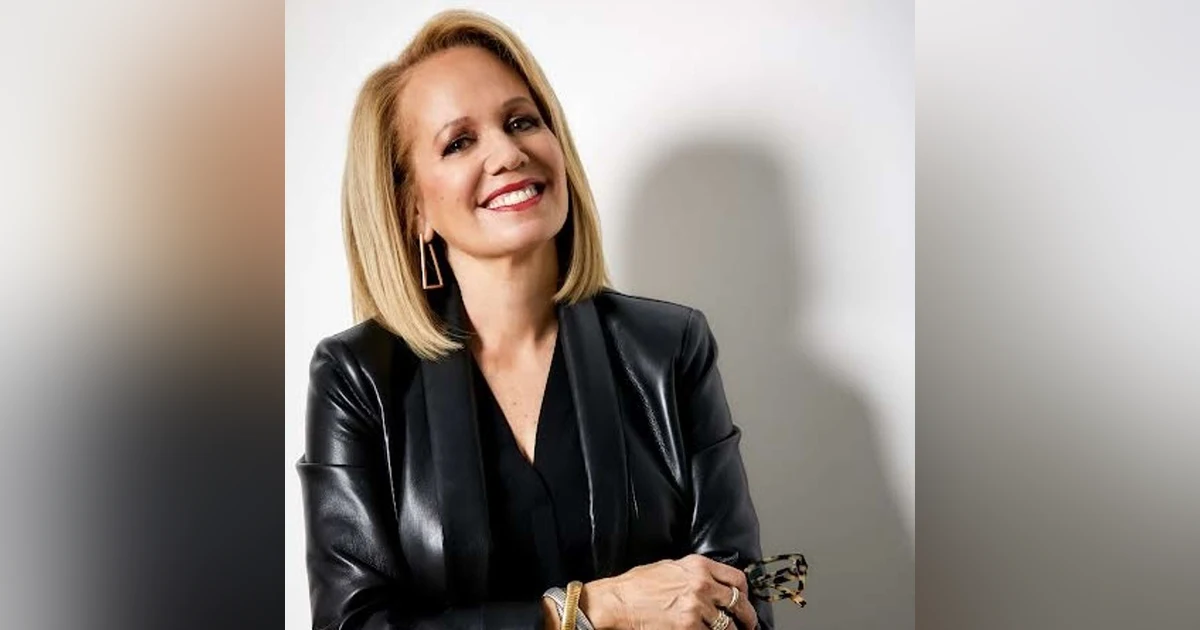

Where do art, enterprise, and great storytelling converge? Find out in this episode of 'No Wrong Choices,' as we explore the world of Liz Kaplow, the innovative CEO and founder of Kaplow Communications. For over three decades, Liz has seamlessly blended her artistic heritage with business acumen, reshaping the field of public relations. Raised on dinner table discussions about the world of commerce with her business-minded father and immersed in creativity by her artist mother, Liz's childho...

 Apple Podcasts

 Spotify

 Castro

 RSS Feed

 Youtube Music

 YouTube
Where do art, enterprise, and great storytelling converge? Find out in this episode of 'No Wrong Choices,' as we explore the world of Liz Kaplow, the innovative CEO and founder of Kaplow Communications. For over three decades, Liz has seamlessly blended her artistic heritage with business acumen, reshaping the field of public relations.
Raised on dinner table discussions about the world of commerce with her business-minded father and immersed in creativity by her artist mother, Liz's childhood set the stage for a storied career. A Vassar alum and FIT graduate, she spent a decade honing her skills at a boutique PR firm before channeling her love for narratives and human connections into the launch of her own company.
In our conversation, Liz draws back the curtain on the authentic, heartfelt relationships and storytelling that have been central to her success. She recounts the unwavering support from her family, underscoring the collaborative spirit that propels Kaplow Communications forward. As a staunch advocate for professional women, Liz's leadership extends beyond her firm, energizing associations dedicated to female advancement.
Liz also navigates us through the PR landscape, from its traditional roots to its inevitable evolution alongside AI, offering a glimpse into the industry's future. This episode is rich with Liz's insights: Relationships are crucial, being genuine is non-negotiable, and embracing empathy is the essence of impactful storytelling. She encourages us to network generously, to craft compelling stories, and above all, to have the courage to take risks and pursue our vision.
"Join us for a conversation that's as real as it gets. Tune in to 'No Wrong Choices' and let Liz Kaplow's journey inspire you to blend your passion with your profession. Because when you're true to yourself and willing to work hard, success is not just a destination—it's a thrilling, ongoing adventure."
To discover more episodes or connect with us:
0:02 Hello and welcome to the Career Journey podcast no Wrong Choices, where we speak with some of the world's most interesting and accomplished people to shine a light on the many different ways we can achieve success. I'm Larry Samuels, soon to be joined by Tushar Saxena and Larry Shag. Please support our show by following no Wrong Choices on your favorite podcasting platform, connecting with us on LinkedIn, instagram, youtube, facebook X and Threads, or by visiting our website at NoWrongChoicescom. This episode features the founder and CEO of Kaplo Communications, liz Kaplo Tushar. I guess you're one of the master storytellers on this program, so why don't you use your master storytelling skills to lead us into this conversation?
0:51 Alright. So, like all of us, we had our jobs. Prior to this, we were all together on another show which we had to kill stories. But one of the things I was the producer for that show as well, the executive producer for that show, the fellas and one thing that would always happen is that we would get pitched from PR firms for a guest you know, they're hawking a book. They want to come on and talk. They want to come on and talk about this new piece of equipment that's going to be used in sports, etc. Or in some other way, and we would all I would always get pitches like this. So I've always kind of wondered in the back of my head because, you know, it seems that everybody I know who's stopped being in the broadcast industry. They all move to the other side, which is then public relations.
1:32 So I've always wondered what exactly is public relations? I did take a course of it in college and did, I guess, relatively well, but I've always wondered exactly what is the job of a PR person, a PR firm, and how do they stay relevant in this day and age? I mean, it's a tough thing, right, it's a tough thing to remain relevant. She's been doing it for 30 years. She's really only had two jobs one where she worked at a PR firm and then she started her own PR firm. So it's really been only two jobs. So I'm just very interested in getting that definition of at least what she thinks is one of the leaders in the industry. What exactly is public relations? Yeah, and how is that different than a publicist, right, I mean, because these are both jobs that kind of overlap each other, but they're very different entities.
2:18 You know, I'm excited to talk to Liz about her leadership style too, right, she's been a leader in this industry for a couple of decades now. Yeah, exactly. So I'm interested in her leadership style and everything I see about her just very genuine type of leadership, a good person, be conscientious, those kinds of things. But I'm hoping to really dig into how she leads people, because it's a real skill and the courageousness it takes to just jump off and start your own business. I mean, we talked about it on other shows before, but I always marvel at the courage it takes to just hey, I'm going to do this my way and I'm going to take that big leap. You know, no risk, no reward.
2:58 Absolutely, and for me as somebody who's been a marketer for decades, I'm very curious to hear her approach to corporate communications and how she tells stories. So with that, here is Liz Kaplow. Now joining no Wrong Choices is Liz Kaplow. Liz is the founder and CEO of Kaplow Communications, a PR and corporate communications company that she brought to life over 30 years ago. She's also a champion for the advancement of women in the workplace. Liz, thank you so much for joining us. It is my pleasure. Thank you for having me. All right. So, liz, I kind of want to ask the first question. Actually, I'll ask the first two questions First.
3:40 I'd like to get an exact idea of what it is you do. I mean, obviously we hear this notion of PR, public relations. What exactly is that? What do you do? Yeah, that's the question that has always been on everyone's minds since I decided to go into it, and family members who I've looked with for years still are asking that question. It's not the kind of thing that has a quick and easy answer, but some of the way that I've always looked at it from day one and withdrew me into it is this notion that there is a chance to tell stories, and it has really been, historically, the earned media who we have engaged on behalf of our clients to help with their strong third party endorsements and their ability to bring something to life through their words and whatnot that it really is that.
4:38 What got me into it Is this idea of telling brand stories in an authentic, incredible way. All right. So I kind of want to key in on that. There's a notion of storytelling. I'm in an industry where storytelling is key, so I kind of want to and obviously you are a one-stop shop for corporate PR I want to understand exactly, as someone who has. Obviously I know what PR firms are, but having never worked in one, I want to know exactly what you mean by this notion of corporate storytelling, because I mean what is the story of target, so to speak? Because that is one of your clients. Well, to help illustrate this, I think it's good to bring back a story that actually got me to think of PR this way, which was when I was starting out and our client was coach, coach Leatherware the bags yeah.
5:31 The bags and the CEO of Coach. He came to the agency because he wanted to meet the team who would be pitching out to the media about his bags and wanted to illustrate really what made them special, what would be their differentiator. He was in a sense entrusting us as his PR people to speak on behalf of the brand, to be ambassadors for the brand. And so he lugged in this big saddle with him. With the bag is like beat up but beautiful, authentic saddle, and it had this sheen to it. He said you see this patina here on this leather.
6:13 He said that's what our bims have that will stand the test of time, that you could buy with the money that you're spending. We all know that you'll have a quality item. And he kind of story told this idea to us. So we fell in love with the brand we were going to be going out to the media with. We were going to be going in those days. This was more the traditional media, before we got involved with everybody else, but honestly, to Shar, it's still the same story. If you were passionate, as we are in our agency, about the brands we represent, about the executives we are helping to bring out to their full personalities and their humanity, we will help our clients to make a very good and authentic emotional connection to the consumer, to the people, who will be the actual people they're trying to reach.
7:18 So that's the way we've always looked at it. When we say storytelling, it's capturing the story, the essence of who we're representing, and bringing that to life in a very real way. That was perfect the way you laid that out. As the other marketer on this call or in this conversation, I do want to ask one clarifying point that I probably understood but others may not have. I know this is going to come up again, so can you talk about the concept of earned media versus paid media, because I think we're going to wind up there a few times. Yes. So the clarification around this is that PR, its differentiator, really has always been that's right, larry, with a phrase, earned media, and that meant you didn't pay for it.
8:07 That's what drew me to it. So somebody here works for CBS. Raise my hand Too sharp, so if we Guilty, and what are the areas you cover that you really feel passionate about? Well, I'm a news junkie, a sports junkie, so actually I'm in the news department and we cover any story in every story. Any stories. Okay, so I know. Cindy's thing is positive stories, great things that she can bring to life. So the idea is like I have something of interest, but I want to get someone from the tri-state area who really has experienced that charity or that solution in some sort and I can get really super excited about it.
8:58 I would go to you or your producer and I'm not paying for that. That's going into an editorial context, same thing with anything that we're talking about. We represent a lot of beauty clients and so if we're doing a big launch, we would go to editorial versus paying for an ad. That's the difference between earned and I always think of it this way You're kind of earning the reputation with the consumer You're versus paying for it. That's what I love about it when I learned about it, because I thought, wow, this can give us a chance to create a dialogue with journalists and it's like truth in journalism.
9:43 The world has changed and I have accepted that. I think we as an agency also see some of those changes as opportunities too. But yes, we are founded as an industry in the idea of earned versus paid advertising. We're gonna dig into the nuts and bolts of all of that way more, but I get the fun part of this program because this is a different type of storytelling. This is your story and I think there's no better place than to start at the beginning. Talk about your parents, the influence they had on you growing up and and was this the dream? I mean, who grows up thinking public relations? I think this is exactly what I need to be doing for my whole life.
10:23 So talk about how you grew up. Yeah, well, I grew up with two kind of polar opposite parents. You know, my mom was an artist that hence the painting you know they're all around me and she's really creative and she really encouraged creativity and the arts and, you know, writing and exposing us to all of these kinds of things. My dad was a textile executive and he was kind of a nine-to-five in the traditional sense. We would have dinner around the table and he really would get into like very deep thought, like it looked like he was thinking is still a lot about his day.
11:04 So I as a little kid I would ask him a lot of questions, what you know, how did the day go, what happened? And he, you know it, invariably would tell me really about some issue. He'd say we got problems, kid, we got problems and I knew that was good because I was getting to dig into you know what, what's going on with something with the gray goods. You know he was dealing with textiles and you know he had something with the salesman. But whatever was, it was very interesting to me from business sense and it's when I realized that business really is about people. It really is that's fascinating, solving problems.
11:47 I was very curious. He let me go to the office with him and you know the textile industry was really male dominated. There was one woman, their name Pat Patassi, and I followed her everywhere. I love the way she dressed. She was still super fat, like she. She wasn't trying to be anybody, but who she was, but she she made it about the work she sort of was so secure about. I remember her kind of affectations in the way she carried herself and I think he did that my dad, because he wanted me to see, you know, early on as a successful woman. I was interested, so so that was really a great way. But as far as the PR thing goes, I was an enthusiastic kid, enthusiastic about people, everybody's biggest cheerleader.
12:34 At the book fair I was like so excited about a tree grows in Brooklyn that one of the dads who passed by he said I'm gonna tell you something, kid, I'm gonna go out and buy that book right now, be or go to the library because that's a great book. It's like I got so excited about what, what I was taught, so enthusiasm, you know, and I didn't know anything about period me honest with you. Through college I didn't know anything. I was a liberal arts major of Vassar College. I love literature. It was an English major. I read, I wrote critically. I got a lot of feedback so I had changed things. There was a lot of dialogue, but I think all of those experiences really helped.
13:17 And then I got to FIT, which was really the first time I understood that. You know, pr is a thing and there was a course in it and, like the, the lights went on, you know, because, wow, you get a chance to be persuasive, to write, to get excited about what you're doing, to work with people, because you know that's that's really a fun thing, and I think that that's how it really all about. It's a much longer story, larry, than you probably we got time, we got time, it's okay.
13:59 So who was more so? When the light goes on, you say you know what a PR is, is what I'm going to do. Who was more enthusiastic or who was more supportive? Or were they both not supportive or or both very supportive your parents to say, yes, go down this track? Or did they have a whole different idea for where you would eventually end up? I was a Nazi kid. I was really musical. I love writing, but you know they were really happy I was. You know I'm the youngest by a lot of years and I think by that time you know, parents get sort of worn down and they're like whatever you want to do you know, whatever you want, the positive thing I mean.
14:39 Again, nobody really understands PR to this day, but they started to really understand that I liked it. You know they see your kids happy doing something. You know there wasn't really a ton of. You know she's going to do this, so I think that they saw that it was putting together. Also, my dad was involved with FIT in Europe. He was helping them to open up a textile branch of their curriculum there and he's the one who gave me the brochure about this new program in advertising and communications because I was like flandering a little after college what do I do with this? And that's where it was.
15:19 He goes go down there, talk your way into it, and that's how I started that program wow, that's so interesting you reminded me of that to show. That was good. The story is not that dissimilar because, like my parents, you know, being an Indian kid, being a kid of immigrants, you know it's the big four industries. You got to go into business, law, medicine or engineering or IT, so to speak. So when I said I want to go into communications and I want to go into broadcasting, they were like what are you talking about? And you know, so many years later now I can finally say to my mother see, I'm successful. Even there she still has. She still has her own qualms about why didn't you become a?
16:02 lawyer, you know I understand. One last thing on this is that you know it is very, very difficult to start a business and I think in retrospect, you know, having two little kids, all those things I would say to my mom, this is the last day like I cannot do, and she'd say get a good night's sleep, start again in the morning. Yep yeah yeah, she did encourage me. I have to say that that's really interesting. Now, before we jump into the career completely taking off, I want to stop just for a moment, because you did go to Vassar and I believe you did go to college in the 80s, which must have been an absolutely incredible time in New York City.
16:48 Can you, without going too deep, can you just tell us about that experience at that time and what it was like to be in New York? yeah, as you go to the studio exactly it really was textbook the way people come to New York for generations to sort of get their start. And nobody's ever asked me that before, larry, but it's such a vivid memory about having this kind of like being in a campus and college and then the first job and really New York, the center of the media, the center of business, the center of the entertainment world.
17:30 You know everything and the excitement around that and that was, I know it, people getting that anymore, that feeling of like get your start. But everything was there and the, the energy of New York really was a fuel for me. You know, even just figuring out for this interview where I ended up staying for years and years for my first agency, I remember literally like yesterday, going into a little boutique and you know feeling I've got a you know dress, it's New York. And then I remember you know my boss, who you know was an 8 30 am interview, and she opened the door. I remember she was wearing a mint green Carolina Herrera dress and it was like so it was everything, it was fashion, it was the excitement of people, it was it was.
18:20 It was really unexciting time, as I remember it, I'm sure it had it had its flaws, you know, as the city is a combination of both of ways, but it was. It was a really great way to start. I have no doubt you nailed that interview. What happened like what? What was that experience? First of all, how did you get the interview, and then what happened when things got underway there? I mean it's, it's so amazing. You remember like the imagery from it, right? Yeah, that's so great. So tell us more. You know I love I love to help listeners because I'm always thinking about the listener. You know you're ever starting out or pivoting, or you know wherever we all are in our career path and whatnot the idea of like meeting people for the first time and bringing it and bringing your passion to it, and the excitement around that.
19:09 So the internship, larry, was at Burson Marsteller. That was a big firm that I went to from FIT, which was a fabulous experience but too big. So then somebody from contacted I don't even know how I ended up at DeRise for finding out about it. There was somebody who I had known. There were no openings at the time so she said. But she said, stay in touch, another great thing to remember about building a network and sort of keeping in touch with people. And so I ended up like a receptionist and another thing it would. I mean that was a crazy job. I was washing dishes for the boss, like in the ladies room because she was always entertaining, you know, a great first thing.
19:56 But I was kind of buying my time, hoping something would open up at this other firm and sure enough it did and I got to skip the entry level position and go right into being an account executive because I had had that internship. But it really was a great place to start because it was only that 10 people and right on 60th between Madison and Park and and I got a lot of access to the then founder and CEO, madeline DeVries. Alright, so then I guess that's a good, that's a good. Next question so what is the biggest difference between a large firm and a small firm? And I guess that means in terms of clients and then, obviously, treatment of clients.
20:38 Yes, so you know, I'm speaking from my own firm today also, which is, you know, a mid-sized consumer PR agency that has a feeling to it. I feel like we are small in some ways and our nimbleness In the US a good question. So I think small agencies tend to be able more scrappy, as we know, just as size gets bigger and they become more layers and whatnot. I think that's one of the differences. I think it really depends on the agency and the practice.
21:19 There are different specializations. It's a pretty nice-sized industry, but I would say that that's really the biggest difference in that small agencies have been able to move, I think, a little more easily as you grow. You don't want to stumble on that, but sometimes that can get a little more hierarchical. How long were you at your small agency? My agency wasn't always small when I was there. It grew through the years and I grew with it and that was close to 10 years, because if I look at your resume as much as I can, it seems like you've only had two jobs. You had this job and then you started your own. I heard her. Yeah, it's unbelievable. You wanted us something.
21:59 I'm going to get into saying something now On behalf of the team. At Kaplow we have crazy retention. People really stay. It's sort of against the times, right, it's against something. Yeah, very much so. What you hear out there for sure, but I believe if you build the right kind of culture, it's actually what people are craving. How many times do we hear people who've been dissatisfied and they go? They say I want a home. I've heard that so many times from people who I'm counseling or trying to give guidance to. They're looking for that home. They're looking for a feeling like they can connect to the culture. So I forgot the question at this point.
22:41 Tushar, I'm sorry, but that's really that is really. Yeah, it's two, really two jobs. It's true about this one I've had. I've had this agency for 33 years. Well then you led me into my next question, which was OK. Somewhere along, somewhere in the 10 years, you said to yourself you know what, I can do it better or I can do it differently, and I'm going to throw out my own shingle. Where in that 10 years did you come to yourself and say it's time for me to start it? was an accidental. I mean to really tell those true stories that there was not great ambition there. There was not like a big plan. No, it was because my two kids were very little, I was commuting back and forth, there was limited technology, the way there is today to be able to do a remote thing or to have flexibility.
23:35 So that's why I started the agency. I never realized that would be one of the great assets to bring to our agency and today we benefited by that because there are a lot of people who come and say I can have that flexibility, I can. It's sort of a way it's just so hard to have a 360 life. So if you make every effort to try to help people out, this is long before the pandemic or anything else and we've made mistakes. That has not always been perfect in that respect, but I do think it is a driving force in helping people stay in their careers, especially women, who do find it very hard to get through middle management into those coveted leadership positions.
24:22 We know that child care and other things really are stumbling blocks for people. So we have made an effort and our management team there's a bunch of moms. Our president raised two kids through being promoted through the agency. I'm not super proud of that fact to you guys because it's a hard thing to do. Before we really go into the leap of you starting your own business, which is, I mean, courageous beyond all belief. Did you consider yourself a good employee? Were you good for those 10 years For did you learn a lot that you would carry on to your own business later? I was such a good employee and I don't say that to be self-aggrandizing- yeah, oh, of course.
25:03 The reason I say it because you asked, is because I think that some of those things that we started with need bear repeating A great work ethic, getting places on time, being prepared, being comfortable, being able to write persuasively and succinctly so you can get your ideas across, doing that as well verbally, All these sort of old school ideas that, what I always thought I paid a lot of attention to, I really think do translate into what helps, not just in running a business but in hiring the right kind of people who will have that kind of dedication.
25:48 For sure. So when you started your business, what was the vision? You know, you went through your 10 years, you paid your dues, you've established a foundation. What was your vision for that first, for the first days of your business? Yeah Well, my dad said to me I'll never forget I was trying to explain Pira to him exactly. That you're doing now. You need clients right and you need good things to bring to the editors that will be interesting to them. So that was a really great thing sort of a notion. To start with, I did think, larry, about this idea of storytelling, because I didn't want to be a publicity house.
26:35 I didn't want to be a place where you get a bunch of publicists sitting around pitching stories out there like willy-nilly, lasting emails to journalists cluttering their inbox. I just wanted to take it to a different kind of level. We call that, I guess, high touch in certain situations, meaning that I wanted it to be thoughtful. I really wanted there to be a value that would be brought to the journalist, meaning a win-win. Yes, it's great for our client, but how is it a value to the journalist we're trying to reach? And I did go in with that idea because that way of thinking about it had been a success for me when I was at my agency and I ended up doing really well with that way of thinking and the clients were really happy with that, the media was really happy with that.
27:30 And then I think the other last component was build relationships. Build relationships by doing the right thing by people, by coming through for a producer with a great story, then they'll call you back again coming from really doing your homework, having integrity with the way that you are doing, kind of having a longer term approach with relationships so you could go back to people. Don't burn bridges. When I started the agency, I had the chance to do this and I called my old boss and I said to her how she was tough, she was competitive, she was tough.
28:14 She wasn't doing anybody any free favors or anything like that, but I explained to her. I said I kind of want to try this. I don't have any entrepreneurs in my family. I'm not a risk taker, all those things. She goes, lizzie, she said, give it a try, you could do it. And I think not burning bridges. I think all these things set you up in a way that it's sort of the underlying reason. You don't always think about it. You start to pull apart. Why do businesses succeed? Why do some others grow quickly and then crash and burn? I actually think some of that way of thinking is something that will help with slow probably, but managed growth, which is, I think, what you should be after if you haven't lived for the long term.
29:05 How did you get your first client? Who was it and how did you land them? Yeah, so the first client, what had been a client that I worked with before at my agency. She was not with the agency anymore, but she called me and she said you know, would you work? Would you do, you know, write the radio commercials? Were you write that? I just said yes to everything, whatever she said to do. Even if I hadn't done it before, I figured I'll figure it out or I'll find somebody who knows what they're doing. So I just kept saying yes and I called my old boss. Remember, I just told you the thing about the old boss. I said look, this is a client. She's not your client anymore. I still want your approval because I wouldn't have met her had I not worked for you.
29:50 Yeah, loyalty, integrity, all that stuff, that's everything. Not burning bridges, yeah. That's how that started. I guess I mean with anyone starting out. You know you hear so many of these stories about, you know, businesses starting in garages, businesses starting in your basement, your attic, so where is your first office? Yeah, so I told you the kids were little my husband was a trained lawyer and he sort of helped like organize this rental in Westchester In 1991, and we shared an assistant and you know she was running back and forth between like the legal stuff and sort of working with me and that was not in New York, it was in Westchester.
30:33 What happened and it's too long for the podcast, so I'll make it very quick for a variety of different reasons we realized that we should move to New York, that New York would be considered again. These were the days no one worked remotely. You needed a office space to really have clients come in. So we landed at 19 West 44th Street and that's where we stayed for years and grew within that space. Now my husband started to help more and more, but with sort of things that weren't traditionally like lawyer things or CFO things, like.
31:13 He loves architecture, so he helped take this 44th Street space and he called a friend from college who was an architect and he said how do we open this up? So it almost feels like a lot, because we had looked in Tribeca and some of these cooler areas, but we really liked Midtown because Midtown was so easy for everyone, right? So what we did? We ended up taking this space in Midtown and really it looked great and that's. Those are some of the ways that he started over time, getting involved with the business, helping with the kids, and we managed to kind of do this all these years.
31:53 And you know, now they're in their 30s, these kids. So it kind of worked out. Help me. Help me understand how this works, because, I mean, I'm foreign to this business completely. So you have your business off the ground, you have these fabulous new offices, everything's going great so far. You got your first client, but you have to convince other people In the beginning. Is it about convincing them that you could help them? Or do they come to you and say I know you do great work, I know you're going to kill this. Are you pitching? How does that work? Try to dissect this, and it's not that I'm meaning to be evasive or difficult. I don't know is kind of the answer.
32:33 It's all the things you said. So, for example, I think that doing great work reads great work. So to answer so kind of along the lines of what you said, you know, success kind of builds momentum. So you know we do well, we, the editors, recommend us for something, or a client does, or sometimes it was vendors who we worked with. So for example, there was someone who did satellite media tours for us for many years and eBay asked him for a recommendation. So then eBay came in and interviewed us and like these different ways, rarely have I gone and sort of made cold calls.
33:20 I have sort of always thought that organic growth and what organic growth means in our business is that you get a good client and then you grow with them to provide increased services. Or you get into an industry like health and wellness, which is what has grown a lot with us lately during the pandemic and beyond, and then we're able to kind of reach others in that audience through the trades they hear about, you know, through the PR trades or through whatnot. And you know now, with the website and people doing a lot of search, you know people really they put in these words, these key words, these searches, and it leads them to the website where they learn more, so that even those searches have changed.
34:04 But we get. We do get inquiries. The trick, I think, with our business is to get the right kinds of clients, quality businesses, and really hope that they grow with us over time. Many of them really have stayed with us for decades, which which is a testament to the team. I didn't talk that much about the team. I don't want to run out of time. That's okay. I was going to go there, that's okay. Yeah, that's okay, that's okay, you start out as an entrepreneur, you do and everything yourself, and then the fun of it is really like growing. People think about you. You guys were into sports. You know at the beginning and seriously, larry, you were telling me a little bit about that like you know the way these players then become coaches or you see, you get a thrill by being a player coach right.
34:51 Yeah, as an executive working side by side, but really giving them a chance to be in the limelight Not easy for a founder, by the way. Well, these things take a little bit of, you know, restraint, but when you let people go and and you give them a chance to do it their way, I think you know it's very gratifying to see that. So let's, let's build on it a little bit. Talk about the pressure of the moment. You know, surely you entered some big meetings where you're like, hey, I got this big fish on the hook. You know I gotta reel it in now and and we got to make this happen and obviously it's a team effort, but you're at the, you're at the head of that.
35:31 So do you feel pressure with these meetings that that that could be the one? Do you meditate? Do you ground yourself? Affirmation how do you go into that big meeting so that you can, like, really nail this and knock it out of the park? I think that for our business, people want to work with other people who have they can relate to, they can have fun with. You know, I've often heard through the years and I didn't get it as well in the beginning like we're going to do a chemist, more than anything, we want to chemistry check, like we want to like what did that mean in the beginning to your product. I'm in there to try to like, be smarter and tell them what they need and give them a plan that dazzles them and all of this. I think I think differently about it as I've gotten, you know, older and wiser or whatnot and sort of see that you know you want to put it as a, as a put people on a level playing field and and help them see that they like to work with you, that you're smart, you get their business, that you have creative ideas, that that you don't know everything you know and that you're fun and that you're excited, like.
36:41 There's a lot of things about the pitch. Again, you guys are asking questions. No one ever asked me before, but when I start to think about it. They're good questions because I think that they exemplify really, in the way business is done today. You know people are trying to dismiss the layers. They're trying to be the more real. I think journalists appreciate people who are less talking heads and not looking at messaging and all that, and they're real. So why not, as an agency, without your interviewing, kind of have that same approach? And I think you know it's work for us. It's not going to work for everybody, and you're not, we're not going to be everything for everyone either, but hopefully, you know, by the teams seeing it as a win-win, not that we're really interviewing the people.
37:30 Sure, we are. In a way we want to see are they right for us too? Yeah, not in an arrogant way, but in a way that like will we be a good match to be able to be successful in the long call. That's how I viewed my entire business career. It was about partnerships and collaboration, and a lot of that stuff would organically happen if you were the right fit. It wasn't about winning, it wasn't about a negotiation for a victory or for the most. If things were right, they would just sort of organically find themselves and last forever. It's just. That was my experience as well. You know, I'm curious about scaling your business. So there must have been a moment along the way where you've opened your doors, you've started to bring in some clients and you've established some momentum and all of a sudden you recognize, okay, we really have something here, like what was that moment and how did you scale your organization from there?
38:28 Yeah, you know, again, it's I don't know that I'm a moments kind of gal. I think that things happen with us over time and we see, you know, that something is working and we lean into that more. So, for example, you know, when we I mentioned that help them on this practice and we're sort of saying like that's going to be a way great, good way to scale. That seems to be especially during the pandemic and area people need, they need this. Now. There are so many stigmas that need to be broken down, you know, and there are so many areas that need to be more fully explained that people need education around.
39:12 So it seemed like a good area. And so you know, we want a few of those kinds of businesses. And then we would kind of like see, wow, that that's working, let's lean more into that. That seems to have worked better than sort of laying out and it might be able to say like, let's dive fully into that. I think that's that's probably more closely tuned to what's worked better for us. Got it. I want to talk a little bit about the notion of scaling up. Now, when you scale up, you obviously have to add staff. I'm assuming that early on it was essentially you and your husband you were the staff and maybe you had another couple of folks. But when you were bringing in staff and obviously you are a boss, you are a mentor what are those qualities and those people that you're looking for to bring in as part of your team?
40:02 Because even as you talk about with companies, the idea of chemistry checking, it's got to be very similar when you're hiring someone to work within the company itself. Yeah, do you mean at the beginning, or today, or? just all of the time. I would say you must have had an idea from the beginning to now and obviously it's changing. Yeah, I was going to say how has it evolved? Yeah, exactly. It's a very good follow by you. How has it evolved over time? Yes, I think I've gotten better at it. I think the things that I valued so much I mean they are important and having the relationships with the media always being the writing capability was always important and these kinds of things.
40:43 I think now it's so clear how much culture matters, that someone who is coming in, who is willing to be collaborative, flexible, an ideas builder, besides having, of course, all of the expertise that you need in this business. I think that's a shift that is critical and it came through some really difficult, difficult days when we did not have the kind of team we have now or we didn't have the kind of joy that you're seeing hearing from me. There were times where culture wasn't what it is now and those were really trying moments with the business and I had to really delve into what do we want to have here?
41:34 What is a good North Star for people to know about? What do we stand for, so that when they come in we can make sure we tell them that this is who we are, so that we can see that we continue. It doesn't mean that there isn't a diversity of thinking. We want a tremendous amount of people with different ways of thinking, and what I more mean is the flexibility, the enthusiasm, the trust, all of those kinds of things, and I think you really do need to build a business. As you think back upon your journey and as you went after or took this approach to the different things you were doing, can you describe a huge success along the way and something that you are incredibly proud of?
42:22 They're probably 50, but can you pick one or two? We've worked with brands like Target and CBS and the beauty industry. I'm so proud of the work with the beauty industry, with cosmetic executive women, which is the trade organization for the entire beauty industry, which is made up of really big brands like L'Oreal and G and others, and little, what they call indie brands that are just starting out with an idea, and this is the trade governing body for all of the beauty industry, cosmetic executive women and my mentor, carlotta Jacobson, is the president of that organization.
43:03 She and I talked many, many years ago about. Is there a way that we can actually create an award that will award these best, most creative and innovative products every year? And it won't be from a magazine, it won't be from a person, it will be from CEW, from cosmetic executive women. That will add so much authority and credibility. And to this day, that award exists. It has been reinvented in a million different ways as the world has changed and our field influencers have come into the fray and are a big part of it, and they are.
43:45 It's just. There are so many ways to tell this and show this event and get people excited about it, but the essence of it really still is the same. It's really to go in and say what makes a great beauty product and how can a consumer who is confused by going through the beauty aisle by the hundreds and hundreds of products the sea of products use the authority of this seal, of this award, to make better choices? To me, that's a really something I'm very proud of, especially because it's still going on all these years later.
44:26 Wow, you mentioned just a moment ago the notion of mentor. You have a mentor and your mentor leads up this group that you are. You are obviously a mentor to so many women out there. How important of a role is that in your life at this point? And obviously I kind of know the answer we all do. But at the same token, at what point did you see yourself having to take, having to overtake that kind? of role. I mean, I think I was mentoring when I probably didn't have a right to be a mentor, because who knew that I knew that much to do that? But I've always gotten satisfaction about helping somebody else to do better and I think, as I gain more and more experience, that really is the joy of my life, and I have a collection of people from all different stages who have mentored me.
45:16 It's almost like a rotating thing and there are young people. Mentors need mentors, mentors need mentors. Exactly. There are young people who teach me things about technology and prepared me here. They're my mentors. But I really believe it is incumbent upon those who have really had this experience to help people when they need to sit down and talk to somebody. Come prepared. They should be specific. But that's a big part of what I love and we are very involved with New York Women in Communications, which is the big organization that is for all of the different verticals within the communications industry.
46:01 It has the Matrix Awards, which Gloria Stein was the first ever woman to receive that so many years ago, and I'm very involved with that. And we started a program called Roadmap for Change to really try to get young scholars who are given scholarships from New York Women in Communication to get apprenticeships with different brands and different agencies. And we have our scholar. She's going on her second year actually hiring her, so she's graduating from school and she's getting a job because of what a great job she did with her apprenticeship. But I'm plugging the program a little bit because I'm so proud that there is something that we can start.
46:48 That is that kind of give back and it is for women from young women from underrepresented groups, because some of those folks don't get a chance to really have the exposure. Half of us don't even write. You didn't even know we're talking about. What is PR? Can you imagine somebody who really was never exposed the way I was lucky enough to be exposed at FIT? In that one course there are so many, so hopefully the idea is that this will get a lot of more young women to get that on the job training. Let's talk about this head on while we're here, because you are a very successful woman and in generations it hasn't always been easy.
47:32 So you must have faced hardships, you must have faced people who didn't like a professional woman to be successful, and you barreled right through that. So talk about what you did, how you did it and how important it is because we look, no wrong choices. Celebrates successful women. I just believe in just getting up every day and going back to it and being as resilient as you can in the face of disappointments and yes, there are many. But I think, just getting in there and trying and you know, if you get put down or you get insulted or you feel like someone's closing a door, you know you look for another door to open.
48:14 There will be one. And I think, as women you know, they just really need to hear that. They need to hear stories of success, the same way you're showcasing them. Good for you, guys. And I think they need to hear vulnerability. They need to hear that it wasn't just a perfect journey, because I think that any young person, man or woman, who sees somebody that looks polished and so successful and doesn't hear how hard it is, or that they, if they get knocked down, just to try it, try again they may give up, and half the time it's like staying in the game, just being able to weather a difficult time and call, you know, your best friend from the time you're five years old, or somebody who will listen to you, which I have, you know, my camp friend I called her this morning, you know and encouragement yeah, you know, these are some of these things like.
49:05 I'm talking about some of these old school things on this podcast. But you know, when you think about encouragement and AI is technology has taken over so much. It's helped us to an extent. We are, you know, able to do more and have more flexibility because of what technology has supported us. But on the flip side of it, we need people. We need people to encourage each other, to help each other, to say start again tomorrow, you know, and it's something to give you a chance. And, by the way, it is okay to ask for help. I need to ask this question because you brought it up and it's important. So, for young people who are looking to get into your field of work, we do want to pull your wisdom and advice for them.
49:51 I think we've been doing that throughout the past hour, but we're going to try to hone in on it. But before I ask that question, you mentioned AI, and you know I currently teach a college class and we read all kinds of articles and I, so my students, are scared and nervous. What impact is AI going to have on the communications industry and and how big of a threat is it and how should a young person, for example, either embrace it or work around it? Yeah, I think, when something is new and also being embraced ubiquitously which is pretty much how I came on the scene that the idea is to learn, and the idea is to know as much about it as you can so that you can start from the position of strength.
50:47 And so I think the first thing to do is to learn. I think to learn about PR. We've spent time talking about what it means. If there's a, you know I have people come in and be like I love people, so I want to be in PR. You know they really don't know really how to be strategic and and the writing I talked about, the critical reading, it is a higher art, I believe, done well, and so you got to learn that and you know whether you're taking it in school or whether you get an internship. And learn about AI and learn how people are using it to, because you can't get away from it and it can be a help, you know, and it can create efficiencies.
51:34 It can also backfire, and so I think, when something is new in a field like this, we want to stay true to that idea of integrity. We're already seeing problems within publishing and other ways with AI, so I think we have to go slowly and really make certain we check sources, all of the bots that are aggregating all of this information and this quickness of that question, that the question that because it may not be right and part of that can really then backfire when you take that and you take that as a premise and use that premise to bring it to the next step.
52:19 So we are very careful and that's what I would say to someone starting out Don't fear it, learn it, but also learn to question. Trust but verify. Exactly. So you've given us so much. I guess, to put a bow on our conversation, so to speak, somebody who is trying to break into this business, do you have one firm piece of wisdom that you would like to pass along to them?
53:01 Call Liz Kepler, I mean look, I think I'm going to say getting an internship, getting a start somewhere in any capacity within this field, will be just that. It will be a start that you will take something good from. So just get, just get in there. You know what I mean. And if all you are doing is mundane tasks, make the most of that. Like you're bringing coffee to somebody or you're helping you take notes in a brain system, listen to what they're saying and take it in, and I just think, get a start somewhere.
53:50 That's perfect wisdom. So, liz, thank you. This has been a wonderful conversation. It's impossible to summarize it because you've given us so much. I know more about public relations now than I did an hour ago. Thank you for teaching Larry Sushar about her media. I'm like a little skeptical. I saw that body language. It's the journalist in me. It's a journalist to always be a little bit cynical and a little bit skeptical. You know, I felt that I feel like you are really one over, though now, like you are all about to learn. Yes, I'm on board. I'm totally on board.
54:31 Liz, this has been amazing. Thank you so much. Thank you. I'm really glad that Cindy Shue introduced us and watch her show everybody. So that was Liz Kaplo, and we get to talk to so many interesting and experienced people on this program, but very few have really matched the depth of experience that Liz has. I mean, she's been in this business for 30 years. She knows where the bodies are buried, so to speak. And what a remarkable, remarkable woman. Larry Shea. What are your thoughts? You could just tell by the way she talked to us in this interview that she is a personable person, she knows how to build a business by doing a good job.
55:14 But you know she didn't give us the exact ins and outs but her whole theme was do a good job and you're going to build your business because people are going to come back and they're going to tell other people. But the internship I have personal experience with this If you could just get your foot in the door, stick your foot in, it's open to crack, you know I can't tell you how many stories we've heard on this show about the door being blown open because you had the opportunity, you were there, you were conscientious, you did what you had to do. My own personal story I interned for Steely Dan at a recording studio and you know this was 1994, you know a long time ago. But it led me to getting, you know, promoted up the ladder to eventually, three years later, I was the assistant studio manager of the studio.
56:00 So I mean, just get your foot in the door and do a good job. I think are the best lessons that Liz gave us today. For me. I interned every single year of college. There wasn't a semester that didn't go by where I didn't do some internship somewhere. And in many ways you know, if you're out there and you're saying I kind of want to go in this career and you want to try, and you want to try something, well then intern in it. If you don't like it. It's the best way to get yourself as much a variety and as much of a chance to get some actual, real work experience before you get out there. The last place that I had an internship was WFAN. The first place that hired me was WFAN. That was that's basically how I went and my career went forward from there. So, yes, absolutely, you have one thing you should do get out there.
56:42 Get yourself out there, intern like crazy. The other, the other little piece of advice she gave, which I I am such a believer in, is be personable to people, meet people. This is a contact sport. Any job, any industry, it's a contact sport. I love that. The more people you know, the further you will go, because people want to help one another. There are many people who have taken a chance on you or on us right, who have taken chances on us. Who are we to say that? That knowledge that we have gained over the years, that we are the only ones who we should only keep that to ourselves. It would selfish to think that way. We need to move forward and say, yes, each one teach one, each one should help each other up. Yes, you need to get out there and meet people and build your network and I still have friends that they go back to, you know, literally the very beginning of my career but it also matters how you carry yourself, Meaning you need to be real, you need to be genuine, you need to step up when the time rises and you need to take care of others, but your reputation follows you every single place you go throughout your career.
57:47 So when it comes to burning bridges, it's stuff like that it matters. People remember, you know, when people hear the name Tushar Saxena, Larry Shea, Larry Samuels, they feel something, they think something, and that has come to be over the course of a long journey. So it's really important to remember to carry yourself the right way all the time and you know. Building upon that, I loved her conversation about technology and AI, or her comments on that, because people really don't know what to make out of AI at this point. How much of a threat is it going? to be. What do I need to know? And I had mentioned that.
58:29 You know, I currently teach a college class and I have a lot of kids that are about to enter the work world and they do not know how AI is going to negatively or positively impact them. And the reality is they need to know it, they need to embrace it, because it's here, they have no choice and learn how to work with it. It's not going away. So, it was just really interesting to hear her perspectives on that. We need to recognize that we have to learn what this technology is. If we don't do that, then you know you're just doomed to kind of go along with the flow and eventually you know the wave will overtake you. So you want to be either on top of the wave or under the wave, and no one wants to be under the wave. Let's be honest.
59:10 Exactly right. Well, liz Kaplo is a great example of somebody who has never been under the wave, at least as far as we know. And, liz, we are so appreciative and thankful of the time that you gave us today and the wonderful wisdom that you imparted. So, liz, thank you so much for joining this episode of no Wrong Choices. We also thank you for joining us. If this episode made you think of an inspiring person in your life who could be a great guest, please send us a note by the contact page of our website at knowwrongchoicescom. We also encourage you to connect with us on LinkedIn, instagram, youtube, facebook X and Threats. On behalf of Tushar Saxena, larry Shea and me, larry Samuels, thank you again and always remember there are no wrong choices on the road to success, only opportunities, because we learn from every experience.