From Wall Street to Wellness: Jasmine Bilali's Journey to Holistic Life Coaching


 Apple Podcasts

 Spotify

 Castro

 RSS Feed

 Youtube Music

 YouTube
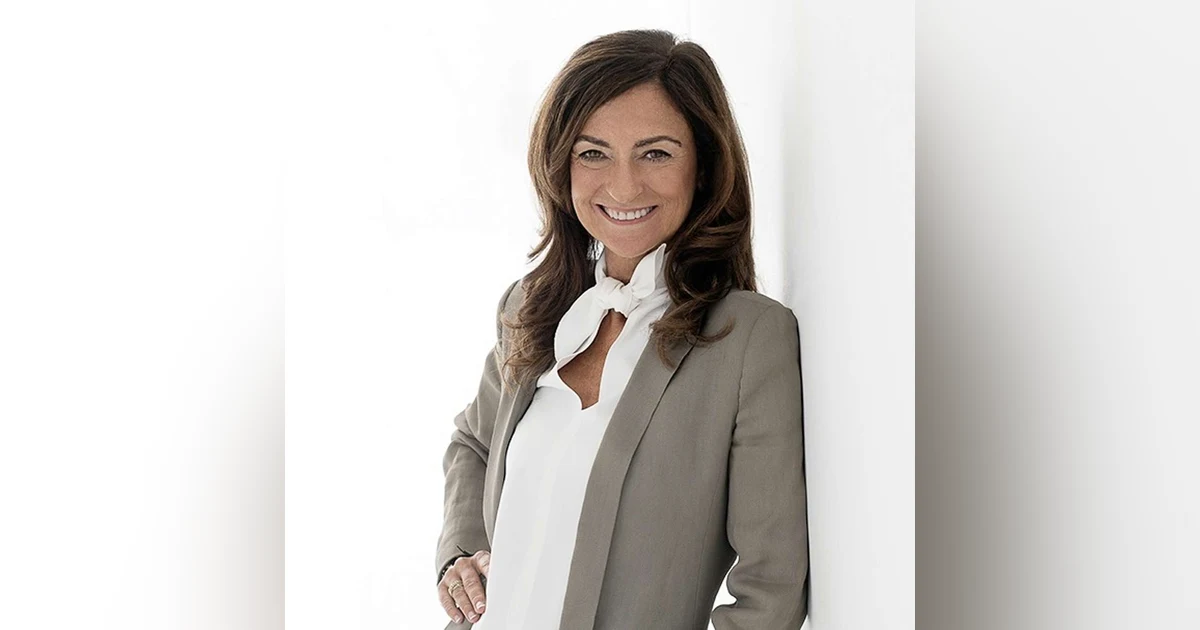
Ever wonder what it would be like to trade a high-powered career in finance for the world of holistic wellness coaching? Join us as we sit down with Jasmine Bilali, a former finance executive turned life coach, who took the bold leap from the skyscrapers of Manhattan to the realm of wellness and empowerment coaching. Jasmine shares her riveting journey, from her early days as a second-generation immigrant to her transformative pivot into holistic wellness.
In our conversation, Jasmine takes us back to her childhood home in Hackensack, New Jersey, where her fascination with the Manhattan skyline kindled her ambition to succeed in the corporate world. However, her eventual foray into the bustling world of Wall Street wasn't enough to quench her thirst for personal growth and fulfillment. It was through her daily meditation practice, coupled with an instinctive pull towards her true calling, that she found her purpose. Jasmine's story will inspire you to not only heed your inner voice but also stay true to it, even if it means embracing uncertainty and making sacrifices.
As we explore her transition from corporate life to holistic wellness, Jasmine shares how she tapped into her entrepreneurial spirit, despite the fear and self-doubt. Breaking free from the shackles of the corporate world, she started her own practice, overcoming numerous hurdles and celebrating her achievements, such as getting published in a national magazine. Tune in to hear Jasmine's reflections on the misconception that leaving a stable job equates to failure, and how detours can pave the way to self-discovery. Get ready to be inspired by Jasmine’s journey and to learn how you can chart your own path to a fulfilling, purposeful career.
To discover more episodes or connect with us:
0:00 Now joining no Wrong Choices is the holistic life and wellness coach and former finance executive, jasmine Balali, whose career journey is a unique and wonderful example of the art of the pivot Jasmine, thank you so much for joining us. Hi Larry, Thank you for having me here today. Of course and you know, jasmine, as we like to do with all of our guests, can you set the stage for us? Can you sort of lead us into who you are and what you do and in some ways describe what a holistic life and wellness coach is? Of course, I'm a holistic life and wellness coach and what that means is that I help people refine and optimize their minds, bodies and spirits so they can get I guess you could say unstuck from where they're standing and go on to create the lives that they want and think about and dream about and ultimately, to thrive.
0:54 Hey Jasmine, this is Larry Shea. Really nice to meet you. Thanks for joining us. I think Samuels just described that it was the art of the pivot. So talk about the early stages, the very beginnings, because I know you had a career and you were on one path and then you shifted to another. But let's go back to when you were younger. I know you were in finance. Is that what you always wanted to do, or did this present itself on your journey? Talk to me about what you dreamed about when you were a kid. So I'll answer that going backwards. When I was a kid, I had lots of different interests and I was interested in everything. I was interested in the arts, I was interested in physical activity, sports, and I liked writing and drawing and, most of all, I loved people.
1:45 I loved all different kinds of people and I was the little kid in the neighborhood who went and knocked on everybody's door and said hi and was kind of the family PR person. So it wasn't like I was five years old and I thought, oh well, I'm going to have a career in finance. Actually, I didn't know what I was going to do for a very long time because I dabbled in a lot of different things. So what was that upbringing like then for you? So I mean, obviously, as you said, you were the family PR person. So what were your parents like that? They were so supportive of you being going door to door knocking and saying hello, I'm Jasmine Balali.
2:26 How are you? My family experience was rather unique in that my parents were both refugees from communism in Albania and the both of them separately escaped from there. They had very treacherous escapes and they each spent separately at least 10 years in various refugee camps and whatnot. And then they arrived to Manhattan's Lower East Side the typical immigrant story Typical story. right typical immigrant story. Exactly when they met. And then they married and they thought that it would be better to raise a family across the river in New Jersey where there was green grass and all of that and good public schools and everything.
3:17 So they moved to Hackensack, which is where I was born. But I was the first grandchild born on each side of my parents' families, so I had very much of a first generation upbringing in the suburbs. Oddly enough, Jasmine, I live in Hackensack, New Jersey. Oh, that is so funny Really. So maybe this interview was meant to be yeah. And you're also the son of immigrants, if I have that correct. I am also a child of immigrants. Obviously I'm a first generation immigrant myself, or immigrant kid right. So it's a little bit different. You're familiar with it then. It's kind of a bridge experience right.
3:57 We were the only immigrant family in our little neighborhood so we had a very modest upbringing and also that made it very motivating. At the same time we had a wonderful neighborhood and the neighbors were lovely, but it also made it very motivating. You're kind of the first people that are there, that are foreigners in our little neighborhood. So tell me a little bit about the upbringing then for you, because I mean, I'll tell you that you and I probably had a very similar kind of upbringing. My family was not the first foreign family in our neighborhood, we were the second. But I can understand what you're saying because I was one of very few immigrants in my elementary school.
4:46 Going all the way through high school, I don't think I saw that many kids of other colors, and definitely not many who were like me in my elementary school until much later on, although I would say that my upbringing was diverse in that sense right, I would not say it wasn't diverse. But at the same time I understand what you're saying is that that kind of upbringing does become a great motivator for you. How was your family influencing you to say, how do they push you to say now it's upon you to kind of build a life here in America and fulfill some of our dreams?
5:27 So I would say that very much in those situations and you're probably aware of that your parents are also living vicariously through the children. And then there's a lot of motivation to accomplish and also there's an emphasis on safety and security, right? So, as I was exploring my world and playing around with all of the things that I love to do, which was many of them were things like, as I mentioned, they were creative pursuits like drawing and writing and things like that probably not the most, you know, if you fast forward into the future, probably not the things that would have created the most security.
6:10 Right, had the likelihood of creating the most security, but at the same time, because I was motivated, I actually sold. I sold Girl Scout cookies, I sold holiday cards door to door In the spring, I sold flower seed plantings and things like that. So I had my own little business going on in grade school. When I think back and recall that, so I had that aspect of me and I really kind of hang it all up on the people component, I think I just I loved meeting new people, so that that is something that followed me through my school years and then later on we'll get to it to my finance career.
6:56 Yeah, we're a product of our experiences, right? So it sounds like you had a little bit of an entrepreneurial spirit, going through your neighborhood there and selling things and doing things like that. Were you a good student? Because you talk about the arts, but obviously you're smart and you started your own business, etc. Was that something that you focused on? Were you naturally bright? Did you get good grades? How did that work? My parents' educations were abbreviated because of the circumstances of the war that they went through, and there was always a big emphasis on education in my household. But in addition to that, I loved school and I loved learning new things and I was a very good student, and I think part of it was that I liked a lot of different subjects.
7:49 So I would be an art class and there would be people in my art class who really didn't like the academic work but loved the art classes or the creative pursuits, and then, vice versa, there would be people in my academic classes who weren't as creative. So it was difficult for me to really narrow down where I was going to make my career. So did that allow you to kind of see both things equally, to kind of tap into your artistic brain and tap into your motivation for higher education and things of that nature. It allowed you some balance there. I felt like my left brain and my right brain were equally capable.
8:33 So it absolutely did. It allowed me balance and also I was fairly intuitive, so I felt like that helped me with my creativity. Creativity can be seen in different places. It's not just putting a painting together or writing something. It's how you approach your business or how you cultivate your business. So I feel like that was a trait that really helped me. I was going to ask were you also musical? How did you express that creativity? So it's interesting. I did love music and for a few years I played the violin, but my expression really went through drawing, writing short stories and also poetry.
9:20 I was writing poetry in grade school. I won an award in grade school for one of the best poems. They did a little collection of works by the kids in the grade school. I wrote a little bit in college that was published of poetry. I've had this conversation with my other friends and obviously my other friends growing up, other immigrant kids like myself, other Indian kids like myself. The one thing that first generation kids always seem to come up with is that their parents normally want them to go into what I call the big four careers law, medicine, business or engineering.
10:10 So usually, or engineering, those are the big four and usually that's how they really really put that. I won't say pressure, but they try to really influence you when you go to college. Now, hearing your story growing up, it's not that dissimilar from my own, where, very creative, I was a musician growing up. I was something of a small musician growing up and then obviously you were very much involved with the arts. So this notion of you wanted to go into business. I'm wondering how influential your parents were to say you should go into a career path with a great deal of stability.
10:51 Well, that was really the subtle messaging all along. I remember I was in seventh grade and when they had an open house and my parents went in, my English teacher I believe it was my English teacher at the time and my homeroom he was both my English teacher and my homeroom teacher and he said to my parents she should really pursue a writing career. And I remember my mother, being their eyes probably bugged out of their heads. Being scared by that, because she was the oldest of eight and she had several younger siblings that were very much interested in the arts and it was very challenging for them to really get to a place of stability, so she was afraid of seeing that again.
11:47 She didn't tell me until much afterwards. You know there was a subtle messaging that if you were going to go to college and you were going to pay for it, that it should take you somewhere where you felt that you were going to be able to be safe and stable and secure. So it wasn't. It wasn't overt or anything that they were constantly lecturing about. So that was good, but it there was definitely a subtle messaging there. It was definitely a nudge Mm-hmm. Yeah, so they're steering you in this direction. You get to college, ultimately, and is there an epiphany moment where you actively Pursuing trying to figure out what you wanted to do, where we just, hey, I'm in college and see what, see where life takes me?
12:34 so I definitely feel that on my Career trajectory was not a straight line and I didn't know exactly where I was going. I was looking to see where it took me. But I did take on a business major, but at the same time I had a minor in French and then somewhat in psychology. I was really trying to get the best of both, you know, have the business major but also keep my other interests going. And you know, the business major was interesting. There are some interesting courses but I felt as if I needed the other stuff to really keep me inspired. And so I I had a minor in French and it developed into a major because I began to love it so much that I even I went on a semester abroad and Studied in France and I at one point I was even wondering if whether I should go on and pursue a Masters in French, but again it came into the continuing the education, until finally I had an epiphany and I said you know what?
13:43 For now this is pretty good. I was enjoying it, having a good time, doing well, and I thought the business major makes me capable of going in a lot of different directions. Absolutely. I really. You know, every arena is has business going on. So I felt that it was the broadest way to go. And Then I was able to, as long as I kept juggling my other interests enough to keep me satisfied, because I Would not have been Happy with just the business courses. I needed to have all of those other things going on at the same time. So as long as I was doing that, I was happy and I thought well, as I get closer to the end of this four years, I'll probably have some more clarity.
14:30 So you know, jasmine, I'm curious, before we take the leap into the world of finance, in terms of what you're doing now and what you ultimately got to In college, or by this point, had you begun Exploring meditation and things of like that, things like that, yet, or did that come later on? No, unfortunately I did not, and I can share a good story with you plays. Junior year I was living off campus and our apartment was upstairs and the upstairs window was very close to the house next door and it looked in into their living room.
15:16 And there must have been they weren't students, maybe they were grad students there must have been a Buddhist group that would meet there, because they would come in once or twice a week with their robes and they would all sit in the living room and I would look out the window and I remember once my roommate, jackie, came over and said what are you looking at? And I said Look at this. I said what do you think they're doing? And and she said well, I don't know that we thought. I said they look like Buddhists and she said well, what would Buddhists be doing here?
15:58 And and because you know, when I think back and I think about where my life went and where my interests went, I regret that I never stopped anyone then and asked what they were doing, but I didn't want anyone to know that we were peeping in right but no, I didn't you know, and Meditation wasn't talked about as much, and I didn't do it. then I didn't begin meditating until I was Probably I was living in Manhattan, I was in my later 20s already. I'd be remiss if I didn't ask you this question which school did you go to? I went to Rutgers College in New Brunswick.
16:39 Okay, all right. So you spent all your time in Jersey. Look at you. Yes so you've now spent your time at Rutgers and You're going into the business world. So let's say, was your first foray into the business world through an internship or did you just manage to Sign on, to sign on to a firm? I Initially started looking for opportunities in the advertising industry because I thought that advertising would be the best mix for both my creative and and organizational and strategic skills and all of that and for some reason they just there weren't as many opportunities. So many of the opportunities that we're seeing were coming from the financial services sector and that really pushed me in that direction and I was qualified for them.
17:30 But it wasn't my number one choice. But as I learned more about it, it seemed very exciting Wall Street, park Avenue, the markets, lots of action. I liked action. It seemed like a lot of fun I was Waiting to. I just couldn't wait to move to Manhattan because I didn't mention that when I was growing up in Hackensack, new Jersey. From the hill in Hackensack you can see the Manhattan skyline. Later in the you know exactly what you're saying. I live on the hill, yeah, so I grew up with that as the backdrop there and I remember when I was in art class in middle school and high school, I would often draw the skyline.
18:17 You know, I even I even have one of those drawings still of the skyline and I was just mesmerized by it. And, as I had mentioned, my parents had moved to New Jersey from the Lower East side, but by this time some of my uncles had I come here and they had we're living in Brooklyn, so my father would drive us to visit them and I can still see myself when we'd be driving over the George Washington Bridge, and then there would be, and I'd be in the car and there was the view of the skyline on the right, and I was always mesmerized. By the age of three I Said to myself I'm going there, not I'm going there, and so it was just something that was always in my consciousness.
19:06 And then I became older and I would draw the skyline, and then nothing against New Brunswick, new Jersey. But while I was living there for four years, it was always in my mind that I would move to Manhattan. And so Eventually that's what happened after college several of my friends and I, we all moved to Manhattan, and you know that's when the next chapter started. It's all right, you can. You can dump on. New Brunswick New. Jersey. There's not much of a skyline there, right? No? I can pretty much attest to that one. As a lot has a quote-unquote skyline. Not much, but there's something there. At least it's got a hill. Yes, yes, so let's, let's start this chapter.
19:48 So you graduate college. You are now, I assume, living in Manhattan. You're in your young 20s, probably. You start your career in finance. What was that like? What did you do? What is finance is so vast, right, like it could be anything like. What exactly did you start doing in that field and did you enjoy it? So I Graduate, I'll go back a little bit. Yeah. I graduate from college and I don't have the job yet. So at this point, what? yeah, I'm sorry. What year are we talking about here? Oh, so we're talking about the 80s. Okay. Yeah. So I don't have the job yet and I'm looking for a job and I'm I'm trying to get this job as quickly as I can, because I'm trying to avoid you know what Moving home.
20:35 Right, right, right. So I'm trying to get this job and so I'm not really sure exactly what it is that I want to do. And an opportunity comes up at Chase Manhattan Bank In the accounting department. It was an entry-level position, it was on the professional staff. There was a lot of great exposure, great experience and all that, and after one year you were eligible for an internal transfer. And what did that open the doors to? an opportunity that I came across that felt Intriguing was in the commercial real estate construction lending department. Now, I knew nothing about about real estate or commercial real estate, but, tying back into the fact of that skyline, I Thought it was super interesting to be working somewhere where the bank was lending money on Projects that that, as we see today, have created this skyline, these big, tall buildings, and I thought and I appreciated the creativity of someone having had a vision that there would be some type of a building somewhere and then expanding on top of that vision and then basically Creating something that contributed to and re-engineered the skyline.
22:02 So I thought, wow, this seems a heck of a lot more fun than accounting and it's something new that I could learn about. And I wound up interviewing and getting that opportunity and then transferring to the commercial real estate division, again in somewhat of an entry level opportunity, which taught me everything that I needed to know about the time, about commercial construction lending, and then I went to at night, I attended NYU's School of Real Estate Finance and took some courses in underwriting and all of that to get a you know, a better idea of what was going on and how to do it, and I was very happy there in that position and I wound up moving up and eventually becoming a vice president in that group until I felt like I needed a change, but never really thinking that that choice of that commercial real estate construction lending, entry-level opportunity was going to be something that actually would form the foundation for my entire career.
23:17 Wow, yeah, and I certainly want to run through that opening that you just presented us with. But you know I find an interesting theme here of the, the young girl growing up in Hackensack looking at the New York City skyline and drawing pictures of the skyline and then moving towards the skyline now trying to build the skyline. You know the adventure of being in New York City in the 1980s like jumping off the career stuff for just a moment. What was that adventure like for you personally, away from the, the professional journey?
23:58 It was fabulous. My first apartment was down at Union Square. Now, mind you, mind you, my parents had escaped this. In addition to escaping the situation in their own countries, they ran away from the Lower East Side, and you know, here I was running back to that's right, yeah, so that's interesting as well. But my first apartment was down at Union Square with two friends from college and it was fabulous. You know New York was. You know people say it was dangerous, but I felt it was extremely creative, I am, and exciting and there was a lot happening in fashion and music and all of that and it from it was a wonderful experience for me.
24:55 I have to ask you about becoming the vice president. You were taking classes. You were training because you didn't know much about underwriting and lending and things of that nature. Do you think you would have been promoted and gotten the opportunities that you that you received had you not been training along the way and taking those classes? No, I don't, I think, and there are a few reasons, and I'm glad that you asked that because it also ties into something else which is a little bit tangential. But we'll get there. I think. Number one it gave me a more thorough understanding of what I was doing and it allowed me to take my position to the next level and it also showed my senior colleagues that I was motivated and interested in learning.
25:47 But it by understanding all of that, by taking the extra courses, it helped me in learning more. So I don't think that that would have happened, but interestingly I've always been taking lots of courses while I've been living in New York, and lots of different things, and in the same way while I was in banking. We'll get there but I began taking lots of courses in wellness and empowerment modalities and mindset techniques and all of that. So while I was still in finance, I was already taking courses in the not unknowingly, in the things that would be taking me to my next place.
26:40 Sure, this is where you're planting those seeds and and taking care of the garden, and you didn't know you. You were gonna have a big part of this later on in your life. No, and and what I think that is, which I've heard from different teachers and I fully embrace now looking back, is that it's so important to you know, while you're doing your job and doing all of your, all of your obligations and everything that you need to do, also continue learning about the things that I'd say hit your radar. You know where is your intuition pulling you, what type of things are catching your attention.
27:23 You know, have you, have you twice or three times stopped and thought about that meditation class you saw advertised? Or the yoga class or you know whatever it was? I did training and positive psychology and integrative hypnosis and things like this. But you know where is your attention going, because I feel like we do have intuitive ability that we're really not aware of and we have this internal radar that, if we really let it, it leads us in the right directions. And I've seen this in my own life where I've taken courses and things that later on, when I've been in it, I haven't realized as much how important it was and then later on I've realized that it was really great that I followed my inclination to do whatever it was so, with that in mind, let's jump ahead to the role that set you up for what you're doing today so I eventually was picked up by the private bank, which was perfect for me.
28:26 It was perfect. It was what I wanted and I was. I couldn't have been more excited at the time. Our offices were over at 30 Rockefeller Center very nice. I used to work there. It was very fun going there every day beautiful lobby. You know I was still really young. It was great it was. It was, it was wonderful. So after my nine months there, then I went through. There was a program where you went through another few months of what they called rotations, a very formal process, and then at the end of your rotations you were matched up with almost like the med school thing. At the end of your rotations you were matched up with one of the areas and it could have either been entrepreneurs, which is where I wanted to be, or it would have been corporate executives, where I did not want to be, or it was going to be law firms, so different private bankers targeted different markets.
29:31 And you know I knew the corporate executives you know would be really easy to work with and all of that because they're great at following instructions and getting advice and being strategic and all of that. But I didn't feel it would be as interesting as entrepreneurs and then nothing against lawyers, but I just felt that it was. I felt that it was too lawyers yeah poor lawyers. I felt, yeah, no offense to any lawyers who may be listening, but I felt that it was too narrow. So I was hoping that I would match up in the entrepreneurs group and I did. Take us through that next phase, sort of towards the pinnacle of your business career and where that wound up, and, and try to you know, give us a feel for when some of these other life interests and passions work their way in.
30:30 So, as I mentioned, I was taking lots of classes all the time, really dabbling, you know, committed to my career but trying to also feed that other side of me every once in a while, and at the same time I was. I now, by this time, begun taking meditation and I become a daily meditator. So I was meditating every day and feeling some shifts in my life because, as they say, meditation changes lives, yoga changes lives, these mindfulness practices after a certain amount of time they really do get you beginning to look at life differently, just become more present, take more time and think about the purpose behind everything that you're doing.
31:26 And so I was taking, taking yoga classes, taking meditation classes, getting more into, kind of the realm of wellness, and all this little by little. The way it happens is usually one door. You open one door first it was the meditation and then you kind of go through that. Did you start to do that? Because the financial stuff was stressful and you needed this as an outlet. Absolutely. As a corporate executive I had to balance my own health and well being. I worked pretty much for my entire career in a fast paced, demanding, stressful arena that I that I loved.
32:14 I really enjoyed it. But I became aware really most of it through watching some of my colleagues not feeling well, getting sick, taking pills. I had always been very healthy and rather health conscious, not crazy health conscious, but definitely health conscious. It made it apparent to me that our mind, body and spirit are one. And then, combined with the meditation I began, I began looking at my life differently and applying a more holistic view to myself. And because of the stress I thought, well, you know, I should be taking care of myself.
32:57 And I started getting educated in natural healing and I met a Japanese healer who does acupuncture and herbs and anytime I didn't feel well, I began treating it naturally with him. And I haven't taken even an aspirin in over 20 years. Yeah, so so I saw this empowerment from the mindfulness and from the natural healing that I started to feel like I wish that everybody knew about or could have an appreciation for. And, as I mentioned, I was taking classes along the way and after a while, the creative classes started to morph into some of these wellness type things.
33:47 I took a six month program and positive psychology and I was very intrigued by the fact that the research shows that wealth does not necessarily correlate with happiness, happiness. But the research did show that health, authenticity and purpose had a direct correlation with our well being. Yeah, and I thought, yeah, wow, I scratched my head and I thought about the fact that I was working with such wealthy clients. I think I mentioned that several of them were billionaires and I came to know them very well over the years because the years started adding up, and I became intrigued because I saw that the research was right, that the wealth did not correlate with happiness, and I was always the type of person who wanted to get the most out of my experience and I thought, well, I want to get the most out of this life experience.
34:55 So what is really important here? What is really the core of what's really important and I went back to the health, authenticity and purpose and I think it led me to slowly start viewing my life in a different way or reviewing it in a different way. And I also traveled a lot for pleasure. I'm a big traveler, I love travel and I would travel globally and I felt when I was traveling I often came across healers and then down in Mexico and Peru and in Jordan, indigenous healers that I was very intrigued by and I would ask them lots of questions and learn about their philosophies and what they did and it struck a chord with me.
35:53 So this is really how it all started and until it became that I was living this Monday through Friday corporate life and then Friday evening through Sunday evening I had all these other things going on. It's interesting as you lay all that out. Part of me is wondering if this journey created sort of a in some ways, a confusing juxtaposition of circumstances, meaning you started to do all of these mindfulness type things to create, I imagine, an ability to cope with a lot of the stresses that you were dealing with on the other side.
36:42 And as you discover those things and explored that world, did it make it easier to do your other job and did it create a set of circumstances where you can you consider doing that job longer because it became more manageable? Probably a little bit of both. It definitely made it easier to do the job and I feel like I was able to do it in a better way than it had I not had that exposure, but maybe it kept me there longer. I don't know. I don't think so, okay but just sort of struck me as we were talking, if it created any confusion along the way.
37:30 It definitely. I'd say it created a broader view of things. Yeah. I think it was helpful for me with my clients, because often they would be going through a lot of different things and I feel like my background in those other areas would sometimes leave me with tidbits that I could share with them, and it was helpful to them as well. So Jasmine, the length of your life in the financial world. How long was that? It was 30 years Total.
38:13 So you were in finance for 30 years. So at what point did you finally say to yourself okay, it's time for a change. I'm done with this. I'm through with this chapter. Let's move on to the next chapter. So it was interesting. The entire thing was very organic and all of a sudden I started feeling like this was all great, but I'm a very privileged kind of board. What does that mean? What does that mean? It's fabulous. It's like a movie set. It's a glamorous setting on Park Avenue with glamorous clients.
38:54 But been there, done that right. I've been doing this and I really feel like I'd like to do something new, which I think a lot of people feel. I think everyone felt this way. I really would like to do something new, but that's just not feasible because, as we all know, our society pretty much rewards us financially to stay the same right, so we're not financially incented to move around, because each time we do that we're taking a bit of a risk. So, for the most part, I think, if we're in a good circumstance which I was and it was by no means horrible, it was good but I just felt like I would like to have a different experience.
39:49 I've been working at this since July 5th, after my college graduation, and I haven't taken any time off. I was one of these people who didn't have any time off between jobs and didn't have any circumstances where any companies closed down or downsized me, so I went straight from each position to the other and I just thought, hmm, am I going to? Maybe I should just keep at this, because, gee, am I ungrateful or what has happened to me?
40:32 This life was my dream, and why am I not feeling like it's fulfilling me right now? You know, maybe I've become ungrateful, or maybe something's wrong with the way I'm thinking, or you know, how could I think of doing something so extreme? And then what would I do? What is it that I'd like to do? That would be different, because I surely want to be doing something because of too much energy. And so then what happened was I started meditating just on that. If I continue along this route when I'm in my last days, will I regret that I decided to live safely rather than take a leap, or will I feel like happy with the decisions that I've made, because one of my things in life is that I never want to have any regrets?
41:35 Jasmine, I'm just so curious, like right at this moment, was there any fear or trepidation of saying goodbye to something that was so familiar to you that you were so successful at it? Sounds like yeah, it sounds like you were more just interested in the challenge of personal growth, etc. But ultimately, I think all of us have some sort of fear that comes up when we're about to leave something that we've known for 30 years, like you're talking about. Absolutely. I was scared to death, but the issue was that this thought kept creeping up and by now I had done enough studies in intuition and mindfulness that I knew that when things keep coming back to us they should be paid a little bit of attention to, and I was trying desperately to ignore it.
42:32 So, as I was saying, I started doing these meditations and I would sit down, come home and sit down and try to meditate on how I would feel in my last days, as morbid as it sounds, and if I would have any regrets, and secretly I was wishing that the answer would come back as no stay there, that was the easy one. You won't have any regrets. But I kept getting that nagging feeling. So I felt that I had to listen to it. But even with that, I was ruminating over this and thinking about the fear and the fact that I wasn't really sure what I was, what it was, that I was seeking, that I would do, but trying to feel respectful of the fact that I was having this feeling and I was going back and forth in my mind and back and forth, and I would walk to work and back each day and often on my walk to work I'd be thinking about it and I'd say you should be feeling more excited right now, you really should.
43:56 And then by the time I went in and I loved my clients, I just I loved my clients and I loved working where I was and the action and just everything. But on the way back I would walk back and I would say it would be the other side of my show, the other shoulder, would say well, you should be feeling more excited, right, you shouldn't have this feeling. And it was back and forth each day and back and forth each day. And then at night I'd go to bed and I think, well, I don't know what I would do, really, and and I had read some wisdom that said that many times we try to think ourselves out of something and that answer will not come, because what we need to do is actually just live it.
44:57 Yeah. In order for the answer to come. And I was aware of that and I kept thinking, and then I kept knowing that I was probably not going to be able to think my way through it. And then, you know, I was. I was going back and forth on this and I shared this with my mother, who one day said to me you're going to make yourself sick just thinking about this. We came here traumatized, not speaking any English, knowing no one here, not having any money, you know, in completely horrible circumstances.
45:38 And it all worked out. I don't think you're going to starve if you decide to make a change. You know, in many ways I felt that that was a catalyst for my turning point, probably on two levels One, just because it was it was true, and two, just because it was my parent, that that background and it somehow liberated me in some way. But I still couldn't imagine doing it. But what I did get to is that I decided that well, since I was feeling this way and I had to be respectful of how I was feeling, otherwise, you know what a hypocrite I was, taking all these classes and doing all these things, and you know, in the meantime I'd be giving close friends and family advice.
46:37 They would call me for things, and I had a little bit of a reputation for giving good advice and kind of well unwell being and all of that. And then I thought what a hypocrite I am. You know, if I can't even walk my talk, you know how embarrassing. Then I thought, well, it's too big of a leap for me, just because of who I am and how I was raised, but I surely can, should be able to give myself a sabbatical. Now, the firm didn't give, didn't give sabbaticals, but I can certainly give myself a sabbatical year where I'm going to write. I had an idea of something I wanted to write and do a little bit of traveling and think about things, and at the end of the year I'm probably going to miss everything, and then I'll go to, I'll go to another firm, you know, maybe I'll have a loss of traction or whatever, but you know so what?
47:38 I'll have gotten this thing out of my system. And that's where I was finally able to do it, because I had come. I had come to the decision that I was going to take a year off. So what does do it mean? How do? You start that practice. How do you? How do you start? Well, so what? What happened was? It evolved because I wasn't. I didn't know I was going to start the practice, but as soon as I resigned, a lot of people called me, because I met a lot of people over the years. And then people started. They called me personally, people started confiding in me about their situations and and all.
48:24 And many days I find myself just after I resigned I'd be sitting on my couch and across from it is an armoire and on top of it are all these little certificates I've gathered along the way and of all different trainings and modalities that I've learned that I actually used on myself, and whatever it was that I used on myself and it worked was something that I'd consider recommending to other people. I remember these calls would get rather lengthy and one call was going on for close to two hours and I looked up and I looked at everything and it just hit me that I had a system that I could share with people.
49:09 And then I thought, well, while I'm going to have this time off, it would be really fun to, instead of taking all of these random phone calls, hang a shingle and see what that feels like. So a little bit of play right, introducing some play into my life with all of this, and that was really the genesis of my practice. I created a business card. I then eventually put up a website. I was getting phone calls. You know it's interesting when you do something like that. That's very unexpected. People don't know how to react, and I was getting phone calls from people that more than you know, a couple that said oh my God, I heard you're no longer there, and then I would come back with no, I resigned.
50:05 And they said oh, oh my God, you resigned. The next thing would be oh my God, what's wrong? Do you need help? Let me stop you right there. Why do you think it is totally out of tangent right? Why do you think it is everyone wonders? And because, not to dissimilar, I got the same question when I left my previous job, which was were you let go? And then, when I said no, no, I resigned. Why did you leave? Yes, why did you think everyone wonders why you would like consciously leave a job that you've had for a long time? I was at my previous job for nearly 15 years and when I left, most people, when I when I left of my own volition, most people were like why would you ever do such a thing?
50:47 I've never understood that mentality of, I've never understood the thinking behind you know, sometimes it's just you just get out of that mindset of you have to go because we are socially conditioned with a lot of fear, and it's actually a big part of the work I do with my clients. We're socially conditioned with a lot of fear and when we've got a good, decent, satisfactory, even excellent situation, we are conditioned not to leave it because of this fear based conditioning that we have, and people assume because of this that there has to be something wrong.
51:35 That wasn't necessarily the case I I was so taken aback by those responses that I wound up writing an article about my decision to resign, which ultimately hit me when I was down in Tulum, mexico, before it was so popular. I would go down there every winter and do a retreat and I happened to get friendly with a few Mayan healers down there, which taught me a lot about the indigenous philosophy, about life and healing and all of that.
52:16 And I was in a yoga class in Tulum when it really hit me that I needed to walk my talk, and so I wrote an article about it, thinking that I could help other people who were possibly feeling the same way. And then the thing was how to get it published. And a few people I knew said you know, you'll, you'll never get this thing published because you're an unknown. You don't have any, you don't have a journalism degree, you don't have any experience and you know all the different fear based reasons, right?
52:56 So I had this article sitting on my table for months and then I started pitching it to a few different places and I didn't hear back and my ego was wounded a little bit, but it's sat and then finally one day I decided, heck, there's got to be, you know, a magazine that would want to publish this piece. The title of it was a mountain pose that claimed my career and I made a short list of places that I would pitch for it and I put it to the side. And because my ego was bruised and at the time I was working on how to really get some traction, growing my practice.
53:40 So I had started out first doing some library talks and then I had gotten some referrals and then I moved on to I did, corporate wellness talks. What happened was the pandemic came not too far after my resignation, so corporations were looking for people to speak to wellness on zoom. So I took advantage of that opportunity and I pitched them and had opportunities doing wellness talks and all of that, and I thought, well, this article is going to be helpful, but I'll play around with it when I have time and eventually that article was picked up by spirituality and health magazine.
54:24 Oh wow, yeah, and I was super excited. And several months later the editor came back to me and said that it did well for them and he asked me if I would like to contribute more regularly. So that was a real coup for me and you know, by now I was getting a little bit of traction with the practice, and so I his name was Ben and I told him I'd be happy to contribute, and maybe not monthly, but I would do my by monthly. And to this day I continue writing for them by monthly. Yeah, so so then that happened, and you know the, the, the magazine, is national, and you know I got some reach outs from that as well, and things just started happening to the degree that you know.
55:21 During this time I also I went down to Peru and I climbed Machu Picchu, and then I went to the Middle East and I was in Egypt and Israel and places that I always wanted to go, and I had started working on a book that's really all about authenticity and staying connected to our authentic selves, regardless of all of our shiny distractions, especially in the shiny city Like the one I'm in right in New York City, and and I came back and by now the year is starting to wind down and I'm just really having a lot of fun.
56:08 Amazing. I'm feeling as if, rather than being ready to go back, you know, I'm having to learn new skills. I'm having to, like, become an Instagram or which I wasn't before. I'm, you know, having to do these corporate talks. You know, now I'm writing for the magazine. I've got clients. I'm continuing to, you know, hone my own skills and mind, body, spirit, wellness and all of that, and I'm wishing I had tech support like I did it for the first. I'm missing the tech support very much as my biggest frustration, but other than that, I'm really having fun and I'm feeling like I'm back on campus.
56:52 So I decide that I'm going to stretch it out a little longer and that surely then you know, people have said to me oh, you're going to have highs and you're going to have lows and you're going to see it's not going to all be high. They're going to be times where you're going to wonder if you were out of your mind. But those low points hadn't come yet and I was just enjoying the really the creativity and the challenge of having to Make a new self right in many ways professionally and I was loving the fact that I was helping people's.
57:34 I didn't mention back when I was in my school years I used to love helping people and I did a lot of tutoring for Students who were hard of hearing and also English English as a second language. You know I just I loved helping and inspiring people and you know my corporate career. I loved mentoring and you know love working with. You know all of the entry, the younger people and all of that, and so I was really flourishing in my new gig. So I started pushing it out. But you have to remember I only had two months for my securities licenses to remain intact before they would expire.
58:23 As a trader as a the series seven got it and sixty three and on. The last thing I wanted to do was to have to sit and retail. I could have done it, but the last thing I wanted to do was to have to sit and retest for that needlessly. So that was in the back of my mind the entire time. But to make a long story short, as the time started getting closer to the end of my window, I started feeling like, if I'm having fun and I'm really enjoying this, then this is what I should do and I should really make a commitment, and that it's more important that I do this and adjust my lifestyle.
59:13 I need to pause there. How did you get clients? Like, what was that process like? Because you said all of a sudden your program starting to come together. You realize you're enjoying yourself. How did you get clients? Was it word of mouth? Was it Instagram, social media? How are you? How are you? How are you booking it? basically, so so it was interesting it was. It was a patchwork of things it was. Some came through the corporate talks, some came through the magazine articles, others came, interestingly enough, from professional colleagues from my banking career who knew me well and either referred the ones who knew me well and either referred friends or sometimes even their children.
1:00:00 And I caveat that with knew me well because you have to remember or keep in mind I didn't bring it up before, while I was in my corporate role, I didn't really talk about the fact that I went to meditation or yoga or hypnosis training or flower essence train, you know, remedy training or positive psychology, because they were, you know, unrelated to what I was doing. So only the people who were closer to me knew that I had actually been credentialed in all of these things years ago, a decade ago before I started my practice.
1:00:47 Now, for many other people I think it came as a surprise. I'm sure it came as a surprise that I had started a practice, because they would have probably thought, well, when did she, when would she have become credentialed In this right? But I had already been credentialed for at least a decade or more. So those who knew me well referred people and then I did some library talks. Some people came from there, so it's a complete mix. Where I had anticipated that they were going to come from was I had a yoga center in my neighborhood that I had been going to for ages, meditation center, or organic health food cafe, new York Open Center, where I took a lot of courses and training.
1:01:37 All of these places where I thought I would have affiliations with who had known me for a long period of time and were familiar with me and my training and my work, and all that I thought that they would serve as partnerships where I would be able to get exposure, get a platform and, you know, possibly get new clients. Every single one of those closed for good during COVID. Oh no. Never to reopen, so my business plan had to change a little bit. And then you mentioned Instagram and of course a little bit trickles in from Instagram, facebook, instagram.
1:02:19 I guess. I guess I want to ask a little bit about that moment when you finally, I guess, decided to walk away from the financial world. What have you sacrificed? Did you feel like you sacrificed anything? Obviously, you said you've had to make adjustments in your lifestyle. Did you feel at any moment that you actually had to use the use the term, or did the term compromise your lifestyle come into play, or was it always just I'm just adjusting to a new phase? I don't feel any sense of lack. Where I'm at right now feels very purposeful to me. It came from a vision that you could say morphed into maybe a mission. You know it's more of a mission.
1:02:59 Yeah, you know, I was my first client. I was my own first client, when you really look at it, and my first career really gave me the, the push to explore what turned into be my second career and now my goal is to help other people elevate their life experiences through this mind, body, spirit, approach that I really believe in and, you know, fully embrace. The banking career was the right experience. You know, sometimes people will say, well, why did you leave? Did you hate it? No, no.
1:03:40 I didn't hate it. The banking career was the right experience for me during that time. Yeah. And in many ways, although it seems like a huge pivot I was advising clients in a goal oriented approach, which I do now. It's just that I I couple it with my training in things like positive psychology, holistic lifestyle, mindfulness, some energy medicine techniques, all of these things. But it's not too different when you work with private clients.
1:04:22 You really get to know them intimately because you know when people open up their full financial picture to someone, that brings in a lot of family relationships as well, and you very much wind up talking about things you would never imagine that. Like a therapist in a way. Yeah, yeah, yeah when I was at the bank. I would joke that it was good that I didn't major in psychology and bother going on with my studies in psychology because I had earned my PhD there.
1:05:05 In the real world, so to speak, in the real world. And the thing is that when you are responsible for cultivating new business and bringing teams together in order to turn things around for clients, you have to be really attuned to the different personalities. They're there and you know how to motivate them and and how to get things going. And also, when you're looking to cultivate clients, you know everybody's got a different personality and some people are very difficult and some people are not. And then you really have to be attuned to what's right for each specific client and what approaches right.
1:05:49 What team is going to be right, what personalities are going to be right. So you know it's something that translates into what I'm doing now, even though it may not readily appear. So you know, sometimes in life there are things that aren't Immediately obvious. The similarities that come out of the two careers I've had is one of them. And also you know the theme in my life about the people. You know people. I love people as a child, I love people through school, you know. You know I would find that people was a big part of my work yeah and my my adult career always been captivated by them, you know, in addition to the skyline but the Sometimes we don't notice these things until we sit down and we really think about and you see that there's a string that does run through everything.
1:06:48 Oh yeah, I mean, that's sort of the theme of our show when we talk about no wrong choices. You know, we learn from every experience along the way and we we get stronger and better for from each one of those. Exactly and, for example, my first job and then the next job. It may seem like a straight line, but there are a little bit of detours. I always admired people who kind of lived the straight line, because I couldn't fully relate to it, but I thought it was just fantastic. My neighbor growing up and my friend wanted to be a veterinarian. Since we were in kindergarten they went around the room asking everyone what they wanted to be and she said a veterinarian, I think.
1:07:36 I think I said I don't know, and she became a veterinarian. Wow, wow yeah, and I always thought that that was just amazing. That's that kind of vision at that age. Yes, yes, and I, you know. I don't know how she got there. I've never asked her. You know, how does someone in kindergarten know? But some people just know, or yeah one of my cousins wanted to be a doctor, since we don't, we don't have to. Right, right, exactly. But you know all of these choices that become the detour. I learned that the detour is the journey and I try to also share that with my clients.
1:08:21 The detour is part of the journey and choices are a privilege. You know it's interesting at this point in the program. You know we always ask our guests to, you know, impart some, some, some words of wisdom and if there's a theme and if there are key things you'd want a young person to take away from this, this conversation, I feel like I could almost have cheated and said you know, the the detour is the journey, but I don't want to, you know, necessarily fill in the blank for you. So, beyond the detour is the journey, do you have any, you know, words of wisdom for a young person starting their career?
1:09:03 I do, and and and definitely the detour is the journey is one of them, and I feel like the younger people now are under so much pressure to know what they want and go after what they want and I don't think that it's fully possible and I feel many times that they're over pressuring themselves. So, yes, the detour is the journey, but also, I would say next, try to begin to know what you want, which may not be immediately apparent, but whatever that is, also be willing to sacrifice to get there. There's a lot of an instant gratification syndrome going on right now in our culture.
1:09:51 Right, we want to be entertained and we want to be happy and we want to feel good. Right, and sometimes not knowing exactly where you're going may not be that gratifying or feel that good, but I feel like we get something out of every experience and it adds to us and then thereby takes us in a different direction, even if, at a minimum, it shows us what we don't want. It shows us what we don't want. Yeah, for sure. So I would say, to be aware of falling into this instant gratification trap. And I'll add one more thing, and it would be try to become more aware of your social conditioning.
1:10:35 You know we're under so much external influence, now more than ever with this social media, and I think it's really difficult for everyone, regardless of age, to really get down to what it is that they really want, that, not to be morbid again. At the end of our days, at the end of our days, we're going to feel good about having done or not, regret not doing. You know there's so much conditioning to do certain things and be a certain way, and you know, I think it's just like invaluable for people to really scratch at getting to their authenticity.
1:11:19 Is this really me, or is this something that I've been influenced to think that I want or should have or should? do. That's great advice. So, jasmine, for those people who would like to get to know you better beyond this podcast, how do they find you? How do they learn more about you? I have a website. It's jasminebalalicom. You can contact me through my contact information there and I'm also on Instagram under Jasmine Balali no space between the two names and it's Jasmine. J, j, s, m, I, n, e with an E at the end, and my last name is B is a boy. I, l A L I.
1:12:02 Well, I certainly, I mean I've been to the website. I will be spending more time with the website and I will be on the website. You know, jasmine, you're so interesting, your story is so inspiring, it's it's so unique and it's also a look into what's possible if you're willing to, as you said, open your mind and and put yourself out there and try to follow a journey that is yours versus someone else's, so to speak. So, jasmine, thank you so much for joining us today. Thank you. Thank you for having me. I've really enjoyed speaking with all of you.