The Power of Social Work: Christina Byrne's Mission to Transform Lives


 Apple Podcasts

 Spotify

 Castro

 RSS Feed

 Youtube Music

 YouTube
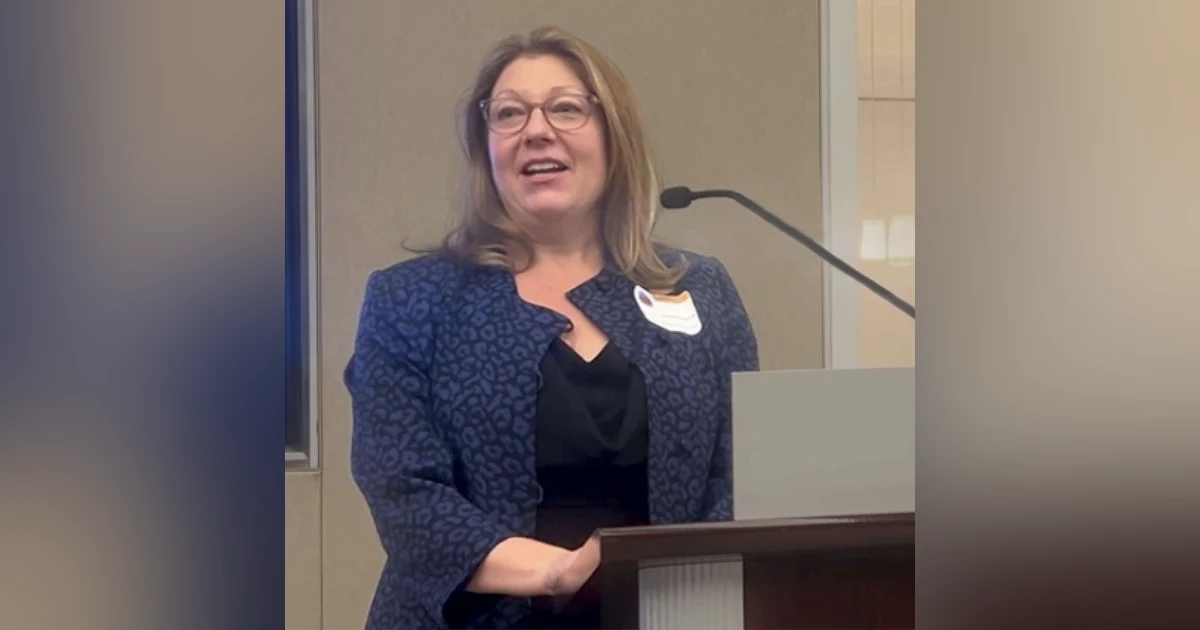
Can empathy transform a city? Meet Christina Byrne, the trailblazing executive director of St. Francis Friends of the Poor, reshaping New York's social landscape. Dive into Christina's remarkable journey from her childhood aspirations of becoming a doctor or lawyer to her transformative role in social work. Choosing a path of impact over personal gain, Christina’s story is a testament to the power of dedicating one's life to serving others.
Episode Highlights:
- A Path Less Traveled: Explore how Christina pivoted from potential careers in medicine or law to follow her passion for social advocacy, profoundly impacting communities from rural towns to the streets of New York City.
- Breaking New Ground: As the first woman to lead St. Francis, traditionally managed by Franciscan Friars, Christina introduced innovative approaches and navigated cultural shifts, demonstrating her pioneering leadership.
- Navigating Politics: Discover Christina’s strategic interactions with politicians in rural communities and NYC alike , crucial for securing the support and resources needed to sustain and expand her organization's services.
- Empathy in Leadership: Hear how Christina’s deep commitment to empathy and service shapes her approach to leadership and her dealings with community and city officials.
- Championing Change: Christina shares insights into her daily challenges and triumphs in managing a non-profit that provides permanent supportive housing, detailing her efforts to advocate for policy changes and better funding.
Join us on No Wrong Choices to witness how Christina Byrne's dedication and innovative strategies are making a real difference. Her journey illuminates the impact of choosing service over personal advancement and showcases the profound influence of compassionate leadership in one of the world’s most dynamic cities.
To discover more episodes or connect with us:
00:02 - Social Worker's Career Journey to Impact
10:13 - Compassion and Outrage in Care
15:29 - Career Progression and Education Impact
31:00 - Leadership and Change in Nonprofits
46:25 - Managing Nonprofit Building Development Challenges
53:07 - Navigating Politics and Advocacy in Work
01:03:37 - Navigating Career, Homelessness, and Community Impact
01:13:53 - Supporting No Wrong Choices Podcast
0:02 Hello and welcome to no Wrong Choices, the podcast that explores the career journeys of accomplished people. We showcase these stories to provide insights that are strategic, inspiring and, most of all, entertaining. I'm Larry Samuel, soon to be joined by the other fellas, tushar Saxena and Larry Shea. If you've been enjoying our show or are new to the program, please support no Wrong Choices by following us wherever you're listening right now and by giving us a five-star rating. We also encourage you to connect with us on LinkedIn, facebook, instagram Threads and X, or to send us a note via NoWrongChoicescom. This episode features the social worker, christina Byrne. Christina is the executive director of St Francis Friends of the Poor, a very important facility in New York City that provides housing services to people with histories of chronic mental illness.
0:52 Christina is someone who's making a difference literally every day. Tushar, please set up this conversation for us. Let's be honest, this is not an easy subject to talk about in a lot of ways, because, mean, no one really wants to talk about the notion of homelessness in america. This is not something that we kind of look at. Look at a great deal in our lives and, and you know, so many of us are lucky to have to have, you know, a very uh, you know, a flourishing career, a happy home, family, etc. Um, and it's those other folks in society who've said you, you know what? No, these are, these are topics that we have to concentrate on. These are people too. These are members of our society, members of our community, and they should not be, they should not be forgotten and they should not be ignored.
1:35 I mean, I've always wondered about the mindset of someone saying that I'm going to move down this type of career path because it's a it's kind a special person who does that. I'm really interested in finding out that journey of christina from you know where she started to where she is now, because it's you know, now she is a real advocate, a real, a person of real importance within this, within this sphere, and I'd love to hear that story I love the notion of mindset there. I t I think you just set the stage for us. You know we prepare for a lot of interviews and in preparing for this one, in looking at her life and her career journey, all I realized is how selfish I am. Yes, we are. Are we kidding you?
2:15 We're doing that all the time, Larry. What? Do you mean, are we not saying it enough? That's right. That's right. That's right, but no, I just I went through my own thoughts of, like you know, I'm always thinking about my career and how I want to go forward and what I want to succeed at and do and accomplish, and it does make you think about somebody like Christina Byrne who's thinking about others all the time and just how special that is and how rewarding and fulfilling, yet challenging, a career this can be. So, yeah, fascinated to start this discussion. Absolutely. It's all about how can I make a difference and how can I give back A very uplifting mindset as we get into this.
3:00 One of the things I'm curious about is what it's like to run this type of community or facility or organization whatever the right word is in New York City. I mean, this is a big place with complicated politics and I imagine that plays a very big role in her day-to-day, so I'm very curious to hear about that as well. So, with all of that said, here is Christina Byrne. Christina, thank you so much for joining us. Thank you for having me. It's my pleasure. Of course, I should point out to you and to our audience that you sort of wound up on our radar screen thanks to one of our past guests. Cindy Hsu of CBS here in New York did an incredible story on St Francis that was just so remarkably uplifting.
3:48 She brought it to my attention, watched it, and you so stood out within that. I just felt that we needed to get you on the show, and Tushar and Larry were excited about it too. So again, thank you so much for joining us. Thank you. Thank you for joining us, thank you. So, Christina, as we lead into a lot of these conversations, we always like to give our guests the opportunity to tell us about them in their own words, rather than you know whatever comes out of my mouth leading into the conversation. So, Christina, why don't you just tell us a little bit about yourself and a little bit about what you do? I guess the way that I would define myself is by saying that I'm a social worker and I think that best describes me professionally.
4:34 But it also describes kind of my innate being and who I am. So yeah, I would say I'm a social worker. And was this always the dream? I mean, let's start at the beginning. Let's take us back to, to a little girl. I mean, I know you had aspirations to be a lawyer at one point. Was that the dream? Obviously, this is a different calling. So how did this happen? Tell us about where it started. Yeah, you know. I think if you were to ask anyone who knew me growing up what was I going to be, you know that senior superlative at high school. You know what are you. What are you going to be? I think everyone who knew me would have said social worker. That is not what I would have said.
5:17 I would have said I would have said a doctor or a lawyer, said a doctor or a lawyer, and for me that had less to do with being a doctor or a lawyer and had more to do with how I defined success and respect. You know, I grew up with, you know, in a tough household and I was intent on showing the world that I was better than what I was coming from and for me that meant so that meant you know, a doctor or a lawyer I went to.
6:00 I went to college thinking that I was, I was going to go in one of those directions. I liked biology, so I studied biology. And then there was this turning point in college where it all became very, very clear to me that that was not the right way to go. So now, what school did you go to? What college did you go? to Undergraduate school. I went to Rutgers University, nice, jersey. Always making good people. Yeah, jersey girl did you go to? What college did you go to? Undergraduate school I went to Rutgers University, nice. You went to look at Jersey. Jersey, always making good people. I'm a Jersey girl. There you go. I'm a Jersey girl. Makes you very excited. Down the shore. Oh, look at you, perfect, absolutely perfect. So what was that thing in college that said to you okay, because your story is not that dissimilar from mine in a sense, right, so like, I went to college as well to become a lawyer and I ended up a broadcaster.
6:47 Now, obviously we have gone in different directions. But so what was that one thing in college where it kind of sparked with you so no, no, no, my calling is not being a doctor, it's not being a lawyer, it's going down the road of social work. What was that one thing that kind of ticked the box for you? Yeah. So you know, I put myself through college and worked as a waitress the whole time, and you know there was this moment in time where I was in a very fancy restaurant, dressed in a tuxedo, serving very fancy people. You know the same people that I thought I wanted to become, and they were just jerks. They weren't nice, they weren't nice to me, they weren't nice to anyone else in the restaurant who was trying to make them have a wonderful evening.
7:34 And I was like you know what I'm done with waitressing and through a friend I got a job working with a little boy, nine-year-old boy, who had cerebral palsy and other developmental disabilities, and my job was to meet him at home at the school bus, get him off the school bus, get him into his house and make sure that he got a snack, that he was clean and that he sat in front of the television until his mother got there and everything was just quiet and copacetic. His mother was an older single mom and their house was not wheelchair accessible.
8:19 This was a nine-year-old boy he was pretty big for a nine-year-old whose only method of getting around was either kind of dragging himself, crawling or using a wheelchair, and his mother wasn't physically able to help him in and out of the house. I mean, you had to go down a couple steps of stairs. So the bus driver came and got him in the morning and he went to school and then I got him off the school bus and that was his life and that wasn't okay with me. And so I, you know, I worked with him, his family, the organization that I worked for the community and helped them get their ramp and to get a collapsible wheelchair, like a portable wheelchair, and got him out of the house, you know, threw him in the car, threw the wheelchair in the trunk, went to the park, went around the neighborhood, you know, went to the mall, just exposed him to life and that kind of exposed me to what my new life was going to be.
9:23 I knew right away, right there, and then I changed my major, focused on psychology and yeah, that was it, nine-year-old boy. Wow, I'm curious as you tell that story, did you maintain a relationship with him going forward? Do you know what became of him? For many, many years I did maintain a relationship with him and his family, but it has since been many years since I've been in touch with them. But he moved out of his mother's house. His mother was still alive, but you know he did what all of us want to do. He got out of his parents' house. He went to go live in a group home with other people who had disabilities similar to his and, you know, was living his life with roommates and the supports that he needed to enjoy that.
10:13 Wow, and in a lot of ways you've made that possible or you helped make that possible. That's incredible, yeah, so after that moment and the pivot that presents itself, what did you do? Like, I know you changed majors, et cetera, et cetera, but what types of things did you get involved with to really immerse yourself in a world of giving back and taking care of others? Yeah. So I would say for the better part of the first 20 years of my career I kind of fell in love working with people who had developmental disabilities and intellectual disabilities and so you know I kind of worked my way through the progression.
10:59 So you know, I changed my major, graduated with a psychology degree as I started in my career. you start where everyone starts. It's kind of on the front line, working one-on-one. So I went from working with that individual in his home to working as a supported employment job coach. What that meant is that adults, young adults, typically with developmental disabilities, who were trying to enter the workforce but needed extra supports. So I was there to help that person learn their job and do well in it. And one of those jobs was working in a meatpacking factory and a meat locker.
11:45 So it was a freezing cold environment. I remember it was summertime, so it was beautiful and warm outside, and then you walked inside and you had to like, put on these winter coats and then these lab coats on top of it and gloves and hats and all you know you're around food. I'm picturing a Rocky right now, just so you know. I'm absolutely seeing Rocky in my head. That's exactly it. That's exactly it, and yeah, I had to help her, you know figure out how to do that job. Needless to say, it didn't last very long. You are the person who had this job yeah, very long and you know you are the person who had this job.
12:33 This is not what I signed up for. But, more importantly, I went back to the people who get the jobs and was like what were you thinking Right? Like you weren't setting anyone up for success and and for them, their job was I need to find places that are willing to hire people with developmental disabilities and that don't have entry level requirements. So, but they weren't. They weren't on the ground, they didn't understand how you know what situation would work best. That helped me realize that I was going to do better serving people in any capacity from a systems perspective, as opposed to working direct care on the lines, because that just wasn't the right way to go about it.
13:17 I kind of want to maybe not jump ahead, but I want to ask you kind of, maybe, an odd question. You said a moment ago about this notion of, uh, this well, how, how it is that you were kind of shocked by how, um, the people you had worked with were treated in a lot of ways and then, and not just maybe they're treated on an individual basis, but in terms like the environments they worked in there, the the way they were treated in that sense. So, how much of your job do think, or how much of your current job and then the job in general, um, is compassion versus outrage or is there a good combination of the both? Um, uh, yeah, I would say there's.
13:59 It's a good, it's a healthy combination of both. You need to have both. So compassion look, you know the the the people that we're working with, can sometimes be really challenging to support, and you have to come from this place of compassion to understand that this is this is not their fault. They are not doing this on purpose. They have an illness that has taken over their life and the lives of their loved ones and everyone who supports them, and the way you get through your day and the way that you help people through their toughest times is with compassion.
14:41 On the flip side, when you're an administrator, like I am, you also have to have a healthy dose of questioning authority and saying what is this system? And it's supposed to be set up to provide supports and services to help keep people safe and help them live with dignity and as members of the community. But the way that the system is oftentimes set up just flies right in the face of that sentiment, and so you have to be there to challenge the establishment and challenge policy and funding and try to blend those two worlds so that it makes sense that you can actually accomplish what you need to accomplish.
15:29 Christina, getting back to the journey aspect, were you able to make a difference and tell them that they need to take better consideration of what jobs they're offering people and what they can do? Were you able to affect change there? And what happened next? So I guess what I would say is I don't know if I was able to affect change there. Right, it was. I was young, I was in my 20s, I was moving quickly through the career ladder, but I do think I was able to make a difference and I think that the best way I can say that I know that is because of where I am now Right.
16:12 You know what I mean. I very quickly worked my way up the career ladder into roles where I had the ability to influence change and now, you know, make change. How did you do that? You know how do you become a skilled person within your field and how do you rise through the ranks and become a leader. Yeah, well, I mean part of it's education, right. I went back to school. I got my master's degree in social work. A lot of it is, you know, trial and error experience.
16:55 You know working in systems and for people and around and with people, and now I'm kind of talking colleagues, bosses, executive directors and other organizations and, uh, and you know, seeing learning. You're navigating through those systems to see like who are people that are doing good work and people that I want to align myself and, and who, who, who, who's doing it the wrong way and the way I don't want to do it, and and um, in making a lot of mistakes, is is also, you know, learning and getting to where I am also required a lot of you know three steps forward, one step back throughout the career and you know much like this whole podcast.
17:45 The premise of it is there really are no wrong choices. You're, uh, you're doing the best you can. As you say that, um, you know, was there a particular obstacle that you had to overcome along the way that you were thinking about, as you mentioned that? Uh, oh, yeah, I guess I can think of two. So you know, one of the obstacles was that I was promoted into a job, so I was working as a program director, and so that means I was, you know, at a higher management level, but still very much in kind of middle management, and I worked for an organization that then merged with four other organizations and a position opened up that I applied for and miraculously was hired for, that was charged with helping to integrate those four or five organizations into one.
18:49 So you took five independent organizations and trying to get them to join as one and move forward as one. And you know, one of the things that I think has since part of that job, that has since defined the rest of my career, was around change management and helping people to to come together around a common cause, even though everyone was coming at it with different perspectives. And you know this, these mergers were not. People were not happy about the mergers, you know people are using their independent identities. And you know that ended up kind of sparking my transition from doing program work directly with people in those cases with disabilities, to now working with systems and organizations and overcoming those challenges.
19:49 Interesting. What is the timeframe we're talking about? How long are we talking? From day one, when you got into the industry to where not where you are currently, but to where you said you became a program director and then, obviously, someone who began to oversee four or five different entities? Um, probably about 15 years so you put a lot of time in. You put a lot of time in to get the to move up the ladder that way yeah, yeah, exactly, exactly, um, and you know, you were kind of saying like what does it take to get to that point?
20:29 Yeah, um, one of the things in that job that, uh, that you didn't really know until you were leaving, right is, you know there was, there was one particular person in the organization was kind of the executive director of one of the smaller of the five and he was as resistant as anyone could possibly be to this merger and accepting the idea that we're all going to come together as one organization. And you know, in many kind of I would say, passive, aggressive, but kind of aggressive, aggressive ways you know like.
21:12 I'd send an email and he'd respond in Spanish. You know he was a primarily like, so he would just respond in Spanish and I'm like I don't speak. Spanish. You know what is the intent of that. You know what the intent of that was. You can't say that I don't know. Can you say it on the podcast? Yes, you can. What he was telling me was to go after myself, right? He was just like no way, but we worked through it and I don't even remember. I was probably in that position three or four years and when I left he gave me and what's funny, I don't know if you can see it on here, but he gave me this little box and that says courage nice wow and I.
22:01 That was so meaningful to. To have him I mean, he gave me hell the whole time, like never stopped giving me hell over this, but he appreciated who I was, how I was going about doing that, um, that his best interests were in mind, even when we were in disagreement. And he just said you had a lot of courage to take on and do this job and thank you. And it was like one of those really affirming things that you don't know until you're on your way out the door. Yeah, a breakthrough moment. I have a couple of questions for you, christina. One you said obviously you got your.
22:42 You said obviously you got your master's degree. You got your master's degree. Now, I mean, I guess to move on in any kind of job it requires a higher education at some point. But I want to ask you like, on a serious note, do you feel that you needed a master's degree, not just simply to move on, but obviously I get to move up, move on in your career. But if you had to kind of do it over again, would you still feel necessary to get a master's degree? Because obviously you had a, you had a wealth of experience and that alone could have moved you up the ladder. Um, and then two, how much institutional resistance did you, did you, uh, did you have to suffer through, let's just say, as a woman in the end, in this, in this career?
23:26 Right, right, um, you know, I do think I needed a master's degree and you know, one of the things that, uh, that that really helped me is having been I was in the workforce for a number of years before I went back for my master's degree because one you needed it to move forward, right. And there was that check the box I need to have this degree to do this. But what I didn't realize because you know, you're young and you're cocky and you think you know things is that when I went to school and I was able to be around students that were coming right out of undergraduate school and getting their master's degree and students like myself who were working full time, still in the workforce and getting the master's degree, and when we came into our classes where we were talking about sort of the book theory on whatever it was, the difference in being able to internalize that information that you were learning was profound.
24:41 You know the younger people that were going straight from undergrad into graduate school and they may have had an internship or something like that that they were using as their you know field practice and their reference, but you know, I feel like they really missed out on the opportunity to learn how to practically apply the skills that we were being taught. And I didn't realize that I needed those skills until I was in those types of situations and saw, ah, this is, this is how I could have handled this, so I had an identical experience with my MBA. I got my MBA in my late twenties. I think I finished two days before I turned 30. And I kept asking myself the question why did I spend all this money for the next 10 years?
25:25 And then, all of a sudden, I was running a big company and all this stuff was in my head. I didn't know how it got there, but it was so incredibly helpful. And eventually it comes back around and it helps. Yeah, no, it sure does, and I was also, you know boost my salary working in social work. I will say my salary increased by a whopping $11,000 a year. A whole $11,000. A whole $11,000. Depending on what you were making before, that may or may not have been significant. And it was significant. But when you look back on it you're like, wow, you definitely weren't going to school because you were hoping that you were going to make the big bucks.
26:09 But, you know, tushar, one of your other questions was you know what challenges might I have had, you know, coming into this workforce and climbing up, as you know, as a woman, and you know, I think, I think what I would say is I've worked in nonprofit my entire life. Right, nonprofits are. There's a lot of women in nonprofits, okay, and so I, uh, I, I think I came up at a time where there was much more focus on giving women opportunities in leadership positions, because nonprofits were primarily white men, middle aged white men.
26:51 But I was coming up in a time where there was much greater awareness of that and so I think, given given lots of opportunities, I don't feel that I was ever at a disadvantage. You never felt a resistance as you were moving up. No, but, interestingly enough, the position that I'm in now at St Francis Friends of the Poor. You know, I am the first woman, first non-priest, to run this organization and, while I don't want to say that I faced resistance, because people were certainly very welcoming, it was a hard transition for a lot of people.
27:39 I mean, it was things like they have shared bathrooms on the floor and they're like do you need your own bathroom? Like no, no, no. Oh geez. Yes, as long as everyone's clean, like we can share the same bathroom. They had no idea how to accommodate a woman, or they didn't think they knew. I'm like no, no, everything can stay the same. I'm so glad you talked about salary. You brought it up, so now I'm going there. I want to talk about your. Motivation really is what I want to talk about, because success really today is defined by bank accounts, power titles, freedom of you, freedom of time that you have to devote to your profession, or freedom for yourself, I mean as a social worker, and going up through the ranks of those you know, the corporate ladder, as it were.
28:34 What was your motivation? I mean, obviously you got a tremendous amount of good feelings from helping people and the motivation is there in that way. Was that primary? Did you think that at some point, hey, I'm going to be okay financially and I'm going to do very well financially, or was that just never even a thought in your mind? And you know it sounds almost like ridiculously altruistic, but while I thought that's what I wanted and needed and look, we all need money, right but really what was motivating me was the successes that I had along the way where I could see where I was making a difference and helping other people, and that was self-motivating.
29:25 You just wanted to do more of it and I found myself, you know, doing better and better at it and I never, I never wanted to be an executive director. I always liked the behind the scenes stuff, kind of setting other people up for success and letting someone else be that front person, I mean the guy behind the guy. Yeah, yeah, and you know being the executive director is tough. You know it's kind of lonely at the top and you know the buck stops with you and if something goes wrong, like guess what, you're the one that's on the hot seat and I never thought that, I wanted that.
30:08 And you know, five or six years ago there came a point in my career where I needed to make a change. I was not happy, I was trying to figure out what I was going to do with with the rest of my career, because I moved so far away from being connected with the people that I started to get lost. I didn't feel like I had a community anymore and um, and so I left that job and took a job in a very, very small rural community as an executive director.
30:49 And you know there was parts of my of doing that was like what the hell did I just do? So you left New York and went to a rural community. I went left New York, went to Northeastern Pennsylvania and became the executive director of a very small organization, a nonprofit, serving people that were survivors of domestic violence, sexual assault and other violent crimes, and really connected with my roots, with the roots in the community. And you know, on some levels, you know I felt like I was in retreat because I had gotten sort of overwhelmed by New York and felt lost in New York and so I was like I got, I got to retreat and kind of figure out who I am and in in doing that I just I.
31:55 It really helped me figure out what I was looking for in the next part of my career, and it was that I still wanted to be someone who was approaching it from an administrative point of view, but I wanted to be able to be closer to the change and I didn't want to be in a small community for the rest of my life. So how to find that and that's, you know, like everything sets you up for that next step. And you know, prior to that I don't think I ever would have taken jobs or even look for jobs as executive director. But you know that job helped me realize that I could do it. I enjoyed it. I just needed a different setting to do that in, and that led me to the job I'm at now at St Francis, and I've never been happier in my work.
32:39 I've never felt more motivated to come to work every day and continue to do good work. And you know, all of that's the product of all of the three steps forward, one step back, over the course of 25 years. What exactly attracts you to that position of being an executive director? Is it simply the matter that A you said I would much rather be the guy behind the guy, to the point where you just had that moment of clarity and said you know what, it's actually better to be the guy, the one who makes that decision right? So what are those one or two attributes, or one of those two things that most attract you to such a position? You know, I think I developed the confidence in my skill sets to know that I could make good decisions and contribute meaningfully to the growth of an organization, and you know that's so.
33:36 It's a little bit of kind of confidence building that I realized that I could do that little bit of kind of confidence building that I realized that I could do that. So, yeah, I guess I just kind of I don't know how else to put that then, other than there's no shame in saying it just kind of called to you. There's no shame in saying it kind of called to you. Yeah, I mean. I kind of got the confidence and really thought, um, and really thought that I could make a difference and really thought for this particular organization, really thought that, uh, you know my life, uh, my, my professional experiences led me to this position and prepared me to do well in it.
34:18 So we have touched on St Francis, but we haven't really dug into what they do. So, can you please sort of lay out what St Francis does, how they're making a difference and really get into a little bit of detail around that for us? Sure. So St Francis Friends of the Poor is the organization that I work for as the executive director is the organization that I work for as the executive director. We provide permanent supportive housing to single adults who have long histories of homelessness and live with severe mental illness, and so I think to bring that a little bit more definition, the people that we work with primarily have schizophrenia and schizoaffective disorder that if you're not familiar with that disease, it you know it has degrees of illness.
35:26 So there's plenty of people with schizophrenia that can live fairly normal lives. They take their medications, they know that they have this disease and they've got the tools and the resources to help them manage that. And they could be living amongst us and we wouldn't know it. But like any kind of illness, there are degrees and so the people that St extreme end of the disease where it impacts their ability to live their lives independently.
36:11 You know schizophrenia is characterized by delusions, hallucinations, paranoia A common attribute of schizophrenia for many of the people that we support is lack of insight into their illness and so by the time they find us, they have cycled in and out of the system of care. And that could be, you know, living with family members who have finally reached their limits, quite understandably.
36:56 This is in no way disparaging family members who have to say I can't take this anymore to cycling in and out of people's couches, losing all of their friends, losing their job, ending up on the streets in homeless shelters, in psychiatric hospitals, in jails. So a lot of the people that we support have cycled through that many times over. Just like there's a continuum of the disease, there's a continuum of care in the field that provides these services.
37:37 And so, you know, some people can live, you know, fairly independently in their own apartment, with drop-in, someone dropping in once a month, checking in, making sure everything's okay. Other people might, you know, live with a couple of housemates in an apartment. Again, maybe someone drops in once a week, checks in, makes sure they're okay. The people that end up coming to live here at the St Francis residences are folks that really do need daily assistance in order to help them to stay healthy and housed. So we've kind of fill a niche in the community of working with those folks that have not thrived in all of these other.
38:22 You know, continuum of care. Wow, what incredible work and what an amazing thing that you're doing. As somebody who comes into an organization like that, who is the first woman and the first outsider, in a way, to step into a leadership role, you know how much change did you bring, or did you need to bring, into an environment that I don't want to say could have been stale, but might have had a myopic view and was probably ready for some change and new ideas. Outside of the use of the bathroom obviously change and new ideas. Outside of the use of the bathroom obviously, yeah, you know, um, I, you know that's the.
39:10 That was the challenge, right? You know how do you come into this organization? It was founded by Franciscan friars over 40 years ago. They ran the organization until I, the day I started, it was run by Franciscan friars. Until the day I started, it was run by Franciscan Friars. They had established what is now. I mean literally they are the very first permanent supportive housing provider, not just in New York City, not in New York, not just the country, but arguably the world, like they started the movement of permanent supportive housing for people with severe mental illness and histories of chronic homelessness. And you know it's by all measures. It is an organization that has been extraordinarily successful and all of the other supportive housing providers all around the world are modeled after the work that they started 40 years ago.
40:02 That being said, change and growth is necessary for anything to continue to evolve and survive and adapt to the world. And when I was interviewing with the board, that was both my biggest challenge and biggest opportunity.
40:43 You know that ourselves, with where you know, the current funding and policies and rules and regulations were, I mean, you know, I say this with a whole lot of love but my predecessors as priests kind of kind of approached it like, yeah, what are you going to do to me? You know what I mean. And so when I came in and they were saying, oh, don't worry about that rule or regulation or whatever, I'm like no, no, no, no, I don't wear the collar. I don't have special disposition. I play by other rules. I have to play by the rules. And they're rules and I'll go to jail for you, no, no, you're not going to do that.
41:27 So you know, so it's been. You know, like I said, it's my greatest challenge, my greatest opportunity, but I'll tell you what. And this is going to sound just awful, but it is the truth. I started in January 2020. Less than two months later, the world changed COVID hit. yeah, covid hit. COVID hit, the world changed. So in those two months where I had promised my predecessors that I would not make any drastic changes for at least six months, Right. Don't think you're coming in there and you know it all you know.
42:09 Sit back, learn, observe, give yourself a chance. You know all those sorts of things. Promised Fine, listen. Two months later, the world changed. I say months, I meant weeks. Right, right, right, exactly, and you know what we all needed to change together. Everything about what we did needed to be looked at, relooked at and adjusted almost on a daily basis. Things were moving so fast and trying to figure out how to help keep 255 people healthy, and that's just the tenants. You know we had 60 other staff that we're also trying to keep healthy and and, quite honestly, that that people who thought that the organization couldn't change and that the tenants couldn't handle change and that the systems that we worked in could not be changed, Wow.
43:08 Guess what? We all had to do it? No one had it, no one had a choice, and so I. That really helped me become integrated into the organization, cause, first of all, you know, I was here every single day, with all of my staff in it, doing what needed to get done, so I was learning how to do the job from the ground up, and so that helped to establish trust. It helped people realize that we could change, and so, as we found our new normals and I, and as I have been able to help integrate new opportunities for the organization, people are a little more open to it, because they saw what we could do.
43:56 They saw the resilience and that we could. We could not only survive but thrive. You know one of the things that we're super proud of, and this is totally because you know the relationship that our staff have with the tenants. But you know, in COVID, people who were homeless, mentally ill, were amongst the highest impacted by the death rate, by, you know, outbreaks within facilities like ours and deaths, and we had no COVID deaths. Wow, that's impressive, my God. Yeah, we had 95% vaccination rate. So people who are by nature distrustful of the medical system because of the interactions they've had with it over the years and you know paranoid about like what's in that vaccination and watch television and see you know powerful people talking about like paranoid about what's in that vaccination and we were able to help people get 95% vaccinated and we had no COVID deaths.
45:07 And that was that was the true Testament to the value of how this organization does its work and how they, you know, develop trusting relationships with with the tenants. It was amazing. That's. That is amazing. Amazing. Talk about your roles and responsibilities, like exactly what do they ask you to fundraise? Is that handled by somebody else? Are you just, are you more in line with just care of the day-to-day clients, making sure that they have what they need doctors, psychologists, what have you Talk about those roles and responsibilities?
45:48 Because someone like me I have no idea what you would be responsible for. It could be anything. They could ask you to get through red tape and do some political stuff for all. I know, so talk a little bit about exactly what it is that you focus on in this role. So what I focus on is a couple different fronts, right, so my job is to help ensure that the staff who are working directly with the tenants, and so that could be case managers, social workers, psychiatrists, medical doctors. And you said it was about 60 people. About 60 staff and what I you know. I mentioned all of sort of the kind of professional level folks, but we also we run three buildings, right.
46:32 So we have three buildings that we own and operate. They're all over a hundred years old. Each building has anywhere between 80 and 90 tenants who live in them and they're hard, they're hard on the building. So we also have a very full building staff building maintenance, porters, janitors and every single person in this organization plays a critical role in helping to make sure that our end goal is met in terms of helping people stay healthy and safe. And my job helping to make sure that our, you know, end goal is met in terms of helping people stay healthy and safe and my job is to make sure that they have the resources they need to do their jobs well. So that could be, you know, fundraising is a huge part of that right, more so for me than it was my predecessors, because my predecessors, you know, they had 40 years worth of turning to their parishioners, their faithful parishioners and who had the collar.
47:34 And I'm like I don't have the collar. So I need to find out different ways for this organization to raise money, because it's just a different world, right, I don't have access to the same people, so fundraising is a big part of it. You know, even though this is and has been an incredibly successful organization, it was very much a mom and pop organization, and so, you know, when I came in, the budget was maybe four and a half million. It's now almost eight million, and so, you know, helping to get additional contract dollars from the city and the state, helping to raise money through private fundraising and through foundations, and then building the infrastructure to support all of that right and I think that's been a big part of this work as well is bringing in infrastructure, having a human resources person, having a finance person, having someone who you know oversees the construction of the buildings.
48:44 We just got a $22 million loan from the city to renovate all three of these buildings Wow, I was going to comment on that. I spent the better part of maybe 30, 32 months just trying to get that loan to come through right. The red tape has been insane. You know, another part of what I'm trying to do is not just, you know, make sure that what we're doing now is great and wonderful, but also trying to figure out how do we increase the impact of our work, how do we serve more people. The organization has had these three buildings for 40 years. The organization has had these three buildings for 40 years, but would like to expand and do more work.
49:30 So getting learning about New York City nonprofit, affordable housing development. It sounds exciting. It's fascinating and not for the faint of heart, I mean, it is. It is hot throat and, um, you know, I'm lucky that I've been able to connect and surround myself with, with consultants who can help me to do those things. But uh, yeah, I I spend a lot of time just keeping a lot of plates in the air and in many ways, I see myself as kind of a web. I'm a conduit for helping to connect people with other people to help make sure that they're getting whatever needs they are met.
50:15 So, yeah, I'm kind of approaching this job from multiple fronts and for me it's really important to stay connected with the work, so I more my personal social work skills by sitting in on, you know, meetings. Sure tap into your roots again, yeah. Yeah, helping people to think about things in a little bit of a different way and hopefully helping to make a difference at that level.
50:58 I find it a bit ironic that you say that You're obviously in a, you're in a profession where there's a great deal of the notion of altruism and giving, and yet you say that the notion that you say that trying to go out and finding, finding housing for you know, in such a, such a field, it's cutthroat. I just find that very odd and ironic to say you know I, so I guess how do you say these sorts of things? So you know, we were looking for a building and, you know, trying to find a building, that, where you can, you know it needs to be 60,000 square feet and it needs to be able to, you know, have these offices and each room needs to have a bathroom.
51:46 You know all of these different things. And there's, you know there's zoning rules. You know, is it zoned for residential, is it not? You know, and we're trying to find this in Midtown because that's where we've always historically worked and we have a good thing with the community. And we did. We found something and we, like, had to keep our mouths shut. We couldn't talk to anyone because we didn't want anyone else to know that this building was like up for sale or going to be up for sale, right, because we're like this is ours, this is ours. We don't want anyone to have it. And do you know? No joke three years I mean three years of working on this project and a huge for-profit developer swooped in.
52:32 Oh my. God, I'm sorry. So like there was a reason why we were kind of coveting it and not talking about it and in the end still, I mean, you know you have someone that can pay, you know, multiple tens of millions of dollars cash for a building, and then you have us. That's saying you know we need five years to raise the money for the financing right, you're trying to, you're trying to rub pennies together, right, right, exactly yeah. Can't do it, can't do it, so we're back to the drawing board on that one. One of the things I'm curious about in a role like yours is politics, and you talked about consultants earlier and you've worked in different environments.
53:17 You were in a small town, et cetera, et cetera. Well, all of a sudden, you're back in New York and you have a really big institution that you're running, and I have to believe that politics is a very big part of that. Is that correct? First of all, yeah, yes, I would say you know politics with a small P, not a cap. Okay, Okay. And then my follow-up question was going to be how do you learn to speak that language? You know, if you're in a room with people of influence in that way, is there a language, is there a culture that you kind of have to pick up on early on to navigate those waters?
54:03 Yeah, I mean, in any of those conversations, you have to realize that your goal is to make that politician look better, right, so that anything, anything that you do, you know you're trying to do it for your own work, right, but it has to make them look better, and if it doesn't, they're not interested, right? So you really do need to be able to kind of give them sound bites, and really that's mostly all you need, right?
54:44 But you have to figure out what's motivating them, what platform and policies are they advocating for? And how can you, how can you say this is, this is the sound bite of information that you can use that will support your work by saying that you're doing X, y or Z for this population or for this organization. So you know, I do, I work, I work with consultants who help me figure that out, because I could not possibly know what. All of the city council members because it's not just the council members, that your district and that your aim, it's all of the city council members who's sitting on what committee and who's chairing this and who's putting their name on whatever legislation it is.
55:36 So I do rely on advocacy groups that we're members of and even private consultants to help us kind of figure that out so that we can navigate a very complex world. I have to say, though, having done this both in a very small rural community and New York City, I take New York City over oh interesting, no way community and New York City. I'd take New York City over the world community any day of the week.
56:17 Small town politics is brutal, and mostly because it is personal. Everyone knows everyone, inside and out, their families, backgrounds, everything is so personal and it can really. It can really, yeah, I would say feelings. And if you wrong someone, they don't forget you are done. You know New York City politics, it's a little more forgiving. Um, you know new york city politics, it's a little more forgiving. People are a little more thick skin here and and you're not kind of, uh, walking on eggshells quite as much as I I found myself doing when I was out in a small rural community so what's, uh, what's the future for not only saint francis, uh, not only for saint francis, your organization saint francis, but for you, um, professionally, personally, at this point.
57:04 So what is, what's the future look like? Yeah, I I have never been happier in a job than I am with this one, and it's because of the culture that was created and fostered in this organization, the people that we support, the work that we do, the impact that we're having. Everything right now is exactly everything that I've worked for, has brought me to this one place, and I could not be happier. So I hope that my future is here for many more years to come, and one of the things that makes that, I think, doable for me is there's so many more opportunities for us to learn.
57:48 Like I said, I just spent the last three years trying to learn how affordable housing development in New York City, and we haven't even scratched the surface yet. So the idea that I'm going to be able, you know, to help this organization grow and sustain itself, not just for the short term, but the long term, and make bigger impact. You know we were the founding organization of this concept 40 years ago and I want us to be, you know, the the part of the movement that continues this work in the new world that that we live in, different than 40 years ago.
58:32 So, um, I hope that I'm here and I hope that I can say that I've done that by the time I do leave. I think you're pretty much going to say that, to be quite honest, after hearing after this discussion. Do you still see yourself in some ways as a social worker, or now do you see yourself more as an advocate? Or is there a difference between the two? There's no difference between the two. I don't think I absolutely still call myself a social worker. If I'm introducing myself to anyone, I introduce them as a social worker. Sometimes I'll say I'm a social work administrator, but I still 100% define myself as a social worker.
59:17 And social work is advocacy, right, it's, it's, it's doing. I mean that's the difference between social work and, let's say, psychology or therapy. You know we're not dissecting what the problem is. We're saying all right, you've got a problem, this is where you're at right now. Where do you want to go? How are we going to help you to get there? You know it's very sort of practical. Yeah, it's just it's practical. So I think that fits this role really well, because I am an advocate and we, you know that's how we're going to be able to move this organization from where we are now to that next piece.
59:58 Sometimes it's an advocate, you know, with a big A, and you know it's at the political level, and sometimes it's within the organization and helping people. You know, understand this is where we. You know where we're at and where we want to go and how do we all get on the same page to get there right. So we talked about a lot of the challenges that you're facing. There's so many of them. Talk about a great day. What does a great day look like? Obviously a big donation or something like that. But it's all about the client. Yeah, I was going to say, yeah, what does a great day look like? Yeah, I mean I would never define a great day as a big donation. I mean that's wonderful. Look, trust me, I do little dances when it will be asking you for the web address soon, for people can donate.
1:00:45 But, you know, a great day is when we're able to to help someone make a meaningful change in their life. So, for instance, we just this, this past week, we're working with someone who is struggling with substance use disorder, has for a very long time denied it, like flat out denied it. We're like, come on, dude, we all know, like what are you trying to do here? And you know, for for the better part of a year we've had, you know, this person meeting with counselors and peer advocates and just trying to get him to come along, and on Thursday he, you know, voluntarily entered treatment substance use treatment and so that was a great success and whether it sticks or works I don't know, but in that moment that was a big thing for him and, uh, hopefully it will help him to make some of the changes he needs to to live a healthier lifestyle.
1:01:56 So I mean that's a great day. That's a great day, yeah, and deep down it sounds like the reason why you got into all of this in the first place. So, with that in mind, you know, if a young person is listening to this show and they're thinking about trying to follow in, maybe not necessarily your footsteps, but similar footsteps. What advice would you give them? What advice would you give them? So you know, I think, surround yourself with amazing people, right? I mean, like, networking is key. Making sure that you give yourself opportunities to meet other people is a big piece of it.
1:02:47 Being willing to be open to doors that you weren't initially thinking you wanted to do, right, Like I mean, that wasn't what I want, that wasn't what I was aiming for. I was aiming for, you know, lawyer, doctor, and you know anything like that. I certainly wasn't social worker, but I was willing to kind of go with the flow and realize that you didn't have to stick with that course of action. You could, you could pivot. What, what other things would I say? I would say I did think about this.
1:03:28 We ask everybody the same question. Yeah, well, I know, yeah, you know. I kind of said this earlier. If someone is trying to figure out whether they when they're going to school versus the workforce, I would always encourage someone to go into the workforce before going on to graduate school. Get some experience on your underneath your belt, you will. Your money will be much better spent and you will have a much better learning experience when you can practically apply what you've learned in the workforce to what education that you're having. I think that's a really big one. When I talk to young people, you know, go get a job, don't just go from undergrad to graduate school.
1:04:13 And then the best advice that I had ever received just sort of as I worked my way through the career that I would say to folks is always hire up, always hire someone that's better than you. Don't be afraid to hire people that are more experienced or have a better skill set or whatever it is. Surround yourself with the best people you possibly can. You will learn from them. You will become lifted up. They will. They will learn from you. Um, I think a lot of people are nervous about doing that Right, um, and that that was a great piece of advice and I make sure, anytime I make a hire now, like, is this person better than me, you know?
1:04:58 And if they are, then then I want them here. Do you? Do you find, um and this actually probably is, I mean, obviously this is. This is very much within the topic we're talking about and maybe this is more of a general question, but have you seen, since covid, um, the problem of homelessness increase, and are we doing enough to address it as a society and whether in the political field and this is a bit of a generic, obviously, this is a tough question to answer. Yeah. But look, you're obviously on the front lines. You are in a position of someone who can actually do something. Quote, unquote do something about it. What do you see the problem, or how big is the problem now?
1:05:47 how big is the problem now? I think, sadly, the problem that the my predecessors tried to solve 40 plus years ago when they started this organization, which is, you know, helping people with severe mental illness to live with dignity and to stay healthy and housed, I think that problem is as bad, if not worse, than it was 40 years ago, when people were being de-institutionalized out onto the streets. I mean, that that's yes. There's statistics out there, you know. I think if you look at what the homeless rate in New York city is, it's the highest it's ever been in the last 10 years. And you know, you hear all of the stories about, you know the person on the subway who pushes someone off, and those are all terrible and horrible things.
1:06:34 But so I think, yeah, I think, anecdotally and statistically, I don't think you can get away with saying anything other than there is still a very severe homeless crisis, and particularly for people who live with live with mental illness. Yeah, look, you know what. The number one way to solve homelessness is housing. Look, you know what. The number one way to solve homelessness is housing. Right, I mean, yeah, there's a whole lot of other complicating factors, but housing is the most important one, and affordable housing is is part of it. And then for people with mental illness, it's supportive, affordable housing.
1:07:17 And you know, like I said, I spent three years trying to secure one building that would have then taken another five years to renovate before we could have opened it. And that's all because of how the funding sources work at creating more opportunities and taking down some of these zoning restrictions. Nimbyism, you know not in my backyard stuff is part of it as well. Um and just and just investing in in our future by putting this money up front, because you will save it right.
1:07:59 So for someone who's living on the streets or in an institutional facility, whether it's jail or hospitals, you know it's well over $175,000 a year to provide services to that one person. It's about $30,000 a year for someone to get those services here with us, where they're actually in the community, living as a contributing member, you know, living with dignity, staying healthy, staying housed. You know it just makes sense Like let's just invest in this month, invest in these services now, so that we, you know we can get people off the streets faster.
1:08:40 But it takes years and years and years to develop affordable housing and there needs to be something to address that. Well, if somebody is listening now and they want to invest and they want to help, how do they get involved? Sure. So if people want to get involved and support our work, I recommend they go to our website, which is stfrancisfriendsorg, and through that website they can learn more about what we do and how to donate and other ways that people can get involved and support us. Well, christina, this has been a remarkable conversation. The work that you all are doing is incredible and so important.
1:09:20 As a New Yorker, as we all are, tushar lives in New Jersey, but he comes into New York every day. As New Yorkers, we are greatly appreciative for what you're doing for our community. So thank you for all of that and thank you for joining this episode of no Wrong Choices. Thank you for having me. It's been fun. Thank you of no Wrong Choices. Thank you for having me. It's been fun. Thank you, thank you. So that was Christina Byrne, with a truly remarkable story of making a difference and working really hard along the way to make a difference. Larry Shea, what are your thoughts? Yeah, I can't imagine what would happen to her clients if someone like her and this organization wasn't there.
1:10:03 We need more of it, right? I mean, why aren't there more places like this funding, obviously, but it's also people like Christina Byrne, you know like you need special people like this to make this kind of thing happen in a day-to-day scenario. So I'm really just I'm floored by her, by her sense of giving, by her sense of community and how much she cares about helping. Again, I'm selfish, I guess, because I need to do more of this. I need to volunteer more of my time. I need to do something, because her story is completely inspiring and I'm just really thankful that she shared it with us here today, because we all could give a little bit more and the world to be a lot better place.
1:10:46 So thank you, christina Byrne. Yeah, I totally agree with you there. I mean, you know, you think about, you think about folks who, who, who are kind of meant to do what they're supposed to do. Like you know, she, she said she wanted to be a doctor or a lawyer, but really this was, this was the profession that called out to her and it has become a calling to her, right. So I mean, you know, we sometimes on this show ask a question about hey, how much money do you make a year? And you said it before, you said it yourself, larry, that you know, sometimes success is defined by how much money you make. This is probably not the case here. Right, she probably does not make a ton of money a year, but what?
1:11:31 But the actual, the actual return, the reward she gets back from the people that she helps, the communities that she helps to lift up? That's, that's something you can't put a number on a lot of times right, that's. That's the payment, the impact right, that's. That's the number you cannot put a number on and the importance of it. It too is what's so, so striking, that you're right. She's out there doing something that many of us, when we sit back and watch TV, say you know what? I could go out and help more? No, no, no, she's doing it on the front line, doing it in a very tangible fashion. It in a very tangible fashion. I wish the world was full of a billion Christina Burns, because the world would be a better place. I know I'm probably not going to go out there and help tomorrow. Maybe at some point I will. I'm like you, I'm a little bit selfish myself, but at the end of the day, what she's doing to help people is remarkable.
1:12:16 And the other thing I'm so fascinated with is that now, obviously she's been doing this profession for a long time. She's in a position of real power and change. But it's that notion of having to walk that tightrope, that fine line between the world of politics and the world of practicality as well. I mean, that is an art that you learn over time and sometimes you never learn it, but when you do, you can make real change by doing so. Absolutely, and that's where I was going to head to Shara, it's. It's you think about people who are giving back in different ways and donating their time and donating money and things of that nature? But, um, christina has built a skillset and a career and a profession around learning how to navigate all of those things, how to be an administrator within those worlds, and and there's a lot more that comes with that than just being able to help the person down the hallway.
1:13:05 There's a lot of hard stuff that goes into that as well, but being able to walk down the hall and see the difference that you're making. We did this on Zoom, I'll give that up to everybody. So as we were having that conversation, we had the benefit of seeing the room behind Christina with all of this artwork that the people within the St Francis Friends for the Poor home had created, and it was remarkable and she was surrounded by it. So every moment of every day she's reminded by. You know why she's doing this and what a wonderful feeling. So, with that, christina Byrne, thank you so much for joining this episode of no Wrong Choices.
1:13:46 We also thank you for joining us If this or another journey story inspired you to think of a friend who could be a great guest? Please let us know by sending us a note via the contact page of norongchoicescom, as I mentioned off the top. Please support us by following no Wrong Choices on your favorite podcasting platform while giving us a five-star rating. And then, last but not least, we encourage you to join the no Wrong Choices community by connecting with us on LinkedIn, facebook, instagram Threads and X by searching for no Wrong Choices. On behalf of Tushar Saxena and Larry Shea. I'm Larry Samuels. Thank you again for joining us and always remember there are no wrong choices on the road to success. We learn from every experience.