Dave Crafa: Building a Studio, a Community, and a Career in Music

What does it take to turn a dorm room studio into a New York City institution? In this episode of No Wrong Choices, we explore the remarkable career journey of Dave Crafa, the founder of Cutting Room Studios—one of NYC’s most respected recording spaces. Dave shares how his love of music and science led him to Berklee, NYU, and eventually the creation of a studio that has recorded the likes of Shakira, Cardi B, David Byrne, Red Hot Chili Peppers, and John Legend. But this episode isn’t just ab...

 Apple Podcasts

 Spotify

 Castro

 RSS Feed

 Youtube Music
What does it take to turn a dorm room studio into a New York City institution?
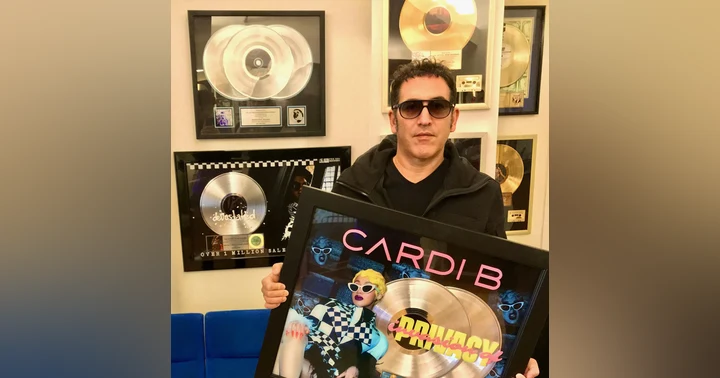
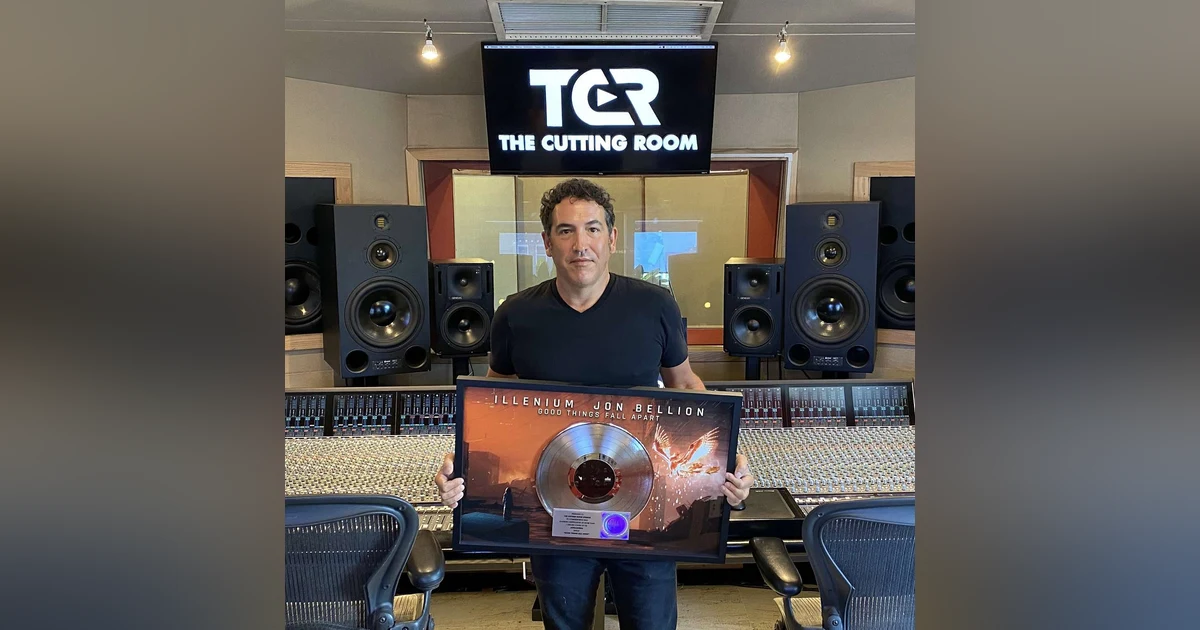
In this episode of No Wrong Choices, we explore the remarkable career journey of Dave Crafa, the founder of Cutting Room Studios—one of NYC’s most respected recording spaces. Dave shares how his love of music and science led him to Berklee, NYU, and eventually the creation of a studio that has recorded the likes of Shakira, Cardi B, David Byrne, Red Hot Chili Peppers, and John Legend.
But this episode isn’t just about big names—it’s about big decisions, hard-earned lessons, and staying open to unexpected opportunities. From navigating the collapse of the traditional music industry to innovating during the streaming era, Dave opens up about the pivots and sacrifices behind 30 years of creative entrepreneurship.
🎧 Whether you're passionate about music, creativity, or building something from scratch, this episode is filled with insights that go far beyond the studio.
To discover more episodes or connect with us:
00:00 - Finding Music Through Guitars and Girls
07:32 - Berkeley College Years and Career Pivot
16:22 - From NYU to Recording Studio Dreams
25:34 - Building Cutting Room Studios
38:11 - Managing Success and Industry Changes
54:22 - Future of Music Industry and Final Advice
01:22:03 - Hosts' Reflections and Episode Wrap-Up
0:03 Oh my God, when you discover the power chord as a young, you know, like 13 year old and the distortion box, you're like, oh my God, I figured it out. You're taught to, like, make the tough choices and you know, don't take the easy path, and sometimes the easy path is where you're supposed to go. Yeah, you know, madonna was hiring DJs to produce her record. Take the easy path and sometimes the easy path is where you're supposed to go. Yeah, you know, madonna was hiring djs to produce her record and djs are becoming like rock stars. You're watching the dream evolve and, um, what's better than that? I think I was making like 45, 50 000 at, like, my little space and I thought, oh my God, this is amazing.
0:48 The next year we were making $450,000. Yeah, like, wow, creativity will prevail, even though the future is. You know, it's delicate and it's terrifying and it's fascinating. It's delicate and it's terrifying, and it's fascinating. Hello and welcome to the Career Journey Podcast, no Wrong Choices. Today's guest is the founder of the Cutting Room Studios in New York City, dave Krafa. I'm Larry Samuels, I'm Tushar Saxena and I'm Larry Shea. We'll be your hosts for what will undoubtedly be a fascinating conversation about breaking into and thriving in the music business. Before we kick things off, please be sure to like, follow and subscribe to the show wherever you're listening Now.
1:34 Let's get started Now. Joining no Wrong Choices is Dave Krafa. Dave is the owner and founder of the Cunning Room Studios, a legendary recording studio based in New York City. That studio has supported countless great artists, including Grammy winners such as Shakira, cardi B, david Byrne, the Red Hot Chili Peppers, john Legend and the list literally goes on and on. Dave, thank you so much for joining us. Oh, it's great to be here. Thanks so much for having me. Hey Dave, what exactly is it do you do? What's your day-to-day look like? What do you do for a living? Well, I do own a recording studio called the Cutting Room Studios here in New York.
2:17 It's 30 years this year, so our job really is to help the talent become the best that they can and be relaxed and record them in a way that allows the best part of their performances to be captured and shared with the world Right yeah. In doing so. We have a great team and we all really enjoy being the best at what we do. Yeah, we kind of are like a talent incubator in in certain ways, as well as like working with you know, uh, well-known artists, right, we have. We have actually uh, created through our ranks, record producers, uh, especially uh, you know when, when larry was with us, uh, in in the late 90s.
3:05 It's very, I wouldn't say very common, but it's not surprising to have some of our staff go through the evolution of internship to getting a position with the company, whether it's an assistant, and then working their ways through the ranks to kind of realize their own dreams and their own careers. And you know, we've, we've had a good many examples of that, right, a lot of dimensions to you know, our, our studio and our, our, our generations of families that you know have come through, you know, the studio. Yeah, you, you're giving me away here, late 90s, you're giving my age away our generations of families that have come through this video.
3:48 Yeah, you're giving me away here, late 90s. You're giving my age away here, dave, mine too, man, let's be careful with that. Was that a secret? You're looking pretty good, man. Larry's hair has been gray since the 90s. I've never seen his hair like his normal color. It's not as if people can't see the color of your hair, because obviously that doesn't give anything away. Who, do you think, gave me all? this gray hair, dave Krafa is who gave me all this gray hair yeah, I guess, that's a good point. So no full disclosure. We always talk about this. I worked for Dave. I managed Cutting Room Recording Studios from about 1997 to mid-2000, so about three and a half years I was there managing. It seems like so much longer.
4:28 I know you always say that. I guess we've just been friends for many years, many years, that's right, except for those couple of years. So we worked. Yeah, we did have a couple of years. Not only were we not friends, we were kind of like oh. I'm never talking to that guy, ever again. That's how you know you're best friends. You know Trust me we know how that feels as well. Yeah, I bet Exactly. But yeah, it was. You know I had worked for Steely Dan and when that facility closed, you know Dave was really looking to take a step, you know, become more professional, become more hey, what are the big studios do that kind of thing. So I was able to, you know, put a mark on it for a couple of years and kind of come up with some brand new processes and things that we made a lot of money together.
5:16 We did really well and we kind of took that step and it was a fun part of my career as well. So let's talk about your career journey and the dream, though let's start at the beginning. Sure, let's bring you all the way back to young Dave Krafa, however many years ago that is. I'm not going to throw you under the bus and give your age, but tell me what the dream was. What was the original dream? Where did you grow up? What was your childhood? like childhood well, I grew up in uh, in a suburb of new york city. I guess the music dream started probably in third grade when, uh, my best friend brought his guitar in for like show and tell and, um, I had this crush, you know, even in third grade.
6:01 You know, on this, on this girl right and of course I could never, ever approach her. And then my friend brought his guitar in and played some song. She came and talked to him and I was like what I've? got to start playing guitar. This is like you know, power of music, yeah, power of music, man, it was amazing. So I went home and told my mom and dad I wanted to play guitar and they're like okay, and they signed me up for like classical guitar lessons, like flamenco guitar. I'm like, wait, not this kind of guitar. That's not getting the girl. No way that's not getting the girl. No, well, it could like maybe now.
6:43 Well, I mean, you're very skilled, you'd be very skilled. So I was like I just got foiled. But at some point I, you know, I was just you know the whole electric guitar scene and I just I just fell in love with the Gibson Les Paul. That you know the, the shape of it, the sound of it. Gibson les paul, that you know the, the shape of it, the sound of it. By the time I got into like seventh grade, uh, in middle school, middle school is like a tough time for sure, right, uh, I felt pretty popular in elementary school, but middle school was like a whole nother story. And, uh, I remember there was this, this, this guy. He was in eighth grade and I was, uh, a year younger than him.
7:24 His name is joshua christian, right, and this guy was like my idol and, funny enough, he's still touring to this day. But, uh, and he's like a guitar virtuoso and he's the one that really kind of started me on that path. I was like I think it was like I I saw him in the gym, and you know how the acoustics are in the gym, you know, and he, he knew some blues scales and he can shred a little bit, and I was just like, oh, my God, that's what I want to do. Wow, you know, I became friends with him and, uh, uh, you know, the the guitar really, uh, kind of saved my ass in middle school because I became pretty popular just because of it, whereas, you know, prior to that, people were picking on me and I was like having to you know, get into fights and you know, and it's tough.
8:19 So you know that's a tough age for everybody. So that's a tough age for everybody and I think music really helped me get through that and find myself at a young age. So I always kind of knew that's what was going to go down and at the same time that was transpiring. I had this very big interest in science and rocketry and I wanted to design my own rocket and you know I I had like science kits all over my bedroom. So there was, there was this, this synergy between art and science from a very young age and I I didn't, you know, I thought I had to choose between one or the other.
9:03 But come to find out later on in life it all starts to make sense for me where I've got both those things happening right now. Because the recording aspect and the engineering aspect sort of satisfies that scientific aspect of it. And you know, building a recording studio, uh, and you know, I, I, I think the word recording studio is really, uh, a really ultra generalized term because, you know, people have their kind of uh idea or or imagery when they think of recording studios. But a recording studio is a laboratory.
9:45 That's what it is. And you know you're experimenting with emotions and you know sounds and you know, and you know that also gets girls too. So that's cool so it's kind of got everything at the theme here. Yeah, you know, of course, use the cool stuff, right, right, the big studio I always kind of wanted to be an astronaut to some you know extent and you know, look, it's kind of a very spaceship vibe in here. So always, so it kind of scratches all the itches, you know, know. And then add sailing into that and you know which is, pretty much, you know, the closest you can be to, as you know, being an astronaut on Earth in terms of, like open ocean, like you know, crossing thousands of miles of open sea.
10:38 You know that's pretty space, like For sure. So we know that you became a heck of a player. So when did you I mean you became a pro? I mean there are these stories of you playing in recording studios. You almost went on tour, etc. Etc. So oh, yeah, yeah. When did you start to get good? How did you pursue that? Were you playing in bands in high school, like like, when did you begin to become a pro? How did you do that? So I became more of an ear player because I wanted to. You know, I wanted to play songs that I was listening to and mostly that was like Black Sabbath and the Bee Gees, so Interesting, it was weird.
11:19 Yeah, I was like a big Bee Gees fan and, funny enough, like I was like one of the first records I ever had was like the Godspell, uh soundtrack yeah yeah, yeah, and you know, that's like in the 70s and there was this one song that had a major seventh chord in it and, uh, I just fell in love with the major seventh chord. I couldn't get enough of it, you know, like, uh, like, so you know, I started writing little songs on my own with the, with incorporating this major seventh chord that I could like play, cause it was like, you know, you can move it up the fretboard and it would you know, you wouldn't have to change your fingering or anything and it would you know, it just had it just resonated with me, that combination of intervals.
12:02 At the same time I was, you know, I discovered the power chord. Oh my God, when you discover the power chord as a young, you know, like 13 year old, and the distortion box, you're like, oh my God, I figured it out. I can play Iron man you know like it's everything, every, every song that you like does a power chord and you're like, damn man, I'm like 75 there. And then when you figure out the blue scale and where to like, oh, if I start the blue scale here, like I'm actually a lead guitarist now, you know like, like that, that nobody had taught that to me, I I just kind of stumbled upon it.
12:46 And then you know, by talking to other people, they're like oh yeah, that's the blue scale and this is like if you start here, you do that. So I just was like fascinated by that whole experience and I realized at some point I need some formal training. So I took lessons, but I was mainly self-taught. The formal training came a little bit later and it came in the form of committing to go to Berklee College of Music. Also, you were a student over at NYU. I was. You were a student over at NYU. Talk a little bit about your time at Berklee, because obviously you probably went through the classes about theory, yeah, and then obviously composing, etc.
13:28 Arranging all those aspects, yeah, or arranging all those aspects of of music theory and of music composing like what was, how was that? What was that experience like for you? So, basically a self-taught guitarist who took some classes, but then when you actually saw, let's say, how the, how the sausage is made, so to speak, yeah, you saw, when you saw that portion of it, what did that really do to you as a, as a mad scientist of music? Did that kind of put things together? uh no, it kind of like really deconstructed what it was, that I, what, what I, what I wanted to do, and where A lot of things were happening at that point in time. I think what was really important at that point was I came into Berklee thinking I was the local guitar hero and realizing that I was not even close to the talent, a pure musical talent, that some of these players you know had and I it was really.
14:33 It shook me up because I was like oh, like wow, I have to think in, like, in, in several different dimensions at the same time, in terms of like playing over chord changes and different you know scales and like, figuring it all out and then making it original. And, you know, practicing, practicing, practicing, and at the same time, technology was pulling me in a direction, all this new ways of creating music. I I really was humble in a big way, but I also, at the same time, found my place, realizing that, hey, I'm not going to be the next Steve Vai and I know what it takes to get there now and understand that.
15:26 But there's something over here that I want to explore and maybe I can do some hybridization of traditional music, playing with my primary instrument, which was guitar, guitar and somehow, uh, you know incorporating, um, you know, sequencing and the technology that was emerging at the time, uh, to to come up with something that was my own, yeah, the idea of being able to layer a beat by myself and create a song, like layering rhythm track over top of melody and, and you know, coming up with a percussion track on a drum machine. And like I really got into that and I didn't have to be a virtuoso at any of those instruments to do it and the technology allowed me to do it and uh, so I started moving in that direction you know, this is, this is what the beatles were doing at abbey road, right, they were experimenting with music, and technology and all that stuff yeah um, just a brief description of Berkeley, though, because a lot of people who don't you know, aren't in the music business or what have you, don't know what it is.
16:31 Berkeley College of Music is a music factory, essentially in Boston, massachusetts, and the players who go through Berkeley, you know they're the best of the best usually, and if you go there, you don't graduate because you're so good, so good, someone's gonna take you and pull you on the road so that you can play music for the rest of your life, because it's just yeah, you know it's not a standard four-year college. These guys are the best shredders in the world they really are, and they go there and form bands and get picked off. I mean it's, it's go with ozzy and whatever. You know what I mean? It's like one of those, I mean, and some of the best jazz players in the world yeah absolutely. It's really an honor to be there. And then when you stand in the face of that type of talent, you're just like oh boy, I got to up my game.
17:17 I got to level up quickly. How am I going to do it? We used to call it berserkly Right. Call it berserkly right. I remember that crazy people um, but so, so that's cool. So you're, you're, you're a player, but you're also now mixing in all the technological aspects and getting the itch to do that kind of stuff. So how does berkeley end? Where do you go next? Well I know it was about a girl, because we've already established, but yeah, isn't everything. My wife may be listening, but uh it's it's, it's the 80s, okay, it's the 80s. It doesn't matter to her, that's right that's right but uh yeah.
17:58 So, uh, I entered berkeley because, uh, uh, you know I was uh because I fell in love. I was 18, and I was going to head straight out to LA and follow in the footsteps of my friends who all got cool gigs playing in different bands and were touring musicians. And back in the 80s there was a guitarist called Randy Rhodes and I knew his dad and his dad was trying to set me up in LA. He kind of believed in me and that felt really good and I was gonna go out there and, you know, throw my hat in the ring, see what happens. Speaking of Ozzy, randy played for Ozzy Osbourne.
18:40 What right oh yeah, what Right? Oh yeah, some people don't know this. Oh yeah, yeah no no, randy, we have a diverse audience. Right, right, yeah no, he did, he did. He was Ozzy's first guitarist and you know he was, you know, besides Edward Van Halen back in the day, who was just like this monster, you know player, who you know influenced so many guitarists, you know, randy was also like that and I felt very fortunate to, you know, have Randy's dad kind of go to bat for me and kind of make some connections in LA. She said well, you know you can do that, but why don't you?
19:21 You? know, spend a year. You know why don't you apply to Berkeley? And I was like I'm not going to get in there. So I applied and I got in and I was like, oh shit, now what do I do? So I, you learn how to shred Right. So then I got nervous and, you know, I started. I enrolled in Western Connecticut State University. I didn't enroll as a matriculated student because I had quit high school to play in a band. As a matter of fact, a band that I had been playing with had opened up for Metallica, like back in the day of the Killer Mall tour, which was nobody knew who the hell? Metallica was.
20:02 So I had seen and tasted that was like 81, maybe. God yeah, so Don't give away your age. Oh, why not? That ship has sailed, I know. So no. So so she got me to apply there and I got in, and then I, I went to Western Connecticut State University to brush up on theory and kind of get ready, you know, as a pregame to go to Berkeley, and at the same time I got my GED. Funny thing is, like I didn't have to send my SATs which I never took, and I mean I totally backdoored the system to to, you know, to get into college.
20:48 Um, you know, I, I w I wouldn't say like I, you know, scam my way in, but like I just never thought that I was going to go cause I thought I would be on the road. So, you know, my plans changed because I wanted to keep in close proximity with, you know, with my girlfriend at the time, and it all seemed to work out and it flowed. It flowed in a direction that you know. I just rode this wave. So how long was your time then at Berkeley in Massachusetts, a couple of years For you? Yeah, so you didn't in Massachusetts. A couple years For you. Yeah, so you didn't spend your quote unquote.
21:29 Four years at Berkeley, no, no, when did you? What year then did you make your move over to NYU? Well, I broke up with the girl in. I think it was 1980. This is a running thing. It is. Oh yeah, no, when I broke up with her actually she broke up with me I lost my mojo. Man, I was lost. I quit Berklee. Wow, I was like I can't do anything. I was really pretty messed up and lost. I had not made the transition to the hybrid Dave computer guitar Dave guy yet.
22:11 I was just like I need to take some time off. And so I did. I went home, I dropped out, I went home, I was out, I went home. I was depressed and coming back from Berkeley, I'm like I suck, I'm not really good at my instrument and I had a moment where I was just laterally drifting. Funny enough, some of the classes that I took at Berkeley like my liberal arts classes I really enjoyed the professors and I was learning things that I hadn't learned before that, you know, in high school, seemed to be out of reach and I was actually doing well in a lot of my courses really well of my courses, really well.
23:04 And when I went back, when I quit Berkeley, I enrolled at UConn for a few semesters and I was taking philosophy classes and I was taking mathematics and I really enjoyed it and I was actually like, because it had never been something I felt that I was good at. And all of a sudden I was good at it and I was getting it because I had professors that cared. So that was my move to NYU, thought that I would ever be part of which was, you know, being part of a university, you know, level program, you know I always thought, well, those are different people, you know, you know, and I was, I was more blue, collar and and maybe you know collar and, um, and maybe you know, maybe they looked down on me, you know.
24:12 So, uh, after taking a couple of years off, um, you know, between Berkeley and NYU, I started to think that I I wanted to go back to school. I wanted to, I wanted to do something now that was very, uh, not not music orientated. I wanted to really go to university and study like an engineering program this is the science part coming back Right and so I applied to several different colleges and universities throughout the US. I wanted to be on the West Coast, so I was kind of holding out to go to Berkeley, the UC. The other one, berkeley, the one with the Y, the other one it's spelled totally different. Yeah, exactly. Berkeley right. And you know.
24:52 I went out there and you know, and I also applied to NYU and all the other you know schools that had, like you know, university of Miami. They had like an engineering degree coupled with a music technology degree. Great program. Yeah exactly, my dad was like no, you can't go to that, it's a party school. I'm like, but it's an E degree man. It's like number one or two in the country for sound recording I know. So that was kind of one of my first choices. But the thing was, nyu offered me some money to go and I was like, no, I'm not going to be in New York, I've grown up here.
25:35 It was like I think this was like 89, 90. It was still kind of like an armpit. I just wanted to see someplace else and and start my future some somewhere else and, uh, anyway, decided to go to nyu, uh to to just visit for a weekend with some friends that were here. It was a beautiful fall weekend. I just kind of fell in love with the place and I thought to myself why am I stiff arming this whole thing? And why? am I holding back when everything is telling me to come here? And I decided to go. And that's really one of the biggest things that I learned was, sometimes you have to go with the flow.
26:22 It's not selling out, it's actually following your destiny. And I mean, everything fell into place after I made that decision and I didn't want to go. And then I realized, once I succumbed to the whole, all right, I'll do it. And it wasn't like all right, I'll do it. It's like my 10th choice of where I want to be. But when I said it, I meant it. I was like I realized I'm supposed to be here and I'm just going to roll with it. And when I did that and committed to where I was and what resources were around me, everything started to come into focus and fast forward.
27:05 35 years, you're still here. No wrong choices, right yeah. No wrong choices. So that was a big epiphany really for me to realize like, oh, sometimes you can just actually go with the flow, because I was taught like, as you're all you know, I don't know, I can't speak for everybody. You're taught to, like, make the tough choices and you know, don't, don't. Uh, take the easy path, and sometimes the easy path is where you're supposed to go yeah, you know, yeah, like and uh, I realized that. And uh, yeah, so that's, that's how n started. So you get there and you've come to New York and you're thinking about philosophy, You're thinking about engineering, you have all these other things on your mind, that's right.
27:54 But you know, we know parts of your story. I mean, somehow you get pulled back into music. Somehow a recording studio starts to pop up in your dorm room. How do you shift gears and how do you start to pursue music again? Well, not to get back into Berklee, but before Berklee I had a bunch of recording equipment. Yeah, and my roommate at Berklee also had a bunch of recording equipment. So when I left Berklee I had a bunch of recording equipment. So, you know, when I left Berkeley I had a bunch of recording equipment. By the time I uh, you know moved to NYU, you know I had like a full studio.
28:35 Yeah, I had a pretty cool studio wow 16 track half inch tape machine in the dorm room with, like you know, my Macintosh and I had like a Ensoniq Mirage sampler and you know a bunch of stuff all the stuff. Yeah and uh, you know I was programming stuff on digital performer and, uh, you know, and the guitar. It was really weird because, like in the 90s in New York, you know, hip hop was just starting to really hit hard and you know, club music, house music, techno, like all these things were happening that I was just like, why do I do?
29:15 Like I don't know? You know, and and I, you know, being being generation X, as you know, larry, we were exposed to a lot, a lot of different genres of music and, and I think that's our strength as generation X, is because there was a, there was a a renaissance of music in the 80s, where, you know, you're listening to Fishbone and you're listening to, you know, bad Brains and you know Minor Threat and Nine Inch Nails and you know all these different. You know, and also jazz and also, like you know, I was listening to Alan Hallsworth and John Schofield and, like you know, and also jazz, and also, like you know, I was listening to Alan Hallsworth and John Schofield and, like you know, a lot of influences, the cure, you know like there was so many things going on back then.
30:04 Yeah, it's true, it was an amazing moment, and that that's when alternative music was really kind of born. You know, college radio was like pushing out all these crazy red hot chili peppers and you know all these people were broken on like rem yeah on on college radio. So all that was happening at that same time. And here I am in new york and it's just like my dorm mate wants to make techno music and I'm like okay you know, and he takes me to like the limelight in the palladium on like techno. I'm like holy crap, this is out of control and it's a totally different culture.
30:45 And you know, these are like wild clubs oh my god, in new york city, yeah, the wild right. Yeah, the wildest club. Yeah, especially back then, the wildest clubs at the tunnel and uh, yeah, you know, uh, vinyl and save the robots and all these freaking weird clubs. But, um, anyway, I like it was, you know, and it was like, uh, my my first real immersion in, like the gay culture of house and dance and you know it was. It was pretty wild and, uh, I felt like I was on a different planet. I didn't quite know how to what to make of all this. But, um, funny thing was is that my, my doorman and I put together a record label that, uh, uh, we had the idea of approaching some djs and in one of the main clubs, because, uh, he, he was more involved in the club scene than I was and I was kind of, you know, like he was my tour guide, and, uh, we decided to approach some djs and say, hey, we'll make you this cool techno track.
31:48 And, uh, because you don't have a record out, and djs were starting to like, you know this, this is the era where Madonna was hiring DJs to produce her record and DJs are becoming like rock stars. So we figured we'd make a record for these guys and kind of ride their coattails. And it worked to a certain extent, but not the way, we thought we had an idea, you know, and it was kind of a cool idea and it got us started, it put us on a path, which is because they already had a name they're in name. Yeah, they were they were club kids and you know, yeah, that makes sense and, um, you know, I it. First of all, you have to put yourself on a path.
32:30 Whether you know the goal is viable or not, it doesn't matter it, just you get on a path and the path leads you to other opportunities that you don't necessarily you can't see from where you're at at that moment. So we put ourselves on a path. Uh, these guys were really super excited about the record. They started putting money into it that we never thought you know to do and they were so excited they took vocal lessons and they hired like they had a lot of money. So they hired, like other producers, to help produce the record. And it was my first time I went to an SSL studio and I was like damn, like wow, I mean we totally lost control of the creative process of the record.
33:19 But at the same time I was put in contact with people that I would never have been put it, you know, would never have ended up with before. Right, and they appreciated my programming. So other DJs that were big started hiring me as a ghostwriter to make tracks for them and that started this crazy, different lifestyle and career that I never expected. You know, and in career, that I never expected and and and so. so let's put a pin in that for a second. So so that one experience kind of leads to what them telling a friend like how does the ball get rolling before you move into anything let's say commercially?
34:09 Well, you, you, you don't know it's going to happen that way and, um you know it starts with a gig, like someone says, hey, can you help me do this? So it's totally organic. Oh, it's totally organic. Yeah, you do it, and then you're like, okay, well, you know, I got paid. You know a certain amount of money. It's not that much, but like, that's cool, it's a little side, hustle side money. Especially in college. Yeah, that's cool. It's a little side hustle, side money, and then all of a sudden, yeah, and then another gig pops up and you're like, oh yeah, I'll do that Right. And then you start stringing them together, but you never really think like, oh well, this is going to be something. Lo and behold, I was going to say but when did you Right, exactly Right.
34:51 Well, after you know, it's funny Cause, like you know, I knew that I was going to be graduating soon and I'll be kind of on my own. I mean, my, my parents did help, but I did also do a lot of it myself, you know, with with obtaining, you know, money from from NYU and scholarships and things like that. But you know they don't just give scholarships out. You have to go find them. And was this something I learned too? It's not like, you know, someone's going to just give you an award out of nowhere. You have to make yourself known and you have to, like, go, you know, knock on doors of the, you know of the schools within the college and be like, hey, I'm going to have to drop out if I don't get X, y, z money.
35:39 It's funny how like they're like well, we'll get back to you. And then they do. And you know, you don't get everything asked for, but you get something. And let me ask you this, dave During your time where you're having all these gigs taking place in college, yeah Was there ever a point where the school portion of the academic portion of it became secondary and you found yourself working more, working more, uh, in making music? than you actually did working in class, absolutely, absolutely, um but. But so here's another example of going with the flow. So when I decided to go back to school and when I decided to go to nyu, which is a, you know, reputable college, and I decided to go hard, I decided to be.
36:25 I wanted to be an electrical engineer. With you know, I wanted to design musical equipment or something I I wanted to have. I was like full science. At this point, music was important, but I wanted to. I wanted to find some hybrid. I like like the University of Miami, and it was. It was hard to find that here at NYU, but, you know, I gave it my best shot. I was taking, like I was taking all these different courses, like like all these math courses that were leading up to, like you know, there were prerequisites for ee degree and I was like going all semesters and I I just wanted to catch up.
37:08 So I was doing like double summer semesters and I burnt out and there was no way I was going to be able to do what we were just talking about, like working with other potential clients doing that work life Right. And, and it was, I was happy I was actually passing courses um, you know, with bees and you know yeah, with bees, but that to me was like amazing, like I'm in like this, you know this, this, you know calculus course that there's like 400 people in an auditorium. I'm like how? am I gonna do this? you know, I don't never want to go back to that, but the no, the thing is, uh, I did it and I I was like, but at one point I had to let all that go because I wanted to get the major and the science degree.
38:02 But at some point again I let it go and I went with the flow and I decided to. I went into computer science and I decided not to major in it. I decided to minor in it. But you did finish, you did get in it. I decided to minor in it. But you did finish, you did get your degree. I did. But the bottom line is I let all of that extra course load go so that I could pursue these types of gigs. And when I did that it opened up a ton of time and cause cause. You know, the music courses at NYU and the tech music tech courses were, they were kind of easy for me, so I didn't have to spend too much time, so I could actually really, you know, drill down into, like my own clientele at the time.
38:53 So that's, that's what happened, that's amazing, and so, at this point, you're getting busy. You're building a reputation, you're building a network. You've got more work than you can handle. When does the cutting room? I mean was there an intermediate step, like like, when does the cutting room come to life and what was that progression? Okay, so it's 1993, right, I've now moved out of this railroad flat on Bleecker and Thompson, right that I had, like, my little studio set up and I'm now at 25th Street, 328 East 25th, between first and second, and that's where it blew up.
39:40 It was kind of a commercial space but you could live there and it was 900 bucks a month, which I thought I would never be able to afford. But I did it and, um, I could make all the noise in the world, no one would complain, and I put together a studio there. I've got to say this is pre-internet, and the internet for us back then was the village voice. The village voice was, you know, if you were looking for an apartment, you'd look there. If you for a roommate, you'd look there anything anything, everything, anything if you want to know where to go, what whose bands were playing.
40:26 Everything right, everything that was the pulse of new york city and in the back of the classifieds were. It was a studio section and everybody, including the hit factory was was advertising back there. If you can imagine that? um, of course, the hit factory stats were really nice and then the rest of us were like you know, we have factory, just so people know is a high level studio. Michael, michael Jackson, bruce Springsteen, john Lennon, michael Jackson. Yeah, like God God. He records there, todd records there. It's funny because Troy became a friend later on and a mentor to me, which I never I just never saw myself in the company of these guys that are legends.
41:17 You're in that world, Dave. I don't know if I'm Let me jump in. I don't know if I'm Let me jump in. So one of the things I always admired about you is, whatever money you made, you would dump it right back into the studio. Everything just kind of get turned around. What an idiot. No, it's true because, because this is a lifestyle, it's a passion, it is admirable. You would buy new gear. You would buy new whatever you kept pouring, even in those early days, dave, you like. I just know from knowing you that you, just you know it was, because it's just like you're watching the dream evolve and, um, what's better than that?
41:59 You know, like, like I don't really know what I would spend it on other than trying to make something even cooler you know like I can make you a list of of things. Well, yeah, I listen. I I bought a sailboat and then I bought another one and then I bought another one, so I get it. I can make you a list of things putting together like mechanisms that can can generate their own uh existence you know in in terms of financial existence.
42:40 Uh, that to me, you know, is a life hack, like if we can put together a place that we can all realize our dreams in, you know, like this laboratory that is the cutting room. Why not put more? This is a hobby gone insane. Yeah, but that's your brilliance of sustainability, dave, is that? That's how you've always been able to make these things work right? You keep putting profit back into the product to make it better, to let it support itself and, like you said, you did that with the boat as well. But I want to stay on the path here. It's a path Right of course, of course. So you're having, you're in the apartment.
43:22 You have a studio, essentially built. I mean, I don't know if you're calling it the cutting room yet at this point, but how do you go? From there. You are calling it cutting room. Well, no, you are calling it Cutting Room generic name in a lot of ways. Uh, you know, it's it's fortunate that we became the owners of that kind of like realm in in new york city, but uh, you know, uh, I'm not sure how we actually.
44:09 Well, I actually came to that point, but it was kind of like I had a bunch of names and then finally it was like I gotta just pick one, you know, because I, I was advertising and I was just like you know, like you know, I I like the idea of the playroom, but that was already taken right uh, because you know, my happiest moments as a kid was in my playroom, uh, so I I tried to do something similar, but you, you know, uh, uh. So the cutting room it was. And then, uh, the funny thing about the village voice was those ads. You know all the smaller studios, you know the mom and pop studios, like baby monster and like all these other studios. Back in the day they were all in there, but uh, yep, if you wanted to be first you had to put like number one or a, so everything had to be like a1, the cutting room, the a1 like a1111111 like there was a game we do it now with algorithms.
45:10 It's the same right. Right, it's the thing. It was just so funny back then. But look that, put us on the map. Those stupid ads that were like, I don't know, 20 bucks a week or whatever. I mean it got a ton of calls and there was a lot of ridiculously stupid projects that I did and you know. But they, you, you know allowed me to buy another sampler or another piece of gear, another processor, upgrade my computer. You know from what you did man from from 10 megahertz to 20 megahertz? so those early days, early days, right, megahertz, right, yeah.
45:54 So those early days for you when you, when you have the, the initial start of the of the cutting room, your work day, I would have to assume, was not a nine to five gig even if you tried to have it be that way, what was? What are the early days of that career like for you? you know, I, I, I did, I did the lion's share of the work and I was working with a lot of uh djs who are, you know, night owls, so they would you know, they'd get up at like 5 pm or6 pm and have breakfast. And then you know, uh 5 pm and have breakfast right. I mean, this is like when you say these are club kids man you, you know they were paying the bills and they had money to do that.
46:40 And you know, that was the era back then of these super clubs and these DJs all wanted to have like the hottest you know mixes. And I was there to help them do that and that meant I worked from, you know, 9 pm to 9 am and you know, I was younger back then, I think I was still in my 25, so I could handle that. But eventually I had to bring people in to help me. So that's when the studio started taking some structure, where I, you know, funny enough, I ran into a friend of mine who I work with at Berkeley in Boston and hired him as an engineer, uh, trained up another engineer to, to you know, so that I could take some of the more higher profile gigs and not have to work with, like, I mean, larry, you know, you know, the the professional world is not always professional.
47:47 You know, there's no like. We don't turn down anybody. Like, if they have money to come into the studio, you can come but, like you know, they could be completely insane and they are sometimes and you're like, all right, well, we'll try to make the best of it. It's a childlike business in that regard. Right, these are all just big kids basically. Yeah. Like playing with their toys and, yeah, it's a whole other world. But the ones who are never going to actually get anywhere you still have to work with. And yeah, so, yeah, exactly so. So, dave, just knowing your story, I know that one of the pivotal things that happened there was something that was totally innocent at the time, I guess some mike mangini, who's uh, became a great client of yours and really brought a lot of work to Cutting Room.
48:37 Absolutely. He wanted to make a transfer, a tape transfer. Is that how this began? Yeah Well, you know I had a two-inch tape machine there which was like you know, if you wanted to get more work and get more professional work, you needed to have a two inch machine which allowed folks to take their their uh tapes from, you know, sony music or bigger studios. Any other studio really? Yeah, Any other well, any other studio that was, you know, worth their salt. Uh, you know, in the professional, uh, you know, realm would would have a two inch machine. So I put money into buying a two inch machine and of course I had the 16 track half inch machine which I put money into, buying a two inch machine, and of course I had the 16 track half inch machine which was there from, you know, back in the day and uh, well, uh, those formats were listed on my village voice ad and uh, Mike saw it, mike Mangini saw it and uh, he had a bunch of stuff he wanted to transfer from 16 track to 2-inch.
49:35 And you know, Mike came over for a tape transfer and we hit it off. Mike came through and he said, kind of like what a lot of people say you know I'm going to bring a new place to work. You know I need a second home, blah, blah, blah. And you know, the most important thing is like you could be skeptical about that and and and negative, like, yeah, sure, whatever, everyone says this. But you got to stay open. It's really important to stay open and to take chances. And if I didn't take the chance with Mike and he didn't take a chance with with me, I would have never met you.
50:16 That's probably true. You know what I'm saying. So, uh, again, I can't stress the fact of staying open is is really, really important because there's a lot to close up over. You know, everyone gets burned and this and that, but you gotta figure out a way to stay open. And he made it easy because he checked in on me and he wanted to see what was going on and you know when I would look at potential properties to. You know, move, of course, through the village voice. Because, that was what you did.
50:57 That's right. You know, we would go and look at different places together and I don't know why he was hanging out with me or he never asked to like be business partners or like, but he was interested in seeing what would happen from all of this. He kept in touch while I found the place on, well, 678 Broadway. Yeah, I guess. Yeah, I mean I had some NYU colleagues that I was working with and you know we didn't have much money. I mean, we maybe had like 10 or 15,000 saved up.
51:37 We weren't really planning on building a major recording studio ever. You know, it was just going to be a project studio and you know, just to kind of flash forward a little bit, I think I was making like $45,000, $50,000 at like my little space and I thought, oh my God, this is amazing. And the next year we were making $450,000. Yeah, wow, and that's what Mike brought to the table. Yeah, and I mean it was. So let's kind of define, like what Mike you know did I mean.
52:19 So Mike is a producer, yeah, and you know Mike ended up bringing clients when I worked there. You know which is. You know mike ended up bringing clients when I worked there, you know which is. You know, a little after that particular version of the cutting room opened and joan osborne and bruce hornsby and like all these major artists he's bringing in david burn, david burn to produce their records. So you know, it just goes to show you how a partnership with somebody like that and it wasn't even a partnership, it was just an understanding hey, I'll bring you some work and I'll bring you more work, and you developed a relationship, a working relationship. That was amazing. Really benefited both of you throughout the years. Yeah, no doubt, no doubt, and we certainly had our differences at times.
53:02 Oh yes, oh yes, you did. We we certainly had our differences at times. Oh yes, oh yes, you did. We won't get into some of those stories? No, no, no, no but they're awesome. They are awesome. Mike and I are still friends and I hope to see him soon. But the thing is that it could happen for anybody, as long as you stay open to it, and you just don't know how the future is going to unfold unless you're open to it. And I keep saying that, but like it's really important. But you literally built the place from Home. Depot runs and no work permit and like you, just like you just.
53:47 Well, because you made it, I said I, I still do that. I was actually at home depot earlier today like flooring for like a certain room. All right, we got so much more to cover here. Yeah, I know, I know. So 97 is when you and I first crossed paths. That's right. I was working River Sound. As I said, steely Dan and I had closed and I was working for the Toy Specialists, which is an audio rental company, and I remember Eric Walters shout out to Eric Walters was the driver, and so you were renting equipment and he would be the driver that would run all over New York City and bring these pieces of rental equipment.
54:29 And he came back to the shop and I was a tech, I was checking gear in and out, making sure everything worked, all that kind of stuff, and he's like hey, I just talked to this guy who needs a studio manager and I gave him your name and I'm like, right, good, your name. And I'm like, right, good job. And we had lunch and we hit it off and I remember you saying to me come in for a week and just take notes, just tell us what we're doing wrong, and then we'll have a discussion at the end of the week and we'll go from there and um, right, it was it was the beginning of a beautiful relationship for three and a half it. It really was. Yeah, it really was yeah. Look, you keep saying three and a half. I'm going to say it's three and a half.
55:10 In my mind it's like five to ten years. It's three and a half. Well, because we, dude, I brought on a lot of people Billy Donahue, and I brought in a lot of people that I it was so much stuff and that look, that is really the most important part, because, like a studio manager who creates a culture at the studio, there's just no better way to make everything work. You've always said to me the most important thing is the team. Right, right like who you have there is more important than the equipment. Yeah, anything else.
55:50 We used to have our uh, our staff meetings up on the roof with the barbecue. It was that. That was the kind of stuff that. But dave, you were the cool boss. You took us skiing and you took us you know we would go to Bill's games together at Tailgate. Oh dude, so we were friends. You made me buy Yankees tickets. That's right, yankees tickets, you name it. Yankees tickets, like the season tickets for the Friday Pass, which culminated in like two World Series that I got to see thanks to you. I mean, it's a lifestyle. Let me talk about that lifestyle a little bit so, while I'm manager of the cutting room. First thing Dave did is hand me an open invoice list right, all the people who haven't paid him.
56:33 Oh, jeez. So I have to attack this list. Receivables man. The receivables it was a lot of young rappers coming in and paying $1,000 in $5 bills. There was a lot of that going on, even $1 bills. Even $1 bills. There was a lot of you know 4 in the morning phone calls of you know so-and-so wants to take their tapes and I'm like, by no means are you to give up those tapes, right oh? my God. And if I say there's a gun involved let them take the tapes you know, so there was a lot of that how can I package? that for you so managing a recording studio, was it hard enough? Owner, you take that stress on on a different level, but we were able to take steps and kind of develop the business.
57:21 I think in a way that it wasn't probably. We started renting equipment to clients. We started making money in a way that it wasn't private we started renting equipment to clients. We started making money in other ways that were more important. We really made a bunch of money and that was awesome and we had a lot of fun doing it, we did, and then it ended. Terribly that really. Well, you know, because of a girl. Oh Jesus, Always there's a theme here. Because I decided to date the intern Because I decided to date the intern. That's right. Let's just put it out there, that's right, you know so you know, as the outsider, no one else was interested in me. What could I do as the outsider in this conversation who has not worked in a recording studio? You know, I'm curious about what goes on during a great session.
58:08 I guess we could talk about a bad session also, but let's focus on the positive. Like you've had, so many legends come through and so many great artists Can you describe a like a moment, a session, a highlight from your journey that just really stood out to you. I'd have to say the Imani sessions. You know Imani Coppola was a artist that was signed to Sony and through Mike Mangini was producing it and you know Mike was very gracious with you, know your involvement in any session. He wanted me to be his engineer, assistant producer for a lot of the sessions.
58:54 But I was just trying to get a handle on being like a. All of a sudden, like I said, we went from $ grand to 450,000 and I'm trying to wrap my head around that and figure out how to. There's a lot of responsibilities that come with that type of like influx of business and we couldn't even fucking order paperclips and know who where they were being. It was just, it was hard. So there was a moment where Mike said to me I want you to be the music director of Amani Coppola and take her on tour with like Jamiroquai, and I was just like oh, my dream is coming back.
59:46 I can actually be a touring musician that could do this. But that's how I met Larry, because I couldn't run a studio and do that and do that. So you know, larry came in, you know under those pretenses and you know, just Blaze was working there. We had a crazy crew man. Yeah, it was fun we did. I always felt like the studio was a place that was like a magnet that attracted opportunities for the staff. You know, like not just for me but for everybody, and including you, larry.
1:00:32 You know like, you know, through through I think you know, meeting Jake, and you know, like, like these opportunities you know were just not only for me, you know take it a step further. Right? I'm not working at Sirius XM if I'm not working at cutting room, because I never meet Jake Jake Clans, who ends up being the reason I moved to Sirius XM. So right. Yeah, there's a lot of dreams that are made there and things that happen. I want to talk about your sustainability, though, dave, because, dave, because. I already talked about how you kept pouring money back into the business. You decided to buy the SSL against my better judgment and I made that mistake.
1:01:13 You're like I want to buy this huge, expensive console and I'm like don't do that. And you didn't listen to me and it was the smartest thing you ever did, so good for you. I don't know man Good for you. That was a lot of money, dude. But the pivot I want to talk about your art of the pivot. Like, even during COVID, like you opened it up for teaching purposes. You know you did things. Yeah, not during COVID, but the teaching thing was happening during, like, the implosion of the industry of commercial recording. So necessity is the mother of all invention, yeah, you know. And uh, uh, at some point in in 2006 or 7, you know, I had been listening to a lot of online radio, uh, and mostly, uh, the station that I really love was KXP, out of Seattle, and at a certain point in time I had a chance to really help them out and I did a lot of things pro bono.
1:02:12 And what ended up happening from that pro bono kind of relationship? Because at that point I was like, well, you know, if it's all going to hell, I'm just going to start doing things I like to do. Yeah, and because of that, you know, it launched us in a different direction and got us a bunch of new clientele that I didn't really realize that were available to us. So, you know, smart move. It was a smart move on your part. I really can't say, like I planned it out, it was just a gut feeling and it was like I want to do this because it's cool.
1:02:57 Yeah, when you know everything is looking, you know, not great sometimes it's really good to be able to do something that you love to do, like a passion project that can spur you know all kinds of good things that you can manifest, things that you don't realize that are there, that you can manifest things that you don't realize that are there. So you alluded to it a minute ago. The implosion of basically the entire commercial recording industry because home studios became the norm. Everybody could do what they needed to do, and it was really only high-end artists that started using commercial recording studios in a lot of ways.
1:03:44 So not only have you been able to keep your head above water, but you've really thrived right, so you've been able to open a second space. Just talk about all the tough decisions that you had to make along the way to thrive in a business that was really closing when I started in the industry and when you were there, the recorded media was the industry you know. And when, when you were there, uh, the recorded you know media was the industry that was thriving. Yeah Right, I mean the, the industry made his money on recorded media and that all fell apart. You know, in, uh, in the aughts and um, you know, piracy became rampant and there was really nobody taking the lead and we just had to figure it out.
1:04:34 I mean, not me figuring it out, but the industry had to figure out where it was going, and that was really dependent on bandwidth, was really dependent on bandwidth. Um, you know, I knew, as soon as bandwidth became, uh, you know, much faster, the distribution model would change. And, um, you know, we, we bought a place in the old tower records building and, uh, you know, we did that because, you know, we had a 11 year lease in the old place and I felt, like, you know, it was important for us to be able to uh own the property where the business was, because otherwise we we'd always be at the mercy of the landlords.
1:05:26 You know, because when we first started the lease at 678 Broadway, it was like $3,000 a month and it was like a 4,500 square foot space. It was insane. And by the time the lease was over it was like $20,000 a month. So we didn't pay that. But if we wanted to renew, that's what we would have paid Because you know there was a super renaissance in the area you know of NoHo. I don't even think they called it NoHo back then, like NoHo was coined during the 90s and 2000s To shoot real estate up through the. Right, and it did 2000s to shoot real estate up through the right, and it did so.
1:06:12 Uh, so by the time we were, you know, done with our lease, you know, I had saved up quite a bit of coin as a deposit and the idea was to be able to uh buy a place and make a long story short, we settled on the, the, the silk building, which is the old tower records flagship, and, uh, we built out at at the time, uh, you know, I, I, I put everything I had into it, and then you've always done that, and uh, always, yeah, and I think there's something to be said about that, and I also think, like there's an important point here Putting everything you have into something is a sacrifice, and the sacrifice that you make is, you know, maybe a relationship you know with a significant other, or there's no balance at this level, a relationship, uh, you know with a significant other or, um, there, there's no, there's no balance at this level, and, and that that is, you know, the sad part of it uh, to be competitive, you have to do things that uh take up a lot of your time.
1:07:21 Yeah, I mean you're playing in the deep end of the pool, man, like right, right. so there's no, there's, there's really no work-life balance. Yep, uh, and I think one of the most important things to realize is like, at at this level, your, your work-life balance is essentially, uh, you're committed to the team that you're working with and they're your family, and you know that was the way we were when we worked, and you know there is really nothing else besides what you're doing. And families fight. Let's be real.
1:08:04 They do and they make up and things are great. But that's a really important thing. When you're operating at this level, work-life balance is bullshit. You're committed to your lifestyle at work and your family is the people at work and at some point you might be able to turn that around. But when you're hungry and you're struggling and you're making a name for yourself, unless you're, a significant other is accepting of that or is involved in the same aspects of work that you are and is part of that work family, which can also cause problems yes, it can.
1:08:52 No, but you're making a good point. I mean yeah, I mean you got to go all in at this level and I have regrets about doing that, but you know, the experiences I've had outweigh the regrets really, at the end of the day, talk a little bit about. You know some of the people that have been through there and built their careers through. You mentioned ken lewis already. We mentioned just blaze nasty, you, me, yeah, I mean there's so many of us who you know. This became not a stopping point in our careers but a real growing point in our careers where we really yeah, you know, became something else and saw that next level which allowed us to get to the next level, and you must be so proud of that I love that, yeah, I, I love that.
1:09:42 And, uh, that to me is, you know, fulfilling in a deep, deep way. You know I didn't, you know I didn't have a family, I didn't have children and who knows, maybe that you know may still not, maybe that you know will change. This is your baby. Dave, may still not. Maybe that you know will change, but uh, uh, this is your baby. Dave but, but I don't yeah, it is, but but you know, each person that comes through, uh and makes their mark here, uh, you know, is it makes me really proud to be able to, you know, feel like I helped in some you know significant or insignificant way to, you know, help people find their way, cause, cause they helped me find my way.
1:10:40 It's a two way street. It's incredible, you know. I, I, I hope that you know the business, you know the cutting room and you know the essence of what we do here continues long after you know I've retired, or you know I've just fallen off the boat in the middle of the ocean. I was going to say you're in the middle of the Caribbean, on your yacht. That sounds really really good. One day I hope that that is the truth but, like, like the studio, that boat I put into, you know it's, it's, it's a working boat. Yeah, you know there's a business model involved in that.
1:11:24 You know there's a business model involved in that. That boat has helped us make the construction of our second space, you know, out in Chelsea a possibility, you know. So unlike you to make money and keep dumping it back into the business, I don't know what's wrong with me. Oh, you're good, you're good, so you know, dave, that sets up a timely question. I'm thinking about you're, starting by looking at ads in the Village Voice and then we've talked about you know, to be first in line, you need to be one. The cutting room A the cutting room. A111. Then we get to. There's so many like room a111.
1:12:08 Then we get to. There's so many like yeah, I wish I had copies of the paper to show you all the ridiculous things people would do to become first on the list. Well, like it made a difference well, now it's. You know the algorithms. It's social media, it's podcasting, it's youtube. I mean, the world has changed so much in the time that you have been on this journey. I mean, isn't it so cool? Absolutely. But what does the future hold? You know where do you see things going for your industry, your business and for the people who are coming up behind you? Well, I think, well, I think, I think the best way to understand that is to actually talk, to chat gpt, have some deep conversations with it I've done that multiple times today on multiple different subjects.
1:12:57 Yes, I mean, we're at the knee of the curve right now of of of technological insanity in in good and bad ways, and I think it's really one of the most important uh or exciting uh moments to be alive to see what's what's happening. You know good and bad uh. You know everyone's tried to like forecast what music is going to be like. You know, even you know, during the, the moments where uh Napster was disrupting the business and you know it's really hard to kind of say, well, it's going to look like this or look like that, but all I can say is like innovation will prevail and creativity will prevail, and authenticity and creativity will prevail, even though the future is.
1:14:06 You know, it's delicate and it's terrifying and it's fascinating. Is it a threat to your business? No, not at all, not at all. Why at all not at all? Why, uh, because humans will always need a place to, a creative hub to, you know, to go to and to be human.
1:14:58 A laboratory. A laboratory. Yeah, no, absolutely. A laboratory yeah, no, absolutely. I feel like we're kind of akin to sort of like a and I'm going to go way out on a limb right now but to, like you know, like a Andy Warhol factory style. You know, culture that people that work here and the culture that is resonating from the folks that work here is far reaching and I feel like we're part of a movement to a certain extent and that's exciting for, like you know, a 58-year-old dude who's, you know, like there it is.
1:15:55 He gave away the age I am. Come on, man. But it keeps you going. It keeps you going, dave. Last question yeah, somebody coming into the work world today who has dreams and aspirations of getting to and who knows if it's even possible but getting to a similar place to where you've wound up. What advice do you have for a young person coming into the business today? Sure Well, where I've wound up today is in great debt, and I have to sleep on the couch once in a while.
1:16:36 But I'm doing what I love. Don't follow in these footsteps. Apparently is the message right, yeah. No, I've willfully done it. I mean I could sell off all the assets and live like this cool life. I mean I don't even know what would be cool for me because like it's not what I want to do. Oh, you'd be so bored, dave. Yeah, my wife would be happy, fair enough. She'd be like finally, you know. But the bottom line is like this is a lifestyle, it's a lifestyle commitment and I just love doing what we do and I'm willing to sleep on a couch for that.
1:17:19 I'm willing to go into debt, because I do see some amazing things. I want to see what's on the other side. You know, that was the whole thing why I didn't sell out during, like the you know the period where bandwidth wasn't fast enough to support a digital distribution model. I want to see what it's. What it's like like we sold physical media. Now we have a digital, you know distribution model and like, where's it going from now? Who would have like called the ai?
1:17:59 Uh, you know we, we're just like recovering from, you know, from the piracy issue of downloads, and now we have streaming and that seems to have curtailed. We're starting to monetize recorded media again and then all of a sudden, ai hits and it's like what the fuck is this? But I'm psyched for it, man, like I, I really want to. You know, this is beyond my wildest dreams, really, and, uh, you know, I, I, I. I think anyone who wants to get involved in this has to number one stay open to the possibilities and opportunities that lots of people will kind of like go oh, that's nothing, but you got to stay open because some of the most ridiculous opportunities or propositions sometimes pay off, as we've discussed before.
1:19:01 That's key. You can't waste your time with ridiculous up. You know you you'll learn how to identify what, what you should stay open for, uh, as you get better at it and uh, but but have fun, and and, because that's the only way you're going to stay in the game. Like, if you're not having fun, you won't be able to be competitive. Yeah, if you're not having fun, you won't be able to be competitive. If you're not competitive, you, you might as well do something else, because you know this is ultimately gotta be fun. You know, no matter what business you're in, it has to be something you love to do.
1:19:42 It's not, it can't be like I gotta do this again. You know, it's just not going to work, you know, and fortunately the cutting room has been a place where people could, you know, kind of deposit their dreams and hopefully get interest on them. You know, uh, I know I did that's an incredible story. I mean what you've been able to create from where you started. I can't imagine the satisfaction, the pride, the joy that comes from all of that that helps when you're sleeping on the couch in the lounge which I'll be doing tonight. by the way, Look, we just got a nice refrigerator.
1:20:25 We just bought a new refrigerator. I'm pretty happy with that. You know, it makes ice now. So big time. Well, Dave, this is just been absolutely remarkable. You know um you know. Thank you for the time. Congratulations on all of your success. Thank you so much for having me. I had such a great time tonight, thanks. So that was Dave Crafa of the Cutting Room Studios, a really incredible place that I had the opportunity to see not that long ago, and Dave clearly is a very interesting guy. Larry Shea, thank you so much for bringing him to us, and why don't you lead us into the wrap up of this conversation?
1:21:07 Yeah, I've known Dave's story for a long time, obviously working for him. But really cool to share it with everybody else, you know, because it's a story that needs to be told. So many lessons, so many life lessons, so many lessons about building a business from the ground floor up, literally from his dorm room to what it is now, which is an amazing enterprise, multiple facilities, amazing what he's built, you know. But you could just hear the energy when he speaks. Right, it's contagious, right, it just his drive, his passion and everything gets poured into the business. You know he goes and says several times that it's a lifestyle, right?
1:21:50 So you really see that he's putting everything into it. It's what he's done the entire time that I've known him. But the thing I really take away from this guys is the sacrifice. You know he works harder than anybody. I know I don't know how he finds the time to do everything that he does. He's on three different coasts, flying all over the place running his business. Really admirable what he's put together. I don't even know when he sleeps, to be honest with you. But lastly and most importantly, how much do we miss the village voice in New York City? Yes, I'm glad you said this.
1:22:30 I really really miss that from back in the day. You know, the one thing I took away from this is that he really has performed a miracle with the cutting room floor, with the cutting room floor studios, because being associated with larry shea, that in and of itself is a just surviving that. It's like it's like going to war. It's like going to war. Of course I was, but but seriously, uh, you know, we talk a lot about the show, about, you know, following your passion, as you kind of mentioned, and obviously the passion he has for what he does. It absolutely exudes everything he says, every action he does, but the but the one thing I was, I was.
1:23:11 I think the one thing we try to get across in the show is that, look, if you pick a career that you love, you'll never work a day in your life, and nothing can be truer than in the, than in terms of dave crave. I mean, he obviously, or honestly, he took a hobby and turned it into his career. Not many of us can ever say you know, I can't take comic book collecting and turn that into my career. It's not going to happen. He took a hobby where he was just really into music, really into technology, combined the two and see what he's done. It's really really miraculous, and the fact that he's able to continue to do this to this day at such a high level, he's one of the most respected people in the business. That in and of itself is very, very telling.
1:23:54 Absolutely, and I think for me, the key takeaway was to be open. He came back to that concept or theme a whole bunch of times. If you're open and you let possibilities present themselves and you wrap your arms around them and just keep going, there's no telling what the future holds and what you can accomplish, and I just think that that's incredible advice, especially within an industry that has been flipping upside down and changing the entire time that he has been in it. So clearly, that is a philosophy that's worked for him and it's a philosophy that can work for everybody else, no matter what field they're in.
1:24:34 So with that, Dave, thank you so much for joining this episode of no Wrong Choices. We also thank you for joining us. If this episode made you think of somebody who could be a great guest, we'd love to hear from you. Please reach out to us through the contact page of our website at norongchoicescom to let us know. While you're there, check out the blog for a deeper look at our takeaways from each episode. You can also connect with us on social media. We're on LinkedIn, Instagram, Facebook, YouTube and X. On behalf of Larry Shea, Tushar Saxena and me, Larry Samuels. Thank you again for listening. We'll be back next week with another inspiring episode.