The Guardian of Giants: Nina Fascione’s Crusade for Rhinos
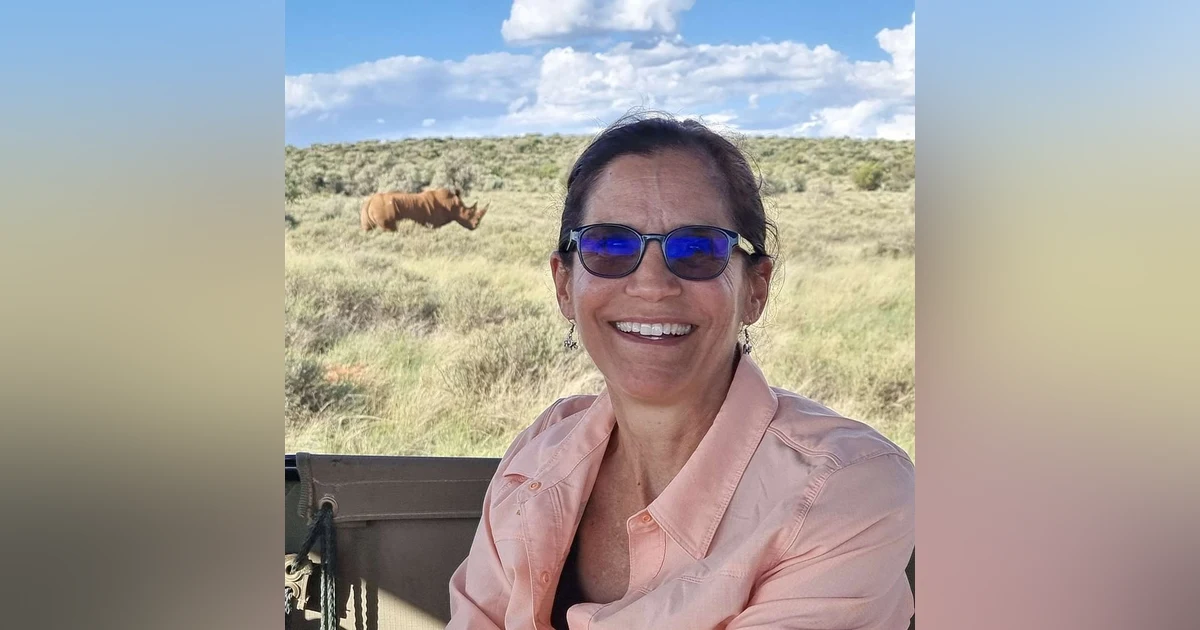

Can one person make a difference in the fight against extinction? This episode of "No Wrong Choices" features Nina Fascione, visionary leader of the International Rhino Foundation, whose career journey exemplifies how passion can evolve into impactful action. From early childhood, captivated by the wonders of the animal kingdom, Nina has carved a path that many only dream of—turning her love for wildlife into a global mission to save one of Earth’s most majestic creatures: the rhino. Join us ...

 Apple Podcasts

 Spotify

 Castro

 RSS Feed

 Youtube Music

 YouTube
Can one person make a difference in the fight against extinction? This episode of "No Wrong Choices" features Nina Fascione, visionary leader of the International Rhino Foundation, whose career journey exemplifies how passion can evolve into impactful action. From early childhood, captivated by the wonders of the animal kingdom, Nina has carved a path that many only dream of—turning her love for wildlife into a global mission to save one of Earth’s most majestic creatures: the rhino.
Join us as Nina shares:
- A Passion That Shaped a Career: How Nina’s lifelong love for animals directed her towards wildlife conservation.
- Triumphs and Trials: Experiencing the highs of conservation successes and the lows of battling poaching.
- Innovative Strategies in Conservation: The cutting-edge tactics that are making a difference in the fight against extinction.
- Community’s Role in Conservation: How empowering local communities is crucial for sustainable conservation efforts.
- Career Insights for Aspiring Conservationists: Nina’s advice for building a fulfilling career in wildlife preservation.
In this episode, Nina not only discusses the strategic and emotional aspects of her work but also delves into the practicalities of building a career in conservation. Her story is a powerful testament to how determination, coupled with a clear vision, can lead to significant contributions in one’s field.
Tune in to "No Wrong Choices" to discover how Nina Fascione is making a real difference in wildlife conservation and how her career insights can inspire your own professional journey. This episode is a must-listen for anyone passionate about making their mark on the world, emphasizing that career choices driven by passion can lead to extraordinary outcomes and a fulfilling life.
To discover more episodes or connect with us:
0:02 Hello and welcome to the Career Journey Podcast no Wrong Choices, where we speak with some of the world's most interesting and accomplished people to shine a light on the many different ways we can achieve success. I'm Larry Samuels, soon to be joined by Tushar Saxena and Larry Shea To help support our show. Please be sure to like and follow no Wrong Choices on your favorite podcasting platform. Connect with us on LinkedIn, instagram, youtube, facebook X and Threads, or visit our website at NoWrongChoicescom. This episode features the conservationist Nina Facione. Nina is the executive director of the International Rhino Foundation. Larry Shea is our animal lover on this program.
0:46 Why don't you lead us into this conversation? I am an animal lover. Thank you for that. I can't wait to hear about why she chose this career path. I mean, this is something that's not for everybody. I have to think you have to go into it, you know, for the love of the cause, whatever that cause might be, if you're taking a similar position. But I just think it's so admirable. You know you're helping literally a creature and must have the satisfaction, at the end of the day, of helping an animal that, frankly, can't help itself right, and we are seeing dwindling numbers. It can be very sad when you look at certain species that are disappearing from this planet. So talk about a greater cause.
1:27 I mean very admirable work and I can't wait to find out why she chose it. You know this is an extremely niche position. We've talked to folks who are, like you know, broadcasters, and you know they're in law enforcement. Now, everyone could essentially go into these careers. This is one of those careers where you have to say to yourself, okay, if I went to my guidance counselor and said, hey, I want to go into wildlife conservation, not only that, but I want to save rhinos, bats and other creatures of the planet, like that, they'd probably look at your cross-eyed because this is not. You know, when you look at your majors in college, there's no major which says saving wildlife.
2:07 So you've really got to figure out how to become a conservationist and it's not an easy life. I think we had what we had Matthias Breider on before, who talked about the idea that there's not a lot of money to be made. But you have to do it because this is your calling in life. And you know, I think it would be really, really interesting to find out. You know where you got that love when it started and then how did you nurture that throughout your entire career? storyteller and she's. I don't want to call her a politician, but in some ways that's part of what she does.
2:48 You know, when you're on the ground in a different country trying to make an impact and a difference, you have to figure out how to get in there and how to get to know folks. So with that, I'm eager to hear Nina's story. Here she is, nina. Thank you so much for joining us. Oh, my pleasure to be here. Thank you so much for joining us. Oh, my pleasure to be here, Nina. Look, I mean, you have such a unique job. I think it's the best thing to do is to have you kind of describe to us a little bit exactly what it is you do for a living. I am a little biased, but I think I have the best job in the world. I'm going to say you probably do have the best job. Okay, yeah, maybe it's not even a bias, I just have the best job. Certainly seems like it. Okay, yeah, maybe it's not even a bias, I just have the best job in the world.
3:30 I certainly can say for me I have the absolute best job in the world. I love what I do. I am one of these people that was fortunate to have a calling and have been able to be kind of gainfully employed in it my whole career. So I currently am executive director of the International Rhino Foundation, where we work on conserving the world's five rhino species, two in Africa and three in Asia. It's a big job. Rhinos are very imperiled. All five species are threatened to various degrees from poaching, habitat loss and other factors and yet there is an amazing team of conservationists, both at International Rhino Foundation and our partners around the globe, working to protect this.
4:12 So I will just say that not only do I get to work with the animals, which I love, but a phenomenal community of human beings who really care. Noble cause indeed, and definitely the coolest job in the world. So let's just go there. Let's start at the beginning. Let's start where you grew up. Did you have pets? Was there a zoo visit that got this going? Like what was the spark, the impetus of the dream? Where did it begin? Take us back to the beginning. Sure happy to. And, interestingly, as you mentioned, I work with early career professionals and I've done some studies and many, as you mentioned, I work with early career professionals and I've done some studies, and many, many people who go into this profession develop their love of this from visiting zoos.
4:52 So I'm a big fan of the zoos and how they bring people close to animals that we wouldn't otherwise see. So, yes, I grew up in the Philadelphia suburbs and we had a zoo in our own home. Both my parents liked animals, but I really credit my father for a slightly obsessive love of wildlife and all things four-legged and creepy crawly and everything. And so, yes, grew up with the dogs and the cats and the guinea pigs and the iguana and the birds and the whole works. And, yes, we were fans of our local Philadelphia Zoo as well. So at what point did you say? Now you said as you started that this was a calling for you.
5:32 So it must have come very early that you said okay, I have the dogs and I have the cats, the guinea pigs, the iguanas, I have the birds and the fish. So at some point you must have said to yourself as a young child, you know what this is kind of what I want to do for the rest of my life. Was there that one moment that happened? When I was young from the time I was four years old I was very into carnivores and I used to have defenders of wildlife posters on my wall. You know, other little girls might've had David Cassidy posters or something that there's reference that gives away my age age but the rock star posters in their bedroom walls. I had pictures of wolves and coyotes and then ended up working for probably 22 years for Defenders of Wildlife.
6:13 So, boy, talk about a pretty straight line from an interest when I was quite young and to an actual job that lasted many years. So how did you focus that passion? So you're, you're into all these different animals. You mentioned wolves when you were a little kid. I mean, were there internships in high school? How did you focus all this stuff? Yeah, and that that's a good question and it's something that's a nice thing for young people today who want to enter this field. There are so many more options. There weren't as many diverse careers when I was in high school, so you kind of were a veterinarian or you worked in forestry or such or you worked at a zoo, and now there really are so many amazing conservation jobs that can do that.
7:01 Maybe they're research, maybe it's policy, maybe it's science, whatever the various things are. There are a lot of great choices, and so I personally, in high school, started volunteering at the Philadelphia Zoo and then ended up working there while I was going through college, and so I did start. Even in high school, my first ever job was working for a veterinarian oh wow. And then in my senior year of high school I started volunteering. I did I think it was a school internship program with the Philly Zoo and later was employed there. I'm curious have you ever not had a job that was tied to animals? No, Wow.
7:42 Yeah, I just find it remarkable. I mean, talk about it. You said it a straight line. I mean that is remarkable that you knew at that age that this is kind of the direction you wanted to go in. Were you a good student? Were you striving to go to college to study? You're answering the hard questions today, oh God, I would say I was not the world's best student. I love working, I work all the time. And students I love working, I work all the time and I love the feeling of accomplishment with working. I actually did not love school. I thought early on I would get a PhD and thought I would get a master's on my way to a PhD. I finished my master's and I was like no, I'm good, I'm good here. I'll just stop with the master's degree and I maybe will throw in here for folks who are listening who are interested in this career.
8:23 I do very much think advanced degrees are necessary. A PhD probably only necessary if you really want to do teaching, science, research and various advanced degrees masters and such are great for many other ways. I mean, frankly, there are a lot of attorneys that work in conservation on the policy side of things, so there are different educational routes one can take to get to a career in conservation. So your time in high school, you're volunteering at the Philly Zoo. Now I'm assuming you're going to go on to college. Obviously you've gone on to college, but while you're, during your time at the zoo, were there any mentors there that you looked up to? Were there any of the folks who worked there that you looked up to?
9:05 Were there any of the any of the folks who worked there that you looked up to and then who also gave you guidance on? Okay, so this is the school you need to go to if you're going to study zoology, and I'll ask what your, what your uh, what your major was in a second. But are there any? Was there anyone there who gave you kind of that guide to say, okay, this is the road you have to follow? Yeah, mentors are so important. I highly encourage people, no matter what field they're interested in listening to your show. That's one of the big themes here. Mentors need mentors. Yeah absolutely. Yeah, so I'm with you on that one Absolutely seek mentors. But you want to hear a fun story kind of, about mentors? There were a lot of people I worked with when I was between the years of 18 and in my early 20s when I was involved with the Philadelphia Zoo, and those people today are my bosses on my board of directors.
9:52 Oh, wow. So another reason to have mentors, not just for the knowledge that they share. But, boy, life is all about networking, and so when my current job I've been at the International Rhino Foundation for four years when they were looking for an executive director, they'd known me for 40 something years and approached me about this position and it was wonderful. I had known these great people my whole career. It's amazing how it comes full circle like that. We'll get to all that stuff. But when you were at the zoo, what were you doing? Were you feeding? What were the tasks that were kind of putting you on this path to do what you do now? What did you embrace?
10:33 Yeah, I was a veterinary technician at the Philadelphia Zoo for a couple of years. I had a few different roles there, but the longest one I was the vet tech and it was a pretty fun job because you do get to be hands-on with animals. We had a diabetic orangutan named bung who needed insulin shots daily and was trained to give you his arm and, you know, exchange for a banana to get his insulin shots. And I would sometimes raise uh and help raise the um animals. If the, if a mother wouldn't raise them in the zoo situation, I would have little marmosets at home, which actually sounds great, except you're up every two hours feeding a bunch of babies.
11:14 That doesn't sound so great. I was going to say you always had the dream job, but apparently not. It wasn't always a dream. But it's still fun. It's still fun, so, yes, and of course, as the vet tech, I did lab work and the whole host of animal health and care. So you finished or not finished with that, but I imagine you maintain that relationship for a long time. In fact, as I looked at your bio, I believe you did maintain that relationship for a long time. You went to Maryland, is that right? I did finish my undergraduate and did my master's degrees at the University of Maryland. Yes, and then what?
11:55 Well and then. So I had a wacky master's degree that, and Maryland was fantastic at letting me create my own thing. It was partially in the anthropology department and partially in the conservation biology department. I was always very interested in human wildlife conflict and the human component of wildlife conservation, and while I was getting my master's degree I kept saying, oh my gosh, I'm either going to find my dream job or like be unemployed for the rest of my life with this wacky degree. And right after grad school I was hired by Defenders of Wildlife and spent many, many years there at that wonderful organization. Wow, yeah, I do want to dig into and I almost blew past college and I don't want to do that.
12:40 You know, I'm curious when you're major in what was it? Zoology? What were the majors? Conservation, biology and applied anthropology. It was not archaeology, right, it wasn't bones, but it was cultural anthropology looking at that link between humans and wildlife. And that's what I was going to say. What does that mean? What were some of those subjects? Yeah, and it's quite. I mean it's frankly, it's. Conservation has everything to do with human wildlife conflict these days because, with growing populations and shrinking habitats, really conservation is almost exclusively about human communities and how we can coexist.
13:26 So yes, I was looking at some of those coexistence issues. I've worked on a lot of species in my life that humans might not love. I've worked with bats for many years and with large carnivores like wolves that have conflicts with ranchers and so looking for ways to resolve those conflicts in a win-win way, good for humans, good for the environment and wildlife. All right. So you say your first job was with the Defense Wildlife Fund and that went from the posters on the wall to now working there. So, obviously you know how do you get that gig right out the gate?
14:10 I mean you know there's got to. How do you get that gig right out, right out the gate? I mean I mean you know there's gotta be, there's gotta be something where, like either you a recommended or B, you had done some work with someone somewhere who said hire this woman. You are onto it. The back to the networking thing and why mentors and networking is the most important thing one can do in one's career. When I was in grad school I had an internship at an organization called the Wildlife Habitat Council that worked with corporations to manage large landscapes for improve them for wildlife and habitats. And my boss there while I was in grad school left.
14:51 I think he was a vice president there and he left there and became a vice president at Defenders of Wildlife. I finished grad school, he had an opening, I applied and he knew me. I had worked for him for a year in this internship and I got very lucky. So what are you doing at Defenders of Wildlife? What does that look like when you get that job? Are you traveling? Are you, you know, getting trained Like? What is your actual function? What are they hiring you to do? essentially, Well over a cumulative, I even left and came back to Defenders, but over a cumulative 22 years. I held a variety of roles, almost all of which were conservation related to, all of which were conservation related to, and worked my way up as the longer I was there until I was the vice president for our field conservation programs.
15:40 So I oversaw a team of 30 people based around the US. It was all within the US North American, actually, canada too, north American wildlife conservation working on all sorts of really important and also cool wildlife conservation programs, like the wolf restoration in Yellowstone, florida, panther conservation, california condors, black-footed ferrets, grizzly bears, on and on. A lot of it with a focus on human wildlife conflict issues and a lot of it with a focus on human-wildlife conflict issues and a lot of it just advocacy and basic conservation needs. That type of responsibility. Obviously, not only does it make your own career just so niche I mean, this is something of a niche career, I would say, more than most the team-building aspect of that I'm kind of interested in just kind of touching on that.
16:31 What kind of a person are you looking to bring onto a team when you're talking about such a niche kind of career? I mean we have job openings. Everywhere I've been in my career I have job openings and you get dozens or even scores of applications from highly qualified people who, you know, dream of working with wildlife. And over the years I've hired people with so many different backgrounds, maybe in things like environmental planning, to attorneys who had, frankly, I had one employee who had been a public defender out in Southern California for years, having nothing to do with wildlife but a deep, deep passion.
17:12 She gave up a decent salary to come start interning for us for peanuts and then worked her way up and of course, she was smart and had the legal background. And so people come to this from all sorts of backgrounds and you're looking for skill sets and you're looking for that passion and dedication. You know it's interesting. I was just about to use the word skill set to ask about you. So you know, as you're on this path, what skill set are you developing? Meaning? Are you an advocate? Are you a fundraiser? Are you a politician? Are you a salesperson? Like, what is the skill set that you're developing as you're on this path?
17:53 Yes, I would say all of the above to some extent and in my emerging wildlife conservation leaders training that you mentioned at the beginning, that's certainly what we are trying to do with our early career professionals is help them gain, because people go through school, even going through graduate school, but they don't learn how you create a campaign or, frankly, how you write a fundraising proposal or how you react when the press comes calling and you need a statement or you need to be on camera, and so we, frankly, try to help there and that's what I've done my whole career is try to gain more skills from a variety of areas, to be a more holistic conservationist.
18:38 So what does that mean? Being a more holistic conservationist, not simply in your own skill set, but just to say in general? What exactly does that mean? Someone like me who's been in leadership roles running organizations. I really have to know everything from how to manage a budget to how to ask for money, to how to manage teams, to the science behind wolves or bats or rhinos, and so it's gaining. But I am not a rhino expert. I was not a bat expert Right, nobody can know everything and so I've collected kind of leadership skills and knowledge. I think, or I hope so. I'll ask my staff or at least you've collected the right amount of people around you who know what they're talking about to teach you what you learn how to hire smart people.
19:25 That's exactly right yeah, that that sounds like a choice, though, right, I mean you go from working really directly with the animals early on in your life to becoming more bureaucratic, more leadership, more organizational, project management type of thing. That sounds like a real fork in the road there. Was there ever a tug to stay with the animals more directly? Oh, such a great question Because, again, with the training that I and my colleagues do with these early career professionals, we're really clear having a leadership role in conservation does not necessarily mean being a CEO, because, you're right, you're behind the desk more often than not, and so if your passion is being in the field, you can be a leader from any level within you know, within an organization, and whatever role you play, you can be a leader in conservation and stay true to yourself.
20:20 If you're going to be miserable running budgets, you know, don't do it Exactly. One of the things we thought about for you in your role was about being in the field, and when you are in Africa, when you are in India, how are you integrating yourself into different communities? What risks are you taking when you're in the field? So, as we're talking, I'm trying to figure out how to pinpoint a question. But can you sort of talk about the day-to-day of yourself when you're on the road, pushing an initiative and trying to make a difference?
21:01 What is that day-to-day? Can you give an example of a project that you've been involved with that might cover some of these different points? One of the things that I've realized more and more in recent years is that a role of someone like myself or my colleagues at the International Rhino Foundation that one of the greatest things we can do in addition to fundraising right, I mean, that's one of our main roles is to raise money to help the experts on the ground, to capacity build for the experts on the ground doing the conservation work. But we see things from a higher level. In fact, this is a question you asked me a minute ago about people who stay focused on a taxon or on a subject on the ground I have the luxury of just having.
21:44 I was just with a partner in South Africa a phenomenal partner and he happened to mention that he needed a new vehicle for their anti-poaching dogs, their anti-poaching canine unit, and I said, oh my gosh, wait, I have photos on my camera of these incredible vehicles, of what the folks in Namibia are doing with their dogs, and he loved them. And then I was able to. After I got back, I connected them via email and I thought that's where somebody that's looking at it. You know I don't get the fun stuff of working with those dogs every day, but I'm looking at it from a more bird's eye view and can help do some networking and connecting and such. We do fund a lot of security work for rhinos because poaching is, of course, the main threat to rhinos and that includes rangers and ranger dogs.
22:31 So sometimes, like a week ago in South Africa, I get to see those dogs in action doing simulated anti-poaching work and boy, that is a good day for me. That is a really good day to watch those brilliant dogs and brilliant handlers working together as a team, going after in this case, fake poachers, and seeing how these dedicated individuals, canine and human, are going to save rhinos. How many languages? do you speak? You've asked me all the hard questions. Today I speak one, I'm really happy to say. I know how to say enough, like please, and thank you and you're awesome, just enough to get around, I'm with you. Okay, so actually, no, that works, get around, I'm with you, so okay.
23:13 So actually, no, that works into the question I'm going to ask. So obviously you're going to need local representatives when you head into any of these communities. Yeah, what is that like? I mean, do you obviously have a team that provides security for you? Do you have a team that is simply there to translate to the local native communities, et cetera? Are there to translate to the local native communities, etc. What is your role when you are on the ground with these smaller communities and how is it that you specifically interact with the leaders of these communities, etc. What is that interaction like? And obviously, the team that you bring with you. Oh, people are so welcoming. I should say that we function entirely through partners on the ground and some staff on the ground.
23:57 In Indonesia we have a couple of amazing staff people who I adore, so I travel on my own and I go between places alone, but I'm almost always with wonderful partners. I do want to get back to the career journey and how the International Rhino Foundation actually came about for you. But before we go back to the career journey and how, how the international rhino foundation actually came about for you, but before, before, before we go back to that path, um, because we're on this one here, I mean, poaching is a serious thing. I mean, have you ever been in harm's way, have you been in a situation where you're like this is getting out of hand and I'm in a little bit of trouble here, like talk about, like being in a strange country and maybe not feeling protected. Yes, well, I have had interesting situations in my career.
24:40 I had a lion hop in the back of a pickup of a Jeep with me one day. Okay, wow, frankly, that's what we're looking for. I've been trapped in an outhouse because there was a bison right outside and I have um. But I will also say that I'm I. My mother used to always say that I was born without a fear gene, so I don't um, I tend to not get nervous about anything and it's safe. I mean our partners. Look, you don't want to kill off the funder um, so you don't kill off the money that's for sure. Yes, so um so. No, I have never felt like my life is in danger at all.
25:24 Oh, you know what, just a week and a half ago, I foolishly went for a walk a little too late in a large South African city that shall remain nameless, and I made it about a quarter of a mile. I thought this is dumb, oh wow. But no, no, for the most part, I mean, travel is great, people are great. People around the world are wonderful and welcoming and love when you even just try to speak their language. And pantomiming is fun when you don't speak each other's language. So it's all good. Can you share a story about battling poachers, so to speak, meaning in a particular area where there was a major problem, where you know your foundation whoever you were involved with at the time needed to engage?
26:16 What is that process? What steps do you take? Just give us a little bit of insight into that. Yeah, poaching is a huge problem. We fund a lot of work supporting anti-poaching, and sure I would be delighted to talk about Kruger National Park in South Africa because just, I think it was a week ago, two at the most South Africa came out with their most recent poaching data, and poaching in Kruger National Park has declined significantly, and that is all credit to the people doing the hard work there, and we have been proud to fund the work there, including rangers, you know, human rangers, canine rangers, technology.
27:02 I mean, poachers are wealthy. The people who poach are global criminal syndicates, the same bad guys that are running, you know, drugs and guns and so on, so on. They are criminal syndicates and they are going after rhino horn because of a demand for a belief that it contains properties that are useful to humans. I would say rhino horn is made out of keratin, the same substance as our hair and nails. There's not scientific data at all that it does anything, but the perception you know is reality in the, in the poaching game, and so, yeah, it is. Poaching is indeed a very, very dangerous situation.
27:44 We know we've had beloved rangers who have been murdered. I mean, it's a very dangerous career. Hats off to the brave men and women that go into that profession out of dedication to their own natural resources, to their own natural resources. So while we're on this subject, I mean I have to think that you have to be an optimist above all else. I mean it's got to be frustrating, though, sometimes when you see these numbers decline, and this is your life's work. At this point, how do you stay positive, how do you stay upbeat? I mean you have to for your team, for the cause. So I'm sure you do.
28:25 I could tell just by talking to you now that you stay optimistic, but that's got to be challenging when things are looking rough, when the numbers look rough. It can be discouraging. It can be very discouraging, no matter which taxonomic group you're working with, right, because every recruiter is facing its challenges. now we actually joke among my team about which ones of us tend to have a rosier outlook and which ones are like oh, all is possible, but at the end of the day, we can't think that way or we couldn't do our jobs. So again I go back to the things that will save our planet the dedicated community of people working on this, the technology that's going to help us outsmart the poachers, and just all the ways that we're working together to do what's right for our children and our grandchildren.
29:20 Such a noble cause and we thank you for it. So let's get back to the career journey a little bit. You spent a lot of time 20 years, you said in that first position. So how does the transition happen and where do you go from there? Well, and then I came back to them, but after 15 years I was approached about the opening for executive director at Batch Conservation International, a wonderful bat organization based in Austin Texas. Was that before or? after you owned bats. It was after. You were still interested. I liked bats for a minute.
30:00 Bats are cool. Let's just say Did you seek that out because you liked bats. No, I think they sought me out because I had Because you like bats. They heard from the grapevine, you like bats. Bats and fundraising and running an organization. So I was there several years and then did go back to Defenders of Wildlife for another seven years. And just again for your listeners who are doing their own career journeys I had run conservation programs my full career. When I went back to Defenders of Wildlife, I completely changed hats and went in as vice president of development. I went in in a fundraising role and so when I'm coaching young people or early career professionals, I say, well, have an end goal, but you're going to zigzag on your way to what you're doing.
30:51 You may find yourself in a different role that you frankly love more than you thought you would, or it's just a stepping stone on the way to getting back to where you wanted to be. So taking a fundraising back to where you wanted to be. So taking a fundraising. Frankly, I loved fundraising because, as you can tell, I'm chatty and I like people and so that fundraising is all about people. And then, once you know how to fundraise, then everybody wants to employ you really. So what makes for a good fundraiser, outside of being chatty and personable? Well, look, the passion for the cause. You need to ask people for money. You can't be shy about that. You need to know that you are frankly helping someone or facilitating someone's ability to make a significant contribution to an important cause.
31:40 And I believe in philanthropy as a general rule and, frankly, so do philanthropists. So you're just offering them the knowledge, you're giving them the knowledge of your own cause so they can make an informed decision about whether or not to give. How do you create awareness? How do you demonstrate that there's a need and that there's an issue? Or you're having as many one-on-one meetings as your staff capacity can handle for your most dedicated funders.
32:28 So you're trying to get the info and then, obviously, websites and whatever publications an organization is creating to help people know. But I haven't talked much about the education side of things, and that's obviously huge. Much about the education side of things, and that's obviously huge. The International Rhino Foundation works very closely with zoos and they're you know, in many ways they're our education branch, because they're bringing in massive amounts of people who are seeing animals and falling in love with them and learning about animals there, and so that's a great partnership. Animals there and, and so that's a great partnership. I mean partnerships also. We touched on that earlier. But partnering with other entities that have capacity where you don't have happen to have capacity, is a great way to further a mission.
33:17 You know I'm curious when you talk about zoos. A lot of people, some people, have issues with zoos and how animals are kept and they can't roam, etc, etc. And it's a complicated issue because one of the other sides of that coin is that it's a wonderful way for people who love animals can see them, engage with them, appreciate them, which in a way creates awareness and a passion for the animals who are in the wild, and in a way, zoos can be a marketing tool for causes like yours, I would think, to get people engaged.
34:01 So I'm kind of curious about your view of the role of zoos. Yeah, I have always thought zoos play a very important role and I mentioned earlier, I've done surveys of how people get in this field. There are a lot of people that enter this profession because of zoos. There are a lot of people we've done surveys of our members at the International Rhino Foundation. There are a lot of people that get into rhinos specifically because of zoos. There are a lot of people we've done surveys of our members at the International Rhino Foundation. There are a lot of people that get into rhinos specifically because of zoos. So I have my whole career seeing firsthand the power of zoos to touch people when it comes to caring about wildlife. Now I should be really clear. There's a difference between, you know, roadside attraction and the accredited zoos through the American Zoo and Aquarium Association and and the Zoological Association of America that you know.
34:52 Those are well run institutions that do conservation work, that fund conservation work, that have professional staffs and they are good, good conservation allies. So how much does your organization that have then interact with, let's say, the Bronx Zoo, san Diego Zoo, cincinnati Zoo, philly Zoo for that matter, and what is their role within your organization, or do they even have a role? Yeah, no. We. International Rhino Foundation works very closely with zoos. Many of my board members have been or are currently zoo-based and we receive very significant funding from zoos they raise money through.
35:32 Frankly, zookeepers are some of the most amazing humans you'll ever meet in your life. The dedication for people who have sometimes a dangerous job and not even a particularly high-paying job, and their love of conservation, oh my gosh. Their rhino keepers are around the world that not only do a great job in their day-to-day lives taking care of animals but then will spend their after work hours doing fundraisers and they give us a lot of money to send to the field. They're so passionate about these critters and they do a lot to further the cause, education and raising money. I'm so glad we're talking about zoos.
36:13 Tushar just mentioned the Bronx Zoo. I know they've been instrumental in bison and reintroducing them back into the wild and breeding them and so forth. And I'm just wondering, like with the numbers in the rhino population, I mean, natural means is, of course, always the way that you want to go, but how much is being considered in terms of non-natural ways of getting the population numbers up to where they really should be? Yeah, great question. The population numbers up to where they really should be? Yeah, great question. So with many species and rhinos are a couple of the rhino species are one of them where there are either absolutely essential captive breeding populations I mean Black-footed ferrets, california condors, mexican gray wolves, there's Preswalski's horses.
37:03 There's so many species that literally would not exist in the world if it weren't for zoo breeding programs With rhinos. Zoos have really critical security populations of animals in their collections. And to your very interesting question about an interesting subject of artificial reproductive technologies, in addition to just the captive breeding, so with Sumatran rhinos and a subspecies called the northern white rhinos, there are a lot of smart scientists in various parts of the world working to figure out how to use artificial reproductive technology to breed those animals.
37:44 You mentioned the San Diego Zoo. They've been long involved with those ARCH, as they're known, artificial reproductive technologies, and we're fond of saying we use all the tools in the toolbox. Natural breeding great. We can protect habitat, keep them from getting poached, have boy and girl meet each other in the wild and have babies Excellent. Not always going to be the case with rhinos or other species. And so then we have backup science and other means. In general, where are we with educating cultures that find the rhino horn to have magic, mythical powers? Because it's my understanding that that's why a lot of the poaching is taking place.
38:24 To begin with, right Is because they think that there's something special in the rhino horn, and I've even seen in zoos or some places they cut the you know, or if they're exposed, they cut the horn off so that that temptation isn't even there and that the animal could just live in peace. Essentially, Now, that's my sophomoric version of what I understand, but please educate us no no, that's my sophomoric version of what. I understand, but please educate us. No, no, that was actually spot on, and we support that called dehorning or horn trimming, because it actually grows back just the way your fingernails do. It takes about two years for a rhino horn to grow back and it does.
39:05 The reserves that do dehorning swear that it keeps them from getting poached. Because now it needs to be accompanied by strong security, because if there's, you can't remove the horn entirely. There's still a nub there and so if there's, if their poachers aren't facing any risk of poaching, they'll still kill a rhino even for a nub of a horn. Because it's worth so much money amazing all kind of return on investment for them or cost benefit analysis. If they're not going to get a big horn it's probably not and there's strong security, it's probably not worth them putting their own lives at risk to go after it. So dehorning is very effective. And now I can't remember the first part. The education piece, just letting cultures know that this is not real, you know.
39:45 The demand side of things is an overwhelming challenge, because people have strong beliefs that there are medicinal values in rhino horn. In some other cultures, even just carved symbols made out of rhino horn are considered status symbols, and so you have a lot of people that want rhino horn for various reasons, and I'm thankful that there are organizations that are bigger than ours that focus primarily on the demand side of things. One of the things we do, in addition to protecting rhinos on the ground, is to try to stop the trafficking of horn.
40:30 So we try to keep rhinos safe with the anti-poaching measures on the ground, and then we work also and support partners who try to disrupt trafficking networks from, you know, rhino horn moving from Africa into Vietnam, into China and wherever and so that, and getting longer jail sentences, so that it's just not worth it for the criminals. When you look at your journey and your career, what are some of the things that you're most proud of, some of those successes where you really feel or felt that you made a difference? Well, one of the passions of my life has been my Emerging Wildlife Conservation Leaders program that I co-founded with a very, very good friend and colleague, jeff Flocken, and we still co-chair it to this day.
41:15 We are hitting our 20th anniversary. It's a two-year training program so we've graduated over 250 early career professionals. But the ones from 20 years ago are over 250 early career professionals. You know, ones from 20 years ago are no longer early career professionals. They've moved leadership roles and such Um. But it's been um, just such a uh, such a wonderful way to feel like I'm giving back and um and just seeing great people come out of that program. Um, but I also um, I hope I'm making a difference right? So I have a 28-year-old daughter who never had any interest in working in the conservation field. She wanted to make more money. But boy does she love animals and promise that she'll make big money and contribute to all my nonprofits.
42:00 But I want to leave a future for her. You know my kid loves wolves. She loves rhinos. I want to make sure they're still around when she has kids and that's what keeps me going. I have to ask the question. I mean, what you just described is a labor of love, but I know there's people out there listening who I mean. I'm just going to read it, because you wear every hat in the book in your job, right? You're a politician, a leader, a psychologist, a public speaker, financial planner, philanthropist, anthropologist, writer, educator, strategist, public relations. I mean you do it all. As far as I'm concerned, you should be making five gazillion dollars a year.
42:41 Is this lucrative? Is there a future for people who want to pursue this field? Well, first of all, dude, thanks, you just made me feel good about myself. Who want to pursue this field. Well, first of all, dude, thanks, you just made me feel good about myself. I'll call you up anytime I'm feeling bad. You know, I find and I know this is true for myself and most of my friends also happen to work in this profession right, because you just bond over this and money's just not the driver. And I think people need to make a decent living. You know, doing noble causes like, frankly, being a teacher or fireman or conservationist Right, let's make sure everybody has a solid living wage. But and, frankly, once you know, when you've been around a long time and move your way up, you start making better and better salary.
43:26 So people aren't in this for the money. I think people deserve to get money and they should. But yeah, I don't know where I got to love it. I get really good trips to a really good place. Yeah, you get great trips out of it. I'll say that what is your favorite show on Animal Planet and why do you not have a show on animal planet? oh, that's it. No, that's a trick question. I'll get in trouble with friends. Uh, you know, in the media industry if I, if I respond to that question, um, oh, there's so many good ones, and you know, I'm glad you mentioned that because what a great way for for adults and kids alike.
44:06 I have a lot of people like random people, taxi drivers or whatever and they'll start telling me facts about animals that I don't even know and I'm like, wow, you know so much. They're like oh yeah, I love Animal Planet. I mean, I grew up watching Mutual of Omaha. That was my show going on. That's what I remember, same. Absolutely Same and, I think, the question that your career. Was there a moment where you began to feel established and you began to feel momentum behind what you were doing and you really saw your future in front? of you? Wow, I'll tell you if that happens. No, it's just kind of constantly plugging along for the cause, I think.
44:53 For people and you've talked about networking and building a community and passion and all of those things. But if you were to wrap advice up with a bow and in a neat, you know, clean statement for a young person who wants to follow in your footsteps, what guidance and wisdom do you have to share? Yeah. So just dive into it however you can, and if you live in an area where your only animal option is working for your local veterinarian, do that. If you live near a zoo, see if there are volunteer programs, docent programs, at your local zoo. It's hard to get volunteer work in the field, but there are options to do that for college students and above, and so that's a way too.
45:38 But you're A starting to gain skills. You get the joy of being around things. You'll make friends that will last you your lifetime. You'll make connections. So really dive in and contribute you your lifetime you'll make connections, so really dive in and contribute Sounds amazing. And my last question for those people who would like to help you, support your causes and endeavors and to save the rhinos, so to speak how do they get involved? Where should they look? Yeah, rhinosorg. We have all kinds of information on there, from basic information about rhinos If you would like to learn more, to our shop or we have some kind of fun rhino swag to to other ways. You can help by hosting your own fundraiser by we have a form for people who might be interested in volunteering and and if people are listening to this, who actually already work at a zoo or, frankly, might work for a company that could be a corporate partner.
46:35 You know, there are many ways people can contribute. Big or small, Everything helps. Amazing. Well, Nina, thank you. This has been fascinating. You've taught all of us so much. I was going to jump to the close, but I don't want to. You've just been an incredible inspiration and again, you've made me a whole lot smarter. So thank you for joining this episode of no Wrong Choices. Thank you so much for having me and thank you, gentlemen, for what you do in helping people find their careers. So that was Nina Fassione who introduced me to a whole lot of new topics and ideas. Larry Shea, what are your thoughts. I think we can safely say that the main theme was networking, right, I mean pretty much every job she ever got was because she knew somebody.
47:21 They hooked her up, there was a relationship there. I think that's first and foremost. But what a remarkable career. I mean when you think about the different types of hats that she has to wear on a day-to-day basis. I mean when you think about the different types of hats that she has to wear on a day-to-day basis. I mean we talked about the politics of it. We talked about, you know, the philanthropy, giving of yourself, the writing, the educating. I mean I mentioned them all in the interview themselves to her and I just find it remarkable that she's just so multifaceted and that she's a leader above all else. Right, she has to get everybody pulling the cart in the same direction and you know we've not had a lot of episodes like this where you kind of discover your calling young in life and it's a straight line path and she just follows that path and goes and gets it.
48:06 You know, most people dodge and weave and she kind of just like a rocket ship ship just kind of went in a straight line and it's just so admirable the type of work that she does. I really, you know. I just thank God there's people like her, because she's out there doing this and not everybody is. So thank you for what you do, nina. You know we've often talked about the, about the notion of philanthropy on this show a few times and how we should be more philanthropic. But you're right to have someone like a nina facione on the front line doing the real hard work, it makes us feel better about ourselves a little bit just because we're like, okay, you know what, I don't have to go out into the, into nairobi or into south africa and do some of that hard work, someone else can kind of do it for me.
48:47 Now I'm being being flippant about it, but on a show called no Wrong Choices it's rare when we get to speak to someone who's made one choice and it's the right choice. So I mean it is a remarkable career that she has put together for these decades at this point, and I hope she continues to move forward with this career for decades to come, because you know what she was a fascinating, it was a fascinating conversation. And she decades to come, because you know what she was a fascinating, it was a fascinating conversation. And she's not always even though she made it sound like you know, she's always the most uh, the most loved person in the room. Sometimes you walk into places where you're not. You know if you have to deal with a community where wolves are a problem, yet you want to be a person who saves wolves, guess what?
49:27 You're not going to be fine, you're not going to be finally received if you walk into a rancher's domain, so to speak, right Into a community of ranchers. They're not going to like you all that much. And so, yes, so the idea, shay what you said of understanding how to be a politician and how to be a policymaker. These are very, very important skills to have. And one other thing there's no such thing as having a bad skill, or. And one other thing there's no, there's no such thing as having a bad skill or having a bad. There's no, there's no wrong choice in changing careers midstream, even though she's only had the one career. She's surrounded herself by people who have changed their careers but have a passion for animals and have a passion for for conserving wildlife.
50:08 And that's maybe the most important thing you can find Someone who has passion for what you do. There are no wrong choices. Yeah, no wrong choices. There's no wrong choice, and that's maybe the most important thing you can find if you're trying to surround yourself with a team of people to move forward and save, you know, not only these animals for this generation, but for generations to come. Yeah guys, that was really a great wrap up and there's really not much more for me to add. She's a remarkable person, a great politician, multi-talented and an inspiration who's doing meaningful great work and making a difference in the world, and that's really incredible. So with that, nina Fassione, thank you so much for joining this episode of no Wrong Choices.
50:51 We also thank you for joining us. If this episode made you think of an inspiring person in your life who could be a great guest, please send us a note via the contact page of our website at norongchoicescom. We also encourage you to connect with us on LinkedIn, instagram, YouTube, facebook X and Threads. On behalf of Tushar Saxena, larry Shea and me, larry Samuels, thank you again, and always remember there are no wrong choices on the road to success, only opportunities, because we learn from every experience.