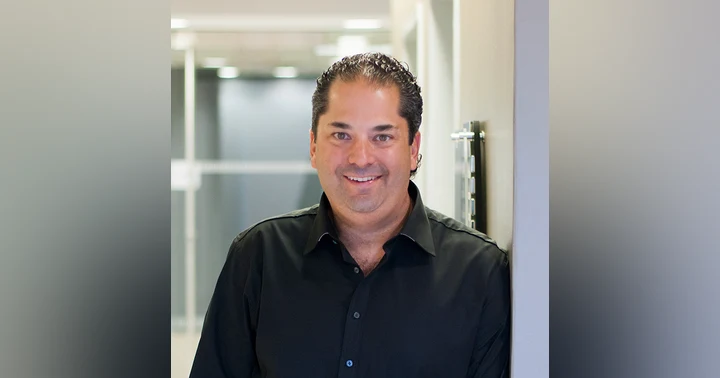
Wayne Kimmel: The VC Helping Big Ideas Become Reality in the Business of Sports

 Apple Podcasts

 Spotify

 Castro

 RSS Feed

 Youtube Music

 YouTube
What does it take to walk into a room where you know no one — and leave with relationships that can change lives?
In this episode of No Wrong Choices, we explore the career journey of Wayne Kimmel — sports tech venture capitalist, entrepreneur, author, and founder of 76 Capital — whose work focuses on building relationships and helping entrepreneurs turn big ideas into real companies.
Wayne shares how a chance encounter introduced him to venture capital, why relationships are the foundation of long-term success, and how he helped pioneer innovation across the business of sports. From early investments like Seamless (now part of Grubhub) — which helped transform how millions of people order food — to backing cutting-edge sports technology companies, Wayne’s work has centered on helping big ideas move from possibility to reality.
His story reveals how curiosity, persistence, and a commitment to helping others can open unexpected doors — and why showing up and building genuine relationships still matters more than ever.
Key Highlights
- The moment that sparked Wayne’s move from law to venture capital
- Why networking is really about building genuine relationships
- What investors look for in founders and big ideas
- How technology and data are transforming the sports industry
- Practical advice for creating opportunity in your own career
If you want to build meaningful relationships, take smarter risks, and better understand how opportunities are created — this conversation is packed with insight.
To discover more episodes or connect with us:
00:00 - What A Venture Capitalist Does
01:02 - Meet Wayne Kimmel And 76 Capital
02:31 - Sports Tech, Data, And AI Surge
02:35 - Wayne’s Roots And Law School Path
05:58 - Broadcasting Dreams And Media Mentors
10:20 - Discovering Venture Capital In The 90s
12:01 - Networking Philosophy And Tactics
18:38 - Making The Leap And Raising A Fund
21:55 - Long Games And Fiduciary Reality
23:27 - Early Wins: Seamless And Retail Clinics
27:31 - Rebrand To 76 Capital And Sports Focus
31:13 - Sports Professionalizes: Betting, NIL, PE
35:22 - Finding Founders And Building Brand
39:26 - VSiN, Brent Musburger, And Betting Media
43:35 - Sensors, Officiating Tech, And Youth Sports
46:05 - What 76 Capital Looks For In Founders
50:11 - Chase Big Dreams And Handle Fear
54:06 - How To Break Into Sports Careers
0:05 I saw all these people surrounding this one person. And I said, why is everyone waiting to talk to that person? Why are they like hanging on that person's every word? And they're like, oh, that guy's a venture capitalist, or it could be an angel investor. And I said, Oh, what? I didn't even know what that even meant. I was like, wait a sec, what is that? He said, that's the person that makes all of our dreams come true. What I do is I invest in incredible entrepreneurs who are trying to do things that are truly many people look at them as impossible. But we as venture capitalists, investors, try to help them make the impossible possible.
0:54 Hello and welcome to the Career Journey Podcast, No Wrong Choices. I'm Larry Samuels, and I'll be joined in just a moment by Larry Shea. This episode features the sports tech venture capitalist, entrepreneur, and podcast host, Wayne Kimmel. He's also the author of a great book titled Six Degrees. Before we bring Wayne in, please be sure to follow and subscribe to our show wherever you're listening right now. Let's get started. Wayne, thank you so much for joining us. It's great to be on the show, and I'm excited to have this conversation with you and Larry. Yeah, we're we're really glad you're here. It's funny. I was just thinking the first time we met was more than five years ago when we were on some sort of a sports betting or gambling panel.
1:39 I forget what it was. Then we recently bumped into each other at a sports business conference, and I just knew we had to have you on. So again, it's really great to see you. Absolutely. It's great to see you. It's great to, you know, reconnect and share what's really happened over the last several years. It's really something that is very, very exciting. What's happened within the sports industry, the overall industry, become an asset class, what our team at 76 Capital, we've been able to do. Excited to share with you some of the exciting companies that we've built and sold, and you know, just all the exciting things that are happening around sports technology and how data is being used across the industry today and analytics, and and of course, now with the bringing in AI into the mid in the middle of everything, I mean, it is really exciting to see what what the future of sports is going to look like.
2:35 So before we dig into all of that, just for some of our listeners who may not know you know what a venture capitalist is and beyond, can you paint the picture for us? You know, who is Wayne and what do you do? Exactly. I'm Wayne Kimmel. And more than anything else, I I'm a father and a and a husband and and someone that really loves what I do. And what I do is I invest in incredible entrepreneurs who are trying to do things that are truly many people look at them as impossible. But we as venture capitalists, investors, try to help them make the impossible possible.
3:15 And it is really something that is super exciting to do, especially because of the industry that we invest in. We're investing in sports, we're investing in an industry that people love. People play sports every day, they watch sports every day, they want their kids to be the next LeBron, Serena, or Caitlin Clark. And we get to work in this industry every single day and help people build incredible companies. Well, I have to tell you, after reading your book, I'm super charged about this. Larry Shea, it's super nice to meet you. And uh, we can't wait to dig into all of this because after reading your book, I'm now of the belief that I can raise $77 million and make any venture capital happen.
4:01 And I know nothing about anything. So I'm sure it's that easy, right? It's gotta be. We'll dig into all of that. Don't worry, and no, it is not easy. Let's bring you back to the beginning. Let's bring you back to those Philadelphia roots, to your family. I know that your family played a big part in who you are today and how you grew up and the principles that you believe in. So let's start with the foundation right there in Philly. What was the dream and what was it growing up like with your family? I was really lucky. Amazing parents. Unfortunately, my my dad's not around anymore, but my mom is. I have two sisters and a brother. And one of the things that we learned from our parents was all about just doing the right thing and helping others. That's what it was always all about.
4:42 And it was always about, you know, making sure that you just do the right thing. That was that was a very important thing. And also, whatever you go do, whatever path you want to take in life, that you can go make that happen. You can go do it. And that was something that we learned very early. And you know, you mentioned I was I was from Philly. Um, I always say I'm from Philly and I was always a Philly fan, but I actually grew up in Delaware for most of my early childhood. It was a great place to grow up. Went to the University of Maryland after that, and then went to law school. And I and I thought I was gonna be a lawyer. I was gonna follow my dad's footsteps because that's what nice Jewish boys do. You know, they either become lawyers or doctors. So um that was the plan, and and did it didn't go exactly as planned.
5:23 I I did become a lawyer. I'm very thankful, actually, almost every single day of my business career that I am a lawyer. And I think it's it's very helpful to have that kind of background. But growing up was great. I mean, we we all played sports, all my siblings, and you know, that was a big part of our lives. And none of us made it to the pros. We all tried. But but now, look, uh, get to play in that world, you know, every single day. And it's uh I I love it. When you look back at your youth, beyond your great upbringing and your talents, what were your passions? Like clearly you were into sports, but when you look back at that time, can you say, yeah, you know, I was kind of always heading in in this direction?
6:07 Like, what were your passions? What were your talents? I was incredibly passionate about sports. I wanted to play in the major leagues, I wanted to play in the NBA. You know, like that's I figured I could somehow get there. It didn't, it didn't happen. But what I did do is broadcasting. My last couple years in high school, I would help broadcast some of the football games, and then, you know, started in college where I would broadcast, you know, and did everything from play by play to color for the University of Maryland football games and basketball games. And it kept me close to the world of sports. It allowed me to be around the people that were making things happen in the in the sports industry.
6:48 And man, it was a blast. I love talking about my senior year at the University of Maryland, and it was we we were wrapping up the football season, and we, you know, I loved getting together in the press room and meeting the other people that were in the press, the newspaper writers, they had newspapers back then. Um, and and right, we remember those days, guys, right? Sports, uh sports weekly, baseball weekly, all that stuff. And it was crazy. There were these two um Washington Post reporters who I'd gotten to know over the years, and you know, they said to me, you know, what are you doing next? And they figured I was gonna end up, you know, I was gonna tell them I was going to go work in some small town and some radio place or whatever.
7:30 And they said to me, I said, No, I'm actually going to law school. They're like, that's so smart. Oh my God, you don't you don't want to be in this business. Well, the crazy thing is those two guys who who said that to me, one was Tony Kornheiser and the other was Michael Wilbaum. Wow. Two incredibly successful broadcasters who at the time were just newspaper writers. They're like, Yeah, but they hug in there long enough. And now, you know, and now PTI and all the amazing things that they've done. It's incredible. And I just look back on those times and you know, and loved it. Loved it. And I was really fortunate to be able to get to do that. And even the cooler thing on that was the fact that uh my son is a is a senior now at the University of Maryland, and you know, he's been working in the athletic department, and he's getting to work all the different games and do a lot of different things that that I got to do, and and seeing him there now is is means a lot to me.
8:24 I also grew up in a Jewish household, so I grew up with lots of expectations around me. I th I think I disappointed them across the board, but things worked out. For you, I I'm curious. You you'd worked so hard um on the broadcasting stuff, uh, the writing, the reporting, et cetera, et cetera. Why didn't you follow that through? Was it really the pressure of your folks, or like what was it? It was kind of I thought it was the plan, right? It was the plan to just go to law school and go work with my dad. Like that's what I was gonna do to do. And I and I we had such an amazing relationship. I was thrilled. I was like, this is gonna be amazing. We'll we'll go, you know, continue to help him and get to spend all this time with him and build this this practice.
9:06 And that was so you didn't feel like you were missing out? No, I really I didn't. I figured I'd somehow be able to work in the sports stuff in some way, but I I had no idea that it would go this direction. Were you a good student? Was this something that came easy to you, or did you have to work especially hard on it? I mean, most people have this perception of a lawyer as like, ah, there's just this super smart guy and everything comes easy. Was it easy? Nothing's easy. I mean, we're we're constantly always working, trying our our best. You know, look, it one of the things that we we always talk about is look, you gotta hustle. You gotta go just make things happen and and work hard. As coaches say, or I would hear from my dad, you know, you gotta be the the first one there and the last one to leave.
9:48 That's that's just how it is, right? I mean, that's what you gotta do. You gotta put your work in. That's what the you know, you look at the best of the best, whatever industry, whether it's sports or not. I mean, people that put the work in are the ones that really are the most successful. I was fortunate to be able to have that sort of ingrained in my head from the very beginning. At what point does the idea that you're gonna work with your dad and work in his firm shift to something completely different? What was the impetus of that? Do you remember, was it a moment? Was it a series of events? What happened? It was a series of of a couple things. It was the mid-90s, and you know, the mid-90s was when the internet was just getting going. And, you know, I was going to work every day in a suit, you know, that whole thing, out of law school, and there I am going to being in a law firm.
10:35 And I had friends that were starting tech companies and were in this internet world, and it was crazy. They're going to work in jeans and sneakers and t-shirts, and they're telling all the suits what to do, basically, you know, and I and I so one day I was uh with a friend and I was at an event in New York City, and he went, he invited me up to this event, and I saw all these people surrounding this one person. And I said, I'm like, why is everyone waiting to talk to that person? Why are they like hanging on that person's every word? And they're like, Oh, that guy's a venture capitalist, or it could be an angel investor. And I said, Oh, what? I said, you know, look, I'm a I I don't even know what that even meant.
11:18 And I was like, wait a second, what what is that? He said, That's the person that makes all of our dreams come true. And I said, Wow, I'd like to be one of those people someday, right? So I had to figure that out, and that's what really started everything. So, how did you figure that out? What steps did you take to explore that world? I started to say to myself, like, I just can't sit in a law firm in Wilmington, Delaware for the rest of my life here, and I gotta get out of here. I gotta figure this out. I gotta dive, dive into this world, I gotta start meeting people and networking and just learning about this world. And it was amazing, you know, meeting with entrepreneurs, meeting with executives, meeting with people that were saying that you're crazy, go back to the law firm, or this is or no, this is an amazing opportunity, come and be part of this.
12:11 I just kept meeting more and more people, and it really helped form my next part of my journey. You know, I really think one of your superpowers is networking, and you talk about it so much in the book. And I really kind of want you to go through that. I mean, you literally describe how to work a room, you describe just half of life as just showing up. I would dress the part and walk in like I belonged, things of that nature. You talk about being at the breakfast every morning because that's where all the power brokers were. I really want you to talk about your philosophy of networking because I really think it was instrumental to your career. I was telling Larry before you jumped on that I did an acting class, I was trying to become an actor, and one of these seminars that I went to talked more about find out who the producer is, who the director is, and know what they look like.
13:02 Because if you're standing next to them in a Starbucks and you don't know it, what good does it do you? And I really feel when I was reading your book that that was part of what you did is you knew who these people were, so that if you bumped into them, you had something to say and you had some value there. It's a great point. And and uh, and was one of the reasons I wrote the book was there was no guidebook on how to do this. It was a lot of I'm like, well, it makes sense if you want, like you said, if you want you you're standing next to someone and they happen to be someone who's important, it'd be nice to be able to at least say hello to them and shake their hand. But that's like pretty nerve-wracking and pretty scary to do. It's a scary thing to do. It's scary to walk into a cocktail party with a thousand people in the room and you don't know anybody.
13:47 What do you do? Like, who do you who do you talk to? Where do you stand? Where do you do you get a drink? Do you eat? Do you not? Do you like what should you do? You should just stand by yourself. And we were trying to figure this out as as older people, I guess, these days, right? You know, we were trying to figure this out in the in the 90s and early 2000s when there weren't cell phones, right? We didn't have smartphones, forget cell phones, right? We couldn't just like take our phone out and like act as if we were texting as a prop. As a prop, right? You were walking in there with yourself, right? And you couldn't like make pretend that you were doing an important text or uh or whatever you're doing, and you also couldn't do one of the other things, you couldn't just quickly search somebody if you see them from across the room and be like, I think that's so-and-so, or like those types of things weren't even possible yet.
14:40 But so I was like, Yeah, there's gotta be some other ways to do this. And I've and I started to like figure out how I could work these rooms and make it worth my while being in those rooms to go meet the people that were in there. So, what did I do? Like I would go and I still do this today, and you know, if there's a if they leave there's a whole table of name tags and you're walking into a room, you want to take a look at and see who's in who's there, who do you want to meet, who's who's going to be there, and then be able to say, oh, that's the kind of that's the person I want to find in the room, which is an amazing thing to do. The other thing is you go into these types of settings, most people are really nervous. And even if you do have a phone as a crutch, how are you gonna just walk up to someone and say hello?
15:22 Yeah. One of the great things I always say is that you know, luckily a lot of these events today, like they're they're name tags and it says your name and the company, and that can at least get a conversation going. But you know, if you meet someone in a restaurant or a coffee shop and you just happen to say hello to someone, how how do you sort of break the ice? And I think one of the things that I figured out was like business cards was an um were an amazing icebreaker. And I sort of developed, I guess, my own system uh where I would put a pile of you know my own business cards in my right pocket. And my goal in in going to these networking events was to empty my right pocket and fill up my left pocket with other people's cards.
16:04 Smart. And I would use that card right as an icebreaker. Hi, my name is Wayne. Here's my card. And then at least my next question can be, can I have your card? And then someone would give you your card back and you're able to look at it and say, Oh, hi, Larry, you're with so-and-so company. Let me tell you, you know, at least you can have almost like had your script because you had someone else's card or they had your card and they were reading it saying, Hi, Wayne, you're oh, I see the name of your company. So it at least would enable you to have a little bit of conversation with people. But the problem today is people aren't even using business cards today, and they just want to take your phone and you know, tap it, and you know, and you know, I'm curious as you as you lay this out with the business cards.
16:50 You know, I'm thinking of the times that I've crashed and burned in a bar. I'm thinking about the times that I was successful at a bar years gone by. Can you tell a story of you know somebody you saw at an event that you wanted to get to and a creative approach that you took beyond just the business card? I've done some crazy things. Like you follow people into the bathroom, you can you really want to meet them. You know, then and then you also just have uh situations where you saw somebody or you met somebody and you you just didn't make the connection that you wanted to fully make. And you know, the fourth thing that we're really fortunate about it today is just we have so many amazing, whether it's social media networks from LinkedIn to Instagram to X to Facebook to whatever.
17:38 Like you can kind of track people down now. You know, you can search people and find people and be able to, you know, connect with people. And I think using those kinds of tools are are really great ways of helping to start relationships. And I always talk about in my book, every day your whole goal is to go out and try to you know make as many contacts as possible. But then the next step is what's really important is that you try to turn those contacts into relationships. And one of the ways is connecting with people online, sending them a note, but then also being able to somehow figure out a way that you can help that other person. And I think that's one of the interesting things that you try to do.
18:22 And you may, you know, maybe someone that is, you know, that may that person may be way more powerful, much much wealthier than you, much who knows, right? But there's probably some way that you can add value to them. And that's a good way of establishing a relationship and and really starting to taking contact to the next level. Yeah, you talk a lot about how it starts with small conversations and finding commonalities. There was one business meeting where you found out they also went to Maryland, right? So you're connecting on that level, or he also coached his son's basketball team, so you're connecting on that level. Do you think ultimately looking back at your incredibly successful career, that this is the reason why so many people said yes to you?
19:08 Because you did want to give back and help them first and find those commonalities and then build upon that foundation? I think that's certainly some of it. I think one of the big things that any person who's had any type of success is really all about someone that just works hard and they're relentless. And do it in a way that's not too aggressive, that's not too overbearing. But at the same time, that's a really fine line. You guys know if you're gonna make it happen, it's not something where you can just ask someone for something one time. It takes many, many impressions, many, many emails, many, many phone calls, many times of quote unquote bumping into someone in a certain place.
19:54 That's another sort of trick in all of this. If you want to get something done, you have to really do everything that you can to make it happen. That's something that just constantly do. It's something that we do here at 76 Capital. It's what our team does. We we just kind of take that extra step that other people sometimes don't. And it's and it's clearly worked for you. So you know, going back to the journey. So you identified you were talking about parties and events and seeing the guy surrounded by other people, I want to be that guy. So when did you make the decision that okay, I mean, did you stay at the law firm and begin networking? Like when did you eventually take the leap from the law firm into that world?
20:34 And how did you do it? When I finally was able to convince enough uh investors to to back my crazy idea that I was good enough, I was the person that they should invest in me that I could go find these amazing entrepreneurs to go invest in. And that's something that is just and I think back now, it's wow, what the what the heck was I even thinking about? How did that even come about? I'm not even sure. And now they really think about it. But you know, look, we were very fortunate to have a really great mentor who introduced me to my original partner in this business. I was joking with someone the other day. I remember because I used to we used to go out and tell everybody he's he was the uh the senior partner. He was 59, I was 29, and he knew the dads and I knew the sons.
21:17 And it was like, oh my God, like sitting here now going, wow, this is this whole world is is flipped upside down. What what's what's happened so quick, you know, over those last 26 or so years? It was amazing. And we were really fortunate. And we, you know, not only once we raised the capital to start our first venture capital fund, you know, it was about hitting the pavement and finding those entrepreneurs and doing networking not only just for the sake of developing more and more contacts, but it was the for the go out there and try to find amazing entrepreneurs who were doing the next next thing and getting in front of them and then convincing them that we were the right investors to invest in their company. Was there a moment where you sat down with your father and said, I'm leaving?
21:59 There was. And I and I'll never forget that conversation. It was in the kitchen with my mom and dad. And I was kind of it was kind of emotional. It was not kind of because it was what I was going to go do. And I knew that I was going to be the one that was going to miss out on all those lunches that I loved spending time in the middle of the day with my dad. And he just put his arm around me and said, I'll support you in anything you do, in anything. And that just really propelled me to everything that we've been able to go do. And you know, I still, you know, and I would call him after every little small thing that we were doing in the business. And I miss that. And I do that with my own son now.
22:39 Yeah, that kind of support is invaluable when you get that from your family. And I just want to make sure all of our audience understands what you're doing here in terms of venture capitalist. Part of the challenge of being a venture capitalist is you're playing the long game, right? I mean, you defined it as this is the guy who's going to make our dreams come true. But what you're really doing is these are not short-term investments. You're looking to change the world with an idea and play the long game so that you make money for everybody. Can you just expound on that a little bit? And we're not only investing our own money. We're investing our investors' money, you know, with us. And you know, we have a fiduciary duty to do everything and anything that we can to try to make money with and for them.
23:24 So we when we find these companies to invest in, we we do everything we can to help the entrepreneur or the founders of these companies to be successful so that we can in the end make money for them. And we'll you know, especially now in the world of sports, the opportunity to really invest in these incredible entrepreneurs who are bringing technology and data and analytics to the world of sports and being able to then sell that product, that idea, that service to a sports team, to a sports league to create something totally new to the world of sports betting. You know, like there's so many incredible things that are now happening.
24:07 But it's it is a journey. It takes time. The one thing that we do, and you know, my partner Chad and our team here, I mean, like, gosh, we're trying to knock down doors, have meetings with different people for all of our companies. And fortunately, you know, we've been able to have some some really good things happen over the years. So when you hang your shingle, it it's you and your partner. You're 29 and he's 59. I have that right? That's right. And then your process is to go out and get people to to bet on you and to raise funds while at the same time seeking out opportunities to invest that capital in. Can you tell us about some of the the early victories and and and how you came upon those and how long it took to build up your practice, your firm?
24:55 Yeah, I mean, look, we were really fortunate. I mean, one of my contacts, you know, someone that I had actually gone to college and law school with reconnected me with another one of our classmates in college. And he said, This guy has this idea. He wants to enable people to order food online. And I'm like, okay, order food online in 2000. I mean, what a crazy idea, right? I mean, like, why would you ever want to order food online? Right? How do we all eat today? Right. But it's like back then, so many people were like, wait a second, why do I need to order food? Because but this because again, this is eight years before the iPhone, right? So it's like, okay, you want to order what why? You all you just pick up the phone and call in your order or fax it in, right?
25:39 And fax, wow. What's wrong with the telephone? What's wrong with your fax machine, right? I mean, so this is so complicated to have to type things into your computer, and that was the beginnings of seamless web, or now seamless, or you know, now it's part of Grubhub, and which I use multiple times a week for sure. Probably tonight. Well, guys, look, thank you. Um, you know, but for back in the day using it, I guess. As I always say, it paid for a lot of my kids' diapers, but it was an amazing run, right? I mean, we were able to really change the way people were doing things. It was a great run, it was a great story, just super entrepreneurs that were incredibly persistent, had incredible desire and drive to just make it happen.
26:30 And they did. It was incredible working with them. And how long did it take from idea to conversion? We invested in 2000 and we eventually we eventually sold the company to Aramark in 2008. So those overnight successes sometimes are, you know, almost in many cases, you know, over a decade. In this case, it was eight years. But we've had quicker ones, we've had longer ones. One of the other companies back then was this idea of putting in healthcare clinics inside of pharmacy, staffed by nurse practitioners to take care of people's common ailments. Sounded smart. You know, you want to walk into a pharmacy, but like walk in a pharmacy and get checked out by somebody, that's like the place where you buy gum.
27:11 It's where you get your prescription, right? Where you get your deodorant and whatever, you know, you're not gonna go in there and get checked out. That's where you go to the emergency department, you go to your doctor when you can, you know, like that's just how it works. But these guys wanted to change that model and they did it. That's amazing. I'm gonna ask a very vague question, and I have no idea how you're gonna answer it. How do you ask people for tons of money? How does that work exactly? That's a hell of a question. I mean people should see the smile on Wayne's face right now. I mean, you're successful doing it. Clearly, you have a plan. What what is it? You have to be really confident in what you do.
27:51 And that's one of the things that I think you know we've really done well at it with our team here at 76, is we're experts in investing. We're experts, and especially in the sports industry. You know, you have to have obviously the confidence and you have the ability to ask for those things, but you're not asking to just have it. Like you're actually asking to go to take it and then make more of that. And that's your goal, that's your plan. You know, I say to a lot of entrepreneurs who you know look to us as like, oh, you guys are the venture capitalists, you have all the money. I'm like, well, where do you think we get it from? Right. So we I said the thing is that we're entrepreneurs, we just do it a little differently. Our job, instead of going and asking for money and then going creating the business, our job is to go is ask for the money and then find incredible entrepreneurs who are capable of then creating a business that's successful.
28:48 It's a process, no doubt. Well, people have to believe in you just as much as you believe in the founders. So 76 capital, is that what it was called from the beginning? Uh what what is the culmination and the and the and the creation of 76 capital? Originally, our our name was Eastern Technology Fund, and everyone shortened it to ETF. And that was fine for the first couple of years until this ETF thing started being traded. Until there were lots of other ETFs, it became very confusing. And they're like, wait, you're an exchange traded venture capital fund? And I said, No, no, no, no, no, we're not.
29:30 Way too complicated. Right. It was getting too complicated. Talk about you're trying to raise money from someone, you're I'm sorry, you're a what's your ticker symbol for this? Not a good way to start a conversation. It was just too confusing. We thought about it and we looked at, you know, we were based in Philadelphia. You know, this was a couple of years after we had tried to actually buy the Philadelphia 76ers. The big the highway out here in Philly is 76. This cunt this country was founded in 1776 by these crazy entrepreneurs who wanted to start a country. We're like, all right, we'll just be 76 capital. Let's do it. And you tried to buy the 76ers? We did. We did. And it was a pretty incredible, it was the first sort of step into the direction of going from just investing in technology-related businesses across different industries, but started to come to the the world of sports, and it there was an opportunity, and we took a shot.
30:26 There's a lot of articles out there about it as well. So, what was the philosophy behind behind the company then? What you know, that was your first venture. It didn't hit the finish line, which is okay. So, what what did you turn to next? And what was the the mission statement of the company? So at the time, what was interesting, you know, at the time when when we went to try to buy the team, right? I mean, it wasn't you know our business. We weren't turning our whole business into sp into sports. We were just we were investing in tech. This was just like the and this is how the sport and this is actually a really interesting sort of segue into what's going on with with sports and what's happened with the sports industry. Most people were trying to buy teams, get involved with teams, involved in sports. It was like the side thing.
31:06 It was like a you know, it was a trophy. It was a a thing that you just kind of have. And but what was really interesting was that the team was owned by Comcast as well as a guy by the name of Ed Snyder, who was the founder of the Philadelphia Flyers. Um, and so he had owned the Flyers at that point, he had owned the Sixers as well. And, you know, he had an incredible entrepreneurial story of actually being an entrepreneur in sports. Like he made his money in sports and getting an opportunity to get close to him and his organization and his people, and really hearing how he built that business from the ground up, that it wasn't a trophy to him. It was a business. It was a way that he it's how he fed his family, right?
31:47 How he made money from that. And that was that was like one of the first times that I had really looked at the world of sports. It kind of changed the way I looked at the world of sports. And it's really the it's what we talk about today in 2025, right? I mean, 2026, what it's gonna, as things continue, right? As the professionalization of sports. This is not just a hobby. This is not just a trophy. You can't just be like, oh yeah, I own this NBA team or this NFL team, and on the weekends I go check it out. Like it is a full-time 24-7 business. And that's what's happened with sports. And that's why, you know, when we talk about the asset class of sports as a multi-trillion dollar industry, this is a this is real business.
32:32 This is the real deal. This is why you need the latest technology, the latest ways of analyzing data, you know, to really make your business successful. And that was something that uh was really sparked way back, and this is like 2006 or so, when I was sort of the beginning of all that, and really also just kind of digging in and going, wow, look at look what this guy, you know, Ed Snyder did. How did you find opportunities at that time? Because when you and I reconnected recently at this event, your comment was when you and I met in 2017, there would have been four people at this event. So it's evolved that much over the course of the past seven or eight years.
33:13 What was the landscape back then when you got started? Yeah, a couple of really big things happened. So we were, you know, for the first 16 years of being a venture capitalist, my partners and I, we were generalists investing in all these different uh industries, really looking at just looking to find amazing entrepreneurs that were using technology in any industry. And, you know, the one thing that we kind of came to was like, and this is almost 10 years ago, was like, wait a second, like there's all the things that we do in all these other industries by bringing tech and bringing data and bringing analytics to those businesses, to those industries, and those industries have all gone up. Is there an industry out there that hasn't been disrupted by tech data and analytics?
33:55 And we kept coming back to sports. We're like, oh my God, this is crazy. Like the sports industry really hasn't hadn't had that moment yet. And then I we started looking around who are the venture capitalists that are investing in the entrepreneurs, and there were very few. And you know, it was kind of like through me back to the 90s again, where there were these angel investors where they there were these just individuals, family, now they call them family offices that were, you know, that are investing in in the sports world. And it was like, wow, there's an opportunity to do this, there's an opportunity to get behind these incredible entrepreneurs and bring tech to the world of sports, to an industry that we all love. I said earlier, we either either all watch it, play it, or you know, want our kid to grow up and be the next great athlete, right?
34:37 Who was bringing innovation and technology there? And that's what we thought we could go do. And so it was a time when there weren't a lot of people doing that. But then certain things started to happen within the industry, right? Everything from the fact of the matter where there's, you know, first betting was was not legal yet, right? And then all of a sudden in 2018, betting becomes legal. The fact that you had COVID was a was actually a really big spark of this, where it was like, oh, well, everything's going away. And people were like, well, but sports continued, right? Went shut for a little bit and then it continued. And that was the thing that kind of kept us all sane. Everybody needed it. We needed it, right? Then you had the NCAA, which was like, okay, we're gonna let you now pay players.
35:22 And so the college sports became professionalized and is becoming more and more professionalized every single day. And then you had the advent of private equity and being able to enter the world of sports, where now a private equity fund could actually own a piece of a team or a league. And all of this just really started changing the landscape and professionalizing the overall landscape of sports. And that's really started to draw, you know, more and more attention around the business of sports. And that's why when I what I said to you, Larry, that there wouldn't have been a lot of people around because a lot of these things hadn't happened yet.
36:03 You know, our our job as venture capitalists and investors and is always to be able to see around the corner. You know, we we think we can see around the corner, we believe that we know what's around the corner. You're not always right. I always say we're just venture capitalists, but we have to have a little bit of like what's gonna happen in the future. And we truly believe that sports was gonna be professionalized, and we truly believe that we were gonna be able to bring the same kind of innovation and technology that we had done in all these other industries and bring that to sports, and people would love it, love this whole industry even more. I'm so glad you just brought that up about being able to see around the corner. It's one thing to have the capital, and it's another thing to get together as a company and brainstorm these ideas.
36:50 Where are these entrepreneurs coming from? Are you seeking them out? Are they seeking you out? How is the connection made between, you know, the great disruptor of this is gonna be the next great thing? How does that occur? How do you have the foresight? Do you just break it down to its basic levels and see around that corner? I mean, I I can't wrap my right mind around like how you're making those right choices. I think the the first part of your question is how do we find these amazing entrepreneurs, right? I mean, I think like that's that's a big thing for us. And and that's all about building our brand at 76 capital and who we are and what we're all about. We are, you know, our our our hashtag, I love the you know, sports tech VC, right?
37:33 I mean, like that's what I I constantly are putting that out there all over the place. That's who we are. We're sports technology venture capitalists. That's what we're all about. And I know we're not we're not gonna have any video on this, but we're the guys, you know, put the the tech inside of baseball bats, right? You don't need to charge the bat, you don't need to charge the technology. Just like it just works. You're able to bring tech to little league. We were the guys behind the pylon cams that you see on on NFL in college football fields. Like those are so cool. And I just happen to have one sitting right next to me, right? I mean, but it's like, you know, these types of things where it just makes a lot of sense, but this stuff is like hardcore tech. It sounds like, oh, yeah, you just put a camera in a pylon, yeah, cool, whatever.
38:16 Yeah, well, all of a sudden somehow you got to get that that right, that camera feed's got to somehow go to the cloud, to a TV truck, and then end up on your phone in a and it can't break. And it can't break, and a 300 guy pound guy is gonna knock it over and it's some it can't break, right? Yeah, right. I mean, it was one of those things where I mean imagine, like, you know, and then and being being able to like also have an opportunity to work with a Brent Musburger, right? That was like the most incredible, it like blew my mind being able to try to broadcast games and play by play and all that kind of stuff. But Brent, I mean, like one of the top broadcasters ever, but through a number of different relationships, quote unquote, being out there, getting our brand out there in the market, his nephew Brian, calls me up and says, Hey, Wayne, I got this idea.
39:04 This guy named Bill Aidy and I, who works at the Chicago Tribune and is the sports editor there. The two of us and my uncle, I'm like, who's your uncle? He goes, Brent. And I'm like, oh my God, are gonna start this company. We're gonna be the CNBC of sports betting. Wow. And I said, Oh my gosh, that's unbelievable. Smart. Like, let's go do this together. And it was an amazing ride. And these guys had had this idea, like, and and they're like, wait, you gotta come to Vegas and see our studio. So go out there. I walk into the only 24-hour sports book at the time, and in the middle of the sports book is this glass box, and they're broadcasting on Sirius XM 24 hours a day, talking about the story, the numbers behind the game.
39:52 And I was like, I can't believe I'm sitting here with you know the legendary Brent Musberger, these two great entrepreneurs who are building this with him. And we became investors and partners in that. And we ended up selling that company to DraftKings. It was a phenomenal run. It was so much fun. I loved it. I got the opportunity to get behind the mic once in a while. They would let me. Very nice. Well, think about how much the space has blown out since then. I mean, there are the gamble, and I mean, this is different because it's like CNBC, but the gambling podcast, the stuff like there's so much content out there. And in a way, you guys were first in leading the way. It was awesome. It was awesome to be part of that.
40:32 It was really exciting, also because it was not only were we then building the business, but then we were selecting and and hiring talent that were really good at being behind the mic, right? And that could describe what was happening on the field, but in a different way. It was awesome. You know, I'm still extremely close with those guys, and it's it's an amazing network. And there's so much opportunity in the future for that, especially because how the industry has grown and the billions and billions of dollars that are bet on sports today. Now, on top of that, as innovation has hit the world of sports betting or just overall sports and predictions, the these prediction markets now, with companies like Calchi and Polymarket coming to this world, with the biggest market makers in the world like Susquehanna, that are big time in the sports industry, with the you know, New York Stock Exchange investing in this, with the Chicago Mercantile Exchange coming in and partnering with FanDuel.
41:38 And like, this is unbelievable what is gonna be the next, next thing. And it's all centered around the sports content. It's the biggest thing of all of that. Fantastic. Not to get too far down the rabbit hole, but you seem to be the guy to ask this question. Are they close to technology where you they know if you picked up the first down or not without placing the ball and measuring? Like, let's get this done, right? Because it's cost our Buffalo Bills a few games. Well, look, this is the first season where they're using all that technology. But it's still a guy placing a ball, and then you're measuring. It would be so cool to have the markers in the ball on the skin, and you know if it happened and the knee didn't touch.
42:24 But I get it. There's a lot of parameters. We've all looked at the technical problems with uh trying to make it happen, right? Well, it's happening, it's gonna get better, and then we're gonna see. I mean, next season with Major League Baseball, it's gonna be a whole different game with balls and strikes. I mean, it's really it's gonna be amazing. And it's I think it's uh it's all gonna just make the game better at the professional level. And then we always look and say, like, if that's happening at the professional level, how do you now bring that all the way down to the youth level? And that's and what are those opportunities? How do you make a decision? Uh you can look at the idea, you can look at the finances, uh your gut.
43:05 Like, like what are you, Wayne Kimmel, looking for when you say, This is a company I want to get behind? What what what are the subtleties and the nuances there? Well, for us, it's always been all about, you know, and this has been you know our mantra from from day one. You know, we invest in, we partner with, we want to work with smart and nice people who want to change the world. That sounds so simple, but it's so much more. Obviously, we want to get behind entrepreneurs that are smart. Let's jump to the end that want to change the world and do really big things and and of course things that are not obvious to everybody else.
43:46 Like that is that is a big deal for us. But then probably the most important word in all that is then is the word nice. And it's somebody that we want to spend time with, we want to help them. When we invest in a company, we jump on their side of the table. We give them our I was gonna use the word Rolodex. Again, we're sound like old guys here, but we give them our contacts. We give them our phone, right? And anyone that we know is fair game for us to be able to make connections and to help them. And that's why we're constantly always building up our contacts and trying to develop relationships and be able to then allow our companies to have access to those types of relationships so that we can call up whether it's the NFL or the NBA or ESPN or do deals at the highest of levels in sports and media and entertainment.
44:39 It's really, really important to have those kinds of relationships. Uh there's a couple questions I want to ask before we let you go. We can't thank you enough for your time. You talked about how a college professor never told you to go chase your dreams. And I wanted you to expound on that a little bit because that's what we tell people on this program all the time is like shoot for the stars because somebody gets those jobs, right? And I was so taken by that moment in your book where you're like, no one ever said go chase your dreams and make your make your dreams happen. And I'm surprised at that. I think that that's because it's a scary thing for a lot of people, right? I mean, it is it's a really scary thing to sort of reach for the stars and try to do something that is what many because many people are gonna call you crazy for going after those types of things.
45:25 But I think that's what it's all about. You know, we I guess we live once and this is our shot. This is what we got to do. And and this is why I, you know, I whether it's looking to provide the level of confidence and and being able to help support and and help our entrepreneurs be able to go do that. But it's also the same kind of advice that my wife and I give to our kids, our daughter, our son, go and do what you want to go do. Go, go, go make it happen. You'll you'll figure it out. And that's the big thing about being in the venture capital business and working with entrepreneurs, working around these innovators who were, they look fearless to everybody else, but we're all human. Like we all have that.
46:06 It's scary. It's scary stepping out there and doing something that other people don't think. It's scary. It was really a scary time to just say, like, you know, in 20, 2017, 2018, we're like, hey, sports is an asset class. People looked at me like I would have 16 heads weighing. I know you like sports. I know you like sports. Like, calm down, right? And I'm like, no, no, you don't have to realize, like, when you think about this industry and how much time and energy and the the passion that people have. I mean, yes, Target's this amazing business and it's incredible, or whatever other retailers out there, but do you really love Neiman Marcus? Maybe our wives do, but I'm but it's like, do you really like love those brands?
46:49 Man, you said your Bills, my eagles, right? We're we'll go, and then the crazy thing about all of it is like it brings people together. It's a community thing. Like, for sure. I don't care if this guy is a Democrat or Republican or this or that or whatever. It doesn't matter. We're there wearing green, high five, and we're walking out of there. You know, he may put a red hat on, I may put on a different kind of hat. Who knows who the hell knows? Doesn't matter. Nothing matters when you're in there and you're cheering for your team because you want your team to get that first down or win the Super Bowl. And man, it's been great. Our Eagles have won a bunch of Super Bowls. It's been a lot of fun. Yeah, we didn't we didn't check that box. Way more than our bills.
47:30 Hey, what's the most important thing you've learned along the way? I think the most important thing that I've learned is you gotta treat people the right way and be nice to people. And that's what it's all about. And that's something that, again, I I'm very fortunate to have learned that from my parents. And we take that, you know, into our everyday of life and in business. You know, you gotta do your best and just try to do the right thing. I mean, if you do the right thing, good things will happen to you. You'll you'll make the right connections, you'll make the money you need, you'll make whatever it is. Like things will happen. Things truly will happen. Giving back and helping others is just it's just such an important thing to do. And and that and that's what life's all about. Building upon that, and I think you may have already given the answer to this question.
48:13 Kids coming out of college, if they want to follow in your footsteps, how do they stand out? How do they break through? How do they get started? It's really amazing. You know, in today's world, it used to be like, oh, sports is impossible to get into sports because it's there's only a few jobs. Well, now there's like a bazillion jobs in sports. There's so many different opportunities in the world of sports because you could be in the sports betting side of things, you could be on the media side of things, you'd be on the social media side of things, you could be in the technology side, you could work for a team. All the you know, it used to be like teams had a front office of less than 20 people. Now there's a front office of hundreds of people because this business has gotten so big. You have the opportunity to create your own league, you have an opportunity to start a company in the world of sports, you have an opportunity to work pretty much anywhere up in all across all this.
49:02 So, what do you what do you do? How do you sort of stand out and do that? Well, that's one of the things that I think that also through the use of like social media is a great way to do that, right? I say to say to young people, like, first of all, you you should follow and read. There's so much to read, there's so much out there to read about this industry. So there's if you want to go into venture capital, there's a lot to read around that. If you want to read, you know, just the industry, there's incredible industry things to read about the in the world of sports. We do a lot of that at 76 Capital. We put out our sports this week in sports business every Sunday at 11 a.m. You can just subscribe and we tell the the young people to subscribe. And anyone who wants to be in the industry, because it's everything that happens across the industry, we put that every out every single Sunday at 11 a.m.
49:47 We do something called our 76 Capital Sports Leadership Show, similar to your show here, guys. I have the opportunity to interview the top athletes, entrepreneurs, and executives who are doing the next next thing in sports, and listen to that and watch those shows and see how they're thinking and what they're actually doing to make things happen. There's you have to really just engage and know everything. I mean, whether it was whether it's sports or whatever you get into or whatever you want to go do, you gotta be an expert. You have to know what's happening, you have to know the latest news, you have to understand how regulations have changed certain things, the way the game changes, rule changes, all those types of things.
50:27 You guys gotta know everything. And and that's what I tell young people just to read and just take it all in. Wow. That and connect and and learn how to meet people and say hello and give out a business card and work a room and all the other stuff. It's not easy, man. It's not easy. No, I know, I know. I've been in your shoes many times. And watch wedding crashers. They'll tell you how to get in the room, right? It's wedding crashers. A funny story on that, Larry. I mean, just the other day, I was speaking at a conference in Miami, and a guy, I just come off the stage and he comes over to me and he has my book in his hand, and he says to me, I just finished your book on the plane.
51:13 I loved it. I flew down here. I wanted to meet you. And I said, Will you sign this thing? And I was like, There's a lot of people around. I want to want to sign in front of all these people. And he said, I said, Yeah, I'm happy to, but he's like, by the way, I didn't buy a ticket to come in here. I just walked in. Oh, that's great. That's fantastic. That's it. Act like you belong in the room and get in the room. Maybe that's what we call this episode. Act like you belong. I love it. Well, Wayne, if you want to learn more about Wayne, if if this episode didn't do enough for you, make sure you pick up the book, Six Degrees of Wayne Kimmel. Larry and I both loved it. It's absolutely fantastic. Wayne just mentioned 76 Capital Sports Leadership Show, the podcast.
51:57 Visit their website at 76capital.com. Wayne, um this I can't thank you enough. I'm so glad that that I lived, I guess, your ways by saying hello to you at that event and asked, would you join us? And I'm so glad I did. Oh, it's great seeing you, and I'm so happy I got a chance to do this and have this conversation with both of you. It's a lot of fun. I've listened to a number of your shows in the past. They're great. The conversations are great, and I really appreciate you having me on the on your show. Thank you. So that was Wayne Kimmel. I consider myself so lucky, and I guess us so lucky that I recently bumped into him at a conference and uh he agreed to come on with us.
52:37 What an interesting guy. Yeah, I'm truly inspired by this story because it just shows you a world that I I didn't know anything about, and I'm so inspired by it. I mean, uh, you could read the book cover to cover and you'll run through a brick wall, I promise. Six degrees of Wayne Kimball. That's the title. Yes, yes. But, you know, it just so much to take out of it. You know, treating people the right way, making sure that you give back. I mean, such important concepts in the business world, especially. But, you know, I love the little stuff about like if you're in the room, you're in the game, you know, stay in play, show up the breakfast stuff when he would show up for breakfast because that's where the movers and the shakers were. Know where the movers and the shakers are.
53:18 I mean, that's so important. But at the end of the day, I mean, he really just reminds you that it's all about relationships. Everything he has in his in his life, in his business is because of the relationships that he's formed with people. So be ready to form those relationships and to have an impact and to have something to say to somebody and know who they are when you're in that room. It's so important, and there's so many little nuggets there that are just so valuable. It's exactly right. Be ready, be real, be genuine, and help others. He's lived his life that way. You know, I've experienced some of that. He's been helpful to me in some ways. And he agreed to come on this podcast right away. Say yes, get engaged, help others.
54:00 Everything comes around. So, Wayne Kimmel, thank you so much for the time today. This has been such an interesting conversation. For everybody out there who would like to learn a little bit more about Wayne, you can visit the website of his company, 76capital.com, check out his book. It's fabulous. Six degrees of Wayne Kimmel, or listen to the podcast that he hosts, 76 Capital Sports Leadership Show. He's such a fascinating guy. I encourage you to get to know him better. We also thank you for joining us. If you enjoyed our conversation, please support No Wrong Choices by following us wherever you're listening right now. You can also join our growing community by connecting with us on LinkedIn, Instagram, YouTube, and Facebook, or by visiting NoWrongChoices.com for great additional content.
54:49 On behalf of Larry Shea, Tushar Saksena, and me, Larry Samuels, thank you again for joining us.