From the Middle East to the Frontlines of Journalism with Courtney Kealy (Part 1)


 Apple Podcasts

 Spotify

 Castro

 RSS Feed

 Youtube Music
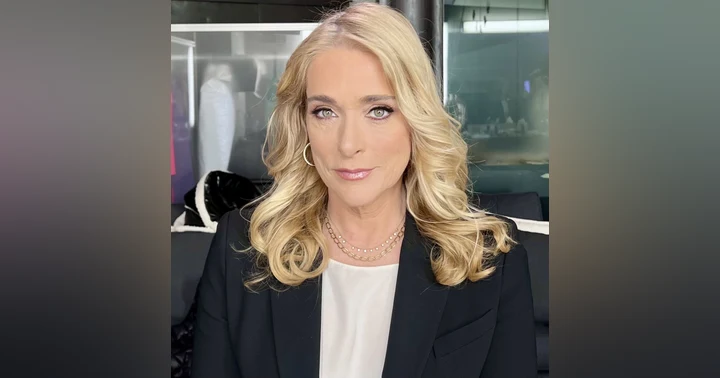
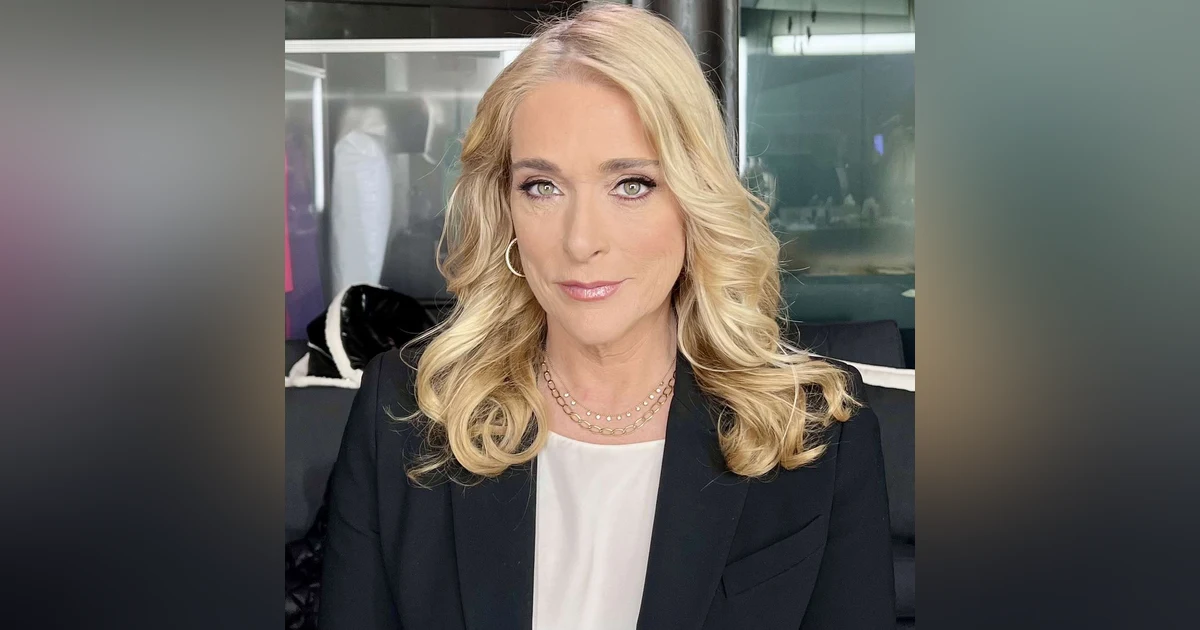
Ever wondered what it takes to thrive as a journalist in some of the world’s most dangerous regions? In this powerful first part of our conversation with Courtney Kealy—an accomplished journalist, Middle East correspondent, and media strategist—we explore her path from a creative upbringing to becoming a prominent voice in international reporting. Courtney shares how she navigated the complexities of covering global conflicts, including the emotional resilience, ethical decisions, and on-the-ground strategies she honed over years in volatile zones.
Tune in to gain:
- Insights on Resilience and Adaptability: Learn how Courtney’s experiences can inspire your own journey, particularly in high-pressure fields.
- Lessons in Navigating Ethical Challenges: Discover how Courtney balanced integrity and reality in reporting the truth.
- Career Strategies from the Frontlines: Uncover the skills and decisions that fueled her career progression in journalism.
This episode isn’t just a window into conflict reporting; it’s an exploration of building a career by facing fears, embracing risks, and standing by values. Join us for Part 1 of this inspiring journey, and stay tuned for Part 2 next week.
To discover more episodes or connect with us:
0:02 Hello and welcome to no Wrong Choices, the podcast that explores the career journeys of interesting and accomplished people in pursuit of great stories and actionable insights. I'm Larry Samuels and in just a moment I'll be joined by my co-hosts, tushar Saxena and Larry Shea. But before we kick off, we have a small favor to ask If you enjoy what we do, please take a moment to support us by following no Wrong Choices on your favorite podcast platform, such as Spotify, apple Podcasts or YouTube. We also ask that you connect with us on LinkedIn, facebook, instagram Threads and X, or by visiting our website at nowrongchoicescom. On our site, you can sign up for our subscriber list or explore our blog, which digs into each one of the episodes that we're putting forward.
0:49 Your support helps us keep bringing these great stories to light. Now let's get started. I will be setting things up, followed by Tushar Saxena doing a deeper introduction. Now joining no Wrong Choices is the journalist, tv anchor and media strategist, Courtney Kealey. Courtney's background is truly remarkable, highlighted by her time spent as a Middle East correspondent, reporting from the Capitol on January 6th, and experience on the ground in multiple war zones, while working for networks such as Fox and Al Jazeera. Courtney, thank you so much for joining us. Thank you so much, all right so, guys, full disclosure, as we have with many of our guests. I have known Courtney Kealey for more than a decade.
1:30 At this point we had the opportunity to work together when she was over at Fox. I was over at Fox and I was just a rookie essentially a rookie foreign editor at that point, and that was when we had real, for we had actual reporters out in in parts of the world. We had someone in the UK, someone in Russia, we had someone in the Far East, someone in Malaysia, and our Middle East reporter at that time was Courtney Kealey. And I'll tell you what you cannot have a better teacher on how to be a good foreign editor than to deal with a Courtney Kealey, because she she really gave me a great deal of insight into how to think about the politics of the world, especially the Middle East, and even to think in a broader scope of how that all kind of interacts with the US, how the US is also part of that world or part of the world in general, but especially how the politics of the Middle East really really kind of meld and gel with what goes on here in the US.
2:30 So, Courtney, once again, look, I could not have asked for a better teacher at that time and to have you join us for just a few minutes. It's such a pleasure, honestly. That's great. I have no idea what I said back then, but I'm glad it was helpful. I'll tell you what. It must have been very moving. I'll tell you what. Look, she could be very strict at times about, hey, this is really what's happening. Or she could be like, hey, maybe you should think a little bit differently here, et cetera. So, Courtney, tell us now what you're doing these days. Well, that's a big question. I'm watching a lot of media implode in a different way than I had predicted in 1999 or 87. So I feel like I've sort of gone through this trajectory over the last 25 years where the news is the same, the events are the same, the way you should cover them, ethically, clear-eyed, impeccably, forensically but the actual agencies have changed and how much you can put out there have changed and how much disinformation, misinformation is out there.
3:33 So, currently I'm not right in the field, I'm not doing anything particularly dangerous and I'm not on the presidential beat and I'm not on the Middle Eastern beat and I'm watching both, but particularly the Middle Eastern beat Hezbollah in southern Lebanon, hamas in Gaza, places where I started my career exact places and trying to figure out where I can be of service, and I'm at a loss right now of where do I help and how do I help? Um, and how do I help? Courtney, I get the fun part. I get to go back to your early life. Um, talk about growing up. I mean, was this always the dream?
4:13 I love that question. It always kind of nails it. Um, was this always what you wanted to do? I didn't really have anybody in my family. It was a journalist, so I didn't really I wasn't really informed about what it would be. My mom was an artist and my dad was on Wall Street, so I knew what I didn't want to be and I knew that I wanted to be creative and an artist somehow. Somehow my mom gave me that feeling like be creative and you should be creative. And then um, and then in high school it was writing and photography and um, I mean, one of my best friend's dads was on the local news and one of my best friend's other dads was on Z100 Stan Z Burns.
4:54 Oh, wow Going back to Stan Z Burns. A legendary station in New York for those who don't know. You know you make it in New York. When somebody's heard the back, they've heard your voice in the back of the cab on 1010. Totally. Oh that's like a certain peak and pinnacle. What's that? Pinnacle. Yeah, no, it's like it's the pinnacle. Like all those old wonderful radio sounds. And so when I saw my friend Jenny Burns, she told me years later. She said you peppered my dad with questions. He was so delighted None of us gave a toss and you were always asking about radio. So I had it in me without realizing it, thanks to Stan Z Burns, and it's really fun to listen to his old stuff.
5:41 So I was intrigued that he was on the radio. I was intrigued that my friend Sidney's dad, john Johnson, was on the news. And then my mom with all her creativity was like you can be an artist. So the first thing that I did was I became a photographer. I took myself very seriously in the middle of high school, the end of high school, and went to a liberal arts school. But they gave me a personalized letter that said you're welcome to be with me and Cameron. Oh, wow so. I was onto something. So where did this go? You were creative. You were a writer, photographer. That's the bug.
6:22 You're trying to figure things out. I noticed from your profile that you went to the Columbia Journalism School. Is that where you went to college as well? I went to Kenyon College. I left New York City. Just to put things in context, I'm of the generation of the preppy murderer. That was a big thing in New York, so you can trace my childhood from the blackout, son of sam the preppy killer. Um, preppy killer was a tabloid name for something that we knew that was friends to my brother, up until the point when he started stealing and my mom even said to my brother once why don't, why doesn't courtney date him? which we always say please, mom wow, you really have had bad taste in your whole life.
7:10 It's a very zeitgeisty, like latchkey child in the city. Our parents moved just to the city when people were fleeing to the suburbs. They were young, they were Catholic. Life changed, culture changed and when I was going into first grade my mom said we're moving to New York and my dad said we'll take a vote if you want to go. My brother, sean and I, 13 years apart, he said no, thank you, no way. And they said oh well, too bad, ben, who was a toddler? Ben votes, yes, that's not fair. And my dad said so early on. I was was like that's not fair. My dad said this isn't a democracy. And then we're like why did you let us vote? if our vote doesn't count, um, bring it right up to now. My father used to say that all the time, so I was like, why do that our?
7:54 vote didn't count. We moved to um new york, my mom, we moved to because you could. Then we moved to um 81st street and Fifth Avenue, across from the Metropolitan. Museum of Art. I took college off. Everybody was really precocious, you could go to clubs, really young, you could do anything, and I just said I'm out of here. So I went to. It was a matter of money too. I went to Kenyon'm out of here. I went to. It was a matter of money too. I went to Kenyon College, liberal arts Welcome to you, penn and Cameron Hand. It was like an incubator, just to get away from Manhattan, the East Coast.
8:34 I just needed time to get prepped from New York. City childhood. My son may be saying the same thing. One day We'll find out. Columbia came later, after I realized, after I tried to do it in my 20s and I got to freelancing for the New York Times photographer. But I wasn't. It was a real church and state separation between words and pictures. And the internet was coming down the pike and everyone was dialing up. And so when I went to Columbia, they were doing a new media workshop where I hand coded a website. The internet was coming down the pike and everyone was dialing up, and so when I went to Columbia, they were doing a new media workshop where I hand coded a website.
9:15 I learned how to integrate text, sound, video and stills into a website and the idea was that that's what we're going to do. So then, when did you make that move then, from behind the photo lens at that point? When did you say to yourself. Okay, I want to move to telling the story for others and go in front of the mic and just become that storyteller that you are. Well, it took a while, and I think this is fair to let people know. I mean, there was one thing I didn't want to have a dysfunctional life here, I was going straight towards journalism, what like. It's almost like watching a car about to crash. This is not going to be healthy. This is not.
9:55 I'm not making healthy. I mean no wrong choices, no healthy choice. Or you know, and um, and I just saw that um, photo journalism was going to be dying on the vine really quickly, along with newspapers, and that's what I learned at Columbia. So I went and I went. You had two choices Go straight to newspapers and try to make your way up that way or go through international and try to make your way up that way. Try to make your way up that way and so find a place in the world where they need stories and it's not overpopulated by foreign correspondents with big expense accounts. And so my boyfriend said I sent him off to a job fair for international students.
10:38 He was a science teacher. He called me back. He said I've got Cairo and Beirut on offer. What do you want? And I said Beirut. And he said I've got Cairo and Beirut offers on offer. What do you want? And I said Beirut, and he said why. And I said he just said why. And I said and this is the nineties, this is not post 9-11. I said they were all kidnapped. There's no competition there. I can, I can. Okay, that's a scary thing to say. I was like wow. I was like everyone got kidnapped, nobody returned, there's no competition. I could work there. Jeez, what a great opportunity.
11:18 The 10 year travel ban of Americans had been lifted and I applied for a job to teach from the head mistress and she hired me to teach journalism, photojournalism, journalism in newspaper and photography to the class at american community school and uh one english lit class, which I could do from kenyan. So I taught um a prayer for omeni, uh king lear and the great gatsby, while um learning more from the journalism students than they could learn from me because they were telling me about this area of occupation. They were telling me what their parents wouldn't speak of, what wasn't allowed in newspapers. You know, they're like great teachers I love teachers and so we were talking and so I learned in a year all about Beirut and the region in 10 months, while I was getting my sea legs, so to speak.
12:11 In June of 1999, netanyahu lost the election. Barak was coming in. He was coming in to take the Israeli soldiers, the IDF, out of southern Lebanon after 20 plus years. I was driving around Beirut. I was spending my time exploring the south and all the places they had, places where they would show this was a massacre site. This was a massacre site Nobody forgets in the Middle East, and my boyfriend at the time was going on trips to Eastern Europe by train with other friends. So that didn't really work out and I just kept going. And the night I turned in the books was the night Netanyahu bombed, which I call his FE farewell, because Hezbollah it was tit for tat, hezbollah would do this, hezbollah would do retaliation.
13:00 He could go back and forth and tell the retaliation until something unusual happened and then it would just really blow up. And this night he decided to just bomb electrical grids, bomb bridges, several civilians, some college students killed. Everyone called. That night I was at a CNN party with the only other foreign correspondents in town and and um and and locals, and I learned from them and, but I still wasn't on air. It wasn't until I went and started doing more for abc newscom that made it. I did more. I traveled to syria. I traveled john paul's trip to the Holy Land.
13:44 I traveled to Hafez al-Assad's funeral and at Hafez al-Assad's funeral Hafez al-Assad's funeral I got a call from some folks in London at ABC News at the time and they said would you like to go there? We like your writing. That always gets me. Tell me you like my writing. So were you writing at that point. I was writing for ABCUcom and. I was giving my photos because there wasn't enough bandwidth to do video. So I would go out and report. My reporting would get folded into the New York Times with foreign correspondents when I was in location and I was giving the information, the sots not the sots, but the interviews color, all of that that would get because nobody was in beirut.
14:26 It would get folded into uh, foreign correspondents was ever in town or who was ever in cairo and jerusalem leading this story? There was only one byline. It was foreign correspondent bylines, nobody else and court before you continue. For those who don't know, uh, Courtney's using a little bit of insider media lingo. Sots are essentially sound bites for for folks. So if you don't know, Courtney's using a little bit of insider media lingo SOTs are essentially sound bites for folks. That's for television. I didn't mean to say that I'd go out and do the interviews. I would take the photographs, I would gather up a lot of information, it used to be called. You would go out like a junior reporter, reporter and you would just do what they called legwork.
15:06 You'd like it and you go around and you get all this information and then the pro would fold it in and so I would give it to the person they'd fold it in. So I learned how to report from the best of them in the field, because I knew I could tell what they took and what they didn't take. Sure, my photograph, I knew I figured out what my photographs was going in and out. So I had a photo agency. I had foreign correspondents I was close with and I was also doing things for abcnewscom and they were kind of articles on the web. So when ABC News called me and said, london, hey, why don't you do a tape of us on TV, right? I was like, oh, I love that idea and secretly I've always wanted to do that.
15:48 I just never admitted to myself because I thought it was too much of a young feminist to get in front of a female, until they asked me. So I want to ask a question, just to kind of bring things together in my own mind right now, because I feel like we're running. And so you go to Beirut with your boyfriend who applies for a job, you head overseas and you're teaching at a school over there to get grounded within the community and you're learning your way around, you're learning the language, you're getting a better feeling for the history and everything else and ultimately, are you thinking about becoming a reporter the entire time else? And ultimately, are you thinking about becoming a reporter the entire time?
16:29 Because you talked about okay, so you saw that as an opportunity, so that was your goal, that was your objective when you went. I'm going to be a foreign correspondent. At this point it's crystallized. I've been building up to it throughout my 20s. I've got my master's so I can teach as a backup or if I want to be an academic. But I, I love the field. You know, I love being the field. I am not scared, I'm really comfortable in it. All these things I make me and and and I'm getting all this feedback from the foreign correspondents. You know they show up in jerusalem and I go courtney's here. There's going to be a war and and I was like, wait, what? Like I went to meet and go.
17:09 You were the war leader. I mean like my friends were the wait. What girls Like I show up and I'm like, wait, what I'm like? Oh right, I was in Southern Los Angeles all the time with like bombs going off and and like figuring out where Hezbollah was and going having a coffee with Hamas, because I was creating a beat for myself by going out and going to the southern suburbs and, um, and having coffee with Hamas and going to Hezbollah press office and meeting with them and going at Hezbollah press tour and taking photographs of fighters and and uh, and I had this great editor at babysnooscom who was like, keep writing, keep giving us this stuff.
17:50 It was very personal. So you were doing this for yourself to establish your chops, yeah, and then you got hired by ABC. Well, yeah, no, I was always figuring out the next step. I mean, this was you know, everyone acts like this. Is this cataclysmic time where everything is changing? We've been changing the whole time. The first time I photographed for the New York Times it was in black and white film and I'm not 155 years old. I mean. so how did I go from black and white film to a film bag that says the New York Times that you write on it used? To be shipped back in time, to then using one hour photos for the time reason you know, to get the negatives to feed it into a Nikon scanner.
18:36 To then having the ethics conversations about what it means when you have a digital camera From my boutique photo agency to being swallowed up to some behemoth called Getty all in five years. Wow, so it was like lily pad to lily pad, and the story is always everything. And my personal life, like how did an American woman who's almost six feet tall, who does not blend, end up walking through streets of Beirut hopping on planes to cairo, hopping on the palestinian airlines from ramon to gaza? You know, meeting peter jennings, meeting my heroes I've already met my photography heroes and I'm meeting my broadcast heroes and maybe it was a little the je ne sais quoi of new york which is I don't give a right, you know, right you'd be surprised how many people we speak to where that's the attitude, the, the, I don't give a fuck attitude.
19:31 I just didn't. I was like bring it, bring it, bring it, bring it like that's and that's just become you know my leg and so sure I guess, maybe proximity of like having these incredible, this incredible childhood, that was this literally the stuff of movies and imaginations and like a feedback loop. So then, of course, if I'm already having these adventures in my childhood, why not continue to go? Who was that journalist that you looked up to outside of when you were a child and obviously you had your friends and their fathers and they were your first, probably influences to see what this life was about. Who were your journalistic influences, whether they be men or women?
20:14 Who was it that you looked up to as those people who were in the field? All my heroes were photojournalists Magnum, documentary, black and white reportage going out covering the world, covering in-depth, documentary style, total, immersive photojournalism. And that's where I was taking all my workshops and putting all my work into my 20s and up until now, when we have an iPhone. I saw it very quickly After 9-11, all they wanted was for me to go out and get pictures of suicide bombers and I did because I had access. I did some exclusives.
20:55 I went to a Hamas anniversary. My photographs just started becoming this one-dimensional pictures of people dressed up as fake or, you know, fake suicide bombers. That's what they were going to do. And and getty wanted me to shoot like a wire service and my stuff got one-dimensional and my life in the air world wasn't one-dimensional. And so I moved. I was burnt out. I moved to jerusalem to pick up the radio string and do some television because I had said, do you want, want to be on TV? You could be a photographer and live in Jerusalem. I was really happy to be away from the pack, be away from the whole circus in Beirut, but I reluctantly went.
21:36 You know, I went to Jerusalem and I said, like, can I, can I do radio and television? And I did. And so I was freelance for them and I learned the craft by being on ABC News for two more years and I slowly stopped taking photographs and I moved and really committed, having my own reel to show people to look for the next job. And the next job was Baghdad and it was on television. Right, oh, wow, all right. So I guess then, the next portion of that question is now. You talked a moment ago about how you know you essentially were you know you're a tall woman who doesn't, who doesn't, blend in that part. It doesn't look like it doesn't look a person who's going to blend in that part of the world.
22:18 But you made yourself, you ingratiated yourself to the community around you, whether that be, you know, high ranking politicians, to just the locals, to even some of the some of the more militant groups that would be in the area. How did you do that? You know, at Columbia, for the core course that we started out with was, I want to say, reading and writing. But that's not it. I would have to choose a place in Queens and you'd have to report on it. I chose a place in Queens, like on the 7 train, where every single place you just I could go in a restaurant to, like Santeria Candles to Irish football, to, you know, daily football.
23:01 And I learned how to create a beat at school. And then I went out in Bay Root and was like, well, what did I do? And there needs to be somebody that can open the door and introduce me to the Hezbollah press office. There needs to be all of this. So I learned through figuring it out myself. I learned through visiting New York Times photographers. I was actually a fixer, even though I didn't know. I speak arabic, I knew maryland around, the story was there and I stayed and, um, you know that netanyahu bombing people started saying you're in the right place, don't? leave right, right right um. So I stopped teaching. I immediately went full on from egypt air in cairo.
23:43 When they took that Egypt Air from me down, that was the next big story after the Netanyahu bombing. I went on assignment through Syria the travel section for the New York Times. I did stories on all the beaches. I did Hezbollah stories. I did Hezbollah's pastoral. I went and met Hamas after the intelligence started to cover it, and so I would get assignments to go places. I would go on spec. Everything was about getting the experience and then, all of a sudden, my experience was very, very valuable for several years to everybody. That was on that story as well several years to everybody that was on that story as well.
24:25 So I'm hearing a lot of inquisitive. I mean, this is obviously what's driving you, is you want to find answers? I'm not hearing a lot of fear. I would just be like Beirut, Hamas. I mean you're talking about places that most people run away from Right. You're running towards the fire. Have you always run towards the fire? Yeah, from right, like you're running towards the fire. Have you always run towards the fire, you know? Um, I mean there's. There's one big thing my growing up in new york, you learn what the real story is. You really realize what's on the cover of the tablets, right? I want to tell the stories. I always love to tell the stories my family's storytellers and then I get to the Middle East and it's a blank slate.
25:10 And I'm walking through the streets and like people are as fascinated by me as I am them. 9-11 happens and everybody at home is like get out of there, come home. And I was like, well, the bomb happened at home, not here. And Lebanese people called me and said, are you okay? We know what it's like for our city or your city now, wow, while you're away, Wow, I was getting calls from everybody. The Palestinians were not the quick photographs that we'd run to Palestinian camps and photograph people celebrating a suicide bombing, because they were a year into being in Tevada. Those pictures were taken early and daylight and used and I wrote about it for Harvard Neiman Reports.
25:56 Back then they were overused in a loop on television to the point where my brother gets a call into me in Beirut and he's like why are they celebrating? They're just not and everybody's at home. People are checking on me making sure I'm okay. So I missed my family. I was terribly homesick. I was often lonely, but I wasn't scared because there were people stepping in just saying, hey, we know what it's like for you. We were, we had to. You know, we were in an arch, or that's not us. So Courtney Tushar earlier asked you about being in a town, in an area, and how do you get acclimated, how do you really immerse yourself in the community?
26:41 And I want to dig into that a little bit further. You've talked about Hamas, you've talked about Hezbollah. Can you earn their trust as a reporter? Like, how do you develop relationships? Do you develop relationships with people within those communities? Not necessarily because they'll switch out. Well, at least with Hezbollah I heard that they would switch out their public affairs officers if they got too friendly with reporters. There's a certain level of propaganda they're giving to you to manipulate you that you have to be on your toes about at all times. Are you nervous, are you concerned when you're engaging with these people?
27:24 Like, what's on your mind when you're having these conversations, if anything? Well, earlier I was worried, I was like more awkward, and then and then it turned into just really. I was so fed up. I was like you're going to give me this again, like when I went back in 2017, I went to the hospital officers, this young woman and she's like well, you know what we do. Well, you don't know, but we do this. And I said this young woman and she's like well, you know what we do? Well, you don't know, but we do this. And I said I was literally like sweetie, go look for the file. Right, right it off, open it, find me not asking a question about madina, jad and baghdad, like, come on now. I'm like, can we just, can we just acknowledge the fact that I, I know what you're selling and I'm not buying? let's talk about your time now in israel.
28:05 So you've gone from Beirut, you've gone from Lebanon to Israel. How long were you in Israel for? So I had been covering Israel and Jerusalem, the capital, and the Palestinian territories, including Gaza, since 1999. I moved there in 2003. That was when the target assassinations of Hamas were happening. That era was they took out Sheikh Hussain. They took out his successor. Sheikh Hussain was the. He was brought back in a prisoner's swap. He was a spiritual leader of Hamas. He was in a wheelchair. Helicopter gunship took him out with a missile when he was coming out of prayers in his wheelchair.
28:48 Gruesome, always gruesome. So I rode Arafat's horses. You know, this was when this was coming. I covered Arafat's funeral and I didn't cover Iraq. So I'd gone with all the circus. I'd gone to Amman waiting to go into Iraq for the fall of Iraq, the. You know that was the next big story. Could I get myself through Syria into Northern Iraq? I was talking to clients, could I get myself in? And finally I was sitting in Amman cooling my heels like everybody else, and their mother, like everybody, was sitting there. And I don't like crowds like that. I don't like crowds like that.
29:35 I don't. There's not. I mean um and I and I was offered a. I was offered a. I was offered a um photography assignment to cover the bird migration up through the dmv from um, which is like one of the militarized birds that migrate anyway. So I took that assignment in film with outside magazine and figured the world will wait if it's big enough. Um, I was really disgusted by the jingoistic idea that we're invading a country with flags on our chest and so um, and I also cried the night of the invasion because I knew from studying lebanon and beirut how complicated these places are with all of these different religions. Now it's still almost like as the kid do we really know what we're doing? Am I the kid in the room?
30:15 Like you know, new York, we're growing up and I was like this is, I'm already in tears. This is horrific what we're doing. I'm not in any way putting an American flag on. In fact I'm taking a break and I'm photographing creams for Outside Magazine. And then I went back and then I decided the opening was in Jerusalem. Some people got picked up by network. So there was a wide opening in radio, the radio streaming in Jerusalem, and the ABC Bureau was open again. It had been open in 2000. I didn't try for it, I took it this time. I was there for two years. I learned radio and television. I did things like the soccer team that became suicide bombers in West Spain, survivors of suicide bombs in Israeli hospitals, a lot of Gaza, a lot of Gaza.
31:07 I've always known a lot, a lot of Gaza. I've always known a lot of Gaza and I would also shoot. One time I was photographing the ceremony of horses that were supposed to be for a Palestinian state and I hopped on and rode one of the horses and everyone was like God, you rode one of Arafat's horses and I was like that were supposed to be for the state. They were at this you know ramshackle stable with a lot of holes in the plastic and everything from suicide bombing. The local kids got to write them, but it never came to fruition. And then I covered Arafat's funeral and then, and then you, arafat, was going off a cliff and I was like, why don't I do that next?
31:52 so in Israel, when you're there in Jerusalem, what was that life like? I mean, or, you know, covering, covering, you know, covering Israel during that time period with Arafat, and with Arafat, you know, still in power at that point, how much different was it from when you were in Beirut, from when you, you know, when you were cooling your heels in Jordan. What was that? I mean, you know, obviously you still there's still a certain amount of, you know, for lack of a better term that craziness, that kind of lives in that, in that region. But was it? How different was it from when it, from the other parts of the Middle East that you'd been in? Well, when I was in Beirut and other places, I was much more of quite the minority.
32:38 I didn't leave the American embassy. It was off. It was way off out of town and I'd been attacked too many times. So an American rocking around in a moped and going clubbing and then going to southern Lebanon for a war at my doorstep was quite something. But my friends were Lebanese and there were Lebanese expats who had come back, that maybe had lived there and then their parents moved back because this was a big time of Rafiki. He was the prime minister. He was a big time of proficuary. He was the prime minister. He was rebuilding things. I covered his election. He called me his lucky charm. I sat in the back of his car. He eventually got blown up a couple of years later, on Valentine's Day, and I was no longer in the back seat of his car.
33:21 Pardon me for laughing Cora, but it seems like everyone you seem to know who's a high-ranking person in the Middle East. One point or another in interactions with you gets blown up. Yeah, I mean, you get close to power, you get close to assassinations in the Middle East right. True Proximity of power is like proximity of danger. Once I got stuck in and this is a really quick aside, but it's a very good story I was reporting, doing the legwork for a very well-known foreign correspondent and I my trusty driver, and I was saying it was like my driver, my guru, my fixer, like he and I just were like this crack team. We always worked together. So went out into the baka valley if you think of lebanon, it's like sea mountains valley into the valley where a lot of training went on in the 80s and a lot of running guards and revolutionary guards and all that stuff.
34:09 And so there's a town called Babi Sheik where one of the Secretary Generals of Hezbollah, moussaoui, had gone to give a speech on their anniversary of the founding of Hezbollah. He was in a car with his wife and daughter. An Israeli helicopter came up, dropped a bomb on him and then they took the car and it's encased in glass as a shrine. And this was when Ehud Barak was in. Then Yahud Aridon was bombing and the idea was that and Hezbollah were just killing Israeli soldiers to continue to push them out, to continue to Ehud Barak and to withdraw, to continue to make the Israeli moms keep saying this is our Vietnam, we want out.
35:02 So stakes were high, people were getting killed, this is our Vietnam, we want out. So stakes were high, people were getting killed. And I went to hear Nasrallah speak on the anniversary of his predecessor's death and the anniversary of the inception of Hezbollah, by this shrine of a car and he did appear and then he disappeared and it was like where did he go? Oh, my god, he's here. And so it was almost like an apparition. He spoke, he left and we had this long drive back through the car, back to the foothills of the mountains and then over the mountains and into the sea and, uh, it started to snow because it was winter. And and Hussein goes to see why there's so much traffic, like all of a sudden there's this huge congestion and he goes out and he looks and he and he walks down like you do in a big traffic jam, and he comes back and sits in front of this driver.
35:56 So he looks straight ahead and he goes Courtney, do not look, but Nisrallah is driving the car next to us and I'm like no way. Oh my god wow oh my god. And then I'm like oh my god, get him away from me like yeah, exactly that's the last place you want to be take him out and I'd be collateral damage. I was like, oh my god, oh my god he's saying, and like this is what you do when you're nervous and scared if you want to, to know. You look into the mirror and you're like, okay, you say I'm not looking at you. Oh my God, get him out of here. What do you see? Okay, I'm not looking. All right, okay. And then all of a sudden there's like all this honking and I turn, and I turn, and there's a bunch of guys, cars, other cars with um kalishnikovs, you know, and you can tell by the curve and their bodyguards, and they start moving cars, moving cars, moving cars.
36:46 And there's one last road, that's like the last road to take the left before you go up into the mountains, and they somehow clear that last road and the car speeds away with misra and they speed off and like this then you know, hussein and I can start laughing until we realize we're gonna be driving through snow on the way home, you know. And so like, yeah, that's. That's like, oh my god, please get get him away from me. Oh my god, I was in the backseat of a rear-view car oh my god, I'm riding RFS you, you know horses. Oh my God, I'm walking away from a bombing the Palestine Hotel. I'm walking away from this and walking away from that. I've had a very, very charmed, charmed, very charmed career.
37:34 You sound like an adrenaline junkie that you loved being in the heart of it. No, there's no adrenaline, like no, it's just like come on, are you living your best life when you're doing that? Hell yeah. Like I just described to you, like that's insane. Yes. You know, and then not a lot happens. And there's one Lebanese bomber, right, you know the Middle East, no one up what they're going to tell you. And then you know what they're going to tell you in private, right. So I got to do the legwork for abc news, for the television network, because they need everyone on, and you know, and I go and I find this doctor that they've that's been interviewed by um their spiegel, a dentist in the baka, and he's got books on nanyahu and israel and civil war and blah, blah, like all the, the canon of you know the middle east.
38:22 And I don't have a camera, camera there. He's never gonna say it on camera. But I say to him like, okay, so you told me he got radicalized in germany. Here's a. He showed me this picture of him in short sleeves, the wedding, you know. But come on, like a lot of people say that they they didn't mind america's nose being bloody, they hoped america would maybe finally learn a lesson to stop engaging and funding places you know america made bombs going to, you know places that are bombing them. And this guy was like, in every single point of the I traced, I've traced nursery school to elementary, to high school it was like, oh, this is where the sabra shatila bombing was.
39:04 This was where this bombing was. This was this epic, horrible thing that happened. So his life and his schooling had been to like all these inflection points in the beirut civil war. And then he goes to germany and he's one of the hijackers. And so I say to the guy fine, you don't want flack that you guys ratified him or anyone ratified him. Clearly you know that's not what happened here, but can you just tell me between us, aren't you guys a little happy with what you did? And he goes oh, yes, the whole of the car is a great check, which is margaret thank you because there's what you feel, there's the anger, there's the, the grudges, there's the things you've endured.
39:52 Nothing comes from a vacuum, then. None of this comes from a vacuum, and you know, and yes, if we can look at the most horrific of things this year that have happened so far, yeah, it's Salah ad-Din wants his hot oil to, you know, pour over the Jerusalem walls again. It's not stuff that comes out of nowhere. It's horrific, but it always, and you know, and and so to that trust, that's where you get the juice, it's not adrenaline. My mom, my mom people were talking to my mother Like she had sent, like a grade school. Love you, girl. How? do you let? her go. What is she doing?
40:33 And finally my mom said look, she's not a stunt man, she's a journalist. Like enough with the adrenaline, I'm a journalist. Like enough with the adrenaline, I'm a journalist. This stuff was captivating. Right. But not welcoming, like okay, I can see why he became a hijacker in 9-11. That's pretty horrible. You know, those buildings are my backyard. It is personal. It's not an abstract city, it's my city. It's where I grew up. I went to Windows on the. Wall I had brownies in third grade. There I had dinner with family friends. My dad worked in that building. My uncle was on vacation that day. It wasn't abstract All right. So I'll still tell my story here and the idea of living your best life. So, courtney, the person that came in after you left Fox was a woman named Emily Wither.
41:18 Emily Wither, also an excellent, excellent journalist in her own right. She was assigned to the same beat that Emily had when she was in Jerusalem, in Israel, and she spent a lot of time in Gaza as well. So I'll tell this. One story is that this one weekend I was working there and she was in, I want to say, the West Bank, I think it was, and this was a time of another dust up between militants and the IDF, the Israeli Defense Force, and she's in this one area feeding me a report, giving me a report. And as she's giving me this report, you hear a rocket overhead. You hear it and then you know, a couple seconds later it blows, blows up.
41:58 She's looking up at this record. Oh, my god, I think there's a rocket, I think a rocket just went over. And then she hears it blow up and she's like, holy shit, that just blew up. And then, right after that, I was like I'm I'm actually yelling down the line to her emily, are you okay? She's like yes, I'm fine, I really love my job. That is the kind of journalist something. And I I understand why whya says you know, are you an adrenaline junkie? No, it's not that. That notion of telling the story as it happens in such a raw form and you know it is kind of, I mean, court, I have to ask. I mean, you know, I'm not going to say you're an adrenaline junkie, I think it's so wrong to say that. But is there a part of you that enjoys that being on that edge of danger?
42:43 Just a little bit? The competition, the being first, the calling it right, being there, experiencing history. Top Rear Square, I called it. I had to call it to our boss at Fox Radio and I said I need to be there and I show up, and all these other news organizations were showing up. I was pretty independent. I had a great relationship with my managers and it was like when I interviewed for the job, they were like you'll have the Middle East, afghanistan, pakistan, iran and all of Africa and I was like sign me up. And he had trained me at ABC News Radio in 2003.
43:23 He taught me how to go live and then, all of a sudden, I'm working for them. So there was a built in trust and in a relationship that had preceded the job and and also at this point I'm like it's going down and but you get the night before you know the story happens. You get there and you're all looking at each other and we were all in the local bar at the nato hilton having a beer, waiting to see what was going to happen the next day and all of our phones went out and we didn't really clock it like everyone's cell service stuff, like all right, well, I'll see you tomorrow. See you tomorrow. You know, weird, our comms went out and the next day, um, it started happening like they, you know the, the egyptian, um, police and military split up.
44:10 You know there were different wings and sort of almost different bosses. You can see it all went by. That night I was standing middle of an open area staring into tear gas, which is like staring into like a movie made cloud machine. You cannot see through it here, but you can hear, and I was hearing the grinding of gears of the tank and I knew there was nowhere to flatten myself up to and I didn't know where it was coming. And it burst through the tear gas with people on top of it going like this with flags, and it's the first tank into top of your square that it breached in.
44:50 And so first you're crying with relief because you're not getting run over. That's adrenaline, the relief of holy shit, it is to die like oh my god I'll love to see another day and I'm covering the most epic story of my lifetime, and you know. And then somebody walks up to me and says uh, and I'm just, I just have my notebook because our comms are off and the only way to tell the story is down my one landline. I somehow have the one landline in the whole hotel that hasn't been canceled yet. And so I go out and I record on my phone and these are not even you know, and we're not that good at it yet and this guy just puts his finger onto my notebook and he goes tonight you will write history.
45:37 That's why I do it. That concludes part one of our incredible conversation with Courtney Keeley. We'll continue with part two next week. On behalf of Tushar Saxena, larry Shea and me, larry Samuels, thank you again for joining this episode of no Wrong Choices. If, after listening, you've thought of someone who could be a great guest, please let us know by sending us a note via the contact page of our website at norongchoicescom. While there, please be sure to check out our blog and explore other great episodes while signing up to become a member of our community. You can also follow us on LinkedIn, facebook, instagram, youtube Threads and X. Tiktok is up and content has begun rolling out.
46:20 We'll be back with another episode next week. Before then, always remember there are no wrong choices on the road to success, only opportunities, because we learn from every experience.