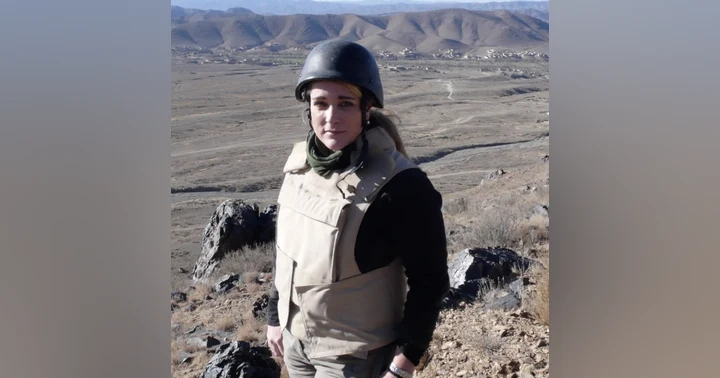
From the Middle East to the Capitol: Courtney Kealy on Journalism’s Frontlines (Part 2)
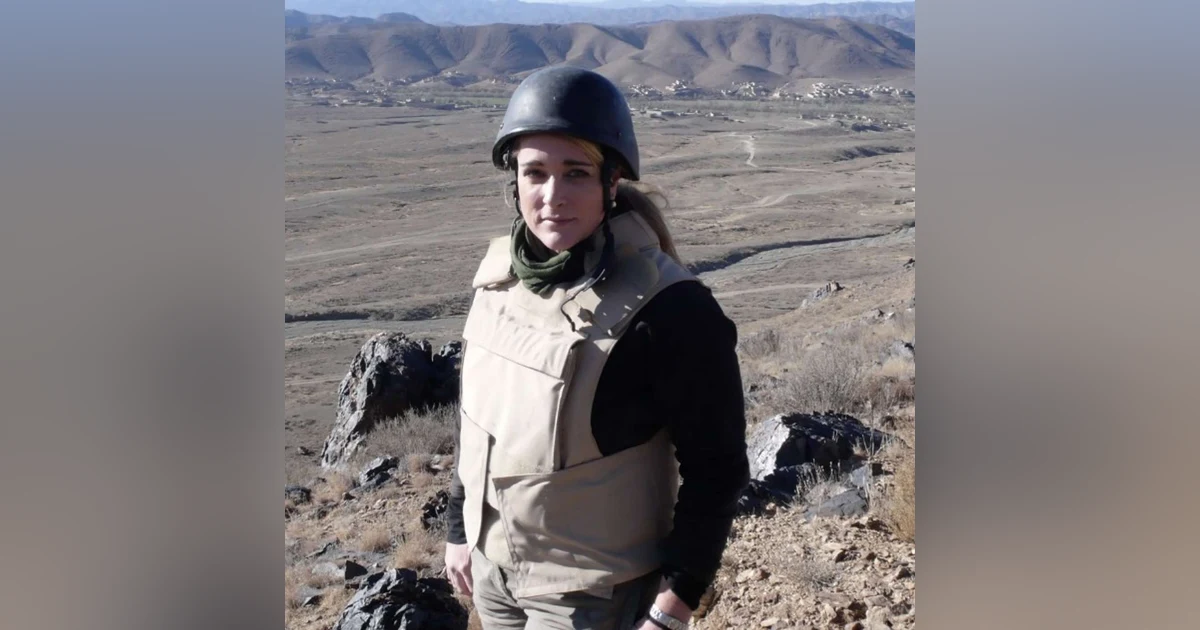


 Apple Podcasts

 Spotify

 Castro

 RSS Feed

 Youtube Music

 YouTube
What happens when a fearless journalist transitions from covering war zones to navigating the shifting dynamics of the U.S. media landscape? In Part 2 of our conversation with Courtney Kealy, we continue her remarkable story.
Courtney reflects on the personal and professional challenges that shaped her career, including her time overseas as a foreign correspondent and her decision to return home to face life-changing events. From reporting on global conflicts to being on the ground during the January 6th Capitol attack, Courtney shares unparalleled insights into the evolving role of journalism, the ethical dilemmas reporters face, and how she balances her passion for storytelling with her personal life.
In this episode, Courtney discusses:
- The changing media landscape and the role of foreign correspondents today.
- The personal impact of her decision to leave international reporting to care for family.
- How she continues to make a difference as a media analyst and mentor.
- What it takes to succeed in journalism and how the next generation can rise to the challenge.
Courtney’s journey is a testament to resilience, adaptability, and the power of using your voice for change. Whether you’re a journalism enthusiast or looking for inspiration from a career shaped by passion and perseverance, this episode offers lessons you won’t want to miss.
Tune in now to Part 2 of Courtney Kealy’s story on No Wrong Choices—available on all major podcast platforms and YouTube.
To discover more episodes or connect with us:
0:02 Hello and thank you for joining no Wrong Choices, the podcast that explores the career journeys of interesting and accomplished people in pursuit of great stories and actionable insights. I'm Larry Samuels, soon to be joined by my co-hosts, Tushar Saxena and Larry Shea, but before we kick off, I have a very important request to make. Please support the work we're doing by following no Wrong Choices on your favorite podcast platform, such as Apple, spotify and YouTube, and by giving us a good review. We also ask that you connect with us on LinkedIn, facebook, instagram Threads and X, and by visiting our website at norongchoices. com, where you can learn more about us and the show while signing up to become a member of our community.
0:45 Your support enables us to bring these great stories to light. Now let's get started. This episode is part two of our conversation with the foreign correspondent, journalist and media strategist, courtney Keeley. We'll pick things up with Tushar, asking Courtney about the role of foreign correspondents within the current media landscape. Like all foreign, like all foreign news, it kind of fights for a space in the American, in the US news landscape. What do you see as the fundamental role now, currently, of the foreign journalist and do you think foreign journalism in general is still as um?
1:28 Obviously it's necessary, but is it? Is it as important um, or is it seen as important in the us landscape as it once was? well, a lot of the reason I was living overseas was that, even though foreign correspondent was seen as valuable, it wasn't seen as something you could do your make your career on it. There were only a couple of seats at a couple of spots and even then they weren't going nearly as in depth as I was. So living overseas and like really inhaling the dirt and rolling around in it, I kind of feel like you have to do. There's now a trend like you don't understand the story unless you're Jewish or Muslim, unless your family is from these places, and more than I, you know, I'm all about that perspective too, because I think people are way too sidelined and it was way you know, and now we need to open it up for all the nuances that that brings as well.
2:24 I was trying to do it through my reporting, but every person is limited. So I think we've made great strides in inclusivity and people being able to tell their story from where they are, not parachuting somebody in. But I think there's real value to people that have developed a certain amount of skills that help them navigate literally navigate, navigate the maps, navigate the towns, navigate the people in a way where maybe you can go home and not be scared that your family is going to get killed and also not do that to the fixer, the people you're interviewing. You always have to be very, very careful with that. So I loved, I liked.
3:06 I don't like the mothership, I don't like the, I like certain bosses that are like all bosses. You know, if you give me a job to do and I just can do the job, that's great for me. If I can have some sense of community so I'm not lonely inside, that would be great. Some sense of a private life, because we all need that. It won't go insane great. It's like again, like really the basics of like what an office community or what a small town community would be. Or where do you find your public and your private, where do you find your recreation? You know, and so, and then a lot of it was also not wanting to be a casualty, but also learning as we developed what the pitfalls were. And you know I started a career that was all about hazing If you're tough enough, let's go to.
3:48 It's sort of like going to not hazing in some horrific way, but like are you tough enough, Can you do this. But there can be a problem. If you become manufactured on air talent in America, you might not have become a journalist first. Right. And I like the people to become journalists first and then figure out their voice and what they want to say on TV or in radio. You certainly did that. Meaning cutting, meaning cutting your chops as a journalist first. How long would you stay overseas? Uh I feel like you have to be on edge to a point like where you need breaks and you need to decompress a little bit.
4:36 How long would you stay in country at? any given structure. Say, three months in bay route, you need to get out. Um often I would get on an assignment like to go home. Like you know, it was lean and mean for several years, so it would be like once a year I get to the States. A month, two weeks, one, like you know, and I had all these little. I mean I was like the king, the queen of the hustle. Before the hustle, or the continuation of the hustle, I photographed weddings when I was in babysat to get through graduate school. So when a friend would get married I'd photograph their wedding, book them a ticket or I'd just go to photograph their wedding, I don't know.
5:18 So I still photograph my friends' weddings in the middle of homecoming parties. So you can work that in when you're overseas. Um, is there a social life like what? What type of life are you creating for yourself, if, if, if, any uh other than the? job when you're overseas it is really, really fun, because you feel totally righteous about working hard and putting hard and you feel like the first time in your life, like maybe you didn't want to hang out the frat parties when you were young because they just seemed kind of dumb and they were like yeah, we're all so crazy, we're in college, well try being crazy after you survive the suicide.
6:02 With a lot of people like you. You feel tougher, you don't need to swallow goldfish just for the point. You're like damn, that was crazy you know. So how many years did you spend um in in country so to speak um bay route. I stayed. I I've lived in for five years using that as a base and that was up and coming. Remember that was when they were rebuilding, that was when nightclubs were reopening, bars and restaurants, beach clubs. So you literally had a war and you could scuba dive and you could go back to a private beach club and watch all the women in bikinis and high heels peed around a funky town wearing so it's.
6:50 I mean, you know quite there was a lot of money coming in. This was before 2006,. Before the Israeli-Lebanon war, tourism was starting. It was all rebirthing. You know it was very much Phoenix from the ashes, but it was all rebirthing. You know it was very much Phoenix from the ashes, but it was more than that, because the Baywoodies have always figured out how, in times of the war to be, they're incredibly intoxicating, seductive people. They're just like let's dance on the table. Tomorrow we might not live, you know. So you dance on that table when was it? or what I mean mean? Look, obviously your time overseas sounds so super exciting for many folks here, and obviously now you're back here in the States.
7:32 So what was it that was? If you want to talk about it, what was it that, finally, was the driver to bring you back home? The worst experience of my lifetime, something that I've been trying to get over ever since and I think it's taken. It's like a whole other lesson in grief and tragedy. My brother died of a massive heart attack while I was on a plane flying back to Jerusalem after I'd been home on my own. His wife had terminal cancer. She my nephews were 12 and eight. She had suffered and battled cancer for nearly 12 years. It was 2011.
8:12 I was on the A game which got fair square in the desert of Libya. I was home watching the rebels take over Tripoli Gaddafi on the run. I figured that was where I was gonna push my editors to send me next really hard. I wanted to be on the way to Tripoli Gaddafi on the run. I figured that was where I was going to push my editors to send me next Really hard. I wanted to be on the way to Tripoli. I ended up in the suburbs my brother, my deceased brother's house, laden with food and cups of joe and coffee, because my person in the world, my favorite person, my best friend, my everything, had died in the worst kind of way in front of his children. He was dying. And that obviously you know you did the you did.
8:56 The greatest thing ever is that. You know, I know that after your brother passed, it wasn't that far, it wasn't that far. After that, your sister-in-law then passed as well and you did the most heroic thing ever, which was then take care of their kids. I mean, I've read an article where you said you don't consider yourself their mom, obviously because they had a great mom. They have, but their mom is still not with us. Yes, right, have a great mom. Exactly, you went to present. Correctly, they have a great mom. Exactly you went to present correct. They have a great mom and dad and they got. You know, they lost the most, more than anybody else. I just walked into the house and I looked at my younger nephew, declan, who's eight, and he said how long are you staying this time?
9:40 And I said I'm not leaving, I'm not going, I'm not going, I'm not leaving, I'm not going, I'm not doing a plane, I'm not leaving. And then you know it sucks. They're like okay, so when are you going back? I said I'm not and I was like, once again, the weight wet and I was like I'm not getting on a plane. My brother died of a heart attack while I was on a plane, nobody in my family is going to be okay with me on a plane and they're like, well, how did you get your stuff? And I was like my friends, will somebody's taking my dog and they'll send it back. But my stuff will get sent back. They're like well, what about your job? I was like I'm sorry, but you guys are going to have to figure that one out. There was nothing to find in my town. It was just like. This is just reality, right?
10:20 now Reality is just like yeah, it's like a boom just fell on my head. This is where we're at. We're not changing at all and my sister-in-law is terminal and there's no will, there's no life insurance. Everything happened in the way you look for it. The way you look for somebody to interview ticks all the boxes. I became the type of person that would tick all the boxes in terms of an American tragedy. So I was covering tragedy, I was in the funerals, I was covering funerals, I was covering the disasters, I was covering wars, and then I had a total fucking disaster in my hands and I was in the church.
11:04 I was covering wars and then I had a total fucking disaster in my hands and I was in the church. I was in the wait, I was in the funeral, I was holding my nephew back, I was tending to Harrison, I was watching my sister-in-law who was not well, and I was like and it's really interesting because the first really overwhelming feelings for the first couple of years were total humiliation of being at needy. It was like all the things in America that people didn't talk about, yet health care. The recession that's more of a depression took them out from this well-to-do suburb. She was the top real estate broker.
11:45 The recession hit the veteran communities of New York City hardest. She lost her real estate business all that income coming in. My brother switched to real estate to get back out of it, to healthcare. The treatments and everything were piling up. The house went underwater with this intercession. Everything happened to them. That was not their fault and I was like you know, I'm not going to sit around and like wonder why this happened to me. I'm just going to try to get us out of this mess and I know my brother and I know him. Like we didn't have to talk. People used to call us the silent twins, because sometimes you would just get really quiet.
12:27 And now there are times you'd be like super rowdy but I just I didn't, like nobody was going to. And this is like you know, keep it out. But nobody was going to get in. The fucking way, get the fuck out of here. Either with me. You're getting the fuck out of here either with me, or getting the fuck out of my life. And there are kids at stake and I don't give a shit what adults problems are having. I mean, I cared about my mom, I cared about my family, I cared about my sister-in-law and her friends, but it was protect those kids. Protect those kids as much as you possibly can from any more harm that is already following you. So now that you are back domestically reporting, how do you see the problems in the United States as compared to what you saw overseas?
13:16 Is there a comparison at all? We are much more naive in terms of recognizing what our real problems are and sometimes, when your problems are in front of you, it's easy to be distracted by the school Squirrel squirrel. We are so distracted by so many things in our lives that don't affect change or be good for the greater good, the greater community and people, and I think we've come to a tipping point where we realize it's like left our country and our communities in tatters and we're just learning how to try to tiptoe around it and regain our levels of communication and even just speaking to people unlike having a coffee and not talking about who you work for.
14:00 Right. Soft-stepping, to make sure that you're not in any way offending them. I mean, I'm in New York so it's very, very hard to talk about the Helmholtz massacre or anything that's ensued since then. That's a new one, and I hear Russian and it's like, oh, I have to be engaged in Ukraine. You don't want to put Russians on the spot who are in the States. You don't want to put Ukrainians on the spot who are watching a war continue. You don't want to put Arabs on the spot who are under attack. You don't want to put Arabs on the spot for being under attack. You don't want to put Israelis or Jewish people who feel under attack too. You don't feel like enough attention has been paid to the fact that that was the worst, the worst massacre or the worst thing that's happened to them collectively as a people since the Holocaust.
14:45 That's a fact and so it can stop. Just like everything, like you said arrows and bows and guns and everything coming at you and I each, you know it's like I covered the Middle East. It's coming back again. So my experience of like informing me and knowing Hamas, knowing Hezbollah, knowing the region, knowing Netanyahu, many of the players, I know what they've evolved into, I don't like anything, you know, but I also cover politics. I always say like, um, um, I have a, I have a. I have a high disregard for all politicians, like when you, if you're a journalist, you're not just invited to the dinner party, you're supposed to be the one not invited totally right, you're not doing your job unless you're a little bit hated, yeah you have to be hated.
15:31 Totally. Now we're kind of reviled, but if you're walking around in washington rubbing elbows, you're not doing your damn job, you know. And so there were choices to be made like, um, you know, jerusalem and washington are places to have families until they weren't, you know. And um, and yeah, so I wrote my family wave right into all of a sudden, going from Fox to Al Jazeera, america opened in-depth journalism, the way I wanted it with, with an expertise in the Middle East and geopolitics. Sign me up and that. And that experiment was a great experiment with talented people. And then it was over and we flooded the market to look for jobs, you know, and then TRT, which is out of Istanbul, came calling in their English language out of Istanbul, you know, and I'm like am I going to be influenced by Erdogan?
16:24 How am I going to live there? It was a big question mark and put food on the table and went back and forth and did some really incredible stories back into my old stomping grounds and then I realized that, um, I need to back my states for my nephews they're what you know, they're college and boarding school. At that point I couldn't cross commute for, you know, more than 17 months from istanbul, and so, um, I got myself to washington on premise of I know what crazy is. I've been at Saddam Hussein's death sentencing. I've been at Saddam Hussein's death sentencing. I've been at Yafis' or our festival. I've been to Tahrir when they want the war gone.
17:05 I've been in the deserts of Libya with Gaddafi on the run. What do these all have in? common that every despot and dictator do fail eventually. Maybe not under the watch, right? Hafez al-Assad died a minute, so why wouldn't Trump go down? So, instead of coming in with I know Washington and other people and we all worked on the Hill together when I was a young, this or that no, I was like I know what chaos is and I know what crazy is and I know what this town doesn't know. It's fucking crazy and things are mad. They're going to get worse. So when my pitch to those editors was why should I be in Washington?
17:47 Why should you transfer me back to an american contract? It's like you know, individual number one has now been named in the current with coming. Um, the midterms, with the year of the woman, just came through. You know, this was before where we raved me through um, the muller report's gonna come out. I need to. There, it's all going down and it's going to go down, and it's going to go down in waves. You never expected, Because if you try to predict what's going to happen, thinking of the Middle East, thinking of the Trump administration, you haven't been properly reached. So let's go into the unknown together.
18:27 Now the unfortunate thing is that you've seen it all happen before and you know what's coming down the pipe. So what? I didn't pitch for. I didn't pitch it COVID, I didn't pitch Black Lives Matter Plaza and I didn't pitch an insurrection, but I pitched for UZ. I mentioned it at the top of the show that you were in the Capitol and you were on the ground on January 6th. Who were you working for and can you tell us about that experience? So after Al Jazeera America closed. Trt came calling and I didn't think I'd ever go back overseas, because I have my nephews and I told them I won't go anywhere. And six years from the day I walked in, nearly six full years from the day I walked into my brother's house after he just died, my nephew saying when are you leaving?
19:13 Six years after that, the night before Harrison's high school graduation Declan was on a boarding school schedule at the time and I get a call from TRT World to assemble. Do you want to come here and work for us? Work for a show? And you'll do in-depth five-minute pieces. And so by the time, let's get back the most important point by the time we got to january, I was thoroughly spooked by what had happened. And I was so spooked that I told a friend of mine whose ex-husband is in government and it was in the government get your kids off social media, do not let them say anywhere they are like anywhere. And and I asked her after the insurrection, did you think I was going a little crazy?
19:54 And she said, yeah, I was like, I was trained by special forces, you know, british Paris in Baghdad, and I absorbed, you know, absorbed. It wasn't a lot of people resented having bodyguards and having to cover this military, but that became almost of mine, especially working for Fox and American Network. Um, it wasn't necessarily about black ops or or injustices or you know, it became more of like troop movements and what does the? Will the surge work? And who is General Petraeus? And what is this coin, you know? And they brought it to Afghanistan, you know it's. Maybe it to afghanistan, you know it was. Maybe it was too little, too late, maybe it was just not enough to affect enough change.
20:36 Um, but here I am, back in dc and saying I'll pick up my press passes to the spirit chief that I had. That was like just what do you want? I was like, um, let me cut, let me, yeah, let me be in the restful building the day that he's going to talk. Um, this january, this january 6th, um, so I am and this is this is also like from all the experience of being alone and figuring stuff out with hussein or the special forces like I'm thoroughly absorbing, you know, the hostile environment of driving down where there are T-walls and there are fences and they redirect to traffic and everything's locked down.
21:19 So you know, there's a visual element that's completely comparable to the green zone of Baghdad, comparable to the green zone of Baghdad. But then there's this total, um disconnect with reality. Because I walk up to a capital policeman that day and say that Monday and I'm like, hey, what is your plan for? Um, when Trump gives a speech? I'm trying to decide if I should be inside or outside. Just be fine out here. I'm like, okay, but no, you know um. And then juan, I say you know I? I say I want, I want juan as the cameraman. He knows I walked all over the summer, all over the.
22:01 I got on the subway underneath I walked through empty, empty, empty, covid, closed off um tunnels, all through the buildings. He knew his way around the tunnel, all the tunnels. And so I was like I need Juan, who's covered the White House and government for 20 years. He knows all the ways around because he knows the tunnels. So I have a cameraman who knows the tunnels. I've decided to stay inside. He's found us the spot. I've checked the Capitol Police. He's like it's going to be fine. I'm like I don't know. You know it's going to be a long day. We're going to need our, we're going to need our electricity. I'm going to need to be in this spot and and then I I'm driving up in an Uber early, so we get it the night before we.
22:48 We know the other. He's from Chile. He makes friends with the Portuguese guy. They're going to watch our stuff. We'll be back at it first thing in the morning, and so we're set up and I'm in that morning. My partner is a political reporter. He's from Columbus, ohio, not New. York. He's from all he knows flyover country. He's covered all the presidential elections. We're both journalists, but we complement each other in different ways. So I'd be like this is happening, he's like that's not going to happen. I'm like it is and it's like dude, this is happening, right, You're.
23:29 American to me right but it is sorry so um yeah, so I drive in. I remember seeing like a one of those axe throwing games it's not a game and there was a biden and pelosi and you could throw acts with their faces, and that was there, and I was looking at all the cars I was like, well, maybe, maybe they're having them parked by the title basins to get into virginia quickly, maybe this is how they're going to get the traffic out, maybe they're going to redirect it this way, maybe this is going to cut this way and this is going to cut this way and I, I get inside and you know, we start going live, and then it's it's midday and I'm up live with um, you know, with my earpiece, in right, like this, and they, they put Trump's speech into my ear so I can follow along live and they can cut in and out to me anytime and I'm listening to it.
24:21 And then at the very end she says, you know, you know, basically it says to people, let's go to the Capitol. Basically, it says to people, let's go to the Capitol and I text Jim, I was like he's coming here and he's like, no, he can't do that. Well, yeah, we find out from Patsy Hutchinson that he tried to take the wheel. But all because he did try to take the wheel. He did try to drive up to the Capitol and it felt like that. It was like, oh my God, it's coming. And then and Juan was getting food and I was like Juan, come back, because you know there's only you have to go down a tunnel to get a sandwich.
25:03 And I was like, come back, it's not safe, it's not safe. He swaggers up and all of a sudden his fear factor is that he starts swaggering. He's he's like not scared at all, so he goes. I survived pinnish and I said, juan, you want to survive this or do you want to be this, the sidebar? He survived pinnish, but he didn't survive the insurrection at the capitol. I was like that's gonna be the effing headline, juan, and he's like tranquilo courtney, and I'm like, okay, fine, I call me a crazy lady, but like I know my stuff and so and it was to rush to the window to see if they were coming into the building and then we went on lockdown and it didn't come into that building and it I wasn't where the gunfire was and you know, I was on lockdown.
25:44 I went live for the rest of the day covering everything as it broke. At first I thought it was smaller people. At first I thought it was a crowd that could be contained. They're saying it's not that many people. You know, I know how to report large crowds and I was like it's not on this side, it's not on that side. But as we saw footage, as we heard from people, right, there we realized what an absolute, total disaster it was, how dangerous it turned, how much of a riot it turned into um a lot of people I I do really truly believe a lot of people were there as supporters and were taking directions, but they were more like oh look where we got to.
26:25 This is strange, you know right um, whereas there were people that you know, the people we mourned about that did have the zip ties and the guns and we're gonna we're gonna try to take hostages and we're maybe gonna go after leaders, and Pelosi was in danger and the vice president was in danger and all those people were in danger. I don't think the average civilian was had gone there to to do bad um, I don't you you know, I'm not going to say that against Trump supporters or royals or people that really, truly believed when he said the election was stolen, but it was Despite the fact that it wasn't. Speaking for themselves, so that's just sort of like that.
27:07 Those the most dangerous stories are when the initial story happens and it's like the first 24 hours for generalists where you get really hurt, so yeah. So then I walked. It's like this crazy stuff happens. Like I was walking to finally go out around eight o'clock at night and there's these two guys that walk past me as I'm walking up to one of the entrances. There's like this dim light. Yeah, two guys that walk past me as I'm walking up to one of the entrances. There's like this dim light. Yeah, I watched no-transcript central casting detective raincoats walk past me and I was like where'd you get those? Like, and it looks like they're from a movie, you know, like they have the collars and they're sort of like a beige and they come to like mid-cab and you see them on cops at queens doing detective work, and like they're just walking past me with this like crazy light.
27:57 And because one room is down the hallway of the russell building is on, all these lights are out and I'm like where did you guys come from, you know? And then I walk outside and it's all of the riot police um the street, lamps hitting the, their helmets and their visors, and then past them is all the um, the DC cops and fire engines, and then there's Union Station and I'm like am I getting an Uber? And still, juan, to his credit, he was right he's like stop worrying, stop worrying, you'll be fine, you'll be fine. I was like I don't know. So we're walking out together and I order an Uber to see if I can get one.
28:38 And I look down, it says your driver, mohammed, is on his way. And I was like oh come to the law. If anyone knows how to get me out of this racist, dangerous spot, maybe Mohammed knows how to get out of it. I was going to say, like when you put in for your Uber what did it say that? your wait time will be seven hours, that's what. I was thinking too 35 years, because nobody of color is coming to this community to rescue you, yeah. Now it's like oh my. God Muhammad's coming. Oh okay, I'm super comfortable in the Middle East and I know how people had to deal with this, but this stuff, that's Washington crazy Nah.
29:21 So what is it like? Or have you ever taken a time I don't assume that at certain points in your life and certain points even now in your career, that you just take a step back and you say I've seen, I've seen history very, quite literally up close and personal. What is that like? It's wonderful, it's just wonderful. I mean talk about not living with regret. Right, you know I stepped up. You know, I was like my sister-in-law, james Taylor. It took me more than a decade to even listen to James Taylor. I was driving back to DC and it popped up on my Spotify and I thought I'm going to listen to this song and see if I can take it. You know, and it's the. I've seen fire and rain.
30:02 I was like, well, so have I, you know? So? So there's James Taylor. My nephew's an amazing musician. He's just starting what's going to be an incredible career. My younger nephew got caught up in COVID and he's 20. And so that generation is all the help they can get. I'm still trying to decide how I'm going to use my knowledge base to affect some kind of change or do some kind of good coming out of what's happening now in the Middle East, in the region, in not just Gaza and not just Israel and not just the hostages, but everyone involved, which is everyone. It's the Syrians and it's the Yemenis and it's the Lebanese and it's the Iraqis and it's the Iranians and it's the militant groups and it's the innocent civilians and it's the collective collateral damage.
30:50 It's so, you know, and it's what I've seen before. I've seen it. I've seen American bombs do terrible things before, and maybe this is is. I think this is another like for lack of a better word call it like a heaving or a break with reality, but it's also an inflection point of. We will look back at this time of when it all hit us um again and how we all reacted again and figure out how do we, how do we pick ourselves up after that? I learned how to do that in the Middle East by people that constantly had to pick themselves up after a terrible tragedy, where I learned it personally how to do it. Now it's just a really good life skill.
31:32 What are your current views on where the industry as a whole stands right now? We're a monopoly game. We're the pieces that are being sold and bartered and built on. I'm literally um, you know his parents sold today or tomorrow. No, it's not. They can live in. Cbs can live and breathe in its latest incarnation for the next 12 months. Maybe. Where's abc? What's happening at murdoch? What happened after Fox took a different turn? What's happening at radio? You know radio is not dead. Podcasting exists, but where you know. So what was AI going to do to everyone next? Like I'm not scared of AI, it's a tool to use, just like the internet was as well.
32:14 But you have to learn the tool to continue to use them. But they still come down to reading, writing, arithmetic, Like it always does. If you can't string a sentence together, you can't string a paragraph together. If you can't string a paragraph, you can't make a point, If you can't bring in information after that. So, whether you're writing a school article, whether you're writing a newspaper article, whether you're telling a story in film old-fashioned film, in digital, in a podcast, where's your beginning, middle and end? Where's your narrative art? And it comes back to life. It comes back to why I'm glad I took a long term through literature and I understood that Plato's Republic, that poets were going to be inheriting the information to dispense it to the people, because they later didn't believe that people could deal with it unfiltered and it needed to be packaged and put out there so they could digest it.
33:12 And what now is? It's just this fire hose of everything. And we need to. We need to figure out new ways to um, have great storytellers and truth sayers and people who speak power to justice, earn a living, take care of their children and their families and themselves and do really hard work, and there's nothing to sustain people right now beyond the well you could find. One person, maybe stay under this banner of this new organization. I've worked for the Grey Lady. I've worked for Mickey Mouse. I've worked for Murdoch. I've worked for the Emir.
33:53 I've worked for Erdogan. If you're callous and you put it that way, it looks like I'm shilling for some pretty nasty people. Abc wasn't owned by Mickey Mouse when I first started. Murdoch wasn't a big player in the US. The. Emir certainly wasn't a player. Qatar, you know, people weren't going to Saudi for work as they are now. What's wrong with our economy that we can't stand up for human rights and not go to Saudi for work? We're all being driven to it. And then where do you find the ways where you're like okay, I work for this organization, but it's the same work I've always done and I'm going to look at who my audience is and I'm going to serve them up to the way I serve them every time.
34:34 So my reporting hasn't changed. So now I just call them overlords, right, because we're now at the big man behind the curtain with that microphone, as scared as you are. And news was never supposed to be a Wall Street commodity. It was not supposed to be arbitrage, it was not supposed to be hostile takeovers, it was not supposed to be this. And we have people you know starting out up to their 80s, but don't know how to write this, how to get it back on track. And so we all know it's storytelling, we know it's voice, we know it's integrity, we know it's ethics and we know that there's a whole multimedia way to tell it how are you going to pay your rent, how you can take care of kids and um, and some of the choices are I took a pair of my kids, my guys, my brother and his wife's shauna caris kids by staying nearby.
35:38 But when I stayed at home, like I left the Middle East to cover Newtown, to cover the Boston bombings, to cover the UN, the day Sergei Lavrov was speaking, we realized Russia really had some different ideas and did not care a toss. While they were moving military bases into Syria, while they were being hosted at the UNGA and he was speaking in real time. And those Russian military bases which empowered the siege of Aleppo, which is when I helped people fundraise for military equipment in Ukraine I knew that they go, they talk with the doctors, because the Russian military helped the Syrian regime to have their doctors.
36:22 So the more because the Russian military helped the Syrian regime to have their doctors. So the more you learn about war and the more you learn about the tactics they use, the more you realize when they're going to use them other places. So where does this knowledge base come from? We know that Biden was going to fall back into a very old-fashioned perspective of pro-Israel and at a time. I mean those first few days were just horrific. And there's still hostages. Like how do you thread that needle? He was never good in the Middle East, I'm sorry. So you know you're expecting a president to be able to deal with something that was never on his table and he kept kept off his table for a reason until it fell, crashed through the ceiling of his living room at the White House.
37:10 So all of this is like when people say, well, I'm not going to vote because I don't believe what he's done with the Palestinians are okay. Well, have you never heard that a second term president actually has the wherewithal of not having to worry about re-election? They can go and knock heads together in the middle east as an american power broker or not, or realize that we just are wrong, or maybe we are as right as, as righteous as we always have been in terms of the state of israel. Like, choose your battles, but in the second term you can actually speak, as opposed to like swallowing your words because you're not worried about complaining. So our country now you go to election. Election happens before they even take power. The next cycle is beginning to slow down the process.
37:55 We don't make journalism nonprofit, journalism nonprofit, you know. And don't put it on our shoulders to try to be business people, because if we were business people we'd have a house in the Hamptons right now and we'd never become journalists. I'm not an idiot. I grew up in New York. I've seen incredible wealth, if I could have. You know, I didn't go out to accumulate that. I didn't. You know it was there. I didn't. You know it was there, I didn't. I said no, I'm good Like, I believe in something else. Other people went to Wall Street. So, with that in mind, if you were talking to the 23-year-old version of you right now, who has that fire, who has that desire, who wants to get into this field, how would you advise them to go forward and how would you advise them to stand out and to really well, I have a really good map with this age because I feel like they're really I'm a gen x, they're gen z and everyone before us, after us, in between us, can all fuck off like that's how they feel and that's how I feel, come on, guys, like I said to the boy, like it's, it's us.
39:07 You know you got fucked over, we got fucked over. Have you seen reality bites? You know, like um got out of college, you know then, whenever I was buying their first house, there was a session. I killed my brother. Recession went to the middle east, like you know, and um, so what? I didn't go to ukraine because I wasn't going to put myself into that situation, for harrison or defton especially, you know. I just knew that. I knew that. I know the way, the way the russians operate. I didn't want to be, I didn't want to get killed, I didn't, um, feel like it'd be healthy for my family to go or for me, but but I helped two young men that had crowdsourced $5,000 to get phones or diapers at the border.
39:50 They didn't know what to do. Next, they were roommates at Cornell. One was Ukrainian-American, one was American. The one who's Ukrainian-American had spent his summers in kharkiv with his grandfather. He spoke the combination of ukrainian, russian and the dialects, everything. And um, all of a sudden, instead of five thousand dollars, he had seventy thousand dollars, because people were all. And that's when I came in and I was like what do you want to do? And they're like uh, not diapers. I was like well, what do you want to do? And they're like and Mark was like can I just tell you I'm talking word vomit, as the kids say these days, can I have word vomit? And I was like do it?
40:32 And he said I'm talking to doctors and nurses and they need protective gear and they and they don't want to worry about formula and diapers, they want to know how to protect themselves while they fight and while they take care of their wounded. And I said right, so you're not trying to raise bullets, are you? And he's like, no, we're not doing that. But I said Russian playbook, they need flak jackets, they need helmets, they're going to come under fire and they're going to be attacked, sure. And then what I said to them is is you need to buckle up, because you're like, and this thing I said this might sound crazy to you, but only like a guy who's 23 year old could probably find, probably follow my advice, because everyone else would be like wait, like you know, tone it down or pump the brakes.
41:21 Lady you know, but it's like you want me to show you how it's done. You're going to listen to me. Are we not going to say please or thank you? I'm going to write something up for you in a paragraph right now yeah, we're doing it. Okay, let's do it right now. We did, and they, they started their final receipt. They changed their lives. They did incredible things, but it was from the belief of, like, I know how to do this and you're going to. I'm not going to do it for you because I can't, but I'm absolutely going to tell you at 23 is the time to do it, and so I'm not going to say plastics is your future, but I'm also not going to tell you to go earn a living or pay off your student loans.
42:05 Like I don't want to spend years in poverty. I do believe the youngest generation right now is coming in, as most change is happening, so they're the ones that can spend their 20s hustling and watching this all shape up. So on that happy note Court, rally the troops, rally the troops. Somebody tell a joke Stay the course and watching this all show. So on that happy note, court um, rally the troops rally. The troops stay the course. Gen Z is going to, I'm going to. I'm going to give all my time free time to Gen Z. I'm training two young folks for free to have me on television. So when I just say media strategy, it's about more like um, yeah, it's about more like yeah, I don't cure cancer for a living.
42:45 If you want me to give you all the soft and hard skills about how to go live, I'll do that. How to speak publicly, I'll do that. How to translate tough topics, I'll do that If that's what earns me a living while I continue to push forth with the Calvary to save journalism. And so we'll do that. So that was a remarkable conversation with such a brave and impressive woman. Tushar, thank you so much for introducing us to her. My pleasure, guys. And you just got a small taste of what I experienced for years over at Fox working with her.
43:26 Um, you know the. It was such a pleasure to learn from her, more than anything else. Um, I learned my job, how to do my job better, because of her she. She, you know, pushed me to think in a more global aspect, which I think is a lot of what that job entails. Right, she obviously her, her bones is as a foreign correspondent, but she is a journalist in the proper sense of the word, where she is a seeker of the truth and is someone who wants to speak truth to power. Some of the things she touched upon, which is you have to have a bit of an adventurous spirit when you're younger to do this kind of a job, and it was amazing to hear how so much of her upbringing was able to translate into her job.
44:11 We talk about the idea of what's it like to be a New Yorker, and sometimes you have to have that attitude of a New Yorker to do the job anywhere in the world. You've got to have that bit of a you-don't-give-a-damn kind of attitude to what anyone thinks anywhere in the world. Right, you got to have that bit of a. You don't give a damn kind of attitude to what anyone thinks, and you know that has really been like the hallmark of her career, where she has asked tough questions to difficult people and has found herself in situations sometimes which could be dangerous for many of us. Many of us would run away from that situation I think, Shay you said it a couple of times where you would be in a situation where she's, like you know, essentially sitting next to one of the most uh wanted men in the world in a car next to him, and you realize that this car has stopped next to you.
44:52 You are now a target just as much as this guy is that's crazy yeah. So I mean, you know her career path is one that so many of us would would absolutely, you know, kill for, and she's done it with such grace. She's one of the best. I mean I'm privileged to call her my friend is really what I'm trying to say, because Courtney Keeley is one of the best journalists that I know. Yeah, there's a real toughness to her as well. Right Like you know, just tough as nails. Gritty tough, I did it my way to her as well. Right, like you know, just gritty tough, I did it my way. You know, take no prisoners. I love how she said like you said, t do it when you're young because you need that vibrancy of like you know, I don't care attitude. Basically, some of the things I took away from that remarkable conversation.
45:36 I don't know, was it a bit of a bleak outlook on the future of journalism? I think we all have that kind of attitude about hey, what does journalism as a whole, as an industry, mean in this current day and age? Because it's not like it used to be right. The newsrooms are smaller, the amount of staff is smaller, which means that you can't cover as much, which means stories fall through the cracks. So, yeah, there's a certain amount of what do we do next and how do we continue to cover the world in a proper manner. Yeah, I mean. And if you want to look at the optimistic side of it, she said you know, use your voice and writing for the force of good. You know like we need people out there. You know, journalism is finding the expert who really knows what's going on.
46:19 So this is an adventurous career, a remarkable career, but you got to have a thick skin, I think, and you got to be a little bit tough. And she actually said you're not doing your job unless you're a little hated, like that's a tough gig right there, you know, but do it while you're young and hustle and it could be very rewarding, I'm sure. This is probably one of the few jobs where you go out and you say to someone you know what, not everyone likes me and that's a good thing, right, it's true. You know and I find it compelling that you know she's at a point in her life now where she's able to sort of you know how we talk about no wrong choices, where you learn from every experience. She's able to pull so much wisdom and so much experience forward to help others at this point as a media consultant and media analyst and whatnot.
47:08 So she's really had a 360 type of career where she jumped in, she accomplished everything she was chasing after, and now she's found ways to leverage all of that and to continue to reinvent herself and to stay relevant and ahead of the curve and to really make a difference within the industry. So I just find her story and her approach and her background to be truly remarkable. So with that, courtney, thank you so much for joining us. Courtney, thank you so much for joining us. On behalf of Tushar Saxena, larry Shea and me, larry Samuels, thank you again for joining this episode of no Wrong Choices. If, after listening, you've thought of someone who could be a great guest, please let us know by sending us a note via the contact page of our website at norongchoicescom.
47:57 While there, please be sure to check out our blog and explore other great episodes while signing up to become a member of our community. You can also follow us on LinkedIn, facebook, instagram, youtube Threads and X. Tiktok is up and content has begun rolling out. We'll be back with another episode next week. Before then, always remember there are no wrong choices on the road to success, only opportunities, because we learn from every experience.