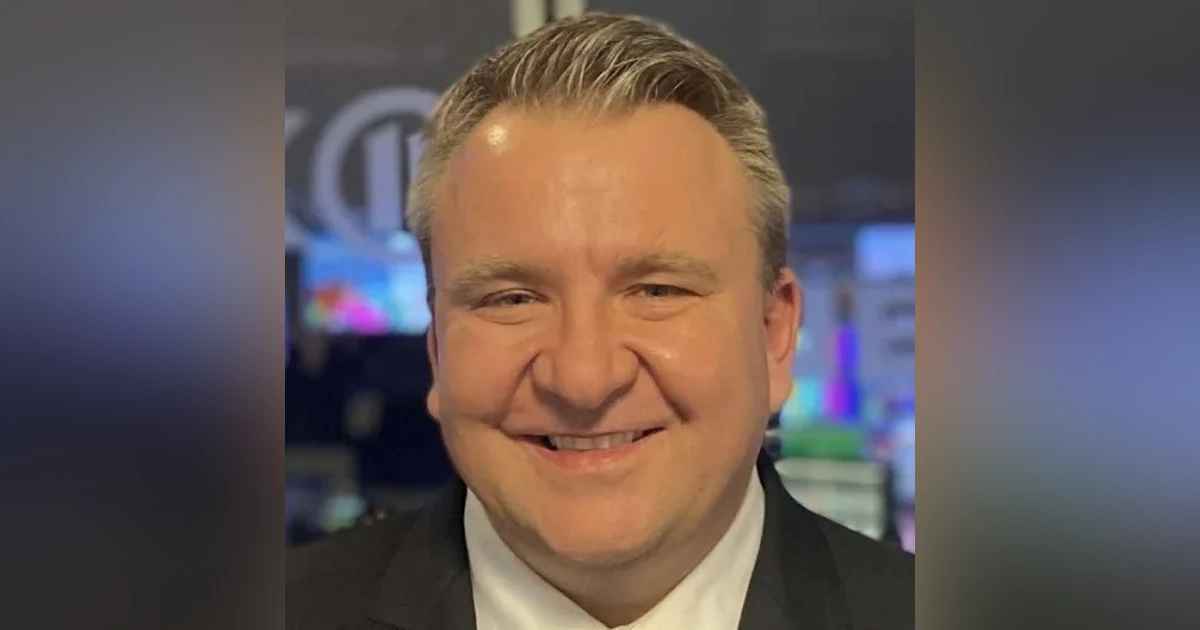
From Fan to The Fan (WFAN) with Broadcaster Marc Malusis

 Apple Podcasts
 Spotify
 Castro
 RSS Feed
 Youtube Music
 Determination and focus define the career journey of New York Sports personality Marc Malusis. Marc’s quest towards the New York airwaves began as a teenager and never veered off course – taking him through the broadcaster breeding ground of Syracuse University, countless internships and small stations until he landed a spot working with the best in the business: Mike and The Mad Dog at WFAN in New York. Nothing was the same after that. Marc shares the story of his career journey - from radio to TV - on No Wrong Choices. Marc is the lead sports anchor for WPIX-TV in New York City.
To discover more episodes or connect with us:
Hello and welcome to No Wrong Choices, a podcast about the adventures of life that explores the career journeys of successful and fascinating people. I'm Larry Samuels, soon to be joined by the other fellas Touchar Saxena and Larry Shea. If you're enjoying our show, please be sure to follow us on your favorite podcasting platform, look for us on social media by searching for No Wrong Choices, or visit our website at NorongChoices.com to learn more about us, our history, and to check out bonus content. This episode features New York sports personality Mark Malocis, who was on WFAN Radio in New York for years and can currently be seen on WPIX TV out of New York. Tushar, you guys have been friends forever. You work together, so you are the perfect person to set up this conversation.
Tushar SaxenaYeah, I've known Moose since uh he was an intern over at FAN. So I've can called him a friend for going on almost 30 years at this point. And I've had the opportunity to see him really grow as a broadcaster. Um and I know you guys enjoy hearing the old stories about uh, you know, FAN, the behind the scenes kind of speak, uh, from you know FAN in the in the old days, the 90s, the early 2000s. Um, and you know, obviously I had a front row seat to a lot of that time, and so did he. And, you know, it's uh it's a lot of fun to talk to reminisce about the old days with one of my good friends, and Moose is definitely one of those guys. And, you know, there are very few there, I'm not gonna say there are very few people I say are really, really good guys in the industry, but when you talk about the really solid people within this industry, Mark Melusis is right at the top of the list. He is definitely one of those people, and I'm gonna tell you, you're gonna have a lot of fun. He's really funny, he's really personable. Uh Moose is one of my best friends, and there's a reason for that. You'll hear why.
Larry SheaYeah, I was a Mike and the Mad Dog religious follower, I guess you would say. I mean, I was in the music business at the time, and I remember I I would listen to the show every single day, but but my my game changed when they went to Simulcast when Yes Network started and they picked up the video feed of Mike and the Mad Dog. And I would see Moose in the control room, and so I think that's the first time I had really kind of heard of Mark Melusis. I probably heard about him on the radio show because I know they used to bust his chops pretty good on the show and like call him out and so forth. So I'm excited to hear about FAN days and and how he how he got started, how he got to where he is now. I'm sure it's gonna be an amazing, amazing story.
Larry SamuelsYeah, and and for me, and I've always wondered why Syracuse University, which is uh where Mark went to school, why is it so special? So I can't wait to uh to dig into that and and get the inside scoop. So with that, here is Mark Melusis. Now joining No Wrong Choices is the Sports Anchor Show host and reporter Mark Melusis of WPIX TV in New York. Mark, thank you so much for joining us today. Larry's two char, what's going on, boys?
Tushar SaxenaHow are you guys doing? Hey, Moose, uh, full disclosure to everybody out there. This is another one of my longtime friends. I got to know Moose uh when he was an intern back in our WFAN days from a what seems to be a million years ago. Summer of '98. Summer of '80. I I knew it was before the turn of the century, but now you're dating us. Like you wouldn't believe.
SPEAKER_05That was it.
Tushar SaxenaUh Moose, so you've been, I guess what, at PAX now for just a little over a year at this point, right?
SPEAKER_02Yeah, it's uh it's uh I think a year ago last week.
Tushar SaxenaSo what has the transition been? How has the transition been from a guy who's been behind the mic to in front of the camera at this point?
SPEAKER_02Uh it's been great. I mean, it it really has been. I I think uh, first off, you know, my the news director, Nicole, has been great. My sports director, Todd Ehrlich, has been fantastic. They've been really supportive. Uh you know, it was uh a case crawl before you walk, walk before you run. You know, they didn't throw me into the deep end of the pool. The other anchors that were there, Joe Masari and Justin Walters, uh supportive as well. Uh, you know, my I I knew Gerard Musi uh from my days over at SNY. So it's been it's been a good transition. It's it's it's different than comparatively than doing uh a radio show five days a week or the history that I have of of doing radio here in New York. But I I think I gained and got a lot of valuable experience with with working for SNY for the span of you know 14, 15 plus years that I did, uh, which I think uh enabled me where I was able to anchor some shows there, gain some valuable experience and the comfortability on the camera to where I was able to kind of hit the ground running when given the opportunity. But it's been an absolute blast, a big time learning experience the last year.
Tushar SaxenaAll right, so one of the names you just mentioned, your sports director, Todd Ehrlich, uh you want to talk about going full circle and this being a small, being a large business in the small business at the same time. Todd Ehrlich was my mentor, is one of my mentors. Actually, when I started when I got into the business, first interning, I interned at eyewitness news ABWABC here in New York. Todd Ehrlich was my was was the the guy who taught me, got me into the business. And look at that. There you go. So it come full circle. So Tod Ehrlich and Larry Shea, those are your mentors, correct? Do I have that right? Well, maybe not Larry Shea, but uh Wow. But definitely Todd Ehrlich. So it's uh you know, mentors need mentors.
Larry SheaPersonal right now. It's personal. Um hey, Moose, take us back to the beginning. This is Larry Shea here. Um take us back to the beginning. Uh were you a sports fan as a kid? I want to know. There's a vicious rumor that you were a mean bowler, from what I hear. I want you to tell that story. But take me all the way back to the beginning. Was this always the dream? Is this what you wanted to do?
SPEAKER_02Yeah, I was a huge sports fan. Uh, I I loved I loved watching it. I watched everything, um, whether it be whether it be bowling, whether it be golf, whether it be the NCAA tournament, college basketball. You know, I I remember my the first Super Bowl I remember is uh the Washington, Miami game was at 83, I believe it was. Um that was the the first Super Bowl I remember, and then I fell in love with John Riggins after that game, obviously, and became a Washington fan. Uh the first college basketball game I remember, I was watching uh Georgetown St. John's at uh well now it's called Carniseca Arena, but you know, with Mullen and Walter Berry for St. John's and and uh Patrick Ewing for Georgetown. So I I was a huge I was a huge sports fan. I I couldn't I couldn't watch enough. Um, you know, I on my 13-inch black and white TV in my room in Blood Velt, New York, watching NBA playoffs late at night uh when they were on. Um it was uh watching the Knicks on Channel 9, the Rangers used to be on Channel 9 at times. Uh yeah, so I I couldn't get enough. This is really what I wanted to do growing up is I I wanted to be I was a huge fan of WFAN. I wanted to be on the air at WFAN, I wanted to work in New York, I didn't want to go anywhere else uh in the country, and and I wanted to do something involved with being able to be an opinion maker, as they call it now, uh a content provider, whatever in however way you look at it. I wanted to be an opinion maker and and be able to kind of uh talk about sports and give my opinions on sports. And I I really it's something I talked about when I was at St. Catharines Elementary School in Bloorville, New York. It's something that I really wanted to do when I was really young, you know, sixth, seventh, and eighth grade. Uh this was the goal, this was the dream, and uh I wasn't athletically gifted enough to go out there and play. That's why I bowled, uh played a little bit of baseball, I was pretty good at baseball growing up. Uh not great, but I was pretty good. Uh but uh yeah, this was always a lifelong dream.
Larry SamuelsSo how did you how did you focus that passion? What steps did you take to make uh to make the dream a reality?
SPEAKER_02I mean, it was a lot of hard work. I mean, uh as you guys can attest, I mean, to to kind of strive in this industry, and everything's changed now because there's so many with social media and um with uh with podcasts, obviously, um, and with the the gambling companies, there's so many more avenues now to make a living in this industry. But when I was growing up, it was either really terrestrial radio or it was you know TV or cable TV or a regional sports network, right? Those were the opportunities that you were looking at uh when I was growing up. So how'd I make it a reality? You know, I I went to Don Bosco Prep in Ramsey, New Jersey. It wasn't like I was part of any kind of broadcasting community there, uh, you know, got through school, uh, you know, had a good time with it, enjoyed my time there, but went to Syracuse University and eventually it got in. I was a VPA major, speech communication, which was more theory, political speech writing, public speaking. I wasn't part of New House, and I wasn't just centrally focused on that, but was able to work at WAER, was able to work at uh Z89, WJPZ, uh did a little women's college basketball play-by-play there, but um made sure that I was was able to do some talk shows at WAER, do some talk shows at WJPZ and some post-game shows and and started to branch off from there. And and then in in the middle of years of college, I I did a number of different internships. I interned at WFAN as Tushar was there. I interned at MTV, I interned at WABC. Um my family was extremely supportive uh in helping me and and helping me branch out. My dad is my best friend of my life, and uh and was able to kind of a team effort to make this dream a reality.
Larry SamuelsThat's incredible. Yeah, Mark, take me back to if you would. I know that you weren't in New House, but you know, we we all know the legend of Syracuse University with the number of broadcasters that have come out of there, from Bob Costas to to Marvel Albert, Ion Eagle, and so many others. Um, you know, I've always been very curious, you know, what makes that university so unique and so special when it comes to to trending these talents, including yourself?
SPEAKER_02Well, it's uh it number one is the opportunities that it provides, the the doors that it opens, the relationships that you're able to create, the network you're able to build upon. Uh when you enter the this marketplace and I don't know if it's the same now as it was then. It probably still is. I mean, you know, I'm in my mid-40s now, so it's conceivably different than somebody just coming out of Syracuse now that's 21 or 22. But you come out of Syracuse and the expectation is that you know you know what the hell you're gonna do in this industry, and you've been trained to have an understanding of to hit the ground running and be successful from from the word go. So there's the instant cachet uh of graduating and coming from, say, the new house program or even from Syracuse to begin with in this marketplace, but then it's it's really what you do from there. Once that door is open, how how do you take advantage of that opportunity, what your work ethic is. But I I can't speak more glowingly of my time up at Syracuse uh to be there and and having you know public speakers like Bob Costis come by and place being sold out and him you know speaking for 45 minutes and then taking QA from from Syracuse students. Um, it was just a remarkable time. Uh I loved every second I was up there. I even hung around for an extra year and took some grad classes before I entered the workforce. But uh I really I really enjoyed it. I tell everybody, enjoy college. When we had internship program at WFAN, you know, after I was through and I was working there, I told every intern that came through, enjoy college because it's uh it's an unbelievable four years of your life. Uh and uh the once you enter the workforce, it's it's never really the same. So I think you know, to answer your question, Larry, long story long, I I I just think it's a a university that carries such weight in this industry that when you when you uh graduate and come from that program, whether it be new house or whether it be speech communication in this marketplace, I think it opens eyes and it's gonna give you opportunities that maybe some other students wouldn't get.
Tushar SaxenaAll right, so Moose, I'm always gonna say that, you know, obviously the town New York City is built up of two colleges, right? It's built up of Syracuse guy, Syracuse guys and Ford. This is a pretty much a statement all the time. Now, you gave us a little bit of your background over at the Qs, which I actually didn't know. I um I mean I knew obviously I knew some of your I didn't know you were I didn't know you were not a new house guy. Um did you go to when uh when you were doing radio, was it in your mind that you did not uh that you wanted just to be a uh uh a talk show host, or did you also want to do play-by-play? Because when I when I was over at Fordham, my goal was not to was not to ever be a play-by-play guy. I kind of wanted to just do maybe updates and be a talk show host. And it sounds in some ways that you kind of maybe went that route as well. Was your was that your goal?
SPEAKER_02Yeah, my my goal was to do talk shows. That was my goal. I I I wasn't a huge play-by-play guy. Uh, never really was comfortable doing it for whatever reason. Maybe it was self-maybe it was self-confidence, maybe it was just the rhythm of the game, enjoyed watching it, maybe it was uh uh of being a little uh having self-doubt about stumbling over my words, whatever it might be. I remember the first uh practice game I did for WJPZ, the Syracuse women's team were taking on the Lithuanian women's national team.
Tushar SaxenaOh boy. That's a tough one to do, man.
SPEAKER_01I was it was, I gotta be honest with you, it was some of the, it was might have been some of the worst play-by-play that you've ever heard in your life.
Tushar SaxenaMan, that that must have been one heck of that must have been one heck of a roster sheet to look at.
SPEAKER_01Oh my god. It was it was something else.
SPEAKER_02I remember sitting there, you know, courtside, and you have your recorder and it's set up and and you're going through it, and I was stumbling over one last name after another, and that's coming from a guy that's Lithuanian, right?
SPEAKER_01So and I couldn't even get through the game. So that kind of probably left a really, really poor taste in my mouth.
SPEAKER_02But you know, I've I've done a little here and there um on occasion. It's just it's not something my goal really was to get on the air. Really, well, the goal was to get on the air in WFAN, was to do it in the best place, uh, and the number one sports radio station, which was WFAN, and to do it in New York. Uh I didn't I didn't want to be a transplanted work in New Yorker working in Chicago or LA or or Miami. I wanted to do it here where I called home because this was the the town that I was the most passionate about the teams that were playing.
Larry SheaSo you were fortunate enough to get the internship at WFAN. You mentioned a couple other internships there as well. I don't know if they came at the same time or in concurrence or what have you. You could talk a little bit about that. But it does sound like your dream was to go to FAN. So you get that dream internship. What happens when you get there? And was that done through Syracuse? Was that a school uh factored internship, or did you do that on your own?
SPEAKER_02No, no, it was it was school. There was like a time where you had to apply for it. And I remember at the time, I think uh Adam Schein had interned the year before, and Adam and I go back uh to Syracuse uh and to WAER, and and I've known Adam, you know, and he's been obviously widely successful. I'm so happy for him. But he uh he helped guide me through it at the time, and I think he you know was like, okay, you have to apply here. You know, Syracuse certainly helped, but it wasn't through Syracuse that I got it. I I applied for the internship, and then you had to go down and you had an interview with Eric Spitz and and Eddie Schizeri, and and then you you find you know you wait for the phone call. At that time, it wasn't you know, smartphones weren't getting texts you you know, you gave actually a home number and and someone would call you, and if they missed you, they left a message on your answering machine, uh, and then you'd call them back. So that's how that's how all that worked, and I was excited for it because I knew you know that's the spot where I wanted to be, and I knew that if I did well there, that other opportunities would present itself.
Larry SamuelsYou know, it it's funny. I I'm laughing. I remember when I was a senior in college working for networks and things of that nature, they would call during nine and five, you know, whatever, during regular business hours. I would have to brief my roommates to answer the phone like a real human being during those hours, so we actually sounded like grown-ups. That's what I'm flashing back to. So you get into WFAN, you know, what did you do? What were the responsibilities and and how did things take off from there?
Tushar SaxenaYeah, well, I I part of it was just do whatever I told them to do. Yeah, basically.
SPEAKER_02Well, you have to understand. I mean, once you get the call that you're going to be an intern, and I remember, you know, driving down and with my dad that day over the the Triborough Bridge and and getting dropped off for the interview and work walking in and making sure my tie was straight and that I was wearing you know a blue blazer and stuff like that and khaki pants and walked in. I probably looked like a guy that just got out of a Greek fraternity. But um, you know, walking in there nervous as anything. And listen, when I get nervous, I have a tendency to sweat, like a lot of flop sweats. Like your mentor Touchar.
SPEAKER_05Yeah, no doubt.
SPEAKER_02Yeah, is that where it all started for the two of you?
SPEAKER_01Sweating profusely. That's exactly right.
SPEAKER_02Never it's never a good look when you have a heavyset guy that's sweating profusely, and then all of a sudden you have a case of cotton mouth because you can't get your saliva going because you're so nervous. Because this is, you know, I grew up listening to WFAN. I grew up listening to Mike and the Mad Dog. When I was at Don Bosco, and we'd have a long drive home or bus ride home, I should say, because there's some other guys from Rockland County that would go to Bosco over in Ramsey, New Jersey. You know, I'd have my walkman on, I'd put my headset on, and I'd be listening to Mike and Chris when I get out of school, which was about 2.30, 245, and for the you know, 30 to 45 minute ride home. So just walking into Kaufman Astoria Studios and walking down to the basement and past where they taped at Sesame Street and the Cosby show and and other stuff that was on Lifetime, and walking into that, um, walking into that room, and you know, you were nervous as nervous could be. So, you know, when when I got that internship, I was extremely excited. I wanted to make sure, and I was given some guidance by Tushar, by uh by Joan Chen, by Ellen, uh by uh Rich Ackerman. Basically, everybody here knows sports. Uh nobody, nobody cares. Uh, and nobody is gonna be impressed by your sports knowledge, just sports knowledge, just shut up and do your job. What we ask you to do, go out there and do it. If we ask you to bulk carts, go bulk carts. If we ask you to cut tape, go cut tape. If we ask you to, you know, whatever you need to do. And and we'll there'll be other avenues. You'll learn how to run the board. Joan Chen taught me how to run the board, understand how to screen calls, do all those things, but don't come in here like it's a game of sports jeopardy and trying to show us all how much sports you know, uh, because everybody in this building knows sports. And I thought it was I thought it was kind of really eye-opening and and great advice. And I just went in there and during that internship, and at you know, two and a half, three month stretch, whatever it was, uh, I worked my rear end off. So, but Tushark gave me some great advice during the time toward the tail end of my internship, and I'll never forget this. I passed this advice off from you know, I teach a class over Iona now and uh to other students as well. Uh the advice was if you want to be on the air, uh go be on the air. Uh don't take a the you know, if they offer you a job and you know a part-time job here, don't take it. Uh go be on the air.
Tushar SaxenaAnd you know, I wish you took my own advice.
SPEAKER_02Well, yeah, and and I I thought it was, and and after my internship, I got offered a job to for to work part-time by by Eric and Mark and Eddie, and I didn't take the job. Uh, and I went to go work at a 500-watt radio station in Rockland County because uh one of the jobs growing up, I used to work stock at Sears at the Nanny Wet Mall. And uh my mom was uh used to work there as well, one of her two jobs that she worked when I was growing up, and uh she was friends with this woman whose whose husband, Gene Edwards, is was his on-air name. Uh it was a very, very good uh voiceover artist in New York City. Uh he went, his real name was Gene Googig. He owned a small radio station in Rockland County, and it was 500 watts. And so my wife, my mom got me my first job out of college. It was $7 an hour. Uh I was a news and sports director. I worked a split shift. I did news from six to nine in the morning, and then I came back and did news from um from 3:30 to I think it was seven o'clock at night before they went to automation. And uh that was my first job. And because I did that, uh Gene gave me an opportunity to do a one-hour local sports show called On the Mark on Sundays uh from or it's two-hour sports show, I should say, from 10 to noon each and every Sunday. Uh, and it enabled me to get on air. I was making no money, I was living at home, um, and but it was it was a great experience because I got an opportunity right out of school to be on the air and to do some different things that you know probably to this day helped shape me as uh as uh not only you know not only as a person on the air, but as an individual to this day because the people I met during that 18 month stretch I worked at at 1300 Memory Lane.
Tushar SaxenaSo how important uh and I'm and obviously I mean you've you've kind of mentioned already, but how important was the support system that you had? Obviously, you know, being able to live at home. You say your father is your best friend, and then your family in general, very supportive of the career choice that you made. Was there ever Any talk with your family at some point about hey, you know, yes, you're gonna give your you want to, this is what you want to do for a living. Was there ever any talk with your parents about, you know, give it some time, and if it doesn't hit, then you gotta go to plan B. Was there a plan B? No.
SPEAKER_02You know, amazingly enough, no. I I I never, like I never, and maybe people do, I never kind of let wrote down, okay, this is the way I'm gonna do it. I'm gonna start here, I'm gonna go there, I'm gonna do this, I'm gonna do this. I never really had a game plan. There was never really a plan B for me. The the plan was always just to continue to work your rear end off, be good to work with, uh, be coachable, um, which I hate that cliche, but people throw that around all the time. Um, but I thought if I I thought if my work ethic is gonna set a tone for what I'm able to accomplish in my career, nobody is gonna outwork me. Uh that was the mindset I had. Um I I don't care how little sleep I had, I don't care what I needed to sacrifice personally. And listen, it's to to be successful in this industry, there's a lot of sacrifice. There really is. Yeah. Uh people don't talk about it, but you know, it's hard on my wife, Donna. You know, there's been many a night where I'm not home. You know, we've got three boys, she's been remarkably supportive. Uh I mentioned my dad. My dad's been my best friend. My mom, you know, was there like a rock for me until the day she passed away. So my mom was always like, you're gonna be successful. You know, you're gonna, you know, you're gonna work your rear end off. You're gonna, you know, you're gonna be able to achieve what you want to achieve. So, you know, to to have um was maybe it was foolish at the time. I never I never really thought about you know failing. Uh it never really entered my mindset. I I always thought that I'm gonna find a way, I'm gonna work hard, and uh, and I believe the doors are gonna open for me because I believed that I was good enough to be able to make it in this marketplace. And and then and that's really the way it did. And and I felt like one opportunity, all I tell everyone, all experience is good experience. I've done traffic uh for cable vision, I I've done a lot of different things over the course of my career, but it helped shape me as an on-air talent, also helped shape me as an individual, and led to really this broad spectrum and this network of people that uh you know have helped me. And and I try and return the favor as in any way I can.
Larry SheaSo at this point in your career, there's a point in everyone's career where you you have to do your reps, right? You practice your free throws, you kind of get down what it is you need to do to define yourself, as you said, as an on-air talent. Are you doing that at this point when you were at the 500 watts station and you had your two-hour radio show on Sundays, or did that not come till later, or did it come earlier, maybe at Syracuse and you had enough training there? Where are you getting those reps that allowed you to be self-confident, flawless, good at your craft?
SPEAKER_02Well, yeah, you know, I don't even, Larry, I don't even think I'm not flawless. I, you know, I I I think every I appreciate that.
SPEAKER_01I appreciate it. I don't even think about flawless. Larry, anytime you want to come over for dinner, you're more than welcome. Uh dinner's on me.
SPEAKER_02Um, you know, I I I look at it, I I'm always I'm very I'm my biggest critic. So no one's gonna tell me that I know when I I do a segment and I go back and listen to things now when I feel like it's strong, and I know when I feel like I haven't done it well. Now, that's coming with being in this market and doing it for you know a pretty significant amount of time. I know when a sports cast on WPIX is good, when I feel confident I'm like I nailed that. I know when it's not particularly good. So when did I start doing that? Early on. I I think I think it's important to go back and and listen uh to how you sound. I think you got to develop your own sound. What separates everybody else, and you can't be you know, you can't be Mike or Chris, or you can't be Joe Beningo, or you can't be Colin Coward, or or any other, you know, any other person in in on sports radio that's been successful, um, and be, oh, I'm just gonna be just like them. That doesn't work. Everyone's separated by their own personality. You know, Larry, Larry, Touchar, you guys, everyone, you guys are all different than one another. And that's what makes this podcast work, is because you know, you guys are are bring different things to the table, and and that's really the way I look at it for myself. So I I never looked at it where I said I'm I'm gonna be exactly like this person or be exactly like that. I I knew this. I knew I was a knowledgeable sports fan, I got a good personality, I wanted to be passionate, and I felt like that was gonna come through. And the more reps that you do it and the more times you practice it, whether it be on the air, whether it be off the air, the better you're gonna get.
Larry SamuelsWell, Mark, with that in mind, you know, let's move forward a little bit. You know, when did Mark Melecis um start to break through? And and what did that look like? I you I'm sure.
SPEAKER_02Yeah, so I was at memory lane for about 18 months, and I called and I had reached a point where I was just like, I I've done enough of uh you know town meetings and and local sports stories. Not that there's anything bad with it. I I just wanted to do something else.
Tushar SaxenaSo you've you've outlived you've outlived the area at that time.
SPEAKER_02Right, right, right. So I I called Eric Spitz and I said, Hey, uh, you know, and I had keeping in contact with him. Um and I called Eric and I said, I'd I'd like an opportunity to come back and work part-time. He's like, All right, well, come in and and and we'll talk. So I I went in, and at that time I didn't realize it was going to be an interview, and it was, and Schazeri was there, and you know, they would traditionally play good cop, bad cop, and Skoze was the good cop and Spitz was the bad cop. Not saying Eric's a bad guy. It was just a role that they would play, and I joked around with them and would joke around with them to this day uh about that very fact of how that interview went. So sat down and chatted with them for about 45 minutes, and and right after the interview, they're like, well, you know, we have we have some part-time opportunities if you want them. And so I took the job and I started working weekend overnights, um, not on the air, off the air. This was just as a a producer role. I was working Anne Liguri's show. Uh she would do Anne Liguri, Don LaGrecka would do some fill-in overnights, Joe Tollison would do some overnights, uh, guys like that. Uh, but Anne was the weekend overnight uh anchor at the time that she was doing the shows, and and I was producing Anne Ligory shows on the weekends. So that's how it all I started, and then I did that for about six months. A little bit of a transition at the station where Jerry Recco, because Sam Ryan, I believe, was leaving. Jerry Recco was going to be transitioning to doing overnight updates with Joe Beningo, and they were looking for a new board op for Mike and Chris. And I went in, uh, I didn't interview, they were like, we want you to board op for Chris and Mike. Carlin was producing at the time, Chris Carlin. And I went in and and the first day, I remember this, I remember this story to this day. It's it's a strange one. They were talking about Herman Moore. And uh the wide receiver from Detroit. Right, and but he and Herman Moore played college at Virginia, right? And uh they couldn't think about they couldn't think of who the quarterback of Virginia was at the time when Herman Moore was there. And the answer was Aaron Brooks. And I'm like a wet behind the ears, like I'm in awe. First off, it's Mike and Chris. Right, absolutely. It's a show I'm I grew up listening to. It's the number one sports show that's that's ever been in sports radio. And I told Carlin, I go, it's Aaron Brooks, and he's like, Are you sure? And I'm like, I'm a hundred percent sure it's Aaron Brooks. And so uh he told Russo or Mike in in their headset, and they're like, Oh yeah, Aaron Brooks, and and uh Russo's like, hey, not bad, who gave up with that? And he's like, Oh, nice job, Maki, nice job, and so from so I don't know how it happened, so that that that was kind of my first day there. Um, and that was just kind of you know a one-shot deal. And uh little did I know, uh, a few months later I started, I went back to the fan in August of 2000 doing An Ligory. March of 01 is when I became the board op for Mike and Chris when Recco became the overnight uh update anchor for Joe Boningo. And uh from that point forward, my life uh changed forever.
Tushar SaxenaAlright, so let's talk about the the change your life forever. So, how long were you how long were you board oping for Mike and Chris?
SPEAKER_02I board op for Mike and Chris for two or three nearly three years.
Tushar SaxenaAnd then I became their producer. What opportunities from the board op and producing uh were you able to springboard into?
SPEAKER_02So from the board op and producing, Eric came, Eric Spitznow. Um I would I was I would give Eric tapes from when I was doing the shows. I was still doing the shows at WLIR when I was transitioned to doing the the weekend overnight stuff at WFAN. So I was still doing the local sports radio show just to continue to do reps and do shows, and I would play it for him. And and he'd give me, you know, pretty he'd give me blunt reviews. This was not great, this was good, I like this, I didn't like that, you need to improve on this. And I appreciate you know all the honesty that that Eric gave me to this very day. Came up to me one time. He's like, Listen, we're looking for some fill-in anchors, you know, part-time anchors. Why don't you why don't you make me a tape? I was like, okay, I'll make you a tape. So what year is this? This had to be, this was the year that uh, because I remember the update I did, Danny El Monte was in the Little League World Series striking everybody out. He was 40 years old, is that right? Yeah. So you gotta I I don't remember, I don't remember the year offhand, but I remember in the update tape that I made for Eric that I did a story on Danny Almonte and the Bronx team and how he was striking everybody out left and right. He happened to be like 18 years old at the time, but still, I mean 40 years older. Yeah, right. But still at that time you had no idea that Danny Almonte was that old. But I did that and I I made a tape and I left it in Spitz's mailbox. That had to be like uh like a Tuesday or something. Um left it in his mailbox the next day. I I show up to work and um Eric's like, oh, can I talk to you for a minute? And we walk back to to Chernoff's office and they sit down, they're like, the tape was awesome. And Eric was like, it was the best audition update tape that he's ever heard. Wow, wow. Um, and I was like, that's fantastic. That's that's a really glowing review. I appreciate it. I was like, I couldn't, I gotta be honest, I was like unbelievable. So they're like, We're we need some, you know, we're gonna need some work, uh some update people on the weekends on the overnights. And we're gonna give you uh one of the days, and Kyle Casey is gonna get the other day. I'm like, awesome, fantastic. That's great. I couldn't be, couldn't be happier. And um, and and then I started working on air, uh, doing updates. And then the first time I ever hosted a show, I began with Mike and Chris Marchable one. The first time I ever hosted a show, I believe, was uh Thanksgiving night of 2001. Um was the first time I ever hosted. It was an overnight. Uh nobody called, nobody listened, I was extremely nervous, and then the it kind of went from there.
Larry SheaSo I I want to I want to talk about the climate of WFAN because this is an important period. You were there during a really instrumental period in time. Um, but I don't want to gloss over the Mike and Chris stuff because I mean, I think we all grew up listening to Mike and the Mad Dog, and I got to know um Chris from Sirius XM. And the one thing I know about Mad Dog is if he finds something out about you, he is going to ruthlessly come in every day. Like he finds out I'm a Buffalo Bills fan, he couldn't run to my desk fast enough every Monday morning to talk about how bad my Buffalo Bills were. You know, steroids, this he finds out a couple things about you, and Chris is ruthless with busting your chops about it. So I want to know what it was like for you during that period working for two huge personalities. Iconic, iconic personality iconic personalities. And I assume you're doing that while you're getting the hosting stuff on weekends, overnights. Is that all happening concurrently?
SPEAKER_02Yeah, I was, yeah. So I was working with Mike and Chris five days a week uh as their board op, and then eventually became their producer, and I was doing weekend work, whether it be at WFAN, and then eventually I was doing some weekend work at Siri.
Larry SheaAnd Chris is a sweetheart. He's a sweethe- I mean, I don't mean that this is one of the best people you'll ever meet. One of the best people you will ever meet, but he couldn't run to my desk fast enough to bust my chops. I mean, that is Chris. Yeah.
SPEAKER_02I'll I'll give you so Chris was a speaker at Donna and I's wedding. Oh, great. Oh, wow. He did a reading, he did a reading at the church. And everybody that was at the church that day, and he, you know, I've Chris is awesome, and Mike's been really good to me. Uh, Chris, uh, in the reading, he pronounced it man and woman.
Larry SamuelsI was imagining Luke Gehrig's speech in my head.
SPEAKER_01No, it wasn't he was doing a reading, uh, you know, from the uh, you know, from the first letter of Paul to the Corinthian, whatever it was.
SPEAKER_02He had like a handful of like seven or eight readings that he could pick through and thumbnail through. So he picked one when Don and I were going through everything. Um, yeah, it was awesome. Uh, you know, you're you're sitting there with number number one is two Goliaths of the industry that created the medium that as a tandem was the best sports talk radio show that's that's ever been hands down. And I'd probably hands down, I'd probably make the argument that ever will be uh because uh of what they were able to accomplish. And they deserve all the credit for that. Uh those that put them together, uh, but though uh for Mike and Chris to go out there and execute. So as a you know, wet behind the years, you know, 23, 24-year-old, whatever it was at the time, to be sitting there and listening to two guys um who've already established themselves as being the best in the business, um, the learning experience is is remarkable. Number one, how to put together a show. Number two, um, you know, guests, if there's any limitations on guests, those guests don't come on the air. Um number three is how to cultivate calls, get people to react. Not saying that Chris and Mike ever said something they didn't believe, they don't, but just the angles and the way and the tone and temperament in which they would attack a subject. Uh it was a tremendous learning experience. I mean, coming from you know Syracuse University, and then you have the life experience of sitting there and it's almost like in awe at times of, and I don't need to, I don't, I'm not trying to kiss their rear end, it it's just a case of this is what you want to do. This is all you've wanted to do your entire life since you were nine, ten, eleven years old. And based on you know, hard work, opportunity, being in the right place at the right time, you get to work on the number one sports radio show in the country. It's a pinnacle, no doubt. It's it's a it's a was a a remarkable opportunity that um I'll you know I I will talk glowingly about from now until you know my last day here. So it I it it shaped me. I mean, in ways that probably I can't even explain the way that it shaped me. Um and I'm not saying that every day was great. It was great. I mean, there was a lot of pressure with that show as well. I mean, you need to you need to produce the you know, you you put together an open, it's gotta sound tight. Um, it's gotta it's gotta sound right. So, but I was I was all about it because there was a sense of you know, you tell people you were working on Mike and the Mad Dog. I mean, that that carried a lot of weight, carried a lot of weight.
Tushar SaxenaLines of weight, boy.
Larry SamuelsUm, and it was uh a remarkable um opportunity that I had. What was the the dynamic of the station beyond that at that time? You know, we all mature and grow up from from different experiences. I'm kind of wondering, like, what are what are the relationships like between you and the other hosts? Um, was it like a a locker room, a college fraternity? Like what's the environment of the fan in that era?
SPEAKER_02Oh, it was I mean, uh yeah, it was unbelievable. And number one, we're in like a dump of a place. I mean, we're all the way down, we're under basement to the point where I mean, there was one point in time in the WFAN newsroom, the men's bathroom upstairs was leaking. Oh, geez. And it was it was the water was pouring down in the middle uh of the WFAN newsroom onto the desk. But it had character. You could sense the history of WFAN every time you walked in the building. It was it wasn't the most modern-looking place. Uh it didn't have the best of amenities, but you would walk around and you know, you had Joey DeFazio doing voiceovers. You know, you walked into the newsroom, you're there, you see Charles McCord, you see Bernard McGurk, you see Imus in the morning, who you were told as an intern, never look him in the eyes. He's walking in the middle of the wheel. Yes, never look him in the eye. Never address never address him uh unless he addresses you. Uh always, if he's approaching, just look down, look away, never look at him. So that's what you were told as an intern, but you had Don Imus doing the mornings. Uh you had their entire crew like uh in the newsroom, sitting there, Steve Cohen was there, Eric Spitz, you know, Ackerman, Touchar, get to the night crew, Steve Summers is on the air, Joe Beningo doing overnights. You know, the midday show had uh you know a number of different people, whether it be you know the iconic Susan Waldman, Jodie McDonald, uh Sid Rosenberg, Joe, then eventually the fill and work Ion Eagle developed a very good friendship with Ion over the years. Um it was it was something that it's really hard to kind of put it into context about what it meant to to walk into that room and and walk into that newsroom and then be able to to be able to to kind of riff, talk, have conversations um about sports or about really anything else with guys that now and men and women that have accomplished so much in this industry, uh it was a crazy time to grow up in radio.
Tushar SaxenaI always talk about this, and uh I think we as FAN alums, I think sometimes we gloss over. Because yeah, I mean I'll always say this that my time at FAN is probably the best time I ever had in radio. Um I always say that my obviously I went to WFUV and that was you know that was grade school compared to what I did at FAN. That that was real college to me. FAN was real college to me. Um and my time there I'll never get back. When I look back though on some of those times, don't you feel it, don't you think at times that maybe the atmosphere uh at times was super competitive amongst all of us? Oh, no doubt. I everyone was looking to get on the air.
SPEAKER_02Yeah. I mean, everyone, yeah, I don't I don't think there's any doubt about it. Everyone was looking to, you know, when when I did my first show, November 2001, um, yeah, or yeah, November 2000. The next time, you know, I couldn't wait to get on the next time. I think I went like 11 or 12 months before I was on the air again uh and doing a show. Yeah, there was uh yeah, there were there were people that were, but that's isn't that what really what you see everywhere else? Everyone's striving for more and striving to kind of accomplish and reach their goals. They're not really settled in uh into what they were doing. But yeah, I I think a lot of the uh a lot of the guys and the gals that came into WFAN were ultimately looking to use that as a launching pad, either A number one to get on the air at WFAN or use their experience on WFAN to get on uh the air someplace else. So yeah, I think it it was extremely competitive. I mean, it just is. I mean, this industry will drive you crazy. Totally.
Tushar SaxenaAnd that place, especially at times, could be. You could use the energy to push you forward. Yes. Or you could drive you, or it could drive you bonkers.
SPEAKER_02Totally, totally. I mean, you could be paranoid, you could be looking over your shoulder left and right. Yeah, I don't I don't think there's there's any doubt. It's a it's a matter of how you handle it. And mind you, I think anyone that handles it well, and I haven't handled it well my entire career, I gotta be honest with you. You know, my dad, I I deserve he deserves probably pay for being my therapist my entire life because I've had numerous conversations with him driving home from from WFAN uh back in the day. So yeah, I I think it's I think it's hard to kind of um put it into words when when you look at that time when you're that age and you have great aspirations, the word of the day is patience. And it's really hard to be patient at that time because you feel like you're in the right spot, and you're not the only one. There's a number of people there that are looking to try and achieve the same exact goal that you are. And there's only going to be a certain number of people that can.
Tushar SaxenaWell, let's move things a little bit forward now. Obviously, we spent a lot of time on the FAN days. So the FAN, so the FAN days also led you next to doing Rutgers football as well, right?
SPEAKER_02Yeah, so I mean I've I've done all so FAN, I was I was there, and then uh what happened was 2008, summer of 2008, right after I got married, Chris Carlin, coaching. He was the the new voice, or he might have been second year as play-by-play voice, taking over for Tom McCarthy of the Scarlet Knights. And this is what I mean by you know, having you know good relationships, called me and uh said, Hey, we're looking for we're looking to expand Rutgers football. We're looking for a pre- and post-game host. I said, Awesome. He goes, I can't guarantee that you'll get the job. I'd like to throw your name in the mix. I'm like, okay, all good. Would love to do it. You know, this is around the amount of money that it's gonna get paid. Uh, you know, you get paid per game, whatever it might be. There's no room to kind of negotiate. Fine. Uh, then got a call maybe a week and a half, two weeks later, and he said, Well, we'd like to offer you the job, and and started doing Rutgers football in in September of 08.
Larry SheaSo at this point, you're starting a family, you're doing Rutgers, you're still at FAN. What's the next opportunity that comes in and how are you balancing all of that? You know? Yeah, next opportunity is S and Y.
SPEAKER_02Okay. So next well, so uh S and Y came uh before Rutgers. I started uh I started SNY. Well, maybe it was basically maybe around the same time. Uh I got a call from Kirk Gowdy Jr. Uh, March of 2000, I think believe it was March of 2008. Uh I got a call from Kirk Gowdy, and he said, We're we're looking to expand some stuff at SNY, introduced. I've never never met Kirk Gowdy Jr. in my life, only heard the name and what he has accomplished uh in the industry. You know, called me on my cell phone, and uh it's like I'd I'd like to I'd like you to come in. We're looking to do debates on on Geico Sports Night. I've heard good things about you. I'd like you to come in and do a couple tests. I'm like, awesome, fantastic. Uh did a couple tests and uh eventually got offered the job and started doing debates on Geico Sports Night uh with Jonas Schwartz uh, you know, later on that year. It might have been maybe a couple months later, and then I got the Rutgers opportunity. So I'm doing FAN, excuse me. I'm I'm doing it, you know, I'm doing at that time, I'm doing three overnights a week at WFAN. I'm doing Friday mornings, I'm doing Sunday mornings, and I'm doing Monday mornings. Uh that's all I'm doing because I transitioned away from being Mike and Chris's producer. Ed Erickson took over, or I believe it was Ericsson, or it might have been Ray Martell who took over initially. Uh I no, it was Ed Erickson, took over in January of 07. Uh, and I transitioned to doing three overnights a week. Uh with those three overnights, I was still doing some part-time work at Sirius as uh an anchor on NFL Network Radio. Uh and then I got the offer to do SNY, it was five days a week, uh, on Geico Sports Night, uh, and on their Sports Night show, which is their highlight show each and every night. Uh, and then eventually was able to get more from SNY, start doing Rutgers football on Saturdays, along with everything at WFA.
Larry SheaSo you're balancing all of these worlds. I don't want to gloss over this part though. That audition process. Were you confident? Did it build confidence? Was it grueling? Did you, you know, how did you approach that? I never want to gloss over an audition because I think that's a big part of what hinders people from maybe taking that next step. And it sounds like you embraced it and went for it and got it.
SPEAKER_02Basically, Larry, that's it. I mean, I I did. I I would probably, and I don't know, maybe too shark could bust my balls about a little bit, but I I'm probably the least egotistical person that you'll ever see. Like, I'm I really I'm not gonna bust your balls about that.
Tushar SaxenaCome on.
SPEAKER_02There's so many other things to choose from. Not that. But yeah, come on. I mean, like, I you know, yeah, I I went into it, and number one is it it was a case of they told you exactly what you're gonna what they're gonna ask you, so they weren't throwing you any curveballs. You had time to prepare what you were gonna say, and I I never really felt uncomfortable, you know, not sounding arrogant at all on TV and being able to voice my opinion. Uh you're built for this, basically. Yeah, and and so I I I just went in and and and kind of knocked it out of the park. I was uh initially supposed to do it, I believe, with Gordon Damer, uh, and then he took a job at Yes Network, and then Jonas Schwartz ended up uh being my partner, and uh I did it with Jonas until he transitioned to doing uh uh more anchoring stuff on on SNY. Then it was Amon McEnaney and then was Sal Acotta. Uh so did with a number of people over the course of 14, 15 years, but can't thank SNY and Kirk Gowdy enough for the opportunity. And I just went in, I went, I basically went in with as confident as I could be because I said, what do I got to lose? Number one, it's an opportunity I never thought I'd get. Number two is if I don't get it, life is still gonna go on. And if I hit it out of the park, uh I'm gonna get an opportunity to be on TV five days a week. And and that's exactly what I did.
Larry SamuelsSo that turns you into the television star that uh that you became and that we now see on a regular uh basis today, right?
SPEAKER_02Yeah, well, yeah, I guess kinda. I you know what, I think it's like all of it. All of it. Like I I I picked up my son Jackson from school earlier today, and I know we've been meaning to do this and sit down and have this conversation, Larry, for for a while with you guys and and Touche. And I I was thinking about everything over the course uh of my career, and it's been a really remarkable journey. So yeah, I I don't I don't think I'm at I'm certainly not at WPIX if I don't have the experience at SNY. Yep. I I'm not at I'm not at WPIX if I didn't have a good rapport relationship connection with Todd Ehrlich uh from some digital work that I had done with CBS Local during an NCAA tournament with Lisa Kearney about 10, 11 years ago now. Uh and then he gives me a call and then went in and stepped into the office of Nicole, the news director, and and had a really good interview and later on that day got offered the job. So, and you know, at that stage, you want to talk about a nerve-wracking interview. That was that was an interview number one that I was extremely nervous about. Number one, I don't have a history of being a sports anchor, um, no less a lead sports anchor. I was excited for the opportunity, but you want to talk about real life stuff. Like that's that's real life stuff. I I just lost my you know, lost my job at WFAN as a regular host uh during middays, uh doing middays, and um I got a family. I've got three boys, I got my wife, you know, bills keep rolling in. So I I I stepped into that, and I remember like my mom passed away three years ago, and I held uh rosary beads in my right pocket and said a prayer before I walked into the building. Um that would that it would go well, and it did.
Larry SamuelsSo that clearly was one of the the biggest breaks of your career and and it changed a lot for you going forward. You know, one of the things that we like to talk about on this podcast is you know uh perspectives, you know, no wrong choices. We learn something from every experience along the way. When when you look back at your journey, um, are there any big mistakes that you made along the way that you learned from that that are worth highlighting?
Tushar SaxenaUh big mistakes.
Larry SamuelsProbably meeting me when or regrets or something that you know just didn't go the way you expected. You made a choice and you're like, I really wish I had done this instead.
SPEAKER_02Yeah, I mean, maybe there were times where I was, you know, had uh had opportunities to to leave WFAN, and maybe I was kind of blinded by by that goal at times. Like I had an opportunity to to leave for radio station down in Miami. They flew me down there. Sid Rosenberg helped set it up and interviewed down there and just didn't want to pursue it. Um the stadium uh had an interview, flew me out to Chicago. They offered me a contract and I decided to stay in New York. I wasn't ready at that time to to move to Chicago. I I don't I don't know if I I guess my my I didn't handle every situation right. Like there were times where you know you do feel the pressure. There are times where you do have a little bit of jealousy, uh, and you you don't handle every single step, you know, the the right way. Nobody's perfect. So do I go back and and look back on things? Yeah, I was I was talking to my dad last night about it when you know when I was uh when I was parking my car, getting ready to walk into WPIX, and and he always gives me the advice listen, you can't look back, you gotta just look forward. You're you're where you're at because of the choices and the decisions you've made. Yep. Not every situation you handled perfectly, but nobody's gonna handle every situation perfectly. I just try and be the best person I can on every single to everybody, try and be as helpful and give back as best as I can. Uh, and and that's kind of guided. But, you know, where you know, do I think back of maybe I should have pursued play by play, or maybe, you know, I I should have been more aggressive in in pushing myself and and not chasing WFAN. But I gotta be honest with you, like I don't I don't know if I would have looked back on on my career and not having the opportunity to work uh during the day at WFAN and and I was afforded that opportunity to do middays for two years. I would like to have it last longer. Didn't what am I gonna do about it? I'm in a really good spot now, enjoying what I'm doing and branching out and doing a lot of different things. So um yeah, I I don't I don't have great regrets. Probably some relationships. My wife busts my chops all the time that I'm not great getting back on text messages. My wife busts my chops that I've got like 60,000 emails, and not all of them, a lot of them are junk, by the way, but I don't respond all the well.
SPEAKER_01My my voicemail box is full. I don't have a calendar for uh you know for us to set it up for our kids. Like there are things I need to do that I don't do or that I'm a procrastinator.
Tushar SaxenaI don't think you would have done that anyway, even if you had the life, like pretty much on key, boy.
SPEAKER_02Yeah, so I you know I don't I don't know if I look back on anything. I never really you know me I I never really wanted to leave New York and I and I didn't. And up until this stage, knock on wood or glass, I'm sitting at a desk right now. Um I I I never really wanted to go anywhere else. Maybe maybe I'd be maybe I'd be in a different spot and you know, a better I I don't know. I I I just didn't want to leave this city because I love I love this tri state area, I love the sports in this area, I love the passion of the sports fan in this area.
Tushar SaxenaMoose, in many ways, your story and mine are very similar in that sense, right? Because um I I also had the opportunity to go to other markets when I, you know, obviously got out of school early. I had the opportunity to go um and never wanted to because I love New York, you know. As crazy as that sounds, as cliche as it sounds, I love this area. I love the juice, I love the action, and this is where I've always wanted to have my career. Um one, I I was gonna ask you, are you still invigorated by the job? And that's that question's kind of moot now because yes, you are still invigorated by the career. Yeah. Um I guess my the question I'll ask you then is you said it yourself near the beginning when we started talking that there are so many there are so many new ways to uh be on the air and be, let's say, an opinion maker. Is that a good thing or a bad thing in your opinion for folks wanting to get into the industry now to find these extra vent uh these extra avenues in? Does it does it lend to too many voices?
SPEAKER_02Yeah, to an extent. But I I think it's everyone takes in media completely differently now than than than we do. Like my my kids aren't listening to sports talk radio. They love sports, they love playing sports, but they're not locked in. They they like, you know, my oldest son Jackson, they like watching YouTube, they like watching YouTube shorts, they like, you know, maybe listen to a podcast, they love listening to the Disney Channel. But they're younger, right? So if you go back moving it forward, teaching a class at Iona, and you pick up stuff from you know from students, and it's a grad class, and all the students are in their early 20s, but they're not locked into terrestrial radio on a day-in, day out basis. They're able to pinpoint what they want and find the podcast that serves it that serves their need, whether it be uh a gambling podcast, a horse racing podcast, an MBA podcast, an NHL podcast, a podcast specific to your team that you root for to get the ins and the outs. There's so much out there. Now you want to say, is that good or bad? Well, I think it's great because it enables you, every man and woman out there, to be able to get an opportunity to voice their opinion. Now the question is, how do you separate yourself? Because there's so much out there. There's so much on social media, there's so many podcasts. Like just, you know, hop on your iPhone and look at the amount of podcasts, search a subject matter, and for every subject matter you search, there's 10, 20, 30 different podcasts. Don't tell us that specifically. Don't tell us that. I think I heard 1.4 million the other day. Yeah, like it's it's insane. But how do you separate yourself? Yeah. How do you how do you, you know, nowadays, so it it gets a little bit more, you know, it gets a little bit more difficult to be able to do that. But like when when I started, there were three different paths. Now there's 12, 13, 14 different paths. Now the question is, okay, well, then how do you make a living? Because with all of that, you have to do more, you have to be more diversified. You know, you have to be able to do a number of different things because it's no longer the case of just having one job, right? There's there's only so many NFL analysts that are making, you know, $2 million a football game, right? More often than not, you'll go around the country. If you want to support a family, have a family, if you have single your entire life, then you know what? You don't have to worry about that. But if you want to, if you want to get married and have kids or, you know, and and and stuff, you know, you need to do more. You need to, you know, you maybe need to have a second job. You have to have alternate areas of income that are coming into the family to be able to support everything, like the the two-income household. So my point being is that it's great, Tushar, to answer your question, long story long. I I think it's great that there's so many different opportunities for people to do things to branch out. Now the question is how do you separate yourself? How do you become uh a voice over all the millions of voices that are out there that people are going to respond to? That that is the real decider and real separator when you look at the industry now.
Larry SheaI'm so glad you talked about all the various things you have to do to piece together a career because I think early on, especially, that's kind of what you have to do, right? You got a, you know, part-time here, a shift here, a shift there. And you talked about Iona and teaching. And I just I think that's a perfect compliment because you sound like such a good teacher and a and a and a good mentor for those people who are listening. And for those people out there who want to get into this industry, run.
Larry SamuelsGive it sideways, backwards, what give us, give us some action item.
Larry SheaWhat should they be doing? What should they be focusing on? How can they what the best best line of advice you could possibly give somebody who wants to do this for a living? They should focus on a finance, right?
SPEAKER_01Go be a doctor.
SPEAKER_02It's all yeah, go be a doctor and go do something else. Uh go work in fine. I know people who have worked in finance, they're retired at like 45 and own an island in the Bahamas. Uh no, my best advice is uh be your biggest fan. Because I I think uh if you are not to be arrogant, or there's a difference between arrogance and confidence and being your biggest fan. Not everything you do is gonna be the best thing. You're gonna have, you ask me the question about regrets, you're gonna have regrets, you're gonna have missteps, not every relationship is gonna flourish, not every decision is gonna lead to you opening up another door. And this industry is also uh plays to the point where um there's there can be a very it's a very cutthroat industry. Um it's hard to find true friends and true people in the industry, um, and that's okay. Just have an understanding of what you're going into, and you have to be the biggest proponent of yourself. Never have anybody tell you you can't do something. When I was at Don Bosco Prep, uh I had a chemistry teacher, Kevin Kildoff. I still still think he is teaching there to this day, would make fun of me in uh an AP chemistry class because of the way I spoke. Wow. Every time I took the class, would talk about the fact of how I was a slow talker. And then other kids in the class would would make fun. So I was dealing with that when I was going to, you know, in you know, uh a Catholic high school in Jersey. And I I'll, you know, that's to the point where like I'll it it bothers me and it has bothered me, and it still bothers me, obviously. I bring it up on this podcast, but my point being is that I didn't I didn't give a crap what he had to say. And I was gonna be successful. Um, I was gonna try in my if I was gonna fail in this industry, it wasn't gonna be because I didn't try everything I could to be successful. And I wasn't I wasn't gonna tell anybody that you can't do something. I remember I sat in the interview with for the new with the news director Nicole at Pix11 trying to get this job for the being the lead sports anchor, and I said, I've I've proved people wrong my entire life. And I and and I I'm I you know and I I want to continue to prove people wrong. People say I can't do something. I want to continue to tell people that I can do it and thrive in that. So my biggest bit of advice is be yourself, be true to yourself, be your biggest fan is the biggest thing because you have to be there for you. It sounds silly and dopey, but it it really is the case because in the end, you're either gonna fail or succeed based on the effort and based on your performance. And if you give everything you got, ultimately, I feel like I'm I'm in a Rocky movie now. Ultimately, you're gonna you're gonna win and you're gonna be successful.
Tushar SaxenaI'm inspired moves, I'm gonna tell you right.
SPEAKER_01I'm inspired movies. It's not how odd you get knocked down. It's exactly right. Exactly right.
Larry SamuelsUm well, with that in mind, you know, let's uh let's take a little bit of a shot at the uh the chemistry teacher here. Mark, what will you please run through all the different places that people can find you today?
SPEAKER_02Yeah, so I I do a daily show on Better Sports Network with Keith Arizzari called Moose and Keith. It's uh 10 to 12 uh Monday through Friday. You can find it at BetterSports.com. I'm on Pix 11 nightly uh from Sunday through Thursday, uh the 5, the 6, 6:30. I do a Moose on the Loose and Opinion uh every single night. And then we have on Sunday nights I do the 10 o'clock news with the legend Kidi Tong, who's as great of a person as you'll ever meet. Kighty is is unbelievable. Yeah, Kidi is as she is so nice. I do that, and then New York Sports Nation with Joe Masserry uh each and every Sunday night. Um and then I do Rutgers football, teach over at Iona. Uh what else am I missing? Um, I think that's not that sounds like a lot. So it'd be okay if you're done.
Larry SamuelsHere's the deal, Larry.
SPEAKER_01I got three kids, I got three kids playing hockey. I talk about this all the time. Hockey's not cheap, right? I got three hockey. Yeah, that's exactly right.
SPEAKER_02So it's it's fun. I'm lucky, I'm blessed.
Larry SamuelsSo well, Mark, thank you so much for joining us today. Well what an incredible and and legitimately inspiring story. Guys, it's uh sorry.
SPEAKER_02Listen, I can't believe I started crying, got emotional with you guys, but it's what are you doing? Two char does that to people all the time. We have a hard time doing the podcast.
Tushar SaxenaVery emotional thing, man.
SPEAKER_02No, you guys, you guys are great. Um, I loved when when you guys were doing your thing over at Sirius and I popped in when Touchar asked me about coming on with you guys. I said, Yeah, absolutely. And I'm glad we were finally able to make it work. Uh, I've been listening to your podcast, they're fantastic. Uh, really, you learn a lot about people, and uh, and hopefully, you know, people kind of can learn a little something or at least laugh. I'm surprised we didn't get into like a two char story because I know Erica tore them down when she was on. I was surprised.
SPEAKER_01We still can do a two char story.
SPEAKER_02You got a good one?
Tushar SaxenaNo, I mean, no, Tushar was he, I'll tell you this is mutually assured destruction. No, no, no. Any story about me will cancel you too.
Larry SamuelsMark, I think the general theme is that we have to have a roast episode of Touchar on this podcast.
SPEAKER_02No, Tushar is number one, is uh he's uh he's a true friend and somebody that I know that if I don't speak to for three, four months, I could pick up the phone and it's like we haven't we haven't missed a beat. So with that though, uh he was he was at times he could be tough to work for. He was blunt, no brutal. Like you think about a you think about New York and you think about the New York attitude, like Touchar had it. Like he'll tell you when it was crap, he'll tell you when it was great. Um, and and I appreciated that. And I just uh uh I I I learned a lot when I came out of that internship. I knew that Ak would wipe down his phone every single day with a wipe, uh, and that he had a specific spot that he sat in. I learned that you never looked Donnaimus in the eyes. Uh and I also learned that when I worked with Tushar, I was gonna pick up something and learn something. I didn't he was always he was always good to me.
Larry SheaMan, this is not the takedown we were hoping for.
SPEAKER_02No, I think it's very uncomfortable.
SPEAKER_01Right. Yeah.
SPEAKER_02The one story, and I don't know here. So uh and you guys might take this out of the podcast. So the one thing I think probably going out if it's a story I think I'm thinking about. Uh it's the Christopher Reeves story.
Tushar SaxenaOh my god. This We'll be cutting this out. We'll be cutting this out. This is this. So no, I won't, I won't tell.
SPEAKER_01That'll be off the air.
Tushar SaxenaI'll tell that one. That'll be all once we do, once we do the lockout, then we can tell that story.
SPEAKER_02I'll tell you the Christopher Reed story. Um, but no, Touchas, you guys are great. And and thanks for having me on.
Larry SamuelsThanks, Boos. Thanks, Mark. What another great, entertaining conversation for selfishly me, and I hope everybody else feels the same way, as I'm really beginning to enjoy this theme of roasting touchar on this program. It's the greatest thing ever. Thank you, Mark, for delivering once again.
Tushar SaxenaI will not be going down alone. Anyone who tries to take me down, I guarantee I'm taking you with me. We are having a two char roast at some point, I promise you. Well, I'll tell you this, you know, and and you just heard, yeah, Moose is a really good guy, one of the few really, really good guys in the industry. Like, I I'd be hard pressed to say that I can find anybody who has a really who has anything negative to say about Mark Malozis. And I can't say that about anybody else in the industry. Like, you'll always find one person who has something bad to say about someone. That includes myself, right? That includes myself. Um, so the one thing I've I was very surprised about when he told his story, which I never knew, and I've known Mark for a long time, is that he didn't have a plan B. And sometimes working without a net is a rough thing to do. If you don't have a plan B, and your s your whole entire goal is I have to make it or or I don't have or else, right? Because in some ways, that was my that was my story as well, is that I had to make it in New York radio or New York media, and I didn't know what the what the other career would be if I didn't do that. So that's a pretty inspiring story right there.
Larry SheaYeah, I think part of uh what makes this industry so unique is that you have to piece it together, right? You gotta do this job here, that job there, you gotta fill your week out and hope at the end of the day it's enough to make a viable profession in terms of currency. Like he, like Mark said, you know, the bills keep coming in. You in this industry, you don't make a ton of money and you gotta figure it out, unless you're a Mike and the Mad Dog or the pinnacle. But what did I take out of this? Relationships. He was constantly going back to people who he knew in his life, and I think him being a good guy, and it just tells you again be good to people because you never know how they can help you. But relationships, he was constantly getting an opportunity because he knew someone and they liked him, right? That's a big thing. Be your own biggest fan, I think is great advice because that builds confidence too, right? It it allows you to feel your presence, work your way in the field, and have confidence in what you're doing, delivering the goods, as they say. But also outwork everyone. And he didn't care how much sleep he got. I mean, I might have a problem with the sleep part of it because I love my sleep. But outworking people, man, if you want to chase a dream, you gotta go after it and you gotta dig hard and you can you gotta outwork people to get to where you want to be in life.
Tushar SaxenaYou know what? I think you make a good point in saying that, you know what, sometimes there is not a straight path to the end goal. That's the real, that's the real key there, is that you know, we all talk about sometimes is that, you know, is there is there a direction we have to take? Well, the direction really is the end goal, is that what we're looking at. But there's never there's never sometimes a set path on how to get there. We all we all know we all know what we want to do to be successful, but we all have to obviously take different directions to get there. And that's really what kind of Mark did and what so many of other the folks that we've spoken to during the podcast have said, like there's never a straight line to get there. It's always kind of zigzags. And that's really the great story here is that you know what, as long as you have the end goal in mind and you understand that this is where I have to be at the end of the day, well then whatever you do in the interim is the proper thing to do.
Larry SamuelsYeah, I mean, that's uh it you you both, you know, sort of, you know, voiced a lot of what I was thinking in in that general theme is life is that way. You know, for those who can't see me, I'm pointing forward. You know, you can't spend a lot of time getting caught up in the past, what went down before. You just need to learn, keep moving your feet, and keep pointing yourself forward. And if you have that self-confidence and that faith and that belief in yourself and you keep trying and you keep running and hustling, things will eventually break your way. Um, for better, for worse, if it's hard, if it's easy, whatever it may be. If you keep moving and you keep pushing and going, things are gonna eventually break your way. And no wrong choices. And there are no wrong choices. We learn from everything along the way. Thank you for setting me up for that, Larry. But uh legitimately, that's how things work. And Mark was just uh a great, great, great example of that. So with that, we thank Mark Melusis for joining us. Be sure to look for him on WPIX TV out of New York or on the Sports Better Network. We also thank you for joining this episode of No Wrong Choices. Please be sure to follow us on your favorite podcasting platform, or join the conversation by visiting our website at no wrongchoices.com and our Facebook, Instagram, and Twitter pages, which can be found by searching for No Wrong Choices. On behalf of Tushar Saxeenup and Larry Shea, I'm Larry Samuels, and we are the fellas.