From Atlantis Vet to Animal Rescuer: Dr. Amanda Pinder’s Inspiring Career Journey


 Apple Podcasts

 Spotify

 Castro

 RSS Feed

 Youtube Music
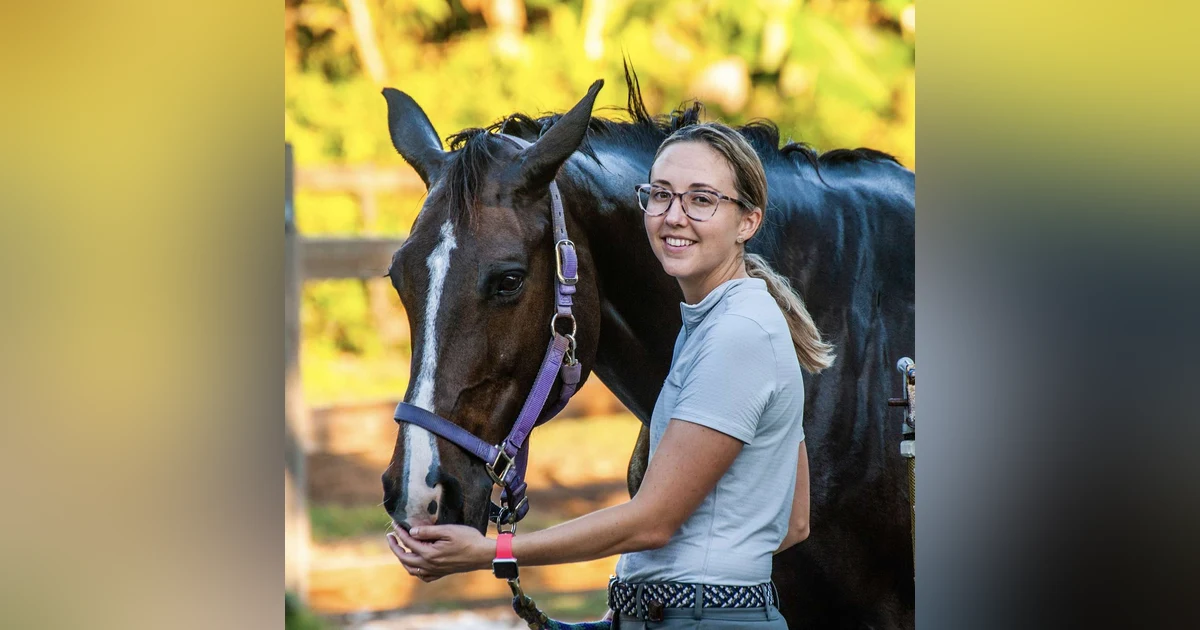
Dr. Amanda Pinder’s career has taken her from treating dolphins and sea lions at Atlantis Resort to rescuing animals in the wild—and now, to pioneering a new equine hospital in the Bahamas. Raised with a passion for animals, Amanda built a veterinary career that spans private practice, marine mammal care, and life-saving rescues.
In this episode of No Wrong Choices, Amanda shares her incredible journey, from fighting for a spot in the competitive world of veterinary medicine to the unforgettable experience of rescuing a stranded dolphin—and reuniting with it years later. She also discusses the lessons she’s learned along the way and what it takes to turn passion into purpose.
Key Highlights:
- A Lifelong Calling – How Amanda’s passion for animals shaped her career.
- Breaking Into a Competitive Field – The hurdles of vet school and why persistence matters.
- Entrepreneurial Spirit – Launching and running her own veterinary practice.
- The Atlantis Experience – Caring for marine mammals at one of the world’s most famous resorts.
- A Full-Circle Moment – Rescuing and later reuniting with a dolphin she helped save.
- New Beginnings – How Amanda is now leading the effort to open the Bahamas’ first equine hospital.
From marine life to horses, Amanda’s story is one of passion, resilience, and bold career moves. Whether you’re an animal lover, an aspiring vet, or fascinated by career paths that take unexpected turns, this episode is for you.
To discover more episodes or connect with us:
00:02 - Career Journey
09:58 - Veterinary School Training and Mentorship
22:05 - Overcoming Challenges and Building a Practice
32:10 - Veterinary Practice and Saving Dolphins
40:32 - Transitioning to Aquatic Animal Care
54:29 - High-Level Animal Care Expansion
59:38 - Veterinary Career Passion and Advocacy
0:02 Hello and welcome to the Season 6 premiere of no Wrong Choices, the Career Journey Podcast. I'm Larry Samuels, soon to be joined by my collaborators Tushar Saxena and Larry Shea. But before we jump into today's episode, we do want to take a moment to say thank you to you, our listeners, for being part of this journey. What started as a passion project for us has grown into something truly meaningful, and that's because of your support. So, from all of us, thank you. Now let's get started. This episode features the veterinarian, dr Amanda Pinder. Until very recently, dr Pinder was the attending vet for the renowned Atlantis Resort in the Bahamas. She has since pivoted to start her own practice.
0:45 That we will definitely dig into. Tushar, please lead us in to season six. What a way to start this new season with a profession that we have not touched upon in any of the previous seasons, that is, being the head veterinarian at a major resort in the world. I mean, I got to be honest. I want to know what it means to be the head vet at a place like Atlantis Resorts in the Bahamas. Yeah, you know we try to bring you guys a lot of special professions, right, we have lists of them that we put together at these powwow meetings that we have, and veterinarian is of course on that list. But we didn't get just your normal neighborhood vet, we got the rock star vet.
1:29 You know like this is going to be pretty exciting. She's not treating just dogs and cats. There are dolphins involved, so now this is going to be a lot of fun. Dr Amanda Pinder, we know this is going to be an exciting interview. Absolutely. I had a chance to meet Amanda when I was in Atlantis and she is kind, thoughtful, animated, a great storyteller, and I have no doubt that this is going to be a great conversation. So, with no further ado, here is Dr Amanda Pinder. Now joining no Wrong Choices is the veterinarian, dr Amanda Pinder. Dr Pinder is someone I recently met when visiting Atlantis in the Bahamas. At that time she was the attending veterinarian who gave my group an amazing look behind the scenes.
2:13 But since then and literally by since then, I mean within the past few days she chose to embark upon a new adventure which I'm sure we will explore. Dr Pinder, thank you so much for joining us. Thank you. Thank you for having me. I'm very excited to be here. And, by the way, just real quick, when Larry Sam says Atlantis he doesn't mean the lost continent of he means the resort in the Bahamas. Good clarification. Just want to make sure people know. So before we start, I guess we should ask the question are we going to be calling you Dr Pinder, dr Amanda, amanda? What is the appropriate thing we should call you throughout this conversation?
2:54 Amanda is fine. Fair enough. So, amanda, the way we like to lead into all of our conversations is to ask the person that we are talking to to describe who they are in their own words. Who are you and what do you do? Yeah, it's a great question and it's an interesting question right now because I'm transitioning roles, but obviously I'm Amanda, I am a veterinarian. I've been a veterinarian for over 10 years. I've had a wide variety of experiences. Most recently, I was the attending veterinarian for Atlantis for just over five years and that's the Atlantis Resort in Paradise Island, bahamas.
3:36 So my role there was taking care of a variety of species bottlenose, dolphins, california sea lions, macaws, green sea turtles you know anything that swims. Basically, I was responsible, you know, for their care and I love that. Yeah, so I just recently accepted a position at a equine facility or a horse, a horse barn, basically, in layman's terms and me and my husband are actually both veterinarians. So we're going to be working together and building, you know, our own clinic and, you know, providing, hopefully, a new level of care for the horses that live on the island here, as well as for other.
4:20 You know, all different types of species dogs, cats, chickens, goats, whatever we get called for, we're always, you know, willing to try and assist. I love that. I get the fun part to take you back to the beginning. So I guess my first question is what was it like growing up in paradise? Because you grew up in the Bahamas. I mean, that's amazing. Yes, I know it's one of those things where you don't realize how lucky you are until you leave, right, because it's all you know. It's all I knew growing up. I'm very proud of you know that I'm Bahamian. I'm ninth generation on my dad's side and about fifth generation on my mother's side, so all of my family basically is, you know, from here.
5:02 Luckily, my parents really appreciate you know the Bahamas as well, and so most of my childhood was spent enjoying this beautiful country and being able to go on the boat and, you know we used to camp out on the beach, you know, on the weekends or you know various different you know, trips or whatever. So, yeah, basically, you know trips or whatever. So, yeah, basically, it was the dream growing up here. Uh, it was an amazing, amazing upbringing. I got to, you know, be on the ocean all the time and just so happens that I also grew up next to one of the only horse stables on the island, so I spent a lot of time, you know, with horses as well so at what point in your, in your childhood, in your, in your formative years, did you finally say to yourself you know what I'm?
5:48 I'm growing up in paradise here and this is what I want to kind of do with my life. I want to take care of, I want to take care of the biodiversity around me. I think I've always. I'm that stereotypical story. I've always wanted to be a veterinarian. I have pictures, I mean probably since I was you know three, four or five years old, where it's like you dress up what you want to be when you grow up and I'm wearing like a white coat and you know a you know pretend stethoscope. So I've just I mean as soon as I could walk and talk. I've just always been obsessed with animals and it's always been my passion, so it's not really something that I can say.
6:29 One day I decided it's like I always wanted to do this and I've always been so involved with animals my entire life. Did you have animals in your house growing up? I assume the answer to that is yes. Yes, yes, we always had animals. I would say on average three dogs, three cats. Oh geez. Yeah, like I said, I lived close to the horse stable, so, pretty much you know, my parents had to drag me home every single night in the dark because I would never want to leave. And so there were horses, there are goats, there are, you know, chickens, you name it. But yes, always had a lot of animals in the house growing up. Do you have a favorite Horses? Maybe?
7:12 I, you know, I don't know it's hard to pick favorites, right. I mean I've had so many amazing animals over the years. I'm definitely. I mean I love dogs. I'm definitely a dog person because I, you know, you can do activities with the dog, you know you can take your dog, you know different places and so I. When I was growing up, you know, like I said, we always had a variety of dogs and I used to enjoy training the dogs and so I do agility. You know we set up these courses in the backyard with jumps out of sticks and you know you name it you know, I probably, you know, they probably were like running when they saw me coming right. They're like, oh, she's back, she's back and she's setting up obstacles, let's get out of here. So, yeah, I spent a lot of my, all of my free time basically dealing with, you know, and playing with our animals.
8:05 So you're that young and there's no eureka moment, but you know that this is the way, this is the path that you're going to travel. Basically the first thing I always ask when it comes to either a doctor or a vet. So you weren't squeamish at all, like did you really know what this entailed, like blood and surgeries, and you know it's a hard road. Yeah, for sure. I mean, that's definitely like a you know weeding out process for a lot of people, a lot of people can't deal with that side of it. At a pretty young age I about 12, 13 years old I started going into a veterinary clinic in the summers and again, I think my parents were kind of hoping they're like, oh no, she's not going to be able to handle it Right. And I was like in there in the surgery like totally unfazed.
8:47 People were like other students that were my age, like, you know, 13, 14 years old, they're passing out and I'm just like, what do you want me to do next? You know so it never really was an issue, you know, for me. I just totally was like trying to learn and absorb and just kind of understand everything that was going on. So how did you focus those dreams and aspirations? 12, 13, you're working in different clinics. I assume you picked a college that was geared towards this. How did you, how did you pursue it? Yeah, I mean definitely the hands-on experience was huge for me when I was younger because obviously you know you, you do need to know if you can handle doing surgery and and you know, just seeing, like if it is something that you want to do, so doing the various veterinary clinics, as well as, again, always being at the horse stables, um, you know, that was a huge part of my life and whenever we had veterinarians visiting to the island to deal with the horses, like specific surgeries and stuff, I was always there, you know, helping or watching or whatever.
9:51 You know, whatever it was I can do at that time, whether I was 12 or 18 or whatever age it was. And then once I, you know, just you know, obviously, when I was applying to colleges, I went in knowing that, you know, I wanted to go to veterinary school. So, yeah, originally I actually wanted, I always wanted to go to University of Florida. But, interesting story, my guidance counselor did not send my transcripts, so they declined my application and it was like it was a big, you know, it was a big deal for me then, you know, I was 18 years old and I thought my life is over. You know, I'm never going to go to vet school, you know, whatever.
10:34 So I I got um university of Tampa where I originally went, had a rolling admission, so I interviewed with them, they accepted me and you know, obviously hindsight is everything and I think that I'm very lucky that I went there first because it was a smaller university and then I did end up transferring, you know, to University of Florida because they have a stronger, you know, pre-veterinary kind of animal biology program. But I think I would have been really overwhelmed if I went to University of Florida first because it's a large university and, like my graduating class had like 61 people. Oh geez, Wow, you know so.
11:16 I was coming from, you know, an island where everything is small, easygoing, you know, you get to speak to all your professor, you know your teachers all the time, and that's kind of how it was. When I went to University of Tampa. It was, you know, you get to speak to all your professor, you know your teachers all the time, and that's kind of how it was. When I went to University of Tampa. It was, you know, a little bit bigger obviously than my high school, of course, but you know it was kind of like a stepping stone. So for me, you know, at the time I was frustrated and I said, you know, I really didn't want to, you know, go there. But it was an amazing experience and it was a nice transition, you know, to. You know, my next kind of adventure or opportunity at University of Florida. So this is normally where I would say were you a good student? But I'm going to skip that question because I don't think you could do this profession if you're not a good student.
11:58 But I do want to ask you about how they approach the anatomy of all the different animals, because obviously a parrot is very different than a dog, which is different than a horse. A doctor has a human patient and humans are relatively the same. You have gazillions of animals that you need to know their anatomy. How does that work? Well, what I always tell people in general and even, like you know, I get veterinary students that shadow me it's like you never stop learning, right, you can't get through all of these things in veterinary school, you just don't have the time right. You focus on the primary species that you're going to see, you know, the most of which is typically dogs and cats, and then you know a little bit of horses and you know cattle and so on and so forth.
12:46 But really and truly, you have to be motivated to figure and learn these things out on your own, because you just won't get it all in the you know eight years of education that you're going to get and you know it's a lot. It's a lot to take in, so a lot of it has to be self-directed. And that's kind of how my life has been, interestingly enough, is that I have pivoted and I've kind of been in different roles and then I've had to say, ok, I've got to put all my energy into this and make sure I'm learning about all the different nuances and intricacies, but that's what makes it fun and challenging.
13:30 Did you have a mentor who then kind of took a shine to you and recognized the fact that you know you had what it takes to make that next move. Yeah, absolutely so. The veterinary clinic that I originally, you know, started volunteering at when I was 12, I'm still friendly with the veterinarian there. He's amazing veterinarian and was a huge mentor to me. He wrote my recommendations for a veterinary school and I think you know, obviously for me I didn't realize it, but from a very young age I think he knew that I had potential and so he did, I feel like, really put a lot of energy and time into explaining things with me, which is you know it's just you can't. You can't replicate someone like that. You know that's just so valuable, can't? You can't replicate someone like that. You know that's just so valuable to be able to have a mentor and someone who think about it. I mean it was 12, 13.
14:12 Like look, we say it all the time here, we say it all the time your mentors need mentors, yeah. Like, who wants to talk to some 12 year old? You know about all this, you know. You know intricate things that they're doing in surgery, but he did and he took. He always took the time, you know, to explain things to me when I had questions and show me things, and you know. So, yeah, it's, it's. It was such a valuable experience for me and I see him now and he's always so proud of me and I obviously I'm so lucky that you know I had him, you know, as a mentor in my life at that time. Um, you know, I had him, you know, as a mentor in my life at that time. That's wonderful. I want to dig into the training a little bit more. So you, you go from from the Island to the university of Tampa and you know what is the training process?
14:57 Uh, for a veterinarian, are you doing undergrad and then you're doing medical school, like, like, what is the training that you're going through? Yeah, it's pretty. Yeah it's pretty similar to a medical school type situation. So you do your undergraduate, Most people you can do. You know a variety of different options depending on which veterinary school you're trying to get into, but most of them you know you can do either general biology or animal biology. My path was animal biology. You know it's a little bit more specific and you know you can kind of get into the nitty gritty of. You know obviously, horses, dogs, cats, whatever you know, whatever it is that your, you know your school is focusing on.
15:40 And then you apply to veterinary schools and that's obviously the most, I would say, the most nerve wracking process of the whole thing. It's extremely competitive, much more competitive than human medical schools, because there's so few schools that you know, in the United States and you know North America in general. So, yeah, your chances of getting anything is like. At my time it was like six to 8% or something of people that apply get in. Wow. So you know, you just kind of go into it thinking like, well, I'm probably not going to get in, but you know I'm going to give it my best shot. So for me there's. I mean I can't even explain to you the day that I got called, you know, it was just like I couldn't believe it, because it just you get told so many times, well, you probably you may not get in and you may not, and you know, believe it or not.
16:30 You asked earlier about being a good student. I was a good student, but I wasn't a 4.0 student. I wasn't that like I'm going to study all day and stay up all night. It was like I always wanted to find balance in my life. So it's like I was studying, like you know what I'm going to go horseback riding. You know I want to go take my dog to the dog park. And so, yeah, maybe if I studied more and I, you know I didn't have balance then I would have had that 4.0, but, you know, I still felt like, you know, I was able to do it and be a well-rounded person. And then, luckily, the school that I applied to saw that they saw I had all these different experiences. I was the captain of my riding team, I volunteered at the shelter, I started a, you know, a shelter club at University of Florida where we could all get together and help local you know shelters, you know, with volunteering or whatever you know.
17:23 So there were so many other things that I tried to do to make an impact with others, versus just focusing on, you know, studying all the time. All right. So you're saying, you're telling us that, like you know it, a very small amount of people get into a very small amount of schools when it comes to, when it comes to veterinary sciences. So if that's the case and you were initially saying to yourself, well, I may not get in, what was the plan B? There really wasn't a plan B. I was determined. I was like okay, if I don't get in this year, I'll try it again next year, Maybe I'll get a master's degree in you know medicine, you know equine science or you know equine nutrition or something like that, and then try again.
18:07 There really wasn't. You know there really wasn't a plan B, because that's all I had. You know, focused on you know for most of my life. And yeah, I just wasn't going to take no for an answer. I love that, but it just I never really even thought about the fact that there's so so many fewer schools and it's so much more difficult than a medical school, because there's medical schools all over the place. Um, that's just really interesting, I. I guess when you get into veterinary school, I mean, my first question would be my patient can't talk to me. How do I figure out what's wrong with them? Like, how do you is that what they're teaching you, like literally like class 101 of vet school?
18:48 Figure out what the problem is, you know. Who is your Dr Doolittle? That's funny. It's a good question. You know, we I remember first year we actually had a lot of client communication classes, cause a lot of it too, is like a lot of veterinarians come in and they're like you know, I just want to work with animals and I think you know, at the beginning you kind of forget you need to be able to speak to people and you need to be able to communicate with them and say and ask the right questions, because also too, yes, you can't speak to your patients. So how do you extract the information that you need from the owner, the information that you need from the owner? And in the case of, you know, say, atlantis, where I, you know, where I worked for the last couple of years, we rely heavily on the trainers or the behaviorists and those.
19:36 Those persons have a very close relationship with the animals and they're interacting with them, you know, all day. So how do you, what are the questions that you ask to to get the information? You know? How is the animal been acting? What is it doing after it eats? Is it throwing up after it eats? You know what is, you know what is kind of going on and obviously just developing your clinical skills, obviously, as well as extremely important doing a good you know physical exam and being able to you know, interpret, you know your findings, and then you know go on from there. And being able to you know, interpret, you know your findings, and then you know go on from there. Do people specialize going through that process, or it's really just not a thing? People do specialize. Yes, absolutely. So there's tons.
20:16 You know there's more and more specialties being established. Obviously, in human medicine most of those specialties have long been established, but in veterinary medicine some of them are still being. You know, in terms of like, the colleges that are going to accredit people to get certain specialties. Some of them are still being developed, but there's like veterinary radiologists, veterinary ophthalmologists, veterinary internal medicine, small animal veterinary, internal medicine, large animals. So yeah, there's quite a few specialties and it was something that I considered, but you know, that's another, you know, four years of training. So you know, for me I just decided, you know, I want to kind of get in there and get and kind of figure out where I fit in and, you know, go from there and luckily for me it worked out.
21:07 But I have a lot of amazing friends that specialized and they get to do what they love as well. Just ophthalmology, for example. I'm actually going to be doing some ophthalmology exams with our ophthalmologist tomorrow. So he's been a great mentor and friend to me as well. So yeah, there's lots of different, different specialties. You know Tushar asked about a plan B. I just if I find it so daunting, you know you talk. I think you said eight years of school, um, at the highest level. There was never a doubt or discouragement or a. You know, I maybe need to do something else because this isn't going to work out.
21:47 It sounds like you were obviously pretty determined, but there must have been a point where you're like up against the wall, like I don't know about all this, because that's how I would feel Absolutely. There were times. There were times where I did not think that it was going to work out. I do like to tell this story because I think people think that again academically, oh if you got into vet school and you're doing so well in your career that you must have just breezed through, it really wasn't like that for me. I had setbacks. One in particular that I always tell is that I failed organic chemistry and I thought Not the first. I imagine I would too. I'm going to take that for granted, I passed organic chemistry one and then I failed organic chemistry two and, to be honest, the professor was tough and I would go to his office and I still remember to this day he told me you will never get into veterinary school.
22:44 I always talk about that. I'm like I'm going to find him one of these days and I'm like yeah, definitely Look at you now. Look at all the things that I've done and you know all that. But yeah, it was. That was a huge turning point for me. That was my sophomore year of undergrad and I thought there's just no way I can't. I failed this class. You know, again, my life is over. You know, I'm never going to get into school, to vet school. They're going to see that and they're going to say no, she can't do it. If she failed organic chemistry, she, she can't go to veterinary school. But you know, I just had to again pivot and say you know, I'm going to try this again. It's OK to be upset and to be disappointed and whatever, but then find a solution.
23:28 Okay, I went and found I got a personal one-on-one tutor for organic chemistry. When I took it again, I said under no circumstances can I fail this class. And she was like all right, we're going to have to meet three hours a week, every week, and this is what we're going to do. And we came up with a plan and I passed. And you got where you wanted to go. So, as you work your way through the program it's eight years, I think we've clarified from from college and then through veteran veterinary school. So, as you're nearing the end, what do you do? What is the game plan, what is the approach to landing that first opportunity and becoming a vet, being Dr Pinder?
24:12 Yeah, exactly. So in your final year, sometimes even in your third year of veterinary school, which I guess would be year seven or eight you would start doing what we call externships, which is basically you go and you visit and it's kind of like a working interview, right. Someships, which is basically you go and you visit and it's kind of like a working interview, right, you're some of it. Sometimes you know you're not going to work there in the longterm, maybe you're just going to a specific place to get experience. But a lot of times you're going, you know, because you know, hey, I might apply for an internship here once I graduate, and so basically that's what I did. I just did quite a few externships in my last two years of veterinary school and then I decided upon, you know, my top three or four choices where I wanted to go for my internship, and I just made it clear when I went to my top choice, I said this is, you know, this is my top choice.
25:02 This is where I see myself doing my internship. And you know, I hope that you guys would, you know, see the value in me and see that I'm a hard worker and, yeah, luckily for me, I was able to get that internship that I wanted and gain that valuable experience. So where was that? And you had the good fortune of actually being in those you know rooms basically prior to this. So how different was it when you started getting into that externship and seeing what the day-to-day was like there compared to what you knew from vet school basically? Yeah, it's very different. For sure, vet school your head's kind of spinning right. You're just like there's so much going on, you're trying to absorb so much information you may not be appreciating all the little kind of details.
25:50 Again, sometimes it's like the client communication and discussing finances and like all those other things that you have to then jump into day one of. You know, being a licensed veterinarian, so it can. It's a very nerve wracking transition going from student to doctor. It's like hi, I'm the doctor, oh, really, I'm the doctor. Okay, I got to do this. You have to check yourself a little bit there. I am the doctor you know, and so that's kind of how it is the first, I feel, like couple months. You're just like what's happening, you know, you're just trying to wrap your head around all of it. But choosing a place that had, you know, good mentors, was obviously huge to me and, luckily for me, the hospital that I chose, which was Hollywood Animal Hospital in Hollywood, florida, also, strangely enough, had a lot of connections to some of the veterinarians that I knew back in the Bahamas.
26:47 So it was kind of this again connection with, oh, I've known so-and-so who you've worked with for, you know, 20 years, and it felt, it just felt right to me and I felt like that was going to be the best place where I would, you know, probably fit in and get the most valuable experience. So you always had an eye on going back home, going back to the Bahamas. Yep, my original plan was to stay for a couple of years in the US and work, but because I'm Bahamian and I'm not American, I basically had to enter into a lottery system, the H-1B or sorry, the J-1 visa lottery system and it's.
27:29 It is literally a lottery. And so you would think you know someone who has advanced education or whatever. It wouldn't be that way, but you know, that's the way it was at the time. I'm not sure how it is now. And yeah, I tried, you know, two years in a row row because I wanted to get more experience in the US before moving back home, and it didn't work out. But again, I just feel like it's one of those things where it wasn't meant to work out and that's okay, and it led me to doing my own business and then working for Atlantis. You know which were both you know amazing experiences for me. So I, you know, I don't, you know, I don't regret any of those things kind of happening. No wrong choices.
28:09 Exactly no wrong choices. We usually find a way to plug that in every conversation Thank you for making that natural. So you, you go back, you, you go back home. And what are you doing? If I remember correctly from us talking, did you set up your own practice when you came back. Yes, I did. I did work for a clinic, you know, for a couple months, just, you know, trying to get my feet on the ground. And then you know me and one of the veterinary technicians that I worked with at Hollywood Animal Hospital, we would always joke like we're going to, you know, we're going to start this business.
28:50 It's going to be like we'll come to you by boat, by plane, you know, whatever we're going to make it to you, we're going to treat your animals. And so we had this joke for the whole year of my internship. And then when I moved back home and I started seeing that you know there really is a need for this, it just again I just pivoted. I said you know, this is what I'm going to do. And you know, my parents at the time were, they were a little concerned because I had not really made any money. I'd been in school, you know, for such a long time and you know, didn't have like a bunch of savings or anything. They're like you sure you want to start your own business. Like it's kind of a big risk and you know. But I did and I struggled, you know, at the beginning. But again, because it's such a small community.
29:32 I would say after maybe two to three months. I was busy, I didn't have days where. I, I sat and did nothing. You know and I think that that goes back to the community that I live in and where I'm from is that it's everything's kind of word of mouth and you know, I think people knew me, for example, from the horse stables and from various different you know animal activities that I've done over the years on the island, and so it just kind of people are like oh, amanda's doing her own thing Great, let me call Amanda and she'll come out and deal with the animals here and people love it. When you say you got busy, what does that mean that you got busy? Are you basically kind of working like 24 hours a day at that point, or is it that there is some downtime?
30:16 Well, there's definitely downtime. I would say I was working five to six days a week, maybe nine, you know nine, 10 hours a day. Amazing. So yeah, I mean it was, it was. You know it was jam packed and also because I was driving and doing the mobile kind of house to house, I mean you can realistically, you know you can't see as many patients in a day as you could if you were in a clinic, right, because everyone's coming to you. So you know I'd average anywhere from five to eight house calls depending on how many animals they had at each. You know location. So yeah, it was, it was busy, I, I, I came home every night and I was going to bed at eight o'clock.
30:59 Yeah, I can't imagine getting started like that and you must be growing at that point exponentially in terms of knowledge and experience. But I want you to talk a little bit because we touched upon it but didn't really talk about it about the self-confidence that you need to make these calls, to make these decisions. I mean, there are lives on the line. In most of these instances, you are the last line of defense. An animal needs you. You have to make the call on how to handle a sick animal, a herd animal, whatever the case may be. How confident are you? Is it something that you had to work on and grow with, or did it come naturally? Talk a little bit about that. Yeah, absolutely. I think it definitely is something that for me it evolved over time.
31:43 I mean I've always been pretty outspoken and social and you know I've always, always loved, you know, hanging out with my friends and you know kind of being out and about. So for me I do enjoy, you know, having relationships with people. So I would say that does come somewhat naturally to me and that's obviously a huge part of being a veterinarian is, again, communication and being able to do that. And I think coming with that comes with. You have to be comfortable and confident enough to say like sometimes I don't know, you know I don't know. And that's something that we do have to say, you know, somewhat frequently, because again our patients can't speak to us. You know they can't say, oh no, you gave me the wrong thing, I still.
32:26 You know they can't say oh no, you gave me the wrong thing, I still. You know I still hurt. Or you know you can run all the diagnostics and you don't find anything. You know find anything wrong. So sometimes you know you can say I've done all this and you know I just don't have a clear answer at this point and that's okay. I think people appreciate, you know, the honesty versus scrambling and trying to come up with something that doesn't actually make sense, you know. Yeah. So that's something that I've always said to you know, other students that I've mentored is that don't be afraid to say I'm not sure. It's not always a negative thing, especially if you've done your due diligence, you've done all the tests, you've done everything. That does happen sometimes and you just have to be comfortable enough to you know communicate that, whether it be to a client or an owner or whoever.
33:09 To that end. What sticks with you more? Great success or great failure? Oh boy, that's. That's a good question. I know that's a tough one. I had to throw it in somewhere, though, Come on, that's. It's a. It's a big part of what you do right Is how hard is it to turn the page if something goes wrong, and how much do you want to take the buoyed experience of look at what I did over here? I just saved a life, or I just you know something like that, yeah. I think at the beginning you really take your failures with you. I have to be honest, right, it's like you have spent your whole life, especially like for me. I spent my whole life being devoted to animals and then when you have you know a lot of times it's not things within your control Something happens to a patient of you know, an amazing client, and you're just like it's all you can think about.
33:56 You're just like, how could this happen? You know we did everything we could and you know this animal you know passed away and yeah, I mean I can't lie the first time I had a really good client's pet, I mean I thought about it for months. You know it was something that definitely was challenging, you know, for me to move forward from. But over the years and through various you know different techniques and whatever you know, you learn to leave these things behind because you know you don't want to carry only negative things, because there's so many positive things that we get to do in our career and so many animals that we've helped. But yeah, it can definitely weigh heavily on you for sure.
34:38 Knowing where you're based in the Bahamas and knowing the type of roles that you've had have you been involved with the rescue of an animal? That has been a standout experience for you, a really special experience. Yeah, absolutely so. My original kind of entrance into marine mammal medicine with the stranding network in conjunction with Atlantis was the stranding of a Atlantic spotted dolphin whom we named Eminem and found out later on that he was already documented as Lambda.
35:20 Basically, this dolphin stranded in the Berry Islands, which is another set of islands in the Bahamas north of Nassau, where I live, and I had just literally signed up two weeks prior to say I want to volunteer, I want to help. You know, let me know what's going on and you know I'll make myself available. And so two weeks later they call me a dolphin stranded. He's on a beach in the Berry Islands. Can you come? I said sure, called all my clients, explained to them. They're like oh my God, please go, go help, I'm going to save dolphins. Yeah, exactly. They're like totally, totally fine with it. They're like Fluffy can wait for his vaccines. Go save the dolphins. So I went and, anyway, long story short, I was able to learn how to get a blood from a dolphin and give an injection to a dolphin all those things that I had never had the experience of.
36:10 And again, you don't get that in veterinary school as one can imagine. Dolphins aren't patients that come into a hospital routinely. So I got to learn a lot on this animal and assist with rehabilitating him and getting him back out into the ocean. After about 60 days he was released. Now, the crazy part about this story which is literally I'm never going to be able to top this story ever again in my career is we then, years later I believe it was four years later me and my husband are in the area, in that kind of barrier islands or Bimini area, where we know those particular dolphins live, and we go there.
36:53 I said, you know, let's what, if we're going to see Eminem, let's go out on the boat and try and, you know, do like a dolphin, you know tour where they take you to try and look for the dolphins. We go out on this boat. 20 minutes in we see a pod of dolphins. We get in the water. Eminem swims right up to me. Wow, there you go, there you go. Wow, that's amazing. I can't make this up. I have goosebumps now. I've told this story a hundred times and it still is just the most incredible experience. I can't explain to you. I mean the way I was screaming. The boat driver thought I was drowning because he didn't know what was going on.
37:33 I was just screaming at the top of my lungs. It's not good to do in the water. Don't do that. How many people have seen Jaws? They thought I was being attacked by a shark. You know, and luckily you know, my husband was there and he's an avid underwater photographer and so we got photos. Um basically has this distinct hole in his dorsal fin from where his satellite tag was um, since, you know, it's since dropped off, but he has a very distinct scar on his dorsal fin and, yeah, he swam right next to me and we have photos of that. And I can't even explain to you what it's like to save an animal like that, put it back in the ocean and four years later see this animal and then it gets better.
38:22 We get back to Atlantis. I tell my boss, I say this is what happened. And we look at the date. It was four years exactly to the date that he stranded. Wow, come on. I can't make it up. That's what I'm saying. It's almost like a birthday, for God's sakes. Yeah, really insane story and just like you know, that's the story. What I tell, know I tell people it's like that's the type of, that's the type of experience that makes all the stress worth it, right, like you know you just you worry about your patients so much, you want them to do well and you know, especially when you're dealing with this magnificent animal, you're putting it back in the ocean, you're like, oh, my goodness, I hope nothing bad happens to you. I hope you live an amazing life.
39:03 And he did and he's, you know. We think he's still out there. We went back a year later and we did get some video footage with, you know, a whole video crew and everything. We got to see him again, luckily, on the third day. We were there for three days the first two days, no go, and the third day and the final hour he showed up. So we got to get some amazing footage. Amazing, did he approach again? so we got to get some amazing, amazing. Did he approach again? Yes, yeah, yeah, he came. He came right right up to us. Um, he was with a bigger pod this time, so it was, you know, a little bit more of it, you know, excitement going on yeah um, it was a different what a great, great moment yeah different experience from the first time, because it was just me and my husband in the water and it was no, there was nobody out.
39:45 There was a flat, calm day. It was just like the water, water, and it was no, there was nobody out there, it was a flat, calm day. It was just like the water was glass and it was just quiet, just us and the animals. Yeah, you just can't. You can't replicate anything like that. Yeah, I asked you before about the highest of highs and the lowest of lows. There it is right there Um let's. Nothing can top that. Um. So let's talk about the transition from your own practice to Atlantis, because I know from what I understand you were what volunteering for the Atlantis stuff and that's how you got out to help this M&M, the spotted dolphin. And how does that transition to a position later on? Is it just because they knew you and they're like, hey, it's open, we know you, we trust you?
40:27 Come on aboard. It wasn't quite as quick as that. Obviously, it was a more gradual process. So once they saw my interest in this particular animal, m&m they saw that I was coming in, I was learning, trying to be as adaptable as possible. My boss was like, are you interested? Like would you be interested in a position here? Because we could probably use someone part-time, you know, to fill in when the other veterinarian, you know, is, you know, on vacation or whatever. And I was like I mean, obviously I'm interested, you know. So it kind of started with that and I balanced doing my mobile veterinary practice and then I started with one day a week for probably the first like six to eight months, and then I went up to two days a week and then three days a week and then, like I said, did pretty much increase my time over two years, before then was offered the full time position, which also coincided with me and my husband getting married and luckily my husband is also a veterinarian, so then he was able to take over the house.
41:41 Oh, it all kind of worked out and I you know, because I think too, it was like one of those things where we're having discussions where it was like, oh well, my, my husband is moving here and we're trying to figure out what he's going to be doing and then it was like, well, would you want to be full time? And I was like, yeah, me to be full time, like that could work. And then, you know, my husband can take over the business. And it was a gradual transition from kind of this, the mixed animal mobile practice, and then getting more experience in the aquatic kind of worlds, and then taking it on full time. All right? so then I guess that my question will be about the trend will be transition in that case, right? So obviously, the most obvious difference is that the animals in Atlantis, or those you're dealing with there, they're in the water all the time.
42:29 That's their life, and so you're transitioning from those that are on the land to those that are in the water. What is that transition? I mean, what does that entail for your own mindset? Then, to see, like, okay, I'm still dealing with mammals, but they're in an entirely different environment from where I am normally used to. Yeah, it's a huge transition. I would say it was big. It was a big transition for me and I think that obviously, when you're dealing with house calls, you come in, you're like, all right, fluffy, let me examine you, and you know you do what you need to do, whereas when you're dealing with, especially, marine mammals, the house is the Caribbean Ocean, for that Right exactly.
43:10 When you're dealing with an intelligent animal, like you know marine mammal, like a bottlenose dolphin or you know a sea lion, you have to exercise patience Because everything that, especially in a facility like Atlantis, is done through positive reinforcement, training right, and so the animals are trained to be able to give you know the behaviors that you need to, say, get a blood or to do an ultrasound or whatever it is. So you know, sometimes it's like you're you're having to plan these things weeks in advance, like, okay, we want to do this on this particular animal, now you guys have to kind of take it and start the training. So it's, it's. It's so much different from you know the other, you know the other types of medicine that I was doing prior to coming and really just having to understand the whole operation and how, how everything works.
44:03 But I would say it was such an amazing experience to see how much time and energy goes into training these animals and how intelligent they are and how you don't you know, even from now I'm transitioning back, you know to doing you know more small animal and you know different things with horses, and I think that the experience that I have has taught me that exercising patience with these animals is extremely important because it makes it a positive experience for them as well. We don't want them to be. It's it's like that famous thing, like the vet comes in, all you know, the dogs are cowering and the cats are trying to run away, right.
44:46 And I think that it's really changed my whole approach on how I think about veterinary medicine and how I think about my patients, in terms of making everything a positive experience and sometimes taking your time and say, okay, fluffy's stressed out, today we can't get the blood right now. Let's pivot and figure out how we can, you know, do it better, maybe in a different scenario, whereas before, without having this experience with the marine mammals, I don't think I think about it the same way. I think it was definitely different. As a vet, you know you're developing a rapport and a relationship with, obviously, your customers and your clients, but also with the animals. When you're at Atlantis, it feels like it's a very different job.
45:29 Where you are the face of this incredible facility, where you are interacting with all of these different guests, you are presenting what Atlantis is doing in the most wonderful light possible. How much of an adjustment was that for you? Yeah, I think it was. I think it was a huge adjustment. I think the reality is is that there is a lot of negative press on marine mammals under human care and I think it mostly comes from misinformation and also just lack of education. As well, as I always say to people, not all facilities are created. The same Atlantis is accredited by many different bodies and you know we hold our standards to the highest level right.
46:18 So most people, I think you know, don't understand. Don't understand the level, you know, of care that goes into these animals, and so I think that when I transitioned, like to me, it made sense. But then you know, when you present that information to the public, you need to make sure that you're presenting it in a way where it's like you're not just going to get one, someone's not going to take one soundbite and they're going to be like oh, these animals are living in a prison or whatever. You know what I mean. Like they'll take something Because you became an advocate, in a way. Correct. Yeah, and, like I said, there's a lot of criticism, you know, kind of, in this field. So you do have to think before you talk and make sure that you know you're not going to say something that somebody can spin around and say, well, you said this, you know, but really obviously you know you meant something different.
47:10 So, yeah, it took practicing and you know, probably, driving you know my husband insane talking about things at home, talking about things at work. Obviously I leaned a lot on my co workers who have been there much longer than me and have used to, you know the PR aspect of, you know, having to answer questions about the animals and stuff. So for sure, it wasn't something that I took on, you know, on my own. I definitely relied a lot on others to help guide me and you know, make sure that I wouldn't put my foot in my mouth. What are your feelings then on? What are your feelings then on? Let's say, as you said before and I agree with you, I think that the notion of having, like the average, the average person, like the three of us, interact with these animals, interact with these, interact with these, interact with these fish, it's paramount to kind of understand, get a better idea on the world we live in.
48:06 Obviously, there's been a tremendous there was, has been and was a tremendous amount of controversy, let's say around a place like sea world. You obviously were the head of a large facility, not as big, maybe not as big as that, but, as you said, you kind of had to advocate for that. So what are your feelings on places let's say like sea world? I mean our aquariums at our large scale, water, aquatic facilities, aquariums, etc. Are they as important as zoos for the ever, for the average public to kind of wrap their head around and kind of see the world they live in? absolutely the. I think the thing that, um, unfortunately never, you know, it's just like with any news and media, certain things are always shared more because it, you know, it evokes more of facilities that I mean they do so much they can't even put all of it out there, you know, in into the universe.
48:54 I mean they are rescue and rehabilitating manatees, sometimes whales, sometimes, you know, I can't even begin to list the amount of things you know that they're involved in, as well as they are advancing medicine in this field, which we still don't, we don't know everything right and we're learning stuff every day. So they're doing studies on how a dolphin processes certain medications, and so that way, when there is a mass stranding event and we, you know, people need to assist, we have a baseline of what we need to be doing, because, again, there's so much that we don't know.
49:47 So I think there's just there's. I mean, I could talk about this for hours, because there's so many things that so many different areas that you can touch on. But the role of these facilities is, you can't even measure it, and I think that it's unfortunate that so many people think of them in a negative light. But without them, who is going to rescue and rehabilitate these animals that need assistance and advocate, and advocate for them there. There will not be. It just, it's just not. It's not going to be a good situation if we don't have these facilities to educate people and continue their conservation efforts.
50:30 I read, one of the most common misconceptions about veterinarians is that you guys are all wealthy. Everybody makes a million dollars, because as far as I'm concerned, whatever you get paid is not enough because we need you. But I guess would you find that to be true. I mean, we think about. I think about taking my pets to the vet and it's a lot of money. But I think it's a misconception. I think most veterinarians are just happy to help. It's a job and they do well, but you're all not millionaires and you should be. In my opinion, it goes to gas money. They're always on the move. Yeah, it is a career of passion. I will definitely say that.
51:11 I remember, depending on where you would work, like so, for example, when I worked in South Florida, you get these really emotional, heated kind of clients. They come in and you're like, okay, here's the estimate for so-and-so and it's going to be $1,000 to do this emergency procedure or whatever. And they're like, how do you sleep at night charging all this money? And you're like, I'm sorry, I barely have a bed to sleep on. Okay, at this point, you know. So you have to pay all the staff, you have to pay the electricity, you have to pay for all the supplies. I mean, there's so many things to running a business.
51:51 People just never think about it in human medicine because it's subsidized either by private insurance or, you know, government assistance, right. And so when people get animals, I think they commonly forget that it is a privilege in many places in the world to have an animal because it is expensive to provide care. Just if you were to have to pay cash for your hospital bills for yourself, you would be paying. You'd be saying the same thing that your doctor. Right, you would be paying. I mean, I got a bill once, I remember, for an endoscopy and for some reason you know there was a mix up with insurance they sent me a bill for like $16,000. I'm like we should start charging more for our endoscopy.
52:33 We only charge like $1,000. Did you call the hospital and say how can you people sleep? Yeah, exactly, so yeah it is. It is definitely something that, within the veterinary community, we do experience a lot, that people say how you know, how can you charge this much? This is my child and it's. You know, this is my baby, this is my dog and it's like we have. Unfortunately, we all have to pay bills and it's not even like, again, we're not millionaires, we're not making what the plastic surgeon makes, you know, at the, you know Mount Sinai or whatever, you know whatever fancy hospital. We're just trying, you know, to have a decent life and do something that we're passionate about.
53:13 So, yeah, it's definitely it's a hot topic in veterinary medicine. Well, speaking of possibilities, you are pursuing a new one as you are transitioning away from Atlantis to establish your own practice, or I believe. What are you going to do next? Talk to us a little bit about your next adventure. Yeah. So basically I'm kind of having a full circle moment moment, and me and my husband were approached to manage a equine facility, a horse, basically a stable just for private owners, with also the goal of opening the first equine hospital in the Bahamas.
53:56 Wow, really Wow, that's awesome. Yeah. So if I go back to kind of again circling back to when I was applying to veterinary school, when I wrote my essays, you know, saying what my goals were, my goal was to be the first Bahamian equine veterinarian, and then when I moved home I thought, oh, I don't know if I can, if I can make enough and make a living doing just the horses. So I'm going to mix it up and do everything and obviously, like we already discussed, it went well. Now we have a group of individuals that are bringing in very high-level horses that they want to be able to provide the very best care, and in order to do that, you can't take a horse into a small animal hospital.
54:43 You have to build a hospital that can fit horses, similar to what you know we have, like at Atlantis. We had to build a hospital that can fit dolphins and sea lions. So, yeah, this is going to be obviously an exciting journey where, hopefully, we will be able to provide very high level care for horses on the island as well, as you know, other animals as well. But in the case of an emergency, being able to do a surgery on a horse is a huge deal, and right now in the Bahamas, and there's never been any facility in the Bahamas that has ever been able to do that.
55:23 So that's what we're planning on creating. Wow, that's awesome. That's awesome. So, amanda, I mentioned a moment ago, you are the closest thing that we will ever speak. You are the closest person we'll ever speak to as a real life, dr Doolittle. So my question to you is this which animal uh, first land and then aquatic most expressive? that's. That's a good question. Um, I I feel like land. I would say dogs are pretty expressive. That that would be my, my first instinct. There are other animals too, but if I had to choose one, it seems like you're backing me into a corner and I have to choose one. I'm backing you into a corner. Dogs on land and in the ocean, I would say dolphins, bottlenose dolphins.
56:09 Really, I actually thought you'd say sea lions, to be honest with you. I thought you'd say sea lions. Yeah, they're pretty expressive, they have a lot of personality. Sea lions do as well, but in a different way. So yeah, I would say if I had to choose one, I would choose dolphins. Okay, I'll follow up with that. I don't know if you know the author. Douglas Adams, a British author wrote a bunch of fiction, it doesn't matter. Hitchhiker's Guide to the Galaxy a bunch of other books. Thanks for all the fit he talks in his book about how humans are third smartest species on the planet, with dolphins being second and white mice being first, because they lead us to all experiments and control our behavior and things like that.
56:50 In your opinion, smartest animal in the world is. Yeah, I think I would say bottlenose dolphins. They're pretty Bottlenose dolphins they're pretty intelligent. There you go. Yeah, they're pretty intelligent. Are you biased at all? You've been dealing with it for a while are you biased at all. Maybe you guys will catch up with me in five years and I'll be working with like bats or something random, you know, and that's the. The cool part about this job is that you can kind of continue to pivot and and explore new kind avenues. But yeah, I'm going to stick to my answer, dolphins. And we're behind them. By the way, we're third, I love that I have a pin that I got that says thanks for all the fish from that.
57:34 There you go, there you go. There you go. You do know Douglas Adams Very good. We love to sing that song at work. Perfect. So, amanda, if somebody is listening, who is a young woman, a young man who aspires to become a veterinarian and wants to get to a similar place to where you wound up or where you find yourself today, what would you tell them? I would say the relationships that you make with people are extremely important. We get into this field because we love animals, but again, I'm having a full circle moment right now and I do believe that it's because of the strong relationships that I have with people that I've made you know along the way, for whatever reason.
58:23 And you know secondly is that I think experience is the most important thing and exposing yourself to as many things as you can you know along the way is extremely important. When I was graduating high school, I did an externship at a dolphin facility. I did an externship at a swine operation. I did different equine or horse. You know activities. So you know, I always try to kind of do have a broad kind of spectrum of activities that I was doing so that I felt like I would be more well-rounded and, you know, be able to have different experiences even before you know I went into veterinary school.
59:10 That's great advice. Well, amanda, I'm so glad that I tracked you down and that we convinced you to join us today. I've learned a ton. I'm so excited for what you have in front of you and you know, I think the three of us are just we want to. we want to. We can't wait for the next chapter. Thank you so much for joining us. Thank you so much. This was awesome. So that was Dr Amanda Pinder, who I had the good fortune of meeting, and I, of course, was foolish enough not to get her number at the time, but eventually chased down after the fact to convince to join us today.
59:51 And what a great story, larry Shea. What are your takeaways? I'd learned so much, I think, is the biggest thing I take away from it. Right, I never really thought about the fact that there's medical schools all over the place and everybody wants to go to medical school. You know, it's a very stressful process, but there's even fewer veterinarian schools, right? So I was shocked. You know that six to 8% chance of her actually being accepted to these schools, I mean, I think that's fascinating. First and foremost, she always wanted to be a vet, right, she's a 12-year-old child, or even younger, dressing up like a vet, and I don't think we've ever really had something like that.
1:00:31 But the fact that somebody let her in a surgery and took her under their wing and kind of taught her at such a young age, I mean, it's very rare that you go into a profession at that age especially, and that's the straight path, right, and you go, and she said it herself. It's a career of passion and her advice was great. You know, and we say it all the time, relationships matter and get experience. You know, we can't say it enough Not everybody is fortunate enough to be able to offer your time, but if you could do an internship and offer your time, you're going to get a lot out of it, because that's how a lot of these professions work. Absolutely. I mean, you know, I was also surprised by the fact that you know and you said it too is that how few veterinary schools there are out there and that you didn't have a plan B.
1:01:19 The plan B was I'll just reapply a year later if I have to right right. Essentially I'll just sleep on somebody's couch for a year. Um, which is amazing and you know, we always talk about the notion of mentors, need mentors, right? So we always talk about that as well. And that, yes, that being able to not only prove yourself when you go to an internship but prove yourself to the point where the people who are in charge see something in you and then they go out of their way to nurture that, that's amazing to me. And she has been so successful. I am so jealous of that type of a profession Because I mean, you know, I don't think I had that kind of stamina in me to say at a young age, this is what I want to do with my life, and then to not only do that but to pursue it with such a focus that, down the line, not only do you, not only do we become that that in her case, a veterinarian but become the head of one of the biggest resorts in the world that she then becomes a teacher for everyone else who steps into this arena.
1:02:25 It's amazing yeah, you know, and, and as you say, that one of the things that really struck me was the smile that was so clearly coming through during the entire conversation she loves her job. She loves her job she loves what she does. She loves her job. She figured it out very early and nothing has changed and it comes across so clearly. So one of the things that I wanted to dig into as part of the conversation was about advocacy and, in a way, at that type of a facility, you are a spokesperson, you are a PR person for facility. You are a spokesperson, you are a PR person for that type of resort facility whatever word I'm looking for and she is an advocate.
1:03:08 So, whether she wanted to be or not, she was thrust into a position where she needed to kind of figure it out how do I communicate, how do I engage with others? But it was natural, because it's who she is the passion, the love, the drive that she's had her whole life. There's nothing inauthentic about any aspect of her. It really struck me as something truly remarkable and admirable. And the story about her saving that spotted dolphin. I mean just the reward that she must get from doing something like that, from helping another animal survive and thrive in the ocean after it had beached itself.
1:03:49 I mean she said it herself You're never going to get another story like that. I mean it's one in a billion right. Exactly. Exactly. Well, maybe now she'll get one that involves a horse. So hit that, Dr Amanda Pinder. Thank you so much for joining us on this episode. Our apologies for the slight tech glitch there at the end. It happens every once in a while. With that in mind, thank you for joining us. If today's story made you think of someone who could be a great guest, we'd love to hear from you. Please visit the contact page at norWrongChoicescom to let us know. While you're there, you can check out our blog, where we explore each episode with bonus insights and behind the scenes content, and if you're enjoying the show.
1:04:32 The best way to support us is by following or subscribing to no Wrong Choices on your favorite podcast platform or by connecting with us on social media. You can find us on LinkedIn, instagram, facebook, youtube, tiktok and X. On behalf of Larry Shade, tushar Saxena and me, larry Samuels. Thank you again for being a part of no Wrong Choices. We'll be back next week with another great episode. Talk to you then.