FBI Life with Special Agent Amanda Pike (Part 2)

 Apple Podcasts
 Spotify
 Castro
 RSS Feed
 Youtube Music
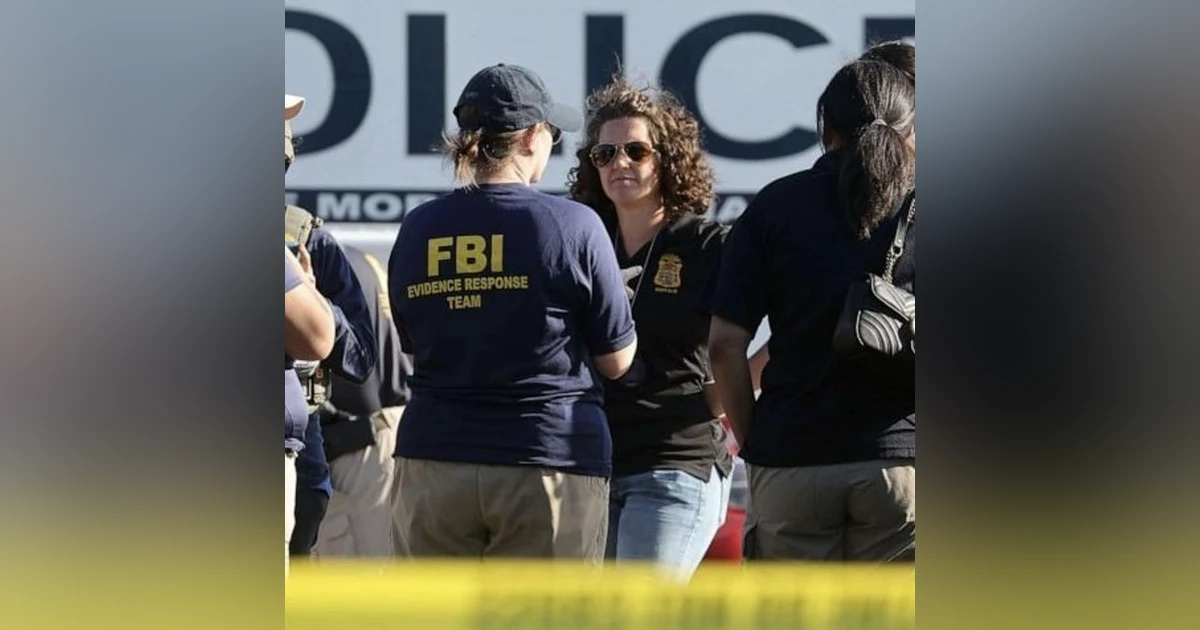
 Hard-work, community and balance are key themes expressed during part 2 of our conversation with Special Agent Amanda Pike – who discusses her role within the agency, shares a little background about a big case and proves that work-family-life balance is possible within the self-described “Kinder and Gentler” FBI. Amanda also discusses what it’s like to be a woman in the Bureau before revealing what she believes was the “truest” True Crime series on TV.
To discover more episodes or connect with us:
Hello and welcome to No Wrong Choices, a podcast about the adventures of life that explores the career journeys of successful and interesting people. I'm Larry Samuels, soon to be joined by the other fellows Touchar Saxena and Larry Shay. If you enjoy our show, please support us by clicking follow on your podcasting platform and by giving us a five-star rating. You can also learn more about us and Connect by visiting our website at NoWrongChoices.com or by following No Wrong Choices on Facebook, Instagram, and Twitter. This episode is part two of our conversation with FBI special agent Demand Pike. Part one focused on becoming an agent, and part two focuses on life as an agent. Two sharp, why don't you set this one up for us?
Tushar SaxenaWell, now we get into the bit of the scary stuff, right? So we talked a lot about, you know, hey, what was the process like of, you know, going through training and getting recruited? It took it to your process, etc. Well, now you've gone through all that stuff and you have the job, and now you're a rookie FBI agent. What is your first job? And now we get into the scary stuff, because now we're talking about actually having to protect Americans from real threats, not simply domestically, but abroad. And then we'll get into other stuff with it. Not simply, you know, not just the the the threats abroad, but then we get into the the greater threats than which she is now involved with. Because she's gone from she went from one essentially one service to another, and the threats don't get any easier, they only get bigger.
Larry SheaAgreed. As fascinating as part one was about how she got to where she is at at the FBI agency, I'm fascinated to find out the day-to-day life, T. Um, like you talk about, it does get scary here, and I hope we touch on a lot of the fear and a lot of the anxiety, perhaps, that I know I would feel going to work doing what she does every day. So, you know, it's portrayed a certain way in TV and movies, and I'm really excited to hear about what the day-to-day life is, about how she carries herself, what the culture is like, what what the feeling is like when she's on her way to work every day, because that's something that none of us have any clue about, and we're gonna shed some light on that aspect of it.
Tushar SaxenaYou know, we talk a lot about like, you know, the the people who kind of protect us when we sleep. You know, this is what this is that person, right? So they get to see they peek behind the curtain and they see the ugly stuff that we never will. We don't want to, we shouldn't have to. And it's not fair sometimes that someone like a special agent Amanda Pike has to deal with that for us. And yes, it's a tough way to balance your home, your life, your family. But, you know, she's doing it out there for us, and we really should thank her for it. And we should thank everybody who does something like this for us.
Larry SamuelsAnd, you know, with that in mind, I've I've often wondered in this type of a role, can you shut it off? You know, are you able to let go? Are you able to relax? Are you able to be truly present with your friends and your family and to sit around watching a movie on your downtime without, you know, thinking about something else? So um the answers to all of those questions uh are coming up. Uh, here is Amanda Pike. What's the best part about being an FBI agent?
SPEAKER_03Well, there's so many great things about being an FBI agent. And I think, you know, I was thinking about this type of question before we got on the call today. And my favorite part of the job is definitely the people. I mean, I think since coming here, the people that I work with in and out day in and day out, um, the people that I've gotten to meet in our community here in Buffalo, by far, that is the best part of the job. And I've developed so many amazing relationships over the years. And I think the nature of the work probably means that you might be closer or develop closer relationships because you feel in some way that you know your life depends on these other people, your family feel like your life depends on these other people. And so I think the bonds that you build can be really, really strong, and that's been really incredible part of it. And I think getting having the opportunity to be out in the community and develop relationships with people that I probably you know wouldn't have otherwise has also been really incredible. And of course, the job satisfaction that you reference sort of the political stuff aside, the reality I think for most agents who work in offices like here in Buffalo, you know, we're so insulated. We're really focused on being public servants to our own community, to Buffalo, New York, or Western New York, really, because we cover a territory that is, you know, far bigger than just the Buffalo area. And that's what we're really focused on. And all of that other noise really doesn't affect us too much. You know, it's like you can just turn off the TV and there's not a whole lot of it. It doesn't trickle down, I think, not to the rank and file in the way that some people might think. We really are just focused on serving the public and for the most part have really good and positive relationships and interactions in that regard.
Larry SamuelsAnd uh, you know, Amanda, as as a native Buffalonian, uh hearing you say Buffalo, it's clear that you have worked your way into the community because you certainly say it properly.
unknownYeah.
SPEAKER_03Is there a wrong way?
Larry SamuelsYes, yes.
SPEAKER_03I have not embraced pop over soda yet, so I'm still not fully on board. Yes, I am. I'm holding out. Don't do it. I'm holding out.
Larry SamuelsI can hear. But no, we love it here. We love it here.
Larry SheaBuffalo's great. We love buffalo. All right, another one. It's it's my Paris too, Shar. Leave it alone. Um when you here's a fun one. When you get dressed in the morning, do you do it with the intent that you might have to chase bad guys, or do you just want to be comfortable?
SPEAKER_03I just want to be comfortable. And I do with the thought that I hope I don't have to chase bad guys today, because this is definitely not the right, probably, outfit for that. But yeah, no, I'm mostly joking. But we yeah, we carry it, keep a spare set of clothes in our cars, and um, most of us keep a spare suit because we're less, much less often in suits than we are more casual clothes. And um, but yeah, no, I think especially working cyber, we we spend maybe more time in the office and in front of the computer than some other violations where they spend a lot more time on the street. But even then, um, I think dressing for comfort also is probably the best way to dress to chase bad guys, generally speaking. Yeah, a little harder to do it in a suit and nice shoes, but okay.
Larry SheaI'm gonna skip the who killed JFK part of that whole part. I can't answer anyway, yeah. Okay. I wish I knew.
SPEAKER_03I wish I knew.
Larry SheaUm, do you have a favorite dumb criminal story?
SPEAKER_03Oh man.
Tushar SaxenaOr is there that many? Yeah, they're all dumb criminal stories.
SPEAKER_03I was gonna say, well, I do we always say is we only we do only catch yeah, the ones that aren't that great at it. So yeah, it's the ones that are really sophisticated and make our jobs. Not that's I mean, obviously a joke, but um, but the the dumb ones are much easier to catch, generally speaking.
Larry SheaSo everything seems so fast with the FBI. Is is it as fast as we think it is, perception-wise, you know, where everything moves quickly, or is it just depend on the case? Some sometimes the the slow go wins the day in terms of the case.
SPEAKER_03Uh I would say in my experience, the the opposite is true, that nothing moves quickly. Um cold molasses uphill on a slow day is seems to me like a better analogy for how things move over here. Certain cases, maybe high-profile cases, um, certainly, you know, life and death situations, those sorts of things, when the Bureau wants to bring all its resources to bear, it can move very, very quickly and impressively. But, and so I'm thinking certainly of some instances on the counterterrorism side where it's just, even from our perspective, I think it's kind of mind-blowing how quickly things move forward. And so, yes, the FBI definitely has the resources to make that happen. And when it needs to, can certainly deploy them in that way. But generally speaking, no, it's a federal investigations are don't move at the rate that a lot of local investigations move. And I think that is a maybe a common misconception and one that we battle sometimes in trying to manage expectations for victims who want to see results, who you want to see prosecutions, who want to move things forward quickly. And and unfortunately, we are uh, you know, it's just not, it's not often not a fast process. And that's speaking mostly from my perspective, you know, which has been on the counterterrorism and the cyber side. And but I think even white collar, there's a lot of long-term investigations. I think on the federal side, there's a lot of focus to, you know, the cases sometimes are are uh bigger, more complex. They touch multiple jurisdictions, and so all of those things interject time into the equation. Um, that's certainly true for the kind of cases, the kinds of cases that I work right now. Um, you know, the the drugs and the gangs and those types of cases, I think, might move a little bit more quickly, but the nature of those violations are just totally different. So it depends a lot, I think, on the type of threat, whether it's national security or it's criminal, all of those things factor into how quickly the FBI can respond. But when it needs to, I think there is no organization that has a more robust set of resources at its disposal and can move um, you know, more quickly or in more impressive way than the Bureau.
Tushar SaxenaAll right. So if you can tell if you can comment a little bit about it, what was your first case?
SPEAKER_03Um, so my very first case was uh I had, so of course, I came out of the academy, I was assigned to a joint terrorism task force, uh JTTF, which was at the time, you know, in 2012 kind of the height of ISIS. And so the pace on the squad when I arrived was pretty intense. And it was a really exciting time. It was very overwhelming because I knew absolutely nothing about terrorism, other than you know, 9-11 was kind of a coming of age moment for me. I was a high school senior at the time, remembered watching the event on TV in a in a AP physics class, and so very vivid memory. And I think, you know, for really everybody, but in my generation, also just a real one of those moments where you knew where you were and you knew what you were doing, and it left a uh an a very serious impression on you. And so I had that kind of in the back of my mind, um, but of course didn't know anybody that had been killed or harmed or injured in any way in the attack, and and that was pretty much it. And so I knew of certain groups, and I knew, you know, kind of generally that terrorism represented this existential threat and that um it was emanating from certain parts of the world. But outside of that, I really didn't know anything about the threat. And so um I came to the JTTF here in Buffalo in December of 2012, and it really was baptism by fire. I think the the benefit to being in a small to medium-sized office is you hit the ground running. And when you are a new agent that's assigned to some of our larger offices, you sometimes spend time working other things. Like you might be on a surveillance squad for six months, or you might be working applicants for six months, um, uh processing background investigations in those larger offices that are trying to backfill those roles.
Tushar SaxenaYou get a little bit of everything, right?
SPEAKER_03Yes, you often they often pull from the new agent population. Here in Buffalo, you are immediately assigned to an investigative squad, a substantive squad, and the expectation is that you immediately start, you know, working cases. And so I had my first two cases, one was a kind of a legacy Al-Qaeda in Iraq case, um, which I won't provide too much detail on, other than to say it was, you know, in both cases, the individuals in the community that had been identified as having possible ties to very real terrorist organizations. And so um I had that case, um, and then I had another case, which was essentially like an aspiring member, a sort of traveler case uh to an individual who wanted to join ISIS. So obviously related, but not exactly the same. Yes, um, and really great experiences. Buffalo is kind of a unique spot to start out because uh, well, one, it's still a New York office. So even though we weren't in New York City, there were many agents and support staff here in Buffalo that had been working for the Bureau at the time of 9-11 and had actually contributed to those investigations or had even responded to the site. Um, and so there were still people here, although there are less of them now. There were still people here that had really lived through that firsthand. And Buffalo also had a pretty major case, uh, the Lackawanna 6, if you're familiar with them. Another kind of legacy case post-9-11 was really one of the major cases. And there were agents and really a lot of um task force officers, TFOs on the squad who had played major roles in that investigation. So that was obviously before my time, but all of that institutional knowledge still lived on the squad. And I really benefited from having those individuals as mentors. And um, so they were really like legacy 9-11 legacy agents. They knew everything about these groups and who the main players were, and everybody about, you know, that you needed to know in our community and and kind of all that historical and institutional knowledge that an agent could need and or want to be successful in, you know, in working that threat here in Buffalo. And so I was I was very fortunate that we had those folks still in the squad at the time, and that I got partnered up in particular with one of them who was a state trooper. Um, and I worked the counterterrorism stuff for about six years and worked um primarily with a a state trooper who was really one of my greatest mentors when I first got here to the bureau.
Tushar SaxenaAll right, so you're working cyber now. I am. How? And um I mean look, you've worked you've worked two unbelievable, you two unbelievable, let's say, uh case type loads, right? Uh thus far. We've started I I I guess you said you started out in in counterterrorism, and now you're in and and how long were you in counterterrorism?
SPEAKER_03About six years.
Tushar SaxenaAnd then from counterterrorism t counterterrorism you've gone to cyber or was crossed in between.
SPEAKER_03No, no, I went from yeah, the counter-terrorism right-hand cyber.
Tushar SaxenaYep. What was that what was that transition like? And and I guess uh the follow to that question is do you see do you see cyber as a bigger threat than terrorism?
SPEAKER_03So the transition was not as bad as I expected it to be. I mean, uh not dissimilar to counterterrorism. I also have zero computer science and or you know, kind of IT background, any of the things that I initially would have thought would have better prepared me to be a cyber agent. That said, I think at the core, most of what we do here at the Bureau is just like good old-fashioned police work. And it doesn't really matter what violation you work, you employ a lot of the same skills and the same techniques against any of the threats. So whether you're working white-collar, you're working counterterrorism, you're working cyber, you're working drugs and gangs, most of the things that you're doing, you know, um handling sources and issuing subpoenas and writing search warrants and reviewing records, those are consistent across all the threats. And so both the cyber and the counterterrorism work will technically fall under our national security arm. And so that's a little bit different than our criminal branch, which you know, the white collar and the drugs and the gangs and violent crimes against children, all that would fall under that. And so I had some familiarity with the national security side of things, but to my surprise, the cyber work was really much more criminal in nature than it was national security. And so that was in some ways actually kind of a relief. The national security work can be really frustrating and challenging in certain ways. And um this on the criminal side, things do move faster. And, you know, you don't have classification issues, nothing's secret, classified secret or even higher. And that makes sharing information and working the cases, working with the U.S. Attorney's Office all a lot charging people all a lot easier than it was on the counterterrorism side of things. And and I realized that, you know, here we employ all, like I said, people in all different types of roles here at the Bureau. Um, and so on the cyber squad, we had also analytical staff, which includes intelligence analysts and um tactical specialists who do um, you know, do a lot of strategic and tactical work that support our investigations and our work here in Buffalo. And then we have computer scientists, and they're really the experts. And I realize that if I just leverage the people who had those particular skill sets, even though, you know, I'm not uh technically trained in that way, I don't have a lot of that knowledge, um, I could rely on them fill in the blanks where, you know, where I maybe lack some things, and that my investigative skills were certainly not going to waste just because I wasn't the most um technically trained or you know, cyber savvy agent.
Tushar SaxenaThe part two to that question was do you find the, and I guess actually kind of maybe answer this a little bit, what do you find the threat greater in cyber or terrorism?
SPEAKER_03That's a really good question. And it's sort of a complicated answer in in one way, the counterterrorism threat has just changed so much. So when I came on in 2012, it uh really sort of the height 2012 to 2014, really the height of ISIS and this looming existential threat, you know, uh Islamic fundamentalism and Western democracy, whatever it is, that permeated just about everything. And, you know, in every not just at the FBI, but general public psyche worrying about um terrorist attacks all the time and um and and all of that. So I think at the time, the the pace of the investigations, the perceived uh, you know, threat as it related to counterterrorism is is just was totally different then than it is now. And I think that's also reflected, and I'm sure most people have this sense that if you were, you know, consuming media or watching the news in 2012, probably every day you heard something about ISIS. And that has changed. Uh, I think for the FBI, the the whole counterterrorism landscape has changed. We certainly still work what we would refer to as international terrorism. Counterterrorism has always had like a dual part focus, and there was the IT work, international terrorism. That's what I worked, um, includes other groups other than Al Qaeda, Al-Qaeda or ISIS. Um, but uh that those are the cases that I worked. On the other side is domestic terrorism. The Bureau also, as long as I've been here, has had that as a feature of the counterterrorism program as well. I think over the years since I transitioned to cyber, the focus has uh shifted much more onto the DT side, the domestic terrorism side than it has the IT side. So the landscape has just really changed. It's different. Um, DT brings with it also, you know, a lot of challenges. Um and uh, but it's a little bit more local, which is uh can be, I think, um, you know, presents different types of investigations from the IT stuff where sometimes your subjects are overseas. On the cyber side, uh, many, many, many, many, many, many of our targets are not in the United States. Um, many of our targets are not in countries where we could ever put our hands on them, even if we wanted to. Um, and many are in countries where it's difficult to difficult to put our hands on if we want to. And so I think that the cyber work is challenging. And in terms of in regard to a threat, it's different, right? It's not it's not the same type of threat that groups like ISIS posed to the American public, but in regard to the dollar value of actual losses and the potential, I think, for you know, a cyber attack, for instance, on critical infrastructure or um, you know, our the water supply or uh power plants or something like that, have I think the Bureau has shifted their focus more toward those types of threats. And I think it's probably uh rightfully so. Um the downside, of course, is that instead of just looking at you know people in your backyard or your neighborhood, unfortunately your targets could be in pretty much any country in the whole world. And so it's really an unlimited um the uh potential for uh possible targets and the internet and um technology has made it possible for the bad guys to target us, target the American people from absolutely anywhere in the world. They do not have to be in the United States, um, they don't have to have ever been in the United States, none of their infrastructure has to be in the United States in order to for them to like leverage attacks against um US persons. And I think one thing that I realized after coming to work cyber, it counterterrorism is kind of odd in the sense that if you're doing it right, you don't, you often don't have victims yet, right? The whole idea on the counterterrorism side is to prevent it's um preventative, more preventative in nature. Um, not that in an ideal world we're not preventing all crimes, but that's you know obviously not possible. But the pressure was very intense, especially in 2012, 2014, to prevent the next attack. And so that's what we were really all working really hard to do is make sure that those individuals that were in our area were plotting to do something, um, you know, making plans to do something. And um if it's everything works out as you would hope it would and as it should, then um, when you get to the end of the case and you make an arrest, you don't have any victims. And you know, nobody, um, they haven't killed anyone and the bomb hasn't gone off and all that. On the cyber side, we can't, there are just it's the work is so different in that every case we have has a victim, multiple victims. Um so much of the work is is victim-based. And that has been something for me that's been incredibly rewarding that you feel a level, maybe of maybe even increased contribution when you're able to put a face to the other side of that crime. And it really gives you a sense, I think, of satisfaction and um motivation that uh maybe is harder sometimes to generate if you don't have victims on the other end. And uh on the other hand, it's also given me a sense of how big a problem it is and how many victims there are out there and how unbelievably staggering the losses are. And although sometimes these cybercrimes don't result in someone's death, they are life-changing or ending in the sense that we see many, many people who have lost their life savings, who have mortgaged their homes, who have um, you know, or maybe later on in life where the possibility to regain the money that they've lost as a result of some um cybercrime is just it's not realistic. And in its own way, I think that is um not so dissimilar, that it is absolutely life-altering, um, probably for some people feels life-ending. And so we take the work that we do on our squad very seriously, and and we take every complaint that we receive very seriously and and consider them in the same kind of way that you know these people have experienced something that's just so incredibly traumatic and and probably will change their lives. And unfortunately for us, you know, restitution is difficult, um, arrests are difficult, um, our subjects, and I think we have a pretty good um, we're pretty good at identifying who they are. Um, and although they rarely use their true names in the execution of their crimes, um, we're we do a pretty good job of idea who they are, but it is often very, very difficult to get them and certainly to get any of these victims their money back. But it does not stop us from trying, that's for sure.
Larry SamuelsYou know, as I listened to to you go through these different things, the the question that I was gonna to head towards was you know, is there something in particular that that you're proud of? Uh a case that you solved or a meaningful difference that you made along the way? But it sounds like, I mean, you you're doing that every day. So I'm gonna pivot towards you know, a different question, which is based upon the volume of things that you're doing, can you ever shut it off? You know, is being an FBI agent the type of role or job where you're always on, you're always thinking, you're always aware.
SPEAKER_03So I think yes, you are definitely always on. I mean, we are always, in a sense, on call. If something were to happen, we would all be expected to the extent that we can to respond. Um, but certainly know of people who have canceled vacations or returned early from vacations. You know, we work weekends, we work nights, I work holidays. Um, all of that is part of the job. Um, what I will say is that most of that is responsive in that day in and day out, uh for the most part, it it's kind of a regular job. You know, we have we have regular-ish hours. We many of us, most of us, are also parents. Um, you know, I eat dinner with my kids every night. I see them when they get out of bed every morning. Um, we're at sporting events, we coach softball teams, we have really regular lives and for the most part, good work-life balance. I think the the aspect of it that is 24-7 for most of us that have taken on this job and have an interest and passion for public service. If something were to happen that would require us to come in on a Christmas or on a weekend or after hours, it means it's something of some level of importance or trauma that there's nowhere else we'd want to be. And I think that's a really neat thing about the Bureau and the Buffalo office in particular, is I've had some good cases and had some great successes individually, and that's awesome. But I've also had a small piece, a tiny piece, not uh, you know, take credit for it kind of piece, but a small piece in a lot of other cases that I maybe never otherwise would have been able to contribute to. And even a small part of something that is just so important to this community, I think is a really rewarding thing. And in regard to job satisfaction, yes, like sometimes the hours are long, sometimes the days are long, sometimes the weeks are long. But overall, you go home every night and you feel like you're making a difference. And I used to say this all the time at my old job, which building, you know, children's playhouses, I loved what I did there and I was passionate about it. And I believed in the mission, and I was totally on board with the vision at all about it. But we used to say, like, okay, but we're not curing cancer, you know, like if someone doesn't get their playhouse tomorrow, like the world's gonna keep spinning. And um, and that was true. And then I came here, and you do feel like everything you do has an impact. And I don't know that there are a lot of other jobs out there where I would get that same um feeling of contribution and job satisfaction as I do from that. And yeah, I think really hard to produce and hard to imagine doing anything other than this.
Larry SheaWho knew that building playhouses was training for the people who are? I knew.
SPEAKER_03I know. I couldn't have predicted that one.
Larry SheaI love, I love Larry's question about your work-life balance and can you ever turn it off? Because I mean, that's what I think about all the time. I mean, just hearing you talk about cybercrimes and terrorism, I mean, I I would tend to get maybe cynical. Um, I think secrecy is such a big part of your job. Like, how do you balance that with your family, the secrecy part of what you're doing day to day? Um, without getting too personal, tell me about how you balance that. How do you, hey, you know, you're having dinner with your kids every night. There's so much you can't tell them.
SPEAKER_03Yeah. There is, and I think I'm sure there's been occasions where um, you know, I've come home and clearly had a hard day, and or I'm working long hours and and my husband has some level of curiosity as to what I'm up to, and and he just can't know, or he'll hear about it on the news tomorrow. But I I always think of it like any other job. And I remember being a kid sitting at the dinner table with my dad, and my dad also didn't come home and talk about, you know, the digester at the paper mill. So I think for in large part, you know, when you go home, you don't do you even really want to talk about work. You spend all day doing it, and you've got coworkers in this profession in particular, and on the squad I'm on, I'm very, very lucky right now. In particular, I have coworkers who um, well, listen to me talk ad nauseum about these sorts of things. And so when I go home, it's nice to, it's nice to change the subject, you know, and I all I want to hear about is my kids' days and um my husband's golf game or whatever it is. And I think in some ways you think, oh, the secrecy doesn't create this weird dynamic between you and your loved ones at home who can't know what you do. But but the Bureau also there is definitely a focus on the work-life balance. They have we have events um, you know, periodically throughout the year where we bring our families into the office, you know, my kids have their pictures are up all over my desk. Um, they, you know, have sat in my chair. There, it's not secrecy in the sense that, you know, they don't know where I go and they don't know what name I use. You know, we're not um we're not secret agents. Um everything about what we do is is kind of known. We operate in our true names and and we live in our communities. And um, you know, some people are more or less comfortable talking about where they work. But for me, um, I've always been pretty open about it and I like being a resource for people who might not otherwise know, you know, where to turn. And so I think when I come home, uh it doesn't feel weird to any of us. You know, they know generically what I do, they know where I work. We do also on the Cyber Squad, another element of what we do is a lot of public outreach, way more so than I ever did on the counterterrorism side, uh, with the idea kind of that, you know, uh an ounce of prevention is worth a pound of cure, and that we could be much better at preventing these crimes, almost all of which are totally preventable, and um much more successful at that than we'll ever be at uh bringing real justice to a lot of these actors, many of whom are not in countries that we can get to. And so I have a public persona in that way. And so I think there's a lot that I can talk about. Um not everything I do is all that interesting. Um, you know, sitting at a computer for six hours a day, who wants to hear about that? And and like I said, I think it's not so dissimilar probably from other professions where, you know, mom and dad comes home and they don't want to talk about spreadsheets and um and uh and numbers and this or that. It's just not really interesting to anyone, other than the perception. Yeah, other than the perception that what we're doing is interesting all the time. I think there's probably that. But then then you start to get to know um, you know, a little bit more about and you realize like a lot of it is just mundane. It's still, it's still just a regular, uh, a regular job becomes kind of normalized.
unknownAll right.
Tushar SaxenaSo Amanda, before we let you go, I have I want to ask you one quote, like one like serious question and a bunch of like little quick uh lightning round questions. Okay. So my first serious question is this uh obviously we we are all about you know wanting to give people a vision and like a roadmap to how to like a like a little piece of advice. So if you're have one piece of advice that you want to give to someone out there who's listening and saying, hey, this is a job that you should pursue and this is the reason you should pursue it, what's that piece of advice?
SPEAKER_03So I feel like it's like three part for me. Um the the first is not to underestimate your some of those soft skills. I think if I had looked at when I did look at myself as a potential candidate for the FBI and I thought about what does an FBI agent look like, you know, what kind of skills do they have, I never would have painted a picture that looked like me. And and what I bring to the agency are I think some of the things that are are so important and maybe not uh are underestimated by people that don't understand a lot of what we do day to day, and that is you know, good reading skills, good writing skills, and good speaking skills. And you can get those types of skills in in many, many jobs. Um, the most important part, I think, of what we do is talking to people. Um, and yeah, don't underestimate the power of sales. That's also a lot of what we do is convincing people um to buy into our mission, convincing, you know, we need the cooperation of the general public. We need people to report crimes, we need people to help us work these investigations. And so there's an element of sales and convincing people, I think, that that is the right thing to do, and it's also a way to contribute to something much bigger. Um and so I would give that piece of advice. And well, now I've forgotten my other piece of advice.
Tushar SaxenaMaybe it's not that important.
SPEAKER_03Well, probably it's the most important, and now all these poor people out there are gonna be uh going you know about their lives without it. But I if it comes to me, I'll let you know.
Tushar SaxenaAll right. So my so my lightning random question starts with this. First, what is your favorite FBI related TV show or movie?
SPEAKER_03So I hate to like disappoint you, but I hate, I feel like I hate almost all of them. And part of it is once you are on the inside, it's really hard to watch um those representations. Um I will say I I kind of enjoyed The Mind Hunter, um, which I think was a Netflix show about BAU. Yes, the behavioral analysis unit and the birth of that. Um, I don't know how accurate all of it was, but I thought that um that was really good. And then um a lot of it I think is just it's difficult to watch because you know the representation is just so far from reality, and you've got a there's a lot of suspension of disbelief. And I think some people still enjoy that. For me, um, it's a little bit harder. Um, I think there are some good, well, I will say not good, but accurate portrayals of um federal law enforcement. Um my god, it's escaping my what is the HBO show? Um, McNulty is the main character, Baltimore. Um, oh my god. Yes, I think they'll play.
Larry SamuelsOh, that's one of the greatest shows ever. It's such a good show.
SPEAKER_03Um I I won't say that's necessarily like the most flattering or anything like that, but I think it's an accurate, it's a pretty accurate representation of um um, you know, federal law enforcement and and the reality of like what it's like to be an FBI agent. It's not you know touch screens and all this technology, it's just basically, you know, like I said, good old-fashioned police work.
Tushar SaxenaHas anyone has anyone ever said to you, hello, Clarice?
SPEAKER_03I'm sure over the years, yes. But I promptly exited from my memory because, yes, yes, I'm sure they have, yes.
Tushar SaxenaIs there a dress code?
SPEAKER_03Uh if you ask some people, I think they would say yes. Uh officially, no. And um, there are certain squads in our own office, I won't speak for other offices, that are pretty much suits only. As you can imagine, that would be white collar, kind of fits the bill there. And then many other squads are much more, much more casual. And I don't know if that's just also a sign of the times, but the days of just, you know, men in suits are are pretty much gone. Not down in DC. If you're at headquarters, everybody's in a suit, but but here, you know, I would say business casual is pretty much the standard.
Tushar SaxenaDo you want to be called a G-man?
SPEAKER_03Uh or a G woman, I suppose. Um I have no G person. G person. Whatever the PC version of that is these days. I have never been called that. Um and I think that that is, yeah, sort of when I think of G-Man, I think really of um sort of the historical FBI, the old days, old school FBI, less so um these days.
Larry SheaWe'd be remiss not to ask um about you being a woman in the FBI, because I do think that's I don't know how unique it is. I don't know what the what the percentage is, but are there special are there challenges presented to you because you're a woman, or is it just everyone's treated equally and we we go about our business?
SPEAKER_03So I think there are so at the time I came through, so I was in when I was in the academy, I was in a class of about 50. And I want to say there were 10 female agents, um, which is actually I think slightly more total. No, well, no, that so that was just for my academy class. Okay and of course, at the academy, you have agents that end up in offices all over the country. Um, here in Buffalo, um gosh, how many agents do we have? I will say, well, I want to I'm the only now I work for a female agent. My boss, my supervisor, is a female agent, um, although she is the first um female supervisor I have had. Um I am the only female agent on the squad. Um, I want to say about you know, something maybe slightly less than 20% is probably the overall percentage. So we're definitely a minority, although I think when I came through, it was probably closer maybe to like 13% of FBI agents for women. Now maybe we're so improvements have been made. Yes, and certainly I think you know, diversity is a uh um is certainly something that the FBI is working to increase within the rank and file and um is a value uh of the Bureau, and um, and so females are part of that, and you know, and and other groups certainly who are not as well represented as they probably should be in the current agent population. The Bureau is doing a lot of work to try to increase those numbers. And so over the years, I think, yes, and certainly we have some new agents who who are females, um, but we're still a minority. I think in regard to challenges, the Bureau is kind of a really neat place because everybody brings something different, and that's not um just you know, you know, gender specific, but also your life experiences. And I think the same is true between men and women, you know, am I the most physically imposing person in the office? Let's just say no, I'm definitely not. That's not what I bring, but um, but it really has not hindered me in any way. And I have these, you know, I have other skills that have been brought to bear over the years that I worked here in my cases and in my relationships in the office and you know, with victims and with sources. And I never felt, and again, I don't want to diminish anybody else's experience because I know being a female in the FBI is certainly uh you're in a minority group and it's a it's a definitely a different experience. But for me here in Buffalo, uh it's always been a really positive one. And uh because there are so few women, most of my mentors in the Bureau have been men. And I have never felt in any way that I was respected less, that my opinion was valued less, that I was trusted less in any way. Um, in fact, just the opposite. Um, my some of my you know, my closest colleagues, um, my most uh important and consequential mentors are all men who I felt like have given me every opportunity and and all of that uh that respect that you would hope to um you know gain from your pollies. And and and gender has had absolutely nothing. Um, I won't say nothing to do with that, because I think in some ways uh it probably benefited me. And I brought something a little bit different to certain situations or uh you know, brainstorming chess obsessions, or in just a different perspective. And I think it's always been valued, and I've never felt in any way uh less than because of that, uh, or that in some way I wasn't you know as capable of doing this job or um not cut out for this job, or in some way don't belong here. Uh never, never a feeling that I've ever had since being with the Bureau.
Larry SamuelsYou were valued as you rather than as uh anything else. So with that in mind, you know, if you were talking to a young person now, whether it be a young woman um or just a young person in general who is thinking about you know getting into the FBI in this line of work, um what what roadmap would you lay out for them?
SPEAKER_03Well, I think, you know, it's I hate to betray it, but the whole representation matters thing. For me, um I probably never would have considered this career path if I hadn't sat down with a female agent, hadn't understood um on one hand what kind of opportunities were available for me at the Bureau, which was also, you know, the potential to use my language skills to travel the world. You know, we have offices all over the place, um, all this Intel-based work that I was really interested in. Um, but on the other side, and maybe at 26, or certainly at 22, I wasn't thinking this way, but questions about, well, you know, what if I want to be a mom? And what if I want to have kids while I'm an agent? And, you know, how do I balance all of those things? And is it possible? And and then I think there are some, you know, maybe seemingly kind of silly things, like in, you know, how do you dress? Because it's a lot harder for females to conceal their gun than it is for men, just based on, you know, the cut and shape of women's clothing and all of those things that became big questions that I had once I became an agent. I would say to the extent that you can, um, if you can sit down, if you're, you know, a young girl or a young woman who's interested in the career and you can reach out to your local office. Um, most FBI agents are really, we're again, we're just regular people. Um, we we go home every night, we have dinner with our kids, you know, we we are members of your community. We'd all be very happy to sit down with you and talk to you about what it's really like day in and day out and what the balance is like. And can you, you know, can you have all of those things? And I think for me, the answer has been yes, but I come from I've been very fortunate to have, you know, great bosses and a great office and a very supportive husband. So I've been, I've been lucky that I have a really great support system, but I've had two kids, right? So I was 28 when I finally came here to Buffalo and uh got married while I was an agent, had two kids while I was an agent, bought a house, you know, all of those things. And I think for me as a female, those would have been big question marks as you know, are you married to this job? Can you have a life? Can you have a normal relationship? Can you have kids? Are all of those, can you have the day to day, your work, the it with as important as it is and as demanding as it is, can you have everything else too? And and for me, that answer has been yes. And and I think the best. Way to know that? Oh, and this was the other piece of advice I was going to give earlier, which is, and this is true for in the same vein here is that the best way to understand the Bureau, I think you know, maybe some people have doubts about what it's like to work at the Bureau, or maybe what type of agency the Bureau is. The best way to know is to come and work here. And I think there's no better way to convince yourself of the value of the work we do here and how for the most part good the people are here and focused on the right things and really trying to make a difference in our communities and for our country. Um, by and large, I have you know more faith than ever. And I'm not trying to be like an advertiser for the bureau right now, but the best way to know is to come and to meet some of us and um sort of to demystify the bureau. You know, we're not just what you see on TV. And I think that for young people that are interested, maybe have doubts about law enforcement in general or or the bureau, um, just call the office, um, get in touch with an applicant coordinator, have coffee with an agent who's lived it and worked it, and can give you some really good advice about what to do and to prepare. You know, again, go out, get life experience, live your life, um, and then throw your hat in the ring and can also help you manage expectations about what it's really like uh to have this as a career.
Larry SheaAnd watch the wife.
SPEAKER_03Maybe you watch something else. I don't know. What's the what's the other big one with the the one I get more than hello Clarice is the well it's not there's not a happy one, I don't think, but there's more or less flattering and impressive versions, I was saying of the FBI. Maybe maybe keep those in mind.
Larry SamuelsUm they'd probably do us more favors than anything, but um well I I would argue that you are also an impressive and flattering version of the FBI.
SPEAKER_03Yeah, this has been too sweet.
Larry SamuelsA great conversation that has provided, you know, I I think what people would want to hear. Uh uh A lot of insight. Real insight into what it's life and and uh what it's like and and just how you can make an impact. This has been an incredibly inspiring conversation, Amanda.
SPEAKER_03Oh, thank you. It was a pleasure.
Larry SamuelsThank you so much to Special Agent Pike for for that great conversation. You know, I I know Amanda wasn't trying to be an advertisement for the FBI, but uh she's certainly sold me on the kindler and gentler version of the FBI.
Tushar SaxenaI gotta tell you what, she wants to say that she's not a hero. She is wrong. What she does is extremely heroic. No matter how mundane she wants to try and make the world, make the life seem, what she's doing is heroic. She's making sure that your grandparents, that we, we keep our nest eggs for forever and you know, so that they aren't sucked away by you know cyber hackers or you know, bad players who are out there trying to steal from us at all times. Let's be honest, she went from she went from the she went from you know uh chasing terrorists to chasing cyber criminals. I'm not sure if you can say one is more dangerous than the other, but equally uh but both are equally as dangerous in terms of the threat to America. And it's unbelievable what this woman does. And the w and the near nonchalantness the way she talks about it, like, oh, this is just everyday work. Most of us would never want to deal with this stuff. Literally, the the the darker corners of society we would not want to deal with. She's dealing with it on a daily basis and doesn't want and doesn't really want to be called a hero about it. I I I cannot understand that mentality sometimes. It the humbleness behind it is is shocking. Amanda Pike, you are a h you are a hero, and what you're doing is heroic.
Larry SheaYeah, I'll double up on that too. Amanda Pike is definitely a hero. Special agent, Amanda Pike, I might say. Um, and we came into this with such a such an interesting perspective of wow, this is a mysterious profession, right? We don't know much about how the FBI operates, who, who these people are. You know, T, you talked early on about peeking behind the curtain. I feel like we got a real peek behind the curtain when it comes to what it's like to work for the FBI. You know, I was so curious to see what the work-life balance uh is for her, because you know, I I wouldn't know how to turn it off. I wouldn't know how to turn off my anxiety when I went into work every day, knowing things that a lot of people don't know, keeping secrets from my family at the dinner table. And it turns out not a big deal because the last thing she wants to talk about when she's at the dinner table with her kids is work. So work anyway, right? You know, and she's just a she's a part of the community. She's a mom, she has a family, and um, you know, this is a this is a career path that's a real possibility for people when you hear somebody like special agent Amanda Pike describe what it is that she does every day. It's it she is a hero T. You are not wrong, 100%.
Tushar SaxenaThe one thing I'm very surprised about is that, you know, uh she's not a hard charger, right? As she even she says, she's not really she's not really like one of these, you know, alpha, you know, knock the door down type of people. She's a thinker, which is what you really kind of need in a job like this, right? You need someone obviously you need you need folks who are gonna just knock down doors, but at the same time, you need people who are gonna go in and think about things, right? They've got to be able to be, they've got to be able to critically think their way through a case. They've got to be able to critically think their way through clues. Just essentially, you know, be able to kind of look a scene down and say, okay, what would I do here? What would I do here? What would I do here? I mean, that is not something that everyone can do, and it's not something that everyone can do critically. That is an important thing.
Larry SheaAnd I wouldn't want to be on the wrong side of special agent Amanda Pike because it sounds like she will track you down and get to the bottom of it. And I just want to say, wouldn't it be nice to go through life with comms with everything that you did, right? You have someone in your ear telling you You don't hear me in your ear all the time. Yeah, well, you're in my ear in a different way. You're you just in my head. You were in my head space in a much different way than comms might be. But you know, just to know, like, oh, don't go around that corner. There's someone lurking. There is someone robbing a bank on that block. You might want to take a left here. You know, it'd be comms would be so great just to go through life, wouldn't it?
Larry SamuelsAbsolutely. You know, I think my big takeaway, I mean, I've I've a million of them, but I I guess what I'll focus on is the sense of community. Uh as she talked about um getting into the job, being assigned a role or responsibility, being assigned a station and a community that you're going to be a part of. She didn't necessarily know where she was going to wind up, but but she wound up in my hometown of Buffalo, New York. And I know I made a joke earlier on that that she now knows how to save the city properly and everything else, but it's just it's nice to hear the story of somebody who wound up in a new town, worked her way in, established herself as clearly a very big part of that community, um, and you know, is making a difference. It it's gotta feel good, and and it's a really great story and a great thing to hear. So um, with that, uh Amanda, thank you for what you're doing for for my hometown. And thank you again for how how do we pronounce it? Uh Buffalo. I don't know that I say it right anymore. You know, I've been in New York City for so long. I think I I say it completely wrong. She says it right because she is immersed in my old world. So with that, Amanda, thank you so much for joining this episode of No Wrong Choices. Thanks go out to my lifelong friend Andy for making this conversation possible as well. We also thank you for joining us. If you enjoyed the show, please tell your friends, click follow on your podcasting platform, and give us a five-star rating. Also, if this episode or others inspired you to think of someone interesting in your life who could be a great guest on the show, please send us a note via the contact form on NoWrongChoices.com. On behalf of Tushar Saxena and Larry Shea, I'm Larry Samuels. Thank you again for joining us. And remember, there are no wrong choices on the road to success. We learn from every experience.