Breaking into Stardom: Unveiling the Journey with Actor Matt Walton
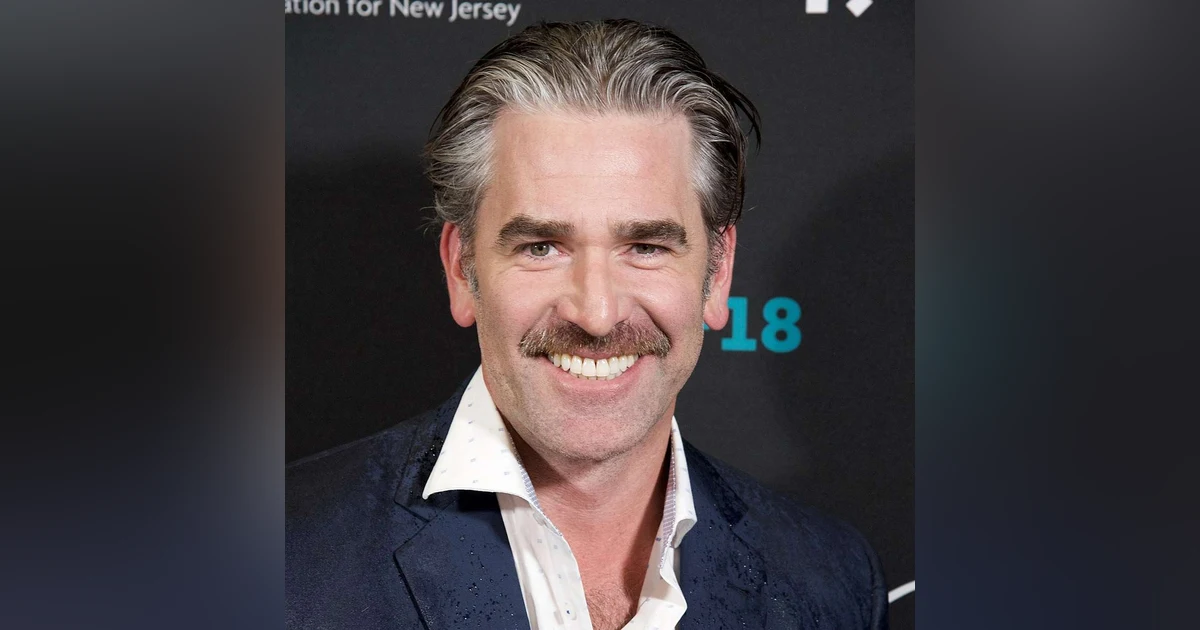
Discover the captivating tale of actor Matt Walton, famously known as "That Guy" you've spotted everywhere but can't quite pinpoint. In this compelling episode, join us as Matt recounts his extraordinary ascent in New York City during the early 90s, unearthing the secrets that paved his path to success. Get an exclusive peek behind the scenes as Matt shares his awe-inspiring experiences acting alongside legendary figures like Al Pacino and Martin Scorsese. Hear first-hand the highs and lows o...

 Apple Podcasts
 Spotify
 Castro
 RSS Feed
 Youtube Music
 Discover the captivating tale of actor Matt Walton, famously known as "That Guy" you've spotted everywhere but can't quite pinpoint. In this compelling episode, join us as Matt recounts his extraordinary ascent in New York City during the early 90s, unearthing the secrets that paved his path to success.
Get an exclusive peek behind the scenes as Matt shares his awe-inspiring experiences acting alongside legendary figures like Al Pacino and Martin Scorsese. Hear first-hand the highs and lows of competing for an iconic role that was almost within his grasp, and the heartbreak of landing in the second spot.
With over 30 years of experience in a fiercely competitive and ever-evolving industry, Matt reveals the strategies that helped him carve out an enduring career. Gain invaluable insights into navigating the unpredictable realm of acting and staying relevant amidst constant change.
Tune in to this must-listen No Wrong Choices podcast episode and unlock the wisdom of a seasoned performer who has conquered Hollywood's elusive challenges. Learn from his triumphs, failures, and everything in between, as Matt Walton imparts invaluable lessons for aspiring actors and enthusiasts alike.
To discover more episodes or connect with us:
Hello and welcome to No Wrong Choices. Along with Larry Shea and Tushar Saxena, I'm Larry Samuels. This is a podcast that's all about the adventures of life. For each episode, we'll talk to somebody who had a dream, an idea, or a vision, chased after it and got there, or got pretty darn close. This episode features actor Matt Walton, who is the definition of a working actor as he has been at it for 30 years and has found a way to create a really nice space for himself within the entertainment industry. You know, Larry, as somebody who is or was, I should say, an aspiring actor, I think you can bring a lot of perspective to this conversation.
Larry SheaYes, I think when you're talking about the acting business, you're talking about theater of rejection. I mean, it's all about putting yourself out there to be judged, and most of the time, not making the cut, you know. It is there's a lot of rejection in this business. You have to have a lot of ability to pick yourself up, dust yourself off, and move on. And I think what you're gonna hear in this interview is someone who, as you said, is a full working actor. And there's no direct path. You know, you really have to zigzag your way. You gotta set yourself up emotionally, you have to take classes, you have to meet people, you have to constantly engage and be out there in the theater community, in the movie TV community. It's about relationships, and I think what you're gonna hear is an actor who, you know, certainly did this during a different time, but knew the path that he wanted to take and was persistent enough to pick himself up, dust himself off, and carry on and have not just some degree of success, but a lot of success. You know, there's very few Brad Pitts and Al Pacinos in the world, but there's a lot of working actors, and there's a lot of room for a career out of this profession. And Matt's an impressive guy who was able to do this, and you know, just listening to him, I know you're gonna be as impressed as we were about what he was able to accomplish in a tremendous career.
Larry SamuelsYeah, and Larry, as I'll bring out as we enter the interview, that his IMDP IMDB page has, I think, a hundred plus roles on it. So this is a guy who has done a ton. Tushar, what are your thoughts?
Tushar SaxenaWell, full disclosure, I've known Matt for a long time. Matt is a friend of mine. And yeah, I I'll I'll c I'll just jump on what Larry, on what Shay said as well, is that Matt is a Matt Matt's career started out as a starving artist. He understood long uh long you know long ago that you know you've got to put in the hard work and you've got to pay your dues before you get that big break. And that's what he did, right? I mean, he put all the time in small theater, he did small, he did workshops, he did small movies. And then slowly and slowly he understood how to play the game and he got to know the right people, he got to know the right casting directors, he got to know the people who you needed to know who would get him work. Look, there's a reason why the there's a reason why the guy's nickname is Anchorman Matt, is because this is what the guy does. If you need an anchor man, trust me, there are so many movies. There are a couple of movies the guy's done over his career. One is a movie called uh Money Monster, which had George Clooney in it, and who is he in that movie? He is a he's a news anchor in that movie. Another movie that he was in, he was in one of the purge movies. Who is he in that? A stand-up reporter. If you need a reporter or an anchor man, you call Matt Walton because that's what he was, and that's what he does. And that's how he puts food on his table. And trust me, Matt may not be Brad Pitt or Al Pacino or Robert De Niro, but he is not a he is not starving, that is for sure. Trust me, I've been to his house. He's doing all right.
Larry SheaThere was a great book a bunch of years ago called Hey, It's That Guy, right? Where you see a guy in a movie and and oh, it's that guy. Like Matt Wallin is that he's that guy. You know, as you said, if you need an anchor man, he's the first call you make. And if you can find that niche in this business and make it work on that kind of level, you have yourself a full-blown career. So I love the things that Matt touches upon in this in this interview. He talks about his training, he talks about his relationships, and he talks about the hard work and the breaks along the way, and it's super impressive to see what he's done.
Tushar SaxenaAnd the one thing that is so surprising about Matt's career is that the comparisons from then to now, right? How you had to really put in the work, you had to put in, you have to pay your dues. And maybe some of that's kind of lost in this day and age, where now that everyone has uh has a cell phone or has the ability to put stuff up on YouTube, that that notion of putting in the hard work to get that big break, maybe some of that's kind of lost.
Larry SamuelsWell, in the words of Larry Shea, here is that guy. Now joining No Wrong Choices is the very definition of a working actor, because from what I can tell, this person never stops working. I looked at uh IMDB earlier today, 91 credits to his name covering Broadway TV, two dozen movies, a video game, more than 100 commercials, and a viral video that is absolutely hysterical called Romney Style. And check this number out over 65 million views. So clearly, this guy uh has has been around the block. I'm of course talking about Matt Walton. Matt, thank you so much for joining us today.
SPEAKER_00Well, thank you for that stellar introduction. The best part of all of that is I can still go to the mall and no one knows who I am. Do people even still go to the mall anymore, though? That's the question. I guess that's probably why.
Tushar SaxenaYeah, is it still relevant? And if you did go to the mall at this point, would you even want to get noticed? It's not like do you remember the movie Soap Dish, where she where Sally Fields' character tried to get noticed at the mall. I don't know if that's the case any longer.
SPEAKER_00Well, it's funny you should mention soap operas because or soap dish, because there was a time where soap stars were the same or as uh gigantic as reality stars, or as as gigantic as the biggest influencers of the day. It's like whoever people uh shared their living rooms with in the daytime became obsessions, you know. And uh that's really the secret to uh television stardom in particular, is you know, they're in your house all the time. You know, I when I used to watch the reruns of Friends, I would get, you know, get a little drunk, and you know, it would feel like the the the six of these clowns were just down the hall from me in New York City. It was that sort of you know uh relationship with the television. We're not that far out of the cage as a species, to be for our brains to be able to tell the difference between people on a screen and people in front of us around the campfire, so to speak. So it's been really interesting. And I started my career uh in soap operas. Uh I I hold the distinction of having the most murders in the history of Landview. That would be the town from one leg to the other. 14 murders committed by you. Yes, indeed. Um, and so that but it's funny, at the time, you know, our pay cut our paychecks were getting cut every year when uh in the days of Soap Dish, these were seven-figure contracts, you know, big money. Big money contracts. It's crazy how times change. And that's really we'll get more to that uh as the interview goes on, but that's really the story of why I'm even working today is is just adapting to change.
Tushar SaxenaMatt, let me ask you, you know, I I I guess I've never really asked you this question about how and why you got into the feel that you have. So I'll ask you a bit about your backstory somewhat. Then, you know, have you always wanted to be an actor? What attracted you to it? Why did you why did you decide that this is what you want to do for the rest of your life?
SPEAKER_00Well, the first thing I ever remember knowing I wanted to do was be the next George Lucas. I saw Star Wars in the theater when I was four years old, and I didn't want to be Han Solo. I didn't want to be Harrison Ford even. I wanted to be the bringer of that world. I wanted to be George Lucas. So I was like, I'm gonna be the next George Lucas or Steven Spielberg. Well, didn't really have access to filmmaking equipment. Um, but I uh I had access to uh a store called Shelby's up the highway. I grew up in very rural New Jersey, what I like to call West Virginia, New Jersey. Uh we had to ride our bikes everywhere. We're, you know, very blue-collar, small uh income town. Uh so we would ride our bikes to Shelby's and I could get G.I. Joe toys, you know, or Star Wars figures, or Masters of the Universe figures. So I guess I always played with my toys pretty intensely. I still have all those toys today. If there's any listeners out there looking to buy a gigantic storage unit full of 80s toys, 70s and 80s toys, I am looking for a buyer.
Larry SamuelsUh, did you have the Millennium Falcon?
SPEAKER_00Of course I have the Millennium Falcon. Is it mint in box? If it's mint in box, hold on to it. I have nothing mint in box. That's the only unfortunate reason thing about it. Um couple of the latter-day toys when when that first started to become a thing. Um But uh, you know, I was I was raised Catholic, so we would do little shows at the church, and you know, I was always uh in the community theater as part of the church basement, you know. We'd put on like Annie and the Wizard of Oz and stuff. So I was always kind of a natural at that, uh, just by chance. You know, my mother was very gregarious, and her my grandfather played the organ, you know, he was a good Irish boy. They were all military brats, but uh you know, my brother and I were the first generation on our family to not uh uh have to go to war. You know, we I was born in 73 at the end of Vietnam when the draft the draft was abolished. So, you know, what were we gonna do? Everybody in my family went into the service. What were we gonna do? Well, my brother became a politician and an engineer, and I became uh an artist type, you know. Um there's lots more to this story, but the the the short version is uh in high school I was both a visual artist and a performing artist. Um and I was trying to figure out the the quickest way for me to use those skills to get the hell out of the town I grew up in. My home life is very uh unsatisfactory to say the least. So uh I ch I it was either gonna be I was gonna be a comic book artist or an actor. Those were the two things that I like, those are the two career paths I could have chosen. And I thought, to my infinite wisdom, in uh you know, the fall of or the spring of 1991, comic books have no future. There's the last generation that's gonna give a shit about superheroes. So I'll just go be an actor. Should be easy, shouldn't be, you know, as much of a well boy was I wrong about both of those things.
Larry SheaBut uh you know, nothing worse than uh seeing so uh well anyway, the we can't books have taken over entertainment, but uh but anyway, so that's what started me out.
SPEAKER_00I it's just I just I just I was good at it, you know, it's just something that was came easy to me, so I didn't have to try very hard. You know how like natural athletes just they just play sports and they just uh they just excel at sports. No rhyme or reason to it. Um but I was you know stupid enough or wise enough to pursue it as an actual career, which at the time it was not a viable profession. Today, I still wouldn't call it a viable profession, but it's not as crazy an idea for a parent to let their kid go to a theater school. Um but anyway, I put myself through school, so uh my parents never had a say about it. Uh I got a scholarship to the Boston Conservatory because at the time no men were really getting into the theater. It was late 80s, early 90s. Um, wasn't a lot of competition for a really good theater program. And uh I chose that school because they would let you perform your freshman year, whereas like the better, well, the more reputable schools like NYU and Yale or whatever, you would have to uh sit out your freshman year and just learn. And I was like, I'm not sure there's gonna be a sophomore year. So I'm gonna go to the place. I'm gonna go to the place that I can perform right away because if it doesn't work out, at least I got some time in. And uh they ended up giving me a uh a full academic scholarship. So that's amazing. I was in Boston, yeah, I was in Boston for six years. Didn't really want to leave. Uh got to audition for uh school, school ties with Affleck and Daniel and Brendan Fair. That's a great movie. Yeah, yeah. Yeah, and that was my sort of first big movie audition when I was like you know 19. Got my uh did my first professional gig at 19. What was that? Um it was uh uh at Chiswick Park Playhouse, uh the role of the bellhop in Lend Me a Tenor. Wow. Craig Ludwig Farce, which was fresh from uh the Broadway stage going out into the regions. And uh yeah, so that was cool. And it's where actually where I met the guy who represented me when I moved to New York for the first couple of years, he'd seen me in the show and he said, You really want to probably leave school now and just come down to New York. There's a shortage of young kids, and you know, we could really use you. I'm like, ah, I don't really have a place to stay. I don't really couldn't do that. Uh I'll finish out school. He's like, You really shouldn't.
SPEAKER_01You should probably come down, let me rep you, you know, like figure out a way.
SPEAKER_00And sure enough, years later, I go on to give that advice to kids who are really into it. I'm like, you probably shouldn't go to school right now. I should probably go right to New York or LA. Um, but anyway, yeah, so you know, I just uh uh I got into it. I decided I was gonna try really, really, really hard to make it. Failure was not an option. Uh whereas a lot of people I went to school with, and a lot of people I met when I first entered the industry, it seemed failure was a a very good option for them. Uh and again, circling back to the theme of the day, it was tenacity. I just did not give up.
Larry SheaLarry Shea here. Good to talk to you, Matt. I I want to get back to that part of it because the formal training thing, going to school, you said six years you spent at university studying?
SPEAKER_00No, I was only well, I was in Boston for four. It was a four-year program. It probably should have been a two-year program. And then I stayed there another year and changed performing, working in the Boston market, such that it was at the time. Um, not really having the means to go down to New York, but uh, I mean, there is a crazy kind of Hollywood connection to all of this. I I my first year out of school, I had done a show with Chris Evans's brother, the guy who played Captain America, his younger brother. They were both uh, you know, like 11 and 12 at the time. And I befriended their family at a young age. And it's in fact, it was Chris Evans who I advised to not go to conservatory or theater school. Just come down to New York, hang out, you know, and uh you can stay with me and I'll I'll look over you. And you know, he interned at a casting office up the road, and boom, he got a TV show within a couple days. I mean, it was just a different time where um Hollywood was grabbing young people. Um, it was the uh late 90s at this point, and it was very clear that uh the advice that that crazy manager gave me uh a couple years earlier was true. Let's let's talk about that. Everybody else. Let's talk about the manager.
Larry SheaHow did you get the like because you you know it's uh we always talk about relationships are part of how you win in this game, right? Whatever you're trying to do, it's about relationships. That's usually how you hear about a job or you know, whatever the case may be. How did you how did this manager find you or you find this manager? What was the instance that because that sounds like it was a bridge to get you from point A to point B, and it was a big one.
SPEAKER_00Well, you talk about relationships. I I'll I'll try to tell this story as quickly as possible. Um when I was doing performing arts in high school, because I was kind of raising myself, my brother and I, and uh, you know, my father was was busy with his second wife. My mother passed away when I was young. We were just kind of raising ourselves, as a lot of kids in the 80s did.
SPEAKER_05Right.
SPEAKER_00Uh you know, working to feed and clothe ourselves made me very resourceful. And so um I befriended a lot of people in the theater program at my high school. One of them said, Hey, you got to come to me, come with me to this performing arts night school. They need a guy to play this part. And I went to this performing arts night school with this girl who was a couple years older than me, and um the owner of the school. This is like halfway between where I grew up and New York City, like in Morristown, New Jersey, which is about 20 miles outside New York, I guess. And I lived about 50 miles outside New York. Um, so I went to this night school, and again, it was a time where just no guys were, no kids were going into performing arts. So she's like, hey, you can come take every class we teach here, but you have to do every show we do, which was the same deal at the conservatory. Hey, we'll give you an academic scholarship, but you have to audition for every show we do. So you talk about Gladwell's 10,000 hours theory. I got my 10,000 hours before I even got to college, you know, for real. Um, so I was just going to this performing arts night school every night. Uh and as a result, I, you know, a girl from there was able to take me up to Boston for the Boston audition. Uh and uh I got in, and when I was in the cons oh, oh, while I was at the performing arts night school in Morristown, why I brought this up is uh I was the home situation was so bad I had to get out, I ended up moving in with this gay couple. And I was this guy, I was like a hillbilly kid, you know, with a mullet and you know, bad skin. And I moved in with this gay couple. I didn't even know they were gay at the time. I didn't even really know what that even was. I didn't even care. I was just trying to survive, right? Well, they gave me the queer eye for the straight guy makeover. I get into conservatory. I'm looking, suddenly I go from zero to freaking, you know, the the the guy.
Larry SamuelsZero, yeah. You know, probably one of the best things that's ever happened to you.
SPEAKER_00Oh, and so this teacher took a shine, this this gay male teacher took a shine to me and got me a chance to audition for this professional production of this farce. And uh so funny, now that I think about it, uh, the first show I ever did in high school was a farce, and the first professional show I ever did was a farce too. I guess it's uh where the comedy comedy and I have always been very close. Yeah, George Carlin is like a uh philosopher king to me. But anyway, um skipping ahead, yeah. So it was a connection at the at high school, and then the connection at the performing arts and night school, and then the connection at the college, and then the connection at the professional show. Another actress in the show was represented by this manager. This manager came to see her up in Boston, see her his client in the show, and he's like, You're good, kid. You're great. You should move to New York, and you know, I'll represent you. And like I said, I balked and waited a couple years. Well, he was the only guy I knew at the time when I did move to New York. Uh, my roommate, a friend of mine was a year younger than me. I had worked in in Boston for about a year. Uh he graduated, and hey, Matt, I need a roommate down in New York. I'm moving to New York. You have to come with me. It's time for you to come to New York. I'm like, I don't know, Andy. I'm doing fine up in Boston. It's fine. No, no, you're coming with me. So I went to uh Chris Evans' mom. As a matter of fact, mom and dad, and we would sit around the family table all the time and talk. And I'm like, yeah, this friend of mine wants me to move to New York, and they like gave me a thousand bucks to move to New York.
Tushar SaxenaLike I said, Chris Evans' parents did.
SPEAKER_00Yeah, out of the goodness of their heart, it's like you should you do need to go to New York. So, you know, again, like just the people you meet, the people you're friends with. And the only way I ever became friends with any of these people is being myself.
Larry SamuelsYeah.
SPEAKER_00You know, the uh when I was the most myself is when these relationships uh you know solidified, cemented for sure. Because as I'm I didn't never even realize that until I've been having this conversation with you guys. It's like all those points, I was the goofiest version of myself, the silliest, craziest, most dramatic version of myself. And we were all just birds of a feather. Everybody in that conversation I mentioned was like, yeah, I dig that like the cut of your jib. You know what I mean? Let's hang out. We're friends now.
Larry SamuelsYeah.
SPEAKER_00And here, I'll help you out. And I help them out. Everybody helps each other out, and yes, relationships are are primary in acting and in life. No, for sure.
Larry SamuelsSo, what was it like? Like, I think back to that time. Um, one of my first roommates in New York back in 1994 was an actor who coincidentally, I think she went to Boston University. And um, she used to like I would come home from work, there would be literally 17 or 18 voicemails on the machine. One of them would be for me, 17 would be for her, and she auditioned all the time. And in addition to that, she bartended over here, she bartended over there. She would have rice for dinner replication. Like she was really struggling trying to keep it together. So, you know, you come and come to New York with that thousand dollars. What is life like for you as you're trying to break through? And how long did it take for things to change?
SPEAKER_00Well, you have to understand that $1,000 got me an apartment, right? Got me the down the first down payment and the first month's rent of half an apartment with my other friend. Uh so that thousand dollars was gone in in a day. Uh, and from there, I literally walked off the bus, walked into Times Square, and from another connection, a guy I was doing a play with in Boston, it was a version of Tony and Tina's wedding up in Boston. He's like, hey, I work at the All-Star Cafe in Times Square. Come on in, I'll get you a job there. I'm like, Great, Times Square sounds good. Waiting tables in Times Square, right off the bus. Well, this was this crazy, gigantic stadium theme restaurant. Um, I mean, the first year my feet were just demolished, being, you know, going from living a, you know, kind of a chill art artistic college life to uh to just literally pounding the pavement. And of course, as you mentioned, New York was analog at the time. So my day was spent, you know how often people check their texts during the day? That's me at a payphone with a quarter. Wow. And if my voice if my answering service uh rang before it picked up, that meant there were no new messages. You could hang up and get your quarterback. Remember that little that little like advancement in technology? You know, it was kind of right before call waiting. I apparently my life wasn't that interesting.
Larry SamuelsI don't remember that.
unknownOh my god.
SPEAKER_00You know, then pagers came out where the pagers became sort of affordable. So I had one of those. But yeah, the voicemail, the old voicemail, and of course, the old headshot on a piece of paper, the old uh the demo reel. On a VHS tape. I mean, those were to get one of those edited was like a thousand dollar investment. You know, now you just get it, you can edit stuff, you can edit films on your phone. Um, but yeah, no, uh late 90s New York. But but it was also, you have to understand, it was also like the last great era of New York City. It was, you know, Sopranos and Sex in the City and uh, you know, American Psycho, and it was that New York, you know, it was uh everyone was making money because the dot-com thing was just, you know, vapor. Everyone was trading vapor and ideas, and everyone was just putting money. Everybody had money. The bus boys at the bar as it had made as much money a night as the bartenders. Everyone was spending it, everyone was partying with it, and everything, you know, it was New York was safe. It was bumping. Uh it was just a great, great time to be in New York. You'd literally walk up the road and muster yourself up a job. You know, whether it was, I'll never forget, uh waiting tables is the worst service job in the world. Uh period. I'd rather be a garbage man. The garbage men get more respect than waiters. But bartending happens to be the best service job in the world because you're the legal drug dealer. It's the only service industry where you can tell your customers no. In fact, by law, you have to tell your customers no if you've served them well. Yep. You know, it's too well. It's great. Uh so because but becoming, you know, the old saying was, I'm going to become an actor because bartending jobs are too hard to find. Well, I went from my path was waiter to bartender, and then bartending became a grind because it was the lounge era and like the doormen were getting the big money. You know what I mean? Bartenders would have to work, but the doormen could just chill, meet everybody, and make you know, killer cash. So I was in an acting class and I talked to a friend, and I'm like, hey, what do you do for work? He goes, Hey, I work for Randy Gerber at the at one of the uh whiskey bars. And you know, and as a matter of fact, my guy who I work with on weekends is he just got his first TV show. He's leaving. There's a whole there's an opening for you. I can get you in if you show up tonight. I show up tonight, and who is leaving? He's like in his jacket, ready to go. It's Bradley Cooper. Wow. Yep. Bradley Cooper. He was standing, he's like, he was there for 10 minutes. So yeah, he goes, so basically, you know, he's supposed to train me, and 10 minutes of standing there looking cool was about all the training it took. He's like, Hey man, you good? I'm like, yeah, dude, I I I think I got this. He's like, okay, cool. I'm off the and I didn't see that mug until wedding crashers. It was amazing. And I didn't even really put it together. Like it, I had to backtrack over the years, and then I looked through an old uh, you know, uh, and it was, it was totally him. It was so crazy. So um, yeah, but it was it's a good time to try to make it in New York. It's one of the sort of last times where a guy like me could, I think. I think it's got it's gotten too expensive now. When I was there, the artists could still intermingle with the super wealthy, and they all we all partied together. Now I feel like you know, uh it's just a whole different vibe. But but uh from last time I was in New York, um, it seems like the the COVID kids are ready to to make a big splash again because you know they got two years if they were in high school or college ripped ripped away from them. They're in the big cities now making stuff happen. It's it's pretty cool.
Tushar SaxenaSo I guess I I guess maybe that's a good way to kind of maybe transition a bit and ask about the hustle, right? So for you, the hustle was you know, obviously working in restaurants, working in waiting tables, and then eventually bartending, and then obviously, you know, working the door as well before you got the break. So I had uh are you happy now? Or are I not happy? Let me ask you this differently. Do you think that the hustle has changed to a point where the industry has forced the hustle to change?
SPEAKER_00Well, I mean, with the internet and social media, I mean, it's just a tidal wave of change in every way, shape, or form. For for better and worse, you know, everything great has its death right in it, but it's still has it's still half great, right? So what has the internet brought to uh brought television, for example. Yeah, it might have killed, you know, the the three-camera sitcom, but it gave us streaming network series, man. Like we get these these 13-hour-long films now, yeah, you know, where we get to fall in love with these people without commercials and a cinematic, like mind-blowing experience. Uh so so, you know, for scripted television, it has certainly shifted. But um what makes me most unhappy is this isn't the Hollywood that I went after. Okay, it was before Richard Hatch won the first survivor, and you know, it became clear that okay, now we're gonna root for the villain from here on out. Uh and that villain becoming the billionaire, and the the you know, the the the the you know the sex tape turned mogul, and you know, just just how this the bad behavior became so glorified, it really changed the culture and it gave permission to uh you know bad taste and and and lower quality stuff, you know what I mean. Nothing we could do about it. You know, it was entertainment has always been for sale, and you know, networks realized oh, they like the guy from the real world who you know blows snot rockets on people. Okay, well, we'll do more snot rocket characters, you know. You know, they just they they they go where the money is. I mean, it's show business, it ain't show friends, you know what I mean. But um it that's been the most disappointing part, however, uh again, circling back to the theme, it was always about adaptation. So when uh well pa where I was most successful was in the commercial market, right? That's a new that's been a New York-based market for most of uh you know, Madison Madison Avenue address, New York City. Uh and Madison Avenue is synonymous with advertising, right? So being a New York actor in the 90s when there was still cable commercials and still radio and still um uh TV, you know, with commercials before streaming, there was tons and tons and tons of work, and a bunch of us, you know, above average, I'll just say above average actors, not not the best actors in the world, not them not the movie stars, but like a bunch of working actors, could make a very nice living uh just doing a bunch of commercials a year, a bunch of voiceovers a year, and an occasional uh studio film that shot in New York or a TV series that shot in, of course, all the laws and order, you know, and then the soaps, you know, there was still you still had options, you could still build a career. Best thing about soap operas was you could sort of test your results in real time. It was very high follutant kind of acting, and you could really make sure that you weren't you were being truthful in the most absurd circumstances because you you only got two takes and you could see the episode three days later. Whereas you do a law and order, it's like three weeks later and you, you know, you got 48 takes, you don't know what camera got what. You know it's very hard to sort of track. Oh, and by the way, you're not the star, so you don't really get to see yourself act much. Um on the soaps, it was a great training ground, you know. I guess I would equate that to YouTube today, you know, or or TikTok, actually. Um, you know, that's where a performer can hone their skills is uh through their phone rather than on sort of an ancillary form of entertainment. Uh what was what was the whole point of this? I'm sorry, I lost my train of thought.
Tushar SaxenaIt was about the hustle, but I think you I think we kind of I think we've gotten to like a good Well, yeah, there were options.
SPEAKER_00Back in the day, there were options for for actors. You know, like I said, soap operas, uh you could go to Hollywood, you could be in New York, you could even, if you're Canadian, you know, we we lost a ton of work to Canada for a while. But uh because the media keeps changing, right? The industry keeps changing. So if you're able to, by hook or by crook, change somehow with that media and with the cultural changes, you can you can stay in the game. You know, a lot of people are like, well, they who moved my cheese? I don't have any cheese, you know. Well, you gotta go to where the cheese is, you know, there's more cheese. It's just somebody moved it, you know. That's that book. If I remember that's like one of the last things my father gave me a photo, a Xerox copy of Who Moved My Cheese. That sounded like that. That was my college graduation. Uh yeah, no, the hustle, dude. You and in show business, if you don't have uh the propensity to for the hustle, uh, you can't you can't hang, you know what I mean? Unless you're blessed. But it's it's like any entrepreneurial job. You're always looking for your next job. Now, it's a little different than an influencer who is always looking for a way to show off because you can just you can always tape yourself just being an idiot, you know. Whereas with as an actor or a director or you know, any of the uh other crafts in in film and television and theater, you're chasing the work. You know what I mean? You're not and it's really hard. Everyone's like, you gotta make your own work, which you can do, but you know, I can't make my own Avengers movie. You know what I mean?
SPEAKER_01Try as I might. No matter how hard you try.
Tushar SaxenaUh so Matt, so what was the what was the first really big break into what was it either was a commercial work for you, was it soap work? Which was it?
SPEAKER_00The first job I ever got that let me quit bartending was an MM's commercial. Um and I don't know if you guys remember it, but it was sort of like the giant MMs were storming New York. A lot of people remember that, yeah. And we're talking, boy, uh 98, 99, 15. A little bit earlier than that, but yeah. And I was one of the overdubbed, you know, they had Asian actors running from the giant MM and pointing at it like they do in the Godzilla movies, and then, you know, mouthing something different. A commercial you couldn't even make today. I was thinking exactly that. There's no way on earth so much stuff that we made back in the day cannot even be made today. Um that's why I say it was like the last great era of New York was before I don't, yeah, I you know, I people say it wasn't great for everybody. I don't know. It seemed like everybody was thriving in the late 90s in New York, no matter no matter who you were. But I could be wrong. I could be wrong. Um, or at least thriving compared to the way you were in the 70s and 80s. Let's just put it that way.
Larry SamuelsIt was definitely fun.
SPEAKER_00Uh, but yeah, so it's a stupid MMs commercial. It was a stupid MM's commercial, and I made a bunch of money on it, like, you know, 40 grand or something in like six months. And I was like, wow, that's it's better than bartending, and I don't have to, you know, I don't have to stay up till four in the morning anymore. So I kept doing that and you know, building that up to about a six-figure income over several years. Uh, which, you know, it sounds like a lot of money, and it certainly is, but in New York City, with a team of agents and managers, uh, does not go very far. That's the big misconception with actors. Yeah, they make $20 million, but they take home seven.
Larry SheaYeah, you gotta pay everybody else, right? Manager and agent and yeah, publicist, IRS. Um, let's talk about getting the job because I mean I don't want to gloss over. I think one of the most intimidating things for people out there who want to be an actor or what have you is the audition process, right? It's intimidating, it's a recipe for failure. You know, a lot of actors talk about having to go on 99, you know, 100 auditions to get one job, basically. So were you confident in your auditions? Do you believe in dressing for the part so that they don't have to think as hard about casting you in a particular role? Talk about the actual auditioning process. You must have some stories.
SPEAKER_00So uh when I first started out, auditions were always when I had to work, almost by uh by definition. And and there was a a time when it was people were just starting to make their own stuff. Like the technology was just becoming affordable enough that people could make their own things. But these people usually had nine to five jobs, so they'd be holding the auditions at night when all the actors were waiting tables, you know, or um or whatever, or it would just work out, you're like, hey, we've got this, you can do this industrial, you know, you can, or you know, it's like, oh man, I have to cater that day. Of course that's when the audition came in. So it wasn't until uh I got into voiceovers where I was where I'm even able to give you any sort of analytics about audition data, you know. Uh it was just such a struggle to if you know, not coming for money. That's why uh Howard Stern even says show business and acting in particular is a really good career path for rich kids because they are they they they come with the confidence baked in, the confidence of you know not really having to worry about stuff, not needing the job, because if it doesn't work out, they'll just do something else. Um and I'm not shitting on rich people, it's just it's just it happens to be true. Most of the guys I know who hit it young came from very well-off families, just how it is. Um, and they didn't go to college. That's another part. Or they did and they got it right out of college, or they made connections in college that got them their jobs.
Larry SamuelsWe talked to a talent agent in one of our previous episodes who talked about you know how he was able to break through and he started pushing the mail cart at uh William Morris, you know, that uh that that legendary rite of passage. And his comment was I never would have been able to do that if I didn't come from a good set of circumstances. So you're totally right.
SPEAKER_00Yeah. I mean that that's interesting that most people can't really see that. They don't have their minds.
Larry SamuelsIt's like in a million years, I never could have done that if I didn't have that net behind me.
SPEAKER_00Oh, well, God bless them for knowing knowing the reality because most you know, most guys are like they they they just don't know anything else. So they assume it's like when Mitt Romney said, just ask your parents for a $20,000 loan. Right. He thought that's normal. It's like, yeah, just do that, you know. Um which reminds me my grandmother used to say, why don't you just get a soap opera? Why don't you just do a soap opera? Like, let me try it.
Larry SheaI'm just gonna go back to the page.
SPEAKER_00The old system was you'd get the backstage magazine, the backstage like newspaper, you'd get a zillion envelopes from some staples, the big 8x12 envelopes, and you'd stick your 8x10 headshot in there with a cover letter that you typed up and printed out on your word processing machine. You know, and then you would uh send off you know 30 of those a week, 50 of those a week. Uh you get some calls on your answering service, and you go in and you audition and you know with 30 other people, and maybe you get the thing, and maybe the thing does something. Or maybe you do enough things where you can put a couple of those things together on a VHS tape, send that off to an agent, you know, at that time were you the type. It was very crowded field at the time, and the the media was changing, so there are a lot of actors people didn't know what to do with. You just kept having to hit that, hit that, hit that. And you it's easier to do when you're young and full of you know full of motivation. It's much harder to do uh when you're over 40, right? So the you know every actor's sort of got their time limit baked in. And whether, you know, depending on how far you make it or not, uh very few people hang tough past 40, you know. Um and so once you get sort of over that hill and you've worked enough, and all the casting directors know you from all the years you pounded that pavement, you sent them the cover letters and the thank you notes and the hey, I'm doing this play over here, please come see it. And even if they never see it, they remember when your headshot comes through their mailbox, oh yeah, he was doing that play. I would have liked to have seen that. Heard it was good. I'll bring him in for this, you know. And then you do well. I mean, the the way I sort of approached the downtime was studied. You know, I read every single book on the subject. I went to acting classes way past when I really should have, you know. Uh you can get over-trained in things. Um, you know, I was just trying to keep in the game and meeting people and hoping that one day they would become a casting agent or a director of a film. You know, you just keep kind of keep your contacts all together. Now with social media, it's a lot easier to do that. There's a lot of top-of-mind stuff, but it's the same marketing that goes in. In fact, you're keeping, you're trying to keep your name top of mind, however that has to be. And it's, you know, it is, it was in New York anyway, and I'm sure in LA this is the same way. Just exhausting. You know, you'd do these plays and you know in the city and nobody would come, but you'd have to do them because you'd have to make the contacts and you have to send out the letters and tell people you were doing them. So after years of doing that, probably two straight decades of doing that, I was able to establish myself. Now, people in New York anyway, and most of the LA cast directors, they know who I am. They know what I've done. They know, like, oh, if we if we need that guy, we can call Matt Walton. You know, I I I for years I struggled to get a really good agent, and then by a fluke of you know, strange luck, a miscommunication, a mis a typo on the SAG website, uh, I ended up signing with Don Buckwald Associate, Howard Stern's agent. And uh they have an LA office and a New York office, and I've been with them for 15 years at this point, signed all across the board. Uh, and I'm never leaving, and I don't think they're gonna drop me. You know what I mean? So I'm very, very fortunate to be in one of those situations. Most actors would just dream of, you know, you're never safe, you know, you never feel safe. But because the other the other that's the other thing too, man, is you gotta diversify. You can't just do in this business, you can't just do voiceovers, you gotta also do on-camera commercials, you gotta also do movies, you gotta also, you know, uh help people with their auditions when they need it. Or or or you meet a young kid who wants to get in acting, you've got to go out with him and his parents and sit them down and give them the the business, you know, give them the details. You gotta keep, you know, the the good sort of energy flowing. You gotta give and take and give and take, and and that's uh you gotta be very selfless and selfish. Both of those sort of things on hyperdrive all the time. So it's exhausting. It's exhausting. And and is there a payoff? I don't know. You know, most of my famous friends aren't very happy, you know. Um there's a yeah, dude. Like I'm at a point where, like I said, I I can pay my bills. Like if I see a shirt on the internet that I want to buy, I I can afford to buy the shirt. You know, I I've got a daughter about to go to college, you know, I can send her off to school. Got her a car because she got on the honor roll. Like, I'm not low, I'm not I'm never like rolling in it, but I, you know, worked hard enough and put in enough of the effort, and now I'm able to not coast, but work. You know, I have options now. Um and again, now that uh technology has sort of become well, every look, everybody's got a studio in their pocket, right? Everybody's got a broadcast studio in their pocket. And we've seen how far reaching those broadcasts can be. Any moron can film themselves yelling on the phone, and we will see the whole world will see it if it's crazy enough or funny enough, right? That's that's an amazing amount of power you give to the general population. Uh great power comes great responsibility. Not everyone is very responsible with that power. I appreciate you quoting down. It waters all things up, but it also makes the excellence rise. I mean, you know, you're seeing you're seeing work out there uh in every field of entertainment that is just exquisite, barring, of course, reality TV, which could never be exquisite by definition because it is trash by definition. But everything look, we all i.e. french fries, we all want trash sometimes.
Larry SamuelsSo, Matt, um, you know, I I mentioned off the top you know, 91 different things that you've done. You know, when you look back across your career, you know, what are some of those things that that you're most proud of?
SPEAKER_00Um honestly, uh my my getting on a soap opera is one of them. Uh you'd be surprised how hard that acting is. And you'd be surprised how amazingly uh talented the actors on those soaps are. When people make fun of soap opera acting, that's in that's intentional. That used to keep people hanging by their you know by their fingernails for the next day. That sort of um I I say highfalutin acting, but it's um you know, people would call it hammy acting or over the top. No, no. It that's really hard to do because uh your body, you want to tell the truth, you know. And if and if anyone's too over the top, it's just a really fine line. So being able to sort of accomplish that and reach that and enter that world, even though it was mostly you know crapped upon by by the industry. Uh I'm very proud of the work and the people that I used to work with there. Um, from there, getting a Cohen Brothers movie was something I never dreamed uh would happen to me. Um Burn After Reading. Uh Ellen Lewis, I believe, was the casting director, and she cast me in several great things, thank God. Um it was one of those things I had to play a morning show host, which is sort of my wheelhouse. You know, I'm kind of a guy smiley kind of looking guy. And uh, you know, I was I did my thing for for Ellen Lewis, and she's very stone faced, and she's like, okay, and next thing you know, my manager calls and says, uh, you got a callback for the Cohn's. You're gonna read with the Cohen's. I'm like, what?
SPEAKER_01Man, oh man.
SPEAKER_00You know, and my favorite movies ever were Cohen Brothers movies at this point. You have to say these gods to me, right? So I'm in there and I'm doing my audition and they start cracking up. And I I literally looked behind me to see if there was someone behind me they were laughing at, you know. And I finished the idea my next line, they were cracking up again. They're just like, you know, I could just tell I they had found their guy, you know, a small part, but who cares? There's a Cohen Brothers movie. Um, and then what funny enough, you know, I that you know, they said something at the end of the audition. Like, oh man, that was so perfect. You don't have to worry about anything. We'll see on set. Something along those lines. I couldn't quite tell because my body sort of went numb at the time. And then went on set, and we had such a good time on set, they ended up writing me a second little scene and to come back and shoot the next Monday. Totally. I knew one of those dreams come true. Um, and then uh speaking of those, I was cast in a same casting director um in Scorsese's Irishman, The Irishman. So, and my scene was with Al Pacino. So I was able to act with Pacito under the direction of Martin Scorsese for one glorious afternoon. And I made my mark. Wow. I made my mark. Here's what happened. First, I meet Al in the morning and he stumbles and falls out of his trailer. He's so old and sort of bent over at this point, and he literally fell out of his trailer. So that was weird. And then um I get to set, and you know, it looks, they just they could I was playing again a uh a host of um Meet the Press, and I was interviewing uh Pacino's character, who is uh of course the Jimmy Hoffa.
SPEAKER_05Jimmy Hoffa, yeah.
SPEAKER_00So, you know, I did my research on that particular interview and I looked through all the questions and I, you know, looked at the script and how it was different because I knew that Scorsese liked it, a researched actor, and I get there and I sit down, I'm ready to give him the business. And Pacino is getting his lines read to him through an earwig by his assistant. Because it's a massive movie. He's been on it for a year and a half at this point. He can't memorize all these lines, and the scripts keep changing. Yeah, and uh I'm like, oh man, you know, he jumps his his line because he doesn't hear me, he's listening to the his assistant. I'm like, oh, I'm not gonna get to act with this guy. I'm just gonna get to you know read this thing in this shot, and he's gonna say it over here. So I'm like, Maddie, you got one shot, bro. So Marty comes down, says, Okay, that was good, that was good. Okay, uh, let's just do it again. Well, I do it again, let's do it again. Off he goes. He's like wearing little white gloves. I don't I never figured that out. And uh uh off he goes, and you know, Pacino gives me his line, and I return with an entirely different line. Or or maybe I mine was the first line, I don't remember. Anyway, I entirely different line. Um but within the character, within within the interview, like he obviously interviewed, uh researched the interview as well because it didn't throw him for a second. If anything, he's like, oh, I don't know even what word I dropped, you know, uh qualified will say. Oh, qualified, qualified, you want to know how let me tell you who's qualified, and off he goes on this whole rant about being qualified, or something, whatever it was. I don't even remember the words. I just couldn't believe I was fucking acting with Al Pacino, literally acting in the moment with Al Pacino. And uh uh Scorsese comes down and he's like, Yeah, yeah, that was that was good. We're gonna do it. Let's keep that. Let's keep doing that. Do that do that again. Yeah, yeah. Off he went again. And then I look over to the right, and Pacino gives me a wink and a thumbs up, like, good job, kid. I was like, oh my god. Oh my god. I was hardly a kid, man. I'm in my 40s, well into my forties at this stage. Didn't matter. But I guess a kid did have it. That's right. And then uh the last the last thing, you know, I was directed by Jody Foster. That was incredible. And then uh I just worked with Ewan McGregor, which was awesome. Um what? I did Halston. Uh I did a day with him on Halston, and he was just the most splendid gent you'd ever you'd ever want to work with.
Tushar SaxenaWas that the Netflix?
SPEAKER_00Very complimentary.
Tushar SaxenaWas that the Netflix movie? Yeah, yeah, yeah. Okay.
Larry SheaSo biggest boneheaded mistake you ever made on set, or something you just regretted, a decision that just, oh man, what was I thinking when I took this part or did this this thing? Anything like that jump out?
SPEAKER_00Yeah, there's a lot of dress. I remember one time. A lot. Oh man. I remember one time I took some call. I was getting I was a call back to uh to be in a play with uh a John Guar play. And John Guar was his playwright, late 60s playwright. He wrote House of Blue Leaves and uh Six Degrees of Separation, and I'd seen his, I was a big fan of his work. And he was writing, he was producing one of his last plays in New York, and I blew the casting director away for this character, and I was going to go read with Guar, you know, and I was like, I can't believe this. And it looked like the part was gonna be mine. So I uh but I wasn't feeling well, and I took, I was like, I shouldn't, I should just go in with a cold. And I ended up taking like uh some kind of daytime cold medicine, and I had the jitters. I had like the jitters, and it was all like sort of just not, and you could just see the disappointment in their faces like drip as I was trying to give this performance and trying to it looked like I was on drugs. I mean, that's really what they must have thought was that I was on like some kind of speed or something because I was all jittery and just I you know my mouth didn't work. I was just one of those things. You know, I was just too nervous in front of one of my idols, and you know, I crapped the bed.
Larry SheaUm your instrument failed at all.
SPEAKER_00Now the the biggest, the big the biggest regret uh was not my fault, but it's a good story. Um it was my first big screen test in Hollywood and it was for a pilot called In Case of Emergency. I think Ben Silverman ended up doing it with uh I know um uh John Arquette? Who's the Arquette brother? Uh David, David, David Arcat David Arquette uh and it was directed by John Favreau before Marvel, but way after uh swingers, you know. Okay, so it was my first screen test of like but but the writer clearly wanted me. Favreau wanted Arquette from the start, so I knew going in it was gonna be hard. And Favreau was known to be a hard ass at the time. He has had back pain, it was just he was just very, very uh sour to be around, I was told. So uh they booked me a flight, and they're like, What we're gonna do is you're gonna go right from the airport to Favreau's house in Malibu, and you're gonna work on the scene with Favre and the writer all day, and then you'll go to your screen test tomorrow. Because basically the writer's like, let me convince you that this is my guy, let's hang out at the house and we'll do it. Well, I'm like, ah, you know, I'm not really a driver in LA. I uh, you know, uh this looks a little tight. Like, what if my what if my flight's a little late? I'm gonna show up at the airport early and take an earlier flight. Okay, cool. I get on the flight and I'm in the thing. Uh it just the plane just sits there. Just sits there. You know, mechanical problem. Hours go by. I look, the flight that I was supposed to be on, I watch leave and fly away. And I said to my team, I said, guys, look, you know, I I don't know what to say. Just whatever you do, make sure Favreau knows that I didn't miss my flight, that I tried to get an earlier flight, and it was delayed. And so, you know, it was gonna be so delayed that Favreau's just like, just tell him to come to the callback tomorrow. Just go to the screen test the next day. So, like, don't worry, you're not going to Favro's house today. And I knew I lost it at that point, but it gets worse because as soon as Favreau comes in and sees me, what's the first thing he says? What'd you fucking miss your flight? Oh, geez.
SPEAKER_01And I'm like, no.
Larry SamuelsYou got hammered by every other actor's reputation.
SPEAKER_00Anyway, so those are like the two of the biggest heartbreaks. And then not getting Don Draper and finding out years later that I was the director's choice. That was the wow. That's my god. I did go into a depression after losing that role, and then uh sort of felt better when I found out years later by the director's ex-wife on a set. She was my makeup artist. Like, God, you look familiar. Oh my god, I don't know, I don't know, blah, blah, blah, blah. Hours go by and somehow Mad Men comes up and she goes, That's it. You auditioned for Don Draper, didn't you? She goes, Yeah. I go, yeah. My husband directed that pilot. He was really fighting for you. He really wanted you. I'm like, what? Yeah, yeah, you're a director's choice. John Hamm continues to be your bane to this day. No, well, I I go in.
Larry SamuelsYou start to imagine the private jets and all the other things that be parked in your backyard.
SPEAKER_00They had like four callbacks. John had like six. She goes, no, no. John had it. John Ham had 16 callbacks. Wow. He couldn't convince the network, uh, Matt Weiner couldn't convince the network that that uh John Hamm was the guy. Um because I don't think he was, you know, all that. I don't know. You know, who knows why? The the network, you know, to take nothing away from John Hamm or me, the network wanted a star anyway. You know what I mean? So it was an uphill battle all around. But anyway, finding that out was just like, okay, cool.
Tushar SaxenaWell, you know, cool. I was director's choice for that.
SPEAKER_05Good. Good.
Tushar SaxenaAll right, so Matt, now that you I mean you mentioned a a moment ago that like a like great athletes, there is a time where you kind of, let's say, age out of the age out of being on the field, so to speak. And you go to the front office. So I know I know for a fact that obviously you have started to move a little bit behind the camera, doing a lot uh doing producing work. So how has that transition been for you? And obviously you, you know, started when you s first started this interview with us, is that your desire has always been, in some senses, to be the guy behind the camera who builds the world. So is this m is this really now kind of coming full circle for you that I've done the work of the in front of the camera, I've seen kind of how the sausage is made, and now I want to do more. The old saying in golf is you know, you you drive for a show, but you putt for dough. Is this now the putting for dough part?
SPEAKER_00Well, no, I mean there's no dough in the kind of producing I do. When you say you're a producer of films or television or anything in show business, there's like a thousand definitions of producer, right? And I've probably, you know, dipped my toe in every single one of those definitions over the course of the last few years. Basically, when influencers started taking all the advertising money and all that voiceover and commercial work that I spoke about earlier that was keeping these families afloat, all of that went away and went into now the pockets of these kids on Instagram. I tried to figure out what the hell to do. And so I sort of I ketoed that trend. I went to my rich friends, my friends who had like big businesses, and I said, Hey, you know, I've been making television and movies for a long time. Why don't I make your corporate content? Uh, we'll have fun together. We're friends. You could use uh some rock and roll, you know, YouTube videos. And a few of those relationships really panned out, and they ended up uh introducing me to a whole different uh crowd of people who are all sort of dipping their toe in the media market as well, and you know, so I can function as a consultant or you know, an expert in some way, you know, just in storytelling. And uh from that corporate work, I got sort of uh headhunted into a uh production company called Take Two Collective. They do a lot of gigantic events for we're doing one for the World Cup, we're doing one for the new Cirque Show in the Middle East, Cirque du Soleil. We're doing uh you know, these massive sort of East Meets West TED Talk style things. Yeah. Oh, and you know, TV and movies. And so I'm sort of their narrative guy. I've got all these films and scripts from my friends and the stuff I've written and the stuff I've thought about that I've always wanted to make. So I'm trying to get these things made while and how I'm doing that is I'm using um this Wunderkind like super kid, director, filmmaker guy who's much younger than me, uh, who's really able to make these sort of modern artistic, like run and gun films, and I'm learning all the aspects of making these movies and producing these movies with him so that I can then build on that side of the career and make bigger and bigger and bigger movies with bigger and bigger and bigger budgets. And in terms of what I do in that system is really irrelevant, you know, it's being just part of making these living, breathing paintings, you know, that last forever. Because, you know, yes, every every video an influencer made will always be somewhere on the internet, one imagines, right? Which is mind-boggling to think of.
Tushar SaxenaRight.
SPEAKER_00But you know, movies are will will always hang in some kind of gallery. You know, there'll always be a collection of this work somewhere, and that's just a really cool thing to to be a part of. And it's very satisfying as the world seems to be burning up and falling apart in every direction. Making art right now is is uh is about as as gratifying as it's as I can imagine it's ever been. And there's no shortage of art to it.
Larry SamuelsWell, with that, what what are some of the things that you're working on right now that uh you'd like people to do that?
SPEAKER_00Oh, thanks for asking. So uh my first movie as executive producer came out last year. We had a really good showing at festivals because we well, not it was a great movie, I think, but also um we it was in the middle of COVID and a lot of productions had to stop. Ours had just finished shooting. So we were able to get it into the markets uh at a time when the market was starved for it. It's called Pretenders. Uh, it's best described as an LGBTQ stoner comedy, which I don't think there are many of, if any. So it holds that distinction.
Larry SamuelsI I was trying to think of one and I was failing.
SPEAKER_00It's distributed by Gravitas Ventures, which means it's on Tubi and it's on Amazon Prime and it's on Apple uh iTunes. You can get it anywhere you get your streaming movies. It's really cool. It's uh it's it's a wild ride, and it's definitely one of those movies that by the end you're like, oh, I I totally understand where we what the beginning was about now because you know it there's a pay, let me put it this way, there's a good there's a great payoff to it. And I just finished associate producing or co-producing. There again, I don't really even know what my name will be in the credits. Uh, a film called Matt. Yeah, that's a film called Herd. Herd is a uh is a uh well, here's the best way I can this was the pitch for Herd. This is what made me want to uh make this movie. Um a lesbian couple goes to the Ozarks to work on their failing marriage, only to find themselves ensnared in a turf war between dueling white nationalist militia groups and a zombie outbreak.
Tushar SaxenaObviously, it's a family flick, very uplifting flick, it's good for a whole family.
SPEAKER_00Yes. So starring Marty Byrd and Jeremy Holmes in it and Eleanor Dare and uh Corbin Bursen is in it, and he's he's guys fun to work with. And I play uh a character called Tired Governor. So I'm basically the Andrew Cuomo of this zombie outbreak, you know, sort of narrating through uh, you know, uh through the as sort of to keep the audio because very um it's very intimate. It's not like Walking Dead where you're out in the world, you're in this one location where and this all this is happening outside, right? Um so they're they're only sort of keeping track with what's going on on TV. So that should be really cool. Um and then what's next? Oh, I'm shooting a horror movie in October up in Connecticut, uh near Lover's Leap. It's uh and it's based on the legend of Lover's Leap, which I guess is an old Native American thing where maybe it was a a pilgrim and an Indian, they pledged their love for each other and jumped off this cliff, and like lovers go and do this all the time now. They commit suicide off Lover's Leap.
SPEAKER_01Um bad idea. Yeah, right, right, right. So I'm the lead in that movie.
SPEAKER_00It's my first uh lead in a film in a long time. So I'm really excited about that. Wow, every scene.
Larry SamuelsWhat's the the target release date?
SPEAKER_00So that'll be out uh not this not Halloween twenty-two, but Halloween twenty-three. Which will be here before you know it, fellas, because Halloween twenty-two is just around the corner. I hope you have your costumes ready.
Larry SamuelsWell, you know, it's it's following the pandemic. I have a completely different interpretation of time. I feel like we were in a time warp for like three years, and now we don't know what anything means anymore. Well, Matt, thank you so much for for joining us today. Um, you know, it hearing these stories is so inspirational and just so fascinating. Also hearing about New York during that era back in the 90s into the 2000s, the chaos that was going on and the fun that was going on at that time.
SPEAKER_00This has just been super super project, by the way, is I want to do a series. Oh, I'm sitting on a thing. I want to do a series uh about that time from the perspective of the male lounge owners. Very anti-woke. It's like the male version of Sex in the City meets Entourage. Like that would be Giuliani's New York, and he would be a character in it from the 90s. It would go all the way up until uh September 10th, 2001. So everybody that's listening, you have to sign an NDA because you just heard that pitch.
Larry SamuelsI love it. There's no way I would miss that because I lived. I would watch that right now.
SPEAKER_00I know. Awesome, guys. Well, hey, thanks so much for having me. This is fun. It's always actors love talking about themselves more than anything. So uh I appreciate you letting me jaw on about all that stuff. And again, like you know, circle it back around one last time. It was failure not an option, not in an obsessive way, but just in a get up and do it again. You get hit, you get knocked down, you get up and do it again, because eventually people will will respect the the what's that what's the Steven Stills song? It's no it's no matter, no distance, it's the ride. And people will respect they'll look back in the review mirror and say, Yeah, that guy has been along for the ride this whole time. Let's bring it to him, you know what I mean?
Larry SamuelsAnd also have the perspective to be present for and enjoy the ride because it's it's way more fun than you realize. And it's over real quick when it's happening.
SPEAKER_00Yeah, dude, that's for damn sure it flies by. So, kids, smell the roses.
Larry SamuelsWhat an incredibly interesting conversation. And I I should say thank you to Matt for the way he ended by coming up with the title for this episode, Failure Not an Option. What an interesting, interesting guy.
Tushar SaxenaUh like I said, Matt is one of the most interesting people I've known for a long time. And I I love look, I I've known Matt for a long time, and I I didn't know half those stories. I didn't know half of those stories of him growing up, of him, you know, having to break in. I I actually knew none of the stories about him breaking into the business, which I was very, very happy to hear. And look, uh it makes me it makes me appreciate my friend's journey even more. Uh and that, you know, he really did put in the hard work. And, you know, I I joke with him every once in a while that, you know, you're you're just another pretty face out there. You know, it must be it must be nice to be you being another pretty face out there. You know, that's what people say to you. No, that's not what they say to me. Normally they run the other way like you wouldn't believe.
Larry SamuelsMy God. I thought you got bored of that by now. You wanted something different. Oh my god.
Tushar SaxenaBut look, I mean, you know, Matt has Matt has done the work, and I I think that's the one thing you hear from a lot of the interviews we have is that the people we speak to put in the work, and their work is rewarded in the end. Is that if you put in that hard work and you understand it's not even a matter of playing the game sometimes. Sometimes it's just showing people that you want to put the effort in, then you know what, you're gonna make it, and you're gonna and you're gonna be able to accomplish maybe not to the maybe not to the heights of what you look, not everyone's gonna be Brad Pitt, it's not gonna happen. But you know what, you'll be able to make it to a point where you're gonna say, I did it, and you'll be proud of the effort that you put in.
Larry SheaNot only that, Brad Pitt is old, so there's gotta be a new Brad Pitt, you know. Just you gotta you gotta try. You gotta try to get there, you know. Um yeah, I love we we keep hitting the same themes on the show, which is super important to just keep hammering home, which is yes, hard work, yes, perseverance, determination. Um, you need a couple lucky breaks along the way, and you're going to make mistakes, you know, especially in a business like the acting world, because you're relying on a lot of other people to give you those breaks, to make those decisions for you. And sometimes you could be the greatest actor in the world and go to an audition, and guess what? You don't fill what the character needs for that role, and you're not gonna get it. It doesn't mean you did a bad job. So it's really theater of rejection. That's what I what I'm talking about when I say that is you could be the best actor and still not get the gig because that's just the way that the whole game is wired, you know. And sometimes you don't have any acting chops, you haven't worked on yourself at all. You you never taken a class and you're perfect for the role, and you get a break, and then you learn as you go. There's a lot of different avenues when you're talking about art, when you're talking about acting and theater. And Matt is super impressive to listen to because that one thread that just goes through everything is he was not going to fail. And when you have that kind of determination, you really can conquer the world, and it's impressive to listen to for sure.
Tushar SaxenaSo the one uh the one story I'll always uh the one quick story I'll have is that Comic-Con, I want to say like seven years ago, this is right after the Avengers movie came out, seven, eight years ago, the Avengers movie came out in I guess 2010. So I guess like you know, maybe more than that, I guess. Um, I got to meet Chris Evans, and I got to meet Chris Evans because of him. So I got to meet Captain America because of my good friend Matt Walton. Oh wow. Thank you, Matt Walton.
Larry SamuelsVery, very exciting. Um, you know, my primary takeaway, I mean, it was incredibly uh inspiring the perseverance and everything else, but um I look forward to seeing where he goes with the the idea for a story about the 1990s in New York City and what that scene was like in the early 90s of trying to break in, uh taking the the jobs to to try to piece things together to just kind of keep things going. And and also the the limitless possibilities that were present at that time. It really was like the Wild West here in New York then, and and that's when I first got to New York. Um so it really would be very interesting to see how he would present that because having lived it, it really was an incredible, incredible time.
Larry SheaAnd a yeah, a different time where you had to check your answering machine at home, right? And you didn't have a cell phone and you weren't accessible 24-7 like like we are today. So it is a different path. And you know, I I do think that if you're trying to do the same thing today, a lot of these problems have been worked out. You don't have to check with your answering service. You don't have to, you know, you can go to an audition in the middle of the day because you got a call and they got you, right? You don't have to like set it up for tomorrow and things like that. Those are advantages. Take advantage of them. You know, um, it's a beautiful thing. It was a different time for sure, but you can apply so much of what he talked about in this interview to today's game of making it through in the acting world.
Larry SamuelsIt was definitely a different time, which leads to us saying thank you to Matt Walton for his time. Be sure to check out his projects, Pretenders, where you get your streaming movies, heard, and lovers leap to be released in 2023. We also thank you for joining this episode of No Wrong Choices. We post about once a week, so please follow us here, and visit our website at www.nowrongchoices.com. You can also find us on Twitter and Instagram at the FellasNWC or Facebook at No Wrong Choices. On behalf of Tushar Saxena and Larry Shea, I'm Larry Samuels, and we are the Fellas.