Breaking Barriers with Crystal Berger

 Apple Podcasts
 Spotify
 Castro
 RSS Feed
 Youtube Music
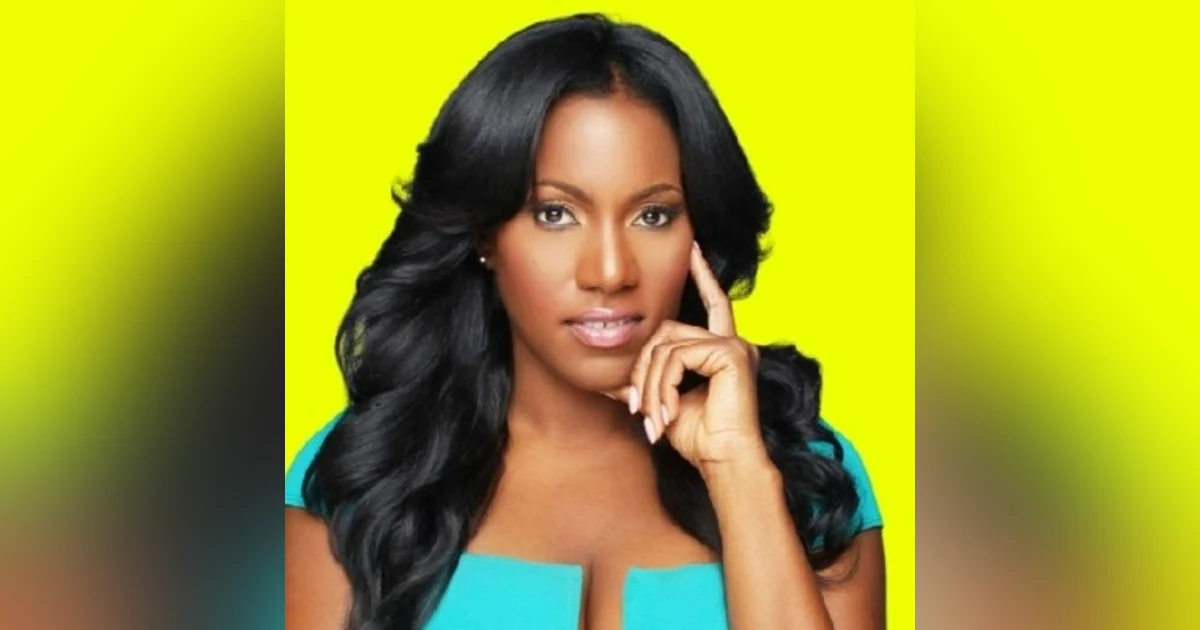
 Crystal is a media-tech entrepreneur, media personality and motivational speaker who personifies courage, confidence and perseverance. Originally from Baltimore, CB Inspires with stories about how she broke into media, how she became a tech founder and the challenges women of color face in the highly competitive Venture Capital and Media Industries.
To discover more episodes or connect with us:
Hello and welcome to No Wrong Choices. Along with Larry Shea and Touchar Saxena, I am Larry Samuels. This is a podcast about the adventures of life. For each episode, we invite somebody to join us who is a dreamer or a visionary, meaning they had uh an idea or a passion that they chased after and ultimately made it to where they were going, or they're on their way this week. We're talking to Crystal Berger, who's a former media personality and tech entrepreneur who um has literally been breaking down barriers her entire life. Touchar, I know you've been friends with Crystal for years. I don't think there's a better person to set up this conversation than you.
Tushar SaxenaThanks, Lair. Um, yeah, when I think of CB, one word comes to mind: courage. Uh she is one of the most courageous people I know, and not because uh she's jumped from one industry to another, which you know, she started out as a teacher uh and then jumped to the media industry, which to me is crazy. I have never I've never ever understood how someone could make that kind of a leap. But I guess, you know, I guess you do. But not just that, but to then but go from the media industry into the tech industry without any real tech experience. That is crazy to me. And like I've known CB for you know, like a decade or more. We've worked together for so many years. She's one of my dearest friends. I am super lucky to know this woman. I'll say this the tech industry is not known to be the most welcoming place for women, for people of color, and she's both, right? So she it's kind of that double whammy that she's really got to walk up a hill to succeed in this industry. And I know she will for the simple reason that she is determined. And we talk about the the notion of the journey in progress. Her journey is definitely in progress. So this is like this is gonna be kind of a unique little one-off story for us here. And trust me when I say this, it's an inspiring story. There's a reason why CB inspires, it's because of her personal story. I mean, I tell everybody she is the most inspiring person I know. Guys, I know you after this interview are gonna say the same thing. An inspiring, inspiring person.
Larry SheaYeah, I think you know, when we interview people on the show, there's personal challenges, professional challenges. Um, I think uh Tushar, what you're talking about with courageousness is is really important to touch on here because it's very easy to stay in a comfortable situation personally, professionally. When you're chasing your dreams, you really have to take that leap of faith. You really have to decide that being comfortable is uh is is okay, but it's not gonna help you uh accomplish your dreams, and you really have to take that leap of faith. And not all of us find it an easy thing to do. And Crystal, in just researching and looking at her career and her life and the things, the obstacles that she's overcome, you really see that she was all about moving on to something bigger and better, and she didn't stay in that comfort zone, which I think is important when you're chasing after the big prize, you know. So, yeah, I think courageousness is really the word of the day when we talk about Crystal Berger.
Larry SamuelsYeah, and and it's a great conversation, and you know, I'll end on she talks about facing a lot of challenges that you know I'll never understand. Um, you know, and and and and and there's no way that I would. So um, with that, here is Crystal Berger. Crystal is a media industry veteran who has worked as an on-air host and producer for Fox. She's been a contributor to Sirius XM and many other platforms. And in addition to being a good friend of Touchar, Crystal is exactly the type of person we like to talk to on this show. Is she somebody who is a dreamer, has passion and vision, has put herself out there to create a new business. And um, these are the types of people we like to be inspired by. So, Crystal, thank you so much for joining us.
SPEAKER_00Larry and Touchar and Larry, thank you guys so much for having me. I'm excited to be here with you guys.
Tushar SaxenaCB, uh, I'm an uh gentlemen, pardon me if I continue to call her C B rather than Crystal. I've known her for a long time. Is that what we should just do? Are we are we calling her C B? Hopefully, we'll get there by the end of the interview. We haven't earned it yet.
SPEAKER_00Yeah, absolutely. They gotta bet you guys first. Fair enough.
Tushar SaxenaFair enough right. CB, I've known you for a long time. Oh, you know, uh obviously far longer than these two guys have. Um, and I've always told, I've told as many people as I can that you are one of the most inspiring people that I know. I've I think I've actually told that to you, to your face, that you're one of the most inspiring people I know. And while I'm while it it's great to have your backstory, and obviously we'll get into that in a minute, I want to know about what you're doing now because what you're doing now to me is unbelievably inspiring. Because not only have you, you know, when you made the jump into media, and I've been in media my entire life, my entire working career has been in radio, it's been in television, it continues to this day. But what you have done is essentially say that you had a very thriving media career and you said I have to make a change. That to me is courageous, beyond belief, courageous. So I think to start, why don't you tell us what you're doing now?
SPEAKER_00For sure, T-Shaw, and you know I am one of those people. I used to be a high school English teacher, so I live by acronyms. And so one of my one of my favorite acronyms is fear, right? False evidence appearing real, you know, and I knew that a lot of the risks associated with uh taking the entrepreneurial journey um were more things and conversations that I was having in my mind about what does this lack, unquote, of stability look like. And so for me, leaving the newsroom really meant that I wanted to be able to affect change in a more tangible and scalable way that I felt I couldn't do at the network. And you know, like I know, and I'm sure the gentlemen here as well, since everyone has a dynamic media story. Um, you when you're working for an engine, you don't have the freedom of creative control as much as you would like. Um, you may have to ask for a lot of approval to bring certain conversations to the table and or perspectives to the table. And I kind of hit that, you know, that that wall that we would talk about more oftentimes than not on our car rides, too, Shar, where I knew that in order for me to be, you know, CB inspirers, right, I would need to do something more. And so today I am a tech founder of a media tech uh company. And so I'm building a product to essentially streamline some operational inefficiencies that I observed from working at the network so that we could have more impact uh creating stories and that those stories would be more diverse and more colorful, and at the end of the day, just really change the fabric of the conversations that we hear uh consistently in the media.
Larry SheaSo you really took like a left-hand turn, essentially. Yeah. Um, and that's a leap of faith, right? That's it's it's kind I think a lot of people, fortune favors the bold, of course, but a lot of people are afraid to make that huge move that's vastly different than what they're doing, which I which I think T was touching upon. What was the courage, I don't know, uh necessity? What was that that thing that forced you to make that left-hand turn?
SPEAKER_00So there are a couple of things that are there, Larry. Um, it's funny you say faith because Tushaw knows I will throw a Bible scripture at you all day, every day. You know, um, and so uh one one of my favorite scriptures is, you know, um, no thing is impossible with God. And so for me, faith has always driven my experiences, even as Tushaw mentioned. I didn't come from, you know, I didn't work my way up to network media. I really took a leap of faith and kind of negotiated my way into a network. I had never worked full-time at any station. I was only an intern for like six months at a local station in Baltimore. And so faith was uh has always been a driving factor in everything that I do. But to answer the second part of your question, you know, for me, Larry, it's one of those things where uh I'll give you an example. I remember having a conversation with human resources at one point where they were basically not willing to give me a title change that I rightfully deserved, you know. Um, I saw the position and the work that I was doing, and I looked online and saw what that title should be. And I remember sitting in HR and the the woman said to me, you know, well, you're not a producer. And I said, Ma'am, are you crazy? Like, what are you talking about? I have a national podcast and news feature that I host, book, and do the production for. You know, I'm cutting sound, I'm I'm doing that on a regular basis, and then I'm also producing content, you know, finding subject matter experts for all of our local affiliates nationwide, on top of picking the stories that they're talking about and giving them talking points, but I'm not a producer, I'm confused, you know. You know, and those are producer things, correct, you know, and it was almost like a it was almost like I was having an outer body experience because I just couldn't believe what the person was saying to me. And in that moment, though I did get the title change that I ultimately deserved, um, it took a lot of advocacy that I felt was unnecessary because I was actually doing the work and I was yielding results, you know, um from the time I walked into the newsroom, I was able to triple our booking numbers, right? And so it's like, well, how do you know, how am I having a conversation with someone about the work that I'm actually doing because they're benefiting from the work? And so to get long way to get to the the question you asked, Larry, is that I just knew in that moment that at some point I would have to leave sooner than later.
Tushar SaxenaAll right. So I'll I'll I'll step away from where we are currently. I want to step, uh I want to talk a little bit about your backstory a little bit. And you said a moment ago, right? You had you did not start your career in media, right? That was not the first job you ever had. The first job you had was you were a teacher. So, at what point during your teaching career did you say, you know what, I want to move a little bit further. I want to try and let's say broaden my platform and step into media and why?
SPEAKER_00For sure. So this is the thing, too, Shar. You know, um, I I I had a dream as early as 15. It was a show that used to come on B. Summit. And a woman named Ananda Lewis used to host the show, and she was basically talking about the issues that young people face. And this is when like NWA was out, and you know, all this crazy stuff was happening in hip-hop. And I remember watching her at 15 and saying, oh my God, that's what I want to do with my life. I didn't know what it was, I didn't know what to call it. I didn't come from a family of journalists or even in a community where journalists were like around the corner, but I knew I wanted to do that. So that was my childhood dream. But life and circumstances, I remember in college, I had got offered an internship going into my junior year, and I couldn't take the internship. It was at a local ABC affiliate in Baltimore. I couldn't take it because I had to work that summer, right? So, you know, when we talk about barriers to entry and media, you know, I didn't have anyone that could pay for me to do the internship, and you know, not if I couldn't afford not to work that summer. So, you know, all that to say, I always had it in my heart. It was a dream of mine, but I just didn't know how to attain it. And so when I was teaching, I remember being in the classroom, I was a ninth grade English teacher in Washington, DC. And so I was 21 and they were like 16. So it was like I was like their big sister. But I remember the impact and the influence of you know, on-air personalities and and the role that they played in the decision making of my students, you know, like anyone who had some level of celebrity or influence or impact on the culture, like they wanted to hear more about that. Like I used to have to teach subject verb agreement over like Jay-Z lyrics, you know? You know, uh, but it was effective, right? Like it it really resonated with them. So it, you know, it made me an effective teacher, but I knew to that the pivot was going to be necessary because again, in the classroom, I was at, you know, I was in the nation's capital, but like what was it, 64% of my students read between the third and the sixth grade. I was a ninth grade English teacher. Wow, you know, and so I remember like fighting with my principal. Like, one, I didn't have textbooks the first three months of school. So I'm an English teacher copying handoffs so they could learn, you know. And then when I I the first homework assignment, and this is a tangent I'm about to go on, but the first homework assignment I gave them was the most dangerous game. We were about to read that story, and I said, guys, go home, write me a paragraph about the most dangerous game you've ever played. Uh, outline the rules of the game and why you considered the game dangerous. And this was like an assessment. I wanted to see how well they could write.
SPEAKER_04Right.
SPEAKER_00And guys, when I when I got those paragraphs back and could barely read them because there were the you know, the syntax is off, you know, there was there were no periods at the end of sentences, it made my heart cry, you know. Like I was like, what has what is happening, you know? And I knew that I wanted to have a public voice to really illuminate these things, and it wouldn't be able to occur in the classroom.
Larry SamuelsSo, so where did that take you? So you had that vision, you had that inspiration. What was the next step you took?
SPEAKER_00Uh I jumped out of that, I jumped out of that window and uh landed in Houston, Texas. And I went to Yeah, I went to Houston, Texas. I thought that I was gonna go to law school and impact change in that way, but I never dreamt of being an attorney, right? Like I never really wanted to do that, and so I did my first year and a half, and then I ended up leaving and I came back to the district um of Columbia, that area. And one day I was taking a business planning and development class just randomly, guys. And um, a good friend of mine, Armenian guy named Dave Zeke, I always accredit him to my journalism start. He was starting an online publication called Seen Baltimore, and it was a lifestyle publication. So he runs in one day and he's like, Crystal. And and Tshar knows anybody who knows me knows me. It was like C B, right? It was you know, it was C B. He's like, C B, I have some interviews tonight with some of the Baltimore Ravens. Um, I need somebody to go do it. I don't know who else to do. He's like, Can you just go? I said, Absolutely. I was like, I'm young and they're they're rich, and why not? You know, sounds like a good time. It sounds like a great time, you know. But the craziest part about it, and again, T Shaw knows this story. Um, I walk in, guys. My very first ever interview was with Ray Lewis. Wow, Super Bowl MVP, right? That interview actually ended up getting like 80,000 views on YouTube, and then all of the other ravens started to call me to like moderate or host like their charity events and things like that. And so it was just it just opened up the floodgates. And my best girlfriend Monica, she came to one event that Terrell Suggs was hosting, and um, I was I was doing some some pieces for for the event, and Monica said, she said, CB, she said, CB, she said, I don't know what you've been doing, but this is what you need to be doing, you know. And at that moment, I made a decision to pursue the my journalism career seriously at that point.
Larry SamuelsYou know, it's interesting. You you you talk about breaks and and how things happen. Um there are some parallels between the story that you just told and and and my story. You know, I come from you know a middle-class background in Buffalo, and and it wasn't the end of the world, but it wasn't easy, and I had to work, etc., etc. And I remember when I was an intern at NBC Sports, I was given this incredible opportunity to go work for the Olympics uh in Barcelona back in whatever year it was, but I couldn't go because I had to go deliver pizza. I had to go home and and do what I had to do to pay for my next uh semester of tuition. So there's some interesting parallels there. But you know, when you when when you break in and you get that door open, um, which happened to me really in my early 30s when I really got into broadcasting, once I got that bug and got in the door, it was difficult to get me out. And if you fast forward 20 years later, we're sitting here having this conversation. So the bug is still there. So um clearly you had that passion, you had that energy, you had that drive. Where did you go next? What was that next step for you?
SPEAKER_00Yeah, so the next step was um I found, so I was trying to get an internship. Crazy thing, right? But like you just mentioned, Larry, right? I'm older now, I'm no longer in college, they're only giving internships for college credit. So I found a local broadcasting school called um the Broadcasting Institute of Maryland. They're no longer around, right? Robin Quivers went there, uh, Howard Stern's co-host, right? She went there and you know, some other folks who it's like a trade school. Found them enrolled in in BIM, right? Enrolled in BIM. And so this is my schedule. I literally was running my business in the daytime, right? Be some of those uh athletes I converted to PR clients. I would go to BIM midday and I ended up interning at WJZ, where Oprah was, right? Not at the time when I was there, but that's where she started her career, right? Um, I ended up interning at WJZ at night in their sports department with Mark Viviano because that's the only department that stayed open cutting tape, right? Open late, that that late in the day. So, you know, that for me that was the pivot, right? That was the pivotal moment where I knew that um I had to be in school in order to get the internship, in order to get the experience, and ultimately make the connections that I needed to make. And so that's what I did for about six months, and then I just started going crazy. I'm one of those people that you can't tell no at any point, right? Especially when you get to that point in your journey where you're like, it's now or never. And so I just started to apply to like all of these stations across the nation, and um, about a hundred actually, and but then I made a decision like, well, I'm not gonna go to a small market. Like, you know, I'm older, I'm in my late 20s. I was like, let me just make sure that I get to a top market. So it was only New York, LA, and Chicago. And I think I hounded the people at Fox so much to let me in the door that they just broke and were like, just come on, girl, just just come in.
Larry SheaTo get rid of you, they invited you in. It's it's it's so funny though that you say that though, because you have to shoot for the top, right? Because somebody gets those jobs, right? And if you're afraid to shoot for whatever that dream is, then you're never gonna get it. So I'm fascinated with your story. So you you did seek out the broadcasting training early on, so that gave you the confidence to kick down those doors and to go and and ask, be willing to do anything to get where you wanted to go. So again, we have a same situation where we have a lightning strike moment, right? You got your big break, Ray Lewis, and then you prepared yourself and started kicking down doors. Did I get all that right?
SPEAKER_00You got it right, you know, and and that's the thing though, right? Like I know the learning curve was so significant, right? Because I went to a national network. You know, it's not like I went to like even a local New York station. I went to a network. And so I remember coming into work so early. And we have a colleague that, well, he was a former colleague now for me, but uh, he used to say, one thing you do know when when you get here, Crystal Burger is gonna be sitting in that seat. And I think people just thought that I was there because I'm like, you know, just this really excellent person and I wanted to be to work early. But I was coming in early because I needed to Google, like, what is this thing? You know, what what's happening in in Tehran right now? You know, like I like what it where is that on the map, you know? Um, and so I used to do, you know, all of this extra work and I would come in like an hour early for a 4 30 in the morning shift just because I needed to catch up.
Tushar SaxenaI'm gonna ask a question that I find I ask a lot of uh a lot of what I would say minorities in the industry. Um, that as a black woman, or as a black person and then as a black woman, do you find that you had to work harder to get into the industry?
SPEAKER_00I think black women specifically have to work harder, period, right? You know, my aunties have this saying, and God rest all of their souls at this point, but they say, yeah, ice has got to be colder. You know, um there are there's a unique perception that black women are all strong, and you know, that black women may be difficult. And so I think that it is less about, well, you still have to do more than your blonde-haired, blue-eyed, you know, two-pound female counterparts, right? You just do, right? Um, because there's something about your presence that can make people uncomfortable. And whatever that thing is in them that they need to deal with, that's not my issue. But I do know that though you are perceived as superwoman, right? And because the perception that a black woman is gonna come in and save everybody, right, or be the mammy or the help, right? I think that you take on additional roles and additional work just to prove that you're worthy to be in the spaces where a lot of your peers, meaning w other women, you know, your age that are not black, they don't have to do the same level of work. And I think that's consistent amongst any and every industry. It's like if you guys were to Google it, right? Like black women are the most degreed women people on the planet. Like you'll meet a black woman, she has 15 PhDs, and it's like, for what? You know, you teach high school, you know, and and it's that kind of thing. And it's just a reality. And so, you know, I I never perceived it as something that would bitter me. I just knew that it was a part of just society and where we are. And more oftentimes than not, you know, you'll look at the salaries of a black woman, right? And more she's usually paid less. And I experienced that. It's like me being an HR, right? Right, right. Talking to them about my title and the work that I do. And so um, I I do believe that there's just a perception that a black woman is gonna be superwoman and and have all of these superpowers and do everything, and she she she does not have room to fail. So, yes, to answer your question.
Tushar SaxenaSo, what were some of the major obstacles that uh that that you had to uh you had to overcome? Um Aside from financial, obviously.
SPEAKER_00Right, right, right. I think that there is a dualism that has to take place, right, with uh um black people and black women specifically in corporate America. Meaning, I used to always joke and say, you know, uh uh uh my white colleagues or counterparts, they only have to know what friends, like the show friends. Like you only have to know what friends is, right? I have to know about friends and Martin. I don't know how how deep you guys are into pop culture, but like Martin is like, you know, the black version of friends. And so you have to know multiple things, right? You have to know both sides of the equation. Like you have to be black, but then you have to be corporate, right? And then if corporate, if corporate doesn't look diverse like our newsroom didn't, you know, um then you have to like uh do this thing where I think the other piece of it to not go too far off on a tangent, I think to dispel the um perceptions and stereotypes of black women like you know people expect a black woman to be quote unquote angry. So I think I I would ov be overly nice, right? Right. Or in times when I would want to wear like my hair natural and curly I would choose not to. So I would spend an extra two to three hours straightening my hair so I could be more you know acceptable or palatable right to our consumer. And so those are the kinds of things that you know a lot of black women deal with silently. I never had imposter syndrome that you know this this this this this term they use a lot today because I come from a very strong foundation and I know who I am as a woman and I was never trying to be white you know in in that respect. But um I think that the imposter syndrome shows up in a way where it's like you do still feel like you have to be overly qualified and overly prepared to be in the room and I did not hear or see that from again, you know, my other female colleagues that I felt like they would just show up and be like okay with who they were and I felt like I could not make a mistake.
Larry SamuelsDid that experience uh inspire you to go off and do your own thing and start your company?
SPEAKER_00Yes, absolutely. Thank you for that question. I think one of the main things is you know being in the newsroom more oftentimes than not especially working as a booking producer, I was bringing in diverse perspectives, right? Um, and it wasn't because I was consciously seeking out diverse perspectives per se, but it was like I know this qualified attorney that could come and talk about the Bill Cosby case and he happens to be black, right? Why are we not using him? So I was always bringing in people from my Rolodex that my colleagues didn't have in theirs right and so what what what prompted me from that experience to start my own business was it was like hey well what happens when I'm no longer in the room right because the thing about it is and Tushar knows this a lot of folks that I was bringing into the room had dynamic stories, were qualified to be on air but no one had access to them right and and I get it like our communities and our phone books look like our communities at home. You know and so if if that person isn't in your phone or in your network or isn't you know a part of your alumni association you don't really know where to find them right and it takes more work to find them because you know in the news business when you need somebody right now you just need somebody right now so you default to who you know that can deliver. And so for me that process of bringing that diversity onto the platform I thought about it like what happens when you're no longer in the seat. And so that really made me decide to create some some some technology that really addresses efficiency but ultimately it removes the friction so that we can actually uh have a more equitable conversation as well. Got it.
Larry SamuelsSo just as a quick reset can you give us a your elevator pitch so to speak on what the uh you'll see that I am a business person because that's part of my vernacular.
SPEAKER_00Can you give us the elevator pitch for for what the company is absolutely so Evo is an on-demand API that connects subject matter experts to content creation platforms like podcasts, uh local radio and TV and even networks and we also tackle the friction that is created because of the inefficiency and we um tackle that DEI challenge that most corporations face when they're looking for diverse perspectives and content creators for whether it be a conference or an employee resource group meeting. So our API is what you could use to actually not only find those people because we find them vet them and you we connect you to them.
Tushar SaxenaAlright so I kind of want to I want to get back to what we were talking about just a moment ago um uh about this notion of having to overcome obstacles right so obviously you've had to you've had to overcome obstacles within uh within uh your your journey your media journey um tech is notorious for not being a diverse community right let alone let alone minorities it's not diverse gender wise but as a as a black person as a black woman entering the tech field what are some of the current obstacles you're facing now well you know too shaw you know I like going from from from the from the pan to the fire right yeah I mean you don't you don't you're not trying to go the easy route that's for sure no but I think it's less about obstacles and it's more about opportunities you know I like to reshape that O because what I've always been able to do guys is actually use you know who I am to my benefit right and if I need to be your diversity quota then that's fine.
SPEAKER_00I'll I'll I'll take your money to so you can meet your diversity numbers it's fine with me. And you know on the funding side of things um but I think that you know I think the the again it goes back to the you know your ice has to be colder meaning one thing that I've started to realize and I have an amazing um legal team that I'm working with and they're one of the biggest um tech legal you know they do a lot of tech deals right I think they did Peloton and a couple other ones and my attorney you know my counsel she just kind of said to me Crystal I just don't she's like I just don't understand why why it's so hard for you to raise capital. She's like you know you have a product you know you have your resume like I can actually Google you you know you're you're doing something where you can prove and validate every single use case and she was like you know most of the white guys I deal with you know um when they come in they have like a piece of paper and they got a million dollars from you know someone who sits on their dad's board you know and so again it's about those the access you know you look at uh 2021 was a historic year for founders raising capital and know you guys have been reading all the stories like oh my god VC everything is VC VC and I think um in the first two quarters of 2021 147 billion dollars was raised um by tech companies or startups um I only I believe it's 1.8% only went to black founders and we talk about black founders we're talking about not just African American right I'm sure that Africans are in the fold Afro Latinas are or Latinos are in that fold and so um you know 1.8% is nothing you know um and then you add the element of being a woman and I believe and you guys can look the number up but I believe the number of women black women who raise capital um was only 0.8% right surprise it's that high and and and and and then the the craziest part about this though guys like statistically I wish I had my sheet in front of me but they say that black women are 33% more likely to yield an investor a return on their investment than any other founder. Because of the barriers in front of you you've got to work harder correct and so for me it just has been like dealing with the insanity right of like dude like you bet on me like you're gonna be 30 33% more likely to get a return than anybody else. So you know like like what what is what are you considering you know and so I think it's like just looking at some of the systemic um perception of you know it's it's all about and I love what you guys are doing on your show because these kinds of conversations will help people think about how they perceive the world right and I understand that we are all just products of our own experience. So if you have never had a conversation with a black woman you don't know that she's thinking about do I have to straighten my hair today right no you're right there is no perspective or limited perspective. Correct and and then when there's no perspective there's no empathy right and then there's no change to be affected because you don't feel anything stirring your spirit to impact this right and so I just you know for me obstacles look so different for everybody but I have been blessed to align with some amazing non-black people who totally believe in my vision and have been putting resources behind me. And I'm very thankful for that because I know that I need you know the white guys who I'm doing deals with to be in rooms advocating for me and my product right I need them to open up the doors to the decision makers at these big media companies where they already have relationships, right? Instead of me having to start fully from scratch because when you're starting from scratch and you don't have any access you don't have anyone you know sharing your name in rooms when you're not present it just makes the journey so much harder right and and and and you're less likely to beat the systemic issues because by the time you get there you're so damn burnt out you're like well look I mean I I might just go ahead and just you know go off the grid for a while because you've had to do so much to get there. So I mean obstacles have been opportunities for me to have these kinds of conversations and also to just show up in an amazing way.
Larry SheaThese are great conversations and we're so glad we're having it with you um I I know if I had a million dollars in my bank account I would have written you a check already I just want you to know right off the bat. So yes Larry yes this is a show about a journey and about you know um doors that needed to be opened and obstacles that needed to be overcome. What would you say to young people today young people of color who are going to face these obstacles and how they can overcome them and what would what would be the best advice you could give them to to make their dreams come true you don't have to get ready if you stay ready.
SPEAKER_00One thing for me is that I know that it's very difficult for people to tell me no because I'm ready. Like I have my numbers I've done my due diligence I don't expect anything without having already done the work and so I just believe that when opportunity does land in your lap it's kind of like with what you know what we were talking about earlier when you can actually take the actual internship right you can actually go to the Olympics. You know it's like if you can be as ready as you possibly can for opportunity then it's very rare that it will slip through your hands. I think that as as as as a as someone of color, you know a black woman specifically I think a lot of times the being ready is a challenge because of the lack of resources that you may have where your counterparts can actually not have to worry about having money saved to actually get on the plane to take the business trip to have the meeting that turns into a deal right so you know trying to have like your savings in place and you know where or maybe maybe you just gotta you know work an extra few hours and put money aside for your dream. You know make sure that you're doing the research make sure that you're building a strong network and so I would just say you know you you don't have to you don't have to get ready if you stay ready because the thing is when you are ready there's nothing that can stop you from achieving your dream.
Tushar SaxenaMake sure you make friends with someone who can drive you into the office at five in the morning that is your role too everybody has a role and a purpose and a place.
SPEAKER_00Hey C B would you consider yourself right now successful more success is obviously coming but would you consider yourself at this point successful it took a long time for me to say yes to that you know um and it wasn't until I recently guys I I did go off the grid and I went to the Dominican Republic for a month because I needed to just really clear my head and just really see where I was taking my life and I remember writing down a list right and it was supposed to be a list of 10 accomplishments right that I had made over my 10 year stay in in in news and in network news and when I finished I had a list of 53 things and wow just accomplishments and I read this list guys and you know it was like I was a social media ambassador for the United Nations I I won a Freedom Fighters award for the NAACP for my work in journalism. You know um I I hosted a national news feature that aired in 1300 homes and on Sirius XM and you know and I just was reading through this list and I was like Crystal you actually did it because he inspires you know so but you know success I I really like for people to know what success means to them you know um because it's so we live in a society that just paints this picture of likes and you know how many people liked your posts and things like that and they equate other people's actions to their level of personal gratific gratification and fulfillment and I think that is just such a dangerous place to be because you'll never have any peace because you're looking for validation outside of what you can do. For me success is being a good person. Success is maintaining your integrity to where no matter where you go in this life no one can say anything bad about you. You know for me success is to be able to help the next young you know crystal burger or you know Christopher burger you know out there in the world and and and and to give them hope that no matter what you perceive is fifty you know at a 15 years old you know this dream that you had like you can make it happen. And so I do feel like I'm a success today and I I believe that you know as long as we are good people you know like good people I and and I and I I have to say that just one more time just being like a good person then you're a success. You know um and a lot of this other stuff is just so um intangible and it doesn't even really matter in the grand scheme of life.
Larry SamuelsSo you're you're so very right it's so easy to to get caught up in in in the wrong things lose your identity get attached to the chase and the pursuit and all those other things caught up in the minutiae and all the wrong things rather than the right things. So Crystal it's it sounds like you have things figured out and and I think many of us are empathetic or not not empathetic. That's not the word jealous envious whatever it may be you're you're a very inspiring person. So thank you so much for for spending time with us today.
SPEAKER_00Yes fellas it's been great and just keep doing the work that you're doing you know and and I think that that's critical right I I just spoke with an investor at a venture fund and I said man just do the work you know put your money where your mouth is you know bring along founders that might not look like your portfolio and you know just just do your part and I think you guys are doing your part. So I just appreciate the opportunity and I hope that we inspire somebody today.
Tushar SaxenaLook if if see if somebody's not inspired by C B they're not doing the right thing they're not doing the right CB before we let before we kind of wrap up with you uh if folks want to get in touch with you how what's the or get to know more about you uh what's the best way to do it? Go to CB Inspires.com I'll tell you that's right he'll tell you guys he knows all my stories you know um we get to call you C B now is it now I think you guys have got it I think you guys earned it you guys earned it you know I am officially CBT to Larry's to L Square that's what you guys are telling me to L Square Larry so guys I think we can call this interview a success thank you so much for joining us thank you guys so much for having me it was great being here today what an incredible conversation you know too share thank you so much for introducing us to to Crystal I I am I it's I I really don't know where to go meaning um the challenges that she's had to overcome the the you know as a business person you know that there are so many things that she pointed out in terms of the challenges that she faces as a person of color when it comes to raising money to connecting with people um that are hard um that you know I I just never really thought about so Touchard thank you so much for introducing us to her thank her for coming on and thank you guys for having this conversation the one thing that always struck me about this conversation that we had was uh I enjoy the one thing I've always enjoyed about Crystal is her open her is her openness and her honesty and that is really what I think came through in this interview just how open and honest she was and it allowed us to be very honest about asking some you know not easy questions. I'm always I'm always very fond of asking difficult questions because it a lot it it causes you to think and I like it when we have to have a conversation that makes us all think. And this is one of those kind types of conversations.
Larry SheaYeah I got a lot out of this um what an amazing person what an inspirational story you know T you talk about a work in progress. I mean we're all kind of a work in progress right but when you look at the chances that she's taken in her life and the twists and the turns and and courageousness. I'm gonna go back to it because I think it's really really important to for our listeners out there to understand that you know you could stay on the same path and you'll just keep getting the same things and what Crystal was able to do is literally truncate that part of her life and start complete new ones and be successful at it. So sky's the limit for her right I mean all the ch all the the adversity and obstacles in the world but every single one of them she just seems to overcome and surmount. And it's really an inspirational story and a cool story and what a great person.
Larry SamuelsYou could just feel it you know absolutely CB Inspires check out cbinspires.com you know it my I guess my my last observation will be you know it it felt like we didn't come anywhere close to getting the whole story. There are many other layers to this onion so to speak um and I know that she has uh suggested that she would come back and visit us again and hopefully she will uh indeed do that so um our thanks uh go out to Crystal. Our thanks also go out to you for joining this episode of No Wrong Choices. We post about once a week so please follow us here or on Twitter and Instagram at the Fellas NWC. No Wrong Choices can also be found on Facebook and the web at www.nowrongchoices.com