Being a Major League Umpire with Jim Reynolds (Part 2)

 Apple Podcasts
 Spotify
 Castro
 RSS Feed
 Youtube Music
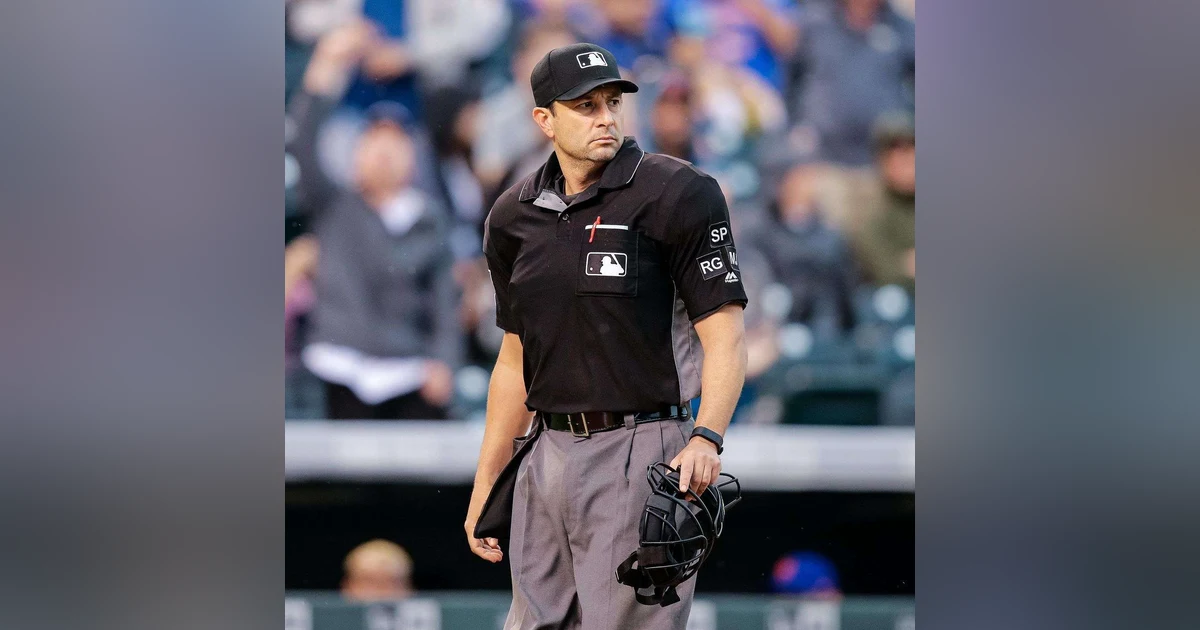
 Part 2 of our conversation with recently retired MLB Umpire and Crew Chief Jim Reynolds focuses on what life is like in the Big Leagues. Jim shares his story of getting called up to the Majors, an inside look at what players, umpires and managers talk about during a game, recalls some of his favorite moments, provides great insight about managing conflict and shares his views on the game’s new rules. Jim also shares which “magic word” will get a player or manager tossed from a game each and every time they use it!
To discover more episodes or connect with us:
Hello and welcome to No Wrong Choices, a podcast about the adventures of life that explores the career journeys of successful and interesting people. I'm Larry Samuels, soon to be joined by the other fellows, Two Star Stack Spa, and Larry J. If you're enjoying our show, please be sure to follow us on your favorite podcasting platform, look for us on social media by searching for No Wrong Choices, or visit our website at NorawChoices.com to learn more about us, our history, and to check out bonus content. This episode is part two of our conversation with the recently retired Major League Umpire and crew chief Jim Reynolds, who spent 24 years in the big leagues. The focus of this discussion is his life in the majors, part one, focused on his journey to the majors. Larry, why don't you lead us out this time around?
Larry SheaYeah, I'm excited to hear about getting there. I mean, we're talking about a dream that he fell into, which is fascinating unto itself, but then he chases it and he's really his heart is in it, his uh his soul is in it, and and I'm really excited to hear the part where he actually uh achieves this dream of his, because that's what we're all out to do ultimately in the first place, right?
Tushar SaxenaAnd let's be honest, once again, this is about the notion of taking your passion and turning it into your profession. And this is what he did. We talked about it before. Part one is all about hey, I just kind of fell in love with becoming an umpire and wanted to learn everything I could about it. And then when you get the job, you know, sometimes reality is a little bit different, sometimes it's better. And that's what we'll hear about in part two.
Larry SamuelsAnd you know, when you talk about reality, you know, some of the stuff that I look forward to hearing about is what happens during a game, you know, when you're dealing with a difficult manager, when you're dealing with a difficult player, like beyond the journey stuff, some of the day-to-day aspects of being a major league umpire to me are gonna be fascinating.
Larry SheaYeah, I think I think what I'm looking forward to the most with with this is Jim having that moment of triumph. I mean, we all have that that thing we're chasing, and a moment of triumph can I think be the, you know, that pivotal moment, that thing that we're all looking for, that shining light in our life that makes a difference and makes you feel like, man, this is gonna be my legacy.
Tushar SaxenaAnd the one thing I think we all want to know from every umpire out there what is the magic word that gets you tossed?
Larry SamuelsThat is a perfect tease for our conversation. We'll pick things up with Jim discussing the circumstances surrounding his big break into the majors, which were tied to an umpire labor issue.
SPEAKER_01You know, we get to 99. I I start the season back in the International League, and then the umpire world kind of blows up. Um, what what went on here was at the major league level, and in the union at the major league level, they had a no-strike clause in their contract. And they weren't happy with some of the working conditions, and and and they had a union lawyer out of Philly, his name was Richie Phillips, and he was a really you know old school hard ass for excuse my language, but they said, okay, we don't have a strike, no we have a no-strike clause, but if we all resign at the all-star break, uh that's how we're gonna get our our way, and we're gonna leverage a mass resignation into changing, you know, I remember this. Changing baseball's mind. And and and it was really an ugly time because uh there were a lot of us at the triple A level that were on the cusp of you know, probably being three couple years away from being a serious candidate for a major league job. Um and like and and like you guys said earlier in this thing, this is a job that unless somebody dies or retires, there are no openings. And very few guys retire from this job. Um or very few guys back then retired from this job. So so 99 happens at the all-star break, and there's this mass resignation at the big league level. 22 league uh they did this over a meeting at the all-star break. They flew home and told their wives, and it started to crumble, right? Guys had signed letters at the union meeting. The following they the following day they were turned in by the law firm that was representing the union, and shortly thereafter, a bunch of guys started rescinding their resignations with the league, through the league, calling the league. And so the the umpire union was very split. Ultimately, um, there's a lot more there, but ultimately uh 22 of the resignations were accepted, and there were 22 immediate openings in the big leagues. I remember sitting in a hotel room in Syracuse getting a call from uh the American League Supervisor of Umpires, Marty Springsted, saying, Major League Baseball wants to offer you a full-time job. Will you accept? And now this should have been the greatest day of my life at that point. That's right. And I'm sitting in the bathroom on the phone, near tears, talking to my mom, going, What should I do? Imagine getting finally getting the call. Imagine Derek Jita getting the call and going, Hey, I don't know if I should take it. I don't know if I should take it.
Larry SamuelsBecause you'd be crossing the line effectively, right?
SPEAKER_01Crossing the line, yeah. Yeah. And so um, but we even had the blessing of the union back then. You know, they're like, no, take the jobs. We're gonna, we're gonna straighten this out, and then they'll have 22 extra guys. So all of us took the jobs. That's how I got my job in 99. I I try to say that uh I I feel like I would have been a major league umpire at some point. I think the mass resignation moved it along by a couple years, uh, certainly. You know, I only spent seven seven years in the minor leagues. Um and then I became a major league umpire. And so in 99, that's how I I ended up becoming a full-time staff member and have been a staff member up until uh November 30th of this year.
Tushar SaxenaWe should end up we should point out that when you say 22 jobs opener, that's 22 jobs out of 76, out of 76 positions.
SPEAKER_01Well, there were 68 at the time. 68 at that point, 68 at that point. Oh my god.
Tushar SaxenaI mean, so that that's an enormous amount of positions that opened up.
SPEAKER_01Oh, yeah.
Tushar SaxenaOne third of the jobs opened up. It's crazy.
SPEAKER_01Yeah, yeah. It was really um it was a really hard time for everybody. The guys who lost their jobs, the guys who spearheaded this um, you know, action, uh, uh, the guys who sat on the sidelines that didn't say anything. There were just a lot of victims throughout all this. And again, I you know, a lot of it was self-induced. But we're we got through it. Um it took it took a while to be to get through all that, and and and and so um we're we came out out the other side. You know, I've been a I was a major league umpire for 24 years, but that's that's how I got started. The interesting thing about this all is my buddy Danny, who who started with me, was just the crew chief in this world latest World Series. So he also made it. It's been a great story for both of us. Uh his name is Dan Dan I Sagna, uh or Sonia, as he's known now. Um, one of the best umpires in the big leagues. Uh he does a great job and was just the World Series crew chief.
Larry SheaSo we would be remiss if we didn't ask you um for all those young people out there who want to get into this profession, how they would go about it. It seems like, and and and please correct me if I'm wrong, it seems like umpire school is the one game in town. Like you kind of have to go through there in absolute way, shape, or form.
SPEAKER_01Yeah, so when I started, there were three umpire independent umpire schools that were run by major league umpires or former Major League Umpires, it was very similar, right? It it you spent five weeks, they trained you, they sent your best people on to the minor league top gun, and then from there, uh those 45 kids, you know, my year, uh, you know, 30 kids get jobs, right? And they start in the low minor leagues and they work their way up. Um now major league baseball, because they run the whole minor leagues, right? Which is a different than when I was went through there. Major League Baseball runs the umpires in the minor leagues, and they run the, you know, they run the leagues themselves. So now it's different. Major League Baseball's got their own school. And they, you know, kids come down to that school, and it's a very similar five-week course, they're selected and go that way. So, you know, the number of schools and the way that you get in has been narrowed to, you know, uh kind of in-house. Baseball's taking the training of the umpires in-house. Um how do you get in it? You apply to the umpire school and you go down there. One of the things that I you learn is you don't necessarily have to have a lot of experience uh before you go, because sometimes the best way to train people is getting people who have no bad habits. Clean slates. No experience. Yeah, clean slates. And so after five weeks, you're evaluating, and if you get selected to go to the minor leagues, you work your way up through it. I will tell everybody what was told to me. Um if if you have the ability or or or the want to go to college, do that first. Um then go to umpire school. If it works out like it did for me, um you still have the education background, right? You have you have a you have a degree. Um if it doesn't work out, then you have a college degree. Um, but this is something that you have to put some time in. Um, you know, the average minorly career is 10 years. Well, if you go at the age of 20, 22 and you spend 10 years in a minor's and ultimately don't make it, um you know, you're 33, 34 years old and you start. Yeah, right, which is a great time to chase a dream, but it there's also this reality that if you don't make it, you're looking at your friends who already got six years in their field of expertise. Yeah, yeah, whatever career they're in, sure. Yeah. And and again, man, I yeah, I I had to live at home until 29 because I didn't make any nobody makes any money in the minor leagues. And so um, you know, it's it's a grind, but for me it was worth it. Uh it was something that, you know, I I really wanted and uh we went for it.
Larry SheaUm let's get to some of the fun stuff. Um greatest moment. Do you have that like you're just in there and you're just trying to like get your feet wet? What is there some some of those amazing moments of oh my god, look at this?
SPEAKER_01Yeah, there were two times where I go, okay, like take stock of where you are. Uh the first game I ever worked was in Fenway Park. So being being in the stands, and people ask you all the time, like, hey, are you a Red Sox fan? Like, if you if they called you the names they called me in the minor leagues, you stopped being a fan of any team. And so, you know, it's like like, you know, some of the worst teams I ever dealt with through the minors were Red Sox organizational teams, right? So it's like, no, you're not a fan of anybody. And um, but I remember uh standing because we came down back at that time, we we came onto the field prior to the game starting through the Red Sox dugout, and I remember standing on the top step prior to us going out there going, oh my god, this looks so different. And I remember that moment, right? Like that's one of those moments. And then I remember my first World Series in which I had the plate, and I'm thinking to myself, I'm I'm holding up, right? We're about to I'm about to put the ball in play to start the top of the first inning. It was in San Francisco in 2014. It was game three, and I thought to myself, I have my hand up, I go, I can't believe they put me in charge of this. Here we go. I'm saying that, I'm saying that to myself. And and uh and so those are the two moments where I just go, yeah, that was that's great. You know, the I those are the moments where I just went, okay, yeah, I'm here. Incredible.
Tushar SaxenaI kind of want to ask you, I want to ask you about uh the holiday perfect game in 2010. Now, obviously, baseball I know I want obviously baseball players have quirks. Like, you know, they're not gonna talk to the they're not gonna talk to the pitcher when you're throwing a perfect game, they're gonna do this or that. Do umpires have similar types of quirks when they know they're in the midst of a perfect game?
SPEAKER_01Um, yeah, probably not to talk about it to the catcher if you're working the plate. I've never had a play for a no-hitter. I was at second base. I had the easiest job of anybody. Well, you weren't doing anything. You were just watching the game.
Larry SamuelsYou had the best seat in the house.
SPEAKER_01Yeah, no, like I I was at second base. So we all remember what happened to Jimmy Joyce, right? The play at first in Detroit, where Galaraga's no-hitter gets broken up because Jimmy Joyce misses the play at first base. Yes. Right?
Larry SheaOf course. Yes.
SPEAKER_01Well, when you're umpiring second base, no matter what you miss, the guy has already touched first base. So even if I kick, even if I kick the crap out of the play at second, the no-hitter, the perfect game is over. It's not going to depend on anything I do. So that's what I remember being out there. I'm like, I'm the only, there can't be a check swing that I missed. There can't be anything that I miss, right? I'm standing out there, I'm going, God, I'm so glad I can't screen this. But it was a pretty neat experience, right?
Larry SamuelsDo you remember?
SPEAKER_01Yeah. No, it was a pretty neat experience.
Larry SamuelsI'm sorry. I would say, do you remember like blowing a call, knowing that you blew a call, and then how did you handle the situation afterwards?
SPEAKER_01Yeah, what which call, I mean, there's a thing. Um, does something stand out?
Larry SamuelsDoes something stand out?
SPEAKER_01No, no, I mean, no, I mean, there's uh they all stand out. That's the one thing nobody realizes is that nobody realizes that it's our job to be get those plays right, and they don't bother anybody more than they bother the umpire.
Larry SheaOf course, yeah.
SPEAKER_01Um they don't. I I don't care if it's Pittsburgh and Tampa in 200 you know eight, where they're both not good, and and it's a three-to-one game, and I make a call that that I miss in the eighth inning, right? Uh before replay, before that stuff, um, it all bothers us. Yeah, there are times where I go, especially like on the plate. Like I'll I'll call a strike and the battle turn around and I'll just go, hey, you know, like Todd Helton or somebody like that. I call a strike and he'll look at me and I go, Todd, I don't worry, I'm not calling that one again. I just but but I also think having that kind of um rapport with the players went a long way to me having success. Sure.
Larry SheaSure.
SPEAKER_01I wasn't one of these guys, I've never been one of these guys who thought I never missed anything.
Larry SheaAnd there were those guys for sure. Um tell me, okay, here's a fun one. Has any manager ever busted out of the dugout and made you change your mind, had a good enough argument. You went to argument class, had a good enough argument that you were like, you know what? You're right, I'm gonna change my call.
SPEAKER_01Well, no, I I again I I think this is what makes me successful as a crew chief, too. And you learn this, right? They come flying out, I'm gonna listen.
Larry SheaOkay.
SPEAKER_01There are times where I go, hey, that's a good point. Let me go talk to the guys and see what we got here.
Larry SheaYep.
SPEAKER_01Whether it be my call or my crew's call, right? If you take this position, and I think one of the one of the things that I would tell younger crew chiefs is, hey, all these guys want to do a lot of times is just be heard and understood.
Larry SheaYep.
SPEAKER_01They know that you're not gonna change your call. They know that they know they might even be wrong. They just want to be heard and understood. And so if you take that approach, um then I think you're gonna be successful. Uh, there are times where guys come out and I go, Yeah, yeah, we missed it, and there's nothing we can do.
SPEAKER_00Right, sure.
SPEAKER_01And sometimes they lose their mind and and and they'll tell the press that uh Jimmy said he missed it and they couldn't change it, and this is you know, BS and whatever, right? And but uh and then there's other times you walk in off the field afterwards and you see a replay of something, and this is before we could change things and re from replay from 2000 prior to 2014. You you go out there and you're like, yeah, we just I didn't see what I thought, or what happened wasn't what I thought I saw.
Larry SamuelsWho were some of the who were some of the the more difficult managers to deal with?
SPEAKER_01Uh you know, everybody again, you know, they point at guys like Bobby Cox. Oh, he argued all the time, and I I ejected Bobby once or twice. But um one of the things about guys like Bobby Cox was he was a professional man, and and every day was a new day for Bobby. It wasn't he wasn't holding grudges. Guys, oh I don't know. Uh me and Mike Sosha didn't see eye to eye for the first 10 years of my career. Um and then we got along fine after that. You know, I think a lot of you know, a lot of times, because again, I grew up in the non-replay, non-boxed generation, um, you know, strike zone box, where uh the first five years of my career, they didn't believe anything I did. Unless it was right down the middle of the plate, nobody believed a thing that I I said or did back there. And and they, you know, they they're constantly testing you as a young umpire. And and again, um, this is where me being an Italian with a little bit of a short temper and an attitude, I I don't I don't handle that the best, or I don't, you know, I'm a firm believer in people treat you the way you let them treat you. So if you let people scream at you, they're gonna scream at you your whole career. So I learned very early to nip that kind of stuff in a button, and and that, and that causes some friction with some guys, but I think you get over that hurdle sooner or later. So guys like Mike Sosha, we had a hard time with, um, you know, though that that's probably the one manager. But again, Mike and I had a much better relationship the second half of my career.
Tushar SaxenaOkay, so you said you've you there were a couple times you tossed Bobby Cox out. So what is the what was the magic word that got a player or manager tossed?
SPEAKER_01You can say, and I don't know if I can use it.
Tushar SaxenaOh, you can, sure. We're gonna check the boxing camera. What was the magic word?
SPEAKER_01The magic word is it's not the mad nothing is the magic word except if you put you in front of it.
SPEAKER_00Perfect. That's horseshit will keep you in the game. Yep. Your horseshit will get you to go.
Larry SamuelsAll right, here's another one. Has a heckler ever gotten in your head and made an impact on what you're doing?
SPEAKER_01No. Um, but here's the problem with hecklers, right? When you're in Boston and New York, you can't hear anybody because they all draw drowned each other out. Now, there's some funny stuff. Like I have I have a nine and a half foot, which is a small foot. Some guy in Boston's yelling at me. I'm at first base one day. And again, he's like, hey Reynolds, your foot is so small, I'm surprised you don't fall over. That's one of those things where I turn around and start. Um in the 2018 World Series, I'm in Boston. I have the right field line, and it is freezing. And in I'm sorry, the left field line, it's game two. I have the left field line in game two. And again, we're in Fenway Park, where I am standing four feet away from the stands in Fenway Park down the left field line. And these fans are just, you know, the typical Boston accent, Boston, you know, all of it, right? They're just wearing me out. And then finally, one of the guys goes, Holy shit, he's one of us. He was born in Marlboro. And then they were like my best friends for the city.
Larry SamuelsOh, that's fantastic.
SPEAKER_01You know, and by the end, you know, the red, I think the Red Sox had won the game, and and I'm walking off the field like, we need a picture with you. And I'm like, I'm not taking pictures with you guys, but you know, those are the kind of things. Uh but the problem with fans is like when you go to Tampa when there's nobody, you can hear everybody. Right. You can hear every comment. And so um, I used to like working in the bigger stadiums better because you heard less.
Tushar SaxenaOkay, so uh here's a couple. One, does the phantom tag truly exist? Two it did. And then two, is there such a thing as a give back call?
SPEAKER_01No. So the phantom tag used to exist because that's what the players wanted. The players didn't want to get cleated. The players, both the guy sliding and the guy uh applying the tag back early in my career, if the if the throw beat the runner and he was dead to rights, whether you tagged him or not was really irrelevant. In fact, they nobody wanted that guy to be safe. With the introduction of replay, we had no choice.
Tushar SaxenaRight.
SPEAKER_01Now, you guys, if you watch, if you watch baseball, if the guy slides in, he's safe by 10 feet and he comes one inch off the bag popping up, or his hand comes off, you know, stuff that we can't see, now he's out. Now you gotta get it. And so you have to now we have to call exactly what happened. But again, it was kind of like blowouts back in the day. The teams wanted you to open up the zone, they wanted it. If I went back there early in my career and and called the strike zone, it was written in an 18 to 1 game, the team that was winning would have yelled at me. Now you just call the box. It doesn't matter if I have a position player pitching in a 25 2 game. Yeah. And that's you know that's been the difference in in my job.
Tushar SaxenaOkay. So now you've kind of shifted me where I want to go next. So you've you obviously said you have you were you were umping during the time when there was no uh when there was no replay, when you essentially were getting a feel for what the box was and you had a feel for what the strip zone was. Now we are in a now we're in an era where everybody gets second guess, there's replay there's up the replay of the yin yin, and now they're bringing in the notion of the box. And you've got a you've got a something called balls and strike to the box. Has the fun been taken out of the game in that sense?
SPEAKER_01Let me say this. Um so the generation that's you know, we just had ten guys retire this year. Ten.
Tushar SaxenaYou're one of them.
SPEAKER_01Um which is the yeah, I'm one of them. We're being replaced with kids who have done nothing but call their box their whole career and they're really good at it. And the game's going to be better for it because that's what the players want now. Right?
Tushar SaxenaAnd so doesn't that take some of the some of the art out of the game? Like the notion of like working an umpire, uh in that sense, like you know, trying to get a feel for for how an umpire works and get a feel for the box of the there was a bit of an art to it.
SPEAKER_01Absolutely. And and and the point I'm gonna was gonna make is, and I've said this to some of the guys that I retired with that are very well thought of and very uh had good reputations, guys like Teddy Barry. What we were good at doesn't translate anymore into what the players in in management wants anymore. They want a guy that can call the that box. We still have what made we still were valuable to them because we were good at running a game, we were good at managing people. Uh, and we were good enough on that box where we were not embarrassing ourselves. But um what made me one of the better umpires uh even four years, three or four years ago, doesn't translate nearly anymore. And so, yes, it was less fun for me to be out there.
Larry SheaInteresting. I I find I find um I mean, even robot umpires, you know. Obviously, you guys are talking about the box, but I do feel that Jim, there will always be a need for officials on the field. I mean, out in stage. You know, I mean, I'm amazed, honestly, how much how much you guys got it right. You know, like I see a bang bang play, and I'm like so sure of myself. And now we see that replay, and you guys are right so often. I really got to give you credit. I really do feel that it will never replace the robot umpire, the box. I don't think it'll ever replace the guys on the field. Do you agree with that?
SPEAKER_01No, no, I yeah, you can't have nobody out there, first of all. You need check swings, you need people to make the initial call. I think I think one of the things that we've learned, right? Like the NFL was the first, first uh professional sport to kind of go to replay. Remember, it was whether he got his feet in, right?
Tushar SaxenaRight, yeah.
SPEAKER_01And then was it was his hand underneath the ball when he caught it. Now, if the guy doesn't run through the middle of the end zone untouched, we're looking at something, right? And that and that's the evolution of replay no matter what. And once it was introduced in baseball and everybody was like, oh, it's just for the obvious error. That I mean, that was the language that it was done for. It's here just to fix the obvious error, right? Now they just use it on everything. Yeah, everything. I mean, we're we're so far away from that. And and and replay only gains momentum, it only encroaches more and more. So sooner or later, we're gonna have some kind of whether it be a challenge system on balls and strikes or a complete takeover by the machine on balls and strikes sooner rather than later, is my guess. But there'll still be a need for a plate umpire because you know, there's that pitch that did it hit him or not, uh, plays at the plate, all that kind of stuff. So there'll be a need for officials. What you're gonna see this year with the umpires doing, they're you know, they're introducing a pitch clock, and we've got all these, you know, reply. Uh what the guys have to do this year moving forward has less to do with balls and strikes than ever before. So, you know they're managing a game in which baseball's trying to get it, you know, the the pace of play fixed. And I think they've got them, you know, this pitch clock uh that they had put in the minor leagues that they're introducing this year took 25 minutes off minor league games. 25 minutes.
Larry SamuelsBut how do you manage that? Like as somebody who, you know, I rode the pines in college, but I didn't make my college team. You know, I was a pitcher for you know 20, 25 years, and um, meaning up until I was 40. And, you know, like you control the pace of the game. There's a dynamic between you and the hitter when you're stepping off the mound and you're trying to get into his head and you're trying to own the at-bat, and like all the like that whole dynamic of an at-bat is part of what makes baseball to me fun. Like I was upset last year when they started to call pitches um via uh a device that went to the the pitcher's cap. Like, I as a fan, I enjoyed watching that aspect of the game. So part of I'm wondering, like, what are we losing by taking those things away and converting them to something more controlled? What's your opinion on that?
SPEAKER_01Well, you're I mean, you're the guy, right? Like, you're the perfect guy to ask that question to three months from now because you're a fan.
Larry SamuelsYep.
SPEAKER_01Right? And you love the game and you've played the game at a at a level that most people haven't. And so you're gonna be the one that is going to answer that question way better than I could. Because I'll be honest with you, I was a fan of quick games.
SPEAKER_05Well, of course.
SPEAKER_01Yeah, I you know, this whole stepping on and stepping off, you know. I'm a lot of times I'd be like, let's go, boys. Um, you know, uh the downtime was not something that I was a fan of. Not because I wanted to get out of there, it's because let's go. Let's go. And so you're gonna be the perfect guy. You guys are gonna be the perfect guys to see where we are three months from now. You know, the stuff in the hat I liked because it it sped up the game and it took out the bull crap, took out the bullshit. I worked, I worked the Astros that year in the playoffs, and I remember the Yankees saying, uh, they're up to something, but they wouldn't let us know what it was until afterwards. And, you know, that's just another element that I have to deal with in a very high stressful situation where I'm supposed to be perfect, and I don't have time for that stuff. And and you know, that's one of the things that I would do as a crew chief, too. I'd be like, hey guys, I'm not, we're not playing patty cake out here. I got no time for it, we don't need to do it. And and I I I and I understand that the fans like that, but you guys are gonna be the ones that are gonna be the perfect person to ask that. You know, three months from now, is the game is is this gonna be representative of a game that you fell in love with? Again, what made me good at my job from the year that I got hired up until four or five years, well three or two or three years ago, is not the same game that's going to be moving forward.
Tushar SaxenaSo, Jim, in that case, my job is. Do you still find the game fun? Or do you do you enjoy the game? Yeah, I understand what you're saying that, you know, obviously whether or not we will enjoy the game, do you enjoy the game still?
SPEAKER_01Well, I think baseball, I mean, baseball's given me everything I've I have in life. I've met my wife, we have a son. I mean, I've but I've been very lucky because of the game in baseball. So for that reason, yes. Um, there's some things that I think I think this game is extreme. When you go out on a Sunday, and I, you know, maybe this is a question for you guys. Hey, if you guys show up on Sunday and you've got kids with you, your family with you, and they play that game in two and a half hours, and it's a four-to-three game, isn't that a way better experience than a nine to two game that you're you're leaving in the seventh inning because you've been there for three hours and twenty minutes?
Larry SheaI you know what, Joe, the I agree, but it was the one vestige of there's no clock, you know, let the game organically go, you know. Yep, yep.
SPEAKER_01I get it if you only play a hundred of these, but we play 16.
Larry SheaAnd and if you're not an umpire with dinner dinner reservations at six o'clock. Let's go, boy.
SPEAKER_01No, but it's no, it's not even that. I mean, you look at how the game is crept to three. I mean, we couldn't play any postseason games under four hours at the end. Right, sure. And I don't think that's marketable. I don't think, you know, it's a shame. You know, we live out in Arizona. I think it's the greatest time zone in the world because I can actually watch the end of the Super Bowl. I can watch all these games, I can turn on a Yukon game and it's it and it's over by the time I I want to go to bed. I don't know how anybody, you know, I worked that I worked that seven and a half hour game between the Red Sox and the Dodgers, the 18 innings and nine, whatever it was. It was, it was, I mean, it had that game been in Boston, we would have walked off the field at 3 30 in the morning. Now, it's a really cool thing, right? It's awesome. It's a really cool story. I mean, you know, next day, oh my god, this game, you know, I went to bed and then I woke up. That's all great. But every playoff game was going four hours. Everybody was stepping off, everybody was changing pitches. It just got to be too much.
Larry SheaWe we didn't even we didn't even ask about the extra innings guy on second base. I can't stand that one. But there's a million things.
SPEAKER_01I can imagine.
Larry SheaI would be remiss if I didn't ask you, because I think it's important in today's day and age. Uh, is is major league baseball lagging with having a female umpire? It's it's happened in the NBA, it's happened in the NFL. Is it coming soon? And what's your what's your interpretation of it?
SPEAKER_01I think it's coming soon. I think I think baseball has taken a really, really good job of taking on diversity head on. Um, one of the things that is the problem, and I mentioned this earlier, and this is my point of view. Uh, baseball doesn't really have a diversity problem at the umpire level, as it has more of a socioeconomic problem. We just made no money. We don't make enough money. Uh I I I I graduated from college and lived at home until I was 29 because my parents could afford to have me at home. But there are a lot of good people that are interested in this that just don't have that crutch. I made $1,300 for two and a half months, and that was it. My first year. We gotta, we got it, you know, you saw that you saw what the players did, right? They went, they they filed a lawsuit about minor league pay. And and we have to do a better job of uh making sure that these kids that want to try to be professional umpires can do it uh in the my through the minor leagues. Everybody knows when you get to the big leagues you're gonna make your money, right? But baseball's always been set up in a way that um you're kind of on your own until that point. And it's very hard to justify having a college education and making thirteen hundred dollars a month for two or three months. Most families don't have that luxury. Uh as far as women, I just don't think we've done a very good job, and I think that's changing to let females know that this is a viable way, a viable profession. And I think that's changing. And I think uh uh Mike Hill, who is the current uh head of on-field operations for Major League Baseball, um, and in the whole umpire department, I believe, has made this a really hot button issue. Uh but again, I am always for diversity as long, you know. You go back to the story of uh Jackie Robinson, right? When he talked Branch Rickey Jr., Branch Rickey's son was my lead president in the international league. And talking to him, Mr. Rickey made sure that Jackie was the right one, the right guy, both on and off the field, because he knew the weight that that was carrying. And I think I think he felt it would have been a disservice to put the wrong person there and have it fail.
Tushar SaxenaAnd so when you're a lot of talk about the idea of like having a Josh Gibson be the first one, and obviously he there were issues with him, and then there were you know talk about having like you know Sachel Page be the first one. But yeah, you're right.
SPEAKER_01I think Mr. Ricky it was smart in the regard that he realized it's just you it doesn't have to be just the best player. He's gotta have these other characteristics too. And I think when we talk about female officials, she's gotta be maybe not maybe not the best female official there because she's going to be carrying a lot of weight. It's gotta be the right one. But I think I really yeah, it's gotta be the right one. You can't just put somebody there that can't do the job just to say you have a female. And I think baseball's very aware of that, and I think they're making a really, really conscious effort to catch up there.
Larry SamuelsGood. Well, well, well, speaking of of decisions, um that's a big one for Major League Baseball. You you recently made a very big decision on on your own to begin to transition out of the game. Can you tell us a little bit about you know your motivations for pivoting away and also you know what's next up for Jim Reynolds?
SPEAKER_01Yeah, um our plan, our family's plan, and we've been playing this for 20 years, right? My wife and I, um we have a 13-year-old son at home. Uh, my plan was always to retire at the age of 55. Um you know, we started a family a little bit later than most people did. And so I wanted to be around. We miss a lot. You know, gone eight months out of the year, you miss a lot. And you know, we want I wanted to be around more. And uh, and so that was always the plan. Um, there was some financial issues. Uh, Major League Baseball and in the Umpires Union put a lump sum buyout in our pension as an option of taking that. Um, that is directly related to the interest rates, and that lump sum payout was going to reset come January 1st of this year. Um, because because the interest rates went up four points this year, uh, I would have lost 30% on that. Wow. Whoa, okay. And it wouldn't have affected the annuity, just the lump sum buyout portion of it. And that was something that was always attractive to us. Um, so let's just put it this way it became a math problem with us. I I I've had seven I've had seven concussions in six years. I missed the last two um Septembers because of concussions. And so we were gonna have a really uh long talk about whether I was gonna go back next year anyway. Um, you put the math problem on top of that, and when you sit down and talk to my financial advisor, and I said, hey, you know, Ray, how long would I have to work to make up for this 30% loss? Another three years. That's where the head coach play. And we just weren't interested, interested in missing, and I wasn't interested in missing any more time at home. Um, and so we were financially in a position to do it this year, uh, and and that's kind of why we pulled the plug. Uh moving forward, you know, people say, you know, what are you gonna, you know, I the one question I wasn't prepared for in retirement was this what are you gonna do? I never what do you mean, what are you gonna do? I I thought the point of retiring is nothing.
Larry SheaAnd so go play golf, Jim. Go play golf.
SPEAKER_01Yeah, no, yeah, what are you gonna do? Like, and and so uh the the simplest way for me to answer this is I haven't had a summer in 31 years. Um, and I'm gonna be in those pictures this summer for the first time. Instead of my wife sending me pictures, I'm gonna be in them. And and so that's what we're looking forward to. You know, my son said when we had this plan a couple years ago and we were talking to James about it and said, Oh, yeah, I'm gonna retire when you're 14. He's like, Dad, that's when I don't want you around. And we all know it's right. That's when you need to be around. That's great.
Larry SheaDoes he play ball? Do you watch him play play baseball?
SPEAKER_01He he plays soccer.
Larry SheaHe plays soccer, okay. Yep.
SPEAKER_01He he likes to become a bigger. That feeling is a good place for that. Yeah, and and so he plays soccer. Um, he's a really good little athlete, loves soccer, works his his butt off, um, but not never play baseball. He just likes playing soccer.
Larry SamuelsSo and Jim, you're involved with uh with Umpires Care too, right? Is that a foundational?
SPEAKER_01So yeah, so the Mains League Umpires, this is something you know I've been involved with since its inception. It's called Umps Care. Uh, if you're interested in any of your listeners are interested, you can go to Umps UmpsCare.com. Um, we are super proud of what we do. Uh we have four main initiatives. Uh we have a ticket program. You know, like I said earlier in this, um, I was lucky enough to have a grandfather and uncles, and my dad would take me to baseball games. We've partnered with Big Brothers, Big Sisters, uh, and we invite over 750 kids a year out to a ball game. Um, and try to give, and again, I don't know the best way to say this, to give them a normal day at the park. We provide a goodie bag, some money for concessions, and these kids are kids waiting for adoption. Um, and and so we we try to bring them out to the ballpark. We have a college scholarship program for families who have adopted kids later in life because working with the Dave Thomas Foundation, we realize that's where the need is. Kids, the kids who haven't been adopted that qualify for college can always find funding. It's the families that have adopted these kids later in life. We've got some unbelievable stories online about kids that we've selected for our college scholarship program. We we provide a $10,000 scholarship, we stay with these students for four years or until they graduate and provide um funding for that. Um we help uh retired umpires and and amateur umpires in need. We have a uh a program that does that. Uh and so it's it's something that all 76 Major League Umpires are involved with. We're we're super proud of it. And then the last thing that we do is we have uh a hospital uh care program in which we bring build-bears um to uh kids uh in in in hospitals in the big league cities. Uh, you know, there's one impactful story for me. Uh we were doing a hospital visit in St. Louis, and again, we're dealing with kids that are really sick. And you know, prior to James being born, I I spent a lot of time with the kids, right? I was I would talk to the kids and a lot of the parents would be there. Um, but after my son was born, you know, the people that I identified with those parents, because I couldn't imagine having to go through that, you you go to these hospital uh wards and these in these hospitals and you realize there isn't an empty bed in the place, right? And and then there isn't a parent in there that wouldn't give anything never to have to walk back into that hospital ever again. I mean, you know, hey, you're gonna be uh homeless for a year, but you your child's gonna be healthy. There isn't a parent in there that wouldn't take that deal, right? And I remember one time we're in St. Louis and it was the end of August, and you know, we bring a photographer with us and we ask for permission to take some pictures so we can put them up on our website and show people what we're doing. And uh we left there and uh one of the moms um about beginning of October uh had contacted our staff and said, Hey, do you guys some of those pictures so I can share them with the parents and the kids on the floor? Absolutely. And she our our staff sent them over and she sent an email back that said, Oh, thank you so much. These some of these pictures are tough to look at because half these kids aren't with us anymore, and you realize you forget how sick these kids are, and how many letters we get and how many parents pull us aside afterwards and say you don't understand the impact, and we don't, we have no idea. We're bringing a bill to bear, we're spending five minutes in a room, and we don't understand the impact we make, but the program has a tremendous impact, and it's something that all the major league umpires do, and uh we're super proud of it. So, yeah, thank you for allowing me the time to talk about that because of the optimism.
Tushar SaxenaOf course. Jim, I know that uh you haven't thought about the the road ahead at this point, but hey, look, if I have a suggestion, I think you ought to teach. And I don't mean teach a top ump. I mean, you know, like go to go to the ASU and you know teach arguably. Yeah, I think I'm good. I think I'm gonna be umpiring for a while. I'm telling you, I think you got a lot to give, I think you got a lot to give back to young to young umpires and and teach it the right way. Be close to home, man. Be close to home.
SPEAKER_01Absolutely. You know, one of the other initiatives that we're kind of spearheading to is we're getting all the professional officials involved, the NHL, the NBA, the uh NH uh, the NFL, uh the WMBA, Major League Soccer, we're gonna form uh uh an organization. We formed an organization called Sports Officials Care, and we're gonna tackle head on the abuse that amateur umpires are are taking.
Larry SamuelsInteresting.
SPEAKER_01Um it's it's getting out of hand.
Larry SamuelsOut of hand, my God.
SPEAKER_01And what the problem is with it is you can't get anybody to come out and work your kids' games anymore. So it's affecting the kids, whether whether it affecting all the families. Games are being canceled, games are being one umpire in a you know in a in a high school level game because nobody wants to take the crap anymore, and we need to start addressing it. We're gonna get the league involved, the leagues, all the leagues involved, because it's gotta be uh it's gotta start from the top. And and so that's the other thing we're doing in and so I'll stay involved with um that way.
Larry SamuelsYou certainly seem seem like the right person to to to tackle that challenge. So Jim, you know, with that, um you know thank you so much for all the time today.
SPEAKER_01Absolutely I enjoy this stuff and uh you know it's it's good to reconnect with you guys years later and uh I appreciate you having to be able to do that.
Larry SamuelsOf course it's just an incredible incredible story. Thank you so much Jim.
SPEAKER_01Thank you. Thanks Jim thank you guys.
Larry SamuelsWhat an incredible conversation that was uh our first two-part episode for a reason Jim uh you know had a a lot to say and it was just such an incredible journey and and you know one of the things that that really stuck with me guys as I reflect upon this is the fact that you know Jim walked away from the top of his field and a really hard field to get into really at the at the top of his game you know what an incredible decision by this guy.
Larry SheaYeah it's almost like the great athlete who walks away in their prime like a Barry Sanders kind of thing right where you're just like you have so much more to give and he's such a young guy. And then you got to figure out what to do with the rest of your life you know that's what Jim is is is looking at right now but he's a part of history. I mean he's he it's a legendary job right we all look at it at the guys in blue when we're young and we're like whoa that guy's allowed on the field you know that's pretty cool. Um but I want to bring it back home to people listening who want to be umpires. I mean fascinated by the fact that umpire school is really the only game in town you know there's really only run one road here that leads to all you know places and that's umpire school um and then just controversially that he got in essentially crossing a line I mean that it's it's a bittersweet moment for him I'm sure you know he he says it as imagine Derek Jeter getting the call up to the majors and then he has to say like I can't cross I can't do it but they got the blessing from the union the rest is history and um it's a dream but it's a long road if this is the one you're gonna take.
Tushar SaxenaAnd the journey's still going right I mean he still has the charity out there which talks about you know the idea of making not just not just umpiring but being a ref on the high school level on the on the you know on the little league level of making sure that these are safe for people to join. And this is a big thing this is an unbelievably important charity that Jim is a part of. I'm happy and this is one of the other ways that he's giving back not just to baseball but to sports in general.
Larry SamuelsAbsolutely you know he's he's in a position to to leverage what he's done to make a difference and to make a statement and hopefully make some changes and you know while we're talking about changes I thought the part of the conversation we had with him about the changes in baseball was was very interesting in terms of the new rules that are coming down or that that have you know started as of this season to to speed up the game. And you know for me as somebody who'd been a traditionalist and I had a a lot of I don't know it it was difficult to convince me that this was a good idea speeding you know up the game and putting in a game clock and all these other things. Jim had a very different uh perspective on it as somebody who was on the field for hours and hours and hours he felt the pace of the game firsthand and I just thought it was pretty interesting to hear a major league umpire talk about the fact that he's all for where major league you know major league baseball is going um and you know it was pretty reassuring and in reality now that the season has kicked off I I I've come around I'm actually uh for a lot of the new changes that have taken place. Well you can already see it dividends are paying off the game is shorter there is there is seemingly more action taking place on the field this is what baseball wanted and in the end I have to agree I'm a traditionalist as well I do believe in the notion of not having a clock in baseball but I am all for this this is making it more fun to watch I guess I'm gonna be the one guy who's gonna dissent here we could talk for an hour about this one um I am not again I am not for these changes I'm I'm especially not for the changes of runner on second base and extra innings things of that nature I understand speeding up the game but if you don't want to be at the game change the channel leave the park I'm sorry I'm one of these guys who's like I'll be there all day and when my baseball game's over in two hours I'm a little bummed I want it to be three hours you know so I don't know I'm that one guy I'm the one out of ten who's not liking the the new stuff you know I I'm with you but you know I recognize that you know younger people you know have shorter attention spans and there it is and I would like major league baseball to survive I really would and if this you know uh somehow helps with the longevity of the sport um I I am very very supportive so anyway I don't think we're doing a sports show anymore this is now no wrong choices I think we fell back to our old show The Fellas for a moment but with that um you know what an incredible conversation with Jim what an incredible journey and career and we are so thankful that he was able to join us today. Please be sure to visit umpscare dot com to learn more about the great work that Jim and his colleagues are doing to help families in need enjoy once in a lifetime baseball experiences. We also thank you for joining this episode of No Wrong Choices. Please be sure to follow us on your favorite podcasting platform or join the conversation by visiting our website at NoWrongchoices.com and our Facebook, Instagram and Twitter pages which can be found by searching for No Wrong Choices. On behalf of Tushar Saxena and Larry Shea I'm Larry Samuels and we are the fellas