Allan Harris: A Jazz Legend’s Hard-Earned Lessons (Best Of)


 Apple Podcasts

 Spotify

 Castro

 RSS Feed

 Youtube Music

 YouTube
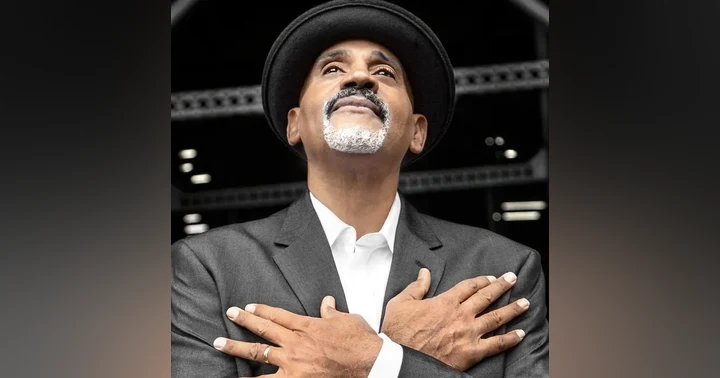
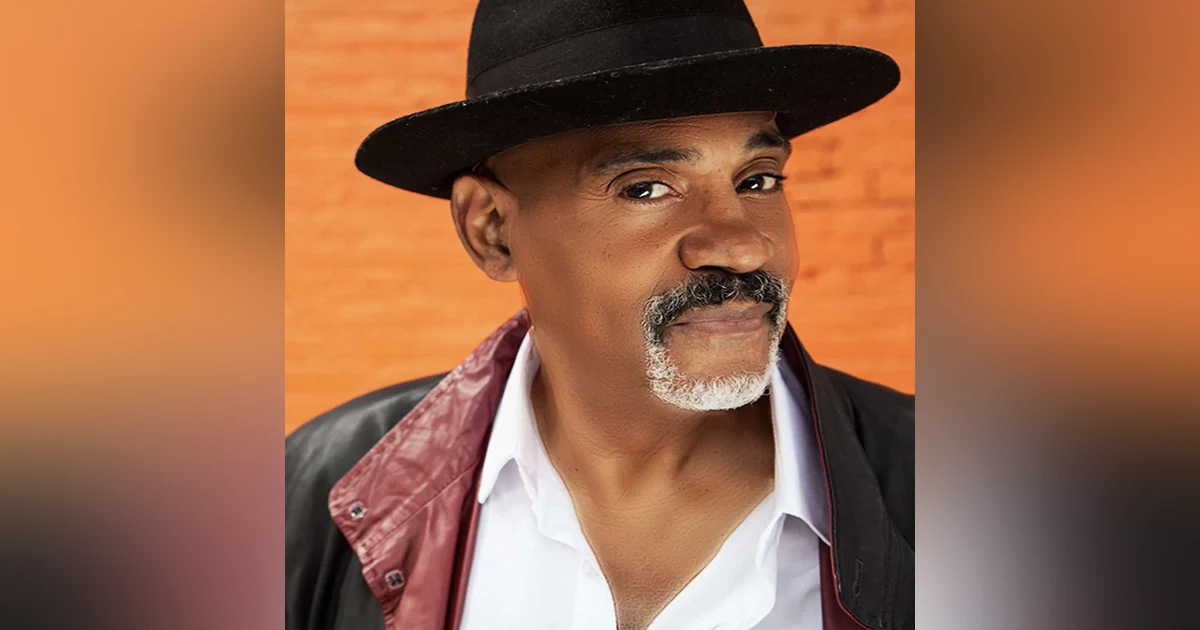
What does it take to make it as a world-class musician—and then become a mentor to the next generation? In this Best Of episode, we revisit our conversation with award-winning Harlem-based jazz vocalist and guitarist Allan Harris, who Tony Bennett once called his favorite singer.
Allan shares the stories behind his career journey, from seeing a life-changing Jimi Hendrix poster as a kid to navigating tough lessons on stage that helped shape his sound. We explore what it takes to connect with an audience, build a career in music, and transition from band member to bandleader.
Whether you’re a musician, a fan of jazz, or someone looking for inspiration on your own career journey, Allan’s story offers timeless lessons on resilience, mentorship, and finding your unique voice.
🎧 Tune in for:
- Musical Inspirations: How a chance encounter with Hendrix's music changed Allan's life.
- Mentorship Moments: The tough-love lesson that fueled his career.
- Finding Your Voice: Tips on storytelling through music and working a room like a pro.
To discover more episodes or connect with us:
00:02 - Becoming a Masterful Musician
12:39 - Musical Inspiration and Mentorship
16:10 - Lessons From a Music Mentor
21:36 - Musical Growth and Self-Discovery
32:35 - Journey of Musical Growth and Evolution
45:20 - Navigating Music Mentorship and Influence
55:50 - Mastering Artistry
01:03:32 - Discovering Alan Harris and Kate's Music
0:02 How does someone learn to become a talented musician and then master the art of being a great band leader? And once you've done that, how do you break through? We'll explore the answer to those questions and beyond, during this best of edition of no Wrong Choices, featuring critically acclaimed musician Allan Harris. We'll be back with new episodes in early February. I'm Larry Samuels, soon to be joined by my collaborators Larry Shea and Tushar Saxena. Before we kick off, we do ask that you support our work by liking and following no Wrong Choices on your favorite podcast platform. Now let's get started with our original setup of this great conversation. Larry Shea is the only member of this show with a music degree.
0:45 You are undoubtedly the right person to set up this conversation, so take it away. You know, every once in a while I have to pull out that music performance degree and show you guys right. Today's the day. That's right. Next to the meteorological degree. I have the music. No, I did. I studied music in college and it was a love affair of mine and unfortunately I had to quit. It was drums, percussion, specifically, but I played a lot of jazz music in college pops, bands, things of that nature and it was a thrill and it's something I miss to this day because of player somebody who was so dedicated to his craft and had to wear the business hat and the marketing hat and shred in his basement and figure out exactly how to master his instrument.
1:33 It takes a lot of dedication and I know there's a lot of people out there who are super interested in getting inside the mind of a professional musician. This is your opportunity and it's pretty exciting to talk to a guy of this caliber. Yeah, I mean, as you said, shay, I mean we're going to learn a lot about how this is not show friends, it's show business. I grew up listening to folks like Charles Mingus, jack Teagarden, wynton Marsalis these are just a few of the names that kind of just pop into my head who have, like, influenced me, and I still listen to the to this day uh, so the opportunity to listen to a man, uh, to get to speak to a guy like Alan Harris is, you know, it's kind of, it's kind of once it's not once in a lifetime, but it's a very, it's a very rare opportunity to speak to an artist of this type of caliber.
2:17 Caliber, especially, someone who is so high up in this, in the field of, uh, you, american standards. You know they're, his mentors are who are who else? But you know Tony Bennett, you know Frank Sinatra, nat King Cole giants in the field, giants who are, you know, who are so ingrained in the American standard and the American standards book that you know you can't think of a single song out there that these men have not, at one point, at one point or another, put on an album. And this is the type of caliber of artist that we're talking here today with Alan Harris, yeah, and for me, as somebody who has seen him perform multiple times I've heard him tell his story on stage I'm now looking forward to hearing him tell his story on a podcast.
2:58 So with that, here is Alan Harris. Now joining no Wrong Choices is the award-winning Harlem-based jazz R&B musician Alan Harris, who Tony Bennett once referred to as his favorite singer. Alan, thank you so much for joining us today. Oh, thank you for having me guys. So, as a world-class musician, you know you always have that moment, that light that goes on when you're a child perhaps, or you hear a piece of music or something magical happens. Do you have that magical musical memory from your childhood or something that pointed you in the direction of this career path? I have a myriad of them, but one that really, really stands out and I think is a little juicier than the other ones I have is what age are we when we're 10 years old?
3:42 What age is that? What grade is that? When you're 10 years old? What age is that? What grade is that when you're 10? I want to say it's like fourth grade, yeah, fourth or fifth grade. Okay, it was around that time I was about 10 years old. I was coming home from school, which was two blocks where I lived, with a Catholic school called St Matthew's and it was raining. And on my way home I had to pass by a barbershop called Cook's Barbershop and he cut all the kids of color hair in the neighborhood and if you didn't have any money what you do is sign a book and you pay. The parents would come in and pay. He was a wonderful guy.
4:25 I remember walking in there, the jukebox. It was a typical barbershop, very stereotyped black guy sitting around reading newspaper, listening to records and listening to a jukebox and pontificating on what was happening during that time in the late 60s. And as I walked past I saw a life-size poster on the picture window of the barbershop which you usually put things up there, and it was a man of color, tall and lean, in a light-skinned buckskin suede jacket with fringes. He was playing a white Stratocaster. He had a psychedelic headband, big fro, and he was looking out the poster the picture had looking from behind, looking out over this sea of faces, this big field of white, black, yellow faces didn't matter, and they all had their mouth open and dancing in the poster and the top of it said Jimi Hendrix live at Woodstock.
5:15 And it just blew my mind. Yeah, yeah, I know it blew my mind as I was sitting there I'm listening to the music coming out, because they were playing Purple Haze and all these elder men of color in there were just bitching and complaining. I remember one of them said I knew him when he was playing with King Curtis. Then he went over there to England and started to play that white boy shit, turned up the blues real loud and I remember him throwing the album cover on the floor of the barbershop and Mr Cook came outside and said come on inside, get out of the rain. And I picked it up and just studied it and he said you want this record? I said yeah, I'd love it. I took it home and I wore that record out and I think that was the impetus for me to really want to be an entertainer and a singer and a guitarist to the point that I am now.
6:05 But you're obviously I mean obviously, you're a renowned jazz aficionado, a jazz vocalist, jazz guitarist, and Hendrix is a rock icon. Did you want to, did you initially say, okay, I want to be a rock god like Hendrix? No, not really. It wasn't that I wanted to emulate him, hendrix no, not really. It wasn't that I wanted to emulate him. I was enamored with him as everyone else was. In all the genres during that time, whether it was Motown or country or jazz. Everyone was enamored with Hendrix not because of his playing but because of what he brought to the table as a man of color in the industry. He was the first man of color that I looked at and most people of color looked at, as he didn't skin a grin.
6:52 He wasn't sitting on a stump doing a blues which I like, of course. He made those he made. He didn't make any excuses about what he was on the stage. He just was a warrior on par with Clapton and all of them, with Jeff Beck, and he was just a monster to me and it affected my psyche. It empowered me to venture into this world of music, a little more strong than just being a wonderful jazz artist sitting behind a microphone doing standards from the songbook to people. He stretched the membrane in my mind, a membrane in my mind. So how did you get started? You had the inspiration, you had the vision, you had the role model, so to speak.
7:32 How did you start? My mother was a classical pianist. You know she was from Hamlin, north Carolina, and she moved to New York with her family. Of course it was a conduit diaspora. Everybody. If you had money, it was a conduit diaspora. Everybody. If you had money, it was during the Harlem Renaissance. If you had money, you'd send it back home to people, and who could ever make it back up north? They had a place to stay until they got on their feet. My mother was a recipient of that, plus being a prodigy. She was the first graduating class of performing arts and she wanted me to play piano. She was a strict tactician, believe me. Basically she was. She bought it on cruelty back in those days and, yeah, she really did.
8:13 She wanted her son to be neoclassical and every one time I was listening to a blues record, a Muddy Waters, and she freaked out, said I'm not going to have no son of mine sitting on a damn stump singing that Muddy Waters she didn't want you to freaked out. I said I'm not going to have no son of mine sitting on a damn stone singing that damn song Can you believe that I know, but there was a foil. I had a person in the household who was her sister, who was an opera and blues singer, and I used to go upstairs to her place where she had it she had the top floor and listened to her records. Anyway, she brought a friend of mine Dwayne Morrison was his name. I remember in the third grade he bought a guitar. I'm not a player, but I was enamored with it. I used to go over to his house and play Peter.
8:58 Gunn. Gyrate, in front of the mirror, in front of all my friends. My aunt, for my birthday, bought me a guitar and she hid it upstairs because she wanted my mother to know that I had it. And after seeing that poster with Jimi Hendrix, it really prompted me to not just pick up the guitar and rock and roll, but just to study it more diligently until my mother found out about it. But that's another story. I'm always fascinated with that. So you kind of I mean, if you really do want to look at it, you did have the best of both worlds right, because you need the tactician stuff, the discipline right that your mom's classical training maybe gave you, and then you also had your grounded roots in man I just love this and I need to do it for my life, right.
9:39 So you kind of did have the best of both worlds there did have the best of both worlds there, along with that moment of discovery, picking the guitar and empowering myself from just that one moment in the rain looking at that picture on the window. I also had the benefit of spending weekends every now and then at my Aunt Kate's. My Aunt Kate had a soul food restaurant at the Apollo Theater, right around the corner from the Apollo Theater, called Kate's Soul Food, and if you Google or look up Jimmy Smith's album called Home Cooking, he's standing in front of it and I'd go up there on Sunday with them Back in those days, you know a kid had to. I don't know how you were raised, but you know I was basically my family's indentured servant until the right was passed along to someone else.
10:30 Right you know the old adage that if they would give you until you pay rent, until you, you know, until your name is on a mortgage, just shut up. That's what it was. That's it. So I grew up there, right. So I grew up there Right. So I grew up there with my aunt and some other relatives my mother, for Sundays. It wasn't called brunch at that time. I don't know where that name came in the fold, but for people of color it was just called going to eat on a Sunday afternoon and I would go up there with them and sit there on one of the stools and watch a myriad of stars come and get their food between their shows, because back then stars performed the apollo and they did five shows a day.
11:13 Wow, wow, yeah, I know. And children got in matinees on sunday for free. So before the call came for me to go with them uh, next door, the policy of the matinee I would sit there and watch Sarah Vaughan or one of the Temptations come in, or Duke Ellington would come in and they'd all have robes on, or whatever Jerry Butler, clive McFadden, and they'd get their favorite dish that my aunt knew what they wanted and cooked for them. They'd take it back to their dress rooms, which I never was privy to and I just was enamored with that cook for them. They take it back to their dress rooms, which I never was privy to and I I just was enamored with that. And then then couple that with me going to see them an hour later and seeing the same person I saw on the hair wrapped up because everyone conked their hair back then and robes.
11:58 I'd see them in these silk unbelievable outfits and ruffled shirts, singing these Motown songs or Sarah Barman come out, or Ella Fitzgerald. So I had that to uh, to straddle the rock and roll, roll, um influences that I was going through. Alan, can you? Can you run through? So you mentioned Ella Fitzgerald can you run through a list of the people that would come through? That would blow our minds Well what would blow what? Can you run through a list of the people that would come through that would blow our minds? Well, what would blow what blew my mind? I can just take you just from a child of 10 to 12, which I was at the time and what perked my interest, and I can't speak for your audiences, but maybe I'm sure there's something they can glean from it.
12:39 One of the few of the artists that really blew me away was Jackie Wilson. For one, seeing Jackie Wilson perform was just something out of Cirque du Soleil going at a chicken shack. It was just amazing what he did with his voice and everything. Little Anthony, imperials, of course, the Temptation. And then you would see. You would see maybe Arthur Prysock or Jerry Butler. I never got to see Sam Cooke. That was a little bit before my time. What else, oh? This is in my mind even to this day.
13:20 My mother's not with us anymore, but I remember sitting there a half an hour prior to walking around the back of the restaurant to go to the Apollo. We went in the back way because she knew them. I remember my mother, my aunt and all the other women who were in that little bevy with them. Let out a yell, a scream. That was almost something from the Lawrence of Arabia. It was pretty daunting. Now you got to bear in mind. I'm watching this woman who's very neoclassical, graduated from performing arts, very stoic in that I'm watching her lose her mind and scream. And they scream, oh, marvin, and Marvin Gaye walks in.
14:02 Oh my God, I know, I know, it was unbelievable my mother turned into like a 13-year-old little girl on the banks of the Mississippi and Memphis somewhere. I couldn't believe it. My mother, she was. They were gone. Oh my God, marvin Gaye, I was screaming. This is my mother. Like. I said the woman who used to whoop my butt, like I said, the woman who used to whoop my butt. I was just blowing my butt. Who never wanted you to listen to Muddy Waters? Marvin Gaye was his kryptonite that was okay, go, figure Go figure. You know what I mean. I know how dare she, how dare that woman, how dare she. But I remember. But this was really funny because my father was a very upright guy.
14:43 He came from Pennsylvania, he did rodeo and that my father was wild. He was from that ilk of machismo stuff. He respected my mother but she knew what bounded across. I remember going on the subway home with her and I looked over and I said Ma wow, marvin Gaye, you really like him. I could tell she was getting her head set together before she walked into the house with me and she turned to me and she says I have no idea what you're talking about, young man, let's go home. It never happened. I caught the vibe right. Then I said okay, yep, all right, okay, all right, mom. There are certain things that are off limits at all times. Oh, that was it, that was it. So, Alan, I guess my question would be you know, when did you start to take things seriously and really start to work at it, Like, when did this become a craft that you were really honing?
15:37 I was. I think I was 16 years old. As a matter of fact, I know I knew I was 16 years old. I was in Pittsburgh at the time because my family had moved there, because my grandfather had a farm there and we took it over. And I used to go into Pittsburgh when I was 16 and be involved in a lot of jam sessions and I was mentored by this incredible drummer named Roger Humphreys. And Roger Humphreys played with George Benson. He played with Stanley Turrentine. He was one of those journeymen who toured for a long time and he got a family and he stayed in Pittsburgh and taught and he just really schooled a lot of young wannabe musicians.
16:23 Yours truly schooled a lot of young wannabe musicians, yours truly. I remember I was in a band with him and he let me get on stage and I started to sing a few songs and play the guitar and he stopped in the middle of the song. It was a crowded evening, not there to see me but to see him and he let youngsters come up. As a matter of fact, one of the guys who was in the band is a friend of mine known for 30-something years, maybe 40 years. He's a bass player here in town called Leon Dorsey. Would you know him? No, that's okay, no no, he's an old friend of mine, he's at Berklee. Anyway, I remember being on stage with him. He called out a standard which I didn't know, but I was faking it. I was playing a little bit of R&B riffs on the guitar.
17:05 He stopped 30 seconds into the song, just stopped the whole band in front of a crowded house of crowded people on a Saturday night and he said boy, you need to get off the stage. I said huh. He said you need to learn the melody and learn the song and then, when you learn your craft, then you can come back. And I literally slinked off the stage. I remember I did. I left my chords and one pedal. I had a wah-wah pedal, one of the big muffs. I left it there and came back two days later to get it and it took me a lot of courage to do that. That was a turning point where I really got serious.
17:50 I really did Because I sought out those instrumentalists who played with him and they had a lot of I wouldn't say their sympathy for me. Basically they felt sorry when it happened that night because it was pretty demonstrative. Even the crowd felt bad. But Roger Humphrey was that way and to this day he laughs about that. He's 80 now and I love him. I see him in Pittsburgh all the time and I remember that was my first foray into really becoming serious, not just on my guitar but serious in my vocal prowess, and that was a turning point. That's pretty amazing. You know we, every musician has that train wreck moment or that moment of trepidation of you like, oh my god, I can't believe that.
18:33 Just that just happened and here you had it so early on in your career. The courage to get back up on that stage or to go and find the real book and study those jazz standards right and get those under your belt Exactly Must have taken, you know, some real moxie from a 16 or however old. You were kid back then because that's a devastating moment at that point. It was more than devastating. It was life changing and there was a moment there I think it was maybe a month after that it took me a month to really recover from that. As I remember, I didn't even touch the guitar for three weeks. I was pretty sullen. I think what pulled me out of it was friends that I had been playing with, who they were in a band.
19:19 They were doing Earth, wind and Fire and that ilk. A couple of the members in the band had played with Roger every night in a jam session and they were the ones that were very sympathetic to me. And as I heard someone, I heard you mention the real book. One of them did give me the real book. They gave me the real book and I remember going through it and learning the chords and learning the notation of it and just sitting in my bedroom by myself and going through these songs, I said I'm going to learn 10 songs and go back and just knock Roger out, which I did. I went back maybe two months later and he made me wait an hour and a half before he called me up. Literally, he knew what he was doing, he knew human psyche, he really did.
20:04 I had to give him credit and he waited an hour and a half and he said you're going to come and do a song, what are you going to do? And I remember it was. Oh God, what was it? I can't remember now. You Go to my Head, yes, you Go to my Head, you. Go to my. Head and I sang it really straight Nat King Cole-ish sort of style. And that was the turning point for me, because not only did he welcome me into his little fold of artists who sat at his feet, he gave me the impetus and the courage to go further into this thing called music that's beautiful, because we talk on the show all the time about those turning moments, right, because it could have gone a lot different.
20:48 You know, if you got up on stage and he didn't teach you that lesson, that, hey, you better know this melody, cause we all know the melody, right? We all know what's supposed to happen up here. And so at this point in your life, you, you're shredding right Like you're, like sitting in your house, like doing everything you can to get up to speed with where you think you need to be as a musician I know I was, until I met that wall that we all meet. Sure, there is a wall that everyone meets. And I met this wall and it didn't deter me. I didn't smash into the wall, I didn't go around it or leap over the wall. I remember standing in front of it and really analyzing what it is I need to do to become one of those bricks in the wall because I'm not going to get through it.
21:36 And our case in point was it was 1975, and I had gotten an album from a guitar friend of mine by a guitarist named Pat Martino and it was a record called Joyous Lake and he was in town, a little boutique guitar shop that sat only 30 people and I'd go in all the time and play Les Pauls and Stratocasters and once a month they would have special guests come in. They'd clear out the whole front of the store out, have tables and chairs. They'd have an artist come and play wherever he was. And when Pat Martini was there, my wife, for her birthday present, surprisingly bought me tickets for it at that time 75. I was dating her and that was a turning point for me because I realized I'm never going to become that guitarist.
22:24 I'm never going to become that guitarist. You know I'm going to be. You know I'm not going to be a George Benson or Pat Metheny or Pat Martino. I understand what they do, do a lot of practice. I could play a few songs on stage but I'll never become that regimented and that genius on that level. But I can immerse myself into what they do and find out what I'm about and that's what helped me. At what age was this? Roughly that age, I was 20. I was 20 years old at that time. So roughly in your early 20s did you say to yourself at some point okay, I want to go from being a member of the band to being the leader of the band well, the leader of the band happened, uh, not by um, um wrote, or it didn't happen because I planned it or set a goal.
23:15 That's what I want to be. I became new to the band because my synopsis and getting things done coming from the background that I have from my mother and also my grandfather we didn't even touch upon that, but I will my grandfather, his training when I was 12 to 15, working with him in the field, in the barn, whatever he. What is the term? Something no fools. What is it? Sweat no fools. What's the term? He doesn't suffer any fools. He doesn't suffer any fools and he laid that on me. I use that line all the time my grandfather loved it. I hate when he does that. He had four lines, but that was a major one.
23:57 The other one was do as I say, not as I do. Or this famous one was this there's three ways to do things, son. The right way, the wrong way and my way, you know, he's that one too. So I come from a background of that where you put your nose in a grindstone when you're in your 20s. You're not really serious, but you're. Let me say I was thankful to be surrounded by my peers who were that age, who were serious my friend, leon Dorsey, I remember he was going to Oberlin.
24:39 Another friend was going to Duquesne, another guy he was going to Berkeley, another guy he's going to berkeley. So I was around surrounded by those, uh, my peers, who did play r&b and blues and rock with me, but who ventured into jazz and they came back with such a knowledge of their instrument that not only do I become jealous, I became shameful at times playing with them because I wasn't up to their speed and because I noticed how they would take a. I mean, I was trying to learn this song Fragile from yes on the yes album Close to the Edge, and a guitar player friend of mine who three years prior to that I could burn him.
25:19 You know I was just getting on stage and burning him Because of his acumen at going to school learning theory and that playing jazz. He came back and just said oh, alan, this is what Steve Howell's doing. I said what the fuck so that scared me. I said if just in a matter of three years he could propel himself from the arena just being on stage with me and bell bottoms and big hair and we're just jamming to Earth, wind, fire and shit like that, and just his association in studying the jazz real book, whatever you take him along that line, I better get into bed with these guys.
26:03 Yeah, you wanted some of that Of course. I wanted some of that. Yes, yeah, yeah, yes, yeah, so they brought you forward. They brought me, not not they. They didn't bring, brought me forward, they kicked me forward they kicked me forward because they were speaking a language that that, unless that school and letters gave you that I was lacking, you know I had. My ear was up to par, of course, and my antics on stage was wonderful. I knew a lot of songs and that. But because of their knowledge of, they were well-read and versed in jazz. At their age, playing the album Trey Holmgren's or something from Machine Head, from Deep Purple, was nothing for them.
26:50 So, alan, you're surrounded by this incredible talent. You've had so many great influences up to that point. When did you start to break through, like, what was that moment and what did that look like? I wasn't cognizant of it, believe me, because when you're 18, 19, 20, 21, 22, you know all you're thinking about is do you look good on stage, and how does that little girl down there in the front row. Look, you know what I mean. The important looks. You know I mean the important stuff, of course, important stuff. You know the whole reason you do right exactly uh, but what? what was the question again? So I don't want to go off this when did you start to break through? When did the? momentum of your career kick in when I started to learn some of these standards and I noticed that the crowd that I was used to playing to my crap my buddies, young crowd, you know where the crowd started to, um, to be saturated more with people who were a little more well-read well-read, instead of me reading, uh, tolkien they were bringing.
27:56 I reading Tolkien. I was in the company of people in the audience who were reading Isaac Asimov and Herman Hesch and Sedata, who also knew who John Coltrane Love Supreme was and who also knew what Electric Ladyland was, as well as Trey Hombre's. It was remarkable, the journey that opened up. Remarkable, the journey that opened up for me the world that opened up for me just from learning how to just become a little more well-read in my genre. So that was a turning point. You have a great quote that you said, that you said I'm a storyteller through the genre of jazz.
28:37 It. Was it always going to be jazz? Because it sounds like. You know, as tushar alluded to earlier, you have influences from everywhere the jimmy hendrix stuff and you know, your mom's classical stuff. Was it always going to be jazz? when I was younger, jazz was jazz me was boring because I didn't understand it. I didn't understand it, and when you don't understand something, either you run away from. Fortunately for me, I was good in so many other genres that I that there was a while where I just turned my back on jazz. I figured out, you know whatever slime family stone, but I'll just get into that, whatever. Until I started to my peers, my group started to be selective and I hungered for more knowledge, not just on the stage, not just with music, just with events.
29:28 You know, people who were well-read came to my arena and introduced themselves, who were my age and who played their instruments just as well as I did. But they had something I didn't have they had a knowledge of self through self-awakening, which I didn't know at that time, at age 20. I was just still filling my oats and looking trim and whatever, and that perked my interest because I, I, I, I went on tour, a mini tour with, with a couple of guys that I had. Really I was enamored with them and they took me to a resort to make some money and at that resort that I was at, where they played, we played five nights a week, they fed us, we had a hotel room.
30:16 It was near the water, the beach, it was great. But that resort was full of a lot of people. It wasn't your typical club, med, walt Disney sort of people, you know. The resort catered to a clientele whose children went to Brown, william, mary, you know, at Columbia University. They were children and people who were there at the resort who not only were well-read but they were well-versed in a lot of things. That enhanced the mind, and I don't say I was jealous, I was intimidated by them, I really was and that spurred me on to read not just read more, but just to learn my instrument.
30:58 More than just listening and copying Jimmy Page licks or Herb Ellis licks or George Benson licks, I started to find out that through self-awareness and reading I could develop my own sound, which I never really thought I could, and that was a big turning point for me. Alan, I want to kind of you touched upon it just a moment ago the notion of life on the road, and I kind of want to I want to touch on that a little bit Like this idea of, as a first of all, as a young musician, life on the road obviously, and life on the road for any musician is a big key to obviously getting your name out there and honing the craft et cetera.
31:42 But how has that transition now been as you have gone through your musical life, the notion of being on the road? Is it easier now? Is it harder now? Was it much easier as a young, as a younger man, or tougher as a younger man? It was that's a double-edged question. Um, I think it was easier when I was younger, because ignorance is bliss. You know, when you're young and you're just filling your oats, you're just out, you're just out there in the pasture just running wild. You know, um, as as I got older, I started to look at other things other than just being on the road and having fun and having a drink and looking at pretty girls and where we're going to go. At night there's a jam session down.
32:24 We're in Philadelphia doing a show or watching these things. I mean, the lifestyle is totally different. Right, the lifestyle is totally different. It is totally different, it definitely is. The lifestyle is totally different. It is totally different, it definitely is. And because of that, now that I'm older, the road to me now is a series of growth through, coupled with just reuniting with old friends that I've garnished through the years. And I go see them. I see how they've moved on with their lives children, houses, whatever and they come to my shows whenever town I'm in and I had that experience. I'm an older guy now and when I'm off the stage we have dinner.
33:05 I'm just going back and we're all talking about what we've been doing between not seeing each other. So the road is different for me now. Unfortunately, for the younger guys in my band, I'm learning to let them run free because some of the guys in my band are 15 years younger than me in that. They don't understand why after the gig. I just want to go back to this friend's house out in the country. They don't want to go with me. Oh well, there's a jam session downtown Philadelphia. We want to go. There's a lot of chicks there. I said, okay, well, I'm going to go. You know, they got this wonderful malt. They got this whatever 16 year old malt maker or whatever it is there and they want me to try out.
33:51 And then we go to their house and we're just going to talk. So the road is different for me now it is. It's fun, but it's different. So you have, you know, you get that first experience on at that gig and do you start gigging right away, you know, piecing it together with friends. Is it friends there who, hey, I need the vocalist, I need a guitar player, let's come along, there's another tour and another tour. Or were there gaps and was it hard to piece together that, that lifetime of of music that you put together? I mean that couldn't have been easy. No, it's. it's hard. It's hard if you aren't selfish with your talent, and let me explain that. I don't seem to come off as old dorsey as you hear. Um, it's hard when, when you have a myriad of your close friends, you, you know, you're young guys hanging out, you're playing music, blah, blah, blah.
34:41 He's dating this chick, you're dating that chick. And it's hard when you develop past them. You develop past them musically, develop past them musically, but your heart is still with them as friends and nothing's more than just having to tell a fellow musician that they're really not good enough to travel this road with you anymore. That's the hard part. That's a really hard part, and I admire artists who can do that without harming the friendship. When you're young, you don't have to wear with all that. You just say, look, I'm just going to move on. And that was the hardest thing, because I still have.
35:24 I run into friends from those days who come to my shows every now and then. Now they're older, they have children, they've gone back to school and, you know, become lawyers, whatever it is, and I see they had that longing look from the audience. When I look at them, that look of there, go. I, for the grace of God, you know and also, but then you can also tell. Behind that clouded look, there's also a little resentment of how I treated them at that time because I was young. Little resentment of how I treated them at that time because I was young. And how do you tell someone when you're 20 years old that you know it's like leaving the girlfriend or the girlfriend dropping you. You know, when you moved on Because it's all about growth with music or with the arts.
36:07 You know, when you find a group of another entourage, a group of people, another mentor, another, whatever it is, and you're going to grow, you have to make a hard choice in looking behind you, over your shoulder and those who can't grow with you. Either you die with them in the sand or you move on across that hill, which I did many times. I'm still doing it now. So, Alan, as a part of that, as you pushed on to that next phase, how did you develop a stage presence? What became your style? Who were your mentors as you developed your presence there? was a number of them and there's a fence that separates some of them.
36:50 I mean, there's a fence. There's the Americana Well, it's called Americana, now it wasn't back then which enveloped rock and roll, blues, a little bit of soft country, folk and, of course, r&b and funk. I mean, that was that one side of it. The other side was, the serious side, was jazz, and I started to look at the artists in both genres, in all those genres, and I started not to emulate them but to find out. Why does someone like Oscar Peterson, why would someone sit there for three hours and watch the Grateful Dead or Robert Plant sing Stairway to Heaven?
37:33 I started to look at what it is that they are doing, not just capture their audience and to enthrall them, that people really can listen. Let's sit in a chair and listen to that record and go into another world. What is it? And it's telling a story. And I, and and I had no idea what that was, and bear in mind I'm 25, 26, going on 30 I had no idea what that was and bear in mind I'm 25, 26, going on 30. I had no idea what telling the story was. I just figured you get on stage, you gyrate, you know, you play your acts, you sing the song, you do all your machinations with your band and boom, you put on a great show and people clap, sweat and that's it. But I realized that you have to repeat that night after night, which is why a lot of groups burn out and they change members in the band or they just walk away.
38:17 They just say, like Joe Perry from Journey, he just said fuck it. Excuse my language, oops, sorry, I'm not supposed to. It's all right, it's quite all right, we check the E for explicit Say what Whether you're smart or not, it was getting an E. Okay, explicit say what episode was it getting any? Okay, good, all right, well, look at some of these, you know. look at some of the, like barry sanders from the detroit lions, the halfback. When you look at people who are at the top of their game, when you, looking at from afar, the audience viewpoint, you say why would they my favorite group? Why did they break up? And you realize that, um, it's a growth period because after a while you become which is why I admire the Stones. They're doing the same thing for 40 years over and over again. I don't know how they do it, but anyway, that's another story.
38:59 You get to the point where it's not that you become bored with what you've done, what's made you hit or why the audience comes see you. It's just that where you were five years ago with the audience, they're still there, but you've grown. You've grown. The audience doesn't know that they're still back in what they've heard you do five years ago and you did it well, and they want you to do it over and over again. And you have a choice Either you find out how to grow and take your audience with you, or you become bitter, disband your band and just wander from show to show and next thing you know you're doing Las Vegas or whatever you know.
39:42 So did I answer that a little bit. Do you have a trick of the trade, so to speak, for how you connect, Like when you walk in a room? Is there something you do that grabs everybody right away? that you've learned over the years everybody right away that you've learned over the years. Well, when I'm on stage, the first thing I do is, before I'm even on stage, is I study the arena or the environment that I'm going to play in, because I make sure and I'm adamant about that, I make sure that my band as well as myself get there way before start time, and I've had band members young of course who bitch about that, you know. Oh man, the game is at 7 o'clock. Why are you getting here at 6? Because we need to feel the flavor of the room.
40:24 I need to feel what kind of room. An hour before they're bitching about that. Get out of here. Yeah, you'd be surprised. And I say I need the flavor of the room and they say you need to favor the room and they said why. It might be raining outside, the parking lot might be muddy and people are mad because they got to walk through the mud to sit down. Or it might be a Thursday night and the regular staff that they used to come see at the club isn't there. They have a substitute staff. Or and this has happened to me in my early development of my career, it happened just recently they might be expecting another act and get there and find out that that act is substituted by me and maybe a third of the people know who I am. Two thirds don't. So you have to actually read the audience way before you get on the stage.
41:06 And I hang in the wings and I listen to their conversations, I listen to how they are and I tip one of the head waiters and I tell them. And I tip one of the head waiters and I tell them come backstage every once in a while and give me a check on what's happening, let me know who's disgruntled, let me know who I need to look out for in the audience, and just give me a feel of the playing field and you become real good at that after a while and you get to a point, where I'm at now, where I don't even need to do that. I can tell immediately when I get there the whole energy level of the place, through the workers to the staff, the sound crew, the roadies. I know the flavor of it and on that mark I alter my show to that.
41:50 What show I might have done last night at Idaho Falls, you know, at Idaho whatever, at whatever Sioux Falls, here I am in Des Moines, iowa, the next day and it might be a different type of crowd. So I might do the same show but I might have to alter the songs because they are not ready to hear Happy Song on the first set. You know, it's a goddamn blizzard outside the corn crop ain't coming, that's right. You know the truck pull was canceled because the ground froze over and Trump lost, so you got to alter the show. But that comes into play of you telling your story.
42:32 You telling the story and knowing what it is you're going to say, not just coming out there and becoming just the monkey with the organ grinder. And that took a while and I'm still learning. That now, believe it or not, I don't think you ever get. You know, yeah, you never actually learn. It's like crossing the Rubicon you can't go back after a while. You got to keep learning and learning your story so do you find? do you find a bigger difference between because obviously you've traveled around the globe to many different audiences, so Do you find a bigger difference between American audiences and how receptive they are to you as compared to audiences in Europe, in Asia, in the Middle East, et cetera?
43:26 Oh, of course. And the big difference is this we, as Americans, are haughty, and I'm talking about arrogance, I'm not talking about bitching. We are haughty and I'm talking about arrogance and I'm talking about bitching. We are haughty and rightly so, because the majority of the music that we play has been formulated here. You know, whether it's, whatever your background, whether it's Gershwin, or whether it's British rock or just a bunch of ex-slaves in the field hollowing blues or whatever it is, it's an amalgamation of all of us in this music called jazz, r&b and country. It is ours. An old mentor of mine, a very wise man who really was a great vocal coach, told me that this music that we have, this American music, whether it's jazz, whatever, is our gift to the world.
44:17 So we carry that with us, even people who don't know a damn thing about music. But they go to a concert. The American audience has almost a psychological chip on his shoulder, and rightly so, not to the point where we beat our chest. We are the best. Let's go, you know, make America great again. I keep going into that. I don't know why. We'll talk about that in a minute, that's a different podcast. That's a different podcast. Put me back, please put me back Put me back from the shore, put me back. I know we're going that way, I'll get it. Yeah, unlike most audiences and I'm talking about from south of the border to our European, to our Mediterranean folk, to Russia, to Japan the American audience takes it for granted that this is our music.
45:06 This is our music and it is rightly so. It's our birthright as Americans. But on that note there's a very I wouldn't say ugly side. There's a very demonstrative side to us. When you play for an American audience, american audience, you have to prove something to them. You really have to prove something to an American audience when audiences around the world, they're just happy to see you just play american music, just play, and it it's, it's refreshing. But you have to come back to the american audience just to get a reality check.
45:49 Because the american yeah, because the american audience, we are so tainted. You know we, I, we had Elvis, we had Louis Armstrong, duke Ellington. You know Jimi Hendrix, I mean everyone from Jeff Beck to whatever, from what's his name, the blind opera singer from Italy. Oh, I can't think of him. I know, but you don't talk. Oh, I know, but you don't talk about everyone. I know exactly Everyone everyone emulates us. Everybody emulates us, but we take it for granted, and so do so do we who are on stage, who are telling stories.
46:30 But when you were overseas for a while which is why I see a lot of expats who are musicians who say I'm leaving America, the hell with it. They're going to treat me. I'm a black guy, I get better treatment in Europe. I'm going over there. After about four or five years they come scurrying back. Oh God. I'm so glad to be back home. Didn't you like Europe oh? Europe was wonderful. It was wonderful. We went everywhere. They treated us so right. But I need the grit. I missed America's grit. That's what it is, so we're already great. Is that what you're suggesting? Sorry, different podcast. So, Alan, I kind of want to just touch on one thing you said a moment ago about the lifestyle and how tough it is to be a musician.
47:19 Like you said, this is not a profession for the faint of heart. But you know, obviously you were mentored. You were obviously mentored and you said a moment ago you have been mentored by many musicians on your coming up. Do you take that responsibility? Or how do you take that responsibility now, as obviously a senior member of the profession? Now Do you want to be more of a mentor to younger musicians? Do you want to be a hands-on or do you want to be more of an aloof kind of mentor? No, I have to be, whether I want to be or not. I'm like, dragged into it. I'm dragged into this foyer, this position of being a mentor, whether I want to or not.
48:03 Why I say that? Because I'm very disenchanted and I'm very upset with what I see young artists have to experience to make their way financially. That I didn't have to do and let me reiterate, let me expand upon that a little bit I was there. I was sitting here during the pandemic, right before the pandemic, and they had the Grammys on and they had. There was a song that won the Grammys with Minaj. What's her name? Nicki Minaj, megan Stallion, that's her name.
48:44 And it was called it was called WAP. That was the song, and I don't know if I yeah, I didn't know what it stands for, right, yeah, yeah, and I saw okay. I said, okay, you know they, they were gonna make a dime. You know they're making millions, which is cool, I'm not hating. But then I saw the. I saw the performance that they did on stage and if you saw it, it was. I mean, I wish I had a dollar bill. I don't go to trips and eat clubs, but it was time, it was, it was similar to that, but that's what it felt like. Not just did it win a Grammy, it influenced a myriad of young artists who watched that, who figured that that's the direction I need to go into in order for me to make money and to make my mark, which was just pap in my opinion.
49:30 And because of that, I have younger musicians in my band who every once in a while they'll in their free time on the tour bus, they'll play something that I'll have to turn and look at them as, and I feel like I'm my grandfather at these moments where they're and these are, and my musicians are very schooled. Some of them come from Rutgers and Berklee and New School and Manhattan School of Music. They're very schooled, but there's something that has seeped into the psyche of the youngsters now that I didn't have happen to me, and that is in order to make money. They will do anything, Anything, which really is unbelievable.
50:12 Because I'm looking at these young purveyors of my craft, who are well-read, well-traveled because they're on the road with me, and who can play their ass off on their instruments, who are bopping up and down to these songs. I don't know a thing about using the N-word or whatever, whatever. So I've almost taken it upon myself to not to guide them, but just to show them that what it is that we, as Americans, have gotten to this point where we yes, there was civil rights. Yes, there was racism. Yes. Yes, Jim Crow, yes, yes, yes, yes. But underneath all that, there still was self-worth that you had inside your house.
51:03 And I try to tell my musicians that even when you're on stage there's certain and you feel like some of that's faded. Not just faded, it's being washed over, like with a tsunami of. My niece said something to me that just encapsulated this and she it to me and I and I use it all the time I had to argue with her. She's she's 22 now and she said this when you're 16 and she doesn't remember it. Which, when you're 16, you don't remember what you said when you're 22, of course, and I remember I was arguing with her and she's playing this. I forgot what music was. It was blaring seven o'clock at night. I ran upstairs. She was staying with me for 10 days. I said look, daniel, you've got to turn that shit off please, just for a minute. I was going to take her to a club they were performing tomorrow.
51:45 I said you've really got to turn that off. She got mad. She slammed the door. I said oh, come on. I opened the door and I said look, we need to talk. She turned to me and sucked her teeth and said uncle alan, if you're so damn smart, why aren't you really rich? And she slammed the door on me. Bam, yeah, that was. That was deep. Which, which, which? Which gave me a focus into what the youth now is exposed to. Where the kim kardashian thing, the khani west, whatever it. That is their whole mantra, their whole pillar of worth. Your worth in your youthful society that you roam in is based upon how much money can you accrue, no matter how yeah your wallet.
52:33 Yeah, your worth is your wallet. And it doesn't matter how you get it. It doesn't matter how you get it. Doesn't matter how you get it, it's such an important conversation. It is frightening, so let's put the bow on that though. How do you break through and help that younger generation, because I know there's a younger generation right now listening to this podcast? who? wants to be a great musician and have the career that you've been able to have over the course of your life. So how do you break through? What do you say to that that be the mentor? What do you say to that person who is kind of lost with today's society, with what music is doing to to young people today? what do you, what do you say? Or do you have to expose them to? You have to spend time with them instead of just turning your back and saying, oh, oh, shit, whatever, whatever, do what you got to do.
53:15 You have to spend the time with them and expose them to the things and the lessons and the rules of thumbs that we had to live under for a minute. Of course they're not as tough skinned as we were, because they weren't when we were growing up. I mean, I don't know how old you guys are. I can't say we're all right around 50. When you were growing up, it wasn't about, I mean, you had to go help your uncle, you had to wake up and you didn't sit at the table with a phone up to your ear and you had to whatever, and that's just an example. So that's what I'm doing right now. And I learned you can't shout at these kids, you can't tell them.
53:58 This is what you need to do? We were indentured servants just like you, just so you know. Yes, you were, that's right man, yeah. Yeah, you were. Mine was the form of delivering pizzas, but it was the same concept, for sure. Mowing lawns delivering pizzas, but we all worked our butts off coming up. He said, yes, he got a star. I got no star. I didn't get a star. If I came in second. Oh, I didn't follow that. No, no participation points. No participation trophies. No, stars yes. Why weren't you in first? That's what I got, I'd get.
54:39 I'd come home with a 90, why don't you get 95 it? was not good. It was never a good job it was what's next let's spend time with them. That was. That's a great answer. I mean, you got to spend the time like you said. Yeah, but you have to gird your loins because, being at the age that we are spending time with them, you have to waddle through a lot of their youthful stuff. That is really whew. Well, Alan, now that you have perspective and you've done so much as you look back across your career, we obviously did our research. Coming into this conversation, we've all seen across the river, et cetera, et cetera. Um, you know of of, you know your big projects.
55:21 You know what are you the most proud of, if you're able to to to single things out, what? would you? single out. It was like one of those elevator questions, huh. Do you have a favorite child? I know it's a tough question, it's not just tough. It's I, I because at the moment of time that I did each and individual project, that's where my headset was at that time. Now there are maybe there's, yeah, there may, there is maybe one or two. I'll narrow it down to one that, even though I'm in this place where I'm at now, uh, emotionally and mentally, it's still that, even though I'm in this place where I'm at now, emotionally and mentally, it still resonates with me.
56:03 I think Cross the River is the one. Cross the River is the one. Musically it's not as adept as my others, of course, but what it's saying, I think it reflects my attempt to empower those, especially children, not just children of color empowered children who don't know about that history, that one part of the history of black America, which is the diaspora from the West, from the South to the West Everyone knows, from the South to the North, of course, but no one knows from the South to the West which in my opinion, was just as tantamount and just as important as that, and I try to bring that out in the show that I do.
56:53 Yeah, which we've all seen online, and it's fantastic, um. I've seen you perform live a couple of times. I have not seen you do that, um, but I've certainly greatly enjoyed watching you perform. So, alan, as we, as we look forward we've talked a lot about the past. You know what's next for alan harris I'm going on to. We'll just encapsulate real quick. I'm heading to Europe for the holidays Italy and Turkey and I'm doing some of the BBC orchestra. I'm doing a tribute to that. I'm narrating and singing with the BBC orchestra a tribute to Charlie Mingus, which is pretty daunting. Oh, it's great. I did it earlier in the year and it came off really well.
57:35 But now I have my teeth sunk into it. I've had months really bury my heart into it, so I'll kill it and I have that. Then I come back in January, I gather my band together and we do a cross the river tour, you know, interspersed with some jazz stuff. You know, february 3rd until the beginning of April I'm doing a whole thing from Cleveland to Lafayette, louisiana, for Texas. So I'm starting that why? Because I'm prepping myself. I just got five weeks at 59th Street Theater. Oh, wow, I did, it just happened like two days ago. They want me to go in there. Congratulations. That's great. They're not better players, they're just better personalities on stage.
58:17 We can deliver the songs and the story. That's incredible. Well, alan, you know your your story is amazing. Your journey has been, um, you know, surreal to see from the outside and to, I guess, experience a little bit through this conversation and through your performances, and you know we can't thank you enough for joining us. Thank we can't thank you enough for joining us today. Thank you for this moment with you. This is really nice and I don't want to seem real Marcellus here, what it is, but it's nice to talk to men of letters for a change.
59:07 It really is I appreciate that Usually when you're doing these, when I do interviews, whatever I'm usually dragging the interviewer along, because they're set into one sort of format, which is nice. Thank you. What an incredible opportunity that was for us to talk to somebody who is such a master of their craft whatever the craft may be to be so deep and have so much experience. But to talk to an artist of that caliber was really quite the experience Touche as somebody who is also a passionate musician, similar to Larry Shea, as we talked about off the top.
59:53 What are your takeaways from that conversation? I'll tell you this, I was surprised by a couple of things. One, obviously, was the journey, uh, from you know the young musician and this notion of you know being having his worst moment and his best moment, kind of being almost the same thing. You know, being thrown off stage by a mentor and then being kind of called back on stage by that same mentor relatively soon after, relatively soon afterwards, and being told look, you have to improve it. It takes a, it takes a lot of guts to first of all get thrown off stage and then understand what you did wrong and then have the courage to return and say, okay, I can, I can, I can, uh, redeem myself.
1:00:36 So it takes a lot of courage to do that and we talk about courage a lot on this when we're doing the podcast. So it takes a lot of courage to do that. But the one thing that really struck me was, you know, he's become something of a I don't want to say reluctant, but he's become a mentor by default in some ways. Right, that he feels this obligation to mentor the younger generation of artists out there. And not everyone has to do that, not everyone feels they need to do that, but he feels that he has a real calling, that he has to do this Because, as he said, that a lot of this younger generation of musician, although they have a lot of skill, the to have the, the, the value system, in some ways may, might have got a little bit of ride.
1:01:19 That was that's what really struck me yeah, you mentioned a bunch of interesting stuff there, specifically getting kicked off stage when he was, you know, first starting out. That could have devastated and put a wall up in front of any other, you know it probably would have devastated a lot of people. I mean, what a? difficult, you know, learning lesson this guy had so early on in his career and it could have gone a lot of people right. I mean, what a difficult learning lesson this guy had so early on in his career and it could have gone a number of different ways. But it does seem like in the conversation he talks a lot about how a lot of those obstacles seem to be his inspiration for just getting better right To just finding himself in his heart and where he wanted to go as a musician. And I think there is that eureka moment as an artist where you do have to figure out I mean he talked about the Pat Metheny stuff he was never going to have the chops that certain guys had right, but he knew how to do what he did well, and boy did he.
1:02:07 I mean, look what he's become. But it just goes to show you you don't have to shred like Pat Metheny, you don't have to, you know, sing like so-and-so, you just have to find what you do as an artist. That's what art is right. It's looking within yourself, and he talked so much about it looking within yourself and finding what it is that you do well and what you can entertain people with, what's going to last, and when people think of you as an artist, what will give them that feeling of wholeness, right, like damn like this guy knows exactly who he is and he just rocked my world, and when I talked to Alan Harris, that's how I feel he rocked my world. It was wonderful. Yeah, and picking up on that, I think a little bit about the stage presence aspect, meaning, how do you find your voice, how do you work your way into the crowd?
1:02:53 How do you learn to work a room? And the you you know work your way into the crowd. How do you learn to work a room? um, and you know the story of tipping the, the lead waiter in a bar or restaurant to get a feel or a vibe. So smart it was incredible. How did he refer to it? The the fragrance of the room. What did he refer? it was beautiful, right, exactly right, great, but but that trade craft and to figure out how to just how to do stuff like that. I mean, this is a veteran who we just spoke to, who was nice enough to share some of the tricks of the trade. So you know what an incredible opportunity for us, and we hope that all of you enjoyed the conversation just as much as we did. Alan, thank you so much for joining us on no Wrong Choices. For those of you out there who want to get to know Alan better check out his website at alanharriscom, and I encourage you to listen to two recent albums Alan Harris Live at Blue Llama and Kate's Soul Food.
1:03:43 They're really great. On behalf of Tushar Saxena, larry Shea and me, larry Samuels, thank you again for joining this episode of no Wrong Choices. If, after listening, you've thought of someone who could be a great guest, please let us know by sending us a note via the contact page of our website at norongchoicescom. While there, please be sure to check out our blog and explore other great episodes while signing up to become a member of our community. You can also follow us on LinkedIn, facebook, instagram, youtube Threads and X. Tiktok is up and content has begun rolling out. We'll be back with new episodes in early February, leading in with a group of highly accomplished women, a CEO, super doctor and Broadway production stage manager for some very popular shows.
1:04:30 In advance of that, always remember there are no wrong choices on the road to success, only opportunities, because we learn from every experience.