Pay It Forward: Journey Inside the World of Sports TV Production with Todd Ehrlich

 Apple Podcasts

 Spotify

 Castro

 RSS Feed

 Youtube Music

 YouTube
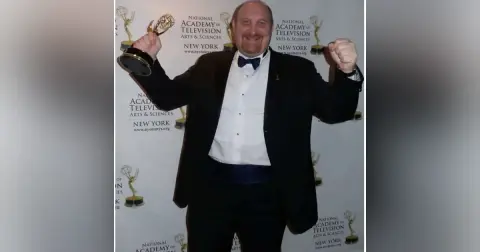
Dive into the fascinating world of TV sports production in our latest episode, featuring Todd Ehrlich, an Emmy award-winning TV sports producer and newly minted author. Aside from needing a ferocious work ethic, Todd breaks down the realities of working in television from his early days to current position as a highly respected sports executive producer and owner of his own production company.
Todd also shares what it takes to write a book from concept to creation by showcasing his new release, "The 20 Greatest Moments in New York Sports History." And, you'll hear from Todd's mentee, Tushar Saxena, about the profound impact he had on his career and the importance of having mentors and paying it forward. So sit back and enjoy the many funny, personal and heartfelt stories from one of the best producers in the business.
To discover more episodes or connect with us:
00:02 - Career Journeys and Mentorship in Media
15:23 - 20 Greatest Moments in NY Sports
28:52 - Father, Sports, and Career Growth
43:25 - Sourcing Talent, Sports Producer's Role
52:50 - Career Achievements and Future Goals
01:01:49 - Early Days, Free Food, Career Impact
01:15:22 - Connecting With No Wrong Choices' Community
0:02 Hello and welcome to no Wrong Choices, where we explore the career journeys of accomplished and inspiring people to showcase pathways to success. I'm Larry Samuels, soon to be joined by the other fellows, tushar Saxena and Larry Shea. For those who might be joining us for the first time and for those who haven't done this yet, please support no Wrong Choices by following us on your podcasting platform of choice and by giving us a five star rating. We also encourage you to join the conversation by connecting with us on LinkedIn, facebook, instagram, youtube and X, by searching for no Wrong Choices or by visiting our website at NoWrongChoicescom. This episode features Todd Erlich, who is the executive producer of sports for WPIX 11 in New York, the president and executive producer of T-Line TV, the author of a new book titled the Twenty Greatest Moments in New York Sports History, and the person who is directly or indirectly responsible for bringing Tushar into our lives.
1:00 So with that, tushar, I believe you are the appropriate person to set up this conversation for us. Well, I thank you, mr Samuels. Well, yeah, absolutely yes. When I started, when I got into this career more than three decades ago, there's got to be one person who starts it all. So whenever my parents, whenever my parents have been in the past and why did you want to do this? I said, hey, speak to Todd Erlich. You can blame him. He's responsible for this. Look, we've talked a lot on this podcast about how mentors need mentors, and this is my original mentor. I've had many throughout my career, but this was the number one guy and I still go to him to this very day, every now and then, if I have a question about something, or just I need his opinion about the business and how my career should move forward.
1:47 He's one of the most giving guys I've ever met. He is directly responsible for my career as it is, and I can never repay him for the, for the graciousness that he showed me early on in my career. I think you'll love listening to Todd Erlich. He's got some great stories. He's a great storyteller. He was always a great storyteller, funny as hell and just one of the most caring guys in the business, and he's got so much knowledge to offer. Todd Erlich is one of the best. I mean, it's worth the price of admission just to listen to one of two Shars mentors, is it not? It could be a roast, exactly. They're hoping for some goods on this one, no doubt. But what a. What an industry professional. We did have him back on the old show back in the day, so I remember that conversation as well.
2:33 He's a fascinating character. Like you said, t, he is a great storyteller and that's what we aim to do here is to tell a career journey in a, in an anecdotal way, in a fun way. So I think Todd's about to knock it out of the park. Absolutely, and for me there's so many different angles to take, but a unique one. We don't haven't had an author on this program before, so it's going to be interesting to hear how somebody writes a book. So with that, here is Todd Erlich. Now joining. No wrong choices is the president and executive producer of T-Line TV, the executive producer of sports for WPIX in New York, a four time Emmy award winner and author of the new book titled the 20 greatest memory moments in New York sports history Todd Erlich.
3:22 Todd, thank you so much for joining us. Five, five, five. You've got to update your website. You need to update your website. It says it on the website. That's where. I got it. That's where I got it. Can we make a dinner bet? I believe you, ladies, and gentlemen, when everyone is going to T-LineTVcom. We're available for hire. Check out whether it's four or five. If it's five, I want you guys to listen to the next three. No wrong choices. Fair enough, fair enough. And I will admit my mistake. I remember 20 nominations, four wins and 35 years, 22 nominations.
4:04 I'm telling you whatever I read needs to be updated 22,. I heard each and every one of them there. That worked hard. Two phrase me from a puck. Oh, please, all right. So full disclosure to everybody out there when we talk a lot about mentors on this show, mentors need mentors. So for me, this is a real pleasure to talk to you, todd, because you were really the very first mentor I ever had in the business. This is the guy who got me started in media and in sports media, so it was my very first internship and he actually helped me get my next internship, my next last internship and then my first job technically at WFAN.
4:50 So, todd, I owe a lot of my career to you. I've been in the business now for 30 years at this point, so that all goes to you. So first of all, let me say thank you for everything that you've done for me. Absolutely. It's my pleasure to show. One of the things I take the most pride and pleasure in is helping other people, and we're very, very lucky in our industry to have the opportunity on both sides. And I was just talking to one of my mentors today and we were talking about how we never forget the people that helped us.
5:34 And I'm not sure that it's as prevalent with people of the next generation, I've noticed, but for people of my generation I guess, going back to you, it is the most important thing because none of us make it alone. All of us need somebody to take a chance. When I came out of college, I quoted Joseph Heller's text 22. I said how do you get your first job without having your first job? And then I would say you are going to be the answer to that question to 600 people.
6:14 But I said the same letter to you know, take a chance on me, you can be a trivia question. And the truth is, you know I like you for the internship route. I had an internship at WRC with the George Michael sports machine, wjla, with the great Frank Herzog who called Redskin Games, fox 5 in DC, with the great Steve Buckhans who called Wizards Games, and I ran out of stations in DC and I drove every night to Baltimore to work for Bjorn at WBZ Of course. I worked here at WABC for Corey McFerrin and then he later hired me and then I hired you.
7:00 So that internship, you know, led to me getting my first job, which led to you getting your first internship, your second and then this career that you've had. So it's people helping people and anybody that's listening to this. You can't make any wrong choices, but make the next right choice and help somebody. Absolutely, absolutely. Now obviously you kind of broke down a little bit about what your career looked like, but before we talk about you know how you got started on this path. You know we were kind of talking before we all started here about what you're currently doing. Now, obviously, you are an Emmy Award, multiple Emmy Award winning sports producer, right Larry Five Five.
7:43 The man has five Emmy Awards Five. Two nominations. The man has all these trophies on his mantle place. He wouldn't believe it. And now he has got a book out. The book is called the 20 Greatest Moments in New York Sports History. I've had the chance to read not all of it, but a good portion of it, and I got to tell you it's a great read and I want to know, like, what was the impetus behind the book? So it's a great question. So the impetus behind the book is an interesting story. Possibly you guys be the judge of it, but I'll spit it out and I give me a thumbs up, thumbs down. So here's what happened. I was either blessed or cursed by having a grandfather who wrote close to 20 books.
8:29 My mom wrote over 15 books, my sister all writes for the Times and is a published author. So and I'm charming, you know what I mean, you know. So you definitely are charming. Yes, so I always said to myself I want to write a book. So I tried to think of all different ways. I read screenplays and all these interesting stories and I read, like Spike Lee's screenplay, Like maybe I could do that because it comes in book form, you know. And then I thought to myself but what I really know is sports. Now, 2003, two things happened. I read Survey's book on LT because we were interviewing LT for sports with a round table Steve Survey, you're talking about yeah, Steve.
9:18 Survey, the great, legendary Steve Survey, with the greatest mullet in the history of sports writing, number one. That's tough, that's a big statement Larry, it's hands down, I'm going off the wall with that one. So Survey wrote a book and I was just so inspired by how great it was. Then my dad we were running late, he's dropping me off at the train station and I got like minutes to make the train but I had nothing to read. So I go running into the bookstore in the train station. I grabbed two football books. By the color of the books I put down my credit card jamming and go running to the train and just make it sit down.
10:03 Then I look at the titles and it dawned on me guys, sports is hyper local. You only care about your teams. Now I've got great national stories, even though it's in your sports book that I think everybody's interested in. But primarily you live, breathe and die with your teams. So that started ruminating in my coconut and I said to myself well, wait a second. I got the makings of a book. I've been in town now for 20 years covering sports. I grew up watching sports and I've got the numbers of all of these guys that covered it, coached it, called it and played it.
10:50 I got the makings of a good book and I very humbly consider myself an excellent interviewer. I'm on the other side now and I tell everybody the key to interviewing what's Letterman and Leno? Now you see how old I am. Leno could have few grant on talking about his indiscretions. He will read the next question about his movie, the next question about the star that he was with. Letterman has his questions, does his research, but if he hears something interesting he pivots. That will make some great. I'm not saying I'm great, I'm just saying that I learned that.
11:31 So I feel like I'm a very good interviewer. So I said to myself how do I put this all together? So I said hyper local 20 grace moments in New York sports history. And then try to make it unique, try to come up with exclusive stories, try to use my interviewing techniques to do that and my contacts to do that. But in this book I came up with over 100 interviews and I was told afterwards that most authors lift from newspapers or magazines and put in quotes. I didn't do that. Almost all of the interviews are mine, but over 100 are my personal interviews where I got these people in person or on the phone and I feel like that makes the book unique.
12:25 And that's answer your question to because I do listen. How did I start the book? I started with hyper local. I started with what's low hanging fruit? What can I do? What? What do I have a knowledge base on? And then what can I do to make something special? And so that's how I came up with this book. I'm sure we'll talk a lot more about the book, but I want to get you back to. You said you always wanted to write a book. Is that the original dream? Is that what you wanted to start with? Is that what you want to do? Was it always sports? Was it always what was it? Give me the dream of, I don't know, 10 year old Todd Erlich. So it's an excellent question, and I don't know if you guys have had any authors on this podcast, but it's the single hardest thing I've ever done in the history of myself and this planet.
13:18 In December 8th It'll be 60 years, or the seventh, I guess. So, yeah, so it's a lot of projects, a lot of time that I've spent and this is by far the hardest. So no, it wasn't my dream, it was something that was on the bucket list. It's something that no-transcript. You know. To be serious, my brother went to Columbia and NYU Law School. He gets a genius. My mom was a Ford scholar. The woman's a genius and has her DSW, which is a doctorate of social work, so she's a genius. My grandfather had five chairs and I said, grandpa, one more.
14:02 You have a dining room set from universities around the country and my dad's charming and a sports fan. And guess, who I picked after that's okay. Well, but I felt like just to be candid and honest. I wanted to prove something to my family that you know. I feel I'm lucky, I feel I've been successful. I'm in my career. I blazed my own path. I didn't take the offer of big money, my stepfather's insurance agency to blaze my own path and I'm very proud of myself. But writing a book is. It's a real thing.
14:44 It's an accomplishment. Now I want to get you know into the journey that brought you to this point. But my last question about the book, or I guess also my first question about the book, you know, when you talk about doing a hundred interviews, did anybody not make the book or not make the cut? No, were you out of your mind? You know it takes to crack these guys down, set up a time. I must have called poor Mark Messier six or seven times. I called him before he went on vacation. He told me when to call him again. I called him again. He said I say he was like in the Bahamas because I say an extra day. Todd, will you call me tomorrow? I called tomorrow he goes.
15:25 My flight was delayed. I'm in the airport. Can you call me tomorrow? I said, mark, can you call me? If I call you one more time, I'm like. You're like the hot girl I chased in high school. Like I feel terrible calling you again. You know, and I mean, you know, mark's been great to me my entire career, but no, and then you have to research everyone you're going to interview. Yeah, because when you get them, you only got them for five, 10 minutes, whatever it is, and you've got to go and if they call you back you have to have the tape recorder and your questions. I used to carry around questions in my pocket. Justin Kase. My paper for a year and a half. Okay, somebody?
16:06 called me Wow. Because I mean you're not. Hey, gravy, I'm appreciate you gave back to me, but I hate you back and, like you know an hour when I got it no, dude, it's like I got, I sit on a park bench and let's go. Yeah, of course, this is a good time, but then after you. So, first of all, you have to do a lot of prep. Second of all, you got to know what are you filling in, what are the gaps in the chapters that you need interviews on? Where are you putting them? Third of all, you need to then write the questions, but you need to know the answers you need Because, as you guys know, whenever you're going athletes, sometimes you have to ask and then re-ask and then ask from around, this way that I was in order to get a real answer, and then you got to transcribe it, and then you got to place it in the book.
17:01 So, no, larry, nothing Not a syllable. There's other cutting room floor. So no, I definitely not, and I'm very, I'm very proud of it. I mean, obviously we had to shorten a lot of them and all of that kind of stuff for sure, and not use all of the interviews. And I targeted 100 people and my editor, my mom, gary Myers, my wife, my son, who kept saying daddy's always up in his office, I kept saying enough with the book. You've done 50 interviews. Who does five? Who does 10? 50 is enough.
17:41 And I said you don't understand. I have 20 chapters. I need at least one marquee person per chapter, at least one, I really want at least two. And then you've got to work your way through because, like I said, you really have got to study it. So when you're doing two shes the chapters that are on the helmet, catch retiree, that you like the most. You need to know who else are you asking, who's answered what, who hasn't answered what, and so you're in a groove on that. Now, if somebody else calls me back, jeff Nelson, I got to pivot and I have to have all those questions ready. But if I can do them which I did, sort of multitasking, but chapter by chapter, I thought it made for a more cohesive full book.
18:32 So that's the way in which I tried to go about it. It was brutal. I'm not going to lie. All right. So obviously it's the 20 greatest moments in New York's sports history and, let's be honest, there are far more than just 20 great moments. So is that how you kind of broke the book down to begin with, like, okay, I have 100 great moments and from those 100, I have to break it down to 50. And from that I have to break it down to 20. And like, what was that process? So here's the way the process worked. So I partnered with Serbe. We used his agent who sold the LT book, and he said to me you need to write a sample chapter and you've got to come up with all 20 chapters and then you've got to give sort of you know, how do we trust that you actually know these people who can take these interviews and execute the book?
19:26 So I had to put together 40 pages or some, such as a pitch book for him to go out and sell. So that's how I had the 20. Now they couldn't sell it. What are you going to do? I figured I've got a New York Times bestselling author. I'm so you know. I mean, listen, who cares who I am? You got Serbs. You know, you got to be able to sell this book, but it didn't sell. Okay, 20 years later, long story short, I sold it again. So now things have happened in between. So I freshened stuff up like the helmet catch and then re-went out and pitched it. So now get a load of this, guys.
20:06 The book is almost done. I don't know if I've mentioned it. It's the hardest thing I've ever done. I don't know I just want to share that with you guys. I feel close to my fellas, so it could have been a wrong choice. It's hard to do this. There are no wrong choices, no wrong choices no wrong choices. So it was a good choice. So here's the thing. So I'm now. I'm almost done with the book, right Like I'm like a couple interviews done and Judge keeps hitting home run after home. Oh geez, that jerk I'm like dude, cut it out Slow down what is wrong with you. So he keeps hitting and hitting and he breaks the record. I'm not saying a word to Gary, to my editor, to my publisher, to nobody.
20:51 When he broke the record, I called up getting my publisher. I'm like we have to do this, we got to put them in. Right. Your book would have been dated before it came out. Yes, like me almost. So here's the deal, guys we go ahead and we add Judge and then so my editor goes all right. So let's just get rid of the 20 chapter. I said, if you ever written a book, Did you take the glass? I took my glasses off. I go, you are out of your cot to pick in mind. He's like well read dresses. I said you could read dresses many times as you want. It stays so, ladies and gentlemen, for the price of 20 great moments, you get 21.
21:37 A bargain, a great value, and you guys asked about tenor tennis Connor's and Crickstein is number 21. And that to me, was just such an epic tennis match back in, you know, in my life and growing up and watching it just impact me so much. So, too, the answer is I had to do it to sell the book we serve. I had to do it again to sell the book the second time, and then, when we got to judge, I just pushed Connor's down. It's a bonus chapter, don't? You know I don't want to change the title. It felt like there was a better story. So, todd, you know, bringing it back to the beginning and then sort of taking us back to to where we are today.
22:24 Yeah, sure, like just one last thing on the book. It's very, very fast. You guys asked about what, what makes it special and unique. I just want to share that with all your listeners, and then I want to go right back to the beginning. So here's what makes it unique. I read a lot of James Patterson. Have you guys ever read James Patterson? Of course, absolutely. Hey, the thing I love about James Patterson he's got 700 chapters but they're all three pages. Time Clancy was like that. Eventually too, yeah, exactly. I like that style, yep. So. So if you're reading on the beach and you want to go take a dip in the water, you can get to the end of the chapter. If you're reading at night and your eyes are going, you're falling asleep you can get to them in the chapter.
23:07 No matter where you're reading, you can get to them to the chapter. In the olden days, when I grew up, reading my candlelight chapters were like 20 pages and you would fight your way through, falling asleep, and then you would oh, I made it through, and you shut the book and put it down. You pick up the next day and you have no idea what to have to read. So I tried to write something that was segmented. So what I came up with was I started with the Time Capsule. So the Time Capsule who's the mayor of New York? Who was the president? What was the price of gas? Who won the Heisman? Who won the Grammy? Who won the Oscar? So like, oh, I remember that song, I love that song. That was one of my favorite movies growing up and you're like oh, like Tush, you said earlier, that brought me back to high school.
23:53 I remember in high school, and so the Time Capsule is supposed to bring you back, and I don't just talk about the moment I do the pregame. What led to that moment? I enjoyed that a lot. I enjoyed that a great deal actually. Thank you. So what were the big trades? What were the big games, what were the big moments in the games? What were the big injuries, coaching decisions. Then I got to the moment itself and I wanted that to feel a little bit different. So I got the great Peter Boddy to write those articles. Interesting. Yes, it felt like a different voice. And then I did the post game and the thing I'm most proud of in the post game was the post game started with a post game, like we do on TV.
24:39 Right after the event I asked the athletes and the journalists what did the event mean? How did it impact you, why is it in this book, all that kind of stuff, key moments. But then I went through moments from the pregame that I didn't want to slow down the pregame and things that were like colorful, from that interesting stories. And then the thing that made me the happiest writing this book is this was the question I asked everybody. I said I am not, I don't want any dirt, I'm not looking for dirt. Some people share dirt and actually, larry, I'm sorry.
25:20 No, it's okay, it's okay. I lied to you. I got some stories about some events and some myths that I was told were wrong. I was told why they were wrong and I left them out of the book because I'm not looking to break news, I'm looking to put smiles on people's faces and I wasn't looking to be an investigative journalist and, quite frankly, some of those stories, had I shared them, would have gotten me a lot more publicity, but it wasn't in the spirit of the book. There were some negative things about players that were shared. Not interested it's not the book I'm writing.
26:02 So the question I asked, gentlemen, was tell me a story that either you haven't told anybody else, you haven't read or heard, or is not a famous story. So Steph on my toe told me I have never told anybody this, but have you noticed that the Stanley Cup has handlers that go with it wherever it goes with the white? cup, of course, the keepers of the cup. He goes. That was me. I go what do you mean? That was you. He said well, here's what happened. I've had Eric Desjardins' bar in my hometown. Desjardins the cup showed up. It was a little banged up. I'm not going to lie to you.
26:42 It was a little banged up when it showed up. So here it shows up, somebody raises it to take a picture and the cup falls off. So now they're taking a picture with two halves. Oh my God, he's freaking out. He broke the Stanley Cup. Wow, the most coveted trophy in the history of the planet are, besides my fifth Emmy, which Larry doesn't recognize. So here's, what happened. There was a welder in the bar. He called him John. Why couldn't he give me the name? I don't know. It's gone, takes the cup home and he's gone for two hours. He finally comes back and he goes.
27:23 If you solder one band, the cup will never break. I get four bands, you're good. He found out 15 years later that John had a party in his garage. He called up everyone. He knew Eight out of 10 people because it was 1 am hung up on him. The two out of 10 people turned out to be 20 people that showed up Right now the cup took pictures and party like it was 1999. Now there's Larry, your keepers of the cup. Stories like that that nobody knows, that are all throughout my book that I'm very, very proud of.
28:03 I think that I wrote something that put smiles on people's faces, that brings back memories, that educates and enlightens and that's not easy. Let's rewind a little bit and talk about the beginning of it here. So obviously you said your sister brilliant, your mother brilliant, father brilliant, so all this brilliance in the family. And you said yourself that there was a possibility of you not going into this line of work. So what was it, as a younger man, that kind of sets you down this course? Was it that, as you said, your relationship with your father? Was it that your father was a big sports fan and that relationship helped to spur you and say, look, this is something I think I'd love to do for my career?
28:45 Okay, hope you enjoy the book. Thanks, emma. Ok, all right, so here's the answer to that question. Number one my dad was a huge sports fan and when I was four I remember him carrying me into RFK and you would get a lap pass. And then later on in life, when we reconnected, which I'll share with you, he carried me in at 16. And he asked he's like, come on, man. He's like it says, if you can carry him in and let me tell you, I can barely carry him in, but unless you hold me up, I'll dig through this turd style. It's like where is he gonna sit? He said that's his problem, not mine.
29:27 I just promised to get him in. So, number one my father and mom got divorced when I was five, and so sports was always something that was important to me. He kind of disappeared from five to 12 and wasn't around very much, and then, when he came back, what we bonded over was sports. So it had, I think, extra importance because of that. Number two we had more money when I was five. We had a lot less money than my mom. We married and all of a sudden we had a lot more money and I saw all different types of folks and I decided I was not.
30:09 And I saw a lot of checkbook gloves from you know, my family, from my friend's family, and I'm like, no, this is no, this is not my morals, this is not my morality. And my stepfather in 86 offered me a quarter of a million dollars in the quarter office because I went to private school. I knew all these rich kids were going through their parents' business. I was very popular. Can't explain how or why, but I was a social chairman for all the spring breaks. We went on and I have like a hundred numbers I would take down there. And so I was. You know, I was a connection. I would have been very good at that. But I said no, I'm gonna make it on my own.
30:51 And I took a job for 11-9 at WPIX, wow. And then I took a job for 14-2 at NBA Entertainment and then I took a job for 19 at Sports Channel America and then 25 at WABC TV, and so I and I worked my first three years out of college, 360 of the 365 I worked. And you know I can be entertainment Monday to Friday Sports Channel America doing games at night and then anyplace else that I could pick up freelance work, wfdu and ABC Sports and CBS Sports, which I got my Super Bowl tickets.
31:40 And you know, I worked on the NFL today in the college football report and I paid my dues and I ate a lot of Kraft macaroni and cheese. But I decided I wasn't gonna owe anybody anything and I was gonna make it on my own. And again, I didn't make it on my own, I had. We can go through mentor after mentor after mentor after mentor Mentors need mentors absolutely. Yeah, I mean and I'm happy to name them go through it. So I didn't make it on my own, but I made those relationships and those relationships led to other jobs. There's this guy, mike Springer.
32:20 So the first job I was hired for at WJLA with the legendary Frank Herzog who called Red Sking Games. Absolutely, absolutely legend. I mean just, oh my God, just I mean what. I mean I worked with Frank Herzog Like, are you kidding me? It was pinched me every day, it was ridiculous, taking me out to Red Skins camp and interviewing Joe. It was ridiculous, it was ridiculous. But Mike Springer tired me right and he used to say to me you know, all of a sudden, you know you leave me. I'm like, ah, I'm done with this guy, you go, you go to. I call WABC TV because I need sound from you.
33:03 Know the bullets. Next, sports it's like fucking early. Then all of a sudden I call WJZ and Baltimore is like sports, it's like fucking early. Can I get rid of you? Why would I do that? And another great story speaking of mentors. So I was always sort of a smart cookie, so I sat here with the end of the internship. Hey, mike, you know you're so complimentary, you gave me so many opportunities to feel produced in white packages and produce things and you know, could you write me a letter of reference? It's like, ah, all right. So I come in and it was my last day and he hands me a piece of paper it looked kind of like this with different words on it and start talking about I would highly recommend.
33:50 Tider O'Lakey has a great fashion sense when he cross dresses which is awesome. I'm like Mike, is there a back to it? Is there one in the top floor? Because I mean asked an answer. This is what you're writing. I got what you. He goes ah no, I got another one. I kept both of them. So you know and that's. And so, to answer your question, it was a bond with my father that you know. I missed a lot of years with him and so you know you want to prove to your old man that whatever you can, you can do it. You can do something special.
34:30 So that was some of the impetus. And also, just, I'm a guy's guy, I joke around, I bust chops, I you know it's who I am and you know, just like the Springer story, I love that, like this guy's hysterical. You know, in this day and age they go running, take charge and you'd be fired. Like there's something wrong with that question. Yeah, there's something wrong with America today. It's one of my great stories. I loved it, you know, and I'll share another story with you. Doing later on in like a video news release for General Motors, for the Bader Group, with Mike Leventhal.
35:15 Bader Group I worked there too. Right, mookie. Mike Leventhal is another huge mentor of mine. When I interned there he did resume takes for me to get on air. He told me about the producing job feature producing job. At Sports Day on America. They called me and said there was a producing job at WABC TV. And look, these people can't get you the job, but if you don't know about it, you can't get it for yourself. Of course, okay, and then when I went to start my own business, he gave me work so I could eat. So Mookie hired me to cover NASCAR. So this is. Jeff Gordon was a rookie or second, third year.
35:57 He was a young driver. So I'm hanging out just BSing with Jeff, because that's the way to get better interviews. Also, ladies and gentlemen, if you're out there, develop a personal relationship. Don't always talk about sports, because they have lives. I almost never talk about sports with buttock. Comes in Tyree, comes in Myers, comes in Jeff Nelson, comes in all the rest of the guests we've had over the years. I talk about their life, I talk about their kids, their family, and that's the way to bond with people. However. So I'm talking to Jeff Gordon and Del Earnhardt Jr senior.
36:38 The Intimidator walks by and he's like what's up, wonder Kent? And just kept walking and Jeff is like his face turns. His red is his rainbow warrior car. Why is he always calling me that? He hates me? I'm like, jeff, where were you raised Wrong with you? I said number one he talks to you, he talks to nobody. Number two if he's busting your chops, it means he really likes you. Number three the way in which he's busting your chops is a compliment. Like you need to recalibrate the way you look with the world and your relationship with men.
37:21 If you're really gonna drive race cars. He's like really Todd. I'm like really Jeff, I would never lie to you. Scouts on her. It was really quick, you even paid it forward with Jeff Gordon. But so that's my point. So Mike Springer was telling me with that letter I accept you. And it gave me the impetus to go and get. I think I had five internships and then I worked at a couple of networks and two radio stations and ABC Sports, all while in college, and it helped give me the confidence and impetus that I could do this, because everyone told me it was impossible.
38:01 Yep. The career's impossible. Was there a project that helped put you on the map Like? Was there an achievement or an accomplishment where people started to take greater notice of you? Okay, so okay, excellent question. At the time that Tush and I worked at WABC-TV, it was the number one station and the number one market, and it was right when the USP was starting. So local TV was King and Corey McFarren and Scott Clark were the kings of local.
38:43 Scott Clark was, I think, the number one guy in New York at that point. Yes, he absolutely was. And the funniest guy, great guy, the showbiz, and that's another very quick thing. And then, larry, I'll go back. So I got a chance to pay back. I got elected to the board of governors for the New York embies and we had the Golden Silver Circle Awards for excellence for 25 and 50 years and I got to nominate and present to poor Scott Clark into. Silver Circle. I got to do that for David Friend, who's a mentor of mine, dana Tyler, yeah, who used to do my common race for the cure and tunnel to towers every year.
39:32 And Joe Goldberg, who hired me at WRC as a intern, then was at WNBC as an executive producer during 9-11. And I called him up and I said and this may be the answer to your question actually, hey, I know you went to. This was Thursday. I said I know you went to work Tuesday morning. I haven't been home. I've given blood and I'm not a construction worker. If you need somebody to come in and log sound, get coffee for people, cut VO's, you don't even have to pay me.
40:15 I wanna do something to help and this is my skill set. Within 15 minutes actually maybe it was a managing editor, because this is executive producer called me and said hey. Joel said to call you, how soon can you be here? I said one of my offices is on 34th of Park. You're two stops on the subway, 10 minutes. He goes. Good, we need you. So I went up there. I got a chance to do a lot of features that were really impactful news features. And then Joel called me in with Lauren Spencer. I don't know if you guys know Spencey. She got married. I still call her Spencey, even though she's been married for 20 years.
40:57 Lauren DeFord she married Frank DeFord's son and she's one of the great. She was a cornei producer at SNY. She's a huge producer at Golf Channel. She's one of the most successful. She was the EPA WNBC, one of the most successful producers in our industry. Bar Nun, joel called both of us in and Joel said I'm gonna share something with you. Guys said Spencey Erlich is the best sports producer in the country and we'll let him take the lead on this. We're doing an hour special. I had like three days. It's called the Voice of the Athlete out of the world of athletics. Deal with 9-11. And here's a short story that nobody knows it was the first time I'd ever done anything longer than a sports cast in my life.
41:45 But I didn't wanna say that in that meeting. I didn't know what to say. You get built up like that. You look like are they gonna follow up. You gotta say yes. You gotta say yes. So I said thank you and did that, and land Berman, who, spencey, was his, her, his EP, and walked out of that show and said, spencey, I think you just won your first Emmy. Wow, and you know he nodded at me and shook my hand, but you know it was Spencey, that was his person. But it was at that moment that I said maybe I can do anything. You know, just keep working, keep learning, stay quiet, stay humble.
42:31 And so maybe that's the answer to that question, because it was, um, it was a hard time and and I and I'm really proud of Of the work I did and it was impactful. It sounds like it was a huge breakthrough for you, the person like like, beyond the network, beyond the community, beyond the respect. That was a breakthrough for you to understand what you were, what you were capable of. Yeah, 100 percent that Joel goes To WCBS and he is. He was assistant director at WMC when he left.
43:13 He's like a station manager on and he it was one of the top two people running this station period, whatever his title was, and so I call him up on a cloud, joel, congratulations. I said, todd, I took three things off my desk when I left and one of them was your pitch and I pitched um. There was a show called um Tomorrow, tomorrow's news today, and it was a round table show with the daily news. And he said he took that off his desk, um, and then that became sports from the round table. That started, you know, I did sports Sunday there.
43:55 I did coming race for the cure tunnel, the towers, every sports special in Steinbrenner died, every parade I produced. You know, on and on and on, and I went out and covered all the major events in New York in the locker room and own those skills and did sweep specials, and so I think that I hadn't really thought of it. But I think, larry, on to something, loving all those stories. Um, I guess I have a nuts and bolts question because you know you're going on and on and you're like I did this and I did that and I did this. A lot of people out there don't know what a sports producer does. I mean, can you break down where you got your chops, where you learned the most, what it was like, and what you do to tackle these given jobs?
44:43 Because You're talking about going from, you know, a frivolous sports story to a 9-11 story. I mean, how do you even go about something like that? Just break it down a little bit for us. Um, so I've Owned philosophy that I I teach all the people that work for me. I think it goes back to what we were talking to before, which is listening when you interview. So if you're covering an event, you have an idea what that event is about, and if you don't, you shouldn't be out there covering it. Yeah, okay, because you know. Um, mark Brown God rest his soul used to bust my chops at sports.
45:24 You're starting again. Oh, I tell you are taking notes before you go out, who does that? And, and when I go back to my high school, I I tell, I tell people two things I go. Number one Look at the person on your left and the person on the right of you that you're numb, not friends. They are going to be the best connections you will ever have. They are going to be successful and they're going to help you through life. Never forget that. Treat them well. Number two I learned in private school in Dwight Englwood how to think and how to attack a project. So, yeah, you do so large. You're asking me a question.
46:05 So what am I doing? Am I doing a highlight tape for the University of Maryland? Am I doing a whole tunnel of towers show? Am I doing a tower climb feature? What am I doing? Am I covering the Super Bowl? Am I covering the NCAA tournament? Am I doing Maryland's home home highlight tape for the entire series? What am I doing? So now, if I'm going out and covering an event for a feature, what do I do? I read and research, read and research, read and research. Okay, what are the stories? Well, again, you shouldn't be going out there if you don't know what the stories are. So now, what do I do? Now? I know the story right. So now I start writing and I write on camera league that I write the first track, that I write the first sound bite, what's it on?
46:51 Second track, second sound like third track, third sound bite. And then I always like to leave a nugget for the on camera tag, right. So I write that. Now I go through and I take the script, I print that, I take that, then I copy and paste in another word document. I take all the tracks and I write the b-roll that I need to cover that. So I list the b-roll. Now that goes on one sheet. Now I take the sound bites. I write a couple different ways to ask the question to get a sound right sound bite that goes after that track. Now I tape all those pieces of paper together and off I go. Now I show up and something surprises me.
47:32 Or I get a chance to interview somebody that I think I would get. Well, I got the whole thing written. If I can't figure out where to put that in, I'm not worth my soul why they hire me. Whoever they are, right, pivot. I ask the questions, I shoot the b-roll for that and then, literally on the shoot, you'll see me highlighting or crossing off. Each piece of b-roll, because the last thing you want to do is end up in an edit room with a shot and a track you can't cover. It's the editors will hate you and then you'll hate yourself. It's a transit property of hate. You know, as we're talking about younger people and the industry changing and things of that nature, you know, I wonder about sourcing talent.
48:16 You know we've entered a different age where people are producing content all over the place. They're producing it in new ways. You can stand up a podcast, you can stand up a video cast and you can learn your chops in a very different way than than you did 30 years ago. So when you're sourcing talent, like is there, what is your? Your feeding mechanism? I mean, are people coming from anywhere? Referrals, schools, like how do you find talent in today's age? Um, so I just want to answer that. Second and first, I want to say that you know I get it. This is a get off my lawn moment. You'll see his charge.
48:57 I paid my dues. Yep. And it bothers me that there isn't a barrier to entering. When I started t-line tv, you had to go to a post house and it was 300 an hour, and so you better be excellent at what you do, because you had to charge 30 grand to break even Video like it was no joke. And now the new kids are on their ipad Shooting and putting together videos, so that it sort of bothers me that there's no barrier to entry. But that wasn't your question. It's sort of this it definitely relates to it. Well, we'll think about it Jagger right now I would say, like a jagger right now probably has the access to more technology in terms of video editing than you or I had 20 years ago, right?
49:43 So obviously there's been a huge leap. Yeah, technology wise, right. Yeah, so you. You alluded to it, larry, which is why I picked up on it for your specific question and I do try to listen, I do try to answer. Questions was how do I source talent? Yeah. And? Um, so the last round of hires, I called 30 people in the industry and I interviewed over 60 people for two jobs. Wow and it. It was painful and painstaking but it's, it's important and, for me, the only way I made it any places.
50:26 Through all those internships I met all those mentors and all those mentors. I was on the phone with one of them today asking advice. You know, today, today, he hired me at W ABC in 1991, so that is 30, over 30 years ago. He hired me and he picks up the phone today To answer a question. I had needed advice and couldn't think of anyone else that would know. And he was the guy. And he actually didn't pick up. He called me right back. So, and I was on the other phone, so I hung up and called him right back. But the point is he's a huge, huge guy in the industry and called me right back because of relationships, and relationships to me is the only way to get jobs.
51:16 Piece of paper doesn't mean anything to me. A resume tape Does it mean anything to me? Um, you know, it's, it's important. I don't care. We went to school. Unless it's Marilyn, I'm not saying Are you guys laughing? Marilyn beer the turtle, yes, marilyn's, the Harvard of Marilyn, with the notable exception of john hopkins, which is a much better school. It's a small problem but but and I'm not saying all those things aren't, aren't important I looked at like 300 resumes and I parsed them and I called people a lot of people called off the resumes a lot Well, over a hundred to talk to people and they got narrowed down.
51:58 But when you get a call from somebody it says I worked with this guy, I was in a skag's. Chris gag leone, the great ap at wcbs says I was in a bunker. Yeah why and I would share a TV bunker with this guy this guy comes through, he's smart, he's talented, he's unflappable. You can't get that off of a resume or a totally right um and and so that's, you've got to. You've got to go through every single avenue To talk to every single person, because you don't know where the diamond the rough is.
52:40 But I will say that referrals really, really, really is the most important. All right, so I want to talk about some of your proudest moments in your career, and one in particular, which I know you've talked about a great deal, is the tunnel to towers run because you are. You are, I think, the lead producer on that when, for the very first, for the very first, steven sealer tunnel. I wish I was. I'm not that old too. I'm not a rocker brats was the first VP and then um I started working with her away and I think my 10 she was gone. Okay. So, you've worked on it.
53:22 You've worked on a considerable amount oh yeah, yeah, well over that day. Yeah, at this point, what has that experience been like? Because that seems to me like to be, first, not only, not only just crazy, rewarding, you know, obviously dealing with the, with the foundation, with frank um, and obviously the story behind behind Steven Siller um and his you know, obviously, and what happened to him on 9, 11, but the, the entire event itself, like, like, what has that? What has that experience been like for you? so, again, I tell you guys that, um, storytelling is the most important thing, right? So I get brought on board and I'm a sports guy and David friends, and I really want you to work on some of our big specials.
54:08 They took the look of sports sundae and the graphical look, and, and they Parsed it out to the entire station group and he said you know one of the best producers we've got. So I want you to work with franca on this. And, and when I started, the big thing was she wanted us to look for the male and female winner of the race and interview them. And they were like, I don't know, a tunnel of towers is this is a marathon warm-up race for men, you know? Or if they knew anything, I think it's a 9 11, something you know. And so what? So what happened was I started asking questions, you know, do they raise money?
54:50 Is this a charity, um, event? Okay, if they raise money, where does the money go? Okay, how's it impact people and impact people's lives, right? So, and let's tell those stories. And once I started doing that, the money started to fall out. Because the point is why do you support a charity? You support a charity because you put a face on it. You put a triple, quadruple amputee that was given back as freedom by building them a smart omen and making a mortgage free, and you think to yourself wow, the fight I have to go through to pay my mortgage and to take that burden off these people that have so rightfully Armed it.
55:36 That's where my money should go. And so one of my proudest moments, which was another one of your questions to, is um, we did. The show was distributed nationally on the station group and um, I get called by Joe Goldberg and he tells me that um, a donor in california was so moved by the show that he personally underwrote a house 500 000 Wrote a check for a wounded veteran. Oh, my god on his area. And so when I won the Emmy for that show, I stood up and I said guys, I am so lucky To do what I do for a living and to be able to make a difference.
56:24 And I told that story and at the Emmy somebody's listening to anything I got may not have been standing a couple people I said but it was an ovation which is, you know, which is very, very rare, and All night people are coming up to me saying how moved they were by it. So you know, that was one of the proudest moments where I tangibly knew the impact that I made on another person's life by the way in which I told stories and EP and produced a show. Do you still think that that? Do you? Do you still get juiced from that feeling, knowing that every time you you essentially set up a shoot, set up a set up that kind of a moment, that that Kind of an opportunity is still out there for you to make that kind of an impact on someone?
57:17 I think I go about it a different way. I go about it from the process, starting the process and the storytelling, and and I always start with any client or any tv show or whatever who's your target audience? What are the three takeaways that you want? What are you looking to accomplish? So, whether it's, you know, a boss at tv station or a corporate client, or tunnel to towers, once I do that and I work backwards and I don't think about what's it going to mean to me If I can make an impact, I think how can I produce this so it makes the most impact?
58:03 Todd, as you look forward, you know, beyond the book, that we will certainly talk about going off the air this evening. Is there something on your radar screen that you haven't done, that you still want to do Like? Is there a challenge in front of you that you've got your sights set on, that you look forward to tackling? I mean, I think that, I think it would. I mean I think, let's see, I think that, okay, here's one thing. So I work at CBS Sports, right. So Steve Karasik is the.
58:44 He's the executive producer, vice president in charge of all production, and he was my boss when I was running the Emmy division and so I told you I always had to earn your chops, right. So you know, we went from winning like the year before I was hired, they were nominated for five Emmys and it went any through, consistently being in the high 20s, sometimes low 30s, and winning between five and 10 years. So I done a good job for a number of years and I built the division and I changed the way we did everything. And I went up to him and I said, hey, there's some stuff I really want to do and my bucket list is to cover the masters.
59:24 I'm a big golfer. Wow, he goes, todd, there's a long line. And I said, steve, I plan on living a long time. I said you'll be surprised. You know, a decade later, how far I moved up that line. Well maybe that'll be a moment, not moment number 22, because it'd have to be played at Beth Page However. Yeah, I mean I've covered a Super Bowl, I've covered the NHL finals, I've covered the NBA finals, I've covered the World Series, covered the US Open. So I've done two Olympics which were incredibly rewarding.
1:00:07 I mean incredibly I did. I produced the first Olympic webcast and the Sydney Olympics for NBC Sports Online and I produced what's called the summary of the games in Torino, and what that is. It's the half hour video that goes out on the world feed and it's shown in the Olympic Stadium leading up to the closing ceremonies. Wow, and I got taken in a police escort and the guy that drove me was Italian, because you know, we were in Torino. I was like whoa, whoa, whoa. I was like come on, I'm hopefully, hopefully, never going to be a cop car again.
1:00:49 And suddenly I had finally kept shaking his hand at me and muttered just up in Italian he said boom the lights in the silence. We go to the stadium, I go running into the truck, I give it to the people for the world feed and make them spot check it. Yeah, the president of Tobo, which is Torino Olympic Broadcasting Association, got me tickets in his box so I go in and he could only hit me one ticket. So I'm saying that I'm with him and his family. But you know, I wasn't that high up on the food chain. I got to say hello to him. But so I'm sort of sitting there by myself and I'm looking up at the screen at an Olympic Games in Torino watching my half hour show at the closing ceremonies.
1:01:36 Are you kidding me? Wow, yeah. Wow, that's a heck of a moment. Yeah, so that was a pretty good moment. Yeah, all right. So before we let you go, I kind of want to. I want to relay one story from my very early days with Todd Erlich, and this was actually when I was interning over at WABC local channel. Seven Students had to order food, had to order dinner, everybody, and I forget where the it was like local, it was like a local. A ring, a ring. Was it a lobby? A ring, yeah, food in the lobby, food in the lobby. So A ring the best.
1:02:16 And it was me. It was me and two others, and I only remember, like the one of the other kids, you and everyone had nicknames, right? Because Todd and everybody else could never remember anyone's name. So everybody had nicknames. Yeah, and the other kids that we were with. My grandma Wilbur. His. His name was Wilbur, because you look at Wilbur Marshall, you look exactly like Wilbur Marshall, anyway. So it was me, wilbur, and one other person I don't remember, and the dinner the dinner that we ordered because it, and for whatever reason, it was like my turn to order dinner, and so I would always get nervous about this, just crazy nervous, because it was like it was five minutes late. Todd and Scott Clark and one of the other producers would be like where the hell is our food?
1:02:58 Why is it not here, get our food? So this? So here was one of those nights where where this deli was late with our food, like by 15 minutes, like it was like a tremendous amount of time 15, 20 minutes and Todd was like you have to get this food for free. I was like what are you talking about? You have to get this food for free. And I was like, okay, I'll see what I can do. So I called the, I called the diner, and they're like oh, your food hasn't arrived yet. He's a, your food hasn't gone out yet. I'm like what the hell do you mean? Our food hasn't gone out yet? I was like you don't expect us to pay for this food, do you. He was like he was, and somehow I managed to harangue this guy to where we didn't have to pay for dinner.
1:03:42 Well done Right. Absolutely so. Here now sets this precedent, for somehow, well, tush can get free food. Oh jeez, You're an irrespective. It then became every time I was into into intern I had to get free food that night and figure out a way to do this and somehow, at least the next two times I was in, the next time I was, so the following time I was in, yes, somehow I managed to harangue another delicate test and into getting us free food. And then the third time we had to pay and they're like you, failed. You failed the words.
1:04:23 You're miserable. To failure you, they're making this business. Well, now we have a challenge for you to share. We want free food. Come on Free food. I'm beyond our thought. But I will say this is that when I was done with my internship and I should actually say this is that when I was looking for my very first job, my very first job was WFAN. I was, I was interning there. And when I wanted to intern at WFAN, I told Todd early okay, I'm looking for my next internship. He said, well, where do you want to intern? And I was thinking about WFAN. You know, I really love it there. Blah, blah, blah. He's like don't worry about it, I'll make a call.
1:05:04 And in front of me he called Chris Russo and was like dog, I got this. I got this kid who will be great for you. I think you guys should hire him straight away. Now, I don't know if dog may if dog you know listen to him or spoke to anybody else, but I got the internship and from that it it launched my career. So, as I've said before, as I said to start, I'll say it again you are personally responsible for my career. 30 years later, and. I can never repay that. I appreciate that too. She's very nice and and dog has been a good friend for a long time and and that's what I was saying at the beginning I was like you know, work your contacts.
1:05:51 If you get an opportunity, work, work hard. Get free dinners for people like Tuesday, Make an impact. No, but Tuesday worked hard. You earned it because here's the thing and this part is no joke I was putting my reputation on the line with Chris, and if you had done a bad job, that would have negatively affected me, and so you earned what I did for you. You earned it because I trusted you, and that's also important. There are no small jobs.
1:06:31 My wife used to ask me why are you taking that job for that amount of money? And I'm like I don't know who I'm going to meet, I don't know what that's going to lead to, and so if I got a chance to work, I'm going to work. Sure, absolutely. And so you got an internship. You didn't get paid, you worked hard, you were impactful, you made an impact on me and then me, being a type person I am always wants to help people you know, I'm like this is a guy that that I want to help, that I trust will go ahead and work hard. That won't make me look bad. I appreciate that and I've used that attitude for so many others because, like you, I believe in paying that forward.
1:07:15 So there are obviously others who I have gone out of my way to make that phone call for as well, like you. Yeah, yeah and and it's impactful. And I said to, I said to David today, when we are on the phone. I said this generation doesn't seem to get it. I said but, david, you are in MWABC TV. Then you adopted me at WCBS because I was already there. Then you expanded my role to producing the morning news, selling all the powers coming away for the cure. Then you added station group stock. I started doing all kinds of stuff for the station group. You know I can't ever repay that.
1:07:56 Sure, there's no way to repay that. You know it's like oh, you earned it and your talent it's just got nothing to do with it. David, you took chances on me. Yeah, I'll leave you with this. So, david, frank Hirshman, wabc TV. So he calls me in my first day and he goes. He goes. Why are you saying that? Stand up, all right, I'll stand up. As you see those file cabinets. He goes, open them. It was two of those six foot long file cabinets. So I opened them. He goes. You see what's in there. I said I'm assuming files, david. He goes, he goes. Those are pieces of paper, individual pieces of paper.
1:08:38 Do you know? Do you have any idea what they're attached to? I said the file? He said no people that apply for your job. He said don't fuck up, you've got my name on you. So I said, all right, I won't. I turned around and started walking out. He goes. I said I turned around and go hey, david, do you want me to shut the file cabinet? Can I leave it open? He goes shut it. And he started laughing. He couldn't hold on to the entire thing. He couldn't hold on to the intimidation that he longed for, but that's the point of this story. The point of this story is we all gamble on people and that's why I interviewed 60 people, read through a couple hundred resumes and called 30 people for referrals.
1:09:22 Well yeah. Well, todd, this has been a remarkable conversation. Obviously, you are a great storyteller, and with that, will you please mention your book again and let everybody know where they can get it. Ladies and gentlemen, boys and Girls, amazoncom, the 20 greatest moments in New York sports history, barnes and Noble and, as my editor likes to say, we're all good books are sold so literally any place in the tri-state area. My goal in writing that book is to put a smile on your face and bring back memories.
1:10:07 And the second thing is I saw, larry, you had a kid. The second thing that I think is important is for you to read a chapter with your son, for me to read a chapter with my son, then discuss it and do the next chapter and the next chapter, yep, and give them the gift of history. And it's a fun, nice father, son, father, daughter, daughter, mother thing to do. Will there be a volume two? Not if I want to stay married. Well, I will definitely read the book with William. It's funny that you bring that up. He started to bring out my baseball cards and he started to read through the different pages and to ask questions about who's that guy and why does that guy have a bird on his hat?
1:10:53 Like it's starting now. So the introduction of your book. He's four. He'll be five in a couple of months. Awesome. So I get to brainwash him from this point forward, and why not use your book as a tool in that process? Listen, anyway, I can help. Anyway, I can help, happy to serve this. Todd, thank you so much. Thank you, gentlemen, appreciate the time. Thank you. Well, tushar, thank you for bringing Todd to us. I certainly lived up to all of my expectations. What an incredible storyteller, what amazing energy. We were at that for a long time and he never wavered and remember he's talking to us at that point after he's already finished a day at work.
1:11:39 So imagine what this guy is like on days that he's not working. He's so full of energy, wow. And the one thing I'll say about Todd is that he has always been an extremely creative person and he's never happy. He's one of these guys who's not happy being still so. Even when he's not creating something just wonderful for television, he's always thinking about doing something else and that's what always has made me look up to him and admire him and have that kind of work ethic that he has, where he's never satisfied, he always finds joy in working and he understands that you know what to make it in the business.
1:12:20 Sometimes you kind of have to as I like to tell kids when I speak to them early on in the business you kind of have to take a vow of both chastity and poverty. You're not going to make a lot of money, which me and if you're going to work a lot, you're not going to have much of a life outside of work, and that will pay off in the end. And that's what he says perseverance, making sure you make a lot of contacts, just making sure that you get to be well known in the business and we talk about it all the time. If you prove to others that you're not a jerk, people want to work with you, they want to be around you, and that's what Todd's done throughout his entire career, and, once again, I can never repay him for the kindness that he showed me at the start of my career.
1:13:02 I guess we have to thank him too for you, tushar, for creating you. You should. I love the stories about the rite of passage, the ordering lunch, getting free lunch, things like that. Those are things that we don't really talk about on this program a lot, but you have to start on that bottom rung. I mean, I made the best coffee and river sound history back in the day, man, because you got to start somewhere, you know, and you got to be ready, willing and able and, as you said, t, you got to be good to work with, fun to work with, and you can tell Todd was great fun to work with. He made the job interesting, palatable and fun. And you know, if you really want to make it in any business and this really goes across to every industry imaginable you have to be someone that people want to work with.
1:13:47 We talk about it all the time, but you could tell he's developed those relationships and it's paid off through a career. I mean he kept rolling through like I went to this job and I went to that job. How do you think he got those jobs? Because he knew somebody, he was good to somebody and they were good back. And you know, if you put that kind of good energy out there, good energy comes back to you and look, you said it before like I always tell folks is that you know you never want your first gig to be one where you get coffee for people. But you know what? Sometimes that's what it takes. And if that's what it takes, well then you got to do what you got to do, as I say, right. Absolutely, and you know, for me, you know, one of the things that really stood out to me was how important it is to maintain a high level of performance at all times, and that clearly was very important to him.
1:14:33 I don't know how else to do things, but he made that very clear and that was obviously a very big part of his career and his journey. And you know, something else to me that really stood out was the beginning of his journey, meaning his family, I think his brother he mentioned, went into law, if I recall correctly, and he was surrounded by a lot of other professional people and he chose a path that was a little bit different. You know, he got into the sports world and he followed a passion, he followed an interest, not necessarily knowing where that road was going to take him, which you know required a certain degree of courage. And with that, you know, clearly, things worked out.
1:15:15 So with that, todd, thank you so much for joining this episode of no Wrong Choices. We also thank you for joining us. If this or another journey story inspired you to think of a friend who could be a great guest, please let us know by sending us a note by the contact page of NoWrongChoicescom, as I mentioned off the top. Please support us by following no Wrong Choices on your favorite podcasting platform, while giving us a five star rating. And then, last but not least, we encourage you to join the no Wrong Choices community by connecting with us on LinkedIn, facebook, instagram threads and X by searching for no Wrong Choices. On behalf of Tushar Saxena and Larry Shea. I'm Larry Samuels. Thank you again for joining us and always remember there are no wrong choices on the road to success.
1:16:00 We learn from every experience.