Mentored by Legends: Scott Barkham’s Path from Music Studio to Talent Management (Part 1)


 Apple Podcasts

 Spotify

 Castro

 RSS Feed

 Youtube Music

 YouTube
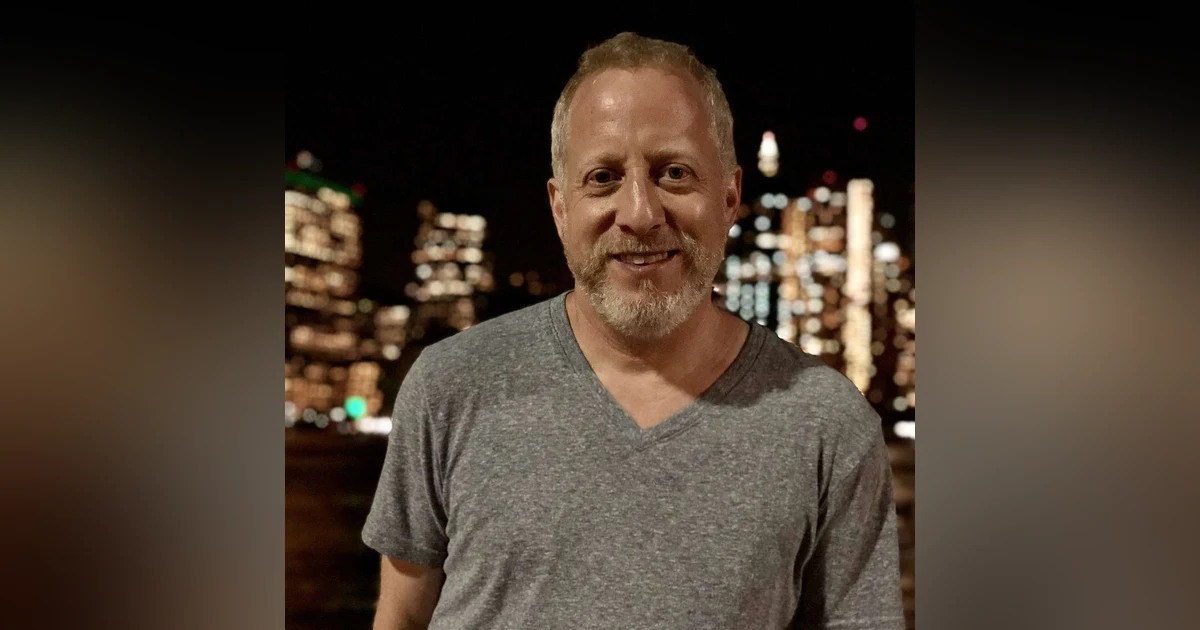
Every journey in the music industry has its pivotal moments, and for Scott Barkham, his path was shaped by the legendary River Sound recording studio, owned by Steely Dan’s Donald Fagen and record producer Gary Katz. In this first part of our two-part series, we delve into Scott’s incredible career journey story, exploring how he broke into the business and developed a priceless foundation under the tutelage of these two music industry icons.
Scott shares his experiences managing River Sound, a highly respected studio in New York City, where he learned the ropes of the recording business. From cold-calling Arista Records to securing an internship and eventually managing the iconic River Sound, Scott’s journey is a testament to determination and seizing opportunities.
Join us as Scott recounts his early days, from the excitement of working for Steely Dan to the challenges and triumphs of managing a studio that produced some of the most beautiful recordings in the industry. Discover how Scott’s experiences at River Sound laid the groundwork for his successful career in music talent management.
Key Highlights:
•Mentorship from Legends: Learn how Scott was mentored by Donald Fagen and Gary Katz, gaining invaluable insights and skills.
•Breaking into the Industry: Hear Scott’s story of cold-calling record labels and landing his dream job at River Sound.
•Managing River Sound: Explore the highs and lows of managing a legendary recording studio and working with iconic artists.
•Foundation for Success: Understand how Scott’s time at River Sound shaped his career and prepared him for future success in music talent management.
Don’t miss this inspiring episode that highlights the importance of mentorship, resilience, and passion in the music industry. Tune in next week for Part 2, where we delve into Scott’s journey as a Music Talent Manager and Producer, and how he built upon his experiences at River Sound to achieve global success.
To discover more episodes or connect with us:
0:02 Hello and welcome to no Wrong Choices, the podcast that explores the career journeys of interesting and accomplished people to uncover insights that we can use within our own journeys. I'm Larry Samuels, soon to be joined by Tushar Saxena and Larry Shea. If you enjoy the stories that we're bringing forward, please support us by liking and following our show on your favorite podcasting platform. By following us on LinkedIn, facebook, instagram, twitter or Threads, and by becoming a subscriber to the show by signing up at NoWrongChoices. com. Our episodes can also be heard on YouTube. This episode is part one of our conversation with former River Recording Studio Manager and current Talent Manager, S scott Barkham.
0:44 For those who may not know, R riversound was a legendary recording studio in New York City that was owned by Steely Dan's Donald Fagan and record producer Gary Katz. Larry Shea as a former employee of Riversound and friend of Scott Barkham. You are undoubtedly the right person to set up this conversation for us, so please take it away. Yeah, I think you hit it just right there. He is a friend. This one is pretty special to me because a friend, yes, but he's also a mentor and he is truly one of those special people that you meet on your career journey. I mean, this guy opened doors for me. He opened the first door for me and that's always the special one, right Is the first time. Literally the day after college, I moved down to New York City to start my internship at Riversound, which is the studio that Scott manages, and it just showed me the way.
1:35 He just showed me how to be a professional. First of all, he gave me the job. I mean, that was just fascinating unto itself. I always wanted to work for Steely Dan. For recording engineers, which is what I studied in college, steely Dan was the holy grail. It was the standard to which every other recording was held up to. Essentially and sonically, they were the most beautiful records. I mean, that's a matter of opinion, but just recording engineers-wise, that's how we thought about it. And so the fact that I was going to move to New York City and work for Steely Dan, my peers couldn't believe it, and if there's one thing I would say about this episode. It's aim for the stars, because you just might get your dream job.
2:19 You know what I mean. So this was my long shot to work for Steely Dan, and we're about to interview the guy who said yes to me. So taught me how to be a professional, taught me how to conduct myself professionally, taught me how to rub elbows with rock stars. I mean, is there a better mentor than that? Sound is the recording studio of Steely Dan and of Donald Fagan. I just want to call that out. Yeah, co-owned by Donald Fagan and Gary Katz, gary Katz being the producer of pretty much every Steely Dan album. So, yeah, a lead singer and the producer get together after years and started a business together, and this was a way to get in there and get to know them, and it was Scott was the gatekeeper.
3:10 You're so right in saying, like you know, obviously we have had the chance to speak to my mentor on this program as well, and you're so right that first person who opens the door and says I'm going to take a chance on you, they have, you know, they've, obviously they've taken a responsibility in some senses to to kind of shepherd you into that world, um, but also that first mentor can really make or break whether or not you want to stay there, right? So, like your experience at river sound obviously was not only not only did you just want to work for steely dan, but you know, let's just say for that first time around you didn't like it. It could have soured your entire, it could have changed your life. Right, that could have changed your life totally.
3:52 I'm not going to go so far as to say it was a wrong choice, but no, but I mean obviously it could have changed the course of your life, right? No, you're 100% correct the same thing with me, right? So my first intern, or let's say, the last internship I had, was really, or the next to last internship that I had was really the one that that solidified to me that this is the direction that I'm going to go in for the rest of my life and have no reservations about it. Now, obviously, with scott, we get to speak to him just we get to speak to him and learn a little bit more about what does it mean to be a music manager. But you know, in many senses, as you said, river sound and I didn't realize this but it's such a small studio, it's a single studio, right?
4:32 Not, it's not one of these places that has 10 rooms and it's one room. So you get to really learn about people on a very intimate level, and that, in and of itself, is an education that you cannot learn Like. You went to school. You got your undergraduate degree there. You got your graduate degree from Riversound. Let's be honest, yeah, that's a good way to put it. Yeah, I like that, and that's how I looked at my career too. Is that you know what? I got my undergraduate degree at Fordham, but I got my graduate degree at my internships. That's what I knew. That's when I knew this is what I was going to do for the rest of my life. Yeah, I think I had a very similar experience with NBC Sports. I came down to New York and I worked for 30 Rock when I was a junior in college and it literally changed my future.
5:15 So with that, I very much look forward to hearing Scott talk about a very young Larry Shea. Scott, thank you so much for joining us. Thank you so much for having me, guys. It's a pleasure. This is going to be a lot of fun, man. You know I've been looking forward to this because, full disclosure, scott is my mentor. Scott, we all need a Scott Barkham in our life. This is someone who. We all need a Larry Shea in our life. We do. We need that too. That's another question. We need that too, but Scott was the guy who opened the door to the music business for me and I'll never forget him for that. So it was a real long shot for me to, a long time ago, apply for an internship at River Sound because my dream was to work for Steely Dan, and we're talking right now to the guy who ultimately said yes and allowed my career to begin.
6:11 So with that I owe you a lot, scott, so thank you. You don't owe me anything. It was a pleasure when we got to work together. I really enjoyed all those years. I really did. Definitely. It didn't last long enough, unfortunately, but about three years. So let's start at the beginning. Let's start where you are now. Talk about what you do professionally who is Scott Barkham professionally and then we'll go back to the beginning and figure out how you got there. Okay, I'm an artist manager in the music business. I manage a few different clients, like a band from Australia called Hiatus Coyote, a DJ who's from Philadelphia but based in Miami, named Rich Medina.
6:56 I manage a young artist from the UK named Gareth Duncan, and I manage a producer keyboardist songwriter artist named Victor Axelrod. All right, so Larry said he would never forget you allowing him into the or getting him into the music industry. We, of course, will never forgive you for giving him, to be quite honest with you. But no, but, scott, once again, real pleasure to have you with us, but OK so. I mean, obviously you know you have a vast, vast background in music production and music management, talent management. It's hard to say this, you know, as a child was this always the dream?
7:37 But you know, obviously, when you were young, when you were a kid, was how big a part of a of your, of your upbringing, of your life, was music so I guess, like one of the things that my mom tells people when they ask, is that I showed up at nursery school like three years old, knowing how to read because of sesame street and not interested in any of the school work, I just brought a record in every day and I wanted to talk about the fact that Simon and Garfunkel had broken up and that they were making albums by themselves. I think, like my earliest memories are around, either music or like some TV show like Jeopardy or Flip Wilson, but mainly like records that, like my mom, would play in our apartment in New York city.
8:28 You know, I just I was thinking I was excited as a young kid by just any music that my parents listened to, and it was maybe when I was six or five where I started to be able to discern what I wanted to listen to and what I didn't want to listen to. Five or six. Yeah, I mean so like music was kind of it's been, and I also played piano. You know, my mom played like a little bit, a little bit of piano and she'd show me stuff when I was two years old and I could play little melodies so I was musical. I wasn't gifted but I was musical I could.
9:20 I could figure out a melody and play it. I really enjoyed playing music. I enjoyed listening to music. Growing up, a lot of people remember things about their friends and one of the things I remember is what my friend's parents or older siblings had in their record collections. Like that was just like what I wanted to do. And you know, I invariably wound up like you know playing baseball or you know foot touch football or whatever, but like I would have been happy like sitting in, just like can we listen to this record? Let's listen to this song. You know it was just. I've been obsessed with music my whole life, so that's, that's the answer to that. You mentioned Simon and Garfunkel, who were some of those other bands and those other artists that you were listening to at the very beginning I think, like the first band that, like I might have been in first grade when my dad, like, showed me his beatles records, which my parents didn't really listen to in the house, and that got my attention right away.
10:01 And he didn't have a lot of beatles albums, he didn't like all their material and I immediately, like, gravitated to Paul McCartney. I don't know why and I still love Paul McCartney. I mean, I love all of them, but I am a Paul McCartney like. That's my favorite Beatle, but you know, that was definitely one. And then I like that point at six I started to just gravitate towards songs that I liked that might have been on the radio. It really wasn't much of what my parents listened to, though For a period of time, and even still Paul Simon still factors in, not all of his music, but certainly parts of his career. Especially what he put out in the 70s is.
10:43 I hold it in a very special place. But, like you know, it could have been in fourth grade hearing, you know, rock with you by Michael Jackson. That was kind of a tell for where my taste in music was going to go. But I grew up in the very sort of breakfast club suburbs of Westchester County, new York, and I really wasn't exposed to a lot of soul music. So it was progressive rock because I was a keyboard player and I liked stuff that had cool keyboards on it. You know, it was like Led Zeppelin, who I still love and can still listen to. Like there's a lot of stuff I listened to as a kid and love, but now I can't really get through it. But some things kind of stuck with me and you knowppelin's one of them.
11:24 But like definitely different groups at different times and a whole evolution of listening that kind of got me even to where I am now did? did I even hear? We were at an event this past sunday, great event um for yacht rock radio, actually exploring that genre. And uh, did I hear you say that your dad didn't really play cool tunes when you were younger? No, no, and like the stuff that he did, like he just played it over and over to the point where I wanted to kill people. Not him, it wasn't going to be like fratricide or any stuff like that. Patricide, I think that's what it is. It wasn't going to be that, but it was going to be like I, if I have to hear fleetwood mac rumors.
12:11 One more fucking time dad I'm gonna fucking lose my shit, um, but yeah, no, there was, like I mean, some of the music that played in my house when I was a kid, like don mcclain, I, I it hurts me to hear it, it really does. Um, so it's like a few things like stuck with me, but most of it I'm just like I heard it too much as a kid, um, and I kind of went my own path with music, but I always loved going to record stores and all of that stuff Like that was that was my happy place and kind of still is. So when you um start, school start you know, figuring out what you're going to do career wise. I mean, does something hit do? Are you like I have to stay in the music business somehow? This is going to be the path um, no, I didn't really even. I thought all right.
12:52 So as a as a teenager, I was playing keyboards. I played in, like you know, a band like lots of people do. In high school I was pretty good like good not I mean good where I thought like I want to be a professional musician, I want to write songs, I want to do this. I never really thought about working in the music industry or even thought about what a record label was or what different roles were in the music industry. I just like I kind of just wanted to do music myself. But I also I was a good student in school and I was an obedient kid for the most part and like my parents, you know, wanted me to go to college and probably go to grad school and do all the sort of standard, you know, things that one's expected to do to be successful, all that stuff, whatever.
13:47 Blah, blah, blah. And I think when I was in college. So I went to Colby College, which is up in Maine. It's a small, it's a liberal arts college. I studied government. Look, I'm interested in politics, I'm interested in world events, I'm interested in American history, all that stuff on the academic side. I love that stuff. I still follow politics closely in world events. I'm a voracious reader of news and I'm interested and engaged with what's going on around the world. But while I was in college I'm in Maine and there's not a lot of shows that like come to my school.
14:29 There's not a lot of places to see like a band that you might know and like at a club. But I'm reading the Village Voice in my school library every Thursday when it would come in and seeing all those shows that I'm missing in New York and it hurt me. I'm like I just missed this band. I just missed this band and I just really missed being in New York and I didn't really like being at. I didn't like where I was at school. It was a terrific college and I got a great education but socially it wasn't necessarily my thing. I was pretty much, I think, a city kid at heart, even though I grew up in the suburbs and I went to school in England for a year and that was pivotal.
15:11 So I did two things in college that were kind of pivotal for me, evolving kind of my musical taste to where it still kind of is. One was I played in my college jazz band. My sophomore year of college played piano and we did a lot of like jazz funk songs and I really enjoyed playing them and I was pretty good at it and it was like very rhythmic and I was really. I was into it and I think, like other musicians that were in the band and we were not a very good band, but people love jazz and we're into it. For far longer than I was into it I really didn't know what jazz was before I went to college and I remember one of the guys that was in the band who played trombone.
15:57 I wish I remembered his name because I would thank him, but he one night in a smoky dorm room I not going to get more elaborate than that put on Herbie Hancock Headhunters and that album changed my life Literally. I heard that start to finish and I was just like, oh my God, what just happened there? It opened up my world for like how musicians could play together and individually and like it just brought a lot of things together that I knew, that I liked, but I couldn't really articulate it. I think it was that it was kind of starting to discover Stevie Wonder was a big part of it for me at that time and then the time I was a freshman in college, I had all of their albums and I was listening to them constantly and I think that was kind of so.
16:57 That was like one major step where I started to see, oh, a lot of these names that played on these records played on other records that I liked, because I would read the liner notes of every album that I listened to. So I started recognizing names. And then I'm thinking like how do I get into the studio, you know, and work with bands directly? And then a friend of mine, my freshman year of college, interned at a record label I forget which one and he told me what he was doing and I'm like I want to do that. And then I basically got an internship at Aris Directors between my sophomore and junior years of college and I learned a lot about the business. I interned with two of Clive Davis's sons Wow, I got to go like backstage, to shows and to like showcases and got to know lots of people in different departments.
17:48 And I think I gravitated towards A&R, though I worked in their rock promotion department, which was having like huge hits with the Grateful Dead that were completely unexpected, like they had pop hits in the late 80s. It was crazy, and so that like exposed me to the industry. And then I went to school in England, to the University of Sussex, which is in Brighton, my junior year, which was 1989, 1990. And I interned at Aris' London office when I was there and that was a really great experience for me.
18:32 Um, genre called acid jazz which basically was just more organic soul music than like what was the aesthetical, the aesthetic sort of norm at that time which was sequenced, sequencers, triggered drums, you know like new jack swing kind of stuff. Um, and and you know, bands like the brand new heavies and the young disciples who were coming, bands like the Brand New Heavies and the Young Disciples who were coming out of the UK were making this sort of more organic soul music. And the same way, like Lenny Kravitz came out with his first album and that also just was a breath of fresh air for me because it was like it sounded raw like music from the seventies and I I knew that I didn't really like what a lot of eighties production sounded like, and I don't necessarily feel that way now across the board, but at that time I had a lot of fatigue from it but I couldn't articulate why I didn't like it.
19:18 And then I kind of learned what it was. And then I discovered what a Fender Rhodes was my freshman year of college and I bought my first one. So that was pivotal for me because that became my main keyboard and I still have one which you can call it a D right back there. Anyway, scott is showing us his uh, his office right now and his instruments behind him. I never really play anymore, though that's the sad part. But, um, yeah, so I, I just like that period in college like socially not that exciting, but like musically, like really molded me to like where I was. And by the end of college I was like I really want to work for Steely Dan and I found out I met the guy that ran the Steely Dan fan club and he was like you know, Donald plays Monday nights at this little club on the Upper East Side.
20:08 That doesn't, it's not even a club. And I went and I met him and I was and he was just like. I was like oh, he's just a regular person, I could work for this guy. Donald, is Donald Fagan right? We're talking about Donald Fagan. Yeah, we're talking about. Donald Fagan. And then this guy, pete Fogle, who, who ran that fan club, told me he's like Scott, you know, ran that fan club. Told me he's like Scott. You know, Donald, and Gary Katz are opening a recording studio on the Upper East Side. You should try to get a job there. And so I was on my spring break, my senior year of college, and I walked up to the studio, which was still under construction, and met the guy that was managing it at the time and he was like I was like I want to work here and I had my resume and I handed it to him.
20:52 He's like well, you're still in college. I'm like yeah, but for two more months. He's like well, when you graduate, call me. And I did. Literally. I was staying with a friend of mine in the city the day after I got home from school and I called him that morning you come by. And I did. And um, he was like look, we need interns and I need someone to paint the studio with, with a couple other interns, and you know it's 50 a week. And I got home and I told my parents like I got a job, and they're like really, what's your job? And I told them. They were just like you, asshole. We just paid all this money. Isn't that always the way that? Oh my god, it's like every time you're gonna make 50 a week, you're doing this. This is the worst decision you've ever made, don't expect us to pay for your apartment in New York.
21:34 I was like I don't, I'll live at home. I got to do this. They were really pissed. They were pissed. My dad's like won't you take the LSAT? And I was like, no, I will not take the LSAT. I want to do, I'm going to give this a shot. He's like just go to law school and then you can go in the music business. I'm like, no, now this. The opportunity is right now. Yeah. So I went in and this, a friend of Larry's and mine, David Dill, like kind of instructed us what colors to paint the different walls. That he had written with a ballpoint pen on, so we had to like sand his ballpoint pen writing off and spackle it. It's the one and only time I've ever done that. I'm not a hard laborer.
22:15 I'm not good at that stuff. But I did it, me and a couple other guys. Tony Gillis was one of them. We started at the same time and we did it and the studio opened up and you know, I to know gary a bit because he was there and um donald hadn't really shown up, I hadn't really connected with him and they fired the manager like his name was billy, really nice guy, but he was the guy who brought you in yeah, he was a music producer and I don't think he wanted it. I think he wanted to other things and he did it as a favor because he and Gary were close. So they brought in this other guy named Todd who when he was setting up he's kind of all frazzled and he's got his Macintosh computer which was like the original Mac.
23:02 It was like a Mac. SE like all the box. Yeah, and like an Apple laser printer. And he brings like all the stuff into the office and he's like hey, scott, can you just like help me with this? And I obviously knew how to set up a computer and a printer and do all that stuff. And he did apparently didn't, even though he owned the stuff and, um, at the end of it and he had all the shit organized. He's like scott, I want you to work in the office with me. And I was like what do you mean, scott? I want you to work in the office with me. And I was like what do you mean? He's like I want you to work in the office with me. I'm like, well, I mean I had just been learning how to like reset the board and do all the things that you would do to like save a session for the next, you know, for them to come back in and restore it and recall it.
23:43 And like I was really like wanted to train to be an engineer. And they were and he was like no, if you want to work here, you're going to work with me in the office. I'm like you mean like the assistant manager? He's like no, the office assistant. Like it was really demeaning and I remember like I didn't know. I didn't know gary super well, but we had bonded on the fact that we both lived in Westchester, like one town away from each other, and he was in California with his family Donald, I don't know, might've been in Hawaii working with Walter Becker on his album Call Me Kyriad. And I was like, fuck, I could quit.
24:25 I could quit, but I'm gonna stick this out. And I knew what I was doing. Like I had office skills, cause I'd also spent summers working at my dad's law firm where they had me filing papers and doing all sorts of shit. So I knew how to. I had, I had skills and I'm resourceful. So I was just like I'm going to suck it in and work in the office with this guy. And I did. And Gary came back and when he did, part of the reason that this guy, todd, had been brought in was because he was a more experienced studio manager to help rein in expenses. And the first thing he said to Gary was no more car services, home from the studio at the end of a late session. And Gary's like well, how am I supposed to get home?
25:05 We only have one car and I'm going to be like I, I, I can't get the last train we go. We work till three in the morning, so he, um he's like how am I going to get home? And then a green, a light went up in my head and I was just like you know what? I have a car. How about I pick you up? You pay for my parking, studio pays for my parking and my gas and I drop and we drive back together at the end of the night and gary looked at todd and said that's what we're doing and todd's like well, I need scott here in the morning. He's like not anymore nice interesting and that was a pivotal thing for me because I got I got to know gary really well and he's just like a very unique and incredible person Like you won't ever meet anybody else like him he was was pivotal for for Steely Dan being who they were in ways that I don't think a lot of people know and, um, I got to know him really well.
26:05 Hold on before we go onto that next step, because this is really important. There's a couple of key things here that I just want to focus in on for a second. You mentioned riversound and arista records. We are you cold calling these places? Is that I'm cold calling? this is happening? I'm cold calling. I don't have family connections. You know, I was a big yes fan when I was a kid and the classic yes lineup from the 70s reunited under the name Anderson Bruford, wakeman Howe, and it was on Arista Records and I just wanted to know what the hell was going on with it. So I called the rock promotion department and the woman told me and I'm like hey, do you need an intern this summer? And she's like I do. And I came in so resourceful man, yeah, came in, so I had no family connections to this business.
26:54 That's amazing. So, hey, what is A&R for people who don't know it stands for? artists and repertoire and in the classic sense of like artists like Frank Sinatra, they were singers. They didn't write their own songs, so there was someone at the label who would discover the singer and then knew all the publishers and the writers and would get the songs and would put it all together. Now, a&r means they're talent scouts, they're finding artists. Maybe they write their own material, maybe they produce their own material, maybe they need a producer, maybe they need a co-writer. And A&R people are the ones who like connect all the dots for artists on that, on that creative level, and that definitely was what I gravitated towards. That was what gary did. He was an anon.
27:35 Um, you know it's. It's like they're the ones who find the talent, but you know, there's lots of other really important roles within record companies that make a record successful. You can find the best band ever, but if it's not marketed properly, nothing's going going to happen, and I've learned that many times over and over. So anyway, yeah, so I, like you know, I'm working with Gary and I'm driving him in every day. I'm getting to know him well and also, like, whereas I was scared to like go into the studio when people were working, now I was kind of welcomed to come into the studio anytime and it just changed my whole experience there. I had a night in the studio with Phil Ramone once. We gave him a night to try out the room and I like grilled him about all these sessions in the seventies and he was the coolest guy.
28:21 So I had really awesome experiences with clients that worked at Riversound outside of the owners. But then, like in the fall, donald came back and I started to get to know him and that you know I was really into jazz at that point and soul music and he like wrote out a long list of jazz albums I should get and like we talked about like off the wall and Roy Ayers and Stevie wonder and like what we liked and didn't like about some of their material and you know it was really cool. And then he started doing these shows that were a little bigger at a place called the Lone Star Roadhouse in Midtown and after like maybe the first one that they did, he was like Scott, would you just come with me and make sure I have a Coke on my electric piano.
29:06 I think it convinced him to play an electric piano because he was mostly playing melodica and I was like could you just play the roads like it sounds really good when you play. It's really funny. Like I was, I was chill but I was a fan, but, like I, I I made my requests in in respectful ways like, yeah, but it was cool and I got to know him. I got to know phoebe snow, who became a really dear friend of mine. A lot of those folks. It was a crazy and I got to know him. I got to know Phoebe Snow, who became a really dear friend of mine. A lot of those folks. It was a crazy time and I just kind of, you know, was around a lot of artists and you get used to it and I think all of that experience like wound up really helping me in my whole career. Even if I have never worked in another studio again after River Sound, it still helped me a lot.
29:52 Larry's brought us up to speed on what River Sound was as a studio, meaning that it was a single-room studio. There was no 10 studios within this facility. I'll assume that you have worked in, obviously, facilities that large in the future after River Sound or places like that. What was the biggest difference? Or was that the biggest difference between working in a single room? The idea that you could be so much more intimate with artists who were there, rather than, let's say, a large studio with, let's say, 10 studios in it. So there's a couple things about it studio with, you know, let's say, 10 studios in it. So there's a couple things about it, like when that studio opened it was kind of the end of that era of making music in that way, you know, like I remember a band that I played in, and so there's another part of this, which is me as a professional musician that continued parallel to what I was doing running that studio, like because I played in this band called repercussions, who I actually discovered and brought to gary.
30:54 We got signed to warner brothers and I was a naive kid and I was like, again, it was one of those things where I was going to be coordinating the production and not getting a lot of money and I didn't really know what to ask for. And and I'm not going to say that I didn't get taken advantage of, it's just standard music business stuff, like someone tips someone off to something and either something good happens out of it or something doesn't. But I tend to try to make my own opportunities in those situations rather than, like, just sit there and be frustrated. So, like I found out that this band that I had discovered and brought to him, who he got got signed, needed a keyboard player and I talked my way into an audition for the gig and I got it.
31:34 And then I'm playing in the studio, recording in the studio that I manage, and I'm doing them both at the same time where I'm in a session. Somebody's calling me and it's like Scott, you've got to get on the phone. It's about the session tonight and I had to do it. Come back. It was crazy, but but. But. That band was the first artist I knew of that worked on pro tools and the moment I saw what that was I was like studios like this aren't really going to be as in demand because people are going to be able to make records at home. That and then adats, which was like basically a VHS-sized cassette that would do eight tracks of digital audio and you could connect like a bunch of them together so you could have almost like 48 tracks of digital and it was affordable for a working recording artist to own that stuff.
32:25 So it became less needed to be in a world-class studio. You could kind of do stuff on your own if you had to, and it was really more about the quality of the music than like the quality of the studio you recorded it in at least, and I still do feel that way. But when you, when you have two people that make records who are opening a studio together and they're not working all the time, it's hard to book because a lot of times people will call to use the studio and the owners are working and then they work elsewhere. So it's hard to like get clients that are down to work when you're not working, like, oh, will you do the night Because we're in during the day. It was very, very difficult to book the room because it was booked enough that it was hard to hard enough to get into.
33:11 That people didn't. They just gave up even though they wanted to work there even though, like the one control room we had, was was excellent, with an amazing neve 8078 sound, you know console and a decent sized live room not the, not the biggest, not smallest. But we didn't have a second studio for overflow. You don't need a big complex, but you kind of need a couple of rooms if you want to balance stuff. And I think to anybody who would be considering opening a studio I would say, only if you can keep it afloat with your own dime. But if you're trying to do this and think it's going to be a profitable business, the profit comes elsewhere.
33:55 The studio is just like the vehicle that gets you there, and if you can just keep it afloat and do your thing and make money from your thing, that's the worthwhile way to do it. But with this studio we would go through some really hard times where it was very hard to book and it got harder and harder over time, as I think Gary and Donald didn't necessarily want to be partners anymore. They had been friends for a really long time and worked together closely for a lot of years and I think it was time for them to like go their own way in that sense, and and it just I was in the middle of it and it sucked that part and Larry was there for all of that and it was disheartening. And you know everybody, like nobody, you don't want to be on a ship that's not doing well on the sea, and it was that's what it felt like for maybe the last like year and a half or two years that I was there.
34:45 But I was there for like six or seven, and the first five we were quite busy. It's just it's a challenging business to be in and not one that I would recommend. And I never managed another studio after that because it wasn't what I wanted in the first place. It was just kind of what happened and like how I went from being an office assistant to a manager is just it's what happens. Like you show someone, someone that I worked for, I fused once, said if you want a job, do the job. And I think I had learned that already when I heard it and I think that's what it was. That's how I wound up managing that studio. I think at a certain point Donald and Gary were like you know, scott's really running the studio.
35:30 We should just have Scott run the studio Officially. Give him the title, right? Yeah. And not like I got paid well to do it. It was not, but it wasn't like stuff in New York wasn't as expensive back then either. Right, what's that role? That's where I was heading, like. What is the role, what is the job of a studio manager? You're booking the studio. You're um managing the staff engineers, techs, interns, runners Um. You're managing client relations. You're. You know whether it's reaching out to people for business, like connecting with them in the studio.
36:13 You're. It's like there's a lot of personal taking care of people. That's part of it. You have to be good at that and I think that is something that, like all these, a lot of these skills have translated for me working with talent in subsequent years working with talent in subsequent years. Yeah, and that's what I was going to say is your role. Managing River Sound was one thing, but you also were essentially the personal assistant and the gateway to both Donald Fagan and Gary Katz, and that's a whole different kettle of fish, scott, when you're fielding calls from people and literally trying to relay messages to both owners and make everybody happy.
36:53 I mean you really, um, wore more than just a normal studio manager hat. You were there, you were there, they're, they're gateway, they're doorway, they're protectors in a lot of way, were you not? I tried to be. I mean, I don't know if I always succeeded in that, but I definitely tried to do that, you know, and that's what I try to do as a manager. Also, I wasn't Donald's manager, I wasn't Gary's manager. They both had managers. When you know, donald still has. He's had the same manager since the 70s. So yeah, I mean it was a wonderful experience. I wouldn't trade it for anything. Yeah, and you know, just I want to touch on this because we touched on it at the very beginning, you know.
37:35 So, about halfway through your tenure, I remember Steely Dan was the holy grail. I was studying sound recording technology at UMass, lowell, and our last semester we all had to get an internship and I had like 15 other classmates and basically we started with 100 and we ended up like with 12 of us graduating or something like that, but everybody had secured an internship but me, because I was holding out for Steely Dan. I wanted to be either Steely Dan or Electric Lady with Jimi Hendrix. It was only going to be the best of the best. And I remember calling you a few times and you're like, yeah, call me as we get closer, call me as we get closer, call me as we get closer.
38:16 And I remember calling you one day and I was like Scott, I need to know today, I need to get this signed and turned in. And I remember dead silence on the other end of the phone and you were just making me sweat it out a little bit or something. But then you were finally like you know what, man, I'm going to hook you up. I'm going to hook you up. I'll never forget it. You really did. You were like I'm going to take care of you. He's like send me whatever you got to send me, I'll sign it and send it right back. I was like this guy so uh yeah, you know. But but you're right, scott, once you start rubbing elbows with talent, I mean there is a wall that breaks down there a little bit and you're like you know they're just people and I think that obviously did a lot for your career in what your next endeavors were going to be just rubbing elbows with these guys and getting to know them as people.
39:01 Yeah, no. And I think also, like the moment I started working for Donald, I started listening to other music all the time, you know didn't? I was no longer like any sort of like obsession I had with steely dan's music passed once I got to know them as humans and I enjoyed it. But it was my life and it wasn't like. It wasn't like oh my god, this is so great, like it really wasn't those moments. Remember donald coming into the live room and just playing like oh yeah piano and singing along and you're like I'm getting like a private steely dance show right here. This is pretty cool. I mean there's a lot of special moments no, there definitely were great moments, many, many great moments with that.
39:42 But you, but you also kind of just you, you, you have to be keep it cool you know, know. Yep. How do you know when it's time to move on from something like that? I mean I got fired, so there you go. That's another one. I have to say first sign indicator right there Last year the studio was not, it was real struggle to pay bills. I was using my own money to like float the payroll at different times and it was really challenging. It was just, it became very difficult to book the room. I wish I could tell you why. Times and it was really challenging. Um, it was just, it became very difficult to book the room. I I wish I could tell you why. I think it was just because people weren't, you know, able to get in for so long that, like, there just wasn't a demand to be in there and it was.
40:23 It was really difficult and and I knew and also like gary was like already making the moves to start a record label and was going to try to buy Donald out of the studio and like basically I think, made an offer that was not enough and then, because they were partners, donald wound up buying Gary out. I guess that's just the way that it goes. And in all of that, like the whole staff got let go. But I was the first one I got the call from donald's manager saying scott, you're fired. You know, there's a guy coming right now. He's going to change the locks. Leave, you can come back tomorrow and get your stuff, yeah how does that feel? I just want to interject for a second, having had a relationship with donald and having worked there for so long it sucked.
41:07 Were you surprised to get that phone call from the? Manager rather than from him. Uh, no, no, none of it by the end. I knew that it was kind of. I mean, gary was like Scott studio, like there's a there's an end date on this. I don't know what it is so the wall right. And I knew, like Gary had already said label, like I want you to come work with me and I'm like great, I'll take it, you know whatever, but. But I also like didn't want to leave the studio and like I cared more about the staff than anything else at that point, um, and it hurt, it hurt. Yeah, we were. We were a tight-knit group. Um, for sure, and I had this bad for me too. I had just been promoted to the assistant studio manager position yeah, I didn't call him prior assistant yeah, right, you, yeah, I wasn't his office assistant, I was assistant studio manager, which, hey, I then parlayed into, uh, a studio manager position.
41:59 So those titles matter. You know, like when somebody says that to you it matters. I'll never forget the day the door flung open and they were like okay, everybody go home changing the locks. Um, it was a sad day. I, I, yeah, I, I, I think I went home and cried. I mean, that was a sad day, man I don't even think I cried. I was just so like I expected it. I won't. I won't say that it was a relief. It took a little while for me to resolve some of my business with the studio. Well, well, that's it. That's. That's what I wanted to say is you kept that train on the tracks way longer than it even should have been, Scott, because things were going bad for a while and, you know, through personal grit and determination and, like you said, money, you were able to keep us there for longer than we probably even should have been.
42:47 So kudos to you with that man. I'll never forget it. That concludes part one of our conversation with Scott Barkham, which focused upon how he broke into the music business and his time spent at River Sound. Part two, which will drop next week, explores how Scott leveraged that experience to become a music talent, manager and producer whose travels have literally taken him all around the world. It's a story you're not going to want to miss, scott. Thank you so much for joining us. We also thank you for joining us. If this episode made you think of an inspiring person in your life who could be a great guest, please send us a note via the contact page of our website at norongchoicescom. We also encourage you to connect with us on LinkedIn, instagram, youtube, facebook X and threats.
43:32 On behalf of Tushar Saxena, larry Shea and me, larry Samuels, thank you again, and always remember there are no wrong choices on the road to success, only opportunities, because we learn from every experience.