Family Matters with Wealth and Business Advisor Lou Cannataro
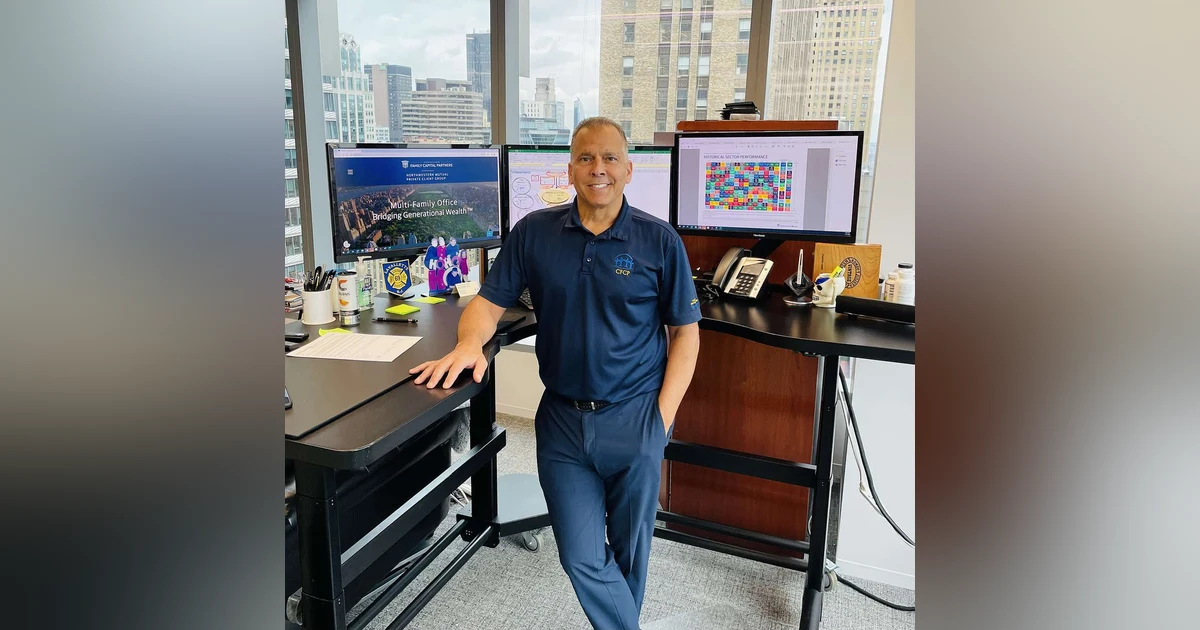

At the heart of every story is family, and sometimes, it's fear that pushes us forward. In this gripping episode of "No Wrong Choices," we delve into the remarkable life of Lou Cannataro, a distinguished Wealth and Business Advisor. Born as the youngest son on the raw edges of the Bronx and touched by the early loss of his father, Lou's trajectory led him to the prestigious realms of Park Avenue. His tale is a testament to determination, aspiration, and triumph. Lou initially embarked on a ca...

 Apple Podcasts

 Spotify

 Castro

 RSS Feed

 Youtube Music

 YouTube
At the heart of every story is family, and sometimes, it's fear that pushes us forward. In this gripping episode of "No Wrong Choices," we delve into the remarkable life of Lou Cannataro, a distinguished Wealth and Business Advisor. Born as the youngest son on the raw edges of the Bronx and touched by the early loss of his father, Lou's trajectory led him to the prestigious realms of Park Avenue. His tale is a testament to determination, aspiration, and triumph.
Lou initially embarked on a career in TV production, honoring his family's legacy. Yet, he felt a pull towards the world of financial planning, driven by the dream of providing a better life for his young family. With no clients, no guarantees and no safety net - Lou dived headfirst into the challenge. Through sheer perseverance, he not only built a flourishing business but also brought his children into its fold. His journey is a beacon for those aspiring to penetrate the finance world or kickstart a business from the ground up.
In this episode, we also shed light on Lou's profound dedication to the Alzheimer's Association. Inspired and heartbroken by his brother Gene's battle with Alzheimer's, Lou's commitment transcends mere support. He's fervently championing a cause, transforming personal sorrow into a larger purpose.
To discover more episodes or connect with us:
00:02 - Financial Planner Career Journey Uncovered
08:41 - Learning From Family and Work Experience
23:17 - Career Motivation and Financial Success
30:44 - Building a Financial Business From Scratch
41:29 - Financial Planning and Client Relationships
48:43 - Financial Planning and Alzheimer's
01:02:33 - Finance's Impact on Personal Lives
01:07:05 - Joining No Wrong Choices - Cantotaro
0:02 Hello and welcome to no Wrong Choices, the podcast that explores the career journeys of accomplished and inspiring people to uncover secrets of success. I'm Larry Samuels, soon to be joined by the other fellas, tushar Saxena and Larry Shea. If you are a new listener or have been enjoying our show and haven't done this yet, please support no Wrong Choices by following us on your favorite podcasting platform, giving us a five star rating where you can, connecting with us on LinkedIn, facebook, instagram, youtube and X, or by dropping us a line via our website at NoWrongChoicescom, where you can also learn a little bit more about us. This episode features the financial planner, lou Canaterro. Lou has 30 years of experience, he's based in New York City, he has nine advanced degrees and he is the owner of a very, very successful practice.
0:50 He's also deeply involved with Alzheimer's and we will dig into that as the conversation goes on. Larry Shea, why don't you lead us into this one? I thought you were going to give me the clearly, since you're the wealthiest and most successful of all of us. I paused on that one for that reason. Because it didn't fit at all. I didn't know how you would react. I'm excited about this conversation. I often think about financial planners. I have one myself. I have a great relationship with him. He takes me to play at his country club, which I can't thank him enough. I'll thank him publicly on this podcast. They mean a lot to us because it is a very personal thing. I'm really thinking that it's not about the numbers, that it's about the people, it's about relationships, it's about helping people at their best moments and their weakest moments.
1:38 I'm hoping that's a lot about what we're going to hear from Lou today. I don't know Lou. I've done my research and he seems like beyond successful. Super excited to hear about somebody who is one of the best in their field and at a subject that I know very little about. I would say a lot of us know very little about it. Let's be honest, this could be a boring interview, but the whole idea is can finance be fun? That's what we hope to figure out with Lou. We've all seen the shows billions, wall Street, greed is good In many senses. We're all scared by that.
2:19 Movies like the Big Short, which talk about the idea of the financial collapse, but at the end of the day, we are all still giving our money to people who we want to say we trust this guy to help us build wealth over years. We trust this man with our money. That's really what this is all about. It's all about a business of trust in many senses, because they really do, in many senses, hold our future in their hands. Absolutely. I should bring up the fact that Lou is my financial planner, so I do know him incredibly well and you're doing pretty well and things are going okay, you should have started off this interview.
2:59 What the hell. But the reason why I chose to bring him in is that he's a character, he's extremely good at what he does and I trust him. He is like a therapist in a lot of ways, and our relationship is very unique. It is not a financial one, it is very much a personal one. So with that, I wanted to build upon that thought for a moment. As a business person, I'm really eager to hear how Lou got started, because it's a very difficult business to break into. How do you set up your practice? You hear horror stories of people walking into the field with no job, no money, no clients go.
3:41 What does that look like? Well, lou's going to tell us. Here is Lou Canatero. Lou, thank you so much for joining us. Great to be here, especially after this Springsteen summer. Nice to come visit with you guys. You know what we actually got? Larry Samuels and I got to see Springsteen on Labor Day. We got to see him on Labor Day. Yeah, September 3rd it was great we got to see the Jersey Show. So absolutely Springsteen summer Lou. For those who don't know out there, the world of finance is a bit nebulous, a bit mysterious. What exactly do you do? Well, we are a multi-family office, so for our client's family, we help them grow, manage and protect their wealth and, just as important, we efficiently and effectively move it to the next generation.
4:29 We call that bridging generational wealth and we've been doing that now for over 30 years. So, very simply, you're a financial planner. You work with people who come in, they lay out their dreams or goals and aspirations and ultimately, you help them get there. Right. We take a look at everything that they try and accomplish. What have they done in the past? What are they trying to accomplish in the future? We put it all together and we lay out the plan. We execute and we keep them on track. Lou at full disclosure I am not a Bruce Springsteen fan. I fear we're starting off on the wrong foot here.
5:10 No. I'm totally teasing, but I want to know about your dream. I want to know how this all began. I want to take you back to the beginning. Tell me what your childhood was like, what you wanted to do. Was this always the goal or was there something else in mind? Hell, no, who knew? Sometimes I feel like I'm still trying to figure out what I want to do when I grow up, of course, Right, you know, originally I was born and bred in the Bronx and I don't know if any of you guys know the Bronx. I was born in the Bronx myself, I go to about 20 games a year. Yeah right, the Yankees. Well, I'm from Rivetale in the Bronx and so you know if I'm, because we've got clients across the country. So if I'm visiting and I tell them I'm from the Bronx, they're like oh my God, I'm like no, no, no, listen, bronx is a very nice place to grow up in Beautiful Come on.
5:59 And live yeah and now. But if someone, if someone's from the Bronx, then they say we're in the Bronx and I'll say Rivetale. They're like that's not the Bronx. That was my reaction, as you said. And so born and bred in the Bronx, and so is my wife, collette. She's actually originally from Fordham Road and then Fordham, the neighborhood. We got bad over the years and she moved up like a block away when she was like 14. And that's where we actually went to college, at the College of Mount St Vincent, which is in the Bronx, in Rivetale, right there, and also Manhattan College.
6:45 That's where I did my MBA in finance. So it all began in the Bronx and Collette I would see walking down the street because she lived down the block. But our first gig was working in McDonald's and that's where it all started. Wow. So you guys have been together since you were what like 14, 15, 16, whatever it was. Yeah, we worked together and we finally started going out, and we were just about 18 years old. A true. Bronx tale, a true Bronx tale. Yeah, we've been together. Now, God, it's 41 years. We're married like.
7:26 I think we're married 36 now. We went out for six years, Wow. It's not long the closing deal. So, Lou, when you're growing up in the Bronx Rivetale, aka the Bronx, what do you dream? Enough, You've got the Yankees around the corner. What did the young Lou dream about becoming as a kid? Yeah, you know what? I didn't have any dreams about becoming anything in the beginning. Right, I have to tell you, growing up in the Bronx was the best. You would walk down that block and literally there would be at least 30 kids playing in the street, because all the houses are very close to each other, a lot of Irish families, so, like I had two older brothers, but most of the families they might have had six to eight kids, and so it was all about having a good time going to school, average student in high school at best, and even in college I did well, but there was no big focus just yet.
8:32 You know, I look at myself as a typical kid and I didn't have any huge dreams other than to enjoy myself. I don't know about you guys. Were you guys all focused when you were young? No no I was. I'm really focused now. I could BS you three and say that I was very focused and saw this all coming, but that wasn't the case. I think I was unhealthily focused. So then, what did your father do? What were your parents like? I mean, obviously, as you said, he had a very idyllic kind of childhood. So what were your parents like? What were their jobs?
9:13 Yeah, well, so my pop died when I was eight. So he had diabetes, he got an infection in his foot and then a week he was gone. So now, as a and, by the way, my mom did an unbelievable job and growing up I didn't think I missed anything, you know what I mean. Like, yeah, and that's how, that's how good of a job that she did. And then it wasn't till I started having kids and I remember, you know distinctly, I was laying down with my oldest, you know, putting them to bed, and I remember laying down and I was talking to them and then I realized, like holy cow, I didn't have any of this, like it didn't hit me to to years later.
9:57 So the you know my, my mother, she went back to work. She wasn't working and she went back to work and you know, for her she worked out at the college amount, say, vincent right, which was down the block, you know, in the Bronx. And then she would walk, if you guys know, you may not know the school, but it's a beautiful school down on the Hudson River, but it's, it's all the way downhill right on the river. So she would walk from the house all the way down and then when I come, I would come home for lunch. She'd walk back up just to make me lunch and then go back down and she taught me about commitment and always showing up and being there and that that that woman worked.
10:45 She retired, I think like at 68, and then she got diagnosed with pancreatic cancer and she was gone in three months. Unbelievable, unbelievable, but you know, she is probably one of the most you know. I had a big influence in my life, something I didn't realize or put together too much later in life. So what? What did you learn from her Perseverance, hard work, dedication, like what are you talking about? And your siblings. What were your siblings like? How many did you have and what was that like? Yeah, so the two older brothers, right. So, but Jean, my oldest had ten years on me and Frank had eight, and, and you know good thing, abortion wasn't big back then.
11:30 I was a surprise and so, but you know when you think about it. When my, my pop passed away, you know I was eight. These guys were just on the verge of of leaving right there by this point. Yeah, they're adults. Yeah, so pretty soon Jean got married and and and left, and then Frank went he was in college and then him and three guys gotten a 69 mustang, went out to the West Coast and never came back. The other three eventually came back. He started his own electrician business out there and I remember, you know, I used to go out and visit during the summers For two, three weeks, sometimes a month at a time, fabulous trips out there.
12:20 And I remember asking him hey, when he, you know when he gonna come back? And he used to look at me but well, why would I come back? And you know part of me was being sentimental. But you know San Diego's beautiful, right and so, and he's still out there all these years. So good relationship with them, but distant, yeah, and so it was. And again, you know, when you start to think about these things it's like God. You know, my pop passed away, my brothers left, so it was just mom and me. And you know she, she taught me, you know, to you move on and just to always be there and always be present, and and she didn't say much, she'd listen but she wouldn't say much.
13:10 And you know that all also taught me, especially now and in what I do for a living. It's all about listening it's. It's not about talking. So, lou, yeah, you're at st Vincent and you're Taking classes, you're exploring, you're enjoying college life. It was there a moment where you started to gravitate towards something, and what was that, and what path to that set you on? Well, it was all about making money, right, because there was no money in the family and so whatever and this goes for Colette's family as well right now collect both parents for a life, but still neither one of us came for money.
13:54 So if we wanted something, we had to go and make it happen. So it was all about work. When I went to school, we didn't you know, we weren't stayed on campus. We worked all through college and I this is how I got into ABC. I was a page during my college years. Now, again, my dad is tied into that, because my dad was a stage director for eye witness news, yeah, and so that was our in at ABC and that's where Jean, my oldest brother, he started working there and he was. He retired out of there after, like you know, I think it was all getting 40, 40 years. Wow, so being a page was dynamite.
14:35 So, lou, before you dig too far into that, I know what an NBC page is from having watched 30 rock. What is an ABC page? Yeah, and we were the lower end right because NBC was always that like it seemed like the better page job, so what it was. I would give ABC my, my school schedule for the semester. So if I didn't have any classes in the morning I would get assigned GMA, good morning America. So I'd have to, you know, get there like at five o'clock in the morning. We would greet the guests to bring them into the green room, bring them to the stage and after that don't bring them back and then get them back into the limousine. We worked all of the best parties and, larry, you know in the business like we work, the upfront parties, yeah, sure, which were like on.
15:26 And now, listen, you got a kid from the Bronx. I never seen shrimp that big in my life, you know. And and we did like they had FDR, they did a show for FDR. We're in these townhouses, you know, in the city we used to work the stockholders meetings when Elton rule and Lenin Goldstone Goldson was there. I mean, it was, it was, it was dynamite and so fantastic job. That, by the way, paid well and we just worked While we had a good time, while we went to school. So I now I know you're in college at this point.
16:08 How old are you at this point? So a 18, you know. So this is like this is like freshman year college. Yeah, yeah, did you have the pages positioned throughout college? Yes, oh, my god, that must have been awesome, my god. It. I have to tell you it was because you know, think of all the people that we met, you know all the the stars and whatnot, and but I wasn't, we weren't star struck, it was, it was a job. You know what I mean. Like, I was gonna. I was actually. That's my actually. That's kind of what leaves me in my next question, like some of the stars that you came across. Now I understand it, because after a while you do it enough, it becomes kind of every day.
16:51 But there had to have there had to have been at least one or two stars. The first time you saw them it was like, oh my god, I can't believe it. You know what? I never springsteen wasn't around. Then I Know there was nobody that I was like. Now listen. On the music side. I remember there was one party we were working and Billy Idol Was there and let me put it this way, he came in hot, he was having it, he was having a good time. He was Billy Idol, forgot he was Billy Idol, right, right, uh and yeah, so I really don't have, I wasn't star struck, so yeah, nothing really, it was a job.
17:38 It was just that it was a job. There were just regular people that happened to be famous. I love that, though. What did it teach you? It must have taught you something you know how to, how to speak to somebody with confidence, how to handle yourself with confidence, how to be comfortable in a room, no matter who was there. There had to be lessons there that you're learning and picking up, that are gonna help you in your further career. Oh, yeah, because you know we're In anything you do. You know, if you're, whatever you doing your job Workthrone, a party, whatever it's you got to pay attention to the details, yeah, right. So any assignment we had, especially when it was gonna be a big party or they knew we got to handle the Talent.
18:19 You know it was like they would line us up and be like I listen, don't screw this up, right, you know this is here's, who's gonna be here? No, this is what you got to do. All right, listen, you guys can have a good time, but it's later, you know, and and so what it taught us was like we got a lot of responsibility because, like there was in Radio City Music Hall I think it was the night of the 100 stars, so one of my jobs and I Forget who I had with me there was like three or four people that I were responsible for and I had to get them to the point at the stage. We you know where you can step in, and it comes up from underneath.
19:01 Oh sure a riser yeah yeah, and so Now imagine if I screwed that up. But they're leaving this to an 18 year old, 19 year old, 20 year old a lot of responsibility, yeah yeah, right, and thank God, knock on wood, we didn't screw anything up right, he didn't kill anybody. And you know it was, and again, you didn't realize like we really could have made some major problems for many people, but we didn't. And you know what they? They trusted us and I guess there was a reason that they trusted us.
19:45 Uh, it was, by the way, the job wasn't easy to get, yeah, right. So God knows how I got it. Well, maybe I do know right because because of my dad, because of my brother. You did have a connection? I had a connection, but you know what, if I wasn't performing, that would have been out. So how did you, how did you grow with them? Well, so you, the cool part is, you get to meet everybody within the television network, right? And so when you finally graduate school, you know, now you're looking for that full-time job. And so you and you're, you're exposed to the inner openings. And so I, you know, once I graduated, I got it, I got a job, uh, and then progressed through the, you know, through the company, as best I could, as, as time went on um, and you know, it wasn't in my mind, it wasn't that difficult, I think, because I was looking from the inside and they already knew who I was yeah.
20:45 So, as you're, you're growing with the company. You know, ultimately, we we know that you pivot elsewhere. So, as you're growing with the company, did it always feel like a job? Did you feel like there was a future? Was there something that you were excited about, or or was something missing? So it was. It was a job. Listen, I, I gotta make more money, I gotta make more money, I want to progress, want to progress, and and I was, it was getting promoted, you know, getting into the lower level management. But understand, I, you know, I think my first job I, I I forget, but I think maybe it was like 18 grand. Do you know what I mean? Like, you know, income wise, we weren't knocking the cover off the ball, but you know, making money, having nice benefits and doing what I thought I was supposed to be doing.
21:32 And then, um, as things progressed At abc, they would pay for your education if you wanted to go back for a masters, right. So I'm sitting there thinking like, okay, if they're paying me by then, you know, maybe it was 23 000 dollars. Like, well, wait a minute, if I go to school that cost a lot of money, oh hell, I'm gonna let them pay for it. And so I went back for my masters and I did marketing and I did finance. I actually got two masters. Now Now, why? Cool? Because I remember being in there and I'm like, well, you know, finance will apply to anything.
22:13 Let me do finance and well, marketing. Well, if I ever start my business. I gotta know marketing and I remember being in the in the college and they're like, well, you know, that's like twice as expensive. I'm like, yeah, don't worry about it, I got. Not paying for it Because all, and back then I think I was the last one through the system. Literally, back then you had to get a B or better and they paid for it, and they paid for the whole, the whole thing. God love them. Yeah, so you just said something about if I start my business, I need to know something about marketing. That does that mean that Along the way you were thinking about starting a business, and what was that business?
22:55 I don't think about starting a business. I do realize. I did realize, and still today I'm not a corporate guy, right, like you know, I need to be doing something. I'll tend not to follow rules that well if they don't seem to make sense to me. And as we progressed and Larry, if you remember the business at lunchtime 12 to two, nothing got done in that industry back then. Yep, a two-hour lunch. With martinis. Yeah, the martini lunch oh my God, yeah, it was just unbelievable.
23:36 Unproductive but unbelievable. And so I can remember saying to the person I reported to after a while, like hey, listen, I'm gonna go home now. And he's like what do you mean? You're gonna go home. I said there's nothing to do. What are we doing? Is I just gonna go home? I'm sitting here and I'll use a term that many listeners may not be able to relate to I'm going through my Rolodex calling people just to have chats. Do you know what I mean? And that's something that just drives me nuts, like if I'm not being productive, I'm wasting time. I can't waste time, and I think part of that all goes back to my pop pass in a way early.
24:19 How much time do we have on this planet? I don't wanna waste a minute. Is that what then spurred you to start your financial services company, this notion of wanting to help family? Oh, no, I'd be. Initially it was like, okay, I gotta progress. We had a child coming. There's five kids, right? So Louis was coming. And before Louis was coming I was like, all right, we've gotta, really, I gotta make things happen here. Right, how are we gonna have a life? I think initially the motivation was fear and fear of how am I gonna provide right and make this all happen.
25:07 And I think that was the motivator. It's like, all right, after I get my MBAs, what am I gonna do with this? And I have to tell you, I graduated with the MBAs, louis was born and I took a six-month leave. Now, and God bless Collette, my wife. She was working. She was a sales assistant at Lazard Freire in the city, so we had income coming from her, we had benefits. But think of looking back. There's no way now that I would ever do that again.
25:48 Right, because I'm taking a six-month leave, knowing that, not coming back, and I'm gonna go find the business. I'm gonna go find something to do because I really gotta make way more money than what I'm doing at the moment. So you didn't know what the business was yet no, no so during that six-month period of time is when you figured things out. Yeah, now I did have. I'm thinking finance, right, that's. I'm thinking, okay, this is where I've got maybe the potential to really earn a living, if you will, right, and if you guys have ever looked for jobs and if you ever look in the world of finance, that they're always.
26:37 And now I'm talking about, like you know, sales right in finance, right, right right right. In this industry, the turnover ratio is over 90%. Wow, wow, right. It's crazy. Like if they got 10 people in a training class, they're happy. If two were still around after eight weeks and if one is still there a year later, right, it's very intense. But when you're looking for a job and you raise your hand, oh my God, everybody's calling. Right, you think, because you look so good to them. But you're just a number, right you? know what I mean? You're just the body right, yeah, right, because they gotta go 10, 3, 1, right, you know they gotta talk to 10 people.
27:21 3, 8, we'll give it a shot and maybe one's gonna last. And so you know I'm down. And now, by the way, we are now for years. So when we got married I wanted to buy something. Right, and I don't know if you guys remember this is back 85, the. It was real estate markets like it is today. It was a very hot market and you know, anything near the city was just crazy expensive. Everybody was buying co-ops, but I didn't wanna live in an apartment building. You know where we ended up? We ended up down in Bucks County, pennsylvania. No kidding, I don't know if you guys know Newtown, right, which absolutely beautiful down there, and because we were looking in Jersey further, you go out like you can get something, and so we get this like townhouse down there and it was dynamite, but it was like a two hour and change commute each way.
28:19 It was crazy, and as kids we didn't even check what the train ticket cost and when we first looked at the monthly it was like 120 bucks each. Now, remember that's. You know, now we're talking like 1991 or so, right, when, yeah, no, no, it was no, yeah, it was probably 87, somewhere in there. Like that was a lot of money and it was just like now. But that train ride and now, listen, it's Collette and I coming back and forth I was still working at ABC and so that's where I did a lot of my studying was on the train. Oh, interesting.
29:00 Right, because so I had that downtime and I was doing something Right, and then I would hit the classes while I was up here, hit the classes at night, but it was. You know, that was torture, but we were lucky though. Yeah, lou, I just have to ask because you mentioned early on when we were talking, you weren't a great student, but obviously you had to get the B for them to pay for the education and so forth. So I guess I have two questions right here before we kick off on like what's about to be your rocket and career, which is, were you good at the financial stuff? Were you a good student at this point and did you enjoy it? I think, more importantly, yeah.
29:40 When you go to grad school, I was tuned in because it all meant something. Right College was like I'm just learning stuff like high school, maybe a little bit higher level, like is any of this going to apply? But when you go into grad school it's like, oh no, no, this is. Oh, my God, this, I'm dialed in. You were dialed in, yeah, exactly. Oh, grad school, yeah, I was getting A's. I did a very good job in my MBAs, that's for sure. And listen, in college I think I graduated with like a 3.2, right, which is it's okay, right. Yep and and. It's a B.
30:20 You gotta be it's a B. Yeah right, it's a. B, it means you show it up. Yeah, I show it up right, but this is what I try to tell the young people. It's like listen college yeah, you'll learn stuff, but you know what it is. You just show people that you can show up somewhere for four years and get it done. That's right, exactly. So you got all that stuff behind you. You started to talk about the process of going into, you know, one of these financial institutions. There are a ton of people walking in the door, nobody's sticking. Is that what you did next? Was that your step into this world? Yes, right, my six month leave, you know Colette would would be doing the commute to work.
31:07 I stayed down in down in PA and hung out with Lewis and, and I was looking, while I was down there, I even took him on an interview with him, with me, and that's where I began. I began down in Philadelphia and then, after I think maybe 24 months, I said to Colette, like okay, we got to go back up because all of the business, all of the contacts were back up here in the city. Yeah, so I was working, philadelphia and the New York market, going back and forth, staying overnight. You know it was, it was torture. But eventually I said the clan, okay, we got to move back up.
31:48 And she could not packed her bags fast enough because you know her parents were back up here. Of course up here. So so what is that process at the beginning? I mean, do you walk in with with no clients? No, nothing like straight commission, like, like what? What is your life when you walk into that role? Yeah, there is no base pay. There is, there's, there's nothing, if you you know they. They initially gave you a desk without rent and that was it. You had to pay for the phone, you had to pay for everything you have nothing I had nothing and you know, you know, keep in mind. Now I've got to tell Colette this and, more importantly and if Colette was in on this conversation, she's the one, yeah, I'm the one that had a Answer to your mother, because my mother would be like one I'm leaving ABC, right?
32:43 So I'm leaving the family business, right? Yeah, right, I'm leaving ABC, and she would say to collect that. Explain this to me. He's leaving and he doesn't have a pay. No, there's no benefits. Apparently, your mother has spoken to my mother. Now, now understand Colette's scared, enough as it is right, and my mother's speaking logic Right and collects like I don't know. So to look, so, yeah, you start now, you start out and you start with nothing and You've got to build it from there. Now, the one thing that I did have and there's actually two things that are very different Than the now so one, I had all my contacts back up in the media industry, right, so I'm not fresh out of school, like I'm fresh out of my MBA, but not not out of college, right?
33:41 So I got some years under my belt where people knew me and I said, hey, listen, you know, I finished up my MBA, I'm starting the business. I want to come and tell you what the hell I'm doing and how I may be of some help. All right, and we're off to the races. So how long did it take you to, let's say, land your first client, and what was and what was that experience like? How long did it take you to land that first client? Yeah, the first client is always like, and I do think my, my sister-in-law, and was that the first person that actually did some work with me, right? So those are kind of like they're helping out, right, right, but you know what I mean. I think they're the first Non family member you know might have been in like four weeks, you know, maybe took a month, but God, in the beginning, how many appointments that I have to go on.
34:34 And, and in the beginning you know, luckily, I didn't have to make that many cold calls, right, because I had many people that I could reach out to, but still, in the beginning, had to make some cold calls, right, because you got, I always had two piles right, the cold calls and the people that I know, and I was not bashful at all beating. Anytime I met somebody, I always asked them hey, help me out, help my business grow. Who else do you know that you know I should be talking to and I have to tell you people, people are good, and especially in New Yorkers, that they they when you, you ask for help, that normally will help.
35:18 And, by the way, if you did a good job for them, if you had confidence in what you're doing. I was in bashful asking because I know I would do a good job and people gave me referrals. And then it just you have to stay consistent, you have to stay active. It's all about activity, and one there's a. There's this person, al Granum. He passed away now, but he had a system and it was a hundred point system and so for every activity, each day, you got a point right. So if you had an appointment, you got a point. If you were able to Do a fact fine, which is gather info and whatnot, you got another point.
36:03 If you broke bread, you know, if you had a meal with them, you got a point. And every referral, you got a half a point. And the goal was to get a hundred points a month. And I Delivied a hundred points and then some every freaking month. Wow, and, and that's and it's not easy. And I have to tell you, I remember you know, talking to the In the beginning, they would. You know the, the person that's trying to help you out. You know your mentor. If you will right, you know they are you killing it. Yeah, you know this is gonna really be fantastic. I'm like listen, the mortgage company doesn't take points. Yeah, right, you know what I mean?
36:44 Yeah, and. And the answer was you keep doing what you're doing. I guarantee you that this will become a successful business. So how old are you at this? But you know, we've kind of it, we've kind of kind of danced around a little bit. How old are you at this point? So I am 26, all right, that's why you have so much energy to jump all over the place, oh my god right, right. I'm 26 and I'm ready to go. All right. So you've kind of thrown your shingle out there a little bit to get yourself, to get yourself up and running. How long was it, would you say, before you, let's say, got yourself to a point where you were?
37:26 Were, you were more than breaking even. Yeah or not, quitting once a week? Yes, or being told to quit once a week. Once a week. Okay, we'll go there. Yeah, so you know it. In the beginning it's, it's very tough, but here's, here's the deal. If you have something to fall back on, you will. I had nothing to fall back on, right like I disconnected from the old job. You know I left and so I had to be successful. And so great motivator. No it is.
38:06 We are at our best when our back is up against the wall and we are scared. And probably took ten years for me to be like, okay, right, and now listen, the the momentum was always there. People would say, oh my god, you know this is great, you know you're getting this, everything's progressing, but you know, internally you're still thinking like, oh my god, this could fall apart any second. Yeah, right, but after about a decade is when you you take a breath and go, okay, maybe I got this. It's a long time.
38:47 So, Lou, we, we. We sort of Skipped past this question, and it's perfectly fine to put it here. Why did you choose this? What? Why did you step into this space versus using your MBA to do something else? It just fit. I don't have a magic answer for that. Do you know what I mean? Like, when I was out there interviewing and the these are the jobs that came to me, meaning like, hey, you want to be a planner? This, this, here's how. And I tell all the young people, everything that the recruiters tell you are true, right, that you're standing here to the left, right, everything they're talking about is way over here to the right.
39:33 Right, meaning that the, the income potential is unlimited. You can have control of your time, you run your own business, but everything they're talking about is way over here to the right. And you got to walk through this valley and in this valley there's a lot of bones right. And so, when they described what it could be to me and the Ability, hey, the harder you work, the more this will build, the more you can provide for your family. You're in control. Control, I think, is extremely important. Um, you know, you know I, it's yours if you want to have it, but you got to want it because this is not.
40:19 There's a lot of other things. You can do that to be mediocre in a way, less stressful, all right. So you just a moment ago said like this is that this is the profession that has fit with you the most, and I guess I kind of want to dive into that just a little bit more. Is it because it? Is it because of the idea of the, the fulfillment of it, because you're not just out there, you know, like like a shark, essentially, you know going out and scooping money from a river, so to speak. You are no out there Building wealth for others, you're helping others. Yeah, think about what I do for a living. Right, all I do is have great conversations with people that they don't have with anybody else. Right, when we're talking about their, their, their dreams, their fears.
41:02 In act, you know things that they can't do on their own. They may not be good with money, it is. It is one of the best Professions and you make a difference in people's lives, like the best things for me is when a client and listen, now We've got clients for literally you know 30 years when they'll say to me hey, listen, man, you know, I first met you. All I had was debt and and, by the way that you know, I was never, A person. You know I was never a person like, oh, I'm only gonna talk to wealthy people, right, like Many of our clients, some of our biggest clients, when I first met them, they just had debt right.
41:48 And so they'll say to me, hey, man, I, when I first met you, all I had was that you know what I want to thank you. You know we, we save for education, you know, for the kids, colleges, you know we put money away for the back end. That is just dynamite. And then, by the way, I get to live all the great things with my clients right, all the successes, you know promotions, buying and selling businesses, all that great stuff. And I also live all the crappy things in life and those moments when someone calls and says, hey, listen, you know, I just got diagnosed right, someone passed away, you know, disabled, and we did the planning right.
42:29 Where, hey, hey, you're in. You put yourself in a very good position. We're okay. You know, we got the defenses up through this, this is what we planned for. I cannot tell you how Fantastic it is to be able to look back on that body of work and say you know what we did well for our clients. I love that you're talking about some negative aspects of it too, though. Right, like because life happens, like you say, someone gets diagnosed or what have you I want to ask you about? About something very probably personal, because you take pride in your work, but I'm sure it happens to everybody, and that's like how you're handling a miscalculation or a letting a client down, or you know, hey, I thought we had this handled and we're gonna have to pivot here because this isn't gonna work out.
43:16 That's got to be devastating for you when you think you have all the plans in place and something Didn't work out the way you anticipated, or something of that nature. Talk about that downside a little bit. Yeah, and you know what On? I call it defense and offensive planning, right. So, on the defensive side, you know we cover all of the topics right. So, and it's pretty straightforward, right, it's your will planning, it's your life insurance, it's your disability insurance, a long-term care, right, life insurance. And so we cover all of those pieces. So I am very now also, I do realize too, like when I'm talking defense, I'm coming from a life knowing that shit happens, right, right.
44:04 And so when I talk defense, I'm very much, I see, I think defense, see, everybody wants to talk offense, people will talk investments. I want the markets doing right, you know, for hours, but In a moment's notice our defensive conversations can become the most important. And so you know, on the defensive side, usually there there's never been I like, oh, I wish we did something better. Do you know what I mean? Because we're covering it right. The offensive side is very much Any, any offensive conversation. You know, if we're talking about the market, right, I'll always start in the conversation with look what I'm about to tell you.
44:48 In three bucks, we'll get you on with some boy. Right, because, because nobody knows what the market's gonna do tomorrow, you know next week, you know, next year on the investment side, it is the the toughest part of the job there is managing people's expectations and Also managing all of the fear, you know is the fear of losing out. Right, it's a fear of loss, and a lot of the financial decision, the investment decisions especially people are handling them on on their own are come out of fear, and that's the worst position to be in, you know, if you're responding to what's happening in the short term.
45:33 So when I look back over the years, I don't have, you know, moments of like, ah, man, I wish we did this or did that, because you know, quite frankly, it's like no, we, we covered it because that that's, that's what we're paid to do. Do you know what I mean? And and you got to be on top of it. Well, you know, I, as somebody who has been working with Lou for a very long time, I often hear you in my head screaming we don't time the market like. You say that all the time, and it's true, because you're not a gambler. That's not your philosophy and that's not how people grow and evolve.
46:17 No, it's not about time in the market. It's about timing your investments to your goals. Right, like, if you've got short-term goals, well, we don't take money, we don't take risk with that money. Yeah, if we got midterm, we're all right. We're not gonna touch the money for three years. You know six years. We got time. So we invest in. The market gets beat up. We can wait it out. I know we're talking long term. Who cares? We got years, you know, before we're gonna touch the money. But dealing with those emotions, you know that is a major part of the job. My biggest job is to make sure my clients don't make the big mistakes in life. Yeah. So you know, with all of that laid out and and having talked a little bit about the philosophy, you know you've been in the business for 30 years.
47:06 You've established a wonderful Community around yourself. You know how would you just describe your practice today, and and what do you see as the future of the practice and, in some ways, the future of loot? I looked at the practice now and you know it's a family capital partners, right, and what I'm really describing in that name is that we're a Multifamily office, meaning that our clients, we help them with all of their planning and decisions. Quite often, you know, we get all the calls right like hey, lou, I think I'm gonna, you know, shyly survive this car, right.
47:49 I'm talking about the minutiae On top of the bigger hey, education, retirement and estate planning and all those other pieces. And we partner With other family members and their other trusted advisors and we approach it as a, as a team. But most importantly, it's all about education, right. So we educate our existing clients and, larry, like you said, you know I sometimes I hear you in the, in the, you know the back of my mind, right, and I hear that a lot on all different topics. And but here's the most important part, not only over Educating our clients, but for many of our families now we're three generations deep, wow, right, grandma and grandpa clients, mom and dad, and now the kids are clients, and so what we focus in on is educating the children as well.
48:42 So quite often we're working with our clients children when you know that everybody's different, right, so it might be 15, 16, it might be so when someone, a child's finally 25 and they're starting to mature, if you will. But we start to teach them the basics, right, and so when they start their first job now, they're dangerous right, because they understand what a 401k is and investing and the planning. But more importantly, you know, we, the, the biggest job is to make sure our clients are okay for the rest of the lives and then moving this money to the next generation. And Often when I tell my clients, listen, we, we, we got to start educating the kids and and give them an understanding of what you do and why, and usually they'll say to me initially, listen, they're on a need-to-know basis.
49:34 And I tell them no, no, no, listen, that's a huge mistake. Right is eventually we're gonna give them the keys to this Maserati, right? The Maserati is the network, right, we're gonna give them the keys. If we don't teach them how to drive, they're gonna wrap this car around the tree. You know, in this country, you know the the first generation to make money, you know, moves it to the next generation. That next generation loses 70% of it and by the time it gets to the third generation, it's gone Wow. And so you know the the future of this practice is, you know, maintaining those family connections, being able to Advise and service the families through a position of understanding and empathy.
50:27 I think empathy is, is is key In everything that we do. I love how you're talking about Educating the clients too. I think that's so important. There's so much we all don't know about this world. But one of the things you said early on in this conversation is the most important thing you do is listening and and I have to be honest with you, I love my financial advisor, but I'm getting a little jealous that there's a little bit of a Financial therapy session that seems to happen when people are talking to you. That seems like a really viable thing. What is the absolute most important thing as a financial planner? Is it education? Is it listening? Is it all of the above? Just just expound on that a little bit.
51:08 It's listening, you gotta take a step back, right, and when you're speaking with someone, and and, and whether they're talking about an opportunity or something that they're scared of, you really got to listen and find out what are the, the true concerns, right, what's most important to them? And the moment when you're talking and, by the way, I hear that quite often, this isn't financial planning, this is financial therapy right, because all the talk about numbers and whatnot kind of important, but what's more important is what's important, what are your goals? All right, what do you?
51:49 And so when you're talking to somebody and you relay back to them, so what you're saying is this when they go, like, yeah, that's when you know you connected, right, because you stepped in their shoes, you have empathy for their situation, and now you're planning, right, from a position of clarity. And I think what happens often when we're working with our clients, we take these conversations and sometimes they might be complicated Conversations and I tell people, listen, if this was really, you know, brain surgery, I wouldn't be doing it, right, like, do you know what I mean? And so I'm able to take these, you know, complex Situations, like if we're talking about, like you know, gifting assets and, oh my god, the attorney's telling me dude, this is the miss, my neighbor's saying this and oh my god, listen, let's take a break, let's take a breath here.
52:41 What's really? What are you trying to do? What's really important to you? Right, and the moment that we gain clarity on that right and we call that Above the planning horizon, right where where the missions and goals are if we get clarity above that planning horizon, then we go below all the tactics and tools, almost just rise to the top magically, because we now got clarity. And I think that's what we're able to do for our clients is is provide Clarity in their goals so they can go make some good decisions and Go back to enjoying life. Absolutely, and what a rewarding way to Spend your days and to have spent your years Lou, you know, pivoting from that to a, not a not a more meaningful conversation, but a Conversation that is.
53:35 That is as important. We know that you're very involved with the Alzheimer's Association. Can he talk to us a little bit about that? Yeah, and and there's no, no magic there my my brother, gene, that we spoke of before my oldest brother, he got diagnosed when he was 60 and, you know, right after he retired from from ABC he gets diagnosed with Alzheimer's and he just turned 70 this summer and I don't know any. Any of you guys had any experience with Alzheimer's. My uncle my uncle near the end had was diagnosed with with Alzheimer's. Yes, I had a great grandmother who was very senile.
54:19 I was young enough that that I might not be using the right word. Yeah, and I think we all know somebody who's struggling with, with, with Alzheimer's it's, it's very scary. Oh yeah, and and and. By the way, a lot of people relate Alzheimer's and they think it's an old farts disease. Right, and it's not. It affects many people that are, you know, younger people. And and by the way and the more I learn About this, the scarier it gets right. So Alzheimer's starts attacking your brain decades, decades before the symptoms arrive, and so many people Could be fighting this disease and they just don't know it because there is, at the moment, there is no early detection, although it's starting to come to the surface now.
55:10 It's like cancer. Like you know, we're beating cancer. The the biggest factor is finding it early, right, and so the the old-timers, it can be in us now. It's like plaque on the brain affecting us and we just don't know it. And so you know I watch. It is at the moment it is a death sentence and my, my brother, jean, is leaving what they call the late moderate stage. You know, getting getting into the late stage of this disease, which is it, is it? And now you know? Going back to what we discussed, you know my pop died of diabetes.
55:52 I watched my mother passed away from pancreatic cancer and got all the things I've lived through with my clients as well. When you watch someone suffer from Alzheimer's, you know it. You just watch them waste away and they Forget everything. Wow, and if you think about it, you always thought like how the one thing you'd have is all the great time and memories you spent with your family, and this disease takes that and everything else, and so, yeah, I'm involved deeply with the association.
56:32 Lou. I mean we've seen some of. We've seen some. Obviously we've done some of our research. We've seen the resume. You're still on the Manhattan Board of Directors for the Alzheimer's Association. You still your firm is one of the lead sponsors for the Manhattan Walk for Alzheimer's. Would you consider yourself at this point in your career more of a philanthropist? No, I'm just Lou, I'm just trying to help and I did a. We had a party for the top-givers for the association a couple of weeks ago and you know I'm talking to the group and I'm like, listen, you guys got to understand, I'm not some, just some nice guy up here.
57:20 And yeah, you know, I feel bad for my brother, I'm scared as hell, I'm scared about fighting Alzheimer's, I'm scared for my children, right? So am I trying to shake the trees and get people involved? Yeah, and, by the way, I do think that Alzheimer's is going to become one of the most important fights out there, meaning, so early detection is not here, but it's coming. So there's like 6 million people fighting this disease, closer to 7, and there's like 14 million family members trying to take care of them, and they predict that number is going to triple in a short period of time, especially when early detection comes out, and I, you know it's.
58:11 I do think we're on the verge of the explosion of what we're dealing with. But just as important, man, this year they just came out with two treatments. Now, these treatments are for early stage, so can't help my brother, gene. So, but think about that there. For early stage, right, alzheimer's, but we got to know that you have it and this is where the early detection comes in. And for years and years, the Alzheimer's raised money for research and it was just hope, something's going to come, something's going to come, and this year is the first year where they got two treatments.
58:53 Early detection is in the works and so, like, alzheimer's got like I think like 330 million dollars out there, you know, and that's within 54 different countries, right, and they got like a thousand different research projects cooking. You know, it's going to become a very important cause because people are going to realize how large and big it's affecting us and what a great time to be part of it, right, because I can't imagine the last 30 years and nothing was really bubbling to the surface. All right. So, Lou, I kind of want to circle back to the beginning again and this overriding theme that we've had in this entire entire conversation, the theme of family.
59:34 Right, so you were raised in a rather you had, as you said, you kind of had a wonderful childhood. You had a wonderful mother, a very good father you were. You went into the family business at ABC, then you created your own business in which you helped families themselves, Would you say. Your work now with Alzheimer's is the next family business for you. Yeah, they're with us now. They're part of our family, right, whether we like it or not, they are now part of our family. And now I get to watch them in action and the services they provide. You know, because, listen, I watch my system Law, claudia, and God Lover has taken unbelievably good care of my brother, gene.
1:00:18 But what a toll it takes on somebody, I mean literally. Now, you know, gene is like an eight year old with attitude, right, and he's always got to be with Claudia. And I think at the moment now, I think I'm the only person that can come and say let's go for a ride, right, and I can take him away. But it's about an hour, hour and a half and then he starts getting agitated, right, and he's looking for Claudia, you know, and I got to bring him back. So you know, yes, it's, alzheimer's is part of our family now. And you know the other thing mentioned in family three of my five kids work with us now, right, wow.
1:01:04 And I have to tell you. What a great feeling. Yeah, now listen, it is so cool seeing your kids every day right Now. They don't think it's cool Of course not. But if you think about when, when your children get older, you're going to see them like twice a year, you know, because they start their own families. You got to share the holidays with the other side of the family and how dynamic it is to be able to bounce off of them and helping our family of clients and, of course, helping Alzheimer's as well. What an amazing run journey circle, if that's the right word.
1:01:51 That's what popped into my head in that moment. You know, lou, as you deal with, as you dealt with, your kids coming into the practice, as you talk to other young people who are thinking about getting into this type of work, you know what advice do you have or did you give to your kids and to other young people before they enter this world. To me it's pretty simple and I've always told my kids you got three rules you got to get up early, you got to stay focused and don't be afraid to fail. Those are the three. If you run with those three, there's no way that you're not going to be successful Incredible.
1:02:32 I've got two of those three guys. I can't get up early in the morning. No matter how hard we try. I think I'm out yeah. Now listen. I drive Colette nuts right Because I'll be up at 4.30 in the morning. Oh, my goodness. I'm ready to do something. I but you know, I think that all goes back to how much time that we have on this planet. Yeah, sure. The most of it. I'm going to bed at 4.30. I was going to say what time do you pass out at night? Yeah, usually I'm at bed like 9.30, 10 o'clock. There you go, there you go. Yeah. Well, lou, this has been an incredible journey and story, and inspiring one.
1:03:13 It just feels good to hear about how you've created such an amazing life of purpose. So, lou, thank you so much for joining this episode. Lou, I got to tell you you made finance seem exciting. That's true because it is. It is because it's not about the numbers. Well, that was Lou Catataro. Hopefully he lived up to the expectations that I set going into this conversation and I think he did actually prove and demonstrate that finance can be fun. I understand why you trust him. You respect him, you consider him your therapist, as you said before we started this interview, and the reason is is because he really does think of his clients as family.
1:03:59 That is an overarching theme in his life. This notion of wanting to take care of family Went into the family business at ABC created a family business which takes care of families, and now, as part of the Alzheimer's Association, he is not only taking care of his own family but he is branched out to say I want to take care of other families as well. That's a guy you would call a true mensch in a real sense of the word. He really goes out of his way to take care of others. And the real reward at the end of the day, yes, it's financial, but the actual reward is in the lives he touches. That's the real reward, you see, with a guy like Lou, and in many ways that's the more meaningful reward that he sees coming off of his many endeavors.
1:04:44 Yeah, I love how he talked about having conversations with people that nobody else has with these people. You know that these are very private, personal goals, desires, dreams. He talked about offense and defense. I thought that was a fascinating conversation about how he's keeping people safe and how he allows them to set up their world so that they can achieve these dreams and goals. I think these are very personal things, right, and we all go through them and we all have these fears. We talked about fear being the great motivator with a lot of things. I know when I'm thinking about my money, I'm always thinking about should I have done this? Should I have done that? He talked about not worrying about that.
1:05:25 You know that you play offense, you play defense and you don't really look back. I live my life with regrets there's a lot of you know, listening to this show and apparently Lou doesn't have any. You know he does the best he can for his clients and it is near and dear to his heart and that allows him to do things like he does for Alzheimer's, which is just so admirable. So a fascinating conversation. I really did enjoy it. I did kind of make financial planning fun and I learned a lot. So thank you, lou, for educating me on what this was all about. You know and picking up on that, I was very eager to hear you know how Lou's journey began and he grew up without anything, so you know everything he has. He had to go out and get and hustle and find a way to build up a life.
1:06:12 And you know the quick story that I'll tell. You know, I've been working with Lou for I don't know close to 20 years and when I first met him I didn't have anything. But I knew that I needed to start on this journey and I needed to start doing something. And I walked in there. I had crazy student loan debt with high interest rates and everything else and I wanted to invest a little bit of money. He wouldn't take it. He said I don't want to take your money until you pay off that debt. So that's just. You know the quality of guy that we're talking about, because he's looking at long term, playing defense and doing the right things. So it's just how he lives and how he's been, and that has been my interaction with him.
1:06:55 So just a very special person and a very special look into what it takes to become a successful financial planner. So, lou Cantotaro, thank you so much for joining this episode of no Wrong Choices. We also thank you for joining us. If this or another journey story inspired you to think of a friend who could be a great guest, please let us know by sending us a note via the contact page of NoWrongChoicescom, as I mentioned off the top. Please support us by following no Wrong Choices on your favorite podcasting platform while giving us a five star rating. And then, last but not least, we encourage you to join the no Wrong Choices community by connecting with us on LinkedIn, facebook, instagram Threads and X by searching for no Wrong Choices.
1:07:40 On behalf of Tushar Saxena and Larry Shea. I'm Larry Samuels. Thank you again for joining us and always remember there are no wrong choices on the road to success. We learn from every experience.