Cindy Hsu Unveiled: A Tale of Resilience and Excellence in Journalism


 Apple Podcasts

 Spotify

 Castro

 RSS Feed

 Youtube Music

 YouTube
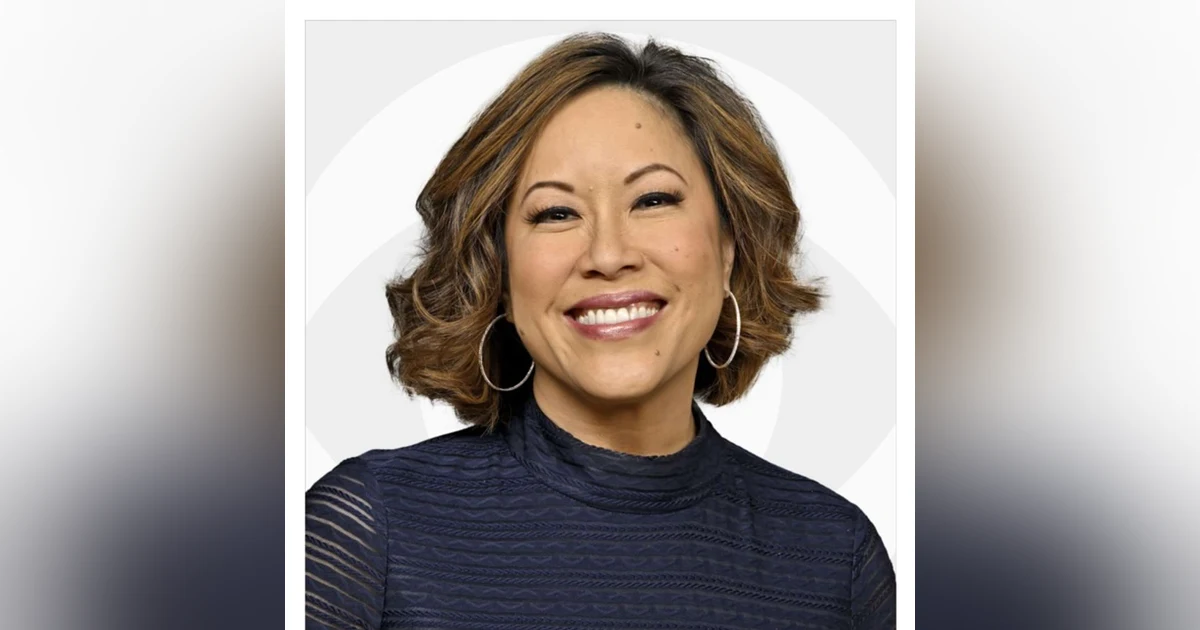
Join us for an exclusive interview with Emmy Award-winning TV Anchor and reporter Cindy Hsu, a celebrated journalist from WCBS in New York. In this episode, Cindy shares her incredible journey from aspiring pilot to becoming a renowned figure in the world of news. Discover how she navigated the challenges of the media industry, her dedication to positive storytelling, and her dynamic role as a morning show anchor.
Dive deep into Cindy's personal life as she reveals her struggles with depression and the complexities of being a single mother while thriving in a high-pressure career. Her open and honest conversation about mental health in journalism provides unique insights into the industry's demands and stresses the significance of compassion in the workplace.
This isn't just another interview; it's an enlightening experience filled with valuable lessons for anyone aspiring to a career in journalism or facing personal obstacles. Get inspired by Cindy Hsu's journey of hope, resilience, and unwavering determination. Listen now to hear the full story of how Cindy Hsu overcame challenges and emerged as a beacon of strength in the media world.
To discover more episodes or connect with us:
00:02 - Career Journeys of Accomplished People
06:30 - Growing Up and Pursuing Journalism
12:14 - Journey to Becoming a Reporter
17:26 - Career Reflections and Resilience in Journalism
30:27 - Challenges of Motherhood and Mental Health
37:32 - Overcoming Stigma, Sharing Mental Health
43:10 - Lessons Learned From Overcoming Challenges
54:05 - Journey Stories and Community Support
0:02 Hello and welcome to no Wrong Choices, the podcast that explores the career journeys of accomplished people. We showcase these stories to provide insights that are strategic, inspiring and, most of all, entertaining. I'm Larry Samuel, soon to be joined by the other fellas, tushar Saxena and Larry Shea. If you've been enjoying our show or are new to the program, please support no Wrong Choices by following us wherever you're listening right now and by giving us a five-star rating. We also encourage you to connect with us on LinkedIn, facebook, instagram Threads and X, or to send us a note by anoeronkchoicescom. This episode features the Emmy Award-winning TV news anchor and reporter, cindy Shu, who can be seen on WCVSTV in New York.
0:46 Tushar is a distant colleague of Cindy's, who also works in the CBS Newsroom. You are the perfect person to set up this conversation for us. Well, cindy Shu and I actually are colleagues, so I'll give you that as our full disclosure on this. I mean, she and I are not on the same level. She's like 50 levels above me in terms of her ability to tell the news. She's a great storyteller, she's what we call in the business a consummate pro right. But this is not a job for everyone, and I say that all the time to everybody. This is not a job for everyone, whether it be an anchor, whether they even be working behind the scenes. There's a lot of stress involved, a lot of pressure involved, and there's a reason why this job, why this career being in broadcast media has a lot of turnover because there's a lot of stress and pressure involved and sometimes it's not easy to handle.
1:41 Not everyone can, and she's one of the few who's been able to kind of deal with that over the course of her career. Yeah, and I know Cindy's a big advocate for mental health, so I'm sure we're going to touch on that quite a bit. And you're right, t, they're not handing out these jobs to just anybody, right? This is a real prove it or lose it kind of position here, you know, and she obviously, with all of her success, emmy winning success I mean, she obviously paid her dues and then some and is a consummate professional. As you said, it takes a real passionate person to find these stories and then find a way to share these stories. But you're right, it is high stress, it is high anxiety. I don't know if I could step up there and not feel the stage fright, the anxiety of giving a performance, basically right, so high stress.
2:28 And they're not just handing these things out. So I'm so excited to hear her journey and how she got there. And to that point, as I was preparing to do the interview today, I was watching all these clips and all these stories that Cindy has done throughout I guess really not her career, A lot of the stuff was very recent but her energy, her smile, her presence comes through and just kind of makes you feel good. So I look forward to Cindy making us feel good, and now one way or another, over the course of the next hour or so. So here is Cindy Shoe. Cindy, thank you so much for joining us. You're welcome. How are you? Very well, thank you. It's nice to.
3:09 I guess this is a formal way for us to talk, as you and I occasionally bump into each other in the neighborhood, as we have recently discovered that we are neighbors, so it's nice to Wait a second. Is that across the screen? She does. Our buildings literally look at each other. Nice. Yeah, we had a nice dog walk, it was really fun. Absolutely Very good, cindy. Let's start at the beginning here. Tell people a little bit about yourself, who is Cindy Shoe, what does she do for a living, and a little bit about your day to day. Okay, so I am a news anchor and reporter for WCBS TV in New York City, and I've been here for 30 years which is a long time.
3:52 Because normally we all get fired every few years, as we all know. So yeah, I've been here and I focus on uplifting stories. That's really my passion and right now my latest thing is I anchor a 9 am show. It's an hour long and we focus on. You know, everyone says I don't watch the news because it's depressing, and we try to stay away from those types of stories. So, cindy, let's go back to the beginning a little bit. So the Cindy Shoe story starts where? And is this always what a little Cindy Shoe wanted to do? Not to sound like a Dr Seuss book, but nonetheless, what did little Cindy Shoe want to do?
4:32 Little Cindy Shoe wanted to be a fashion designer, a lawyer and a doctor. Those were just things that you know were little Cindy Shoe. But then I looked at all my skills. None of them matched. I didn't have any of these skills and so You're a real snappy dresser? I don't know what you're talking about. No, I actually, when we're talking retail, I went for the summers and I worked retail and I was like this is not fun, right. But then I actually, let's see, when I went to college, I decided I wanted to follow in my father's footsteps. He was a Coast Guard pilot, so I decided I wanted to be an Army pilot and I went to Virginia Tech in the Army ROTC program.
5:14 So that's what I wanted to do. And then, my second year in, I found out you had a 2020 vision. I did not have 2020 vision, so I had to pivot right there. Wow, yeah, going back to your dad a little bit, that's really cool. You know what was your, the story of your parents, and where was he a pilot? I know you mentioned the Coast Guard, but what was his story? Both my parents were born in China and they came over as children. My father went to Charlottesville, virginia, because his father was a pathologist. He became a professor there and then he brought his family from China years later and my dad was one of the first Asian Americans in the Coast Guard Academy and he graduated and became a pilot.
6:00 And I don't know. You know, I think anybody, but especially Asians in general, really want to please our parents, and so I thought what better way to you know, to make him proud and to do what he does? So that's what. I had no idea what it meant to fly. I had no idea if I would be good at it. I basically did it because I thought it seems like a good job and my dad would be really proud of me. So was this something that was was in your mind from being a little girl? I heard you grew up in Hawaii. Is that true? Did you grow up in Hawaii, and what was your childhood like? So the Coast Guard is just like any other military branch, in the sense you move around a lot.
6:42 Right sure. So I was born in Hawaii but I was only there for a year and a half that we kept moving every two or four years. But I say Hawaii is a little bit more home because when I went to college they went back to Hawaii. He happened to be stationed back in Hawaii, so I was there for summer school and a lot of, a lot more time. But yeah, it was just moving around a lot and you know it was. It was a little challenging because most of the time we would move to places where there were not other Asians. So it was a lot of getting made fun of and being embarrassed about being Chinese, honestly. But as you get older you get more comfortable in your skin and honestly, it wasn't until New York City did I really feel good about who I really am.
7:30 I have to think that growing up and moving from place to place and trying to make friends like that, and being Asian, I mean it must have been difficult for you. I would imagine how did that shape you. I mean that must have given you, as you said, the courage to later on conquer some really serious professional hurdles, personal hurdles, what have you? I'm trying to think, I don't know. I just I spent a lot of time. I have a little brother. He's two years younger. I spent a lot of time defending him because he was very nerdy. Looking Now he's like a special forces guy. So he's the man now. Yeah, there you go he yeah. So I mean physically getting into fights for people who would pick on him and I think it shaped me in that trying to, honestly trying to fit in.
8:17 I went so far as to tell people I was Hawaiian. I didn't say Chinese because I was from Hawaii and I even this is really weird but I actually told people I was Catholic because it's almost like everyone I knew was Catholic and I thought, oh well, that'll get me in with them, that we're you know we're the same, so it was a lot of trying to fit in, but I think any sort of hardship helps you when you get older. You know I honestly send your story is not that dissimilar from mine growing up a bit. I mean I didn't, I didn't move around as much as you did as an army brad, but the notion of growing up you know A child of immigrants. The journey is kind of the same, where you're always, you're always trying to fit in.
9:00 You don't really totally fit in, so you do what you have to do to To fit in as well as you can, right. So I mean I totally get that. I was bring up the idea that you know minorities, minorities and you know kids of immigrants. Their parents want them to go into the big four careers which I always say, which is law, business, medicine and, like, engineering. So the four careers. What was it like for you to say I want to become a? How have your parents say when you say I want to become a pilot? And then you said you have to pivot in in at va tech. So my question after that would be what was the pivot in va tech? The pivot was oh my goodness, what the heck. Let me look at what skills I have, and the only skill I really felt I naturally had was being very curious about everything.
9:47 I mean, my friends used to say, can you stop interrogating that person you just met, because it's very comfortable for them. But I, like I wanted to know everything right away. So To me that is a key you know thing for a reporter. So that's really how I decided to become a reporter. Did moving around a lot sort of shape how you deal with people meeting. It made it easier for you to make connections because you are making connections all the time. Definitely. I mean because in my business you move around as well, a lot you know I moved. Let's see, my first job Was a year and a half that I was a place in two years and another year and a half and then I moved again, so that didn't bother me at all.
10:29 Where you know somebody who may have lived in the same one or two places their whole life. It might have been difficult but for me I was like I'm used to it. Interesting. So the time at virginity tech you pivot away from from the pilot pursuit and your, your friends have told you to stop asking so many questions or at least direct them towards the right audience. So is that where you started to pursue journalism? yes, that's exactly where I started. So I started doing internships and I really enjoyed them. I had Really great mentors. People would take me under their wing, and that's what I always tell young people. Now you have to find that person who's really going to be your cheerleader, because I still have the same cheerleaders from decades ago.
11:13 So, yeah, I just started interning, really liked it, and I was lucky enough to get into the business. I'm a big fan of the idea that mentors need mentors and it's always good to find that person like your first time out with that first internship, so you can kind of look up to so, your best internship. Let me ask a couple different questions here. One what was your first internship? Where was it? And then to what was the last internship you had before your first, before your first professional gig? Okay, let's see. I remember the internship when I was in college.
11:54 Okay, I interned while I was in college for in Wheeling, west Virginia. No, no, no, sorry, I'm messing up, I'm blackboard virginia, roanoke, roanoke okay, roanoke, virginia, so it's a little teeny station, roanoke, virginia, and I interned there while I was in college and it was great. And then, as far as when I got out of college, the hardest thing to do when you get out of school is to find your first job, because everyone's like, oh, no, one or two years experience, well, how are you gonna get that? So then I took an internship that was for the virginia alcoholic beverage control board, which is there? The ones who say stop, don't drink and drive, and you know all that sort of stuff.
12:37 So it was an 18 month internship. It was $20,000 was actually a lot of money back then, because those were in the days where you didn't even get paid for. A lot more than I got. My zero is way less than I got my first internship pay me a grand total of zero I owed money I know I that's why it's so funny these days that that you know the interns are paid, but anyway. So I did that for a year and a half and out of there I was able to get a job in the business. And that's because I told everyone at this internship what I really wanted to do. And I think it was safer to do that, because this was a limited time internship. It wasn't like you know, they wanted to hire me necessarily, so I let them know my dreams and my boss happened to know a new structure from the gym, so he introduced me to this new structure and then I interned on the weekends at the station, while I work during the week at the alcoholic beverage control board, and that's how you know.
13:38 I really got my tape together and found some more mentors and got started. Where was it that you found like that real love for journalism? Was it your first internship, the last internship, internship ad, or was it just in school itself? Hmm, I don't know, and I don't know if there was ever like oh man, I really want to be a journalist. I just think I was floating along. Interesting yeah, I don't even know. Honestly, I'm not like a big news junkie, I'm not. I'm not that person, I just I just like to tell stories. So I think it's, I feel like I really wanted to do it when I would get to tell the story of the young person who's doing amazing things, or somebody that I'm really inspired by.
14:26 So okay. So it's interesting. Was it always going to be an on camera thing? Was that part of the dream? Obviously want to tell stories and you just gave great insight into that part of it. But you know, being on camera and telling a story is a very different thing. Bringing in an audience in that thing. Was that always part of the dream and was there nerves involved with that was weird, like there's a lot of Trepidation sometimes when you're speaking in public. What was that like? Or was that like? No, this is the thing and I'm gonna go for it. I was. This is the thing and I'm gonna go for it. I never really considered anything else but being a reporter. You know, there's so many jobs, as we know, behind the scenes, and but I just I was drawn to being a reporter on air that's great.
15:12 do you remember what the first story was that you did on camera? I don't, but I do remember in New York what my first story was, because that was 30 years ago, but I remember it was a hostage situation and. I was really freaked out. Yeah, I could see Really that was your first story that it feels like you'd start with, like you know, puppies or something not that, no, no, when you're in New York, you better know your stuff. Wow. So what cities did you hit along the way once you broke it? Let's see so. Richmond, Virginia, was where I interned on the weekends. My first paid job was in Steubenville, Ohio.
15:56 Then I went to Green Bay, Wisconsin, and then I came to New York. Was it a help or a hindrance to be Asian? You know, I think it was probably a help in New York because I think they cared about diversity, Right. I don't necessarily know if it was a help in the other stations, but the difficulty about that is who's ever going to tell you? No one's ever going to tell you that. So you have to guess, gosh, do I think it's because of this or do I think it's because of this? So you really never know. Did you find it harder having to prove yourself as a woman? Forget being a minority, but being a woman.
16:36 You know, I honestly I don't know I didn't feel that way. As I'm here longer and as I hear stories from other people, I think I feel it more than just from other people's stories as well, but I never felt, you know, as a woman myself, that I'm not getting this or that. I think for me it was really honestly the Asian thing. Right. Yeah. So, Cindy, what was the scene like when you got here? You got here in 1993, is that right? Yes. So you're a young woman coming to New York City, the largest market on earth. What was the thrill for you? How did you get that break?
17:16 First of all, how did you get that break? How did you get this job? I got this job because you know you were talking about how many things you have to send out resumes. Back then it was tapes. You actually sent a tape to a news director and I was rejected from so many places that I would take the rejection letters and I would hang them on my wall to say you know what I'm trying, I'm trying. So one of the news directors from one of the stations I sent a tape to said you're not ready for here which I think it was Seattle or something but you should get an agent. So he actually suggested an agent and I got an agent.
17:57 And that's when you know, the tapes really got on the right desk, because in the larger markets they go through agents, they don't just look at everybody's tape. So that's how it was actually. I feel like this is terrible to say, but this was the one time I really felt wanted because I got a job in, I guess, in Seattle, offered me a job, philadelphia offered me a job and I had accepted from Philadelphia and then, out of the blue, new York interviewed me and they offered me a job on the spot and I pulled out of Philadelphia. So that it was just. It was magic, and that magic has never happened again.
18:39 It didn't have to. So what's the dynamic? Like you know, you're a young woman coming into that the big station where you accepted right away, Was there a hazing period Like what's it like as a young person coming in? Well, it was great because, first of all, I think I was the youngest person coming into the newsroom as a reporter. I was 27 years old and I'm coming into a newsroom where you've got Jim Jensen, chris Borgin, Vic Miles. Jim Jensen. I haven't heard that name in forever. What an absolute legend that guy is. All these folks were legends and what was so wonderful is that they took me under their wing, and I think part of it is because I am not intimidating in any way.
19:28 So they probably saw this young kid who was really wide-eyed and ready to learn and do whatever I need to do. They really took me under their wing and I learned so much from them and it's so different now. I feel kind of badly. I feel nowadays it's much more cutthroat. People looking over their backs all the time oh my goodness, who's this person? That sort of thing. But back then it wasn't like that. I love these guys and I have such fond memories of working with them. That's a great point about how competitive it is now. Did it come easy to you? Was this always something that came easy, or did you have to practice it for another camera and get your chops together?
20:14 Oh no, I mean, I don't think it came easy to me. I definitely had to watch other people, and just another thing is just to become a really good writer, and that takes time. So, no, it didn't come naturally. I just watched a lot and learned a lot and got a lot of advice from managers as well. That's where I was going to go next, Going into that environment with so many talented people. Were there certain folks that really brought you under their wing and brought you along? Wow, they all. Did I mean Chris Borgin, did Jim Jensen did I mean? He always taught me to really research, research and something that has nothing to do with the business.
20:55 He taught me to be very generous. I remember I was I don't know, I was doing some sort of charity and he was the first person who donated $100. I was like wow and so yeah, really, all of them, all of them. So you mentioned the first story in New York, the hostage situation. I'd love to hear about that one as well. But what are some of the other big stories that you worked on, things where you just let head say, you know, I've got to pinch myself because I can't believe I'm doing this or something that you're super proud of? What were some of the bigger stories that you worked on? It's a 30-year career so you don't have to chronicle all of them, but whatever comes to mind. Well, honestly, I mean, you know, one of the most difficult stories for me was the first attack on the World Trade Center and so I came in and I think I came in after that attack and I was having to kind of do the story on it and it was that was difficult for me because I didn't really know that much and all the politics and all this sort of stuff.
22:00 So those types of stories TWA flight, northridge earthquake in California that was my first trip and that was interesting. I don't know 9-11, I mean really any story that comes some of the biggest stories come through New York but they're not the ones that really come to mind. When I think of the stories that touch my heart, it's really for me it's the stories of resilient families when a child is really really sick, people helping people. The two for me personally that I care about because I was able to see how much it helped people was one that I did when I adopted my daughter in China.
22:52 I brought a camera with me and I documented that. This was, you know, almost 20 years ago. It wasn't as prevalent as it is now, so a lot of people didn't know what the process was. And then one more recently on my mental health struggles. So because all the viewers, you know you get so many letters and so many people telling you what those stories meant to them and their lives, those are the ones that come to mind. You've been obviously on camera for three decades. At this point you feel like there's a bigger responsibility having the anchor chair rather than having the reporter's mic. You know what I never thought about that I really haven't.
23:34 The thing I like about being an anchor and having a show that I have a lot of input into is to be able to do the stories that I want to do and I feel will make an impact, whereas when you're a reporter on a show, you are pitching your stories and maybe one out of five will be approved, and so a lot of these ideas you have will never be done. So that's what I really appreciate. How long did it take you to get into the anchor's chair? It didn't take long and it wasn't because ooh, she's good, it was because the morning show anchor, lisa Rudolph, was on maternity leave and so they said maybe, I think maybe two months in called me while I was out on the story and said, can you fill in anchor?
24:24 And I was like, oh my gosh, but yes, I did and I filled it with Maury Alter. I don't know if you remember him. Oh my God, maury Alter, get out of here. Yes, he is a legend and, oh my gosh, what the best person to co-anchor with as your first New York City show. He was the kindest and awesome reporter as well, so we had so much fun. Lisa did not come back actually, so I kind of, from there on, was anchoring something all the time, usually reporting and anchoring different shows. I've done like gosh pretty much every show. That was in 1993, still Correct. Oh my gosh what. Did the anchor share?
25:04 that quick in your career is unbelievable. I was lucky. No, I mean obviously you are immensely talented. There's no luck to it. I mean maybe a little bit, but absolutely. But obviously your talent is taken over and it shines through every day. So I guess my next question on top of that would be is that you've had so many years on the anchor's chair at this point Do you ever do you miss going back out in the field? Oh, I do get to go out on the field, so but there are stories that you want to do out in the field, not that Correct Right, not hostage stories, so to speak. No, I do not miss the day of air stories where you get a story at 10 am, you have an hour to make calls and try to get it together for experts and then you go out and shoot it and have it, hopefully in edit by four o'clock.
25:57 No, I do not miss that at all. What are those qualities that make up a great host, a great journalist, a great reporter Doing incredible at your job? What are those things that you key on to bring your best every day? Treat the viewer as somebody your friend who is right there. So when I look at the camera, I see it as a person in a conversation, versus I don't think about how many people are out there and I'm just I don't know. I think I'm just very natural and real and if I make a mistake, I make a mistake and I joke about it. Or you know, early on in my career I really had trouble holding back any emotions.
26:40 You know, I used to just start crying. I would see a, I'd do a story on a young person dying and I would see the coffin going, the little coffin going in the video and the tears would just come. So I've always been pretty straightforward and real. I think that's my thing. I'm so glad you just talked about that, because I'd be a basket case up there. You know, because I do think you know you have the I don't wanna call it stage fright, but you have a certain anxiety about being in front of a camera and delivering your performance well and telling your story well so that people understand and care about it.
27:23 But then, as you just said, you also have the emotion of maybe a dramatic story or something that's sad that you're bringing. I would be. I would have to be an open book because I wouldn't be able to hold it back. Do you never tried to hold it, or you always just laid it out there? No, I think I tried to hold it back as I got older, because the thing I think we all try to do is not make ourselves the story, which that's why it's also so strange to me that the two stories that I feel made the most impact were stories that I is about something personal, which is always very scary to do. So, Cindy, when you meet somebody for the first time like are there, when you talk about tricks of the trade and making somebody comfortable when you're doing a story, are there certain approaches that you take with your reporting in that setting?
28:17 Definitely. I always try to talk with them on a personal level before the interview starts and, just if it's a sad story, just share how sad you are about what's happened to them. One of the hardest things I think any reporter will tell you is when there's been a horrible loss in a family and it's your job to go knock on the door and ask about that child who was just shot. And I remember Pat Battles. She's from Channel 4, she's one of my mentors. She was from Channel 2 when I first came and she taught me this trick. She said she just writes a note saying that I'm out here, I don't wanna bother you, and slip it under the door, and that's how she handles it.
29:02 So that's the trick of the trade as far as out in the field, and I'm trying to think as far as oh, this is kind of funny. I noticed, since I've done this 9 am show which has a lot of live guests, I actually and this is what I do normally I always wear little bunny slippers all throughout the newsroom. And I only put on regular shoes when I'm actually on TV in my feet show. But when I go back to the green room before the show to meet the guests, I always keep my bunny slippers on because I wanna make anybody like oh my God, I can't be nervous around her, she's got bunny slippers on. So I do those kind of little things. I try to chat with them before and all that sort of thing.
29:44 So making somebody feel really comfortable is important to me. Yeah, you're really dealing with somebody in maybe the most vulnerable point in their lives we interviewed a firefighter on one of our podcasts here and you're really dealing with somebody who's maybe in a situation that they're only in once in their life and I would think for you bringing a story to life like that, that guest might be in the same position and that's fascinating that you would have to reconcile all those emotions and make yourself more I don't know, not vulnerable, but approachable to them. Definitely always approachable, Because I always keep in mind how difficult it is to talk to people on TV when it's not your job.
30:27 So I wanna shift gears here a little bit, and you alluded to it before you became a single mom in your 30s unique story adopting a child from China, but also just becoming a mom in general. How did that affect your career and what was that like? Did you have to make major adjustments? Was it easy? How did that work? Well, I've always known I wanted to be a mom. I used to be that weirdo who would like look at kids going into the playground and just watch them. So I always knew that was that. I thought that it would be the. You get married and then you have a child and all that. And that wasn't happening for me.
31:08 I wasn't meeting anybody that I wanted to get married to. So, as I was getting older, I was 37 when I finally adopted Rosie, and it was one of those. You know I gotta do it now or never. So I yes, I decided to adopt from China. I can't remember. Maybe it took a year and a half to do all the paperwork and that was all. My friends are shocked because I'm the most. I don't know. I'm so discompobulated, I'm all over the place. So the fact that I could fill that paperwork out, so did that. And then what was helpful was I really included everyone in the newsroom in the whole process, so they knew what was happening.
31:49 China, when they match you with a child, they just send you an email picture of the person, of the little one, and that's it basically. So that day and you never know when it's gonna happen until they call you and say, hey, we're gonna send you an email. And so we had our whole newsroom gather around the computer and I said to myself, no matter what I think, when this child pops up, I mean I just have to look happy because I got all these people here. So I pushed the button and you know she was very strange looking. I always say she looked like a Michelin man with a black toupee on her head, because what they do is they dress the little kids up like with so many sweaters and they're usually on some sort of like a fun bicycle or something.
32:38 She looked really funny. But it was amazing to share that with my friends at work. And then I didn't change much in my life. I always had the idea she's just gonna be incorporated into my life, I'm not gonna change things for her life, and I really did that. I mean, I do a lot of charity events where I MC. I always brought her with me and when she was little she would come on stage and I'd put her up to the microphone and tell her to please try to quiet the people, because if you have a kid, do it. They're gonna be quiet. Of course. And, as far as you know, I've had most of my career. I had to wake up at like three in the morning, sometimes double shifts on that shift, and so she would come to the newsroom and she would be with me throughout the day.
33:25 It was on the weekend, so it wasn't bothering anybody. She'd go into the control room, she'd sleep on the couch, and she would even sleep on neighbor's couches sometimes when there's too much like, let's say, there's a lizard or a hurricane that I'm gonna be gone for you know a couple days, and she would stay at one of my friend's houses during that time. So she's really adaptable. It worked out really the way I thought I had hoped it would. Did that experience make her want to be a reporter or not? want to be a reporter. Have you done the right thing and scared her away from his life? She never wanted to be a reporter. She is so shy. She used to be really like to perform and everything and sing and I was afraid she would want to be a singer or an actor and the only reason I would not want her to do that is because she was really bad and she.
34:20 Do you want your daughter to? listen to these podcasts. Oh, she knows, she knows all this and I just thought, you know she finds so much joy in it but oh my gosh, she's gonna face so much rejection. So then her personality kind of changed and she got really kind of shy and that's how she is now. She's in college but she was here visiting and my friends at the show they're like, oh, why don't we put Rosie on and she can bring her? You know, she has like this little service dog she's trying to help train and then her roommate, let's put them on. And Rosie is like, no, I don't want to do that. So, and also, you know, a lot of my career has been very, very stressful.
35:00 So she has seen that and I think from that alone she would not want to go into this business. Okay, you kind of opened the door to where I want to go next. You said that the job we know the job is very, very stressful can be extremely stressful, and you've been very open about your struggle sometimes with mental health. When did you first begin experiencing this notion of I'm having problems coping, Like when you actually were very open with yourself and said I'm having problems coping with the stress, To the point where you said to yourself I need help. I never recognized I had problems with stress. I was just so used to it that you just kind of keep going and going and going and the only way that I saw there was a problem.
35:45 Well, first of all, I'd go out on a very easy story and I couldn't write very fast. My mind was very fogged over. So I was like whoa, my mind is not working as it used to. And then I would be sent out on an easy story and my heart would just start beating so hard that I thought I was having a heart attack or something. And I remember, on my way to a story when I felt like that we had to go to the emergency room. Like Cameraman brought me to an emergency room. They didn't find anything and then I just went back to work again. And it wasn't until my friend who was also worked at the station, nicole Tindelia.
36:30 She came up to me one day and she said are you okay? And she pulled me aside and then I just said I'm not and I just started bawling and I left work that day and I didn't come back for three months. And so this was in 2015. What was walking away for three months like, and what did that mean to your career? Were you worried about it at that point? Well, I was really worried about it. I was always worried about my career, especially being a single mom. It's not like I can rely on anybody. So the day that I left, what was good was Nicole had said do you want to go talk to the news director?
37:14 And I said okay, and then he actually said you just have to get better and don't even think about this place, and was really very different than he normally was. So I was like, wow. So I went home and I started to. I went to my internist and I told him that I was having suicidal thoughts because things were just getting darker and darker, a depression which I've learned now, because I had no idea I was depressed. I had never seen a therapist or anything. It just kind of builds on itself and it gets worse and worse and it makes you feel like you're a horrible person, you're a horrible mother, You're terrible at your job.
37:57 So I started thinking about suicide and I went to my internist and told him and he was like you can't, you're a mother, and immediately sent me to a psychiatrist and I was seeing her. But and that's another thing I just want to tell people I'm a real believer in therapy, but you have to find the right person for you, because this particular person kept saying, okay, fast, can we get you back to work, where that, really, to me, was one of the main triggers of all of this. So even while I was seeing this person and on medication, everything was going crazy at home.
38:39 I'm, you know, my daughter. I would come home and I would just go to sleep and I was barely taking care of her. I finally told my mother, could you please come up and help me? She was in Virginia, so she came up and but things just kept getting worse and I attempted suicide and then, after that, you know, went through the process of getting better, and that really is my message. I mean, no matter how bad it feels, there is hope and somebody can help you and there's a light at the tunnel and you can feel yourself again. I know that, as an Asian, you know and you said you went to see a psychiatrist my mother happens to be a retired psychologist, so so I mean, I kind of I'm not going to say I understand where you're coming from, but I understand the you know, the need to seek professional help.
39:34 And especially for you know, for my Asians, like yourself, like myself, there's a real stigma that comes along with that the notion of you know, you kind of keep those, you kind of keep those emotions to yourself and you don't let anyone else in. You're very you try to keep, you try to say private. Were you ever worried at any point about you know, being stigmatized in that sense? I was worried about being stigmatized if I ever returned to work. I was really ashamed that I had tried to take my life and I was embarrassed about the whole situation, depression and everything. So actually after, after I attempted suicide and then you know the doctors keep you in a place to just physically bring you back, then you go to a step down place.
40:27 No, you go. You then I went to a psychiatric hospital actually, and then when I went after that for a few weeks and then you go to a step down place where you can go home but you're still being treated by psychologists and groups and things like that, and you know. So we were all so worried about going back to work and what would we tell the people that we actually had workshops on? Okay, how are we going to handle it? What are we going to say? How are we going to shut it down? Because none of us were going to go back and say, well, I was having, you know, mental health issues, or this happened or that happened. So that was what I was worried about was for my work, people. So I mean there's because there's two facets of that.
41:09 Right, it's the people you work with and sharing that with them, but you've been open enough to share with your audience as well, and I can't imagine the bravery and the decision making that it took for you to get to the point where you wanted to share that because you knew it might help other people. So if you could talk a little bit about that, I think that's, you know, amazing of you to be that open about your recovery. Well, I was. I was super nervous. It took me let's see 15, 6, 7, 18, 19, 25 years, seven years to to be able to talk about it publicly. In fact, I didn't even tell, I still didn't tell my best friends at work.
41:50 My co-anchor didn't know, my office mate didn't know what, what had happened for all these years, because I shut it all down. I was just like, oh, you know, I had a problem, I'd better now. But then, when COVID hit, everyone was having issues and I felt like you know what, if there is a time to let people know that you can get better with work, now's the time. And that is why I I did a half hour special with Dana Tyler, who's a dear friend of mine, and we just sat down and we had no, she didn't say this is what I'm going to ask you. I didn't say I don't want to talk about this.
42:30 We just sat down and we had a conversation on a couch and what was amazing was the station aired the whole 30 minutes. A normal story for a new station is 90 seconds. So I thought, okay, for this important issue, maybe we can get four minutes if they're going to be generous, that they were so supportive of what came out in this half hour conversation, that they aired the whole thing and from then on they've really, really supported mental health and I'm so happy about that.
43:10 Did you feel that you're going through the process prior to COVID? Helped you deal with COVID, maybe better than others. Yes, I think so because I think once you've gone through the process and and you're well, and you've learned your triggers, when you know you are going down the rabbit hole again, then you can just, you know, stop things because you know, okay, this is a bad sign, I need to do this more. So, yeah, I think it definitely did prepare me for COVID and also, as far as news people, I think a lot of us were not as isolated because we still went to work, we still sometimes we anchored out of our homes, sometimes we reported with masks, so we weren't as shut away as as many people were.
43:58 Do you still have triggers today? Yes, I mean I have. I have times when I'm feeling really low, and I know when I'm feeling really low. That's not normal for me and I need to. I need to write some stuff down. Journaling is very important to me. I need to make sure that I'm seeing my therapist on a regular basis and I'm keeping up with my medication. So, yes, I definitely. I think it's something that I'm likely going to be dealing with for the rest of my life, and that's okay, because it is just like any illness. It's just like any physical illness. You know you. Just you do what you need to do to keep yourself healthy. You know it's interesting having this conversation and thinking about the fact that you never know what's going on in somebody else's mind and somebody else's heart.
44:48 You know you are clearly such a positive up person externally as so many people are. You just you never know what what people are dealing with, and it's sort of a nice reminder that you need to have empathy and patience and understanding with everyone, no matter what the circumstances are. You know, cindy, pivoting away from the the subject and and going forward a little bit, you know, when you look at the industry and how it's changed in the time that you have been in it, what are the some of the things that really catch your attention in terms of style, in terms of approach from you know, the young Cindy shoe, who entered the industry in 1993, versus how things are done today, in 2023.
45:35 I think way back in 1993 when I came and all the legends were there. These were very seasoned reporters. You know who'd been on the street for years and years and years and you know sometimes they had very unique ways of telling their story. You know, there's only one way Pablo Guzmán can tell a story, there's only one way Vic Miles can tell a story, and they do it in their own way. I don't really think it's like that. I think it's more cookie cutter. Now, you know, we're very, it's very much. Okay, you only have 90 seconds to do it. Okay, you have to have this exact time. You need to put a stand up in there. Also, our newsroom looks completely different.
46:19 I love our newsroom, but I feel that newsrooms across the country are, you know, hiring people, sometimes right out of college, in a very large market, and that can be tough because if that person starts making the mistakes that you should be making in a small market, that's going to be very difficult for them. So I always encourage people who want to go into this business Don't look at the large markets as that which you want to go right away, because you need to. You need to make your mistakes in a small market where they're not going to remember. You know they're going to expect that from you. And then there's also the whole digital thing. That's, you know, right now. As far as TV, we're just all hoping people will continue to watch TV, and most of the young people are, you know, streaming.
47:03 So that's a big change too. Do you like the business? Still, I love the business right now, just because I love my show. So I think a lot of it is, you know, honestly, a lot of it is what's happening to you at that moment. I think it's a tough business. You know you can be treated well and at a certain time, but then you can see other people who are not having that experience, which I had for many years as well. So it's a tough. It's a tough business. You really have to want to do it if you're gonna do it. Okay, so on that note, what is that? One piece or two pieces of advice that you want to give to someone who wants to enter the business at this point and, you know, make a name for themselves.
47:46 I would say you need to learn all the jobs because nowadays you are gonna shoot your story, you're gonna write your story and you're probably gonna edit your story. So learn all those skills, because that's expected, and I'm always very impressed when people young people come to the station Just because they'd like to do this in the future. You have to be very aggressive. You need to find like somebody, let's say somebody you really admire their work and watch them and watch them and then even reach out to them. They may not answer you but hey, you go to the next person and you you somehow Make these conversations.
48:26 I mean, I've these people, they, they will call a news director and they'll say you know, I'm in town, can I just see you for a few minutes? And they may say no, or they may bring you in and give you a tour of the station and you will be remembered. So it's get your foot in the door through an internship or the lowest of the low job. Take it and never say no. And also, I know this is gonna sound cheesy, but I really kindness counts. Don't burn bridges, because people remember actually we always tell people that the one, the one seemingly overriding theme with almost anyone that we've interviewed is hey, we're not a jerk, people enjoyed working with us.
49:11 Yeah and pay it forward. Pay it forward pay it. yes, yes, that's what it's all about. Well, well, cindy, you know, thank you for paying it forward with us today and and for coming on with us Now. This has been such an enlightening conversation in a lot of different ways and hopefully it's gonna bring you know some, some real meeting to some folks who listen. So so, cindy, thank you so much for joining us. Well, thank you, because look at the work you're doing. You're sharing with people how to get places and that choices there are no wrong choices you can you know that's um yeah and so thank you for what you're doing. Well, that was one of the most remarkable, real and Inspiring and in many ways, uplifting conversations that we've had on this program.
49:59 Larry Shay, what are your takeaways? Yeah, I think there's so much important stuff here that we need to cover the importance of self-awareness. I mean, we're all we talk every week about chasing our dreams, right, and these could be high stress situations. So the self-awareness that she had and and just the, the feel, your feelings, you know she knew she was hitting a wall and and she hit the wall and to step back and then be courageous enough to Share that story with with the rest of the world, I think is so important. But whatever we're pursuing I mean it could be anything right. In her case it's journalism right, but it could be an architect or it could be a pilot, it could be anything you're pursuing in life to chase your dreams.
50:41 Have that self-awareness. Take those moments of reflection, because what a valuable lesson she just gave us in the pursuit of her dreams and what a remarkable woman. I'm just so proud of her journey and her courageousness for sharing all of that with us. You know, her dream could have turned into a nightmare and she didn't allow that to happen. And that's the most remarkable part of this, of this interview that we just did with Cindy shoe, not to mention, you know, she's doing this at the same time that she's got she's got a young child with her as well Right, you've got to be able to hold it together and, and Understanding those moments, having that certain amount of self-awareness, to say I have to stop, I have to take a step back and I have to regroup, and then knowing that, okay, at the end of the day, yes, maybe I'll get a few slings and arrows, but I understand that at the end of it all, I'll be better for it.
51:33 And that is the real tale of Cindy shoe here, that she came out the other side of the tunnel and it was, it was great, and that's all you can really say. It's an inspiring story and, once again, so you said you hit it right on the number. You have to have a certain amount of self-awareness in this. You have to understand yourself, to understand how you're gonna move forward. Absolutely. And, and going back to the the beginning of her journey, it's really remarkable that this is a Was a young woman who came to New York in the 90s I think. She said she was in her late 20s going into the biggest market on earth, going into one of the greatest stations on earth with some of the the most well-known people in the industry, and she found her way very quickly and carved out a 30-year career within this business, which is really hard to do if you're a man.
52:25 It's even harder to do, I believe, if you're a woman and she is just a remarkable personality. I made a comment going into this conversation that Doing my research, seeing a lot of the work that she she has done, is just so uplifting and so interesting. You know it just. It was fun for me to get to know Cindy a little bit better through this conversation. And doing it on the biggest stage, I mean in New York City. I mean, how remarkable is that? And I just also want to reflect on, as you said, her very beginnings. She knew she was a storyteller, she knew she wanted to pursue Journalism, pursue something like this right, and that takes a special person to find those interesting stories, share them with the world and to do it on the biggest stage.
53:13 And I just have the utmost respect for everything that she's done in her career, or remarkable career, it's hard to be able to connect to people instantly, and that's what Cindy is able to do. You're right, as a storyteller, she does an unbelievable job. She's able to get the facts out, but she's. I think the biggest asset that Cindy has is her ability to connect to people and Understand them on a very human level, and that is really, I think, in many cases, what separates Cindy from so many others her ability to connect. That's exactly right, and I had a chance to meet Cindy before we did this interview and to spend some time with her, and you Describe that extremely well. We connected very quickly. It was very genuine and to that point, she's even sent some other people our way For us for some future episodes, so she's taken a very genuine interest in what we're doing here, which is incredibly thoughtful.
54:05 So, with that, cindy shoe, thank you for making those referrals and also for joining this episode of no wrong choices. We also thank you for joining us. If this or another journey story inspired you to think of a friend who could be a great guest, please let us know by sending us a note via the contact page of no wrong choices Dot-com, as I mentioned off the top. Please support us by following no wrong choices on your favorite podcasting platform, while giving us a five-star rating. And then, last but not Least, we encourage you to join the no wrong choices community by connecting with us on linkedin, facebook, instagram Threads and X by searching for no wrong choices. On behalf of Tushar Saxena and Larry Shay.
54:46 I'm Larry Samuels. Thank you again for joining us and always remember there are no wrong choices on the road to success. We learn from every experience.