Behind The Spotlight: A Hollywood Producer's Journey with John Foy


 Apple Podcasts

 Spotify

 Castro

 RSS Feed

 Youtube Music

 YouTube
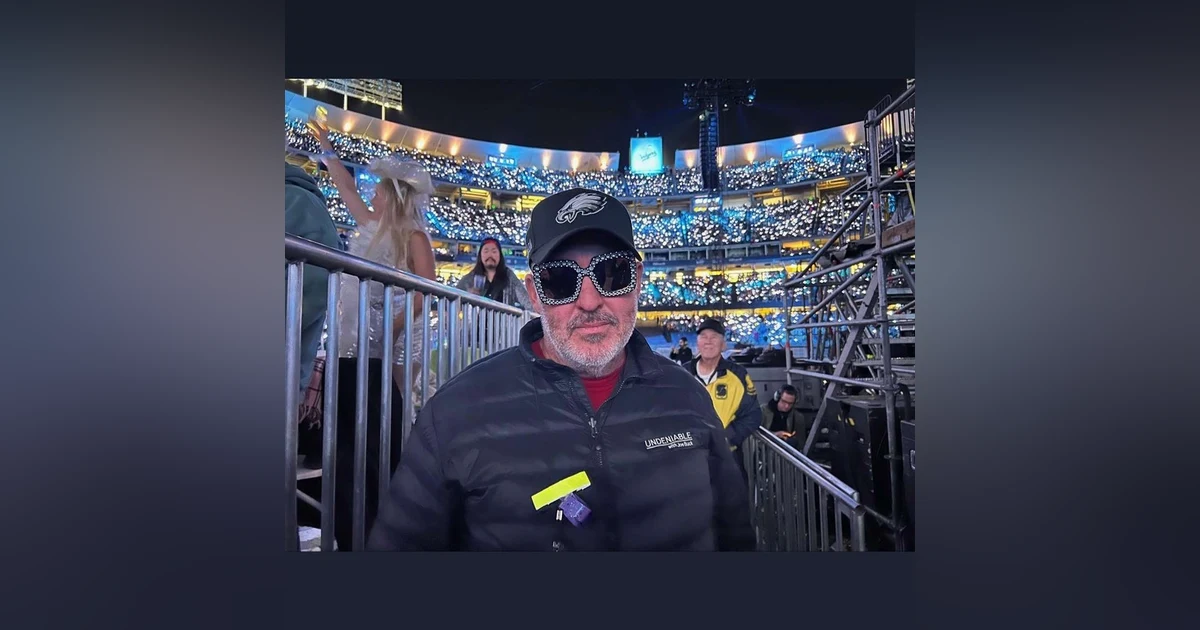
Join us for a captivating dive into the world of show business with Hollywood producer, John Foy. With over 30 years of experience, John shares insights from his journey, from Camp Hill, Pennsylvania to the star-studded streets of LA. Hear about producing Oscar ceremonies, Elton John's last show from Dodger Stadium, Arrested Development and the realities of the Reality TV industry. John also talks about the challenges of adapting to new technologies such as AI and the changing dynamics of TV production. John's wisdom and advice are invaluable for aspiring producers. Whether you're a film enthusiast or dreaming of a career in entertainment, this episode offers an unforgettable journey.
To discover more episodes or connect with us:
0:02 Welcome to no Wrong Choices, where we explore the career journeys of accomplished and inspiring people to uncover secrets of success. I'm Larry Samuels, soon to be joined by the other fellows, tushar Saxena and Larry Shai. For those who might be joining us for the first time and for those who haven't done this yet, please support no Wrong Choices by following us on your podcasting platform of choice and by giving us a five star rating. We also encourage you to join the conversation by connecting with us on LinkedIn, facebook, instagram, youtube and X, by searching for no Wrong Choices or by visiting our website at nowrongchoicescom. This episode features the Hollywood producer, john Foy, who's been active in the business for over 25 years and involved with a wide range of big projects, including arrested development, concert films with Elton John and John Mulaney, the Oscars, reality shows like the Biggest Loser and a ton ton more.
0:57 Tushar is our well. I guess, larry, you are too. However, in this case, tushar is our passionate movie guy. Why don't you lead us into this conversation? All right, so we've had the opportunity on the show before to talk about, to talk to guys who've been directors, talk to a number of actors, and we always talk about like, how do you get into, how do you get into show business? And there are so many different ways to get into show business and John Foy is one of these guys who is you know it's not an insult to say he's not a creative type he is one of these guys who make the movie magic happen, right. So, yes, not everyone's going to be Martin Scorsese, not everyone's going to be Robert Redford. You need the other guys out there to help put the sets together, who help do the sound design, who help scout locations.
1:44 John Foy is one of those guys. And so if you're ever wondering how do I make it, how do I break into the business, how do I get into movies, how do I get into television, well, you know what? There are other ways to do it than, say, I have to be in front of the camera. There's a ton of other things you have to do behind the camera, and John Foy kind of lays out that groundwork as to I want it to be in the business, but I didn't want to do it the conventional way. I love that thought T. And you know what is a producer. I mean like you hear the word, like we all know what an actor is, we all know what a director is. Exactly. Yeah, so what is a producer? What do you do? What's your day like, I mean, and how do you get into it? I mean, is there a producer school somewhere? I don't even know? So yeah, I'm really curious to hear what John has to say about his day to day, how he gets work, what he does.
2:31 Fascinating, fascinating conversation upcoming here, because we all have that little mystery thing about a producer. Okay, I kind of know what that is, but what is it? Absolutely, and for me, I'm looking forward to hearing him talk about how technology has impacted the industry. I've been in the business for 25 years and the industry has literally flipped upside down in that time. So I'm just eager to hear about, you know, artificial intelligence, how that's going to impact the business now, and I should point out that this episode was recorded prior to the writer strike ending. We kept some of his thoughts in the episode because they're really, really interesting. With that, here is John Foy.
3:12 John, thank you so much for joining us. Thanks for having me, john. Before we get too far into the story and into the journey, we like to just get a feel for where our guest is today. So can you tell us a little bit about you know, what you do, what you're currently doing and, beyond that, what a producer actually does for a living? That's funny. My unfortunately deceased mother asked me that question until the day she died. She's like what do you do? She tell all her friends what shows I was doing, and then she'd say no, what do you do? A producer the shortest way that I've kind of called it down over the years to be as a producer is the person who was.
3:56 If everything goes correctly, someone else gets the credit and if it goes wrong it's your fault. So what that means is you know, what I do is not creative, it's all nuts and bolts, and production for is the term that you know it kind of falls under. So I will be called in and asked to put a budget together and then from that budget we lock it and then from that point on we hire the director, we hire the other creative producers, we hire the set designer, lighting designer, things like that, camera operators. So I kind of start with the show is X and then you know, I put a calendar together, I put a budget together, like I said, then we go out and hire people, then I manage the show and then the post production of the show.
4:44 There's people that deal with that, but I oversee the money of that and then we deliver it and then I move on to the next project. So it's it's a kind of an overarching, overseeing money, nuts and bolts job. Got it. And then, what's the difference between a producer and an executive producer? How much you get paid and how much you do Fair enough. So the higher up you go, the more you get paid, the less you do. All right. So I guess, on top of that, I'll ask, I'll ask this to follow that question Does your job, is your job awesome or does your job suck? Both? Because I can imagine.
5:24 I can imagine, because I mean, let's be honest, you know when you have to, when you have to juggle that many plates it can be, it can be daunting. Yeah, and it can be. It can be incredibly frustrating. It can be incredibly fulfilling, exciting. I mean there's nothing like doing a live show and it's starting. I mean, then the train is running and there's nothing you can do about it, but pray, everybody does their job and you've hired correctly and you've set everything up correctly. So that is incredibly stressful and then, once it starts, it's the greatest. It's just like the perfect plan doesn't always go as planned and the biggest mistakes sometimes turn out to be the best parts.
6:08 All right. So let me ask you. Let me ask you this, then, because I think a lot of us have heard this term a great deal, which is called a show runner, right, and a lot of people associate that with, let's say, a writer on a show, that the head writer is sometimes considered like an executive producer or called a show runner, and obviously what you've said is that you deal more with the logistics of a show putting together a crew, putting together dealing with dealing with the money, dealing with other pieces of logistics. So what is the difference, what is the primary difference between a show runner and then what you do, or are you also considered a show runner? I think you cleared it up pretty well. The show runner at that term tends to be a creative role that tends to be someone who either came up with the show 100% is usually a writer, someone who is the creative leader of a show, versus a me who takes what that person wants and puts it together for him.
7:07 I almost think we would have been better off saying what does a producer not do? Because you do everything, as Tee says, you wear so many hats. This is my favorite part of the show every time, and that is taking you back to young. You, however old. You want to bring us back to and start to talk about your dream and how it started. Was it this, was it something else? Well, bring us back to your youth and talk about where this kind of happened for you. What was the dream? All right, it's going to get pretty corny, but it's all true, that's cool. That's one of the points of the show. I grew up in Campbell, Pennsylvania, which is right in the middle of the state, just across the Susquehanna River from Harrisburg, and was always interested in performance to some extent.
7:59 I did magic shows for my family and talent shows and things like that as a kid. I was in a crappy rock band as a kid. I did some musicals in my high school as a kid and then in the 70s we came to California on a family trip and we went to Universal Studios and back then Universal Studios was actually a studio tour. You get off halfway, you have lunch, you get back on, you continue on the train for the rest of the day. It was fantastic. You saw all kinds of stuff. Wow, this is really neat. And then, for whatever reason, it dawned on me that that could be a job. And I didn't know what that was. I didn't know if that was a producer, which I didn't know at the time, what that was, a director, a stuntman.
8:42 I just knew that was really exciting and neat. So then cut to college, which I went to Temple University in Philadelphia and I majored in what was then called a radio, television and film. Now they've kind of split it up and they're all kind of their own majors and have a bunch of majors underneath them. But there I learned kind of theory and practical hands-on stuff. Most of that equipment doesn't exist anymore or is in a museum and I worked for a security company in Philadelphia and saw a bunch of concerts, so it was always kind of around entertainment and performances and live performance and things like that.
9:28 And I did it in May and moved to California in… Volkswagen Jetta from Camp Hild in Los Angeles and took a couple weeks and saw the country and I've been here ever since. So let me, let's go back a little bit to college, because it sounds like you know you saw the Disney world experience and that obviously maybe sparked a dream. But I was looking and I'm like you know, there's no producer school. Like how do we go to school to be a producer? But you talked about nuts and bolts and actually taking some classes. What was your major at Temple? It was called at the time. It was called radio, television and film, so it kind of was a okay shot of all of them.
10:11 How much of that nuts and bolts stuff you said a lot of it doesn't exist today. But you know, at that point are you thinking producer, are you thinking you're old, you know be in film, making movies like. How does that thought process go at this point in your life? It would be far more impressive if I could say that. But I didn't know. I knew I wanted to do something. I didn't know what all the pieces were at the time, but I just knew that I wanted to be in Los Angeles doing something now. At the time I told you I'd been out here with my family in the 70s to a California trip and we went to Universal and that's where I saw the stuff I mentioned. But then, at the time, when I was in college and graduating from college, disney in Orlando was making a big push to have their studios open and it was going to become the quote-unquote, you know, hollywood of the East Coast.
11:03 Now my mom, being in Pennsylvania, was very keen on me going to Orlando instead of Los Angeles, but the rebel and me ended up in Los Angeles. All right, I want to ask you about your trip to Universal. Who were some of the stars that you saw? Frankenstein you. So wait. So you saw Carl off. No, I saw some guy dressed as him. Oh. Let's just say we didn't see anybody, you know, but it was just the excitement of it very, very cool. So you're in your jet a, you drive across the country, you get to LA, and then what?
11:43 How do you break in? What's that first opportunity? What's your, what's your objective? What happens? So, again, I had done a little bit of research. What was a better area, not so better area, what I could afford? And I had moved out to Los Angeles with a high school friend who was my. I have an older sister and she's two years older and she was. He was in her grade, and so the two of us drove out, him and his Ford, tempo or something, and me and my Jetta, and then we got a Hotel in Marina del Rey which doesn't exist anymore, the buildings there, but it's not a hotel anymore.
12:25 And we Got an LA times, because there was no cell phone, there was no computer. I'm dating myself dramatically. We went to the Century City Mall and there was a bank of pay phones and we opened up the LA times and we would call all the apartments that we could afford and leave the pay phone Number as our callback number. Wow, sit there all day at the tables next to the phones and one of us would go walk Around the mall with the other one waited, and then vice versa, and then the phone would ring and we'd answer it. They'd say sorry, the rooms or the apartments not available, or can you come by it five o'clock, or whatever the answer was, and that's how we ended up with our first apartment. That sounds very much like the scene for, like the opening scene of a movie.
13:07 To be quite honest, I feel like I stole it from the secret of my success, which was the Michael J Fox. I'm sure I like that, to be quite honest with you. Yeah, yeah, I'm pretty sure that's where I stole that idea. So, john, so so that first gig that you get in Hollywood, so like, what is that first job that you get in Hollywood? And how is it that you, you know, essentially you're, you've obviously got to beat down doors and figure out how to get yourself on a lot. So how do you get yourself on a lot? so what I did. My my course led me from a friend of my uncles back in Pennsylvania who and it's been a while so I'm sure I'm not getting this totally factually right but I ended up at a post-production facility in North Hollywood and working in the tape vault and back then everything was shot on tape and it literally was like a library where you would bring your project to a post-production house.
13:59 You'd bring your tapes that you'd shot to the vault. They would check them in one by one. Each one would have a barcode so nothing got lost. And then you'd have a shelf of your stuff and then when you came to edit, they'd bring it to the edit bay. You'd work on it and then when you're done, they take it back. And that was my job to check things in, you know, keep things organized, take them to edit sessions and back. And that was a job that I do know better. I loved it. I was just doing stuff. I was, you know, meeting producers. I was, there were shows on TV that I was aware of, that were editing there, and it was all paid in cash, which at 21 in 1989 I didn't understand that I had to keep money for taxes, but we'll get into that.
14:45 All right. So let me just tell you this now. I can kind of I can relate to what you're saying, because back in the day when I was first starting out in the industry myself, I want the radio route, which I am still in today, but one of my very first jobs was was over with MLB production and To see their tape room with all these with all you know, with with just you know, game after game after game. I mean, like you know, if you're a sports junkie, that's heaven and Absolutely. Though I didn't make friend, I didn't make a lot of friends in that place. I made friends with the archivist because that guy had had the, had his hands on all these tapes and you could, if you Get a tape every now and then, to watch an old game back from like the 70s or from the early 80s.
15:25 That was gold man, I know exactly, yeah, talking about. Yeah, it was great. I Didn't say that job, you know was was an indefinite ending to that job. So I was working away there and one of you know as this process I'm about to explain to you still happens to this day. I was working in the vault. A show came in a. A Person that does what I do now needed some production assistance on an upcoming show, asked me if I'd be interested, and then I was met with the dilemma Do I leave the cushy vault job per cash or do I go and work on a real show? So of course I, you know, didn't know what to do.
16:07 I called my mom and she's like I don't know, that vault job sounds pretty stable, you might want to keep that so. So of course I said, well, you know, the show sounds pretty good too. So I went and did that and Two weeks into the show the show got pulled and I was without a job again. So that kind of sucked. But again the same concept happened. The one of the other producers on that show was producing a show at the Pan-Date Pantages theater in Los Angeles called the Grammy living legends show. Which were the honorees were Andrew Lloyd Webber, willie Nelson, liza Manelli and Sonny Robinson. Oh my god, son, wow. I'm amazing. Come on.
16:47 So smoke, smoky Robinson, I mean like you can't go wrong. So you know I was All in and you know I love music and it was in a legitimate, you know beautiful theater. It was a television show. It was like nothing I I had, I had died and gone to heaven and you know that was purely by, like I said, this process that today to this day, continues to happen In the freelance world. You know you, you're as good as your last job, you know. You know by reputation, right place at right time. You know 90%, 80% of my career is luck being in the right place at the right time, making the right decision. Somebody falls out, you step in, like that.
17:29 The stories go on and on All right. So I always tell folks sometimes that one of the biggest, one of the one of the biggest attributes Someone has to have is prove that you're not a prove that you're not a moron. So if you can prove you're not a moron, you're pretty much Guaranteed to kind of work your way up the ladder, so to speak. So, john, is that some is that kind of the case, like you know, in your networking days you're just able to prove you're able to kind of do the job. When you went from gig to gig, Absolutely. I am to this day. I tell people there there are a few things that you can control. One your reputation. I you know. Say please and thank you, no matter what level you are, help out. You know, I dump trash on set still just because it's just.
18:11 If it's there and I can help out, why not? What else am I gonna do so? Okay, the little thing, the little things matter, the little things matter. Absolutely. I love how you talked about 80% of your career being luck. I mean that's amazing, right, like producer feels like that for me, that it's a lot of relationships and people and being at the right place at the right time, as you talked about I Guess. My question is is you, you had to make a lot of choices between going freelance and that steady gig, not just in the beginning, right? Was that through your whole life that you're kind of making these choices in terms of your, your profession?
18:53 Yeah, I mean, I've had a few jobs. You know, in the very, very there's a production. Come down here, end them all. That does. You know a ton of stuff. If you're looking up, you know half of their shows. I mean, when they first came to Los Angeles they were looking for a head of production. So I threw my hat in the ring and I got the job and seven months into it I I realized I don't like that position. I like doing the show, I don't like checking in on a show. So those have come up from time to time and you know, the older I get, the more I think about them. But I feel like Somehow and there's a lot of us out here I'm no genius, there's a lot of us out here that I I really enjoy not knowing what's next and Somehow, in 30 odd years, 1989 to now, whatever that math is, it's, it's, it seems to have worked out and I've got, you know, a daughter graduating college this coming year and another one graduating high school, going into college and been married for 24 years.
19:54 So somehow I've been able to keep this going so hopefully listening to this rat rats me out. Well, john, as you look back, you know, coming out of that archivist, archivist role, you know what were some of the, the bigger breaks that you got that propelled your career forward earlier on, like you said, that don't be an idiot and you will continue to get hired, which is true Be polite, be respectful, work very hard. I remember that, that Grammy living legends show, that first variety show I did. I remember staying With the script department late one night. It was like 2 am and they said, okay, since you stayed late, you can come in Whatever at 11 tomorrow, not at the 8, like everybody else.
20:36 And I drove home and I woke up at 6 or 7 or 8, whatever time it was. I thought, do I sit around here or do I go back? And I didn't go back to like kiss ass. I didn't go back to like show them anything, I just went back because I was excited, they wanted to work and they responded to that in a very positive way. So you're not supposed to be here yet. And I said, well, you know I'd really, I, I just want to be here and help out any way I can. And you know, again, that was pure luck that I did that, because I just wanted to be around it, I wanted to be involved and I wanted to see things. And that was, you know, something that dawned on me Wow, if you put in, if you put in hard work. Good people notice that not everybody does, but good people notice, you know, hard work and I've been very fortunate to, you know, be Not mentored it wasn't set up that way but in essence, mentored by a lot of, you know, very, very losers that you know I do what they did when what I met them.
21:32 There's a guy named Greg Sills who is a legendary variety producer and by luck, you know, he was producing a couple of the shows that I worked on. He called me to do one show and, like four years later, he said you need to leave because You're you're above the job that I have for you. But I had the you know Him looking over my shoulder the whole time, allowing me to make mistakes or be to ask him questions, and that was a pivotal part of my growth in my career. Interesting. You know, looking at a lot of the work that you've done with live events and things of that nature, you know, was there a particular Project that that you really, you know, took a leap forward with?
22:21 I'd say most recently. You know, we did a big Disney Plus show At the Hollywood Bowl this past November for the movie in Kanto, where we brought the whole cast back together and did a live performance of it with a 75-piece orchestra and 50 dancers and the full cast of incanto. And we did it for three nights at the Hollywood Bowl and and then eight days later we did the live final show of Elton John, also for Disney Plus. And you know another example of being in the right place at the right time I I Backing up the company I did both of those shows for us, the same company, and the way I met them was a year before that there was a Netflix show that they were doing and the me at the time quit and A friend of mine got the call to replace him.
23:16 She couldn't do it. She said call John. So I met these guys, did the show it's okay show whatever. Fine, you know it was over. So then this in Kanto at the Hollywood Bowl show comes up. They called me because they had seen my work, you know, on the other show with them and did that. And then they get Elton John Mid prep for incanto and they said do you think you can do both and I said absolutely. I can do both eight days is plenty of time, of course. Come on Like any. Any sane person would have said you might want to get somebody else, but you know we pulled it off and it was very, very hard, but it was incredibly fulfilling and exciting. And you know, it's just that those things happen over and over.
23:59 So it's Emmy nominated who knows when the Emmy nominate Awards will happen, but we're nominated for an Emmy for that, which is very exciting. So, yeah, I mean those kind of things. There's a lot of them, but that's I would say is the most recent one. All right. So, john, let me ask you this art. Would you consider yourself? All right, let me, I'm gonna ask a couple of different questions. I'm gonna ask a couple of short questions here. So first, what was the first concert you ever went to? First concert I went like a national concert or like a local. Yeah, whatever, I mean the first concert you can remember ever going to, that you really enjoyed I. Feel like the first concert I saw was Joe jet in the black hearts in Harrisburg Pennsylvania.
24:39 Wow, okay. So would you consider yourself more of a music guy or, let's say, a TV film guy? I'm going to answer it, probably not to your satisfaction, which I feel like I am a Me. I'm a music fan first and I've had the luck of being able to do music on television. I'll tell you what. Because Actually, that is very much the answer I was thinking about, because when I look at your, when I look at your resume, it screams to me that this guy, a loves live events, b is a huge music fan and like when you talk about like your music fan, like when you talk about like you're, when you talked about, like you know, being able to get to work with, as a young, as a Younger man, work with, you know, smokey Robinson and Willie Nelson and Liza Manelli, I mean, come on, this is this to me sounds like what.
25:27 This is what really kind of gives you juice, the notion of doing a live show as compared to doing, you know, let's say, a produce show, because I mean, obviously the juice is totally different. And I think I would love to hear, like, what is the difference between, or what is the primary difference between, doing, let's say, scripted programming as to doing, as to doing a live show or, you know more, a live type of music performance? And then you know what is that? What is that primary, what is that? Or how much can you quote unquote script of a live musical performance? Well, for example, elton John, the thing we did at Dodger Stadium, that was a tour that had pretty much, with Including the COVID time off toured for about four years.
26:14 The Dodger Stadium shows there were three of them. It was a Thursday, a Friday and a Saturday Were 100% sold out. We somehow and I remember being in the meeting when the director said he wanted to put 28 cameras in Dodger Stadium what planet are you on, dude? Like this place is sold out and it's you know, he's notoriously protective of his audience and not putting crap in their way and great sound and great performance. And we ended up with 28 cameras in Dodger Stadium by the time we ended up shooting. But wow it, the, the excitement of a live show is like nothing I do in my life.
26:56 It's it is you, you set it up, you set all the pieces in place and at some point at 8 o'clock pm, whatever time it is, if it's for you know, for the East Coast, it's 5 pm Like when that switch gets thrown and you know you're on the air. There's nothing like it and, like I said, that train starts and if you've done your job, it all goes off and with a scripted show or a non-live show. It can go on and on and on. Because it can go on and on and on and people want to redo things and they don't make decisions. So they try it four different ways. With a live TV show, you've got to stick to your decisions, you got to believe your decisions and you have to execute them.
27:38 And Two hours later, an hour later, three hours later, whatever the show is, everything you've worked for is over. In a scripted show, then you take all the pieces and it starts over, but in a different fashion, which is you edit and you try it this way, you try it that way, and then you get others opinion and then you second guess yourself. And so the live part of it, just for the immediacy of it, it's, you know, that old adage of you know when someone's on stage and they can get an immediate response, as opposed to shooting a Movie and getting a response a year later. I think that's part of this live fascination that I have. So you prefer the live to the scripted, absolutely. So when you look at some of the the biggest events that you've worked on, like what are your top three?
28:23 Can you come up with a top three? Is that possible? Yeah, I'm not in any order, but I would say Elton John's one of them, the Season of arrested development that I did, which doesn't fall into anything I just said. That's quite all right. And then, to be honest with you, I just did John Mulaney's most recent special that's out on Netflix right now and and because of him, and because it was just a small group of the director, who was also the EP, john and myself running it, it was just a very wonderful experience. So whether it looks like that or not to, you know, a viewer doesn't really matter to me.
29:05 As far as my experiences, that was one of the better ones. I Gotta tell you I actually really enjoyed Baby J. I I watch Baby J and I'm not just saying this because you're here with us. I actually didn't even realize you'd worked on it till till actually, before we kind of had a chance to look over your resume. I enjoyed Baby J a lot. I thought it was really well done. Thank you, yeah, it was it. You know he had John at tour that show for a few years and Before I even was involved and hadn't even met John yet, my daughter's a big fan and we saw in a very, very early Stop in Long Beach, california, and then it to right or in toward, and then it came back around and it was right before Christmas.
29:47 He was playing somewhere here I forget where, and at that point you know I had been hired, we had zoomed, we had talked on the phone, and so I, she and I went to see him there and we talked to him after you know the show and he was very sweet to my daughter and we talked about stuff that we had decided in coming week. And he, he is a student of entertainment and a very smart guy, an incredible boss and, just like I said, he in this the director, alex timbers, who's a Broadway director, which was an interesting choice and a fabulous choice it was. It was, it was a great experience. So how similar to that is like doing, how similar is a show like that to doing a live concert?
30:29 I'd say like like in Kanto, in Kanto was, was a Massive undertaking. I don't know if you've ever been to the Hollywood Bowl, but there's a section in the front that's called the pool seats like a pool You'd swim in, because it used to be a pool and they used to have. I didn't know, that, like you know, performances in the pool, like when you see the, if you ever look at the Beatles footage from there, it's still a pool. At that point you see all the water. Like at the moment. Like if a Mormon, esther Williams. So that whole section Used to be a pool and now it's seating. So we decked out over that. The whole floor was LED.
31:10 We had you know I forget how many spotlights. Like I said, we had 50 dancers. That place is not meant to hold 10 people, let alone the pundits we had on stage no 10th city, across the parking lot, which you, you know you want it right next to the backstage but you can't because that's a fire lane. Like. There's always a million reasons that go into a decision. And then what you don't notice, until you have to level a tent, is there is an incredible slope that goes From the top of the hill down to the bottom on Kowenga Boulevard. That you know is there, but Literally, I think, one end of a tent was, you know, at the ground level.
31:50 On the other end, I think, was 14 feet the air, which makes for a very odd structure. And then you know, you put a tent up on top of it. But all those things, you know you're like, oh, we'll just put a tent in the parking lot, we'll do this. The tent, the floor is not level. You know those things and we somehow we pulled it off and we had, you know, traffic control, because you have to leave room for People to exit if they want. So he would block the street with guards as the dancers would run across the street. It was almost like I don't know if you ever seen when James Corden used to do those crosswalk Performances across that crosswalk, crosswalk Broadway is like that yeah. Yeah, so you know, we had this tent full of dancers, 50 dancers across the way.
32:31 Security would they would hold at the gate. Security would block up the street. They'd run across things. They do it reverse Like so it was. The backstage was, just, as you know, eventful and as big a production is what people saw on stage, wow. Wow, what kind of parallels are there for doing something like that with the Oscars, because you had a big role in the Oscars, right? Not like the stuff I've been talking about. A friend, a very good friend of mine, has produced them for years and you know I've done Two Oscars. One was the year I don't remember. They did them out of the train station downtown in LA here. I do, I do at the Dolby Theater on Sunset which was actually built for the Oscars and it's on Hollywood Boulevard, built for the Oscars.
33:15 And that year they decided they were going to do them down there. So they were presenting Forget what the actual award is called, but they, you know we are a remote into the bigger show For that. And then the last time I did them, which is just this past year, whenever that was in March, I guess it was Kelly and Ryan's morning show does a live show. The next day we go on there at 6 am, 9 am in New York, so the Oscars ends 8 o'clock, whatever. At midnight we rehearse overnight and then at 6 am we go on the air and then at 7 am we're off the air and then I get my car and I drive home.
33:59 So that that's my involvement the Oscars over the two years. Jobs yes, they are jobs, but it's not. You know that there there are other people doing what I would normally do, but again, as a friend to my friend and for sure to work. I'm, you know any of that stuff again, the theory of I always want to be able to Help out, pull something off, use my expertise elsewhere. You know he knew that if he gave that to me it was going to be handled. Yep, very, very cool. So, john, let me ask you this question. I'm curious. You know somebody who entered the business in the the early 90s. You know we fast forward 30 years and the industry the, the media industry has changed so much over that time, with the onset of different technologies and different platforms and the amount of data that's now available.
34:50 How is that, you know, impacted your job? I'm sure it's drastic, but has it made your job harder, easier, like what are some of the things that that you can relate to it? as I lay that out, I Think I think it's definitely made it easier but not realized the easier part until it's kind of settled in, like, I think, the idea of cameras and Video trucks having tapes and having to get those tapes places and now you can Record in the truck but it's on a hard drive and also be feeding a post house at the same time, and those kind of things all make Everything easier.
35:32 But getting to that point and being involved in having a career during the culminate the the creation and culmination of Getting from tape to tape lists and things like that I think that's the part that I'm glad I was involved in. I didn't like it at the time but I feel like now that I watched the change from one to the other, I understand it very well and I understand why it happened and I think it's better. But In the middle of it you're like why? What tapes? Fine, why are we doing this? Why do we have to change it? It's fine. But, you know, the images are better, the technology is better, the process is better, the speed is everything's better. But, like you know, change changes and always welcome, but it's in that case it's better.
36:17 How intimidating is the the learning curve with with new things coming through if I was a Normal logical person I would say very intimidating, but I feel like I don't have a choice. So it's just part of the job. So in this instance, so in this instance, now that you've kind of gotten used to the changes that have happened, because I mean your career has spanned, I mean because you were, you were around for the first writer strike, yeah, and which was the birth, which was the birth of reality TV, right, the read shows like big brother, shows like you know, biggest loser, for that, for that matter, these were all essentially Came under your watch.
36:58 And now that we've kind of, now that reality television has become so ingrained in the landscape, how do you feel about where television, where television and film, currently stands in this day and age? I mean, I mean it used to be where you know sports and then, and then let's say, live events, live concert events, those were reality TV, not not what we see with biggest loser now we see with you know big brother, etc. Those were reality TV. I mean, were you happy or sad to see that? Well, I mean a Big chunk of my career. A chunk of my career went from the variety area into reality and then back to variety, and you know, in that that I'm thinking it was like to the early 2000s.
37:50 I mean I had a very, very good run of reality shows and Again, that was some of the best, absolutely Thanks. Thank you. Yeah, it was. It was fun and it was the Wild West and like the rules were being written as we did it or after we did it, and you know it was. It was really fun and really exciting and you know a Genre that you said was born from. There's a writer strike. What do we put on TV? And that was cheaper and faster and all that kind of stuff was true, but it's kind of evolved into Not cheaper programming, so to speak. I mean, in the big big picture you take a season of CSI and you take a season of reality show XYZ, residuals, things like that, which is obviously part of where we are today being fought over that.
38:43 They, they are still cheaper, but the the cost per episode Back then and the cost per episode now, like we different, and you know you're not seeing this dearth of reality shows taking the place during the strike that you did back then. You still? Do you think the industry is still worth going into? If you're, you know, starting out that's actually probably awkward the way I said that. Does the industry still afford opportunities to those who just kind of want to say I just kind of want to produce television programs and I just want to make good content?
39:25 Does that still exist? Absolutely, and it existed in far more ways than before. Like, I mean, the concept of putting something on a YouTube, or a lot of these shows have been born out of people doing it themselves, and that wasn't even. You couldn't even comprehend how that could be possible when I started. I mean, you needed cameras and lights and all these things, and VHS cameras were what everybody had, and then maybe it got into these I forget what the format was but these smaller ones, dv cams and things like that but, like the idea of shooting your own stuff and being able to afford your own talent and crew and things like that just didn't exist, and now that's a giant part of the direction this is going.
40:17 So, yes, I would say absolutely yes. So if you're a young person who's trying to break into this business, I mean, is it critical and imperative for just young kids to just start producing and start creating in that way, just to kind of develop some chops, so to speak? It seems like it. I mean, I'm a big fan of education and I think, as a well rounded person and as a whole person, I think an education is very important. I think you can do both. I think you can do like you said is just, you know, start making your own content and things like that.
41:00 But I think, in the long run, a degree whether it's a radio, television and film like mine, or an English degree or a sociology degree, whatever the degree is you know, I've got friends that were lawyers and started writing for various shows and haven't been back in the courtroom in 20 years, because they just are fantastic writers and they have this law and how the courts work. Just because you're a sociology major, just because you're a whatever major, doesn't mean that your talent of making content, like you said, is not equally as strong and you're just a better, more well rounded person that makes television.
41:42 Would you prefer to be working now as a young person, or working back then, when you started? I mean I, just because I know what I've done I would say back then I think it's a different, it's a different world now and I think it's you know back then. I guess that's my real question, like because it's such a different world. Like, do you find? Do you find now that with all the technology, with all the ability that, with, with all the ability to just kind of make anything you want on sometimes a shoot, a shoot, string budget, is it easier to create content now and be in the industry now, so to speak, than it was back then?
42:23 As you said a moment ago. Right, you said, look, you would need, you would need a crew, you'd need lights, you'd need tapes, you'd need cameras. So would you rather be? Would you rather have the knowledge you have now and be a young person starting now, or would you rather have the knowledge you have now and be a young person starting when you started in the industry? I feel like and again it's very biased because I'm picking what I did, but I feel like the education in how to produce TV show that I got on some of the people I've previously mentioned and the era that I came up in has made me the professional that I am. I feel like if I was starting now, I feel like we said it's a different world and it's a just in general.
43:09 It's a more urgent world and a more immediate world. You know, like yeah thank. God I didn't have cell phones and I'm going to sound 500 years old here, but thank God you know I didn't have cell phones with you, man, don't worry about it. I think, all the stuff were like you know, these, these poor kids, like you know, there's a tsunami in Japan which, if I even knew about it as a kid, I could give a shit because it came out five days later in a newspaper. Right Now, like their phone dings and like my kids go, is there going to be a tsunami here? And I'm like, what world do we live in? That these, you know, they're just inundated with information and I think, as professionals, I think that kind of transfers into that where everything's immediate, everything's global, everything's got to be huge, everything that's seen by millions.
43:57 You know that that's a different, different mindset than you know, where, like you said, we're roughly the same age. That's that's. That's what I started, yeah. Yeah, and we all did. You know, and you know it's funny, like even for us. We came into the radio business a long time ago and in different ways, and now you know we're we're doing a podcast and it's so easy in a lot of ways to get, get the content out there. It's just, it's a it's a completely different planet than than when we all broke in. So you know, john, when you look at you know some of the projects that you have coming up. You just mentioned John Mulaney. What are some of the things that are on the horizon for you?
44:39 Unfortunately right now not a lot because of the strike. You know, there there was a bunch of stuff culminating and it all came to a screeching halt. Well, I mean, it came to the screeching halt. It came to a slow halt with the anticipation that this was going to happen. We're all very excited when the directors Guild figured their agreement out and thought that's going to be the catalyst because now both sides kind of know where that one ended up and hopefully that'll end this sooner than later. And then, you know, sag After goes on strike. So now we've got two unions that are done without writers. There's not a lot of shows that are done that are not SAG After. So you know, I was lucky enough that I have this 10 comic, you know, up and coming kind of showcase that'll get cut into a couple of episodes for Netflix.
45:28 That doesn't fall under any of those agreements. So we're shooting that in New York in this month. Very cool. And Netflix is going to do their comedy festival again this spring. So there's again lots of talk about things there. There's a couple of other things that I've been, you know, that are kind of on hold and definitely until this gets figured out, and so there's always, you know, more like I have not worked since the pandemic kind of got itself straightened out in our business and the safety procedures. You know that we spent millions of dollars on and I know a lot of people are not happy with us being able to work and you know why can Hollywood work and we can't?
46:11 And I can talk for years on that if you wanted to. But anyway, once that got figured out and we put all those into place, I have had the busiest, you know, blessed two years of my life. So you know, I always say if I knew I was going to be on third, two or whatever it is, then I would enjoy the month or two or whatever it is. But you know, not knowing when the next show is going to come along because of a strike or, god forbid, another pandemic, that's when. That's when I get uneasy. So right now it's all fine and you know, hopefully this strike will end in the next bit of time. But you know it's not. It's not as busy for any of us as it was.
46:54 You know, whatever it was, have you restarted your old rock band? No, we don't want to have the boys gotten back together? We're spread out all over the country so that would take a bit of time, but anyway actually, it's good that you brought up the SAG-AFTRA strike. Wanted to ask you about it. So who's right and who's wrong? Or is there not a right and a wrong? This is my, only my opinion, but the, the idea that you know, the, the, the streaming is a big deal. Ai is a bigger deal. I, as a producer not because I made the rules, but as a producer I have benefited from how these unions are covered under streaming shows, which there are a ton of, as you all know right now, and it's become its own format and it's not getting any smaller, it's only getting bigger.
47:55 And I'm shocked, and it's purely because of the cycle of the contracts. But like, this does not surprise me one bit that it's not settled surprises me because I think again my opinion. On a Monday, they say we are going to resolve this. They talk for a week, both sides are unhappy and they resolve it. And everybody, including the poor, you know sandwich shop across Warner Brothers and the chair vendor and the cleaning people who live paycheck and any, you know all the people that are affected forget the writers, forget the actors, forget the producers, forget the crew member, like all the obvious ones. There are such a tentacles that reach out into a community, especially this town we live in here, that you know people are going under because of this and not just you know the obvious ones.
48:47 So I feel like that. To me, the pieces that go into it are the pieces that go into it and three months from now they'll do exactly what I just said that they could do this week. It's just it's a bit of a stalemate right now. They're not at the table and you know both sides aren't going to be happy, 100% happy, and that's the way it's going to be. That's how all these labor negotiations go and it's it's frustrating because I feel like you know a lot of lives and a lot of, you know people's businesses are going to suffer, because you know something that could be resolved in a week or two or three is going to take months and the same resolution is going to happen. How significant is that or how significant I won't even say on the horizon, because it's here how significant is AI as a player in this negotiation, in this in the industry right now?
49:37 I feel it's a huge. I mean just that it's incredibly scary, just as a human being. I mean, like you hear these stories of where they put two super computers together, talking together, and they, like you know, they get in 48 hours, they get 20 years ahead in their problem solving and it's just, yeah, it's really quite scary and that you know. I think there's again I don't know enough about how you could compensate actors, how you could protect actors, how you could protect the public from seeing something that's not real and not understanding it's not real. Like you see all these things with a president or a world leader saying you know, I sanction a bomb strike.
50:20 That's not real, they've never said it and if you're not paying attention it's, you know, believable and if you're paying attention, it's getting better and better by the minute. So it's just as a forget the actor part of it and what's compensation and things like that? Just the concept of it is quite frightening. So if so, what? I guess it kind of goes back to what I was gonna ask you again. Okay, so strike aside. You're coming out of college, you're coming into Hollywood first time whether it's in your, your Jetta or your Jeep first time out you that person somehow finds you on a lot.
51:01 What's that piece of advice you give them? What's that one piece of advice you give them? I tell everyone I do a lot with my college. I talk to classes out here, I go back to classes in Philadelphia and I can't stress enough to be like, like we said before, be polite, be a good person, say please and thank you. One because you should and two because this is a very fast-paced, very small town and you're only as good as your reputation and if you're a polite, good, hard worker you will go very far and your. Any other limitations you may have are kind of not. They're not overlooked, but they're accepted more.
51:43 If you're an asshole and you're not good, you're sunk. If you're an asshole and you're good you kind of get a pass. But yeah, if you're asshole and you're and you're really good at your job, you get a bit of a pass. But eventually the assholes get caught up too. Favorite movie and or television show. Favorite movie and or television show favorite? I'm a huge Saturday Night Live fan. I wanted to work on that from from a childhood perspective and I'm just too old and lazy and I live here and not there. And movies I had a good question. Movies, movies, movies.
52:25 Huge blazing Saddles fan. Loved the North by Northwest. North by Northwest is one of my all-time favorites so I'm kind of all over the map. You know similar with my music taste I fan of. But you know people's like what, what do you like? And I'm like I kind of like everything you know I'd like. I'm not ashamed to say I'm a huge Huey Lewis and the news fan. Awesome. Why should you be ashamed to say this? Send me some great music. Sports is a great album. Yeah, I'm a zeppelin fan, so I like everything. There are a lot of things not everything, but a lot of things. If there was a concert that you could produce?
53:06 So you've done the Elton John stuff. I saw that you did something with slash. You had all these different projects. If there was an artist that you could produce a concert for, who would that be? If I could do. It was the summer of my freshman year in high school and I kicked myself for not going if I could produce a live-aid show similar to the live-aid show 1985. Oh, wow. I would. I would love to do that, that, that to me, and I would like to say it's for the philanthropy of it, it's not, it's for the scope and for the, the, the chess match and the Tetris game that I have to put together to produce it.
53:49 Wow, absolutely come on that was undoubtedly one of my favorite memories. I remember flipping my my cassettes over and over, recording that concert all day long. That was such a great day. Yeah, and I mean, I've watched DVDs of it and it's not well done and but it was well done for the time, you know. But looking back on it, it was, it was messy, there were mistakes and it didn't matter, it was just. It was just mesmerizing to watch. Oh my god, absolutely. Yeah, I remember that. Well, I imagine although hopefully for good reasons, although that was also for a good reason, but I imagined at some point there'll be another event like that that maybe you can get wrapped up with. Yeah, yeah, I mean, they've done, they've done.
54:30 There was another one I forget how many years later, but that they did. It was on a much smaller scale and it was you know it was successful but it wasn't for me. No, it was like he called it like live Amnesty International. I think, yeah, I forget. But the, the, you know it wasn't the scope of it. The times have changed. You know that'll affect redoing it again. I think you know production and and bands are far more on a hill than they used to be like. You know that. Just that, the backstage footage of those things and trailers and everyone hanging out, you would hope would that come comrade, or he would happen again. But who knows? Well, we can hope and and with that, hopefully you'll be a big part of it.
55:13 If that doesn't do, come together, john, you know. Thank you so much for the time that you gave us today. This was a fascinating conversation. Great. I really appreciate it and, like I said, I hope it cuts together and the the. When our mutual friend told me about this and it's such a great, I'd listened to many of them. It's just such a great library shows and it's it was really fun to do. Thank you, john. Appreciate it, john. Thank you so much. So that was John Foy, and I'm so happy to say that I now know what a producer does for a living. I always kind of guessed. I made it up, I sounded like I knew what I was talking about, but I didn't know what I was talking about.
55:55 I now know, larry Che. What are your, your thoughts, coming out of that? It seems like you have a leg up on his mother, because even she didn't know what a producer was so good. Good on you on that. Yeah, it is good to hear about what this is and how it works and how he got into the business and thrived. I mean, for me it would be ultimately terrifying to have to freelance and piece my career together like one project at a time, but he seems pretty fearless about it. You know, and I guess when you're successful like he is no big deal right, you could just keep, keep the ball rolling and work with good people and you get projects and you do a great job and your reputation speaks for itself. But fascinating stuff.
56:37 I mean, imagine having your hands in all of those different types of projects and how varied they were. I think I'm most impressed with the variants of the types of programs movies, concerts, everything that he's capable of putting together. Right, it's kind of wearing the same hat, but your subject matter is so different, you know. So, super impressive. What an interesting conversation and I, I too, feel a little more educated on what a producer is, which is fascinating yeah, I'll tell you what. When we all go to the movies now or watch a television show, watch it right to the end and I don't mean wait to the wait to the face to black and then leave the theater, watch the credits all the way to the end, army of people who help put that movie together, and guys like John Foy people like John Foy are the reason why that movie or that television show looks the way it does.
57:31 And yes, there are other ways to get into the business. We should not simply always and I think we do, we do we do an injustice to it, sometimes too right, we always put an emphasis on oh my god, this movie look great, whether it was by square, say Z, or by, or by a Chris Nolan or the, or you know directors of that magnitude. Yes, they do an unbelievable job doing stuff like that. But at the same time, those, those pieces cannot be put together if it's not for the other people behind the scenes who get them, the cameras, who build the sets, who put together the, who put together the costumes that they were, that the actors wear. All these elements come together to put the product on the screen that we watch, and this is probably the main reasons why we've seen the writers, the writer, strike happen the way it did.
58:19 Right, we, we had, we have these products out there. We know why they're striking and the reason what, and the reason was is because they are putting together a product for us to watch. It's not an easy thing to do and they need to be compensated for. And you know what? There are two sides to every story. John Foy was very. John was very, very candid about this. Yes, there are issues that have to be hammered out. Right, he's talking about AI. Ai is a real thing that is going to affect this industry and the fact that it's been taken care of in this sense is a good thing. So now we can all move forward and and hope that new programming is coming down the line and see kudos on you. You asked the question of the interview is your job great or does it suck?
59:04 and the answer is always it's a little bit of both and as a fellow producer myself not obviously the magnitude of that I know exactly what it means. That it's it's both and you get that great guest, you get that great thing and it's awesome, and then if you don't land it, it terrible. So yes, it's an element of both. It's awesome and it sucks at the same time you know, you also asked a great question. I guess this is a two-share celebration of sorts to show. You also asked a great question about do you prefer doing live events or doing scripted stuff? And you could hear how much he enjoys doing live events as somebody who's passionate about music, to be wrapped up with an Elton John concert and some of the other things that that he's that he's done, you can just hear that that he's in the right place doing the right things.
59:55 He enjoys every moment of the work that he's doing and he's had a chance to take his love of music into his professional life, which is which is really, really cool. So he found that spot. He found that niche for himself. So with that, john Foy, thank you so much for joining this episode of no wrong choices. We also thank you for joining us. If this or another journey story inspired you to think of a friend who could be a great guest, please let us know by sending us a note via the contact page of no wrong choices dot com, as I mentioned off the top. Please support us by following no wrong choices on your favorite podcasting platform, while giving us a five-star rating, and then, last but not least, we encourage you to join the no wrong choices community by connecting with us on LinkedIn, facebook, instagram threads and X by searching for no wrong choices.
1:00:45 On behalf of Tushar Saxena and Larry Shay. I'm Larry Samuels. Thank you again for joining us and always remember there are no wrong choices on the road to success. We learn from every experience.