A Leap of Faith: From Sports Journalism to Elder Care with Ellen (Roberts) Belk


 Apple Podcasts

 Spotify

 Castro

 RSS Feed

 Youtube Music

 YouTube
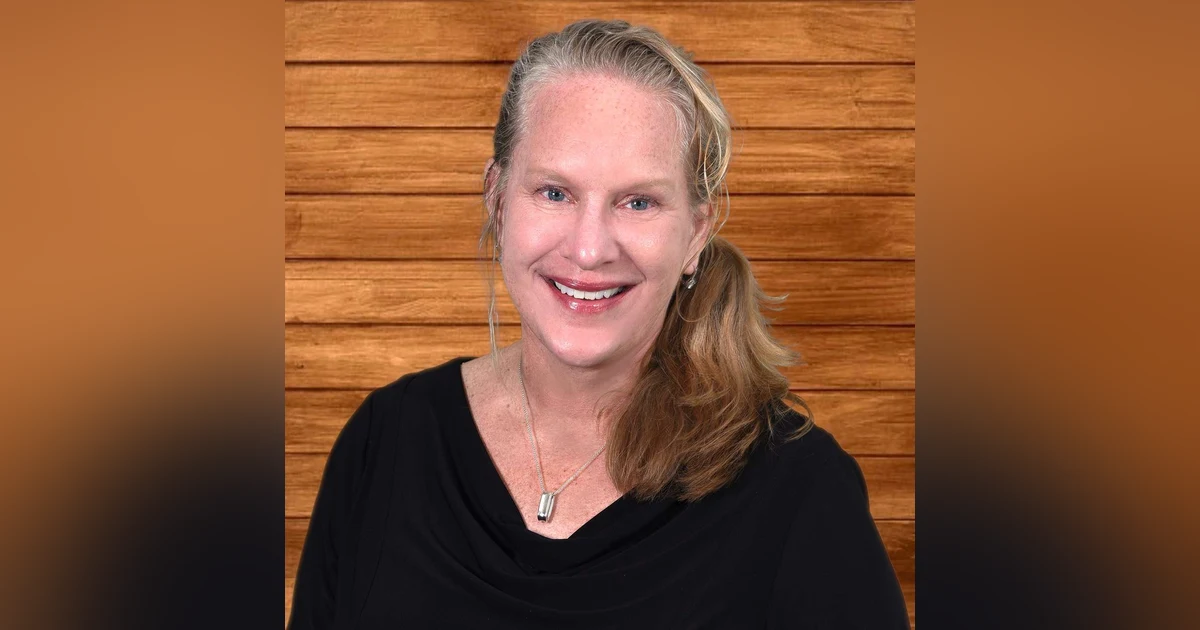
Ellen Belk’s career is a vivid embodiment of hustle and the art of the pivot. Ever imagined making an entire career U-turn? Ellen ventured from being a New York sports producer and reporter to establishing herself as a prominent senior healthcare expert. Her journey, spanning roles from an athlete to a writer, then a notable producer, and finally a healthcare advocate, paints a story of tenacity and transformation.
By diving into this inspiring story, listeners will journey through Ellen's dynamic evolution while gleaning invaluable insights into the shifting realm of senior healthcare. They'll also learn the art of mastering both personal and professional shifts with poise and purpose.
To discover more episodes or connect with us:
00:02 - Career Journeys and Courage
11:30 - Journey From Internship to First Gig
20:07 - Taking Risks and Seizing Opportunities
25:31 - Sports Producer to Charlotte Market Transition
31:16 - Move Carolina to New York Sports
43:19 - Transition From Sports Journalism to Healthcare
51:18 - Transitioning to Healthcare
01:03:26 - The Pivot to Dementia Advocacy
01:13:12 - Community and Podcast Promotion
0:02 Welcome to no Wrong Choices, the podcast that explores the career journeys of accomplished and inspiring people to uncover secrets of success. I'm Larry Samuel, soon to be joined by the other fellas, Tushar Saxena and Larry Shea. For those who might be joining us for the first time and for those who haven't done this yet, please support no Wrong Choices by following us on your podcasting platform of choice and by giving us a five star rating. We also encourage you to join the conversation by connecting with us on LinkedIn, Facebook, Instagram, YouTube and X, by searching for no Wrong Choices, or by visiting our website at NoWrongChoicescom. This episode features the founder of Keep in Mind Inc and the creator of the Kim Academy, Ellen Belk Tushar.
0:45 Once again, you have set us up with a great conversation. Therefore, why don't you set up this conversation, Alright? so I've had the opportunity to know Ellen in both her careers and both of her lives, so our relationship goes back many decades at this point and I've known her since we worked together at FAN and when she was at FAN she was a top flight producer, one of the best people I've known, and it takes a lot of courage to A walk from the market she was in initially when she was in a smaller market in North Carolina, to come to New York and not know a lot of people and to not only when they say, if you can make it there, you can make it anywhere to really become one of the more respected sports producers in New York and then to say all of a sudden, I'm going to leave that profession behind, I'm going to make an absolute 180 and I'm going to go into healthcare, go into senior healthcare, senior, go into elder care.
1:41 And that was a change that a lot of us in the business looked at each other and raised the eyebrow and said she's got to be crazy, this is not going to work. But I'll tell you she made it happen and the story behind it. It's inspiring because it took courage to do that. We took a lot about courage on this podcast that sometimes you have to kind of and I never want to say I'm guilty of it. I'm guilty of it myself when I say you never want to leap before you look. This is one of those cases where you leapt before you look and that's part of the story for Ellen Belk in this case. Yeah, I think we're. I think this is a special episode for us because it's different. You know, usually we're chronicling someone's life where they reach a pinnacle of a career and it takes their whole life's journey to get there.
2:23 And here we have Ellen, who it's really the tale of two careers, right. She reaches the pinnacle at WFAN as an incredible producer and then literally walks away from it, and we really haven't delved into that as a program. So no Wrong Choices is about to dive into something that we haven't talked about before, which is when it's time to make a change and it's time to do the 180, like you said, t, and it does take a lot of courage. So I'm excited to talk to her and I'm as interested in the health part of her career as I am in the WFAN part of her career, because they're equally important and sometimes you never know what's going to fulfill you until you actually get out there and do it.
3:04 I'm excited to hear her journey. I completely agree, and with that here is Ellen Belk. Ellen, thank you so much for joining us. Hey, thanks a lot, guys. Thanks for having me OK. So, guys, full disclosure here. I have known Ellen for a long time, and actually in a previous life than what she does now. I actually had the opportunity to work with her for a number of years at WFAN. When I started, my career was underway and I got to meet Ellen and we became very, very good friends and when she made her career change, I was blown away by how courageous she was. But, ellen, before we get into that portion of the show, ellen, why don't you give us the elevator pitch as to what you're doing these days?
3:45 Well, the mission statement for the Kim Academy is we are elevating the global dementia IQ one student at a time. So I am in my 22nd year of dementia care expertise. Quite frankly, most of that time, prior to me starting my consulting company in 2011, was in senior living operations, and so at one point I was the national director of memory care operations for a country-wide across the USA company had over 100 buildings in their portfolio. So I have that background, but I really now, in my consulting work through Keep in Mind, I specialize in holistic dementia care solutions, and when you hear me say that term, holistic, it is more of how can we non-pharma first take care of those that we serve, whether we're family members or professional care providers, those who are living with dementia in a non-pharma way first as first lines of defense, and so my clients tend to be senior living providers, sometimes product developers who are trying to break into the elder care and or dementia care space.
5:01 So it's kind of a little bit of a I run the gamut, but anyone who's touched by dementia is could clearly be a client of Ellen Belks. So I mean, obviously, like I said, this is not where you started. This is where you ended up. So I'll ask so was this? I mean, I don't think this is where you wanted to end up, but this is where you have, or maybe it is where you wanted to end up. So I want to go back a little bit to the beginning with you and talk about. You are an athlete. You were a great, you were a very good athlete. When you were young, was the notion of being in team sports? How, being in journalism, was that the goal when you were younger?
5:43 Yeah, yeah, I always knew. I mean like I was a writer. I was writing poems and short stories as a grade school student and not because my teachers were telling me to do it, I was. I was just a creative writer. I'm a. You know, I clearly have the gift of gab. Miss Meagher's, my third grade teacher, put me in the cloakroom. For those of you are from the Midwest, you know what the cloakroom was. So I'm sitting in the cloakroom on the third day of third grade because I was too chatty, cathy. So I had that, I had the knack of gab, I had the knack of creative writing and I did. And my sister, my older sister, was in kind of a journalism major, so I knew what the word was as I was growing up.
6:25 But then also I got. I was also the fifth grade girl that you know was on the eighth grade basketball team, freshman, starting on the, on the on the varsity team in high school. I was six feet tall and you know, and you guys, I, I, I tell people this in Mrs Andre I was taller than my. I think I said it was either kindergarten or first. I think Mrs Andre was my first grade teacher. I was taller than her. So I was a tall kid, came from a very athletic family. So yeah, I, I, I think I thought journalism, whatever I thought that meant I continued to write for the school papers. So I kept the writing always kind of was consistent as I was growing up, going through high school and into college. But it was in college where I really got the opportunity to work at the campus college radio station and that's and of course you write, you write to do that.
7:12 So I was able to marry. At that time I realized like okay, this is a thing I get, I can talk and write and let's see where this takes me, and so that's kind of how I got the entree at that time into that. Okay, so before we go any further, the cloakroom is that like timeout? Like what are we? Thank you. I was going to ask that too. What is that? Well, think of a child, think of a third grade classroom where, back in the day, where all your desks are facing the front and the chalkboards at the front, the cloakroom was that little space. Again, I grew up in Wisconsin that where it's like, where it's like winter nine months out of the year, and that space off to the side that you can egg. There was like two entrances to it and you hung your boots and your backpacks and whatever.
7:53 Yeah, ellen, ellen was told, little mini Ellen, who was probably taller than Miss. I was probably taller than Miss Meagher's, actually as well, but she did. I was third day of school and she made me in front of everybody Ellen, live your desk into the cloakroom, yeah, and the rest of the day I had to. I had. I could hear her cause. I could see through the little door that they had, but I was separated from my classmates so I wouldn't disrupt anybody. That's great. So so, education wise, you said you had the gift of the gab. You were a great writer, right? So this is something maybe journalism, maybe sports journalism, because you have that ilk. You had nothing on your mind about getting into any kind of health related field, correct?
8:33 No, no, never crossed my mind. So was it so? Sports maybe the dream, and if that doesn't work out, I'm going to go into maybe journalism or something like that. Or were you not thinking along those lines? You know, really truthfully, I kind of I was. I'm a kid, that, and a gal. To this day it's truthfully over 50 and I'm still flying by the seat of my pants. I'm not I, you know. But at that, as I was maturing, like again, I had opportunity. As I said, I was a freshman starter on the, on the varsity basketball team in high school. I played at a good high school. My senior year I ended up transferring to even a better high school because I, it, just, it just worked out for me. It was a better fit at the, at the, you know, the popular Catholic school in downtown Milwaukee.
9:13 So, and and I, so I did obviously get a D one scholarship. I first started at Illinois State and then I ended up my career at Marquette University, which is where I actually had wanted to go all along, because I'm a girl from Milwaukee. You know, I was an Alma Gweyer, you know, you know, disciple my dad used to quote him at the dinner table. So, yeah, and it was. So sports, sports was what got me through Because I was I, I, you know paid for my education. My parents thanked me well into my forties for that. But, yeah, but, but again, along the way it was really. It was really, larry. When I got my internship at the Milwaukee Brewers my junior year, that's when I realized that, huh, like there, wow, there's, you can actually work in sports.
10:01 You know what I mean. Like the writing, was I going to be a newspaper writer? Maybe? Was I going to find a way to make that? Yeah, but it really. I was just so ensconced in playing basketball and just trying to, you know, you know, win and it really. Sports really my, my athleticism and my participation on the team, obviously in college was really drove, a lot of things. It took, it's very time consuming, even in the off season, you know you're you're playing six days a week, you know so. But yeah, it was when I got on that scholar, excuse me, when I got the opportunity to intern at the Brewers. That's when I started to. That's when I networked, I got, you know, next, started networking with guys at ESPN, started freelancing for them, abc, golf, so that's when.
10:43 That's when I probably made the mental pivot. Let's see where this takes me, you know. So start with that, ben, how did you get the internship? Was that something through Marquette University? Talk about that and how that came about. Yeah, yeah, I had a teacher. I hate myself for always forgetting her name, but she was a teacher, one of my, in my again, I remember I transferred back home to Milwaukee so it would have been my junior year and it was my redshirt year. So I took five years to get through. I have four years of playing. I played two years at Illinois State and then I transferred back home to Milwaukee and I redshirted my junior year and I did not travel with the team when they were on the road, so that gave. So I had some downtime.
11:23 I did a little side job house on the side but then I had two more years. I graduated in five years from college, if you will. But so in that junior year, this particular teacher, she made the comment to us on the, literally on the first day of class you know it was a media writing class, as a matter of fact as well and she was like listen, if you want to get into the media, if you want a job in this, that and the other, and you think you're going to be rich, you better get used to eating a lot of macaroni and cheese. I mean, and first of all, I love macaroni and cheese. What kid at 20 deserts. What's wrong with that? That's fantastic. I was like. I was like you're like that's a bad thing. I'm sorry, what's the downside of this? But I knew that she meant that that way.
12:06 I mean, she was hardcore and I found that to be very refreshing actually, but it also did not deter me. And so I and she and I don't know if I was a favorite student she obviously know I played for the team, the women's basketball team, and she was the one that introduced me to the. She's the one that was kind of siphoning through internship opportunities at that time and she pulled me aside after class and told me had you, had you thought about doing an internship? This is this just came in from the Milwaukee Brewers and and that's kind of how it went. And so I was accepted. I ended up sticking that out there for two years. I did that for both my, my registered year, and I ended up finding a way to get that done the next year as well.
12:48 So it really worked out well for me and and I'll let you guys in on a little secret back in those days this would have been like 88, 89, you know, 1988 or nine 1988 or 89. Yeah, that would have been really cool. That's a good point, very good point. Uh, my, uh, my job, my responsibility at that very first time was that I I was responsible for making the batting practice, warm up tape, and when I say tape, I mean the cassette tape that went into the tape recorder up the tape, we went into the tape recorder up in the press box when the guys came out to you know, do their batting practice before a game.
13:32 That was my responsibility. I wasn't, actually I don't believe it. I don't believe it, but you were a DJ. Are you sitting in your dorm room like hitting, play and record, like on one track or the next? Oh my gosh. No, the good news is I actually got to use the Milwaukee brewer equipment. So no, they had a little mini studio up in the up in the up in the press box and I'm saying press box, it was. They had offices up there behind you know, behind where you Kerrin, everybody was. Yeah, there was an actual office area and I was able to use their equipment. That's great. So one of your primary responsibilities was to create the the batting practice, if I heard that correctly mixtape for all of the different players.
14:18 Now we want to keep going on the journey, but but we also can't let that go. So, from what I remember, some of the players on that team were Paul Molotow. Robin Yant. Yeah, I don't know if Jim Gantner's right, but that's in my head he had he might have been on that team. Yeah, oh yeah, tabby was there. By the way, jim Gantner's daughter went out to be a very good basketball player at the first high school I went to. She became a little local stud herself. But anyway, yeah no those are all the names. You're right, Larry, that's those are all correct. So with those people on the squad and I don't know how, how many people in our audience are going to remember those folks. But anyway, thinking about those players, do you have any great mixtape stories like random songs that were requested, that were just totally out there?
15:03 That would make people laugh 89 huh, yeah, yeah. That is exactly what was Robin Yant's song. What was Robin Yant's song? See I, I you're putting me on the spot. I literally have no recollection, but I will tell you. So I can't remember, was it? You know, tupac Shakur? If that was even I'm not, I'm not sure. No way Robin Yant is listening to Tupac Shakur. No, but was it? Was it? You know? Whoever? Whatever, billy, I don't, I don't remember who anybody's was, but what I did, what I will tell you. I like I don't even know. I don't even know how they did it. Before I got there, I don't know if this had ever been done. I didn't ask it. I don't remember, or do I? I just know I was assigned that task.
15:44 So I just like, go down onto the field Again. I was there in not only on game days, but to I was there during the week too, do another stuff for the, for the brewers, and that I would just go down in the field and ask the guys like hey Robin, hey Paul, what's your I'm? This is who I am. I'm the new intern, this is what I'm responsible for. What song do you want to hear? And I kind of remember my boss at the time being like huh, that was she. I think she thought I was just going to pick stuff. I took it upon my I don't know if that's what she wanted me to do, but I took it upon myself to go down and ask them what do you want? And that's, that's how. I mean I, you know, there you go, that's what happened. So that. So I've apologized to sure I absolutely cannot remember what Robin Yeung's batting breakfast warmup was, if you had any, if you had anywhere with all, you would have kept those tapes and now sold them for like tons of money, Like, hey, this is, this is how I'm trying to give you, trying to try to help you make money here.
16:40 For God's sake, always a side hustle, always a side hustle. So, so from that, from that, from that internship, so how did that then catapult you into your first gig? Well, interesting, like I said, I bounced around a lot. I, as you all know you. You think there came a point where it's like I think I might be able to get on air like this. I think that's the next phase of what happened. Can I get on air? Can I? Can I, you know, do updates, whatever? But I remember what happened, what really happened then, before I even pursued on air work in radio. But I I sprelanced for ESPN for quite a while and I just did some odd jobs Just after I got out of college.
17:21 I just was, I was a hustler, so I waitress, you know, for a while I knew that I wanted to pursue something in sports. At this point still hadn't completely landed on what it was. But through my time at at the Brewers I absolutely started networking with the different producers, sunday Night Baseball Producers guy by the name of Fred back in the day and I and every time they came to Milwaukee, every time they came to Chicago, I was only 70, you know, 70 miles away. So I, whether they were at the Cubs or the White Sox, they called on me. I hopped in a car. I think I made 75 bucks a game. I mean it was. It cost me more to do everything, but whatever. So, and then from that I got again the word. I just started hustling and I started doing, you know, the ABC Gulf.
18:05 In fact, one of the cool things that happened is I got to be on that team when Tiger, his first professional, you know appearance, was at the Milwaukee GMO, the Greater Milwaukee Open, and I was part of the ABC team. We late, we come in about a week early. We laid and I lived there. So I was working. You know I was hanging around, but I actually by that time I was at the radio station called WISN. It was a second in command behind the WTMJ was like the flagship of the brewers, the bucks. I had worked there for a couple of years as well, but by this time so actually I'm kind of lying I was already into my career a little bit when that ABC thing happened, because I did have to take off from work at WISN where I was at afternoon.
18:50 I was a board up, I was the producer of the afternoon drive time sports talk show there, and so I was now. I was kind of I was producing and getting, I was doing some on air work, I was filling in for traffic. I was doing the Marquette Women's color commentating at WISN and at that at that we came in for, you know, the GMO. I got opportunity to do that, my station supported that, and so it was just. I was kind of dipping my toe in a bunch of little pots at that point in my career. Ellen, I don't want to gloss over this part of your story because it's important, you know, because I could hear people out there saying, oh great, you got this job, and you got that job and you got that job, like how right. So I mean this is a story about your journey and chasing your dreams, but people are trying to follow in your path.
19:34 So is it relationships? I mean you talked about the gift of the gab. I mean you're talking about I met so and so and then I got that job and I met so, and so I mean you're obviously a good person to work with because people are around you and they're trying to work with you and make make things. They know you're reliable, they know you're good at what you do. So is it all just relationships? At that point you said you were hustling. What does hustling mean? Are you, are you cold calling? Are you looking at lists of opportunities Like, how does that work? Well, the that's. That's really great. That's a that's a great question. I I, when I was like I said just just to start, go back to the brewery thing Again, no one told me to go down and start talking to the guys, but I did and so I started.
20:17 I'm not afraid to do stuff like that. You know, I'm also even in my basketball playing. I was the girl I grew up out in the burbs. I didn't grow up in the inner city of Milwaukee, I grew up out in the burbs. I was going to a Catholic high school but I would go into the inner city and I would play basketball and the playgrounds with both men and women that were not my peers or neighbors in my neighborhood, because I wanted to get better. In fact, true story on that, my head, the head coach at that senior the high school that I went to, my senior year, where we won state and all that he had said you always have to play to get better. You have to play with people who are better than you. He encouraged us to play with guys. And this is, I don't know if this is all pre.
20:58 You know everybody getting weird about being told what to do. That coach was like you guys want to do something. You got to play with the, the fellas go, you know, play in the playgrounds. And I did that. I took I took him at his word so fast forward that mentality of I'm not afraid to be an outsider, I'm not afraid to try stuff that might be against the norm. That so. So to answer your question, when I got the opportunity to, the reason I got the opportunity is because, for even being up involved with ESPN Saturday Night Baseball, the brewers called me and said hey, espn is coming to town, blarty Blart, can you be here? I got there and even in that opportunity I may. I went into the truck, I talked to the Kairon guys, I introduced myself.
21:39 So I and also just as another sidebar Larry, you have to remember that I and I I was a standout athlete in that market as well. So people followed my journey. I was a very unique person that had played basketball for. I started as a freshman I told you, freshman sophomore junior at a high school further outside of Milwaukee. For various reasons there was coaching issues I then transferred my senior year to Pius. That got a lot of attention. Interestingly, at that time People followed me as a while I was at Pius, you know, I replaced a girl that had been an outstanding. She was a six foot five girl that had been an icon at that, that Catholic high school in downtown Milwaukee.
22:21 She went on to play at Norder Dame. I came in and behind her and played and we won state and I went on to play, not at Norder Dame, but so I was kind of on the radar and, and so when I, when these other opportunities came up, how did I get to the radio station, how people kind of knew who I was because of my sports background in Milwaukee, if you can believe it, and so so there's a little bit of that. There was some cache with some of these things. But to get, have ESPN keep calling me back to have these these little hustling opportunities, yeah, I made a point to shake hands, let you know, make a presence, and I did follow up. I followed up with Fred. I sent Fred the producer Christmas cards at Christmas.
23:03 You know, I when I got opportunities, when I got my first full-time job, seriously making three dollars and 50 cents an hour as a board op, six days a week at a jazz station, that's where I landed at first. I was there for got to start somewhere driving my little dots and you know, all the way out there, no benefits. I told him about that. I said I, this is what I'm. So I did keep in touch with people and even then they were still keeping. They were still, you know, calling me when they came to the market or even in the nearby market. So I I just made I never had a fear of Kind of just sticking my nose into stuff and I wanted to learn I there was times actually I don't think I ever shared this to sharp eyes, even know this there actually was a time that I thought I wanted to be a chiron operator.
23:49 I thought that was a cool, a cool gig. I like I. When I sat in the truck in like the off, like during the baseball games, I started doing this for bucks as well. I got some opportunities over at the box I'm arena again just being a little runner doing things for the guys that were coming in from other teams. But I would sit in the truck in the off time before they told me, hey, go do this, and then I get out of the truck and I go run and do it. But I like that chiron. I actually kind of thought that was an opportunity. But again radio just kept sucking me and I got my career really exploded through radio. Wow, that's a that, that, that's a whirlwind that you just described and you know, as you are going through that, you know. Part of what I started to think about, which I didn't know before, is the fact that you were you were a known quantity, so to speak, within the area where people knew your story.
24:37 You know, maybe you, they were creating some opportunities for you along the way. You're a big fish yeah, you were a big fish in a small pond, but that's exactly where I'm headed. So eventually you take the leap and you wind up in larger markets. I know you wind up in new york. I don't recall if there was an intermediate step, but you know how difficult was it for you and how scary was it for you to to step out of that world where you were comfortable, you were known, you were Respected by your reputation and by your story, to take that leap into something new and bigger. Well, you know again. So this is so cool to go for me to go down memory lane, because, yeah, I did end up leaving milwaukee, which at the time I want to say I want to say it was about a size thirty three, thirty four market and I, the thing that propelled me, I had a good gig.
25:31 I was a, I was a Afternoon drive time sports talk show producer. I was doing the color commentary for the market women. You know, during the season obviously they only did the home game. So was it like it was? I didn't travel for that at that point, but but I had a problem. There was a, there was a and I was doing fill in. My voice was on the air. I was doing fill in traffic as well, for you know I'm, when I say traffic, I mean like that. You know there's a, there's an accident on i-94 actual traffic reports, you try exactly with it when there was a live person doing that. I'm listening to the scanners and I'm just so that all happened. There came a point. I was there about three years and I and I, the guy, the producer, the guy who hosted the show, he would talk to me, he would talk to me and he called me.
26:17 You know, bunny, so you talk to me on the air. I had a nickname and but I couldn't answer him back on air. So I would like push the little thing and I speak into his headphones and then he would like regurgitate to the audience what I said. And I gotta tell you guys, it just bugged me. It and he was. He was great to me. It was not. It was my working relationship with that, with Homer was his name? Was Steve the Homer? True, he was. It was great, but it just made no sense to me when I what. Why I couldn't respond back on air. So I did go to the, the program director at one point. I was like I said, I was here a couple, two, three years, but I finally was starting to get bugged by. I'm getting older, I'm realizing that.
26:58 You know I am. I got some value here. Let's just have some fun with this. I'm not a co-host, but when you ask me a certain question, let me please answer it on air. But the program director was having none of it and, interestingly enough and this kind of becomes a trend throughout my career and even into my life now I thought me, screw you guys, I'm gonna. I'm gonna. I'm gonna give my notice. I had a little bit of a plan. There's more to that story. I did go to Atlanta. I did before I gave my notice. I did go to a trip to Atlanta. This would have been about ninety. It was before the Olympics, but the Olympics were coming in ninety six. So it was probably late ninety five, early ninety six that I went to Atlanta I it was a bigger market.
27:41 I brought resumes with me. I literally went to see. I thought I could just walk into CNN and hand out resumes to people, which is exactly what I tried to do. That didn't, that didn't really work out for me, but it was also in that three at the office is right now they did not do that but but I did realize in that moment they already were starting to ramp up for the Olympics. And when I came back home and I thought about it, I did talk. I did talk to some people who I trusted at the time. They're like, man, that's gonna, if you're gonna try to move without a job, that is gonna be a hard market that everything's gonna soar, they're gonna inflate, you know, if you don't have a gig. So I did what I did was I did lean back into market at that point and I asked them do we have any alumni in Charlotte?
28:28 Because I pulled out the NBA blue book guys and I, because I had access to all that, I was doing some. I was going to. The other thing that was happening while I was at this radio station Is they were sending me to the. I was going to the box, I was going back to the brewers, I was getting sound bites for them. So I was. I had a lot of little things, everything, but actually being on air Full, you know, in the capacity that I talked about when I could just answer people. So they sure enough days. I kind of did my research. There was an equivalent Wbt it's called, here in Charlotte and which is where I live in this outskirts of that now, and I guys, I literally gave my notice. I came to Charlotte without a some money in my hand and I I told I did call ahead.
29:11 I did call ahead to the Wbt in Charlotte, told them I was moving to the market, sent my resume, told them that this is what I had been doing. So they did know that I and they did ask me to get when I got settled to come in for an interview. I did all that. They offered me an overnight board up position. I took it just because I thought let me get my foot in the door. I never had to do the overnight board up position because michelle to foyer, who had been out the afternoon drive time person with the again the main, the mail, doing the sports talk show, she left the Charlotte market to go to wherever, I guess I don't new york cbs, I don't remember where she went. This was 96, late 96, june, you know, halfway through 96 at this point.
29:56 And I they called me back cuz I also had a demo tape at that point that I submitted to them as well. And there you go, I literally replicated my life from the walkie again afternoon drive time sports talk show host. Excuse me to producer for the talk show, but he let me on the air. We, I became his sidekick and then I you know the horn excuse me. The panthers kind of became the franchise opened up here and we were back off to the races and so I was covering sports. I was in the locker rooms, I was getting sound bites, but I was on air as well. How long we win the charlotte market for. Dude, I was there for literally almost 13 months, to the day. Alright. So what point?
30:37 During the 13 months, did you say to yourself I want to move to a bigger market, in that being new york, or did you even? Or did that even? And your mind at any point? absolutely didn't. I was loving my life in the carolinas. The reason I got I came to new york Was because the afternoon drive time sports talk show host I was working for was a fellow. He was a former new york citizen. He benette gardener web. He gardener web is that, that's not that he was. Anyway, he's a basketball guy. He came to the carolinas gardener web is down here, but he had been involved. He's a new yorker. See what he spoke talk, look like a new yorker, is they say in the south. You could, and I did too. I I didn't speak like a new yorker, but you could. The southerners know when infiltrators come to the marketplace.
31:19 He was from new york, I was from wisconsin, but he would always have on. Remember, we did not have a baseball team, there was no baseball team here and so he always had us. He had sweeney murty. We had sweeney murty on during the baseball season on the regular who came on and talked about the Yankees, and that is how. So I got sweet. Then all of a sudden, through that I started getting mike brian on the air. We literally were the carolinas, but because this was a new yorker doing sports talk and there's a lot of there's a lot of northerners and people from other places that have emigrated, if you will, to the carolinas. So it worked, it really worked, and it was along. That time. That's we need one day.
32:00 When he, when he caught, when I was calling to get him on, a sweetie murty was at wfa and at that time told me he was leaving and he was going to wip in philadelphia and he said, hey l, you should apply for this job. You, they're gonna be looking for somebody. It never occurred I would have. I would have continued to stay doing what I was doing. It was sweetie that put that bug in my head. Alright. So just so everyone knows we need murty was for many years for thirty years he was. He was the beat reporter for the Yankee, for the new york Yankees, for wfa in new york, was a colleague of mine and ellens, and now actually is over at mlb network. So if you ever wonder who's we need murty is, or if you have a mlb network, he is actually one of their big.
32:42 He's actually one of their big Baseball baseball contributors now for mlb network. So is a long time guy in the in the industry, good guy, one of the really good guys out there. So now the story has to be how do? Who was it that got you into new york? Cuz? I know this is a good story. So he puts that bug in my ear and I think, alright, well, what do I got? I'm single, I got. What do I got to lose? I do submit the resume and as I wait for that along the time, also remember I told you that brenny was really. Would Mike brian excuse me, my brain for the new york mix at the time, play by, play he, we were playing.
33:22 They would come down and play the hornets and at one particular I was, he was on the air. He would always come on when they were in town from his hotel. And on this one day I said, hey, I'm coming, I'm coming to the game tonight. I'll stop by and see you. I've never met my brain. And I go to press row at the at the charlotte coliseum at that time and I I see that I see the place where the guys from the other team are gonna be sitting, court side, and I walk up to this very handsome black gentleman who happens to, I now know, be well clad frazier, and I say to him hey, have you, do you know who mike brian is? Is he around? That became the running joke for like ever that ellen belk had the audacity to ask the one of the greatest you know, icons and be a history who might bring, was like my brain never let me live that down.
34:10 As a basketball player yourself, you have no idea who one of the great players of all time hey, I was no, I was zoned in on glenn rivers come on back rivers is my guy. I didn't have any, but yeah, anyway, so well. And so what it really was is is greeny I can. I did the same thing with bring as I have done in years past sent him christmas cards, same with you know, sweetie I. I definitely networked in the old school ways of literally writing something on a card and putting it in the mail. You know one of those ways, so old school. So, yeah, it went and sure enough, I got the call and I really always knew that bring it, bring it did call me and tell me we did talk on the phone. He said I'm gonna put in a good word for you, kid, and whatever.
34:51 And that's how I. So I think, between both sweetie and bring I, that's how I probably got the foot in the door. But when I got so yeah, mark, turn off the program director at you know, w f a n called me. They flew me up. I flew up there for literally I was going in and out in a day and I came into this coffee in a story studios and I had this interview and while I, before you knew it, about a couple months later I was packing up a movie truck and move into new york. That's fast. That's was ninety seven. Ninety seven is when I landed. It's a pretty good foot in the door I gotta tell you, so you hired by them. What are they hire you to do?
35:31 What is your responsibilities? How did you ease into the new york city way of life? Is there an ease? yeah, I yeah yeah I was for the midnight. My shift was second shift for the midnight. New york was overwhelming For like a hot minute. I was a fish to water to share. Even you have to be. Before I knew it, my whole entire wardrobe was black. I speak everything I own was black, you know clothes, and I was speaking faster and I never really lost that, but I was a fish to water. I didn't realize that that I had. I it was meant to be, quite frankly, but for the midnight, so so now you're a big fish in a or a bigger pond, yeah, did you feel like a big fish?
36:15 did you know still have that confidence? Or were you kind of like, hey, you know what, I gotta Shift gears here a little bit pivot why had swagger? cuz, listen, I'm at this point. I'm like twenty eight is seven, twenty eight years old. I had some swagger I am, by the way, I want to also say I tried out for the W, the charlotte WNBA women's franchise, when I still live before. So I did not make the team. That was a night again ninety six. I did not make the team but again, I remember I was at the flagship station for the hornets here in the charlotte market and they offered me the opportunity to do color on WBT radio for the charlotte sting women's basketball team.
36:56 I had that opportunity on the table at simultaneously as I was interviewing for the position at WFAN and I, I, literally I. It was a tough one because I had no, no, had never dreamt of being in the new york market. But then there I had the thought like yeah, I'm like wow, this is too good to pass up. So when I got there I did kind of come with some swagger. I did now know people and I had NBA. I knew people at the Bucks, I knew people at the Hornets. You know what I mean. So it wasn't like I had never done anything. I just I mean it's just not an environment for the meek. I mean you really do have to assert yourself. I want to interject for one second, so you have the opportunity to be the analyst on radio or TV.
37:43 Which did you? say it would have been radio. Yeah, radio On radio for the WNBA team, which is a locked in on air position in theoretically a meaningful spot, but you chose to go to New York instead, into a much, I would think, riskier set of circumstances. Why did you make that choice? You know it. To be honest with you. Well, it was not like I was salty because I didn't make the team, but I got to be honest with you. It wasn't the, you know, it was experimental. It wasn't like it was going to be game changing dollars for me, not saying that WFAN.
38:26 You know I didn't make a million dollars when I walked in the door there either. None of us did. But I guess, really truthfully, larry, it was probably just this is the unknown which was more appealing to me, quite frankly, the fact that there is more sports, there is more opportunity. You know, I ended up and I ended up getting when I got to New York. So, yes, I did the WFAN and I was there for over three years. But I also got published there. I did freelance writing, always the hustler guys, always the hustler. So I got published in New York Life Magazine. I was doing, I did, I wanted it to, I just wanted it all. I guess Now, once, I have the flavor of all this and I realized that there was options.
39:10 That's why I say I was kind of a fish to water in New York, because I always there was. If you don't look it, listen what is the saying? If you can't make it here, you can't make it anywhere. If I was going to go there, I was going to make this work, because and it really it was hard, especially when I was in between jobs, and again you're just living on a wing in a prayer and trying to get back in. But I was going to make it work and I really liked New York. Quickly, I really liked New York. I was not afraid of New York. But back to Larry, to Shay's point. I did love going home to the beach. I had the best of both worlds. I slept. When I opened my window in my apartment, I could hear the ocean.
39:50 When I got on the Long Island Railroad and got off at Penn Station, I loved that too. So it kind of just really worked for me. Let's talk about some of your responsibilities when you were over at the fan, because it wasn't simply sitting in the studio cold-colling guests, because you did have other responsibilities. You were out in the field and I know that was part of the real joy of your time over at FAN. So what else, aside from just being in the studio from six to midnight, did you do, because that's really where you began to shine. Yeah, I was the. So the first opportunity. I can't remember what came first, but I was also the Sunday Giants Game Day producer. So when Bob Papa was on the air, I'm in his headset hey, 10 seconds to commercial this read this spot.
40:36 So I did get that opportunity. Was it year one? I don't remember, but it certainly was by year two. So I was the Game Day Studio producer for the New York Giants. Along with that then I also became the Monday night coaches show producer, for ultimately it happened for both the Giants and the Jets. So the Giants, if you can remember, back in those days we were at that steak joint which was on the first. The first year I did it the New York Giants. We were in the first floor, if I'm not mistaken, of the whatever steakhouse that was in where Grant was, where Chris yeah, where we're 9-11, we're in the World Trade Center. We ended up going to the New York, or maybe that was first.
41:18 I think we did the New York Sport Club, new York Sport Club might have been first actually. I don't even know if that existed. I think that was the first location, because I think I only did because I remember I had to call the limos, get the limos there for the guys, any of the guests. I got the players from Jason Sehorn to Tiki, whatever I was that. So I was the Giants Game excuse me, game Day producer and the Monday night coaches show, which was fossil back in those days Along the way. Then the Jets their coaches show is at the Garden City Hotel out on Long Island. Well, hello, of course I'm. You know he gives me. I got that task as well, and the way they work that out I don't even know how this that's up to the program people, but every other week is how that works.
42:02 So I was every Monday I was somewhere. I was either in the city doing the Giants or the following week in the out in Long Island doing the Jets, and I did so. I had that opportunity to do that as well, and so that's the kind of stuff. Now, again, I'm getting to know the players more and, of course, making sure I'm. You know, when I at some point I started to get to know front office people and you know it just, it did help grow my network and just expand. Expand the Ellen energy, if you will. All right. So another piece of disclosure here is that I left WFAN in 1999, all right, and Ellen was still there. What year did you what?
42:43 Let's, let's jump ahead a little bit. What year did you leave FAN? It would have been once again. Once again, when I was slighted, when I didn't get the Giants beat reporter, I told you everything I've already done and Billy, the person, the former football player, billy Taylor, had been the Giants beat reporter and goes up to camp and all that. And when he left to go to another radio station, I did, I've it was of course I was a lot to get that. The guys all knew me, the team knew me. I didn't get it, and so I again, once again, in Ellen's style, I left the. I left, I felt, when you feel disrespected at levels like that. I don't know what it was, but I thought, no, this is BS, I have earned this right.
43:27 So I left, and so I would have left to Char, I will tell you this by. It would have been sometime in 99, but I again got picked up at Iyada Internet Radio, and so I was not unemployed terribly long, but I was unemployed a little, several months probably. What year was that? Roughly End of 99, because by 2000,. By 2000 we were on the air at Iyada. All right. So I had a gig at a place called WLIV and I was a sports producer there and I actually had to build out a small reporting staff, and one of the people that I had that I actually was able to hire was my good friend, Ellen at that time Ellen Roberts to cover the Jets because she was out on the island.
44:10 It made perfect sense. Now I don't know if anyone's ever seen the 30 for 30 documentary, the Two Bills with Bill Parcells and Bill Belichick, either of you. I probably protested it because I didn't like the subject. Yeah, same here, nonetheless, nonetheless, there was an actual. There's a scene in the documentary where Ellen is in class with Bill Belichick while he's with the Jets during a defensive a defensive, let's say, tape session where you can see Ellen in the classroom, and there's one where they're on the field as well, where they're going through the drills for all the reporters. It's pretty cool, sounds horrible.
44:50 That was awesome. As a native buffalo-ty in, it sounds absolutely positively horrible. Well, I'm so glad you can keep a clear head and, even all these years later, good to see that you don't carry a grudge, larry. All right. So, elle, let's talk about the big change. Let's talk about the big change, right? So you've been kicking ass in sports journalism in New York. You've been moving up the rank, you've been moving up the ladder, you've been moving up the rank. But then and I'll tell everybody, the big thing happens in New York 9-11. That was a big moment for you. What happens then? It was as I as the just to rewind just two seconds is I at that point.
45:31 Now I was on air at Eata internet radio. For those people, that was almost the precursor you would listen through your computer. It was the precursor to what now ultimately became serious xm, you know, satellite radio, but we had this dot-com upstart that I was a part of, and a gentleman by the name of don la greca and I did a show from nine to midnight the Christmas Eve. That would have been. It would have been cutting. We were only got. It barely was a year, and Christmas Eve of 2000 we were told this is your last show. It was we were the first round of people to get booted out as the Dot-com era was crashing around us.
46:12 So but they still paid me out, I still did work, I was still hustling, I was still writing, I was getting that got a lot of speaking engagements. At that point, as you can imagine, I was a chick who in sports, you know, and I and people I was getting, I was asked to speak here and at this Kiwanis thing and stuff like that. Everybody wanted behind the. You know seen baseball Stuff about you know sports and being a woman in sports. So I was able to still kind of cobble together, but I was technically unemployed in my mind. I had all these side things going, but nothing solid, nothing full-time With benefits or anything. When 9-11 happened, and so I had been, you know, that had been about six months. I, for the first three months I was still collecting the dot-com money, but then that stopped and for another couple, three, four months it was just Ellen Bell cussing hard and living off of her savings and it was 9-11.
47:03 When I realized I sat there, it was. It was. It was as, of course, as a citizen of all of us, if we were all citizens of the state, everyone was impacted in a certain way and it was kind of that was, I thought to my side, an aha moment. Like you know, damn, I, I've I never expected to be in New York and, by God I was hosting a show in New York and I I've had this great experience, this great five-year journey Of or how many. Every years it felt longer, but, however, I did things that I never dreamed I would be able to do and I just thought it was time I need to go back to home base and I'm not sure I'm gonna stay in this market. It mean in this market meaning in the in the sports industry and and what the click?
47:47 What the clincher was for me is I Again, I kind of packed up. I had that took a longer. You know I things that didn't happen like overnight. I had to get things organized. What's gonna happen? But when I was doing my research back in Milwaukee because I've been God of the market now for many years Y'all the same freakin people, that's that program FYI true story in the year 2023. That program director who wouldn't let me on the air, which is why I left WISM to begin with he's still the program director at that radio station. Can you believe that? So when I left New York and came back to Milwaukee to kind of regroup and recalibrate, I knew pretty quickly that I was gonna pivot, because the same players Were literally in the same positions in all the different areas of different radio stations and I thought you know what, not for nothing, I'm better than all you people.
48:39 I'm not going backwards, I'm going forward. So that was kind of my mindset. So I I specifically took a beat and I thought, listen, I'm published, I can speak, I can craft a story. I've broken stories and tense situations. You know, I've interviewed people. I'm not afraid of people. I think I can be. As this is what is in my head, I would be a great spokesperson for, like a hospital network. You know, I didn't even know what I was thinking, but I will tell you this. For some reason call it divine intervention. Possibly I had the forethought of thinking I need to be in health care. I it just Literally. It could have actually been. I had no connection to health care.
49:20 I had no one in my family that worked in health care. I had never really dealt with health care. Half of my career I didn't have health care and radio. So for some, for some reason, it just came to me that this is a this is a more solid industry. People need care. So maybe that you won't get your show won't get canceled if you will. You know what I mean. So I kind of made, I made the conscious effort to pursue, use my skills and talents and try to pursue that avenue. So it was thinking about health care as a market of opportunity that was stable, that had Obviously a lot of growth potential, as crazy as that sound.
50:01 So you you looked at it as a Person trying to market their skills towards an area that seemed like an area of opportunity versus a Passion pulling you in that direction. That's correct. Yeah, that is correct, that is correct. So once you identified that as an area that you wanted to pursue, you know what steps did you take to Create a presence for yourself. I literally I'm sending resumes out to every ain't, I'm going into the looking up where jobs happening and interestingly enough, I probably figured out pretty quickly, they don't put like Hospital spokesperson in the want ads, like that wasn't a thing.
50:43 So I I started anything that had to do with even writing. I probably started interviewing for some public relations type stuff. Again, I'm and, but I'm thinking I made it in New York people, I can make it anywhere. I mean, that's what the cockiness of me, that competitive, I don't sit on the sideline kind of gal, that's kind of. What was, though, that? that was the blood you know pursing through my veins, but I will, yeah, and like with sports, you knew everything about sports. You know nothing about health care. Like, how are you making yourself? Yeah, yeah well To your point. I probably didn't think that angle out well, because every resume I set out it made sense.
51:24 It made sense in my head. Giants game day producer, wfan, number one sports talk chase in New York, you know, beat reporter it, you do be, you do great at a hospital. Have it had health care in 20 years? Perfect. I kept you know, I kept thinking I can craft a message. You guys have a, a breakdown in the in the ER lab. Let Ellen Belkitt on air and talk about it. You know I just. It made perfect sense. I had Del Harris of the New York Lakers on speed dial. Come on, people. People know me and they so, that being said, though it yes, of course, probably not my brightest and not the brightest bulb moment in the pack, but what ended up happening is, I figured, okay, this isn't working.
52:13 I was getting, interestingly enough, I interviewed with the cancer centers, treatment centers of America, for a media position in that, in that and that, and cancer center Treatment centers of America I don't know if they still exist, but that was a thing back in the day and I would have had to move to Illinois. I mean it was. I got down to the final two or three candidates. But I will tell you, it became very quickly obvious to me I the last couple interviews I had, when the guy sitting across from me was like the vice president of whatever, and he just kept asking me to tell him more about Bill Parcells. And what kind of guy was he? like. And what was it? I thought horrible person, horrible I. Thought to myself I'm not gonna freakin get this job. These people just wanted to meet the girl that sent this resume.
52:54 You know, that's it too right. You hit the nail that the other resume is a WFA and essentially resume, right, I mean there's nothing else related on the conversation piece. So I took the first, literally, literally. So this goes on for several months. I, six months earlier, I'm, you know, covering the game when Stan Jeff, jeff Van Gundy was hanging on the leg of Alonzo morning. And Six months later I walk into a skilled nursing home. They I saw a want ad for $11 an hour for an activity assistant. Didn't know what any of that meant, but I knew it was healthcare and so I go in there, I'm, I'm literally hired on the spot.
53:39 That should have been the first key that, wow, this, this, how hard could this be? I mean, how desperate are you people? But but, but, exactly but I got the gig I had. I didn't know how to spell the word Alzheimer's, didn't know other than you know, having spent time with my grandfather when he lived in a nursing home and my mom, you know, would take me and I candy striped for like to get some good points to go to college, whatever. But I was not. Uh, again, I, you've already heard my life story, so I wasn't like I was hanging out at the blue light special cafe Waiting for the senior citizens to walk in. So the I but I, but, but the way I looked at it and I was very conscious. I knew this was going to be culture shock, but ellen belk, you know, thought if I just get my freaking foot in the door, I will figure this out.
54:28 And that really, I swear to god, I literally talked to myself that way, like I don't care. This is 11 bucks an hour. This is that. This is a place that delivers healthcare. I'll figure it out. This isn't my last stop. This is my starting point and that's really the mentality that I went in to that particular position with. You've now got your foot in the industry. How was? How did people take to your style? Obviously, you're super high energy, right? I can? If anything has come out of this conversation, you are super high energy. So how did that? How did that go over with people in the industry? Before we go, before we go into that aha moment when you said this is my calling healthcare was very, very unwelcoming to me.
55:11 One of my second or third jobs. I then became a director at an adult day. Let me just say that and and that's when that really hit me, because adult day services, where people elders come for the day so that their caregivers get respite and then they go home at the end of the day. I became a director there in like a hot minute. But the reason I bring that part up is because to share I. It was then that I realized, wow, there are actually people rooting against me. They I had a boss that you know she there were people that were criticizing that I didn't know anything like. Well, how did she get? How is she a director? She doesn't even know how to spell Alzheimer's. I was, but I was, but they also weren't Taking me under, they weren't Appreciative of this.
55:51 Has yet another person that's in our industry now let's, let's help her then. So it was kind of a double-edged sword and and and let me just also say, and I am a woman, obviously, but as we, as you've learned about me now, most of my life I have been surrounded by men professionally in in sports. I Often was the lone female in many locker rooms that I covered in every market that I worked. So I had, and I clearly have, some more testosterone than the average gal herself. So I, I, this healthcare, and it kind of to this day remains but Eaps, especially back now in 2001, 2002, it is a very heavy female driven industry. So that was I.
56:34 I didn't know how to play in the sandbox with girls because I was a Chick that wore sweatpants to jet stadium, jets camp and I, you know, hung out in the locker room with you know uh, kishan Johnson and, and you know, shot the, shot the crap around. We know I swore like a truck driver all of that. So I was, I fit it, I blended in that universe. I did not blend well in the in the female driven world of healthcare in those early days. So you had a lot to learn. Obviously, how did that happen? You're not getting shared with you know, nobody's there helping you. You're kind of what. I mean you have guidelines but you're kind of making it up as you go along, flying by the seat of your pants, like how do you educate yourself to get up to speed? I mean, it had to happen because you're you've been in the industry now for 20, countless years.
57:16 Yeah, uh, all of the above, I will tell you it made no sense to anybody as it. You know, anyone listening to this story is like, oh my gosh, how, what is this transition? But I, you guys, I absolutely implored All of my investigative reporting skills. I listen, I didn't know all the I didn't. I had to research some of the players Before, you know, before I spoke to them, so I could sound like I mean, you can't just go into a locker, mr, talking to people. I had to know who I was talking to. There's research that has to go on Blue books that have to be read, you know, to find out which team is what and how this all works together in all these sports. I did that. I employed those same skill sets in senior living. Now, of course, the internet is a thing.
57:57 I'm Researching things. I'm trying to figure out who the players are, where, where, who are, who are the great healthcare providers? I landed in this first job in senior in a place in a nursing home, but now healthcare is so broad. I could have gone into breast cancer stuff. I could have gone into a clinic. I just happened to get my very first job at a place where there were elders. But I started to. I started to kind of teach myself. But then, but then truthfully along the way, once again I got a male boss my set. My third boss was a male boss at a very large healthcare Contingency out of the home base, was out of Chicago, but I work. I got an opportunity to work at one of their Milwaukee based properties and he saw something in me.
58:41 To this day I credit him. I take him when I brag about you know stuff online. I, this is the man that saw something unique in me and he, he invested in my success, you guys. He sent me to rush medical in Chicago. I got continuing it, you know, continuing education credits in all simers and dementia care, and that's that's when things really started to to change for me, because I realized this is my, this is my calling, this is this is that and that's where. Yeah, that's exactly what I was just gonna. At any point, are you saying to yourself I've made a huge mistake, I need to get back into sports, or did you find your calling? Is this like? All of a sudden, the light bulb goes off and wow, this is where I'm meant to be.
59:21 Yeah, no, I had a, you know I have other. I have aha moments along the way, but yes, I realized that this big voice, I made good money. You know, I that dot com money I was. That was the most I'd made at that time. I made good money using this voice. I still make good money using this voice. I'm now Advocating for some. I'm advocating for people many of none of who will probably ever remember my name, and when I say I mean the residents. I now am an advocate for people who have cognitive decline. Even in all my consulting work. That's all I do. Now. I'm a, I'm a board certified dementia educator, certified dementia practitioner and I have whole, you know the holistic dementia expertise.
1:00:03 Those are all the things that I've racked up now over the years and I continue to never forget. There was fun to interview Dennis Rodman. It was fun to, you know, know, michael Jordan. These are all fun and that's great. But now the I'm I. I can remember almost not every, not every single resident to a person, but I know the names, the stories of the people whose lives I touched when I worked in the local levels and then even when I got into the national, into national positions. I'm now leading people and trying to again infuse Ellen energy in them across the country, and, and, and it felt good. The voice continues to be my calling card, but now it is for something that's much grander than than what I'm.
1:00:45 You know what I ever thought it was capable of? All right, so let's talk about how that plays into keep in mind. So what is, what exactly is keeping mine, and how does, how does your current journey now work into that? Well, it's my company. Hey, there came a point where there came a point where I guess that I authored, I authored the manual originally and that's now kind of the whole company got built about, built around that originally. So it's, you know, I have I actually I will say this I almost feel like I need to rebrand now because COVID has really dust. There's so many things that have changed in the healthcare system now, guys, and so I Specialized in dementia care training. So this, this manual, is an operational system.
1:01:27 They know it's a play, it's literally a playbook. Again, I always weave in my sports background I speak sports even in my dementia to dementia care. You know, hey, it's a playbook. You were a team. It takes a team of people to care for people with dementia. You know, I always kind of that, I've always got that thread because that is still part of my personhood. I can't deny my athletic background and my, my love of sport. But I and I'm so that's another thing that makes me unique. It's no one in healthcare talks like that, because it's it's, they're very, they're very. There's a lot. I, I kind of live in the gray, you guys, I live in the gray area that's health. Healthcare can be very black and white. So I continue to be a unicorn.
1:02:08 I'm a little bit if you can believe it at. This is a thing I can't believe. I'm about to say this. I am a a little bit of an influencer in the dementia care space because my voice is so unique. I'm not your, your norm. So how it plays into that is I've leveraged. I've leveraged all these you know relationships, I will and and I am an asset to, you know, to organizations that don't have a plan and they, you know. But one thing that is, like I said about cove it and what's deaf, decimated the healthcare the healthcare industry Doesn't, isn't well known in investing in the success of their employees. You know what I mean. That's, it's not, it's not an industry.
1:02:49 They, they will burn and churn and I find that it is. It's almost alarming, actually. In fact it's actually gotten worse that that you know people, the fact that somebody sent me to rush medical and spent how much ever he spent. I had to do it over a course of six, six weeks. I'd go every weekend and for I walked away with 42 continuing education credits in a leadership and Dementia care units certification. I can't. Even I stayed in a hotel. I mean, I can't even imagine there's not a, there's not a healthcare provider alive right now that would do that in the climate that we're operating in right now. So I'm in a constant state of pivot, you guys, and that's why I had again, in the midst of all this, people are not spending the five figures that it come, you know, so that it takes to get Ellen's 360 system and Ellen's ongoing consulting.
1:03:39 So, once again, we pivot and I brought. That's how. That's how the creation of the Kim Academy Kim is the acronym for, keep in mind, the Kim Academy Online dementia education platform is has been launched and it is, it's evergreen and ever growing right now. So I'm because it can be at a lower price point. I'm on demand, I record stuff that is, so I'm not enough to fly to your community and be there in person, so that the return on investment is, yes, you're still gonna have to invest a little bit, but the price point is Significantly lower. I'm still speaking in my team, I'm still training with my teams, you know stuff, but and I'm still, it's still my manual. I'm just kind of deep. I'm kind of deconstructing the manual and doing online learning with it.
1:04:22 Now, if that makes any sense, how? dire is the problem that we see now with an age in population, not just in the US but globally. How dire of a problem is this to give to answer that question to char boomers boomers, baby boomers but they like to be called boomers, by the way Started turning 65 at a clip of 10,000 boomers a day. Started turning 65 in the year 2011. So by 20. So in a mere three, seven years, by 2030, the 65, you know and over demo is projected to be at 74 million. That that's now. This is just in the you. In the United States that's. That will be 24. 20% of our population will be in 20, 37 years from now, will be over, you know, will be of that 65 and over age group.
1:05:10 The boomer, the boomers in America are not unique to America. That same statistic now, obviously, statistically, whether you know different China's got different, you know Population numbers, but that same dynamic is also happening from India to China, to America, to Brazil. That, that, that influx of older adults is here and ever growing. But culturally it is different in other parts of the world, right? I mean, I think in other parts of the world Don't they usually take the elder people back to to the home and take care of them, rather than put them in a place? I feel like in the United States were very Quick to I'm gonna put them in a home or I'm going to.
1:05:51 You know, like it's a different cultural thing, isn't it? 100% we like. We lag behind. It's especially Japan and China, australia, australia from a dementia perspective. These are some of the places that are that they build dementia Communities. And when I say communities, it's not like a lock them up, throw them away, it's like housing, where there's a grocery store in there and people with dementia are living and moving freely. Yes, it's secured and all that. I mean that. I could go on and on about that. But yes, to answer your question, the United States does lag behind, but I will tell you there's a seismic shift and and and this is one of the good things that came out of the pandemic these boomers, these boomers who tend to be remember the for the long time we had the greatest generation and or the silent generation living in senior housing, and these boomer children you know, I've got four boomers still, but I'm a Gen Xer, but I've got four older siblings and their boomers.
1:06:44 They, these boomers, honey, they do not want what we're selling in America. They do not want to be locked up in four walls and a two-hots and a cot or whatever the saying would be. I mean so, they, they. So there's a lot of opportunity in health care in general, home health services. You know date dates at day programs, date. You know it's. It's exponentially expensive. You're looking at seven, eight, nine thousand dollars a month in these private playplaces and that's just on the front end. So the boomers do not want, they're not buying what we're selling, and so and and quite frankly that here's the sad part I, like I said this is my 22nd year. We've known this age wage was that wave was coming, this tsunami, silver tsunami as many call it.
1:07:28 We've known for a decade that this was happening and this is an unfortunate thing. The senior housing market did not pivot and plan. You know everybody keeps again that saying kicking the can down the road. And here we are. So there's gonna be other opportunities, there's gonna be more growth and you're gonna start to see unique growth that isn't just the you must live here 24-7. There there's some. There is some fun innovation that's happening to keep people safer in their home, which is and or congregate living where you can come and go, apartments where you know apartment living where it's 55 and older, and then there is some, some staff on On site, but then they, they harness that energy with other ancillary services.
1:08:11 They're gonna there's gonna be some peace-mealing, if you will to compete, these boomers happy for sure. Well, the very good news is that they have you on their side as an advocate. You know the, the fact that you've been able to to learn about yourself and and develop your communication skills and the way that you have and to then use those I don't want to say for good, because I'm sure the sports work that you were doing before was also very good, but to plug yourself into something so critically important for the, the the more important part of your career, let's say is really admirable. So you know, ellen, if people want to learn more about you and to learn more about the chem academy, where should they go and where should they look?
1:08:56 Well, my website is keep in mind ink and ink is INC dot com. So keep in mind ink. And then the chem academy is it's got its own, it's its own platform and it's it's Kim K. I am Kim Academy dot. Keep in mind ink comm. So I appreciate you the opportunity of letting me get that out there. Come one, come all. We are elevating the global dementia IQ, one student at a time. Very good. Well again, alan, incredible work, important work. Thank you for giving us to shard, helping develop him for us over the years. I'm sure you played a role there.
1:09:38 Well, that was hazard. I get hazard, pay for that guys. Thank you for joining this episode of no wrong choices. Thanks guys, it was my pleasure. So that was Ellen Belk who who provided us with a wonderful blueprint for the art of the pivot to Shar. Thank you for bringing her to us. I appreciate that and there are three words that come to mind after that interview, which were which are eye popping, surprising and inspiring in many ways. Right, so, eye popping and that you know how 9-11 really was such a turning point, for instance, and obviously was a turning point for this country, a turning point for so many of us.
1:10:25 But it was a real turning point for her because she saw at that moment that, you know, maybe the career that she had chosen at that point was not really fulfilling. She needed fulfillment at that point. Surprising was how she went about it. Right was surprising what she just said. It I'll go home, I'm going to kind of start from square one again, but I'm going to be successful. And then inspiring because she became successful. She is successful in this endeavor and not only that, but she is an advocate on such a grand scale that she is brain, that she is raising the dementia IQ Globally in in many senses, that she has now become a real spokesperson for this Terrible, debilitating disease that so many of our, that so many millions of people are Afflicted with now, whether they be young or old, so to speak.
1:11:16 And you know, it's important that we kind of Try and get our our try to get our minds around how, how big this problem could eventually be. And you know, it's important to have someone like an Ellen Belk out there Ringing the bell saying a real problem could be down the line, and then have someone like her say I think I have the solution as well. Yeah, so many inspiring parts to this story. T. You know I have to talk a little bit about. You know who she is as a person, though, and how playing sports gave her confidence when she was younger, and then getting the job with the Milwaukee Brewers gives her confidence to talk to people. The moxie seems to be like a common denominator throughout her whole life and T.
1:12:00 We talked about courage at the beginning of this episode, and you know we talked about how there's nothing more courageous Then turning your back on success to try something new because you know you could do that. It takes a lot of courage for you to turn your back and say let me go do this now. And she did it for something. That's admirable. That's important, and I think it was that moxie. That kind of got her through Both things right and allowed her to be successful in both of these fields. So take something from that. Be confident in yourself and learn how to Make those tough choices and face that fear and in the end she's found her calling. Her calling wasn't to be, you know, a big-time athlete or a big-time sports producer.
1:12:43 Her calling was to do this and you need to do as you said, larry, whatever it takes. You know, she took that job at the, the elder care center, and it was Certainly very different from the glamorous stuff that she was doing before, but she was willing to do whatever it took to Put herself into a new game and to care of that ball forward, so to speak. So just a great story About courage, putting yourself out there and, as I mentioned, leading into all of this the art of the pivot. So, ellen, thank you so much for joining this episode of no wrong choices. We also thank you for joining us. If this or another journey story inspired you to think of a friend who could be a great guest, please let us know by sending us a note via the contact page of no wrong choices Com, as I mentioned up the top.
1:13:30 Please support us by following no wrong choices on your favorite podcasting platform, while giving us a five-star rating. And then, last but not At least, we encourage you to join the no wrong choices community by connecting with us on linkedin, facebook, instagram threads and X by searching for no wrong choices. On behalf of Tushar Saxena and Larry Shea. I'm Larry Samuels. Thank you again for joining us, and always remember there are no wrong choices on the road to success. We learn from every experience.